Emanuele Zanda
Google review
★★★★★
Read on Google“An excellent experience on the installer training course. The whole team was professional and knowledgeable.”
Cable blowing machines · Made in Italy
From last-mile connections to long-distance runs, a Fibernet technician can help you choose the right machine for your fibre optic cable installation.
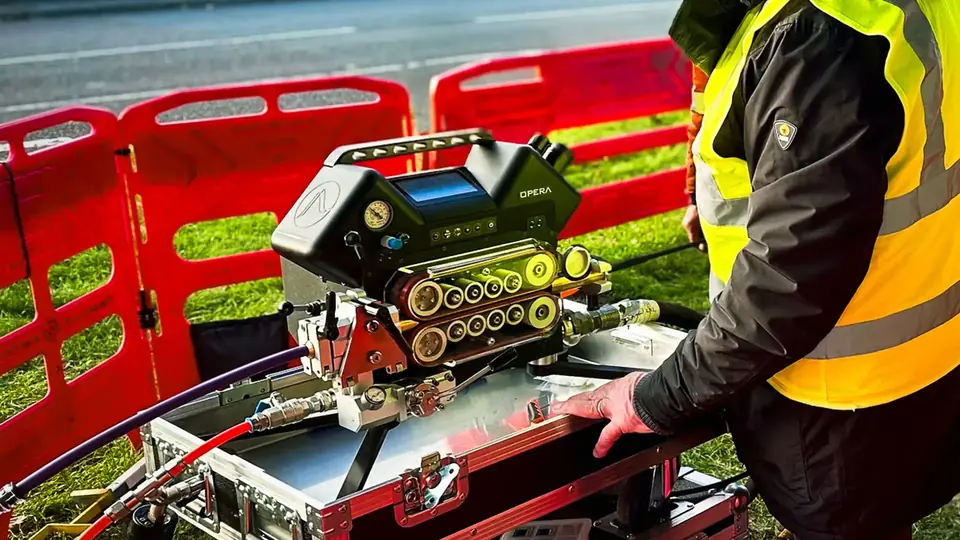
Opera, image 1 of 3
Expert advice direct from the manufacturer / Free demonstration on request
Some of our customers.
Keep your installation moving with Fibernet cable blowing machines.
Photos and stories from installers, published by Fibernet.
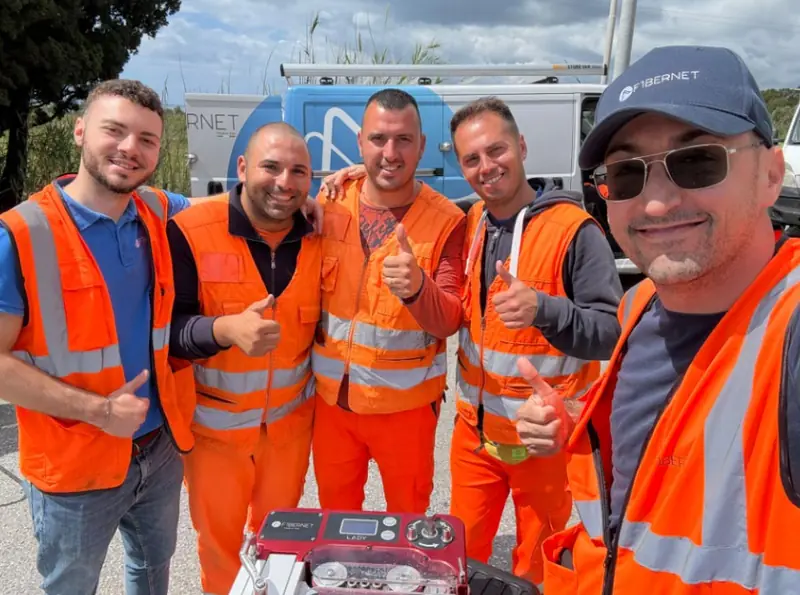
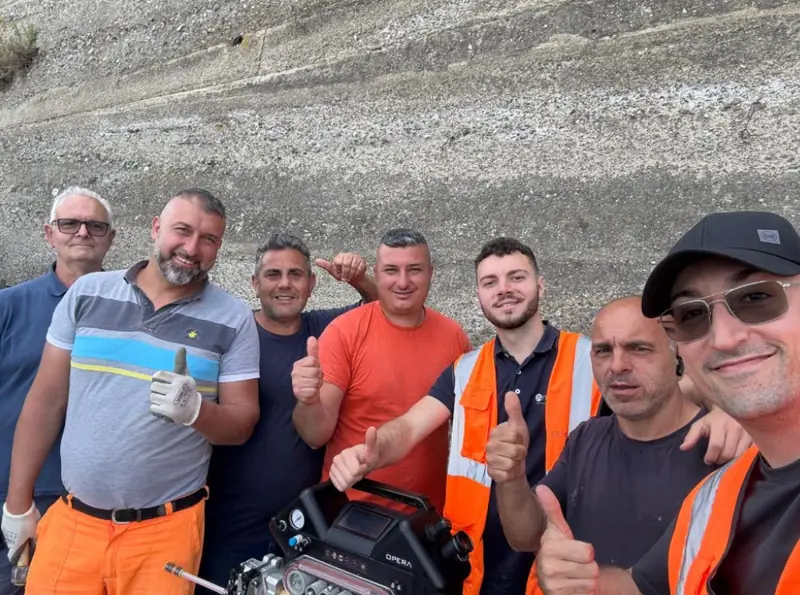
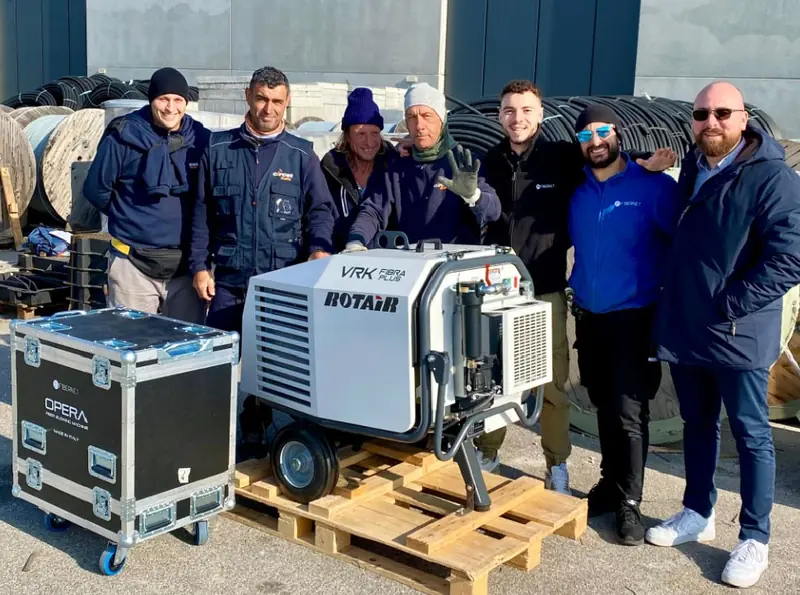
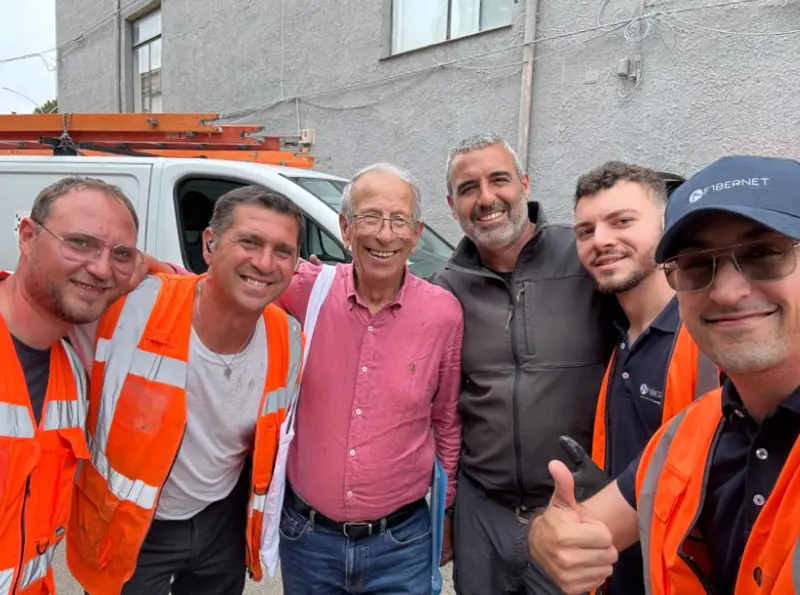
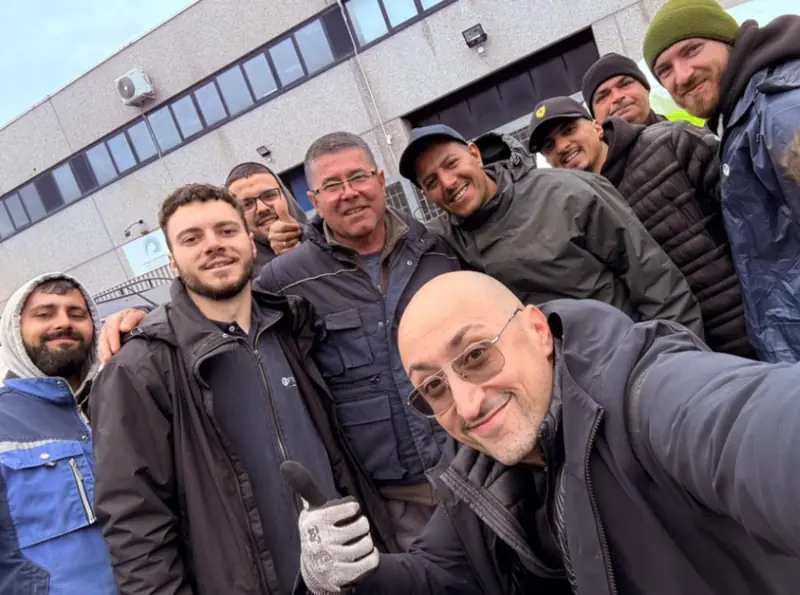
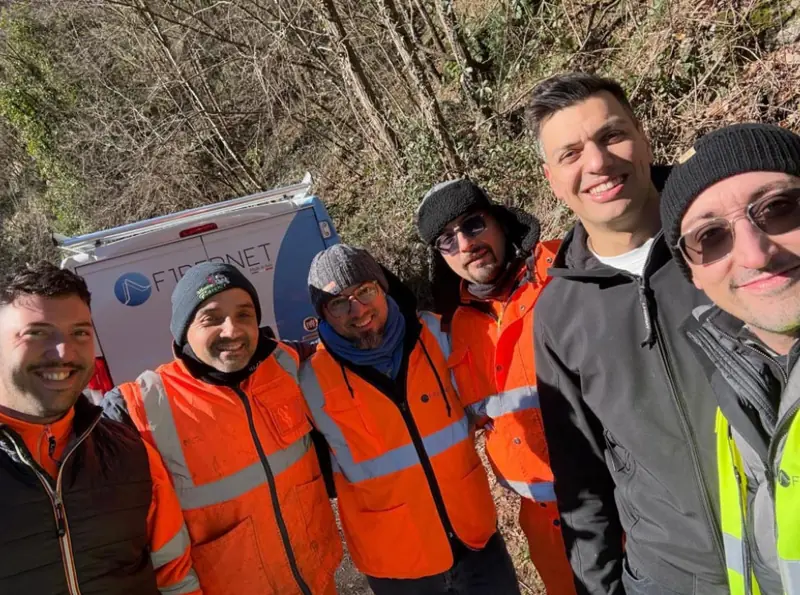 GoogleExcellentBased on 176 reviewsRead the reviews
Read on Google“An excellent experience on the installer training course. The whole team was professional and knowledgeable.”
Read on Google“I had the chance to try the Opera cable blowing machine on site…”
Read on Google“I really enjoyed this course. It took place in a pleasant setting with friendly, helpful people.”
Stories from installers
Hear the results from the installers themselves. Watch their testimonials right here.
Product videos
Three machines. Find your fit.
Start with the job at hand. Our technician can answer your questions about the right setup.
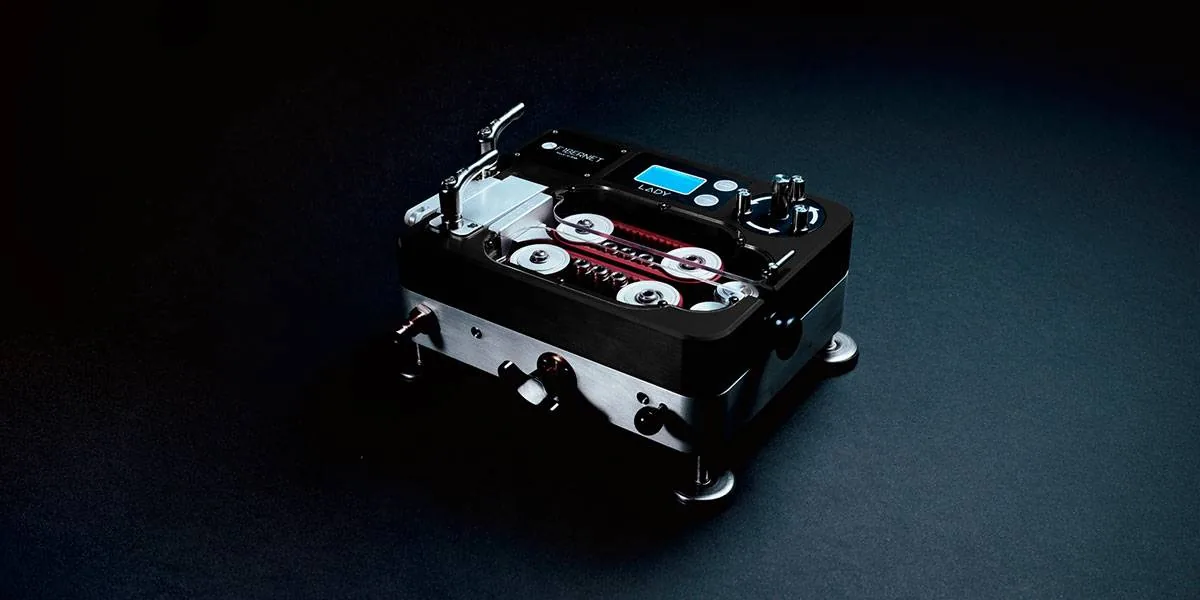
Compact and lightweight
A compact, lightweight machine for short runs.
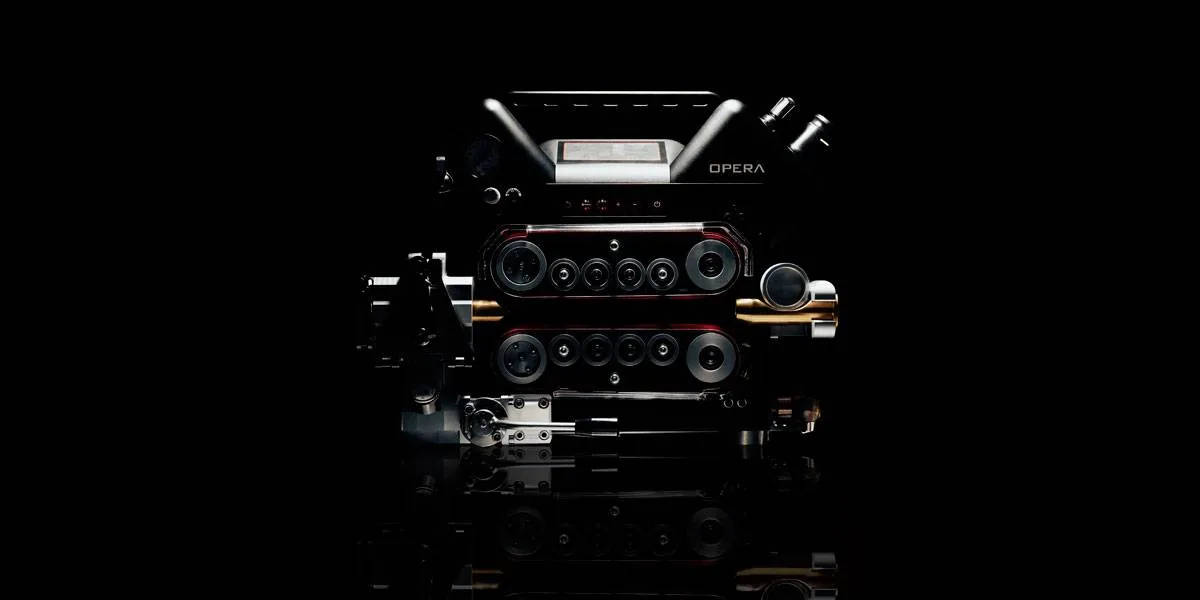
Pneumatic power
A pneumatic machine for long cable runs.
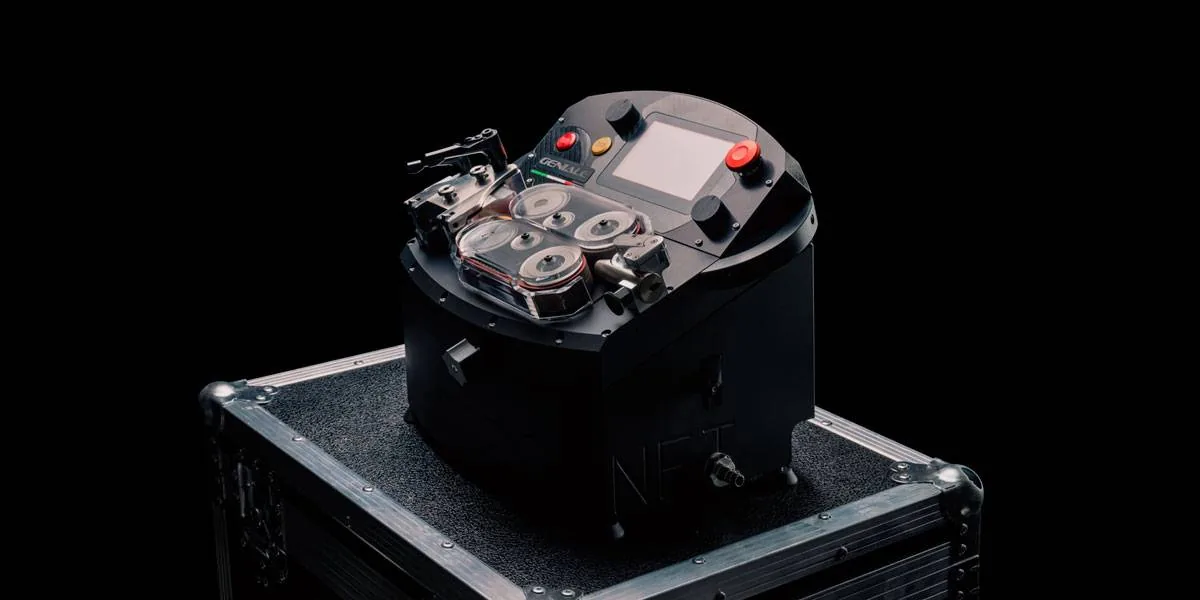
Electric, with two gears
For short and long runs. Two gears let you match force and speed to the job.
Specifications for the Fibernet range. The speeds shown are maximum values. Actual results depend on installation conditions and machine setup.
Direct from the manufacturer
When you’re working on site, you need practical answers. With Fibernet, you speak directly to the people who design and build your cable blowing machine.
Speak to a technicianA specialist technician can help when you need it.
Spare parts ready to ship, direct from the manufacturer.
If your machine breaks down, a replacement may be available within 48 hours.
Check availability and terms with your technician.Get help making the most of your machine, from your very first job.
See it in action before you choose
Request a free hands-on demonstration on your site or at Fibernet’s test facility. Discuss a real job with the technician.
Request a free demonstration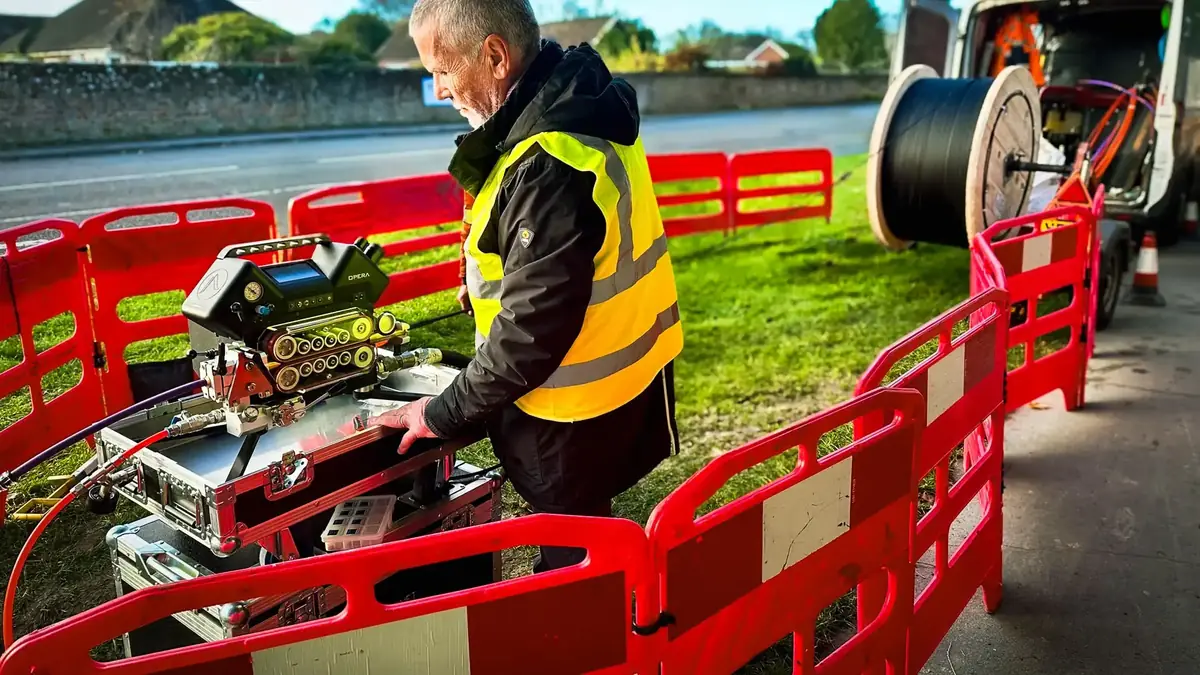
Choosing a used fibre optic cable jetting machine starts with the cable and duct combinations your crews actually install, not simply the advertised purchase figure. Before comparing equipment, record the cable diameter, duct internal diameter, typical route length and working conditions for your upcoming contracts. Include any restrictions on access, available power and compressor positioning. These details help establish whether a particular machine is a practical match or whether additional accessories and site equipment would make the apparent saving less attractive. For contractors operating in Italy or managing installation teams internationally, this initial assessment provides a consistent basis for comparing machines offered with different specifications and levels of documentation. A detailed inspection should then focus on the components that guide, grip and seal around the cable. Examine the drive surfaces for wear, check that guides align correctly and establish whether the supplied seals correspond to your intended cable sizes. Look for damage around duct connections, loose fixings, missing guards and signs of unsuitable modifications. Ask the seller for the serial number, operating instructions, maintenance records and a precise list of included accessories. Photographs can support an initial discussion, but they cannot establish how the machine behaves under operating conditions. Wherever possible, arrange a demonstration using a representative cable and duct configuration, within the manufacturer's stated limits and with appropriate safety precautions. When considering a second hand fibre optic cable jetting machine, distinguish between cosmetic wear and deterioration that affects controlled cable feeding. A scratched housing may have little operational significance, whereas uneven gripping surfaces or unreliable speed adjustment can deserve closer investigation. Similarly, a machine described as ready for work may still require different inserts, replacement seals or other configuration parts before it suits your projects. Request written clarification rather than relying on broad descriptions. Understanding the complete fibre optic cable jetting machine price also means accounting for transport, inspection, replacement consumables and the availability of technical documentation. Fibernet provides a manufacturer perspective grounded in the development of its own cable blowing equipment, including Lady, introduced in 2021. Contact the company with your installation requirements to discuss its machines and clarify whether a suitable purchasing option is available. Do not assume that used stock, refurbishment services or accessories for another manufacturer's equipment are offered without confirmation. A productive enquiry includes the machine details you are evaluating alongside your operational requirements. This allows the conversation to focus on technical suitability, realistic configuration needs and the questions that should be resolved before any purchasing decision is made.
The most useful demonstration of a used fibre optic cable jetting machine is one that reveals controlled operation rather than an impressive distance achieved under unexplained conditions. Ask how the test route is arranged, which cable and duct are being used and what air supply is connected. Cable stiffness, duct condition, bends, seals and air leakage all influence the result. A successful demonstration therefore needs context before it can inform expectations for your own installations. Record the settings and configuration, and compare them with the operating documentation. No single test distance can establish a universal performance figure for different sites, particularly when the route geometry and cable characteristics change substantially. Begin by observing how the cable enters the drive mechanism and passes through the guides. Feeding should remain consistent within the machine's specified operating range, with adjustments made according to its instructions. Check whether the operator can reach the controls comfortably and stop the drive promptly. Inspect accessible cable surfaces after the demonstration for signs of marking or deformation, while recognising that an appropriate technical assessment may require more than visual inspection. Excessive gripping force is not a reliable solution to slippage: it can create a separate risk to the cable. The correct approach is to verify compatible drive components, suitable adjustment and the condition of the entire cable path. If you are evaluating a compressed air fibre optic cable jetting machine, establish the required working pressure and airflow from the documentation for that specific model and application. Compressor suitability cannot be judged from pressure alone. Hose arrangements, connectors, air treatment and leakage can affect the supply reaching the machine. Confirm which connections and protective provisions are required, and check whether the proposed site setup can deliver them safely. Before disconnecting or inspecting pressurised components, follow the manufacturer's isolation and depressurisation procedures. These checks are particularly important when equipment has changed owners and its original accessories or instructions may no longer accompany it. An electric fibre optic cable jetting machine introduces additional questions about its specified power supply, control system and the condition of cables and connectors. Do not infer operating capabilities from the drive type alone, and do not assume that electrical drive removes any separate requirement for compressed air. Ask for the exact model specification. Fibernet can be contacted about the configuration and operating requirements of its own equipment, helping purchasing teams frame a clear technical enquiry. Provide the intended cable sizes, duct dimensions and available site utilities rather than requesting a machine solely by category. This practical approach makes it easier to identify missing information, compare proposals meaningfully and avoid committing to equipment whose requirements do not match the conditions your crews will encounter.
A used fibre optic cable jetting machine should be evaluated as a working asset with ongoing requirements, not as a one-off discount. Its value depends on whether it can support your installation schedule with manageable maintenance, obtainable consumables and clear operating information. Start by separating confirmed costs from assumptions. The purchase figure and delivery charge may be known, while the cost of replacing worn drive components or sourcing missing configuration parts may remain uncertain. Ask for those uncertainties to be resolved before comparing the machine with a new alternative. A lower initial payment can lose its advantage if the equipment arrives incomplete or requires attention before the first scheduled job. Consider the practical consequences of downtime for the people using the machine. A crew may need to coordinate access to a work area, arrange a compressor and prepare cable drums before blowing can begin. If a worn seal or unsuitable guide interrupts the operation, the financial effect can extend beyond the replacement component itself. This does not mean that previously owned equipment is inherently unsuitable. It means that condition, compatibility and support should carry appropriate weight in the decision. Establish who will supply wear parts, which documentation is available and whether assistance relates to the exact model under consideration. Obtain written terms for any warranty or service commitment rather than assuming that these accompany a private or trade sale. Comparing ownership with fibre optic cable jetting machine hire can also clarify your priorities, particularly when project demand is uneven. Check availability, hire duration, included accessories, delivery arrangements and responsibility for damage or consumables with the relevant provider. Do not assume that Fibernet offers hire or used equipment: ask directly which purchasing and supply options are currently available. The purpose of the comparison is to understand the operational and financial differences, not to treat every supply route as interchangeable. Ownership may suit regular use, while temporary access may deserve consideration for a defined requirement, subject to actual terms and equipment suitability. Fibernet was founded in 2001, and its development reflects the technical experience of founder Giancarlo Trinei and the continuing involvement of the Trinei family. The introduction of Lady in 2021 marked the launch of the company's first cable blowing machine. For buyers considering equipment made in Italy, that background provides a relevant starting point for discussing Fibernet's own machines without implying that any particular used unit has been inspected or approved by the company. International enquiries should specify the delivery destination so that shipping arrangements, documentation and applicable supply conditions can be confirmed. Contact www.fibernetsrl.com with your project requirements, expected usage and purchasing priorities to begin a focused discussion about suitable equipment and the information needed for a considered decision.
Fill in the form and discover what Fibernet Srl can do for you!
Contact us!Before you get started
If you prefer, speak to us directly.
+39 346 652 9915Compare the cable diameter, duct diameter and installation distance. Lady is compact and lightweight for short runs. Opera is pneumatic and designed for long runs. Geniale is electric and handles both. A Fibernet technician can help you choose.
Yes. You can request a free hands-on demonstration on your site or at Fibernet’s test facility. Tell us what you need in the form and a technician will arrange it with you. Request a demonstration.
To get a price, contact a Fibernet adviser using the form or call +39 346 652 9915.
Fibernet offers direct technical support, spare parts ready to ship and dedicated training. If your machine breaks down, a replacement may be available. Ask your technician about availability and terms.
Tell us about your job. We’ll help you find the right cable blowing machine.