Emanuele Zanda
Google review
★★★★★
Read on Google“An excellent experience on the installer training course. The whole team was professional and knowledgeable.”
Cable blowing machines · Made in Italy
From last-mile connections to long-distance runs, a Fibernet technician can help you choose the right machine for your fibre optic cable installation.
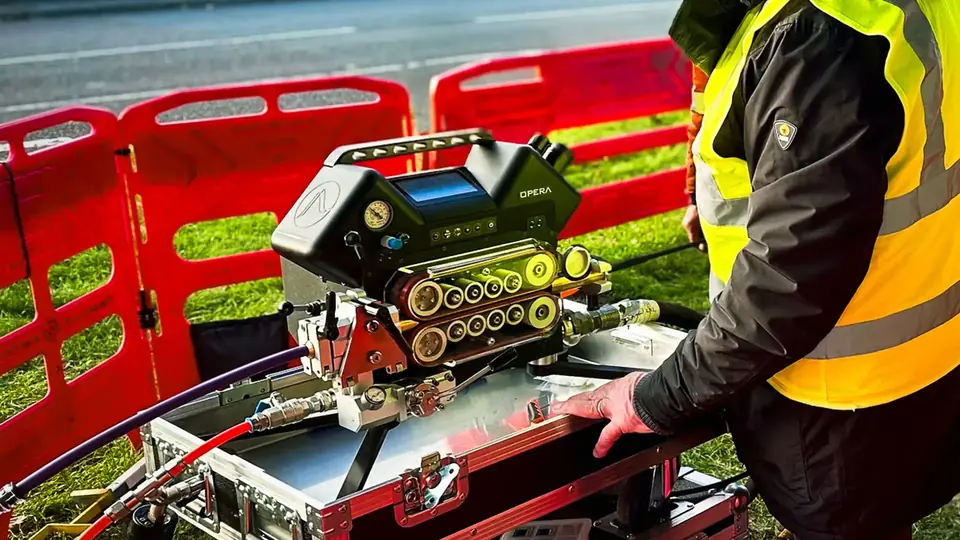
Opera, image 1 of 3
Expert advice direct from the manufacturer / Free demonstration on request
Some of our customers.

Keep your installation moving with Fibernet cable blowing machines.
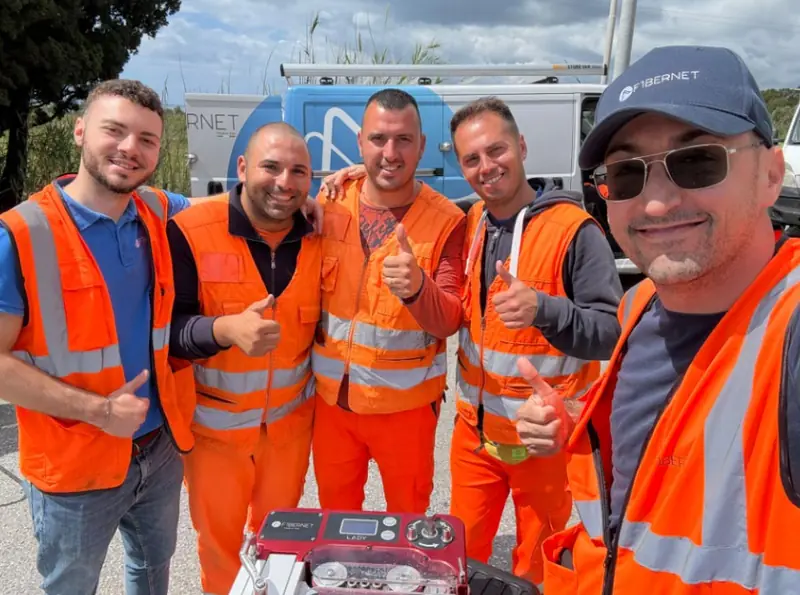
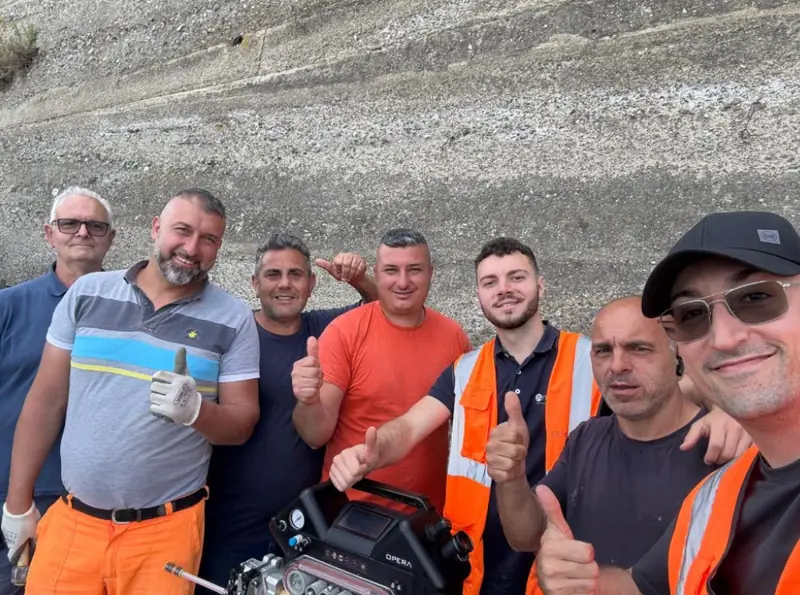
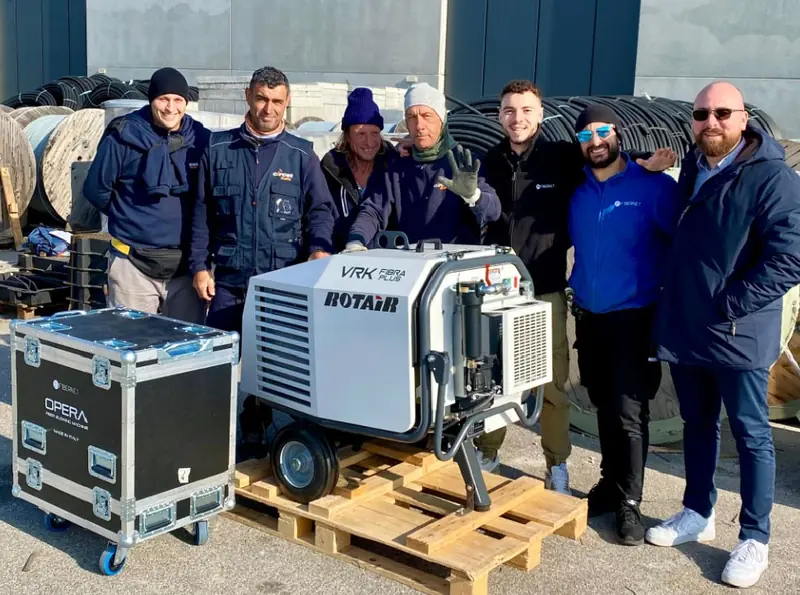
Photos and stories from installers, published by Fibernet.
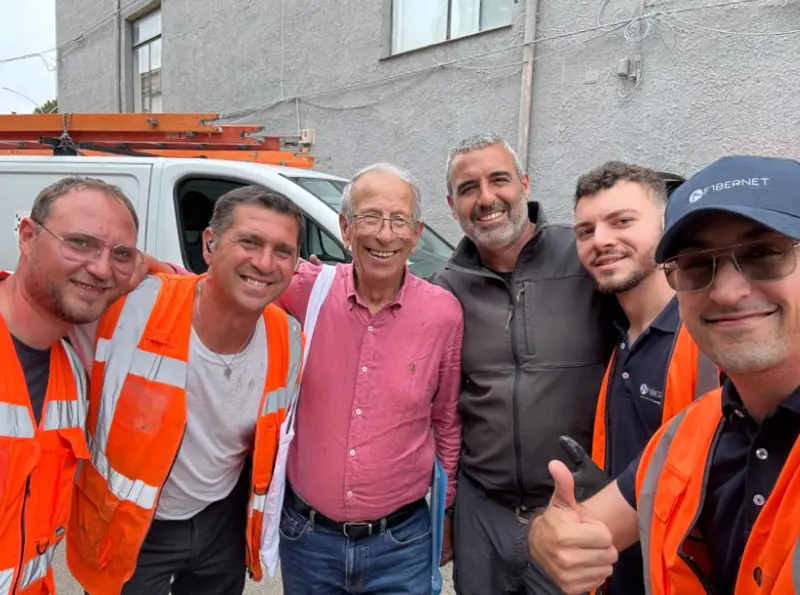
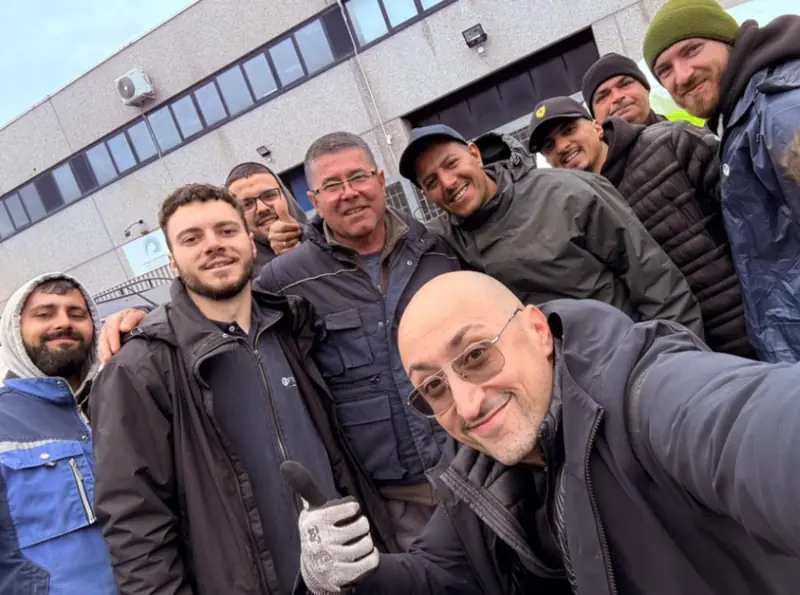
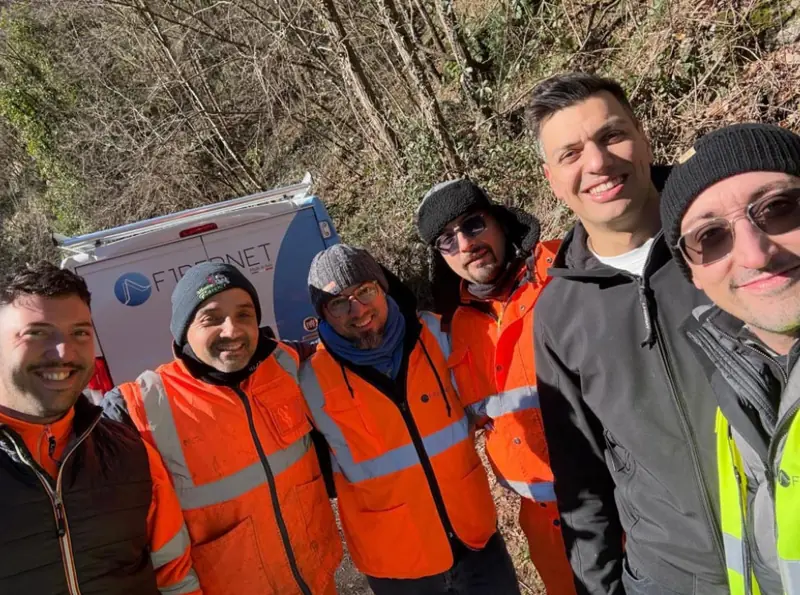 GoogleExcellentBased on 176 reviewsRead the reviews
Read on Google“An excellent experience on the installer training course. The whole team was professional and knowledgeable.”
Read on Google“I had the chance to try the Opera cable blowing machine on site…”
Read on Google“I really enjoyed this course. It took place in a pleasant setting with friendly, helpful people.”
Stories from installers
Hear the results from the installers themselves. Watch their testimonials right here.
Product videos
Three machines. Find your fit.
Start with the job at hand. Our technician can answer your questions about the right setup.
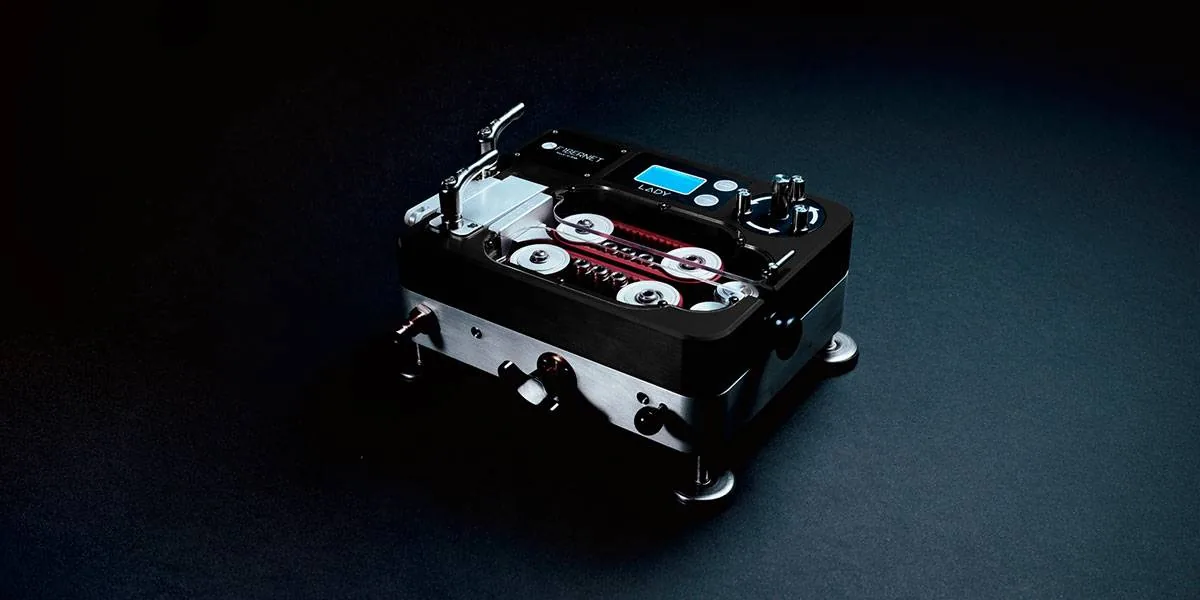
Compact and lightweight
A compact, lightweight machine for short runs.
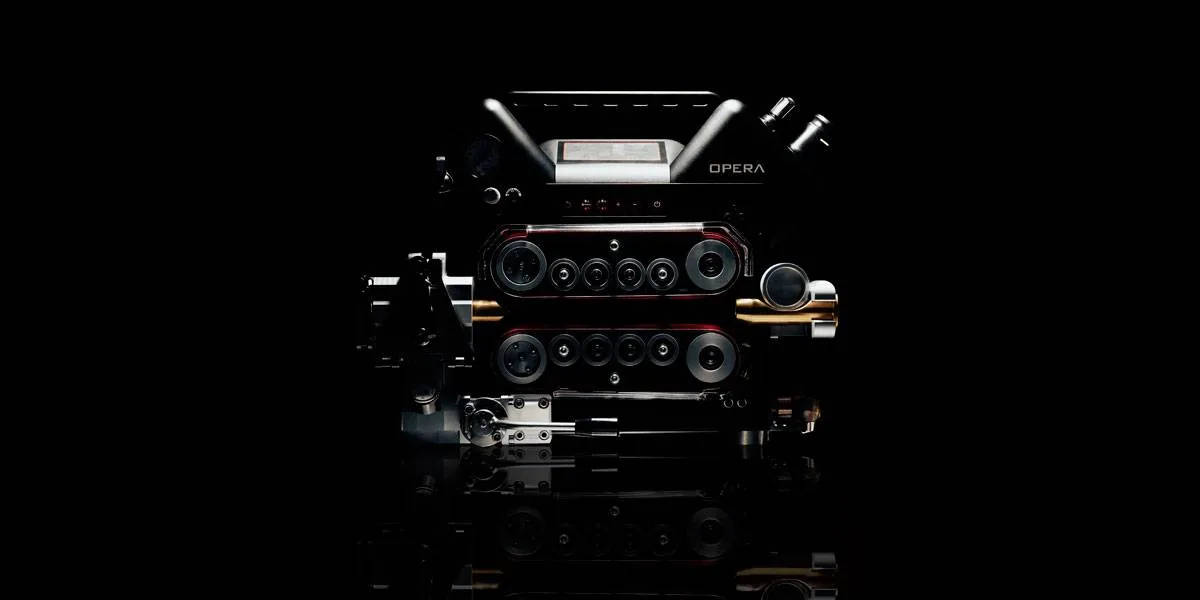
Pneumatic power
A pneumatic machine for long cable runs.
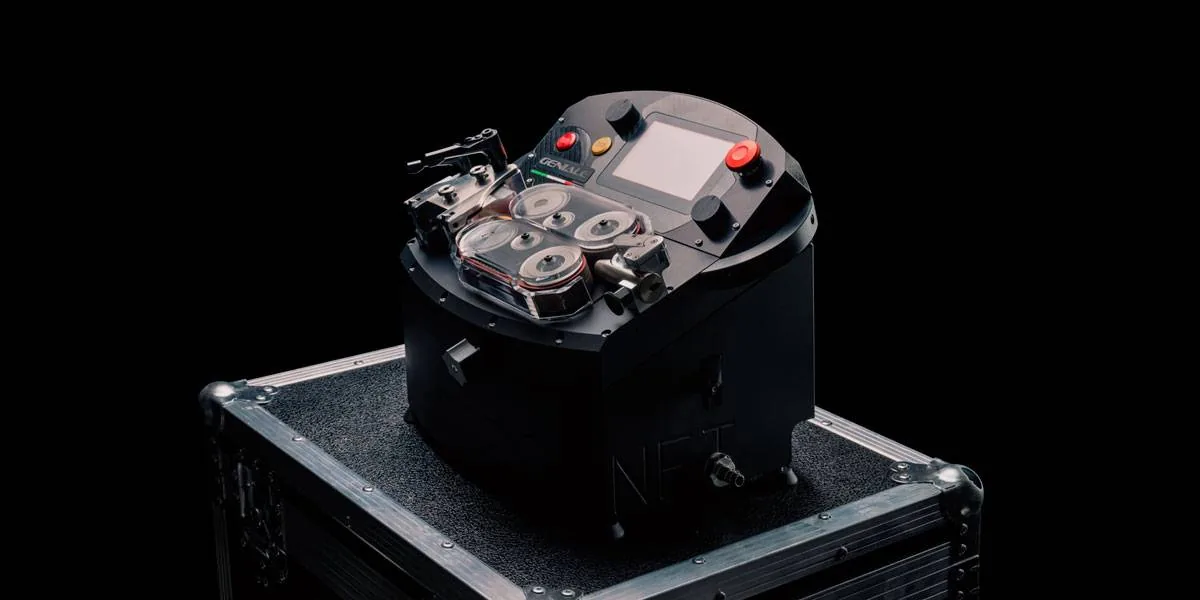
Electric, with two gears
For short and long runs. Two gears let you match force and speed to the job.
Specifications for the Fibernet range. The speeds shown are maximum values. Actual results depend on installation conditions and machine setup.
Direct from the manufacturer
When you’re working on site, you need practical answers. With Fibernet, you speak directly to the people who design and build your cable blowing machine.
Speak to a technicianA specialist technician can help when you need it.
Spare parts ready to ship, direct from the manufacturer.
If your machine breaks down, a replacement may be available within 48 hours.
Check availability and terms with your technician.Get help making the most of your machine, from your very first job.
See it in action before you choose
Request a free hands-on demonstration on your site or at Fibernet’s test facility. Discuss a real job with the technician.
Request a free demonstration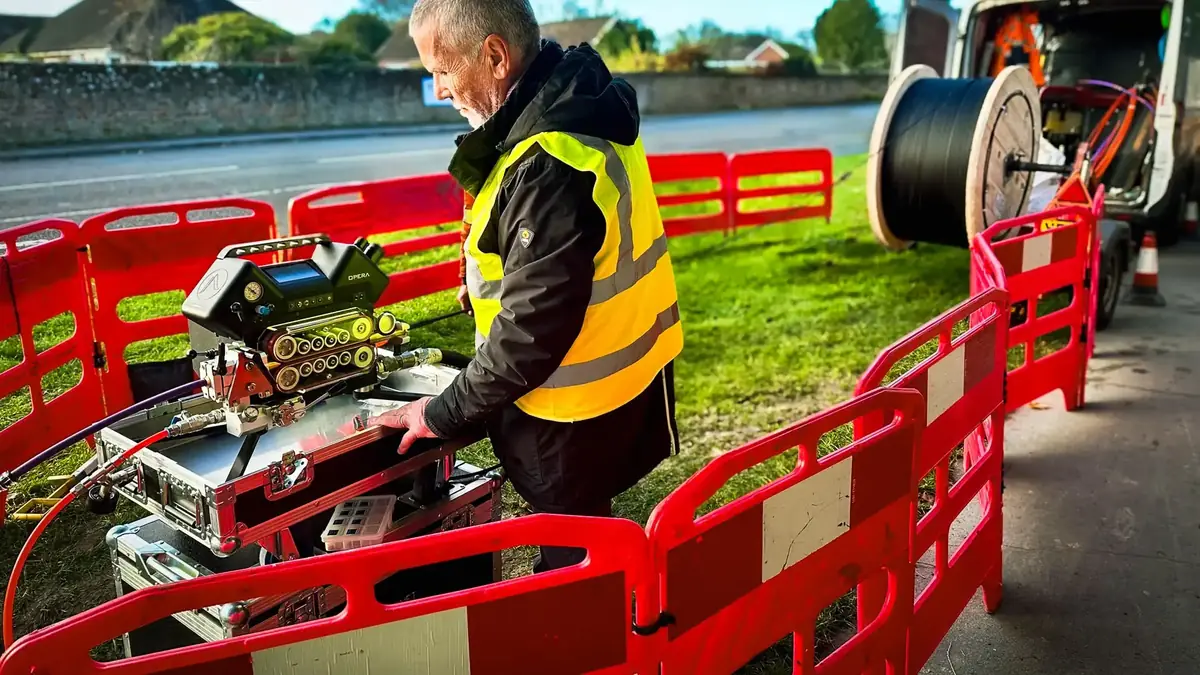
Choosing a second hand optical fibre cable blowing machine starts with understanding the installations it must complete, rather than comparing purchase prices alone. For contractors working on Italian sites, the relevant questions concern cable dimensions, duct compatibility, access conditions and the compressed air available at the work location. A machine that appears economical can become an expensive choice if its operating range does not match the cables scheduled for installation. Before committing to a purchase, prepare a brief covering cable outside diameter, duct outside and inside diameters, typical route lengths, expected bends and the working environment. These details provide a practical basis for discussing suitability with Fibernet and identifying which technical information still needs confirmation. When assessing a used optical fibre cable blowing machine, ask for clear identification of the model, its serial number, available documentation and the accessories included in the sale. Photographs are helpful, but they cannot establish how the equipment behaves under load or whether its seals remain effective. Request a demonstration with an appropriate cable and duct combination, performed within the manufacturer's stated limits and with suitable safety precautions. Observe whether cable feeding is smooth, whether the clamping arrangement holds the duct securely and whether the controls respond predictably. Check accessible wear components for damage, contamination and uneven contact, without dismantling pressurised or energised equipment. Maintenance records can help explain previous repairs, but missing records should prompt further investigation rather than assumptions about condition. Accessories deserve the same attention as the main unit. Cable guides, duct adapters, seals and any required drive components must match the intended application. A seemingly complete package may still need additional parts before it can work with your standard cable sizes. Establish what is supplied, what requires replacement and whether compatible parts remain obtainable. Contractors comparing a second hand cable blowing machine with a new alternative should also consider downtime exposure: a low initial outlay offers limited value if a missing component prevents the machine from reaching site readiness. Fibernet launched its first cable blowing machine, Lady, in 2021, building on the technical background of its founder, Giancarlo Trinei. Contacting the company allows you to explain your installation requirements and request information about its machines. The business information provided does not establish an available second-hand inventory, so used stock, inspection services, warranty terms and any proposed supply arrangement should be confirmed directly. This approach keeps the purchasing decision grounded in documented suitability rather than an attractive listing or an unsupported performance claim. It also gives your purchasing and site teams a shared checklist before any financial commitment is made.
The financial case for a second hand optical fibre cable blowing machine depends on how reliably it can support your workload. Start by separating the advertised amount from the cost of putting the equipment into service. Transport, replacement seals, missing adapters, inspection, necessary repairs and the air supply arrangement can all affect the final budget. For a contractor in Italy, collection arrangements and delivery timing may matter just as much as the headline figure when a mobilisation date is already agreed. Request a written description of what is included, the equipment's declared condition and any exclusions. If the seller offers a warranty, read its scope, duration and claim procedure rather than assuming it covers every component or every type of failure. When researching optical fibre cable blowing machine price, compare equivalent configurations. Two machines can carry very different prices because they serve different cable ranges, use different drive arrangements or include different accessories. An apparently cheaper option may require extra equipment before it is suitable for the work. Equally, a higher specification is not automatically beneficial if your installation programme does not use it. Build the comparison around your actual requirements and ask for the applicable technical documentation. Avoid estimating installation output solely from a published maximum distance: route geometry, duct condition, cable characteristics, lubrication compatibility and air delivery all influence results. Any performance discussion should identify the test conditions and distinguish measured results from expectations for a different site. Utilisation is another useful consideration. A company with regular blowing work can assess ownership across its expected programme, while a contractor facing an isolated project may also investigate optical fibre cable blowing machine hire where available. Rental should not be assumed to be a Fibernet service; availability and terms require direct confirmation with the relevant supplier. The purpose of the comparison is to establish which arrangement provides suitable equipment when needed, with a manageable level of operational risk. Include time for familiarisation, compatibility checks and preparation before the machine is dispatched to site. Ask how replacement wear parts can be identified and ordered, and whether documentation is available in a language understood by the operating team. For international purchasers considering equipment from Italy, clarify packaging, delivery responsibilities, applicable taxes and destination requirements before agreeing to a transaction. Fibernet can be contacted through its website to discuss product information and project needs; quotations, shipping options and contractual commitments should be established individually. A disciplined evaluation does not require predicting every future expense. It requires making the main cost drivers visible, documenting uncertainties and choosing equipment on a realistic understanding of its suitability, condition and support arrangements.
A successful installation depends on the relationship between the blowing machine, the cable, the duct and the operator's preparation. Even a well-maintained second hand optical fibre cable blowing machine cannot compensate for an unsuitable duct route or operating settings that exceed the cable manufacturer's limits. Before work begins, confirm that the selected machine configuration matches the cable and duct dimensions, and inspect the components that guide, grip and seal around them. Follow the manufacturer's instructions for setup, permitted operating conditions and protective measures. Worn guides or incorrectly selected seals can affect feeding stability and air retention, making a pre-start check a practical safeguard rather than an administrative exercise. For a pneumatic optical fibre cable blowing machine, assess the air supply as a complete system. Pressure alone does not describe whether the compressor and connected equipment can meet the machine's requirements. Available airflow, hose dimensions, connection restrictions and the specified air quality also deserve attention. Obtain the applicable requirements from the machine documentation and check the ratings of the connected components. Never exceed the lowest relevant pressure rating, and isolate and depressurise equipment before making adjustments that require it. If lubrication is specified, use a product compatible with the cable, duct and equipment, following the relevant instructions rather than improvising quantities or substitutes. Route preparation should be completed before blaming the machine for slow progress. Confirm duct continuity and condition using an appropriate procedure, identify changes in direction and arrange safe access to the entry and receiving points. Position the cable supply to allow controlled payoff without unnecessary twisting or drag. Establish communication between the people managing the machine and those monitoring the cable route, and agree when to stop if resistance increases or abnormal behaviour appears. A second hand fibre optic cable jetting machine should be assessed with the same attention to documented operating limits and component compatibility, regardless of the terminology used in an advertisement. During operation, monitor the parameters available on the specific machine and respond to changes according to its instructions. Increasing force or air pressure without investigating the cause of resistance can put the cable and equipment at risk. After the job, clean and inspect the machine as directed, record any issues and organise replacement of worn parts before the next mobilisation. These records also help future buyers understand the machine's working history. Fibernet's background combines a company founded in 2001 with cable blowing machine development that led to Lady in 2021. For businesses evaluating its equipment, a useful enquiry includes cable and duct dimensions, anticipated site conditions and the intended working schedule. Ask for relevant specifications and clarify available support before purchasing, so the decision reflects operational needs rather than assumptions.
Fill in the form and discover what Fibernet Srl can do for you!
Contact us!Before you get started
If you prefer, speak to us directly.
+39 346 652 9915Compare the cable diameter, duct diameter and installation distance. Lady is compact and lightweight for short runs. Opera is pneumatic and designed for long runs. Geniale is electric and handles both. A Fibernet technician can help you choose.
Yes. You can request a free hands-on demonstration on your site or at Fibernet’s test facility. Tell us what you need in the form and a technician will arrange it with you. Request a demonstration.
To get a price, contact a Fibernet adviser using the form or call +39 346 652 9915.
Fibernet offers direct technical support, spare parts ready to ship and dedicated training. If your machine breaks down, a replacement may be available. Ask your technician about availability and terms.
Tell us about your job. We’ll help you find the right cable blowing machine.