Emanuele Zanda
Google review
★★★★★
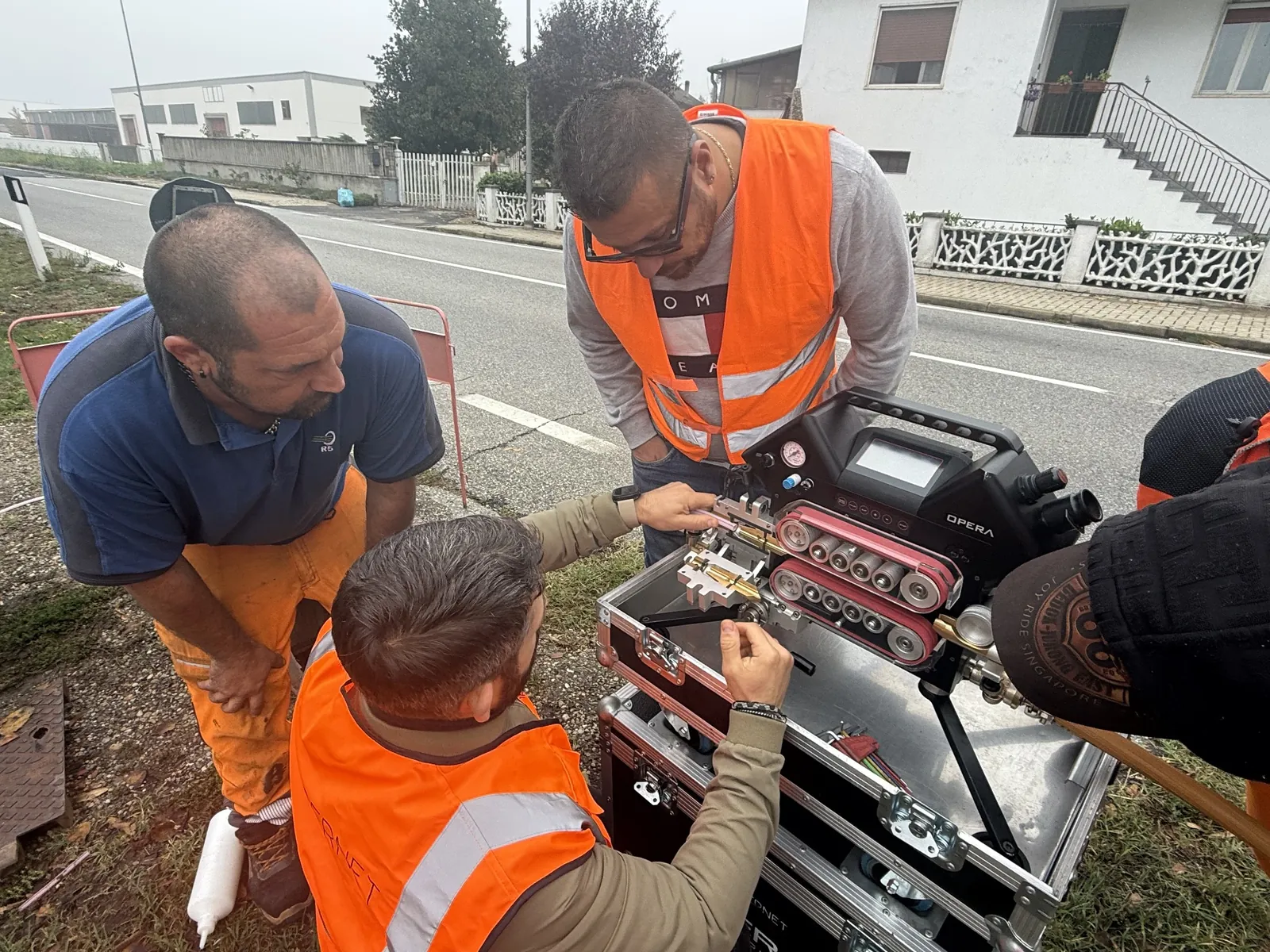
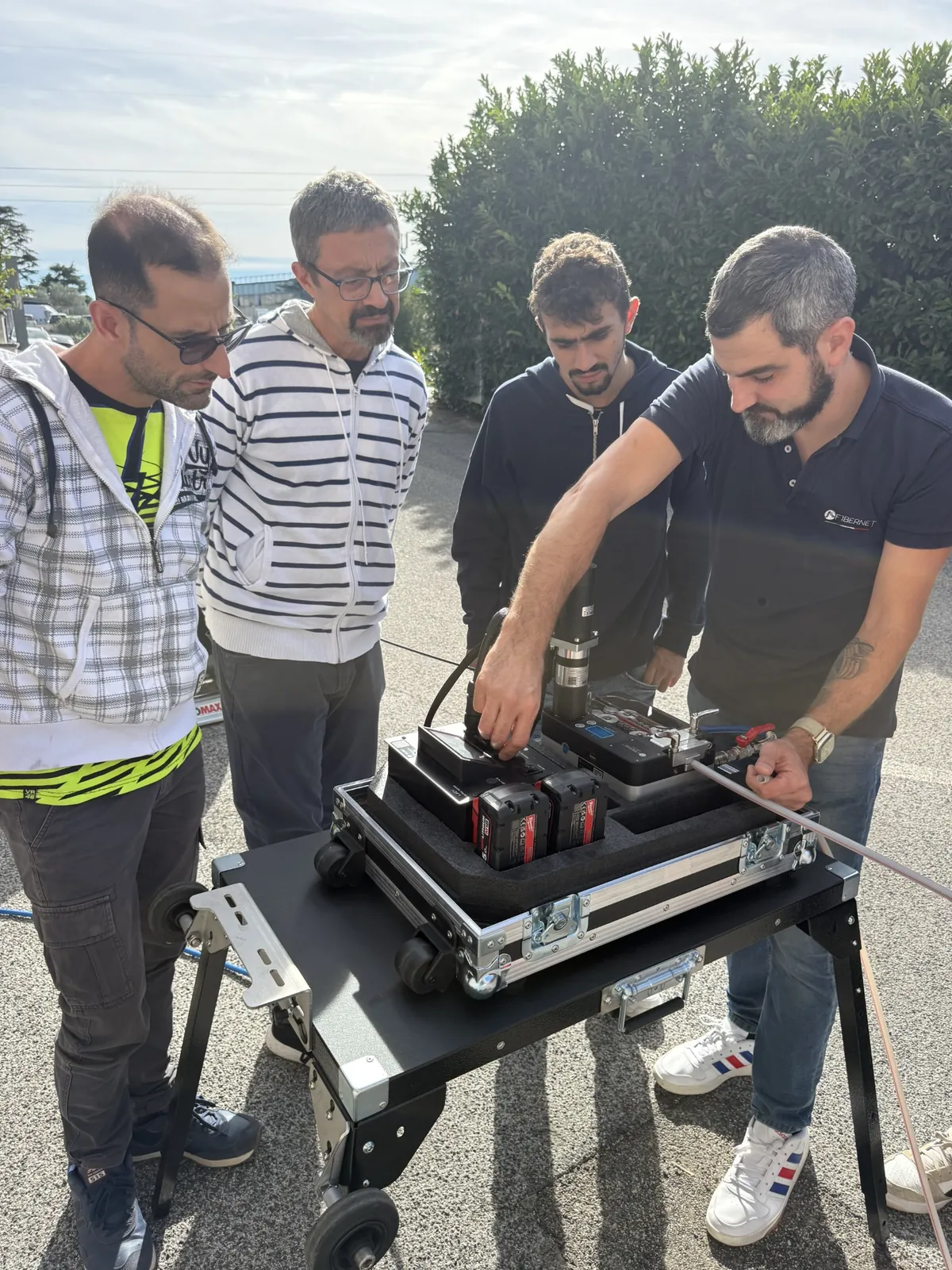
Read on Google“An excellent experience on the installer training course. The whole team was professional and knowledgeable.”
Cable blowing machines · Made in Italy
From last-mile connections to long-distance runs, a Fibernet technician can help you choose the right machine for your fibre optic cable installation.
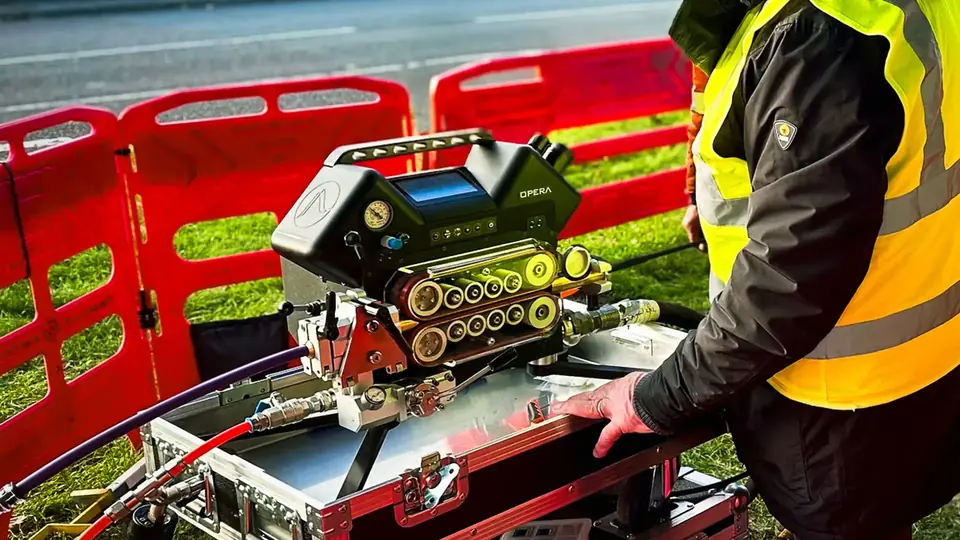
Opera, image 1 of 3
Expert advice direct from the manufacturer / Free demonstration on request
Some of our customers.

Keep your installation moving with Fibernet cable blowing machines.
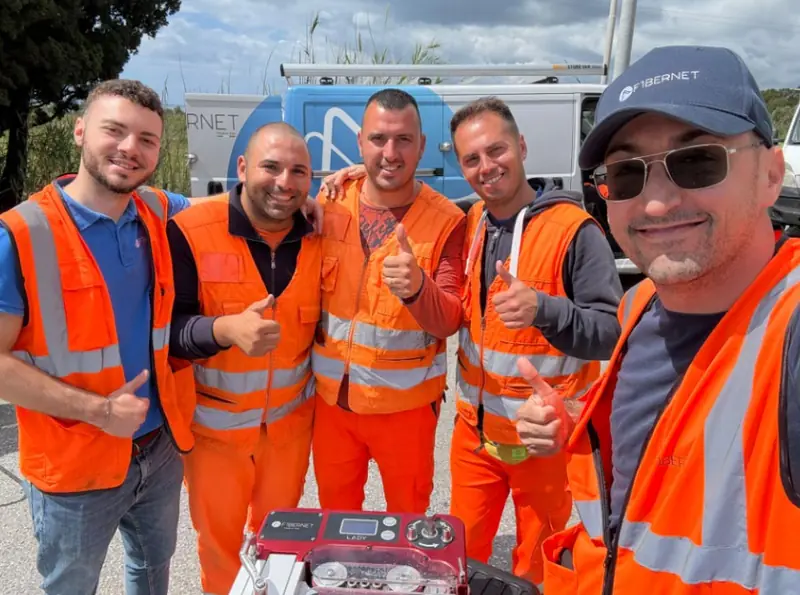
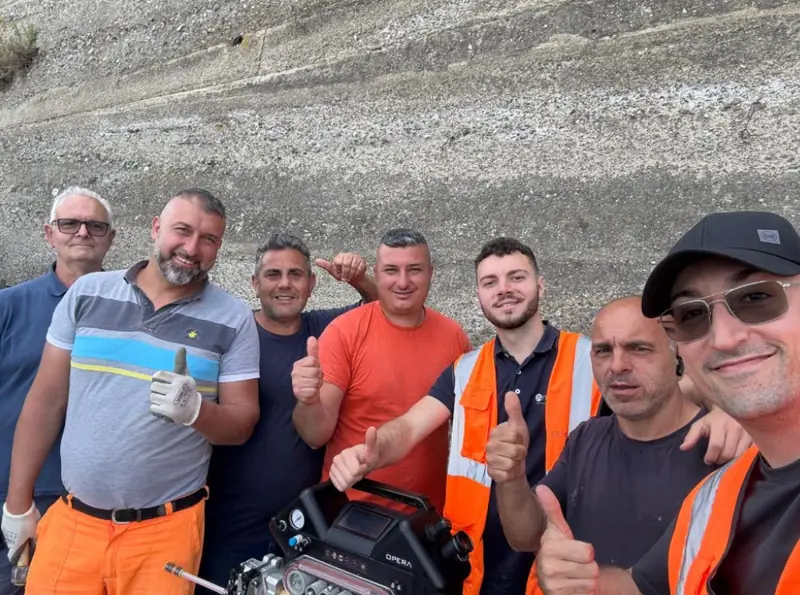
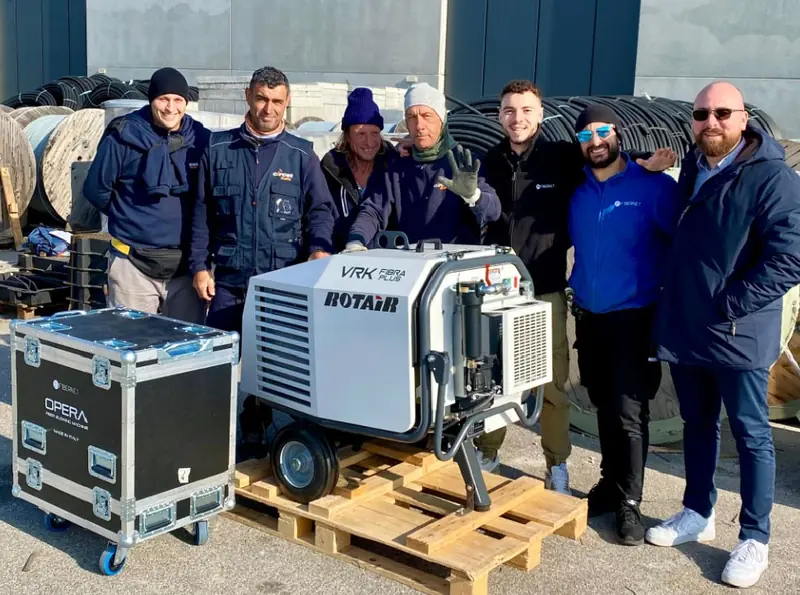
Photos and stories from installers, published by Fibernet.
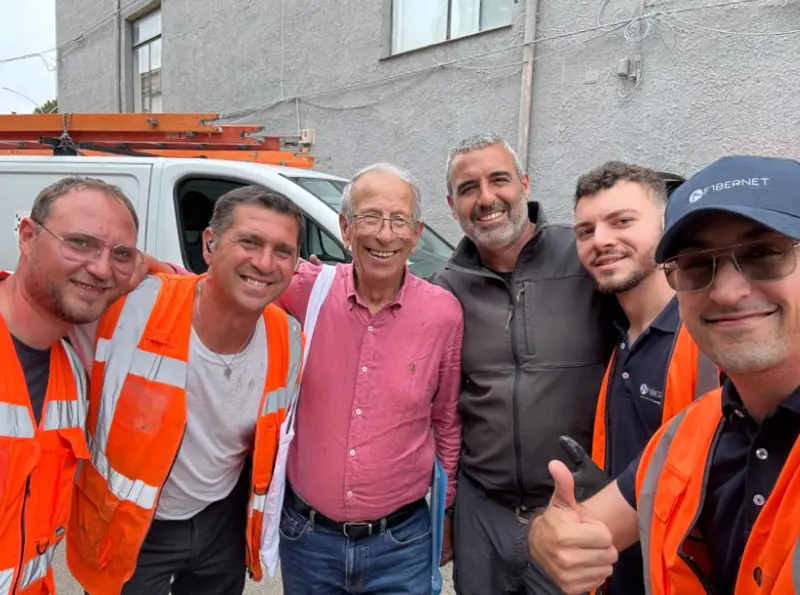
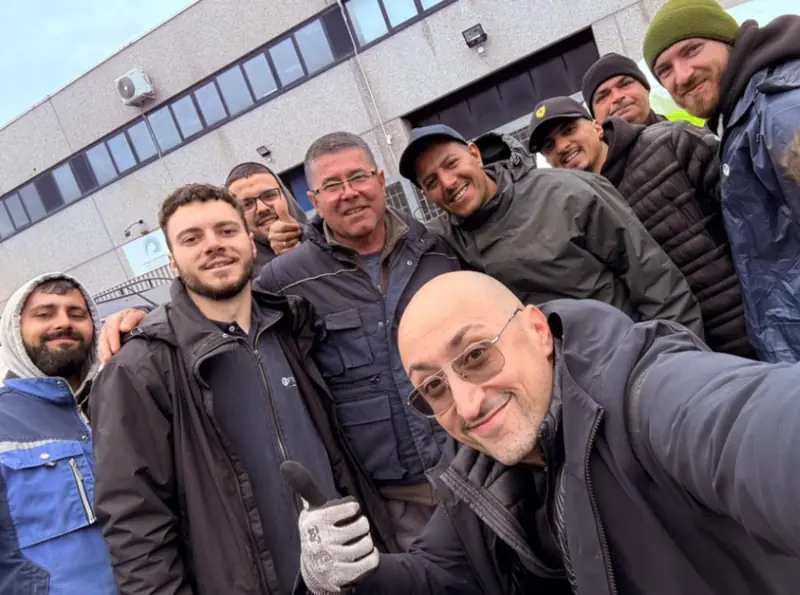
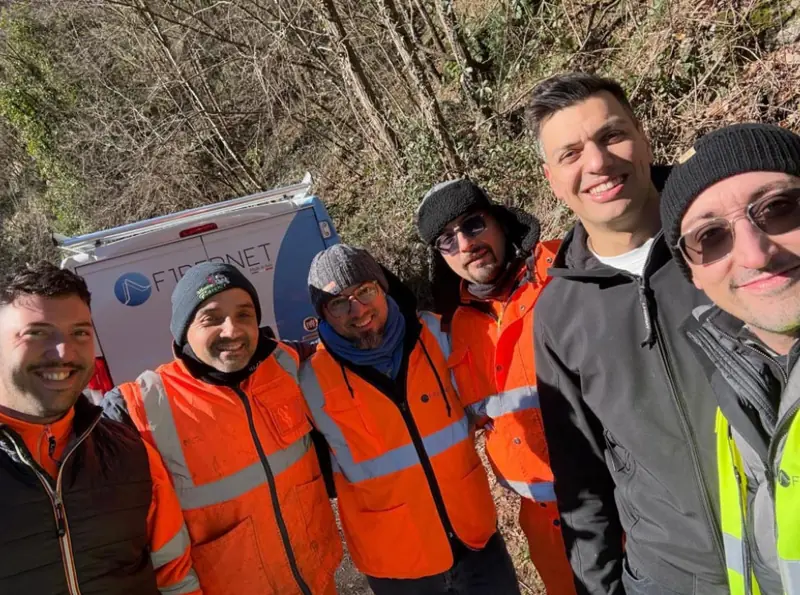 GoogleExcellentBased on 176 reviewsRead the reviews
Read on Google“An excellent experience on the installer training course. The whole team was professional and knowledgeable.”
Read on Google“I had the chance to try the Opera cable blowing machine on site…”
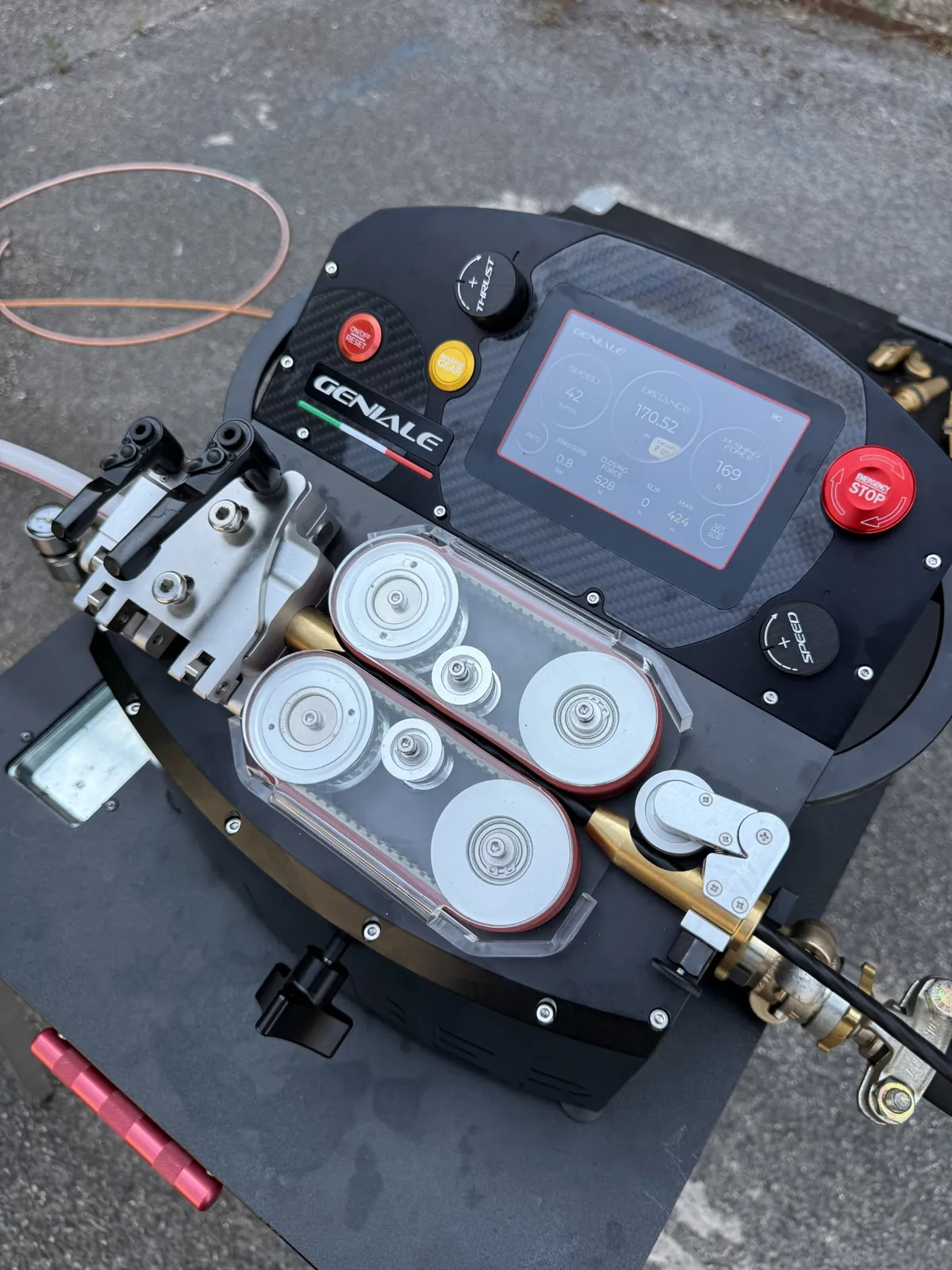
Read on Google“I really enjoyed this course. It took place in a pleasant setting with friendly, helpful people.”
Stories from installers
Hear the results from the installers themselves. Watch their testimonials right here.
Product videos
Three machines. Find your fit.
Start with the job at hand. Our technician can answer your questions about the right setup.
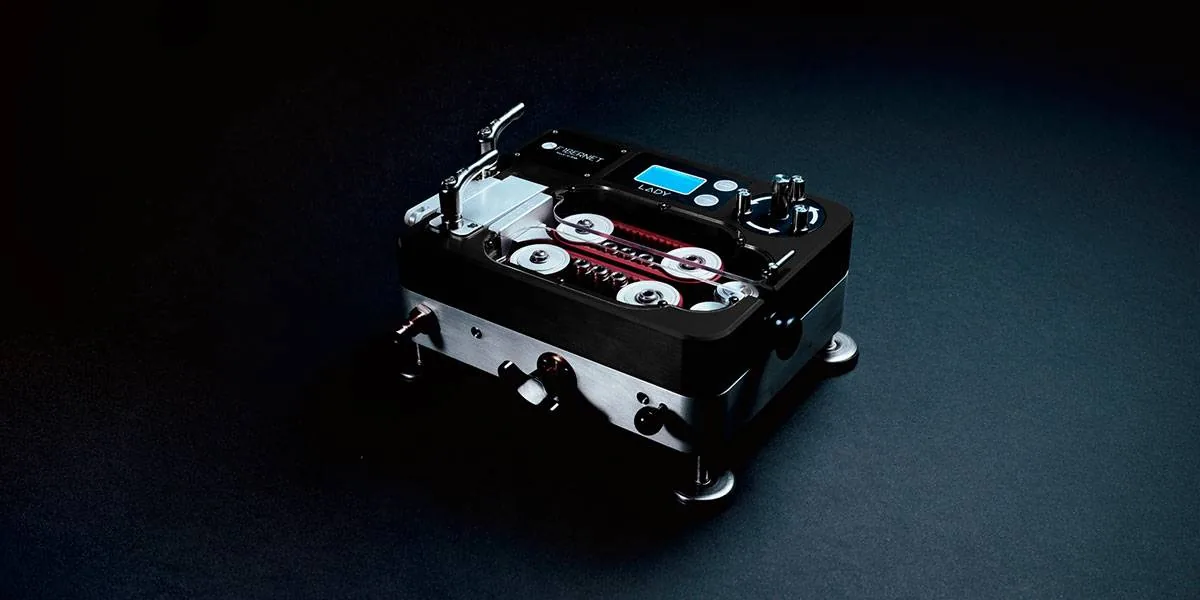
Compact and lightweight
A compact, lightweight machine for short runs.
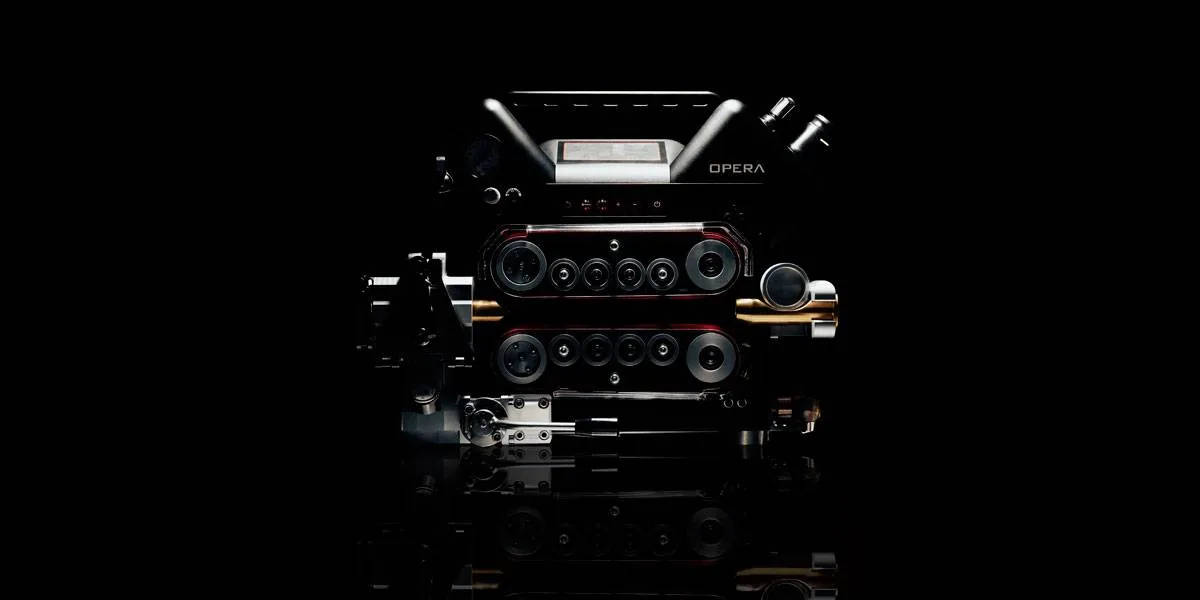
Pneumatic power
A pneumatic machine for long cable runs.
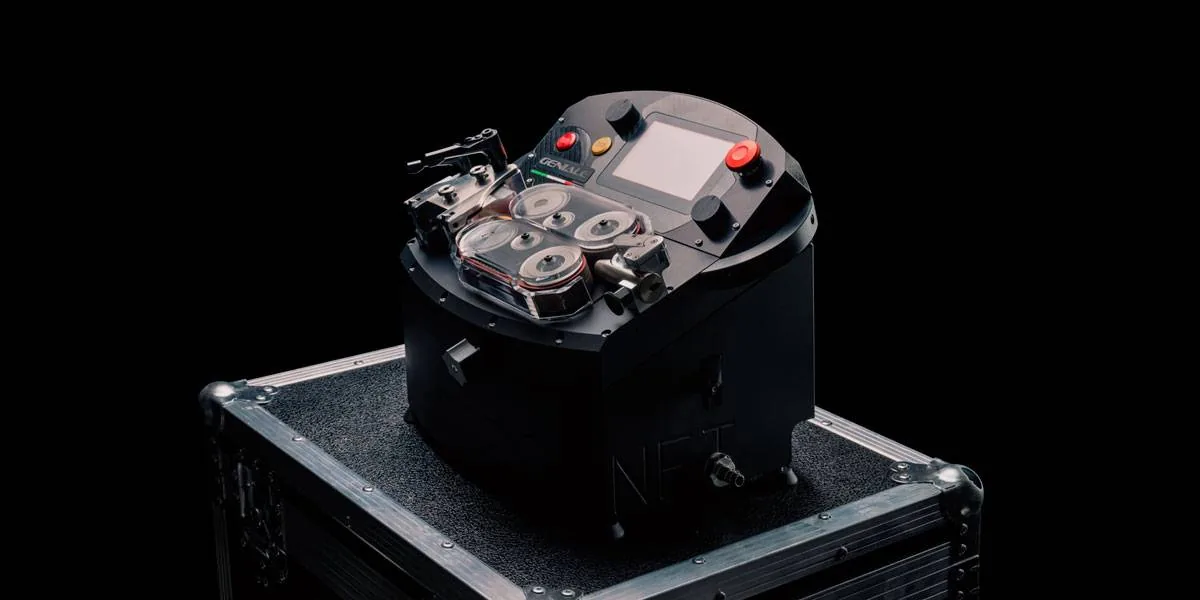
Electric, with two gears
For short and long runs. Two gears let you match force and speed to the job.
Specifications for the Fibernet range. The speeds shown are maximum values. Actual results depend on installation conditions and machine setup.
Direct from the manufacturer
When you’re working on site, you need practical answers. With Fibernet, you speak directly to the people who design and build your cable blowing machine.
Speak to a technicianA specialist technician can help when you need it.
Spare parts ready to ship, direct from the manufacturer.
If your machine breaks down, a replacement may be available within 48 hours.
Check availability and terms with your technician.Get help making the most of your machine, from your very first job.
See it in action before you choose
Request a free hands-on demonstration on your site or at Fibernet’s test facility. Discuss a real job with the technician.
Request a free demonstration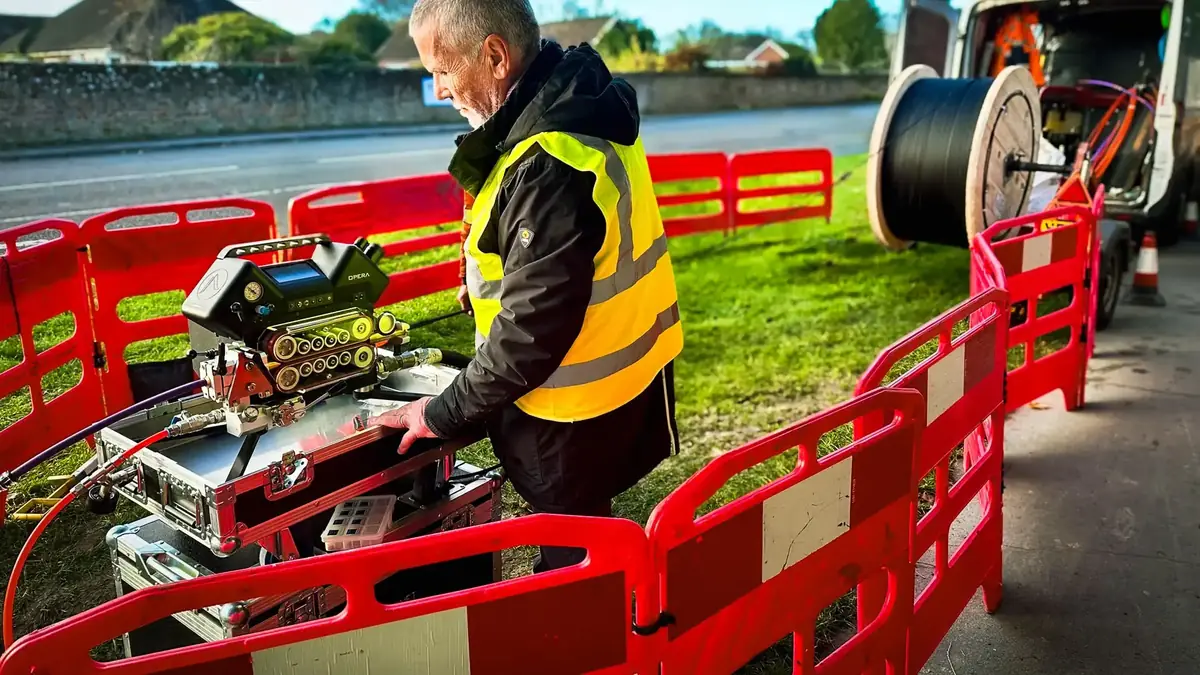
Choosing a second hand fibre cable blower starts with understanding the work it must perform, rather than judging the machine by its advertised purchase price alone. For contractors installing cables into ducts across Italy, the right assessment brings together cable dimensions, duct dimensions, route conditions, available compressed air and the condition of the equipment itself. A machine that appears economical may require replacement seals, different guides or additional accessories before it can support the intended installation. Before committing to a purchase, prepare a clear specification of the jobs ahead: cable outside diameter, duct internal diameter, expected section lengths, access arrangements and the compressor available on site. These details provide a practical basis for discussing suitability without relying on broad performance claims. The inspection should focus on components that influence cable handling and air containment. Examine the drive surfaces for wear, contamination or damage, and check whether adjustment mechanisms operate smoothly. Cable guides should correspond to the intended cable size and should not show sharp edges that could mark the sheath. Seals and duct connections deserve particular attention because leakage can compromise the effectiveness of the compressed air supply. Ask whether the machine includes all adapters and accessories required for your configuration. A second hand fibre optic cable blowing machine supplied without essential fittings can create unexpected costs and delays, even when the main unit appears serviceable. Where possible, request an operating demonstration using a representative cable and duct combination, with the test conditions clearly recorded. Documentation is another important part of the decision. Establish the model, serial number, approximate service history and any modifications made by previous owners. Request the operating manual and relevant conformity documentation, then confirm which maintenance procedures and spare parts apply to that particular version. Do not assume that components from a newer machine will fit an older one. For a cable blower for fibre optic cable, correct configuration matters as much as outward appearance: the feeding arrangement, sealing system and duct connection must work together within the manufacturer's specified limits. Fibernet offers a relevant technical point of contact for discussing cable blowing requirements. Founded in Italy in 2001, the company draws on the experience of Giancarlo Trinei and introduced its first cable blowing machine, Lady, in 2021. Share the details of the equipment you are considering alongside your intended applications, and ask which questions need resolving before purchase. The information provided here does not confirm current used stock, refurbishment services or support for every third-party machine. Those points should be verified directly. A careful enquiry helps distinguish a genuinely suitable purchase from equipment that would need substantial adaptation before reaching the worksite.
An attractive asking price is only one part of the investment in a second hand fibre cable blower. The more useful comparison is the cost of bringing the equipment into dependable service for your specific contracts. Start with the machine itself, then identify any expenditure needed for inspection, maintenance, replacement wear parts, missing accessories and transport. Add the practical implications of compressor compatibility and the time required to obtain the correct setup. For an installation company working to agreed site dates, a modest saving at purchase can disappear if essential components are unavailable when the crew needs to start. Comparing complete configurations gives a more meaningful result than comparing two advertised figures without checking what each includes. When reviewing a fibre cable blower price, ask for a written breakdown of the supplied equipment. Confirm the drive unit, cable guides, duct adapters, seals, controls and any carrying or protective equipment included in the offer. Establish whether the price includes applicable taxes and delivery, and clarify payment terms and the condition in which the machine will be supplied. If a seller describes equipment as tested, ask what was tested, when the test took place and which results were recorded. An unloaded demonstration does not establish how a machine will behave with your cable, duct and air supply. Equally, a successful demonstration under one set of conditions should not be treated as a guarantee of installation distance on every route. Operating costs also depend on how well the machine matches the work. Excessively worn feeding components can affect consistent cable movement, while unsuitable seals may increase leakage. Neither issue should be addressed simply by increasing pressure or drive force. The appropriate response is to identify the cause, follow the operating instructions and stay within the limits specified for the equipment, cable and duct. Include planned maintenance and inspection time in your comparison, together with the availability of consumable parts. For teams travelling between sites, practical details such as machine weight, handling arrangements and changeover procedures can influence working efficiency without appearing in the initial quotation. A second hand cable blower may be worth considering when its condition, configuration and support arrangements are clear. However, it is sensible to compare that offer with a quotation for a suitable new machine rather than assuming that used equipment necessarily represents better value. Ask Fibernet about its current cable blowing equipment and explain the budget, cable sizes and working conditions involved. Request written confirmation of available configurations, lead times, commercial terms and any applicable support. This approach keeps the decision grounded in verifiable information. It also gives purchasing teams and site supervisors a common basis for deciding whether the lower initial expenditure justifies the condition-related uncertainties of the particular machine under consideration.
Putting a second hand fibre cable blower into service should begin with a controlled acceptance process, not with an urgent production run. Once the machine arrives, compare it with the agreed description and check that all ordered accessories and documents are present. Record its identification details and inspect it for transport damage, loose fittings, worn contact surfaces and missing guards. Before connecting an air supply or starting the drive, review the manufacturer's instructions and confirm that the people operating the equipment understand its controls, stopping procedure and permitted operating conditions. If the history or condition of a safety-related component is uncertain, resolve that uncertainty before using the machine on a live installation project. Set up an initial trial using a cable and duct arrangement representative of the planned work. Confirm that the guides, seals and connection components match the dimensions involved. Check the compressor requirements against the machine documentation, taking account of both pressure and air delivery rather than pressure alone. Air hoses, couplings and associated equipment must be suitable for the intended operating conditions. Keep the working area organised so that the cable can feed smoothly into the machine without avoidable twists, sharp deviations or uncontrolled movement. Any cleaning, lubrication or duct preparation should follow the relevant equipment and material instructions; unsuitable products or improvised procedures can introduce problems rather than solve them. During the trial, observe how the fibre cable blower feeds and grips the cable. Look for inconsistent movement, slipping, abnormal noise, leakage or visible marking of the sheath. Monitor the available indicators and stop if behaviour suggests an obstruction, an incorrect adjustment or an unsuitable configuration. Do not compensate for unexplained resistance by applying progressively greater force. Investigate the cause and use the limits and procedures specified by the relevant manufacturers. Record the configuration and observations so that future crews can distinguish a proven setup from one that still needs adjustment. A second hand fibre optic cable jetting machine should be evaluated on its demonstrated condition and suitability, not on assumptions based on its appearance or previous owner's applications. For contractors serving different locations, preparation also includes confirming access to the correct replacement parts and identifying who can answer technical questions about the actual model. Ask about availability rather than assuming every older component remains in production. Keep essential documentation accessible to the crew and establish an inspection routine appropriate to the equipment and frequency of use. Fibernet's Italian background and development of the Lady cable blowing machine provide a basis for enquiries about its own equipment and available configurations. Companies evaluating purchases for Italy or projects abroad can submit their cable, duct and site requirements, then request confirmation of supply options, delivery arrangements and relevant technical information. This preparation supports a purchasing decision built around the work the machine must perform.
Fill in the form and discover what Fibernet Srl can do for you!
Contact us!Before you get started
If you prefer, speak to us directly.
+39 346 652 9915Compare the cable diameter, duct diameter and installation distance. Lady is compact and lightweight for short runs. Opera is pneumatic and designed for long runs. Geniale is electric and handles both. A Fibernet technician can help you choose.
Yes. You can request a free hands-on demonstration on your site or at Fibernet’s test facility. Tell us what you need in the form and a technician will arrange it with you. Request a demonstration.
To get a price, contact a Fibernet adviser using the form or call +39 346 652 9915.
Fibernet offers direct technical support, spare parts ready to ship and dedicated training. If your machine breaks down, a replacement may be available. Ask your technician about availability and terms.
Tell us about your job. We’ll help you find the right cable blowing machine.