Emanuele Zanda
Google review
★★★★★
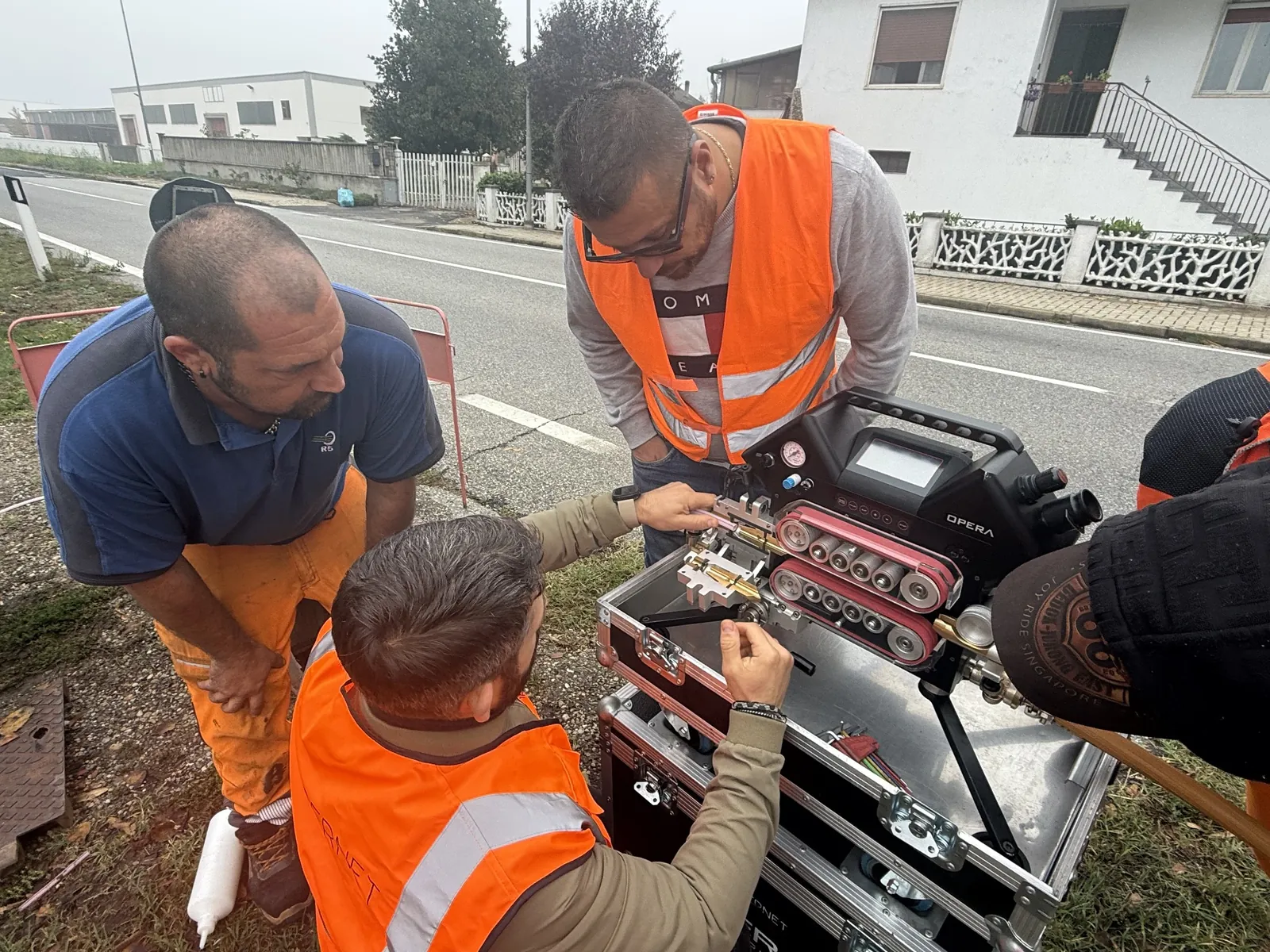
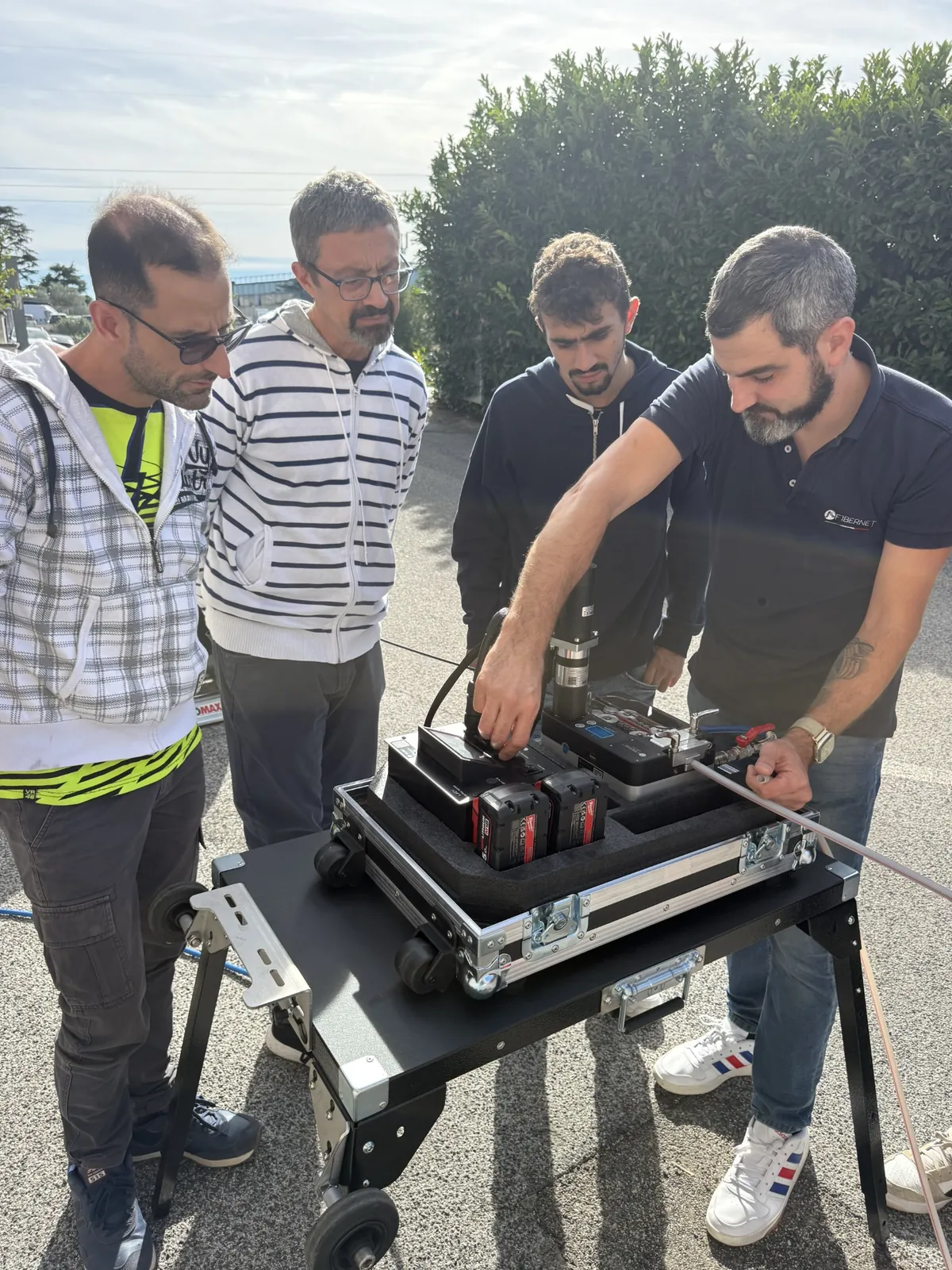
Read on Google“An excellent experience on the installer training course. The whole team was professional and knowledgeable.”
Cable blowing machines · Made in Italy
From last-mile connections to long-distance runs, a Fibernet technician can help you choose the right machine for your fibre optic cable installation.
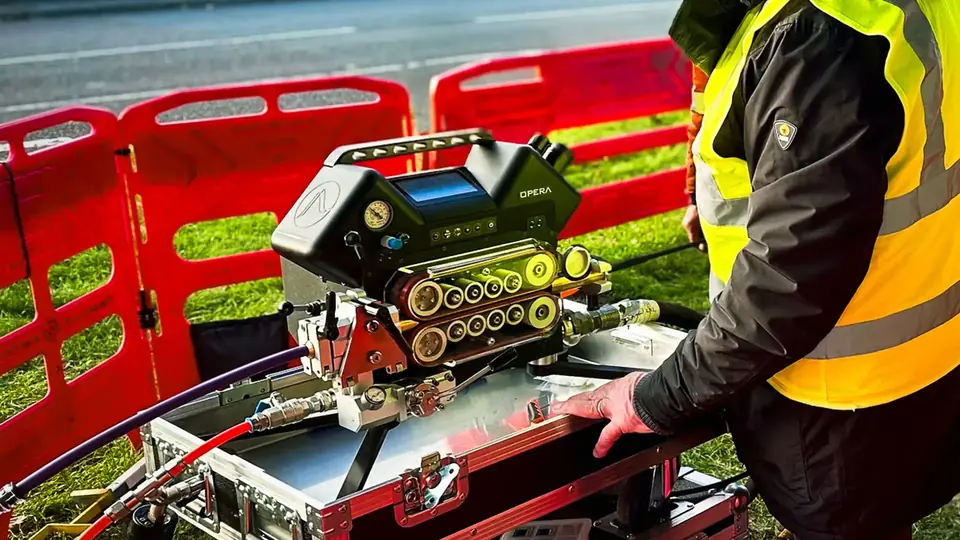
Opera, image 1 of 3
Expert advice direct from the manufacturer / Free demonstration on request
Some of our customers.

Keep your installation moving with Fibernet cable blowing machines.
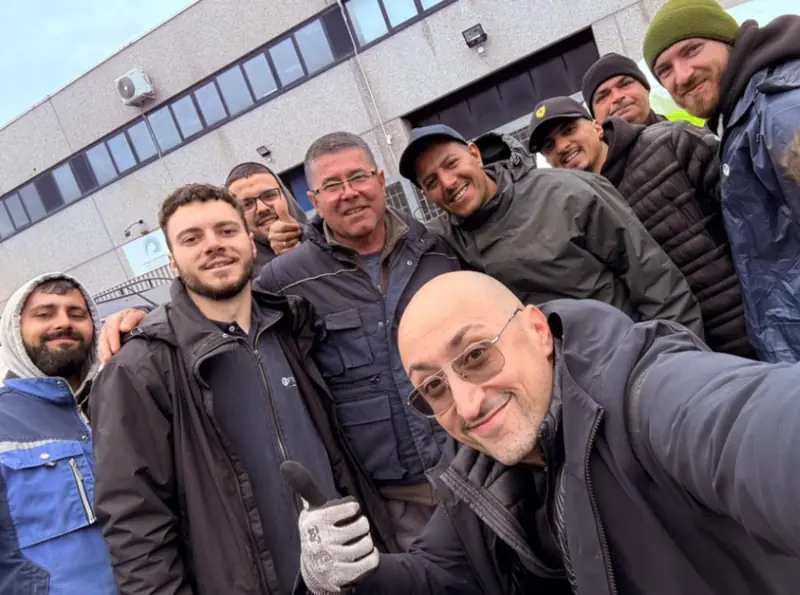
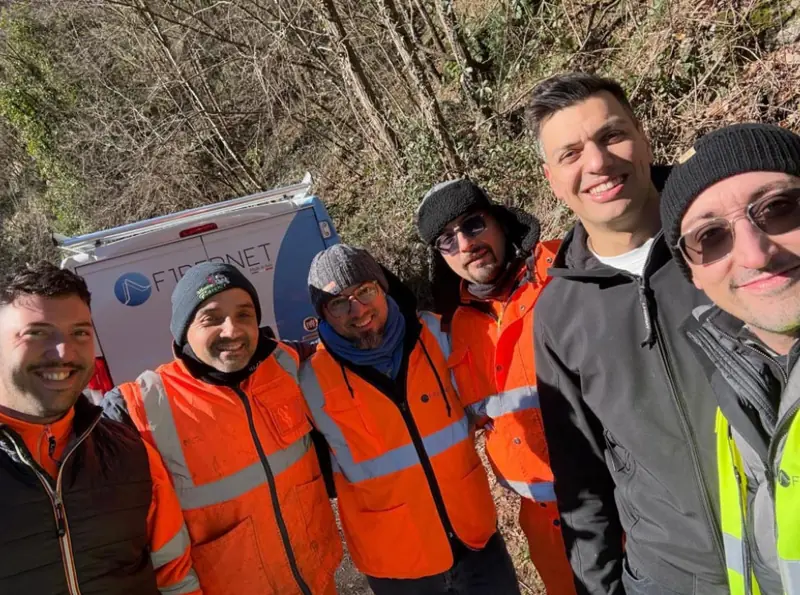
Photos and stories from installers, published by Fibernet.
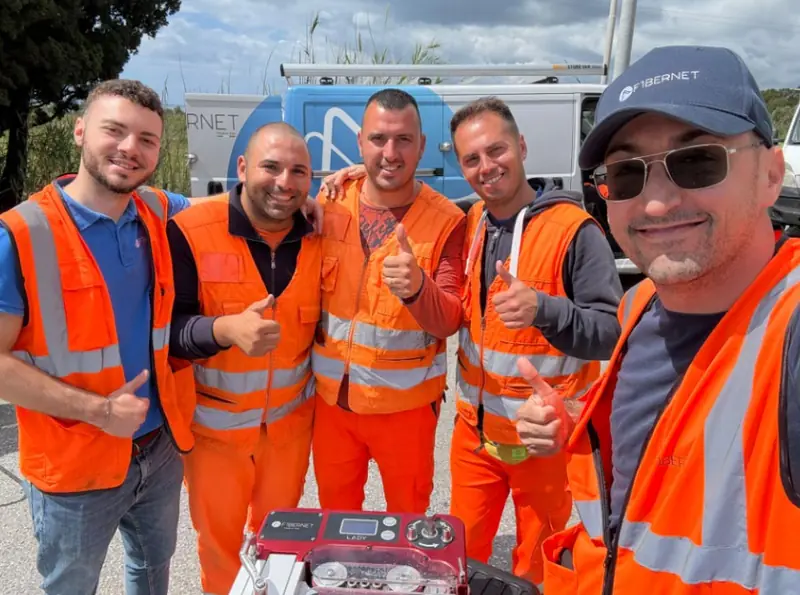
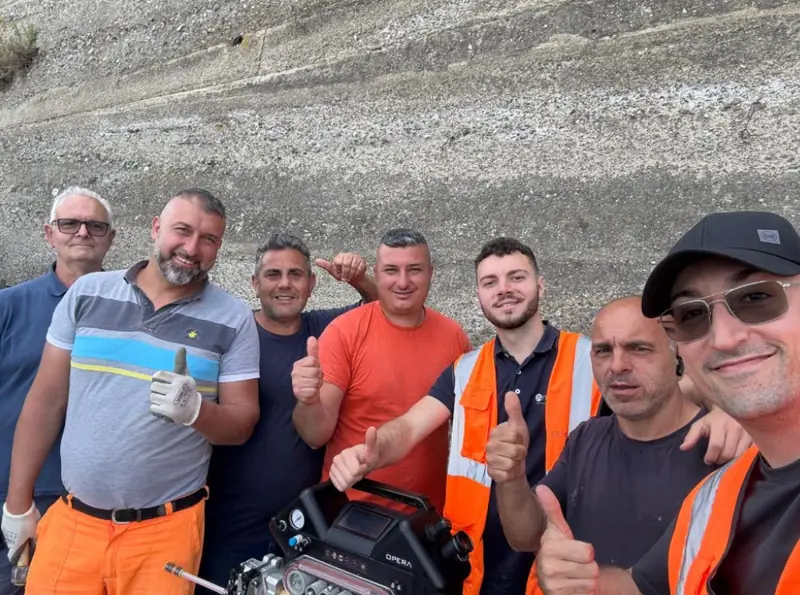
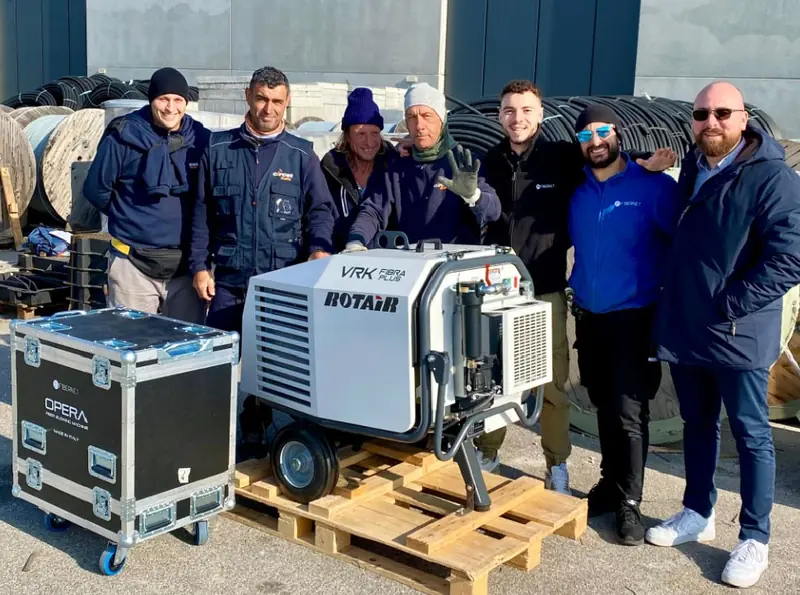

 GoogleExcellentBased on 176 reviewsRead the reviews
Read on Google“An excellent experience on the installer training course. The whole team was professional and knowledgeable.”
Read on Google“I had the chance to try the Opera cable blowing machine on site…”
Read on Google“I really enjoyed this course. It took place in a pleasant setting with friendly, helpful people.”
Stories from installers
Hear the results from the installers themselves. Watch their testimonials right here.
Product videos
Three machines. Find your fit.
Start with the job at hand. Our technician can answer your questions about the right setup.
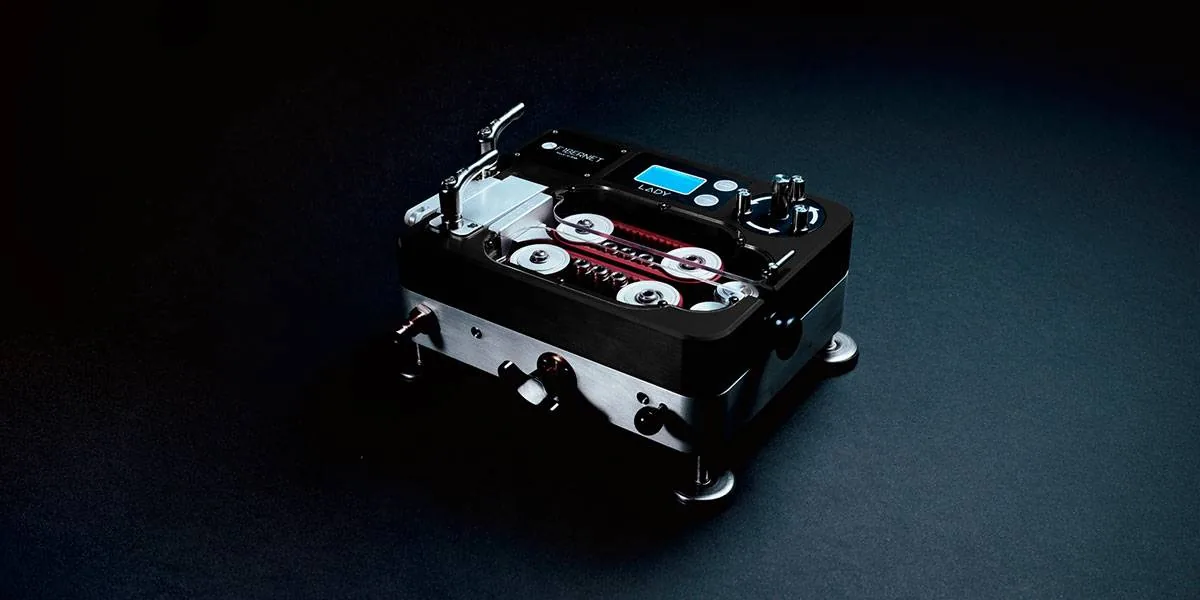
Compact and lightweight
A compact, lightweight machine for short runs.
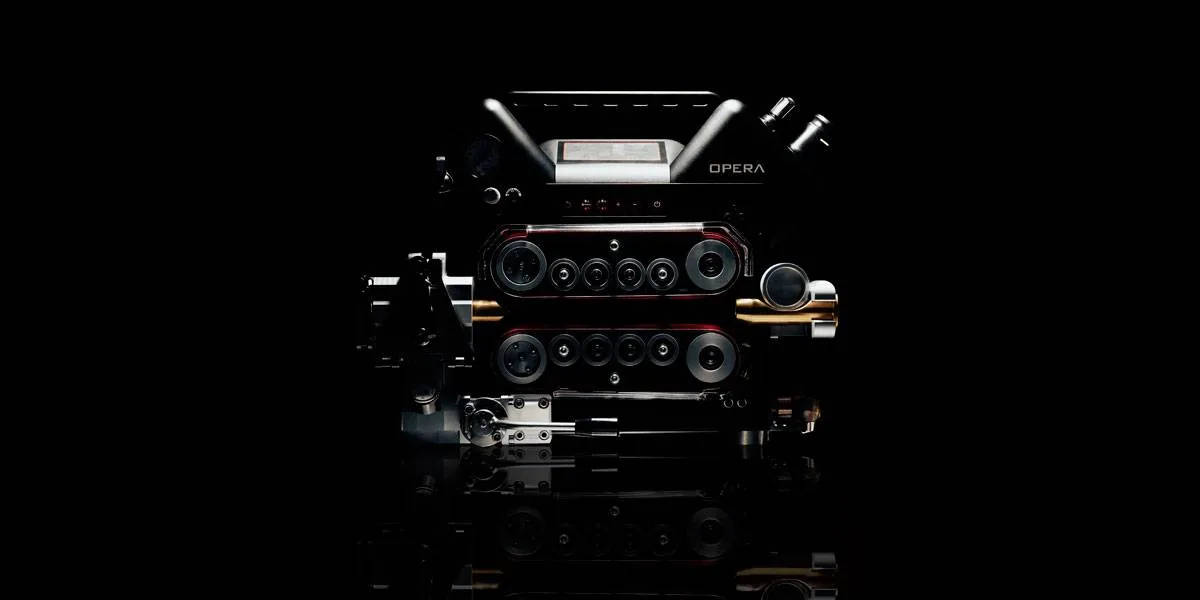
Pneumatic power
A pneumatic machine for long cable runs.
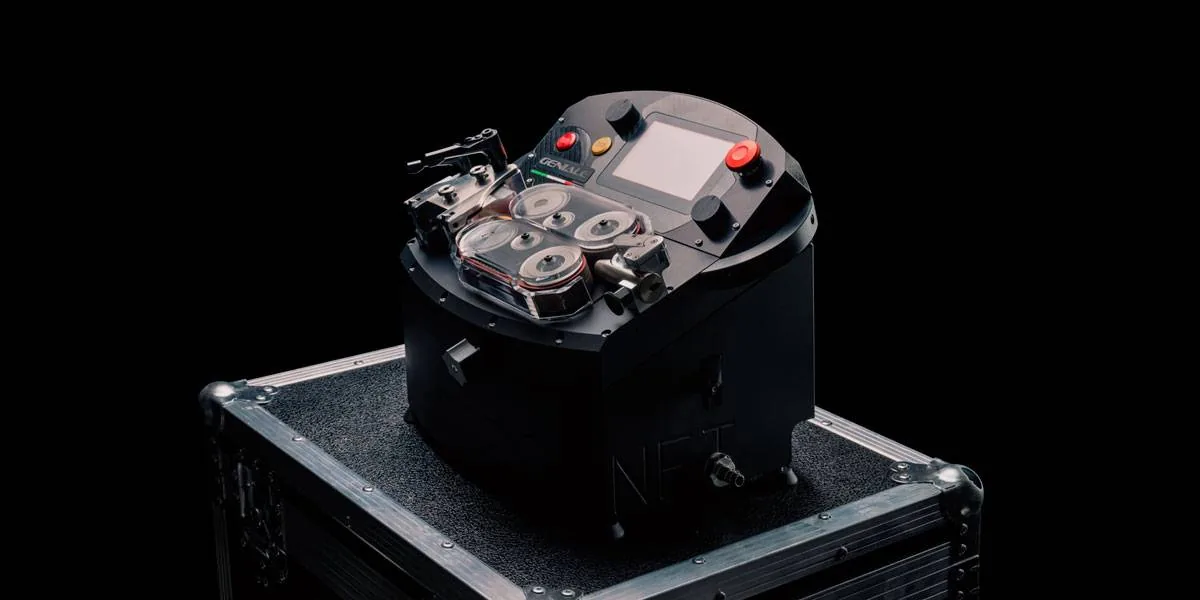
Electric, with two gears
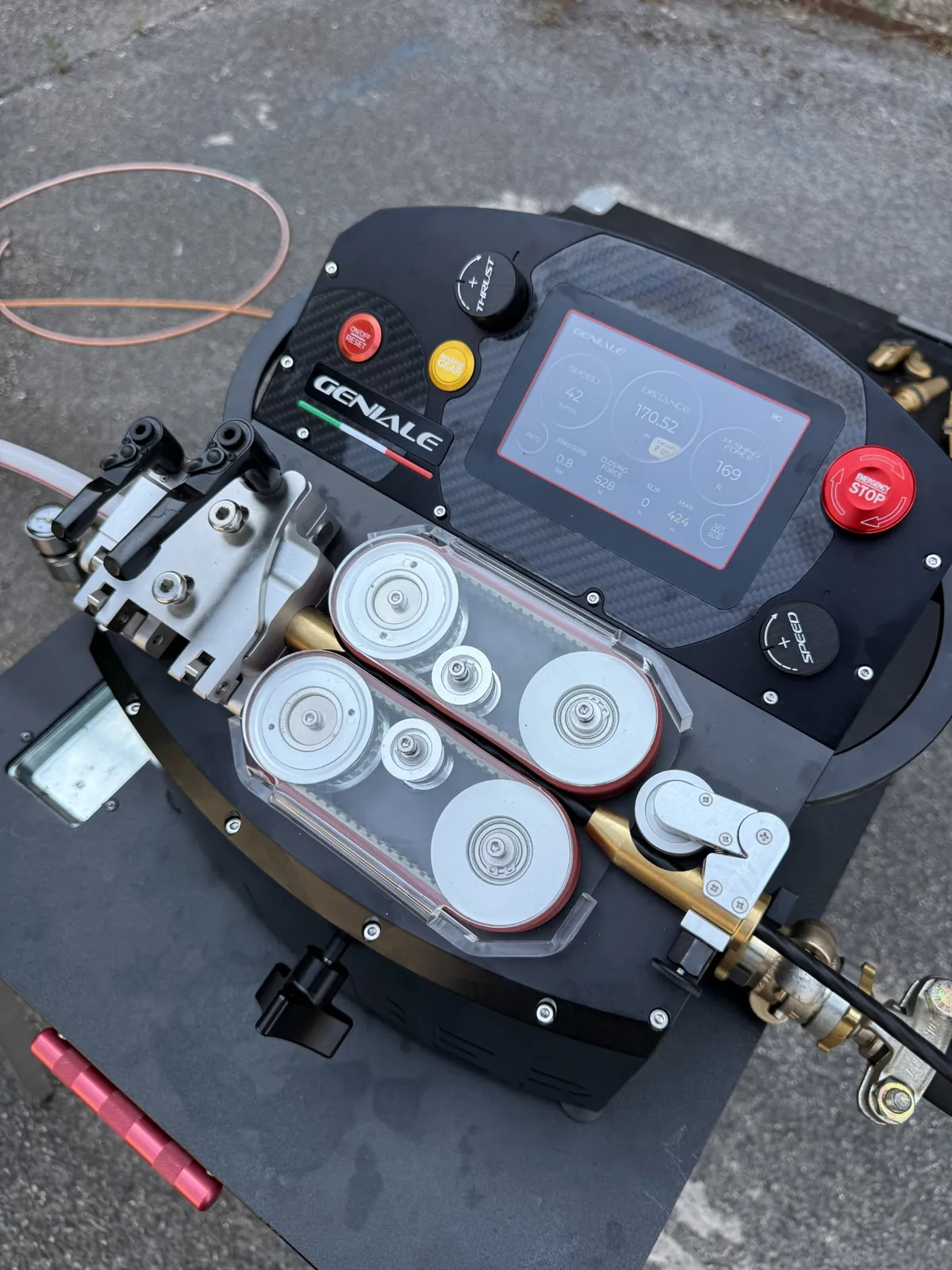
For short and long runs. Two gears let you match force and speed to the job.
Specifications for the Fibernet range. The speeds shown are maximum values. Actual results depend on installation conditions and machine setup.
Direct from the manufacturer
When you’re working on site, you need practical answers. With Fibernet, you speak directly to the people who design and build your cable blowing machine.
Speak to a technicianA specialist technician can help when you need it.
Spare parts ready to ship, direct from the manufacturer.
If your machine breaks down, a replacement may be available within 48 hours.
Check availability and terms with your technician.Get help making the most of your machine, from your very first job.
See it in action before you choose
Request a free hands-on demonstration on your site or at Fibernet’s test facility. Discuss a real job with the technician.
Request a free demonstration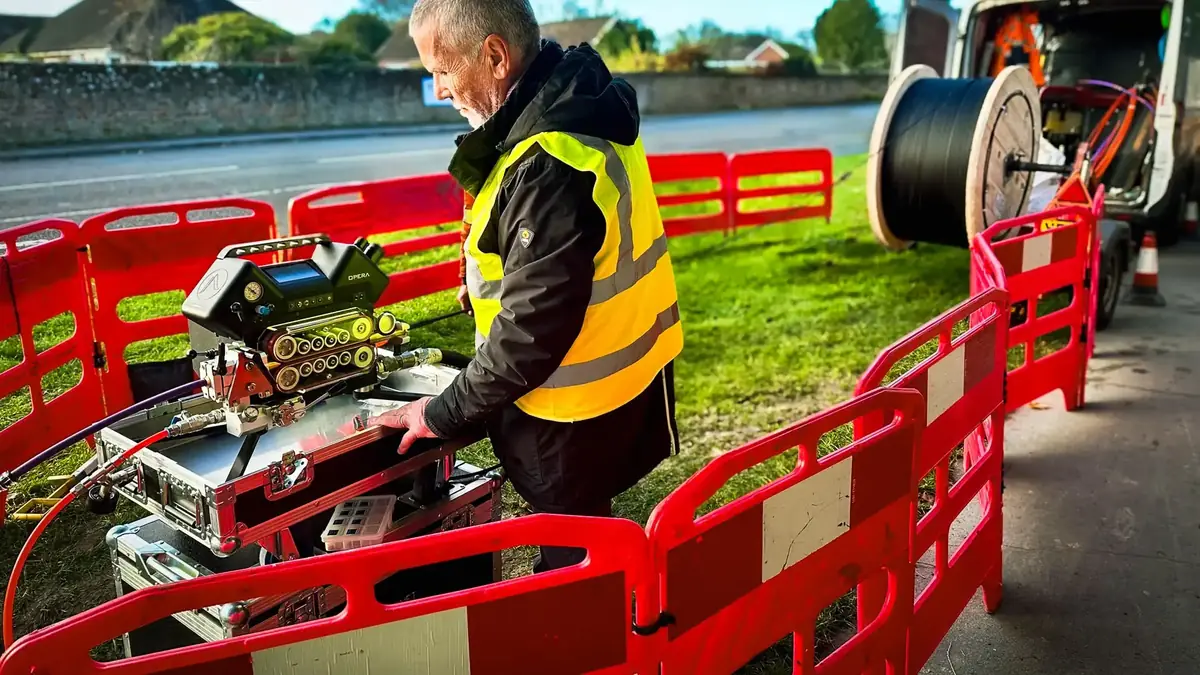
Choosing a second hand fibre cable blowing machine starts with understanding the work it must perform. For contractors installing cable into ducts on Italian worksites, a low purchase price is useful only when the equipment suits the cable, duct dimensions and operating conditions. Before considering an individual machine, prepare a practical specification: cable outside diameter, duct internal and external diameters, expected route characteristics, available compressed air and the working space around the launch point. These details help distinguish a potentially suitable purchase from equipment that would require extensive adaptation. Fibernet, established in Italy in 2001, launched its first cable blowing machine, Lady, in 2021. Its background provides a relevant starting point for a technical conversation about your requirements, without assuming that a particular used model is currently available. When examining a previously operated machine, ask for its identification details, operating instructions, service records and a clear description of what is included. Photographs can reveal general condition, but they cannot establish whether the drive system feeds cable consistently or whether the air chamber seals correctly under working pressure. Request evidence of a controlled operational check using compatible cable and duct, with suitable safety precautions. Inspect the cable contact surfaces for wear, contamination and uneven pressure marks. Check that guides align correctly and that adjustment mechanisms move smoothly and remain secure. A machine that grips too aggressively can damage a cable sheath; insufficient grip can cause slipping and interrupt progress. The condition of seals, connectors, hoses and pressure control components also deserves attention, because air leakage can undermine an otherwise capable setup. If you are comparing a second hand cable blowing machine with new equipment, consider the cost of restoring it to a dependable working condition rather than treating its advertised price as the final investment. Replacement wear parts, missing accessories, transport and commissioning can change the comparison significantly. A useful fibre cable blowing machine price assessment therefore includes the complete configuration required for your intended jobs. Ask which cable guides, duct clamps and sealing components are supplied, and which must be ordered separately. Clarify whether replacement components remain obtainable and whether the documentation matches the exact machine version. For an installation business, these checks support a straightforward objective: acquiring equipment that can be deployed predictably, rather than buying a low-cost machine that remains unavailable while missing parts are sourced. Share your operating requirements with Fibernet through its website to discuss the relevant technical questions and establish what equipment information, availability details and commercial options can be provided for your project.
A practical inspection of a second hand fibre cable blowing machine should follow the complete installation process, from preparing the duct connection to controlling cable entry. Begin with compatibility rather than headline performance figures. A stated maximum distance or speed is not a promise for every installation: duct condition, bends, gradients, cable stiffness, friction and air delivery all influence the result. Ask under which conditions any quoted performance was obtained, and avoid comparing figures that refer to different cable and duct combinations. The compressor connection is particularly important. Confirm the required pressure and airflow for the machine and intended configuration, then compare those requirements with the compressor actually available on site. Pressure alone does not describe whether the air supply will support the installation. Air treatment also matters, so check the manufacturer's requirements concerning moisture, filtration and any recommended lubrication procedure. Do not assume that an unfamiliar lubricant is suitable for either the cable sheath or the duct material. Next, examine how the machine guides and propels the cable. Feed components should be appropriate for its diameter, while the cable path should avoid unnecessary deflection or concentrated pressure. During a properly supervised demonstration, observe whether the cable advances smoothly and whether the controls respond consistently. Any abnormal vibration, persistent slipping or visible marking warrants investigation before purchase. Where fitted, distance measurement, speed indication and pressure displays should be checked for operation; their presence should never be assumed from a general product description. Safety devices and stopping controls require the same attention, together with the instructions governing their use. Comparing a second hand fibre optic cable blowing machine with another model becomes more meaningful when both are assessed against the same job specification. Record the included guide sizes, duct connections, feed adjustment range, power requirements and transport dimensions in a simple comparison sheet. For a contractor working from a service vehicle, ease of loading and access to adjustment points can matter as much as nominal output. A compact configuration may be convenient, but only if it accommodates the intended cable and duct safely. When reviewing an optical fibre cable blowing machine price, separate essential accessories from optional additions so that quotations remain comparable. Ask the supplier to identify the exact configuration covered by the offer and any exclusions that could affect deployment. Fibernet can be contacted with these details to discuss your cable blowing requirements and request clarification about its equipment. A precise enquiry helps keep the conversation focused on practical suitability, including the tasks your team must complete, the conditions it expects to encounter and the information still needed before a purchasing decision can be made.
The commercial case for a second hand fibre cable blowing machine depends on what happens after delivery as much as on its initial condition. A contractor with confirmed installation work needs to understand how quickly the equipment can enter service, which consumable parts should be kept available and who can answer technical questions when an unfamiliar adjustment is required. Start by asking the seller to distinguish clearly between inspected, repaired and refurbished condition. These descriptions are not interchangeable, and none should be accepted as evidence of a specific procedure without supporting details. Request a written account of any work completed, including replaced parts and unresolved defects. Confirm any warranty terms, exclusions and return arrangements before committing to a purchase. If no warranty is offered, factor that exposure into the decision rather than assuming that a short demonstration removes all mechanical risk. Maintenance planning should focus on the components that directly affect cable feeding and air sealing. Establish the recommended inspection intervals, cleaning procedure and replacement criteria from the applicable instructions. Keep a record of adjustments and component changes so that recurring issues can be investigated consistently. For teams sharing equipment across several worksites, a handover checklist can help identify missing guides, worn seals or damaged connectors before the next deployment. Comparing a second hand optical fibre cable blowing machine with a new machine should also account for the time required to obtain parts and prepare the correct configuration. Ask whether documentation is available in a language your operators understand and whether technical assistance covers the particular model under consideration. Fibernet's development of Lady in 2021 forms part of its progression as an Italian cable blowing equipment business, built on the technical experience of founder Giancarlo Trinei. For buyers interested in Italian-developed equipment, that background is relevant, but the final choice should still rest on documented specifications and the needs of the installation. Businesses enquiring from outside Italy should request destination-specific details rather than assume that every commercial or delivery arrangement is identical. Packaging, transport costs, customs documentation where applicable and the agreed delivery terms should be clarified in the quotation. Within Italy, the same attention should be given to delivery timing and readiness for the planned worksite. When assessing a fibre optic cable blowing machine price, include these practical costs alongside servicing, accessories and any required preparation. This creates a clearer view of the expenditure needed before the first productive installation. Use www.fibernetsrl.com to explain your cable sizes, duct dimensions, expected workload and purchasing priorities. Ask explicitly whether suitable second-hand equipment is available, and request information about relevant new alternatives if it is not. Availability, condition, included components and support arrangements should all be confirmed individually before an order is placed.
Fill in the form and discover what Fibernet Srl can do for you!
Contact us!Before you get started
If you prefer, speak to us directly.
+39 346 652 9915Compare the cable diameter, duct diameter and installation distance. Lady is compact and lightweight for short runs. Opera is pneumatic and designed for long runs. Geniale is electric and handles both. A Fibernet technician can help you choose.
Yes. You can request a free hands-on demonstration on your site or at Fibernet’s test facility. Tell us what you need in the form and a technician will arrange it with you. Request a demonstration.
To get a price, contact a Fibernet adviser using the form or call +39 346 652 9915.
Fibernet offers direct technical support, spare parts ready to ship and dedicated training. If your machine breaks down, a replacement may be available. Ask your technician about availability and terms.
Tell us about your job. We’ll help you find the right cable blowing machine.