Emanuele Zanda
Google review
★★★★★
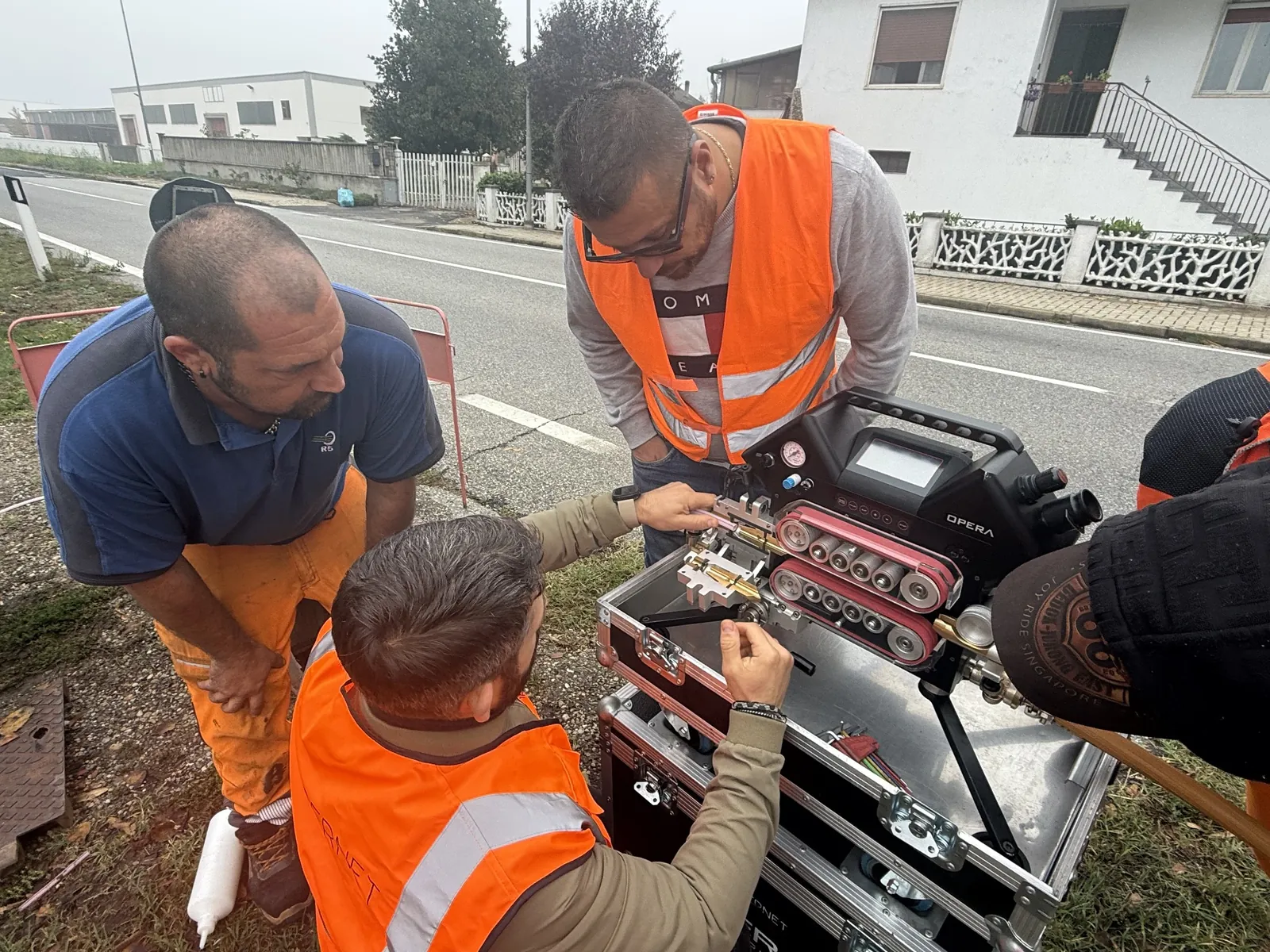
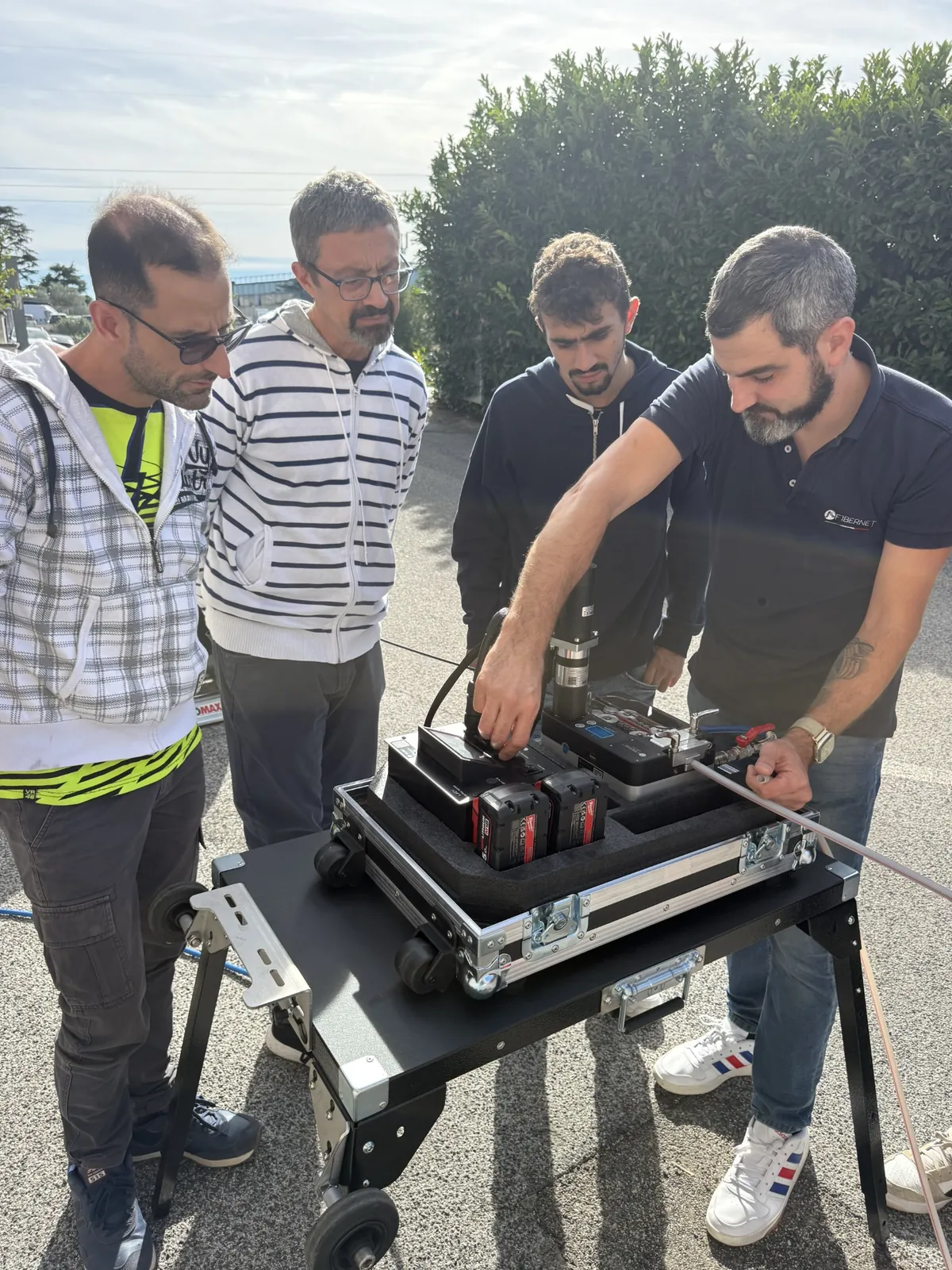
Read on Google“An excellent experience on the installer training course. The whole team was professional and knowledgeable.”
Cable blowing machines · Made in Italy
From last-mile connections to long-distance runs, a Fibernet technician can help you choose the right machine for your fibre optic cable installation.
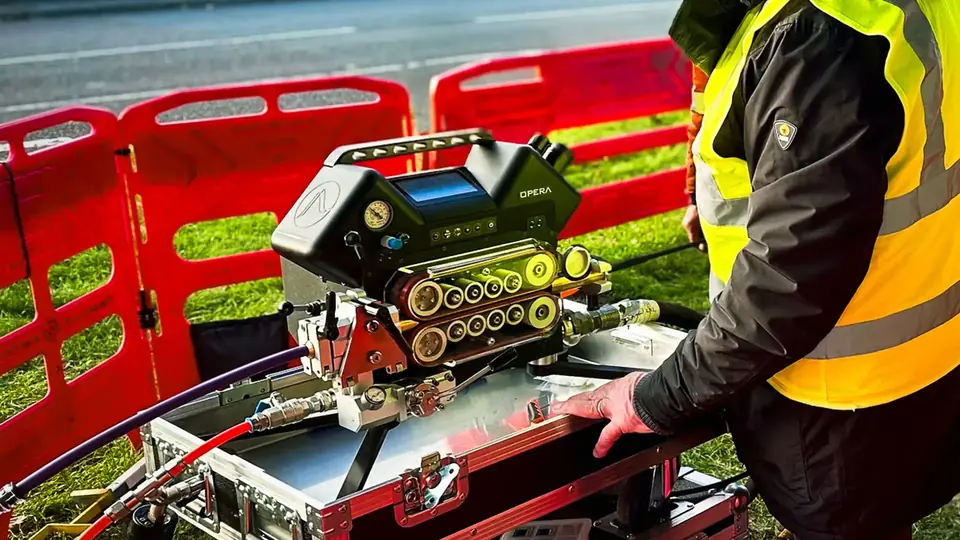
Opera, image 1 of 3
Expert advice direct from the manufacturer / Free demonstration on request
Some of our customers.

Keep your installation moving with Fibernet cable blowing machines.
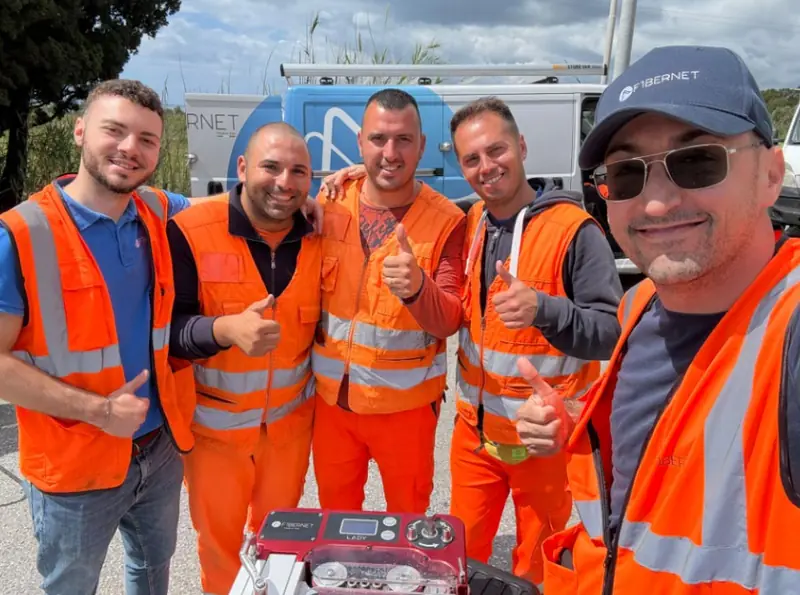
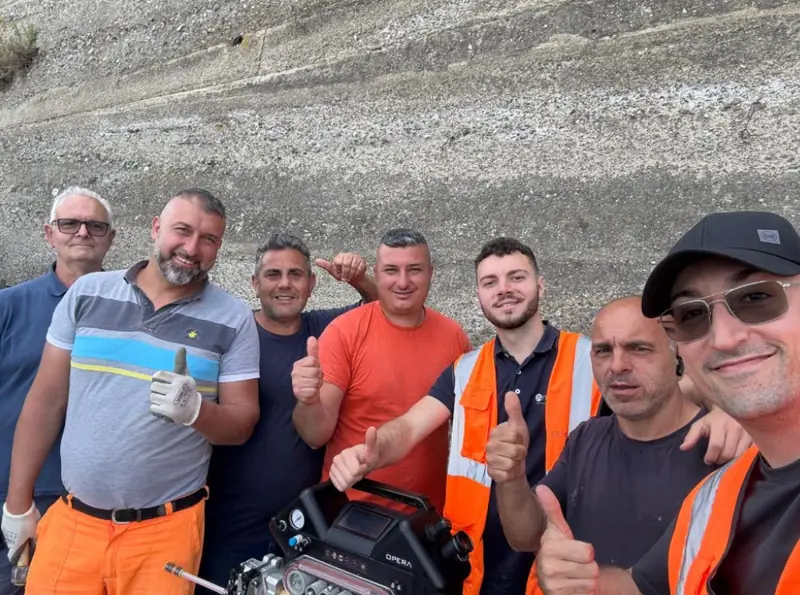
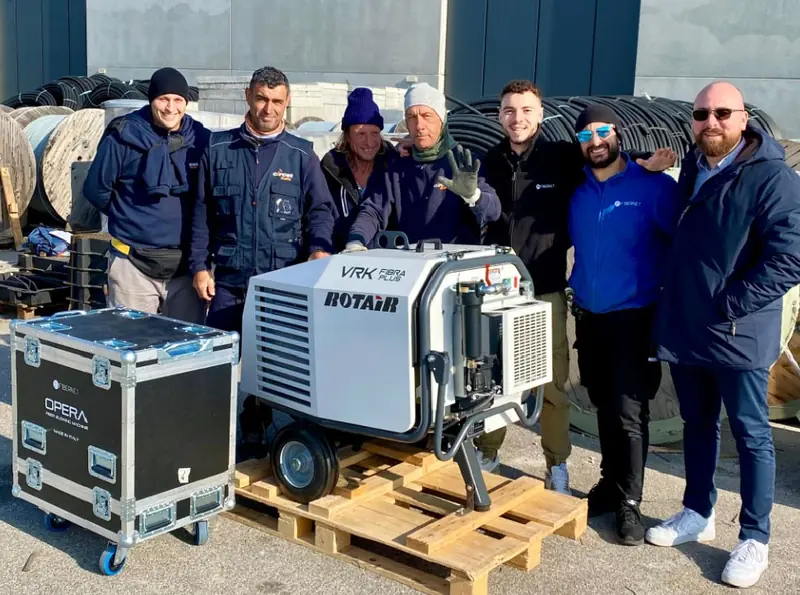
Photos and stories from installers, published by Fibernet.
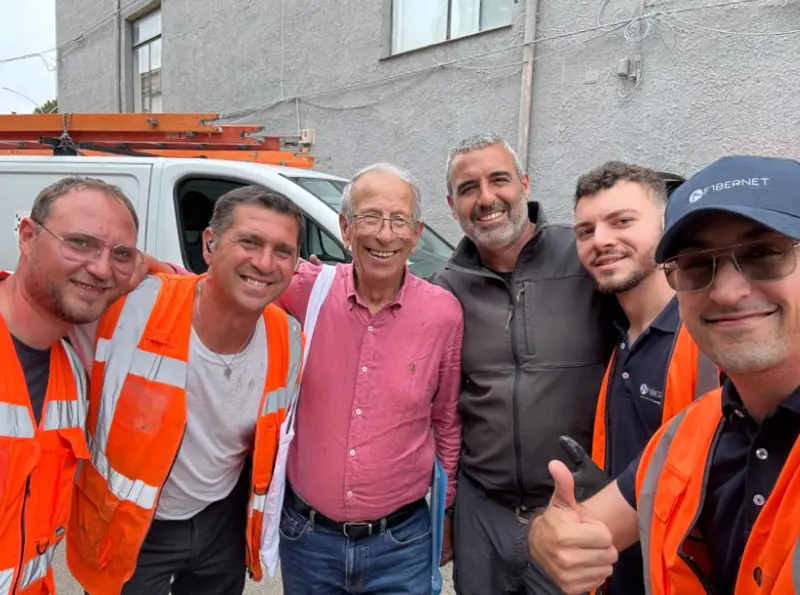
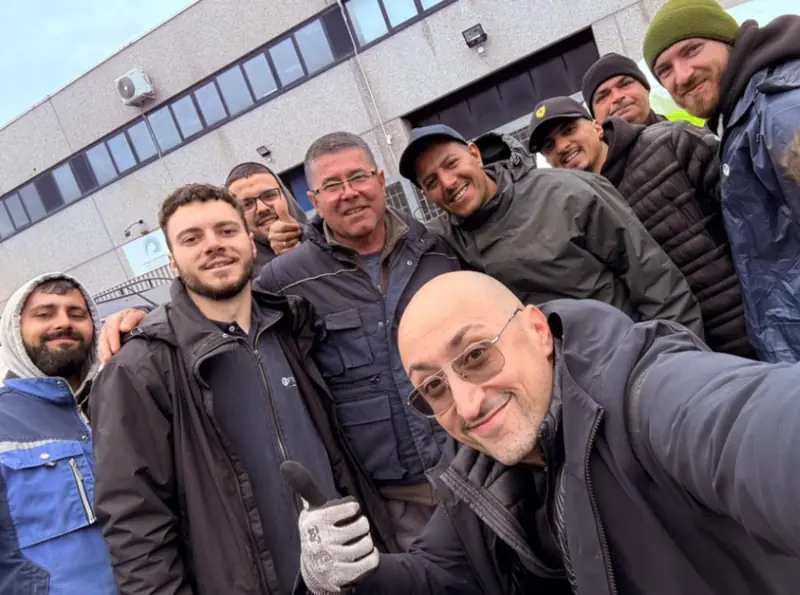
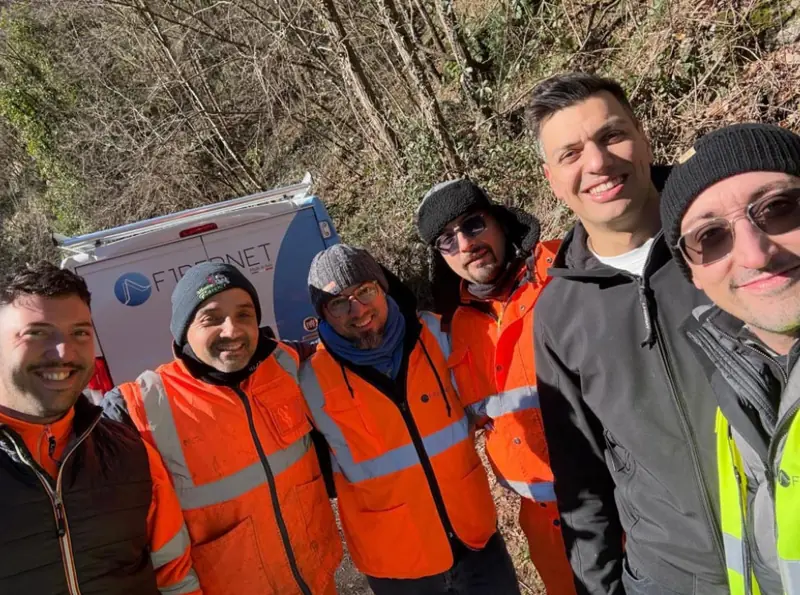 GoogleExcellentBased on 176 reviewsRead the reviews
Read on Google“An excellent experience on the installer training course. The whole team was professional and knowledgeable.”
Read on Google“I had the chance to try the Opera cable blowing machine on site…”
Read on Google“I really enjoyed this course. It took place in a pleasant setting with friendly, helpful people.”
Stories from installers
Hear the results from the installers themselves. Watch their testimonials right here.
Product videos
Three machines. Find your fit.
Start with the job at hand. Our technician can answer your questions about the right setup.
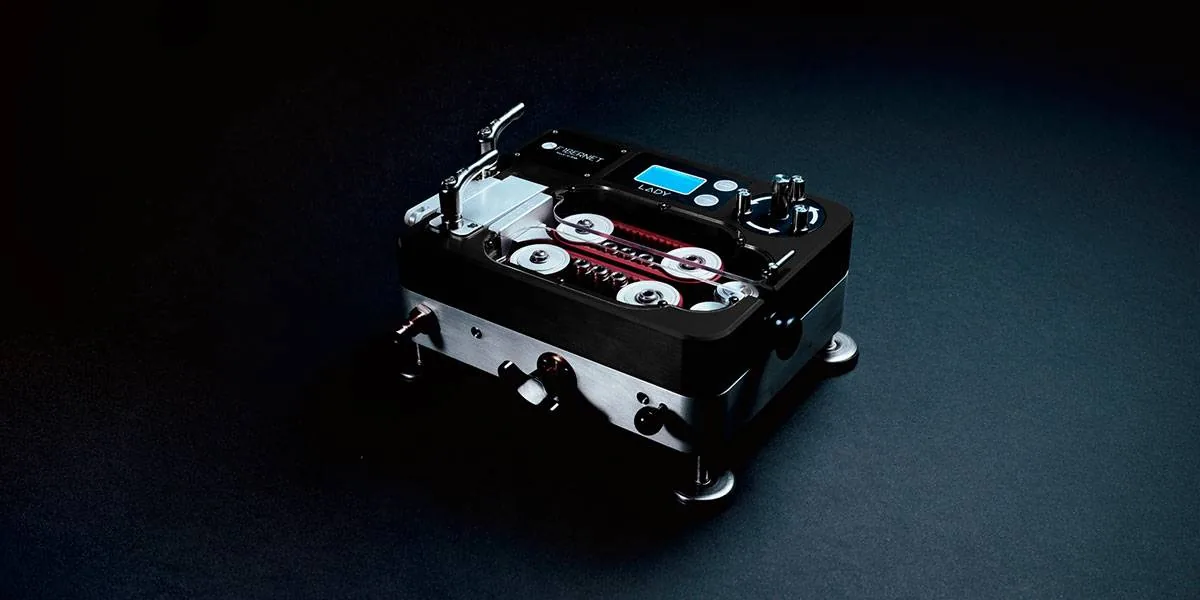
Compact and lightweight
A compact, lightweight machine for short runs.
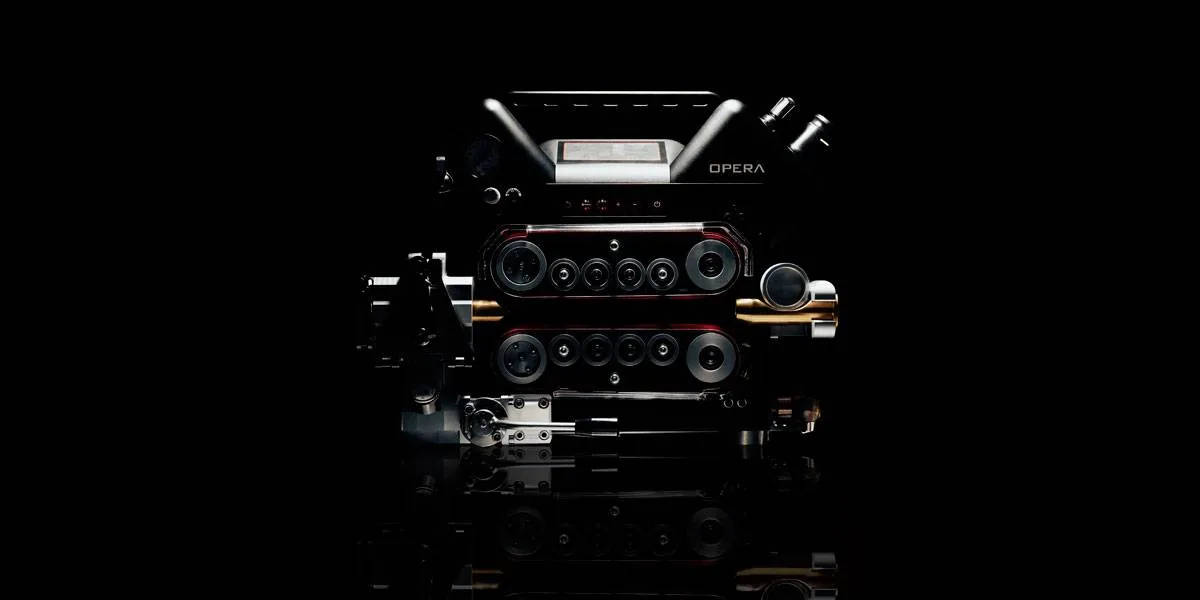
Pneumatic power
A pneumatic machine for long cable runs.
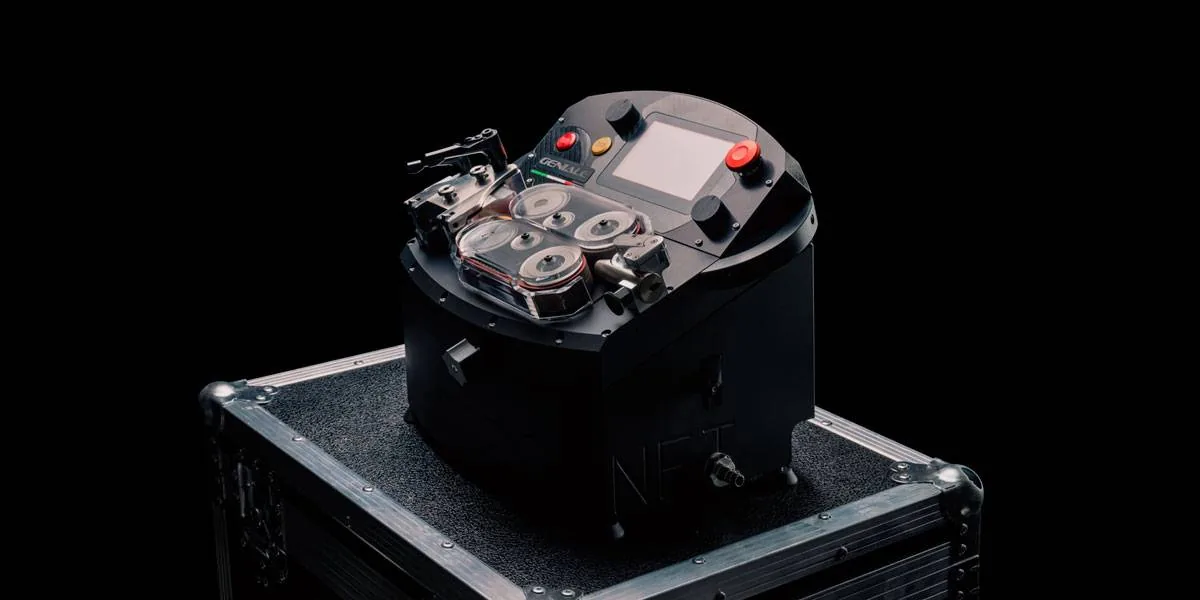
Electric, with two gears
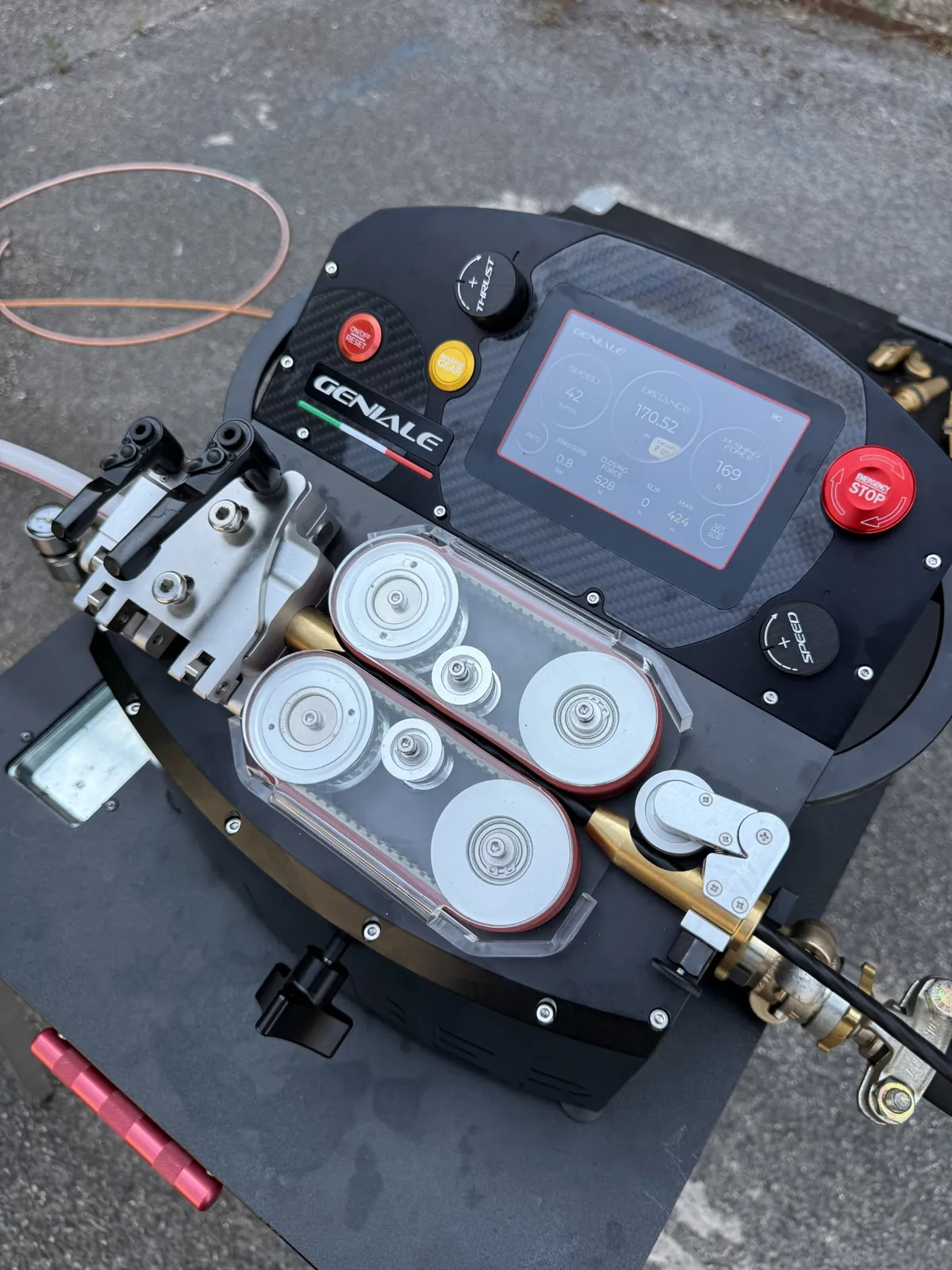
For short and long runs. Two gears let you match force and speed to the job.
Specifications for the Fibernet range. The speeds shown are maximum values. Actual results depend on installation conditions and machine setup.
Direct from the manufacturer
When you’re working on site, you need practical answers. With Fibernet, you speak directly to the people who design and build your cable blowing machine.
Speak to a technicianA specialist technician can help when you need it.
Spare parts ready to ship, direct from the manufacturer.
If your machine breaks down, a replacement may be available within 48 hours.
Check availability and terms with your technician.Get help making the most of your machine, from your very first job.
See it in action before you choose
Request a free hands-on demonstration on your site or at Fibernet’s test facility. Discuss a real job with the technician.
Request a free demonstration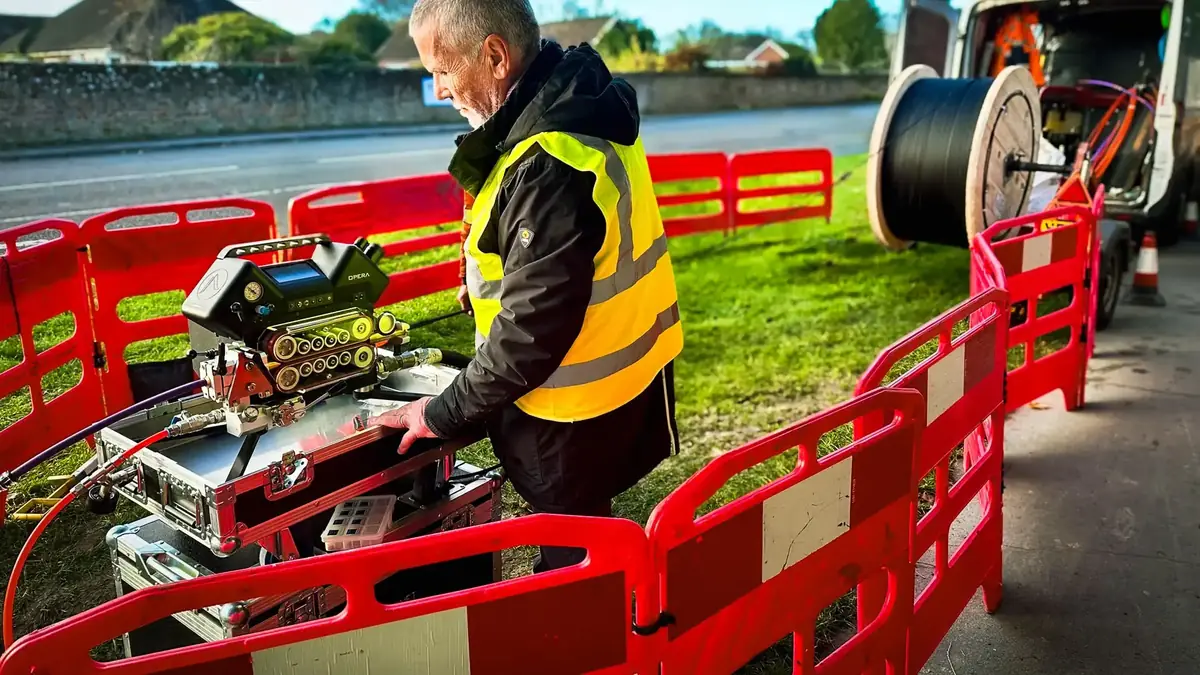
A second hand fiber optic cable blower deserves the same application assessment as a new machine, particularly when your crews depend on predictable installation performance. An attractive purchase figure tells you little about whether the equipment can handle your cable, fit your ducts or work with the compressor available on site. Start by recording the outside diameter of each cable you intend to install, the corresponding duct dimensions and the typical route conditions. Include bends, changes in elevation, access points and expected installation lengths, rather than relying on a single straight route as your reference. These details establish a practical basis for discussing compatibility with Fibernet before committing to equipment. A cable blower for fiber optic cable installation must provide controlled mechanical assistance while compressed air helps move the cable through the duct; neither element should be considered in isolation. Excessive pushing force, unsuitable gripping components or poorly matched seals can compromise the operation even when the machine appears to run correctly. Ask for identification of the model and its configuration, together with the operating instructions and any available maintenance records. Photographs should show more than the outer casing: the drive mechanism, cable guides, sealing chamber, connections and controls all deserve attention. Where possible, request a demonstration using representative cable and duct sizes, with operating conditions clearly recorded. A successful demonstration does not guarantee the same distance on every route, but it provides more useful evidence than an unsupported performance claim. When assessing a used fiber optic cable blower, consider whether the adjustment mechanisms move smoothly, whether gripping surfaces show uneven wear and whether replacement components can be identified. Confirm the permitted operating limits in the relevant documentation rather than assuming that another machine’s settings will apply. For contractors working across Italy, changing site conditions make this preparation particularly valuable: the right configuration for one installation may need different guides or seals for the next. Fibernet was founded in 2001 and introduced its first cable blowing machine, Lady, in 2021, building on the technical experience of founder Giancarlo Trinei. This background gives prospective buyers a relevant starting point for discussing cable blowing requirements without treating every previously owned machine as an equivalent option. Contact the team with your application details and ask which equipment information is needed for a meaningful assessment. Any current used stock, inspection arrangements, supplied accessories or commercial terms should be confirmed directly. The objective is not simply to acquire a machine that operates, but to select equipment whose documented condition and configuration suit the installations your business actually undertakes.
The commercial value of a second hand fiber optic cable blower becomes clearer when you build a complete cost comparison around a realistic installation workload. Begin with the purchase figure, then identify what is included and what must be obtained separately. A machine supplied without the correct duct clamps, cable guides, seals or air connections may require additional expenditure before it can reach a worksite. Equally, accessories supplied in a case are only useful if they match the cable and duct combinations your crews use. Ask for a written inventory with sizes, quantities and condition, and distinguish essential operating components from optional items. The fiber optic cable blower price should therefore be considered alongside preparation costs, possible replacement parts, transport and the time needed to make the equipment ready for service. Compressor compatibility is another important financial consideration. Check the machine’s specified air requirements against the compressor’s documented delivery at the required operating pressure, rather than comparing headline figures without their measurement conditions. Include suitable hoses, connections and any air treatment specified by the equipment documentation. A mismatch can restrict productive work or create an unexpected hire requirement. Labour also belongs in the calculation. Accessible controls, straightforward adjustments and an appropriate configuration can help crews prepare efficiently, but the actual benefit depends on the machine and the installation method. Ask how routine cleaning, inspection and component changes are performed, and establish which tasks require specialist assistance. For a second hand cable blower, an inexpensive component with uncertain availability can create a disproportionate interruption if the machine cannot operate without it. Confirm part identification and supply arrangements before purchase, especially when planning consecutive projects or moving equipment between countries. A useful comparison can be built around several expected jobs, allowing for mobilisation, setup, operating time, routine maintenance and a reasonable contingency for repairs. Avoid assuming a fixed installation distance per day: duct condition, route geometry, cable characteristics and site preparation all influence results. Instead, compare how each equipment option addresses your known constraints. Fibernet’s company development combines its founder’s practical technical background with a new generation that entered the business in 2010. For a buyer, the useful consequence is the opportunity to discuss equipment needs with a business focused on developing cable blowing machinery, rather than judging an offer solely from photographs. Share your planned workload, available compressor and required accessory sizes when requesting information. Ask for a clear distinction between confirmed facts, optional services and matters still requiring inspection. This approach makes it easier to compare a previously owned option with a new machine on consistent terms, without presuming that either choice will always deliver the lower operating cost.
Moving a second hand fiber optic cable blower from an initial enquiry to dependable site use requires an organised handover. This matters whether your next project is in Italy or your purchasing team is arranging delivery to another country. Before agreeing dispatch, confirm the exact machine identification, included accessories, packaging dimensions and gross weight. Establish who is responsible for collection, transport insurance and any destination formalities, with the agreed delivery terms recorded in the quotation. Do not assume that a previously owned unit will include its original case, manuals or complete accessory set. Each of these points can affect how quickly the machine becomes usable after arrival. Request the operating documentation relevant to the specific model and configuration, and clarify which declarations or other documents are available and applicable. If the equipment has been modified, ask what changed and whether supporting technical information exists. Photographs taken before packing can help both parties record the supplied condition and identify loose components. For a second hand fiber optic cable blowing machine, a documented functional check is particularly useful when the buyer cannot attend in person. Agree what will be demonstrated, which cable and duct sizes will be used and how the results will be recorded. A short video of a motor turning is not equivalent to evidence of controlled cable feeding under representative conditions. On arrival, check the package for transport damage before putting the machine into service. Match the contents against the agreed inventory, inspect connections and moving parts, and follow the manufacturer’s instructions for initial checks. Keep operators informed about the equipment’s limits, the correct adjustment procedure and the required stopping sequence. Compressed air and moving drive components require appropriate site controls; a previously owned machine should never be treated as ready for unrestricted use merely because it has operated before. Establish a baseline maintenance record from the first day in your ownership, noting inspection findings, replacements and operating issues. This creates a clearer history for future servicing and helps distinguish gradual wear from a sudden change in behaviour. Fibernet’s Italian roots and the development of Lady provide a relevant context for buyers interested in Italian cable blowing machinery. Nevertheless, the origin, condition and support arrangements of any individual previously owned unit must be verified rather than inferred from the company’s wider story. When contacting Fibernet, explain the destination, intended installation work and preferred timescale, then request confirmation of available options and shipment arrangements. Treat the second hand fibre optic cable blower enquiry as a technical purchasing discussion, not simply a request for the lowest quote. A carefully specified handover gives your site team a stronger starting point and reduces avoidable uncertainty between ordering the equipment and carrying out the first installation.
Fill in the form and discover what Fibernet Srl can do for you!
Contact us!Before you get started
If you prefer, speak to us directly.
+39 346 652 9915Compare the cable diameter, duct diameter and installation distance. Lady is compact and lightweight for short runs. Opera is pneumatic and designed for long runs. Geniale is electric and handles both. A Fibernet technician can help you choose.
Yes. You can request a free hands-on demonstration on your site or at Fibernet’s test facility. Tell us what you need in the form and a technician will arrange it with you. Request a demonstration.
To get a price, contact a Fibernet adviser using the form or call +39 346 652 9915.
Fibernet offers direct technical support, spare parts ready to ship and dedicated training. If your machine breaks down, a replacement may be available. Ask your technician about availability and terms.
Tell us about your job. We’ll help you find the right cable blowing machine.