Emanuele Zanda
Google review
★★★★★
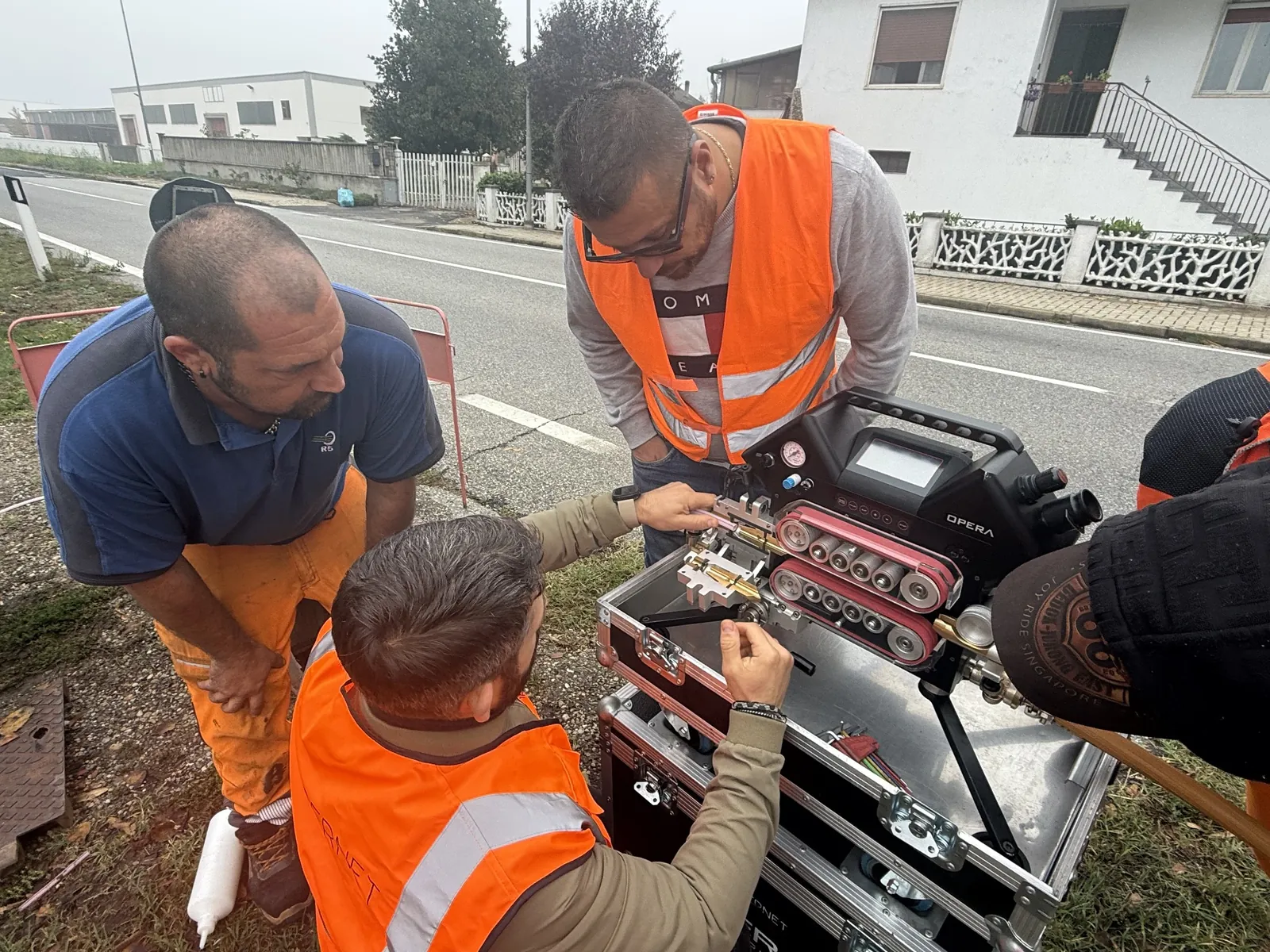
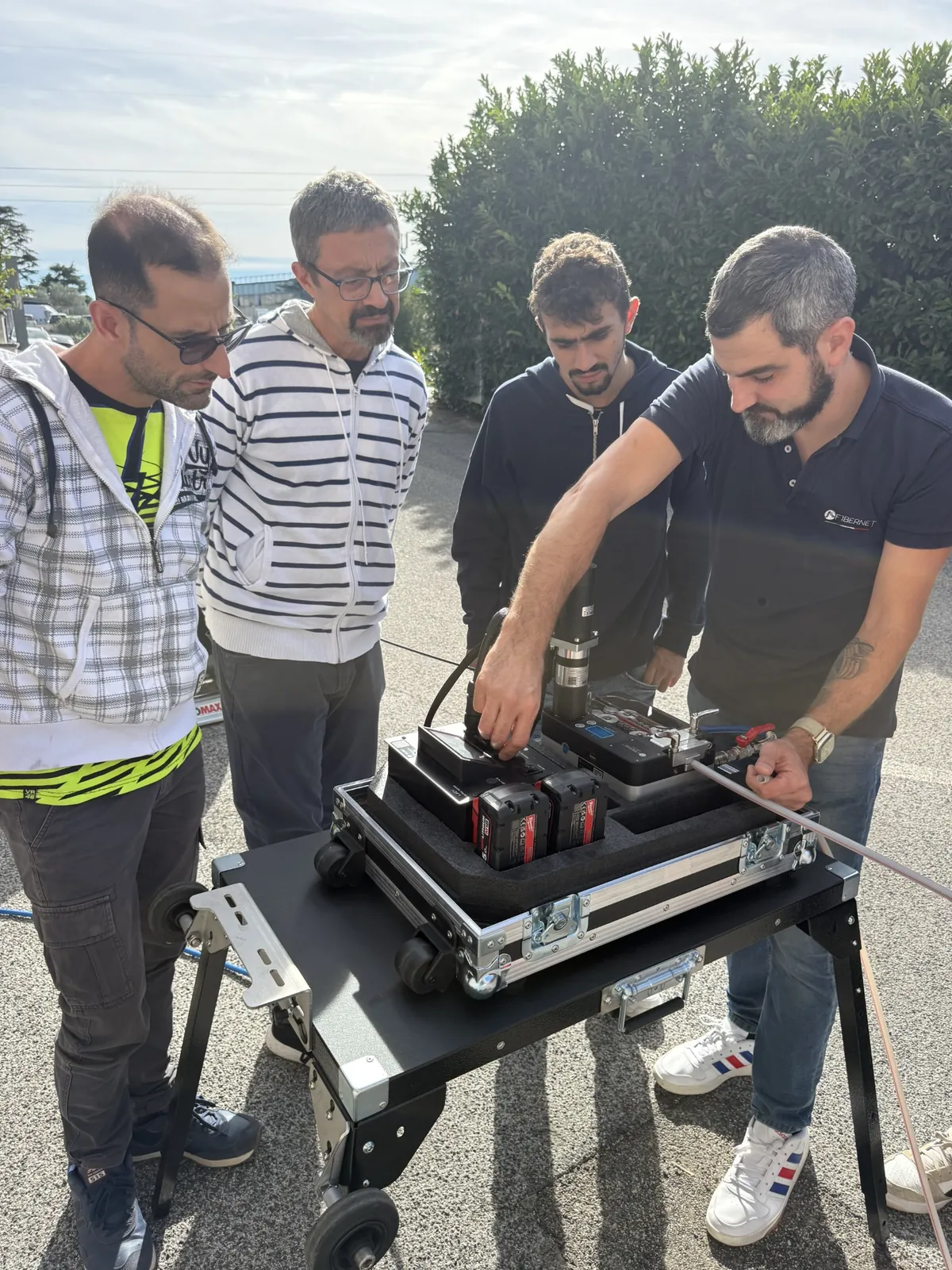
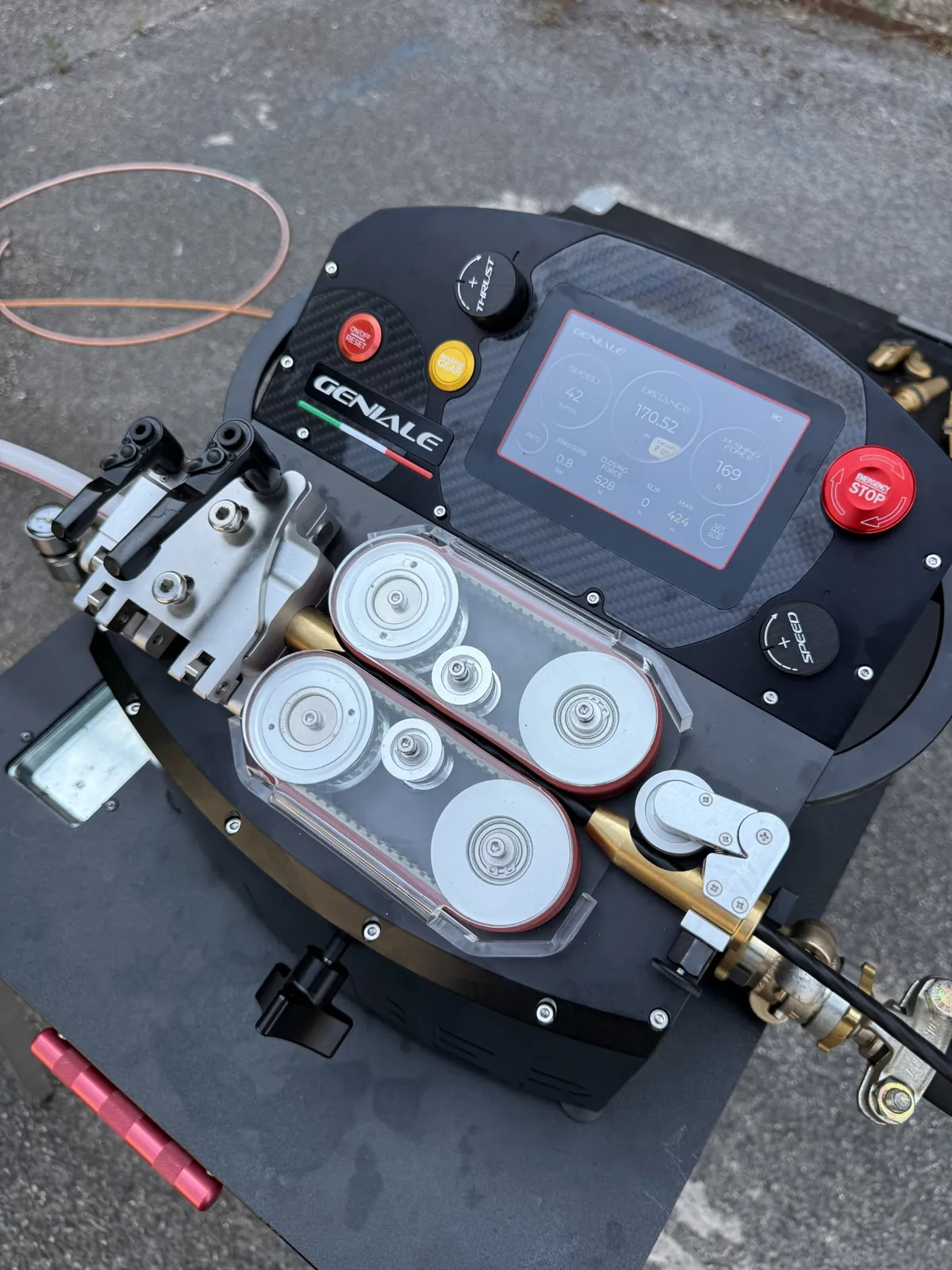
Read on Google“An excellent experience on the installer training course. The whole team was professional and knowledgeable.”
Cable blowing machines · Made in Italy
From last-mile connections to long-distance runs, a Fibernet technician can help you choose the right machine for your fibre optic cable installation.
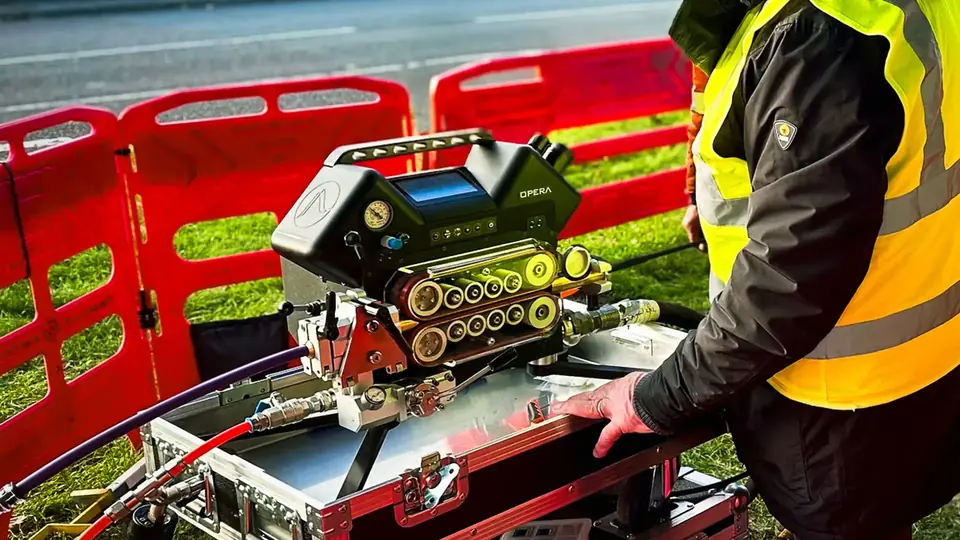
Opera, image 1 of 3
Expert advice direct from the manufacturer / Free demonstration on request
Some of our customers.

Keep your installation moving with Fibernet cable blowing machines.
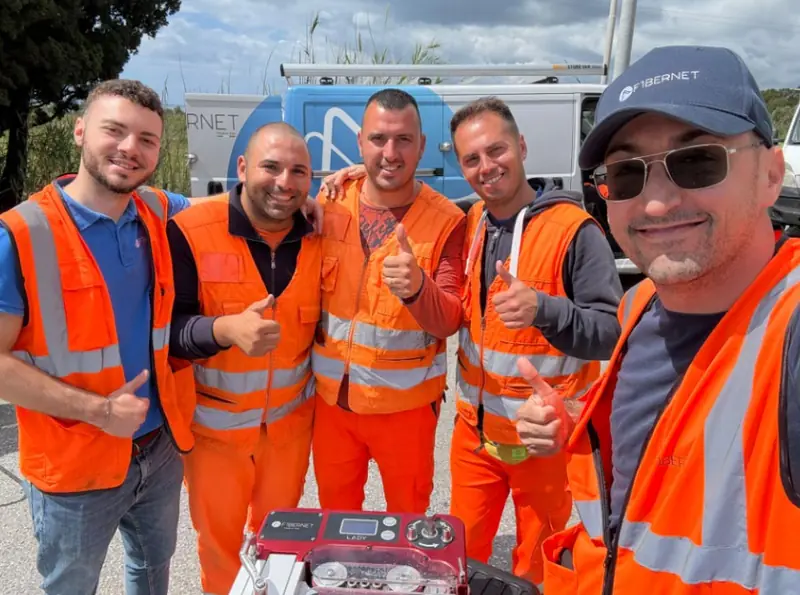
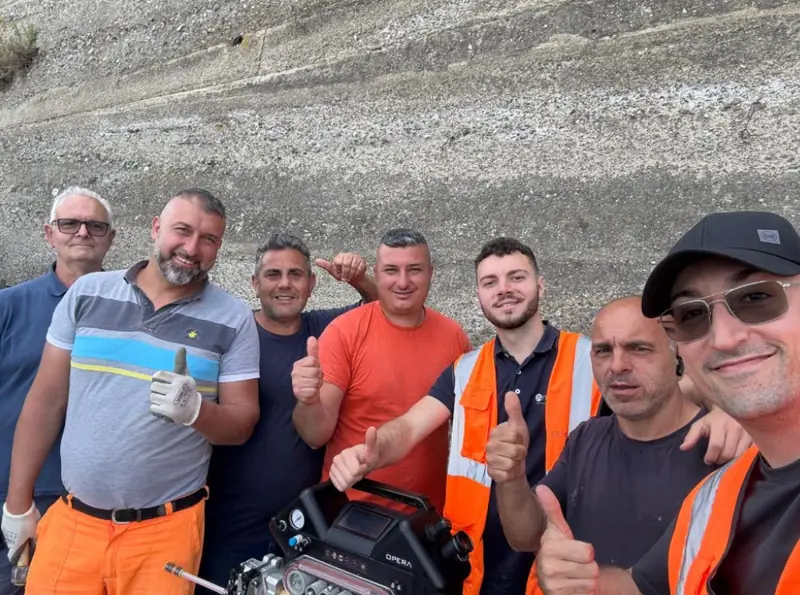
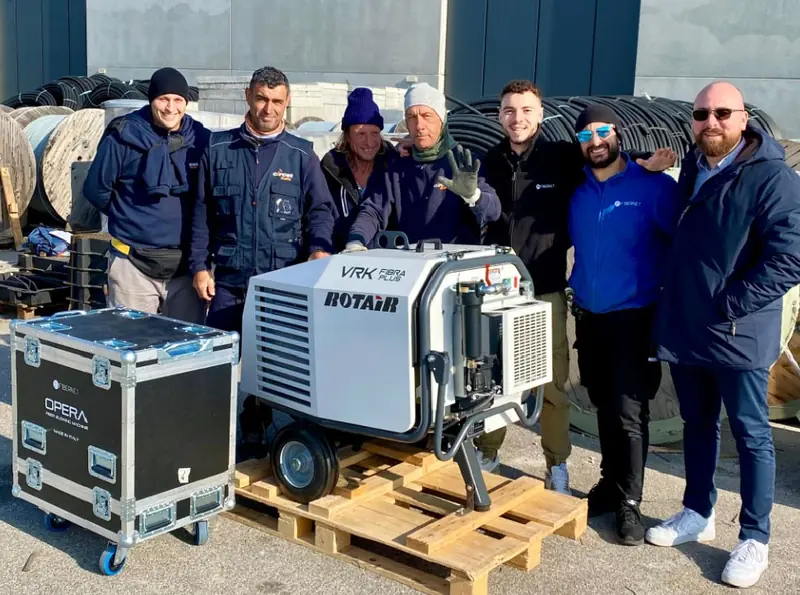
Photos and stories from installers, published by Fibernet.
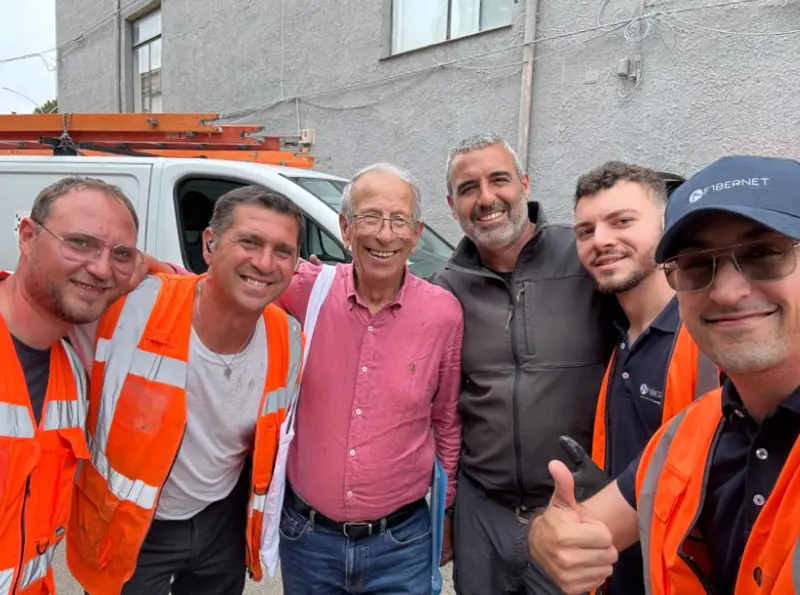
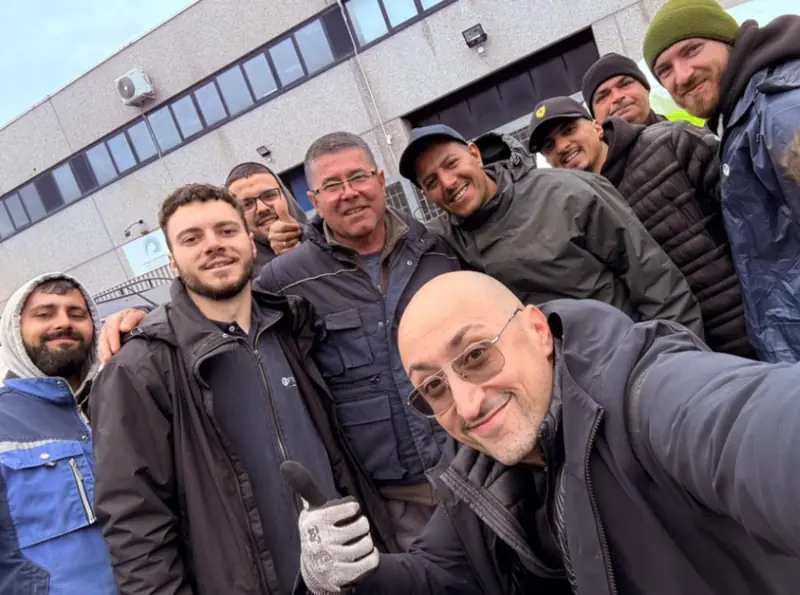
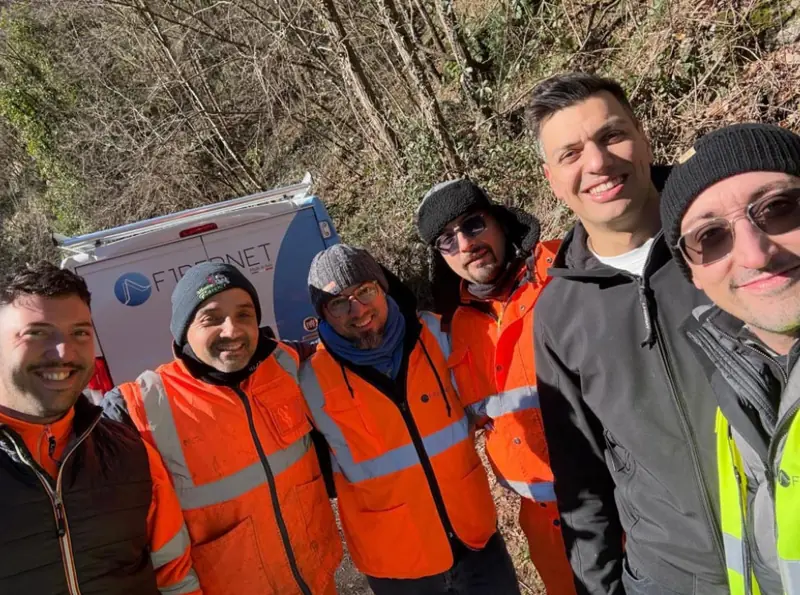 GoogleExcellentBased on 176 reviewsRead the reviews
Read on Google“An excellent experience on the installer training course. The whole team was professional and knowledgeable.”
Read on Google“I had the chance to try the Opera cable blowing machine on site…”
Read on Google“I really enjoyed this course. It took place in a pleasant setting with friendly, helpful people.”
Stories from installers
Hear the results from the installers themselves. Watch their testimonials right here.
Product videos
Three machines. Find your fit.
Start with the job at hand. Our technician can answer your questions about the right setup.
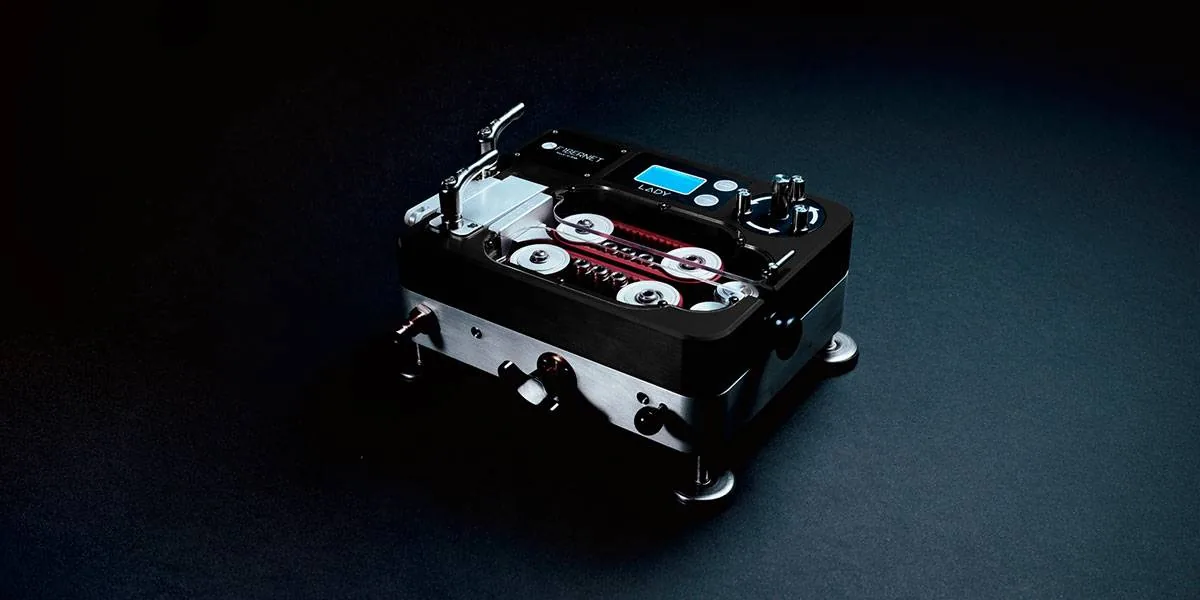
Compact and lightweight
A compact, lightweight machine for short runs.
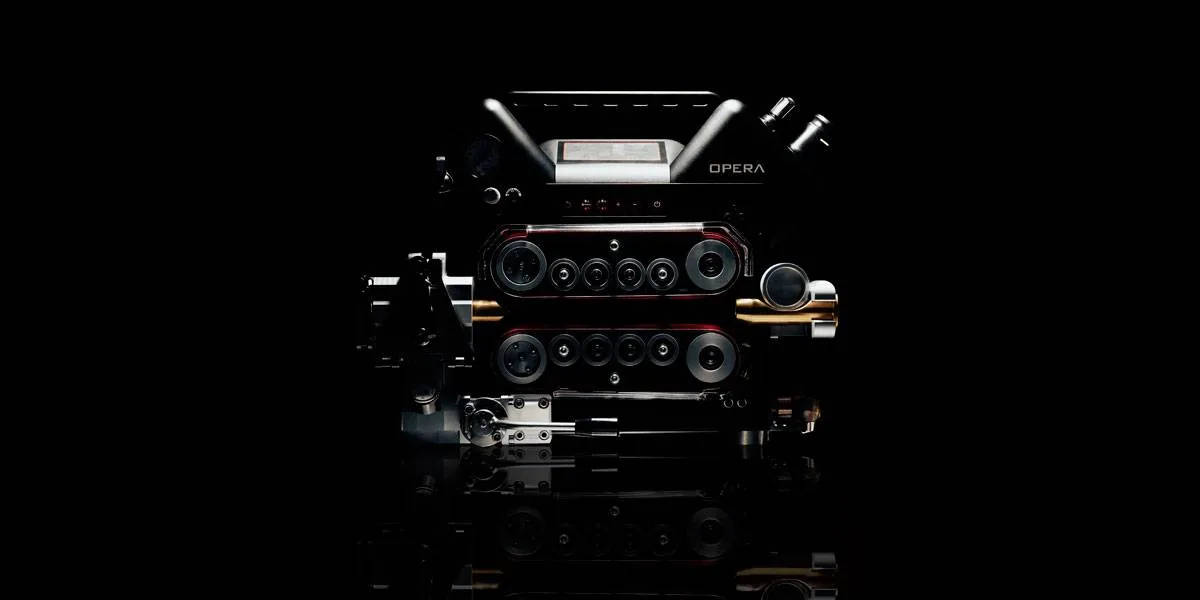
Pneumatic power
A pneumatic machine for long cable runs.
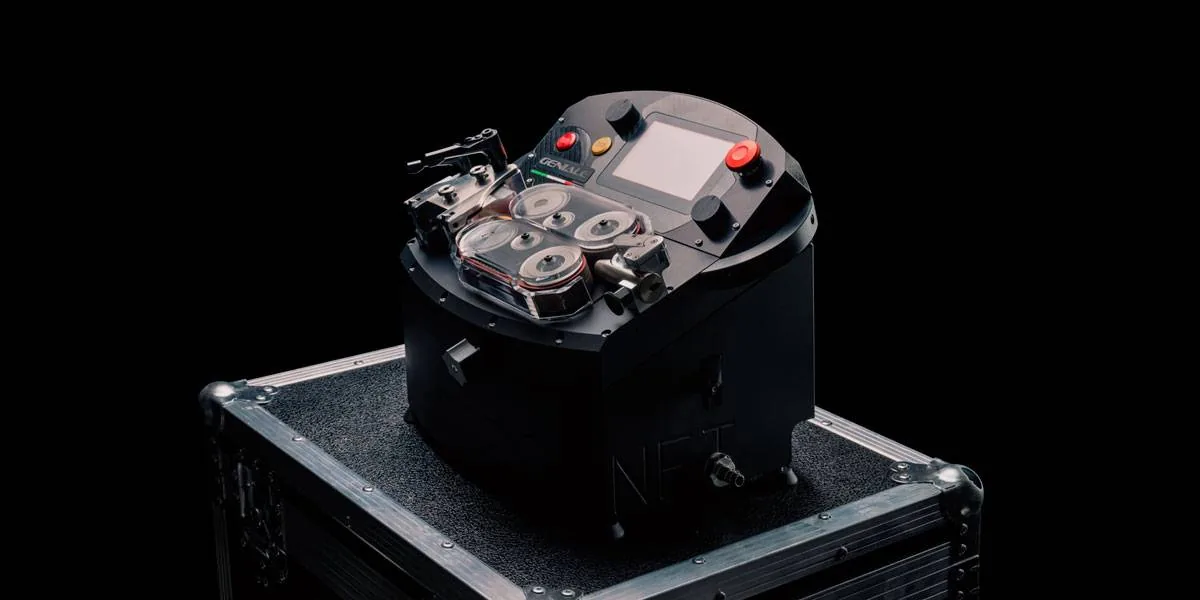
Electric, with two gears
For short and long runs. Two gears let you match force and speed to the job.
Specifications for the Fibernet range. The speeds shown are maximum values. Actual results depend on installation conditions and machine setup.
Direct from the manufacturer
When you’re working on site, you need practical answers. With Fibernet, you speak directly to the people who design and build your cable blowing machine.
Speak to a technicianA specialist technician can help when you need it.
Spare parts ready to ship, direct from the manufacturer.
If your machine breaks down, a replacement may be available within 48 hours.
Check availability and terms with your technician.Get help making the most of your machine, from your very first job.
See it in action before you choose
Request a free hands-on demonstration on your site or at Fibernet’s test facility. Discuss a real job with the technician.
Request a free demonstration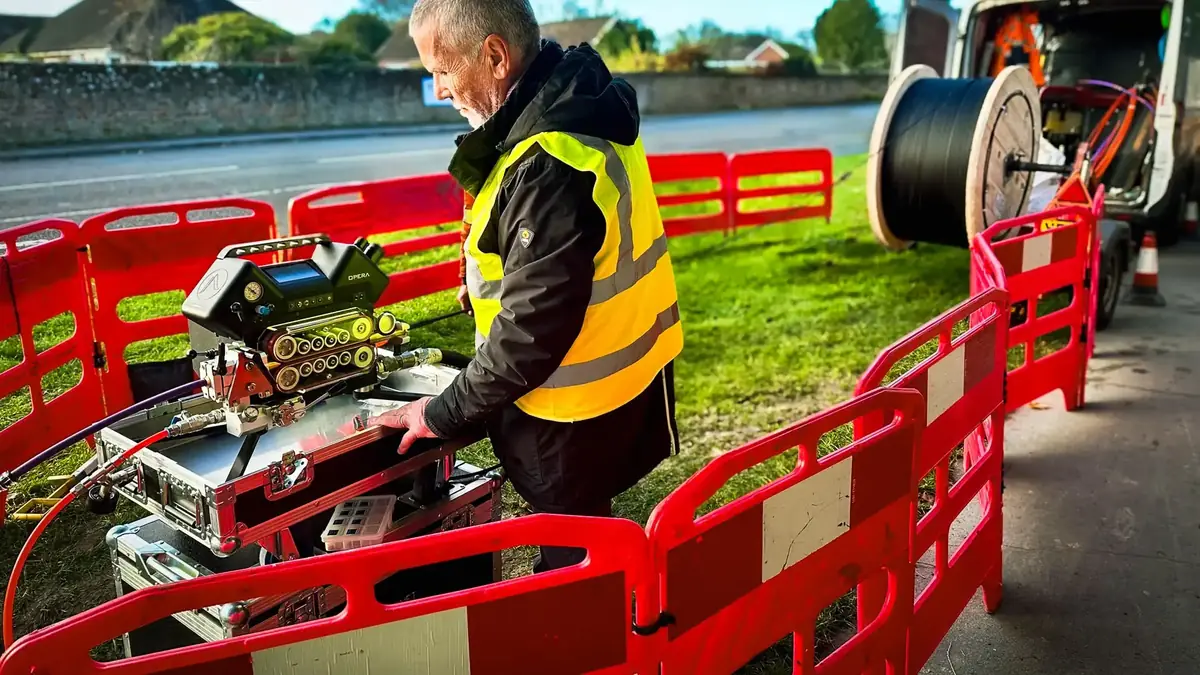
Choosing a second hand fiber cable blowing machine starts with the installation conditions, not the advertised discount. A machine that appears economical can become an expensive purchase if its cable guides, duct connections or drive system do not suit the work scheduled for your crews. Before comparing offers, record the outside diameter of each cable, the outside and inside diameters of the ducts, and the cable manufacturer's permitted installation limits. Include the expected route conditions, access arrangements and available compressed air supply. These details make an enquiry useful: instead of asking whether a machine can blow cable, you can ask whether a specific configuration is appropriate for a defined installation. For contractors working across Italy, this preparation also helps distinguish equipment suitable for regular deployment from a unit that would require substantial adaptation before reaching the site. When assessing a second hand fiber optic cable blowing machine, request clear evidence of its identity and condition. Useful information includes the model, serial number, approximate age, maintenance records where available, and photographs showing the drive components, control panel, cable entry and duct clamping arrangement. Ask which accessories are included rather than assuming that everything shown in a photograph forms part of the offer. Seals, guides and connection parts must match the intended cable and duct combination; missing components can affect both commissioning time and the true purchase cost. A practical demonstration should use a representative configuration, with operating settings remaining within the limits specified for the machine, cable and duct. Observe how smoothly the cable advances, whether the controls respond predictably, and whether the clamping arrangement holds securely without inappropriate deformation. No demonstration can guarantee the same distance on every route, because bends, duct condition, friction and air leakage influence results. Nevertheless, a documented test offers more useful evidence than an unsupported distance claim. Fibernet provides a relevant point of contact for discussing blowing equipment requirements. Founded in 2001, the company draws on the technical background of Giancarlo Trinei and introduced its first cable blowing machine, Lady, in 2021. That history should not be mistaken for confirmation that used units are currently available. If you are researching a second hand cable blowing machine, explain your application and ask Fibernet about the options it can actually propose. State whether your priority is initial expenditure, compatibility with existing equipment or dependable operation across repeated jobs. An enquiry built around those priorities supports a more meaningful technical discussion and helps avoid purchasing a machine solely because its headline price looks attractive.
A credible budget for a second hand fiber cable blowing machine includes everything needed to put it into productive service. The amount on the quotation is only the starting point. Depending on the unit and its condition, the buyer may also need replacement wear components, different cable guides, suitable duct connections, inspection work or transport arrangements. Ask for these items to be identified separately so that you can distinguish essential expenditure from optional accessories. This approach is particularly useful when two offers appear similar but include different configurations. A lower purchase figure may represent poorer value if the machine requires unavailable components or cannot accommodate the cable sizes used on your next contract. When researching fiber cable blowing machine price, compare like with like. Establish the equipment condition, included accessories, applicable commercial terms and any explicitly stated warranty before judging the difference between used and new equipment. Do not assume that a previously owned machine carries the same protection or technical support as a new purchase. Request written clarification of what is covered, who performs any agreed repairs, and how responsibility for transport is handled. If a seller describes a machine as refurbished, ask what work that term includes: cleaning alone is different from replacing worn drive components, checking seals and documenting functional tests. The inspection should consider how the equipment will be operated on site. Check that controls and markings are legible, protective components are present, and the operating documentation corresponds to the supplied model. Ask a competent person to review the machine where its history is incomplete or its condition is uncertain. For a cable blowing machine for fiber optic cable installation, compatibility with the available compressor deserves particular attention. Required pressure and air delivery depend on the equipment and application, so a compressor should never be selected from pressure alone. Confirm the manufacturer's requirements and consider the air supply arrangements, connection sizes and any specified air treatment. Route preparation remains essential even when the machine itself is sound: damaged ducts, unsuitable joints and leakage can undermine installation performance. Fibernet's background in developing blowing equipment offers context for a discussion about these practical requirements. Rather than assuming that a used purchase is always the most economical route, describe your expected workload, cable range and current equipment. Ask which solutions are available and request a quotation based on a defined configuration. For buyers in Italy and international contractors evaluating Italian equipment, this creates a clearer basis for comparing acquisition costs with operational suitability. The aim is not simply to secure a cheaper machine, but to understand what must be supplied, checked and supported before the equipment can contribute reliably to the next installation.
A productive enquiry about a second hand fiber cable blowing machine should make it easy to assess your requirements without relying on assumptions. Begin with the country where the equipment will operate and the type of installation your team undertakes. Then provide cable and duct dimensions, typical route lengths, known changes of direction and the compressor specifications already available. Explain whether the machine will be used occasionally, moved frequently between sites or assigned to a sustained installation programme. These details influence the importance of portability, adjustment procedures, accessory coverage and access to replacement components. If you already own blowing equipment, identify the model and explain what limitation you are trying to resolve. Your priority might be accommodating another cable size, replacing an ageing unit or reducing the disruption caused by equipment shared between several crews. Buyers searching for a second hand optical fiber cable blowing machine should also identify their acceptance criteria before agreeing to purchase. Specify the documentation required, the accessories that must be supplied, and the evidence you expect concerning functional condition. Where a test is agreed, record the configuration and relevant operating conditions so that the result can be interpreted correctly. A successful demonstration with one cable and duct combination should not be treated as proof of performance with every other combination. Equally, advertised maximum values should be checked against the manufacturer's instructions rather than used as routine operating targets. Careful clarification protects the installation team and gives purchasing staff a concrete basis for approving the order. For international enquiries, discuss destination requirements early. Ask what shipping arrangements can be offered, how the machine would be packed, and which documents would accompany the supply. Delivery timing, import formalities and local conformity obligations should be confirmed for the actual transaction; they should not be inferred from a general product description. Establish the language and format of the available operating information, and ask how technical enquiries and replacement part requests would be handled after delivery. Fibernet is an Italian company with family roots and an ambition to serve the global market. Its development of Lady marks a specific milestone in its cable blowing equipment activity, while the involvement of the next generation since 2010 reflects continuity within the business. For someone comparing a second hand fibre cable blowing machine with other purchasing options, the practical next step is to contact Fibernet with a detailed specification and request current information. Availability, condition, commercial terms and delivery possibilities must all be confirmed directly. This keeps the discussion grounded in equipment that can actually be proposed, while helping your team evaluate whether the resulting configuration matches its installation work, budget and purchasing timetable.
Fill in the form and discover what Fibernet Srl can do for you!
Contact us!Before you get started
If you prefer, speak to us directly.
+39 346 652 9915Compare the cable diameter, duct diameter and installation distance. Lady is compact and lightweight for short runs. Opera is pneumatic and designed for long runs. Geniale is electric and handles both. A Fibernet technician can help you choose.
Yes. You can request a free hands-on demonstration on your site or at Fibernet’s test facility. Tell us what you need in the form and a technician will arrange it with you. Request a demonstration.
To get a price, contact a Fibernet adviser using the form or call +39 346 652 9915.
Fibernet offers direct technical support, spare parts ready to ship and dedicated training. If your machine breaks down, a replacement may be available. Ask your technician about availability and terms.
Tell us about your job. We’ll help you find the right cable blowing machine.