Emanuele Zanda
Google review
★★★★★
Read on Google“An excellent experience on the installer training course. The whole team was professional and knowledgeable.”
Cable blowing machines · Made in Italy
From last-mile connections to long-distance runs, a Fibernet technician can help you choose the right machine for your fibre optic cable installation.
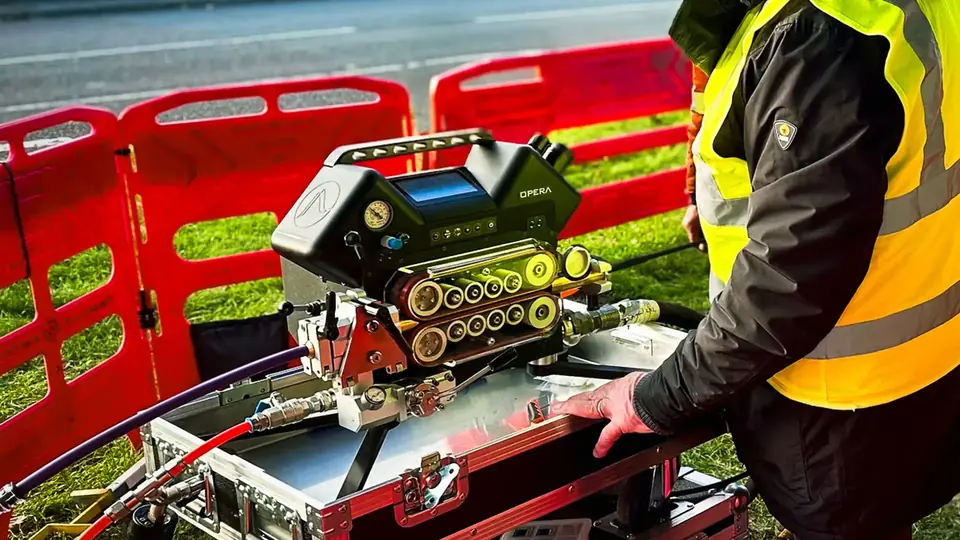
Opera, image 1 of 3
Expert advice direct from the manufacturer / Free demonstration on request
Some of our customers.

Keep your installation moving with Fibernet cable blowing machines.
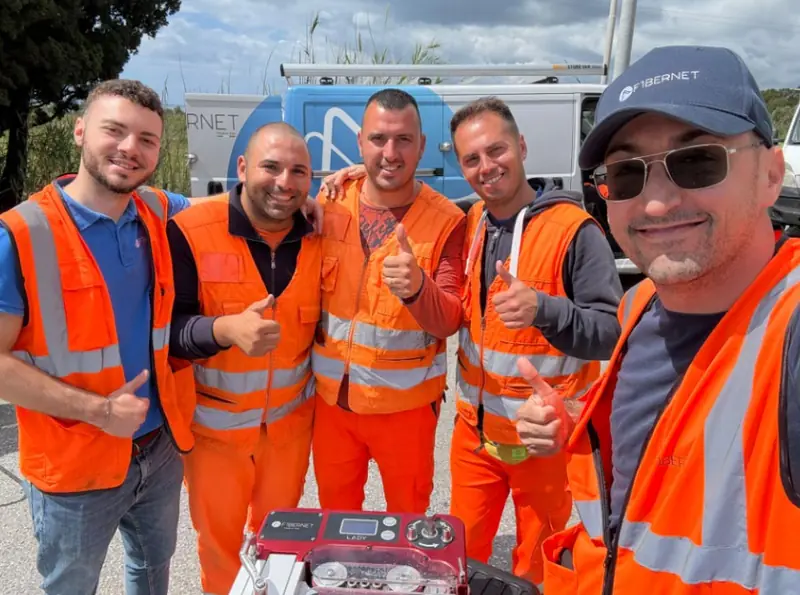
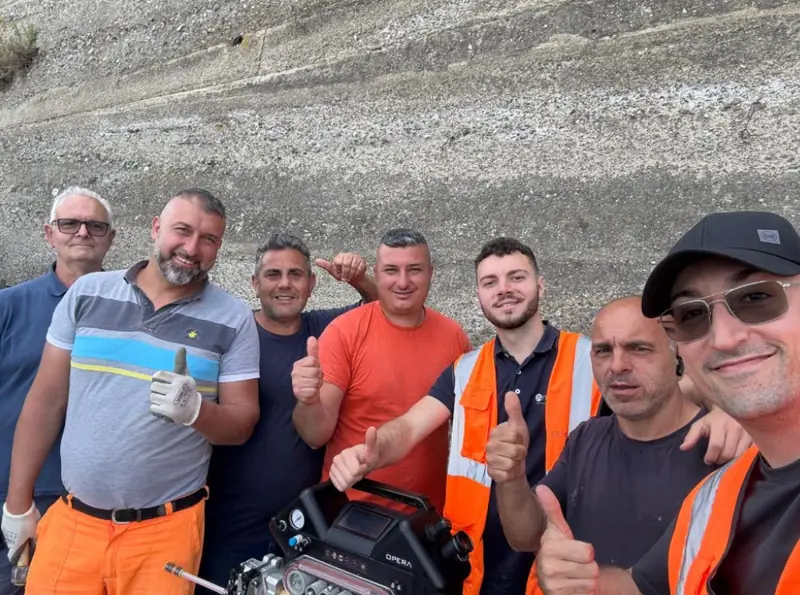
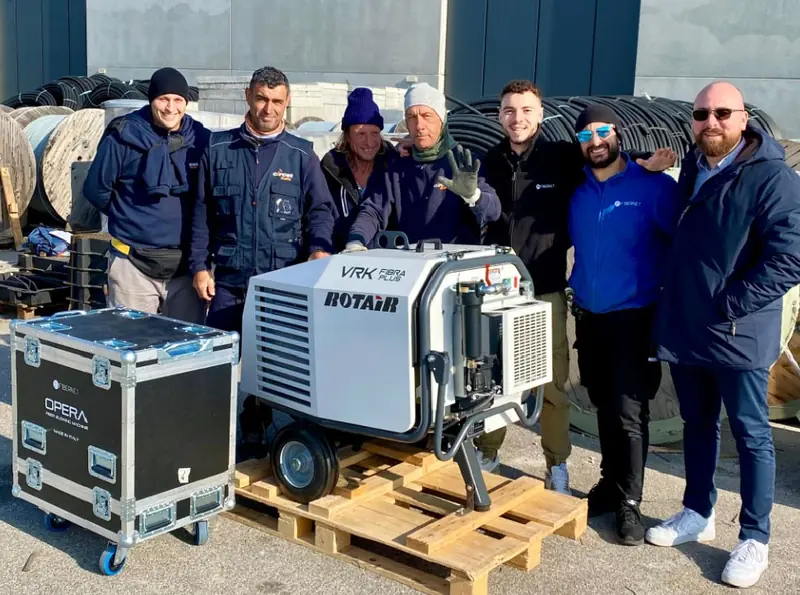
Photos and stories from installers, published by Fibernet.
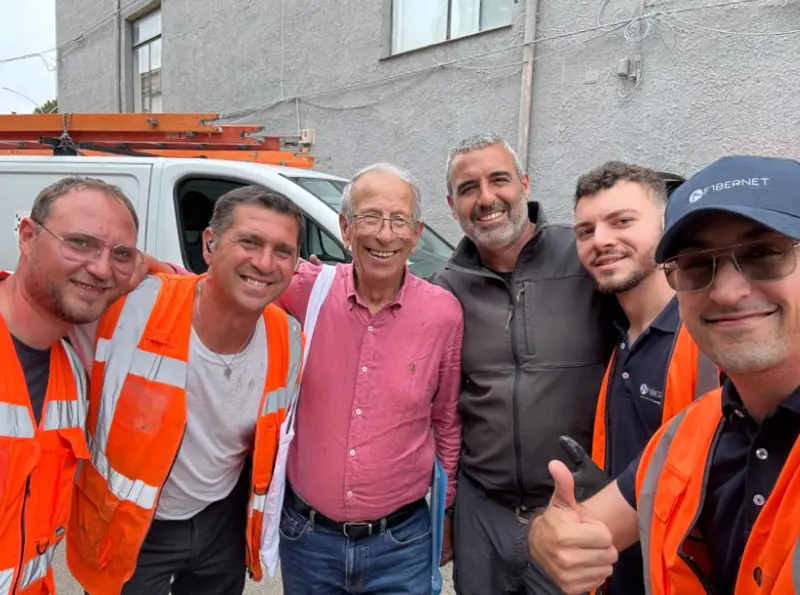
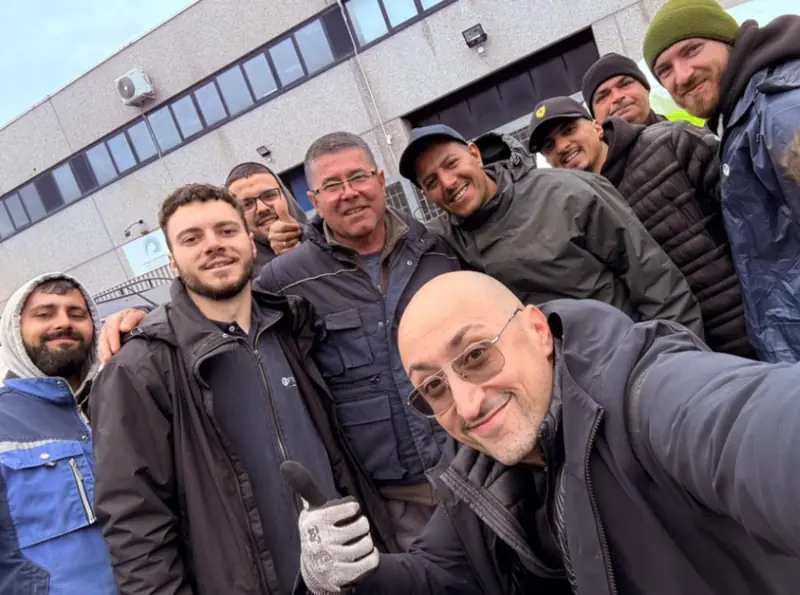
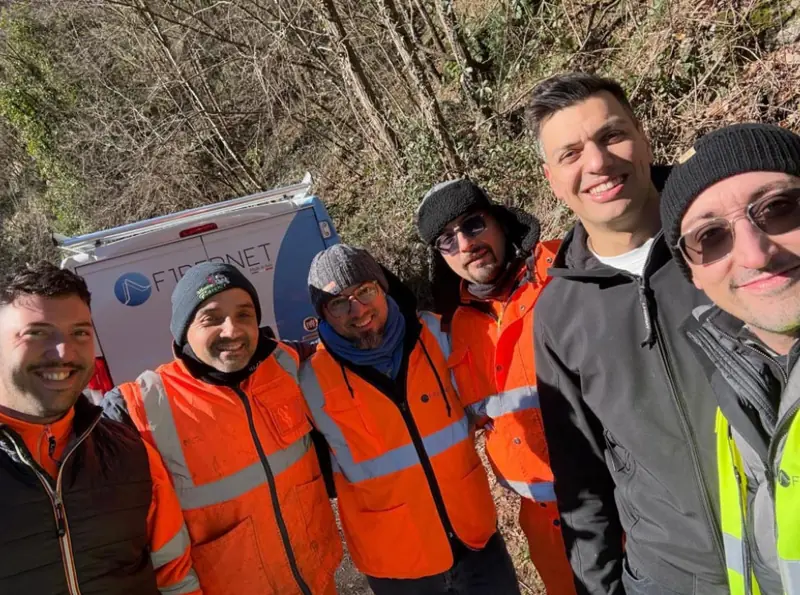 GoogleExcellentBased on 176 reviewsRead the reviews
Read on Google“An excellent experience on the installer training course. The whole team was professional and knowledgeable.”
Read on Google“I had the chance to try the Opera cable blowing machine on site…”
Read on Google“I really enjoyed this course. It took place in a pleasant setting with friendly, helpful people.”
Stories from installers
Hear the results from the installers themselves. Watch their testimonials right here.
Product videos
Three machines. Find your fit.
Start with the job at hand. Our technician can answer your questions about the right setup.
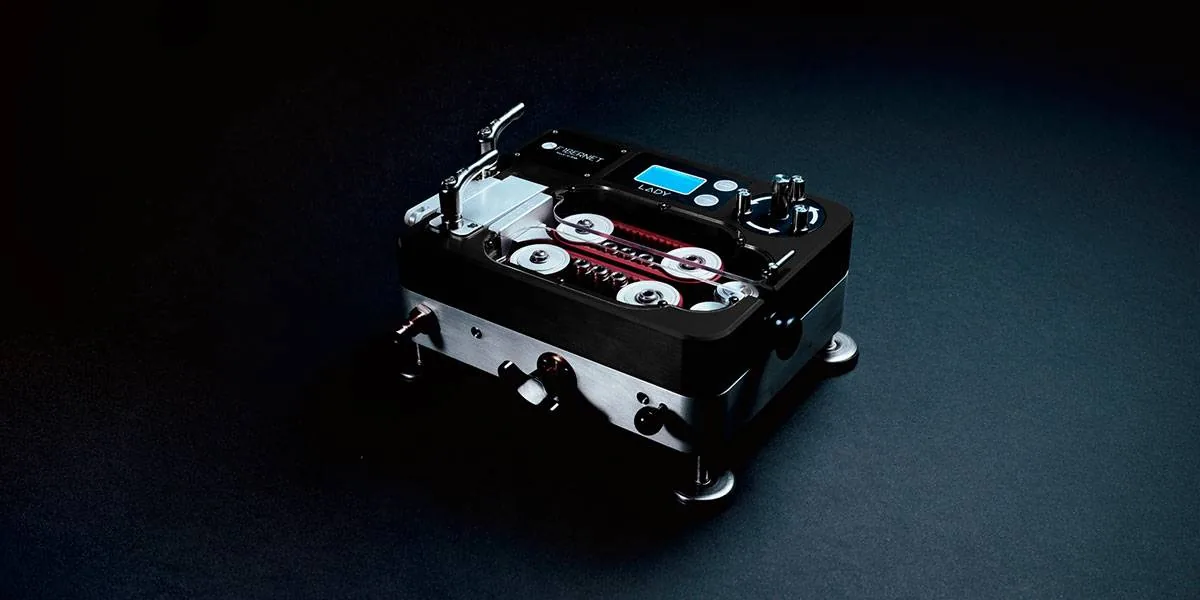
Compact and lightweight
A compact, lightweight machine for short runs.
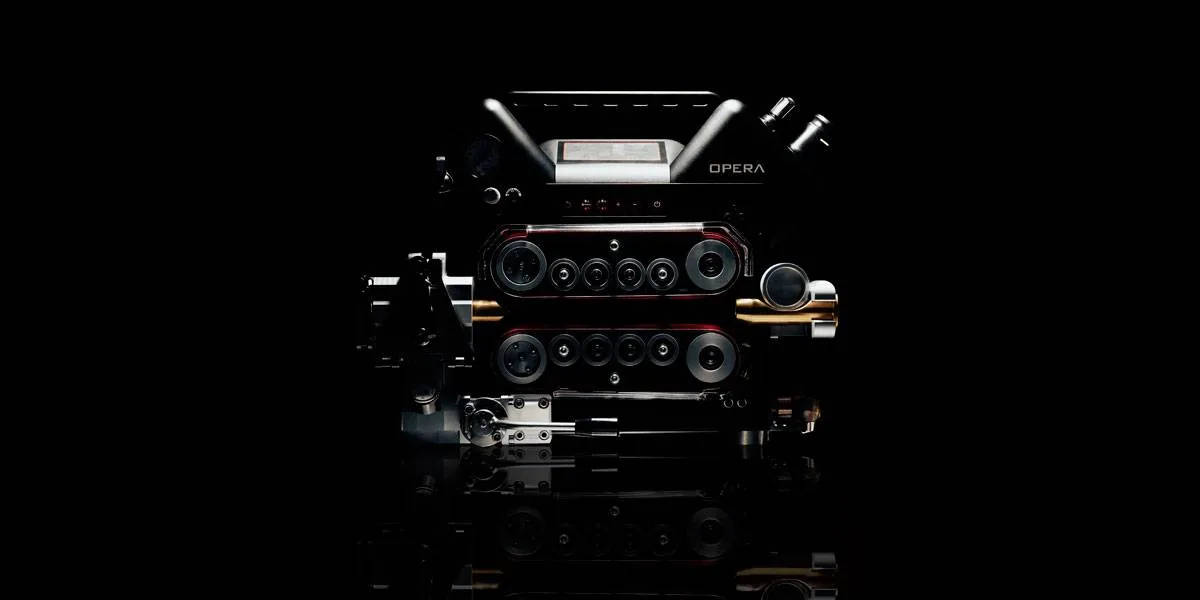
Pneumatic power
A pneumatic machine for long cable runs.
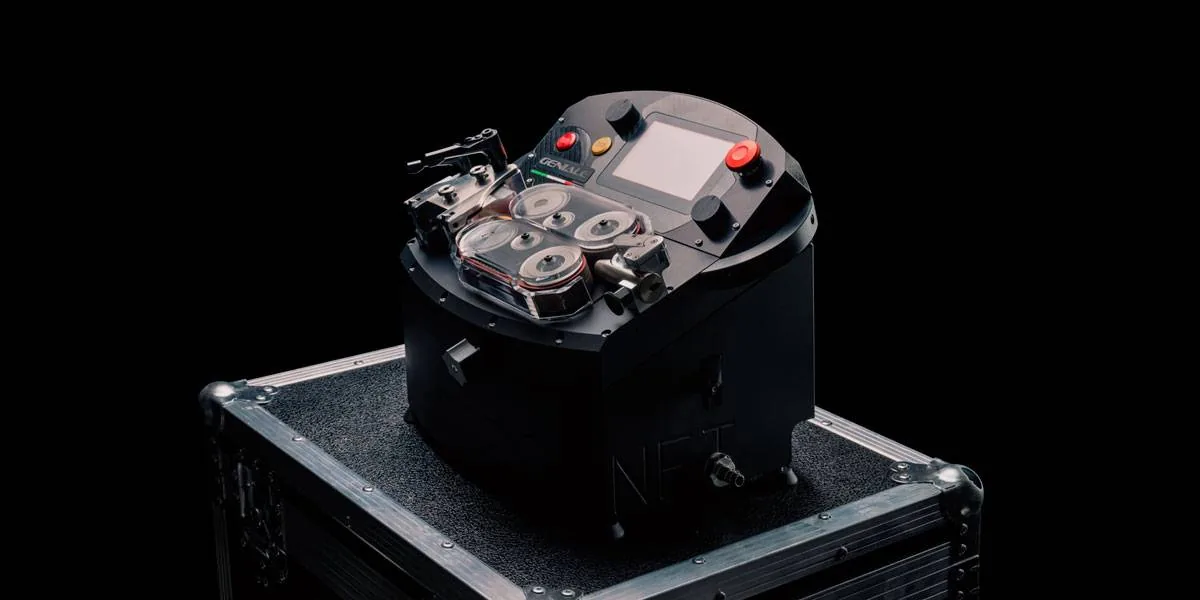
Electric, with two gears
For short and long runs. Two gears let you match force and speed to the job.
Specifications for the Fibernet range. The speeds shown are maximum values. Actual results depend on installation conditions and machine setup.
Direct from the manufacturer
When you’re working on site, you need practical answers. With Fibernet, you speak directly to the people who design and build your cable blowing machine.
Speak to a technicianA specialist technician can help when you need it.
Spare parts ready to ship, direct from the manufacturer.
If your machine breaks down, a replacement may be available within 48 hours.
Check availability and terms with your technician.Get help making the most of your machine, from your very first job.
See it in action before you choose
Request a free hands-on demonstration on your site or at Fibernet’s test facility. Discuss a real job with the technician.
Request a free demonstration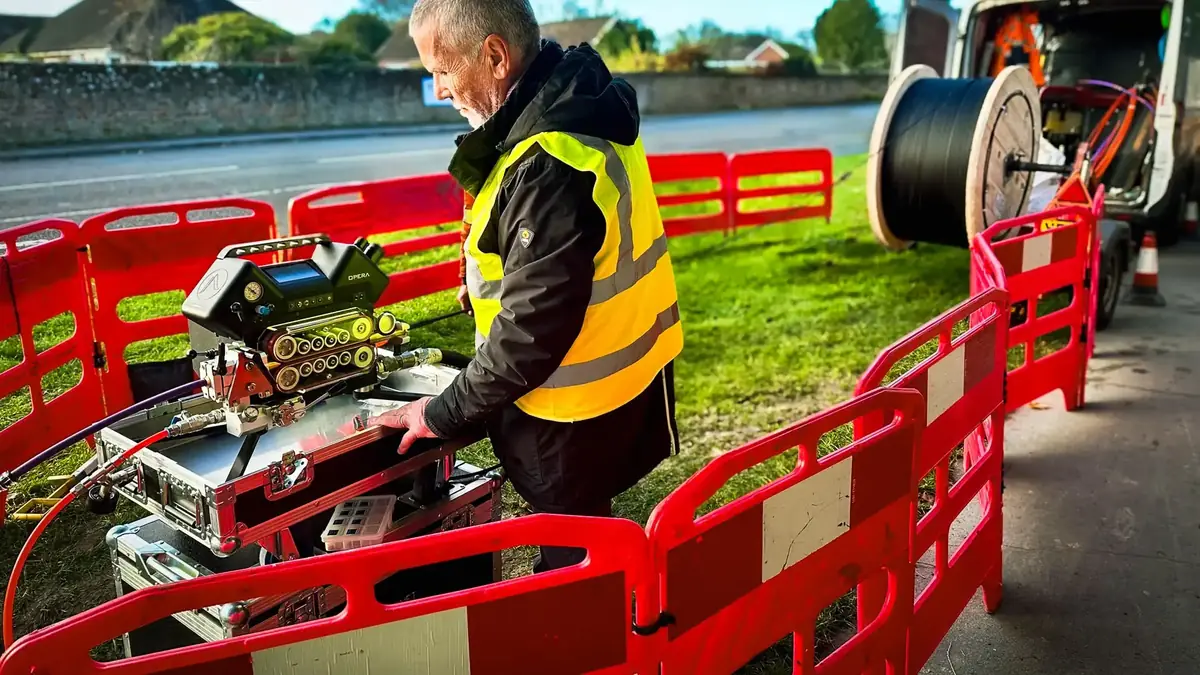
Choosing a second hand fiber blower starts with understanding the work it must perform, rather than comparing purchase prices alone. For contractors installing cables into prepared ducts, a suitable machine needs to match the cable dimensions, duct dimensions, available compressed air supply and conditions expected on site. A unit that appears economical can become an expensive purchase if essential guides are missing, its drive components are worn or its operating limits do not suit the planned installation. Before committing to equipment, prepare a clear description of your typical jobs, including cable outer diameter, duct internal diameter, approximate route length and the number of installations your team expects to complete. These details provide a practical basis for discussing suitability with Fibernet without assuming that any particular used model is available. Inspection should focus on the parts that control and protect the cable. Examine the drive belts or wheels, cable guides, clamping surfaces and sealing components for wear, contamination or damage. Check that adjustments move correctly and that the machine can hold the specified cable and duct without improvised modifications. Ask for the operating manual, identification details and any available service records. When evaluating a second hand fiber cable blower, photographs can help establish general condition, but they cannot replace a meaningful functional assessment. Where a demonstration is possible, use a representative cable and duct combination, with suitable safety measures and operating settings. Observe whether the cable feeds consistently, whether the drive pressure can be controlled and whether the seals maintain their intended function. Any quoted installation distance should be considered alongside the conditions under which it was achieved. Duct preparation, bends, cable stiffness, lubrication and compressed air quality all influence results, so a previous installation does not guarantee the same outcome on your route. Fibernet brings a manufacturing perspective to this discussion. Founded in 2001, the company developed its first cable blowing machine, Lady, in 2021, building on the technical experience of founder Giancarlo Trinei. For a buyer comparing a second hand cable blower with a new machine, that background offers a relevant starting point for a focused equipment enquiry. Contact the team with your operating requirements, the details of any machine under consideration and your expected purchasing timescale. Ask which solutions can currently be proposed, what documentation accompanies them and which accessories are necessary for your work. This approach keeps the decision grounded in verified information and helps distinguish an attractive advertised price from a machine that is genuinely appropriate for your installation team.
A used cable blowing machine should be assessed as a working system, not as an isolated item on an invoice. The initial amount requested by a seller may exclude components that your crew needs before the first installation can begin. Cable guides, duct clamps, seals, connectors and the appropriate compressed air arrangements can materially change the overall budget. Start by identifying exactly what is included, then separate essential replacement items from optional accessories. If a component is missing, establish whether a compatible replacement remains obtainable and whether fitting it requires additional work. This is especially important when considering a second hand fiber optic cable blower with an unclear service history or incomplete identification. An apparently small saving can disappear if the machine cannot be configured for the cable and duct sizes used on your contracts. A useful cost comparison also includes inspection, transport, any necessary servicing and the time required to make the equipment ready for deployment. For customers purchasing from outside Italy, clarify delivery arrangements, packaging, destination requirements and the allocation of transport responsibilities before accepting a quotation. Electrical equipment, where fitted, should be checked against the supply available at the destination. Relevant documentation and any applicable conformity requirements should also be reviewed for the market in which the machine will operate. These checks are purchasing safeguards, not a substitute for a competent technical assessment. When comparing fiber blower price quotations, ensure that the scope is genuinely comparable. One offer may include a complete configuration, while another covers only the main machine body. Equally, a low initial cost provides little reassurance if a worn drive assembly causes interruptions during scheduled work. Ask about the availability and cost of consumable parts, the maintenance tasks required by the manufacturer and the information needed to order replacements accurately. For a second hand fiber blower, evidence of condition matters more than broad statements such as lightly used or ready to work. Request specific information about the machine's operating controls, wear components and previous maintenance, together with clear terms for any inspection or demonstration. Fibernet can be approached with these questions while you compare equipment options for your business. Explain your expected workload, preferred cable range, purchasing budget and delivery destination so that the discussion addresses practical needs rather than a headline figure alone. Confirm current availability and the precise scope of any proposed supply directly with the company. A well structured enquiry makes it easier to judge whether a used purchase offers sufficient value or whether a new machine deserves consideration because of its documented configuration, component condition and suitability for the work ahead.
An effective conversation with a cable blowing machine manufacturer begins with evidence from your sites. Instead of requesting a general recommendation, describe the installation conditions that most often slow your crew down. These might include restricted working space around the duct entrance, frequent changes between cable sizes, demanding route geometry or limited access to a suitable compressor. Explain how the equipment will be transported, how often it will be set up and which adjustments operators need to make between jobs. Such information helps frame a useful discussion when you are considering a second hand fiber blower and want to understand the alternatives. Fibernet is an Italian family business founded in 2001, with technical roots in Giancarlo Trinei's experience of early cable installations in Italy during the 1980s. Its development into cable blowing machine manufacturing reached an important milestone with the introduction of Lady in 2021. Those facts provide context for contacting the company, but they should not be treated as a promise that a particular used machine, refurbishment programme or trade in arrangement is available. Ask directly about the equipment and purchasing options currently offered. If you already have a second hand fiber blowing machine in mind, provide its manufacturer, model, identification plate details and photographs, along with the cable and duct specifications you intend to use. Ask which aspects can be assessed from that information and which require inspection or confirmation from the original manufacturer. Avoid assuming that accessories, seals or drive parts are interchangeable between different machines. Dimensional similarity alone does not establish compatibility, and improvised changes can affect cable handling and operating safety. Before placing an order for any machine, establish what the supplied documentation covers, which configuration is included and what checks your team should perform before use. The same disciplined approach applies when comparing a second hand fibre cable blower with newly supplied equipment. Consider how clearly each option addresses your real working conditions, rather than relying on a general claim of speed or distance. For an international enquiry, include the delivery country and the language required for commercial communication, then request confirmation of shipping possibilities and associated terms. Keep the discussion focused on the machine, its accessories, operating requirements and the support arrangements explicitly offered. Fibernet's Italian manufacturing background is relevant to buyers seeking direct contact with a specialist company, while the purchasing decision still depends on the details of the proposed supply. A concise technical brief gives the team a stronger foundation for responding and gives your business a clearer basis for choosing equipment that fits its cable blowing work.
Fill in the form and discover what Fibernet Srl can do for you!
Contact us!Before you get started
If you prefer, speak to us directly.
+39 346 652 9915Compare the cable diameter, duct diameter and installation distance. Lady is compact and lightweight for short runs. Opera is pneumatic and designed for long runs. Geniale is electric and handles both. A Fibernet technician can help you choose.
Yes. You can request a free hands-on demonstration on your site or at Fibernet’s test facility. Tell us what you need in the form and a technician will arrange it with you. Request a demonstration.
To get a price, contact a Fibernet adviser using the form or call +39 346 652 9915.
Fibernet offers direct technical support, spare parts ready to ship and dedicated training. If your machine breaks down, a replacement may be available. Ask your technician about availability and terms.
Tell us about your job. We’ll help you find the right cable blowing machine.