Emanuele Zanda
Google review
★★★★★
Read on Google“An excellent experience on the installer training course. The whole team was professional and knowledgeable.”
Cable blowing machines · Made in Italy
From last-mile connections to long-distance runs, a Fibernet technician can help you choose the right machine for your fibre optic cable installation.
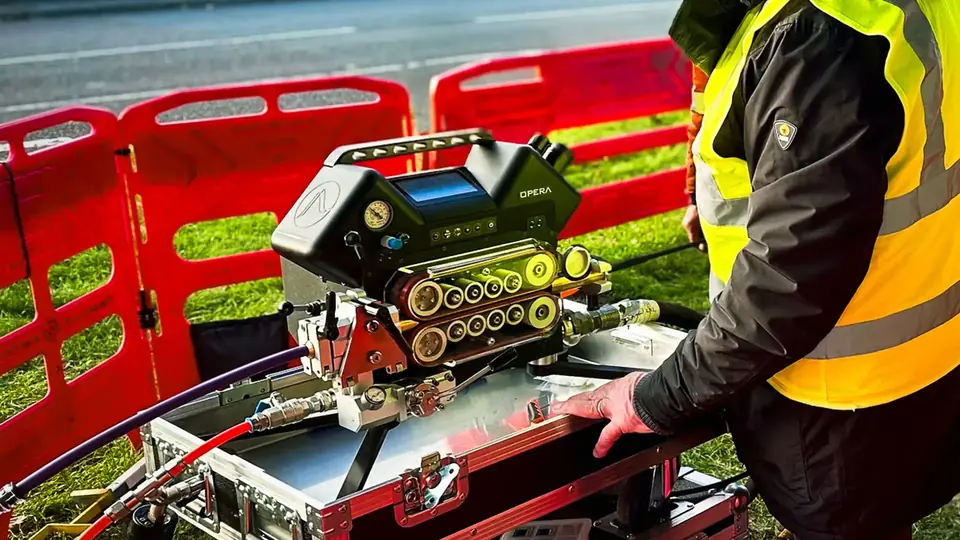
Opera, image 1 of 3
Expert advice direct from the manufacturer / Free demonstration on request
Some of our customers.

Keep your installation moving with Fibernet cable blowing machines.
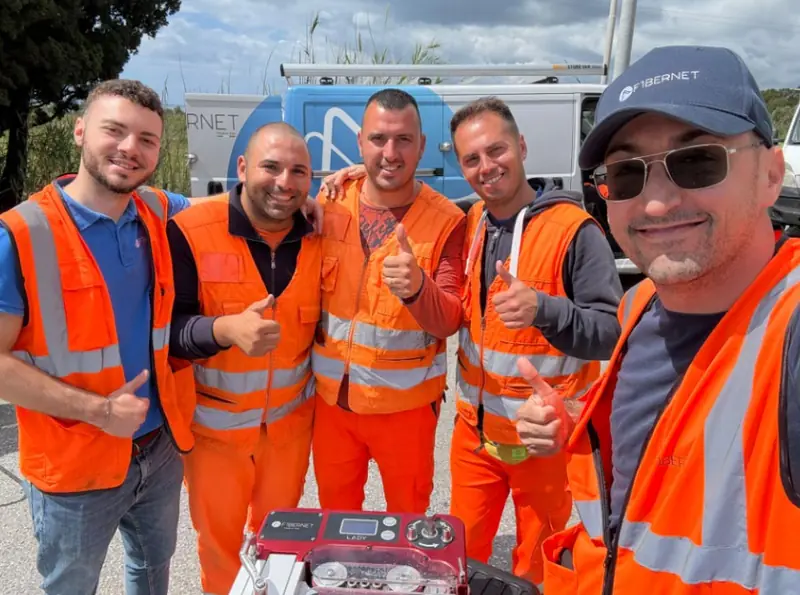
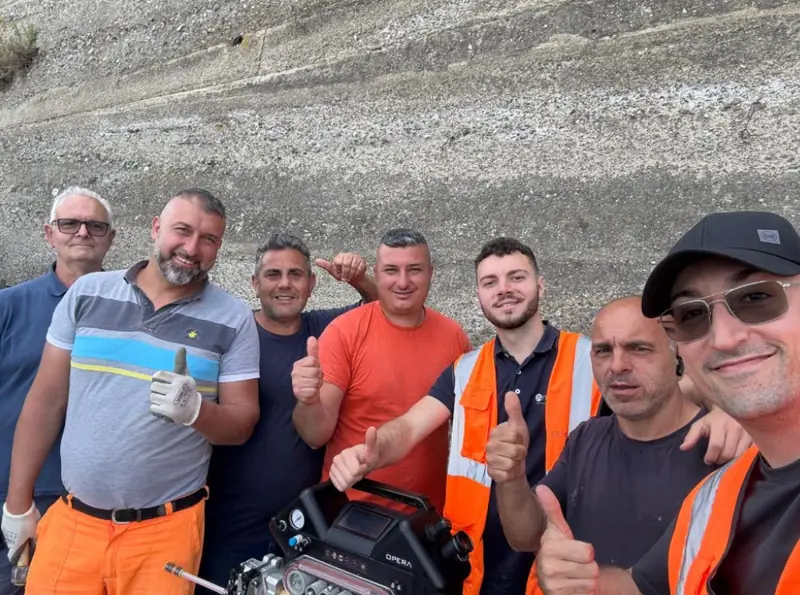
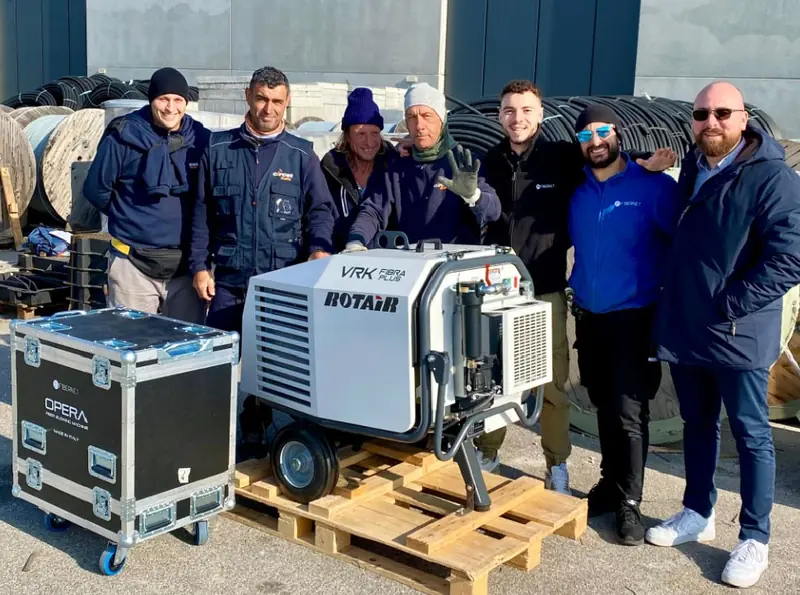
Photos and stories from installers, published by Fibernet.
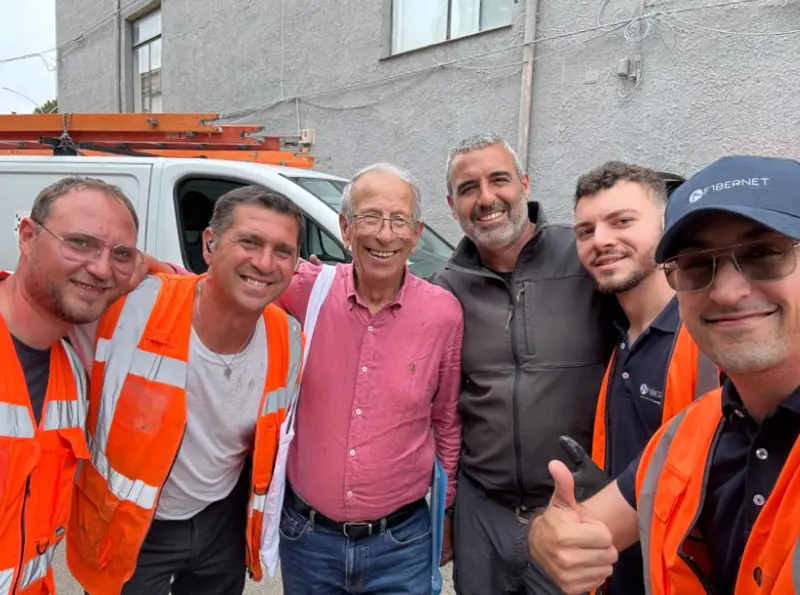
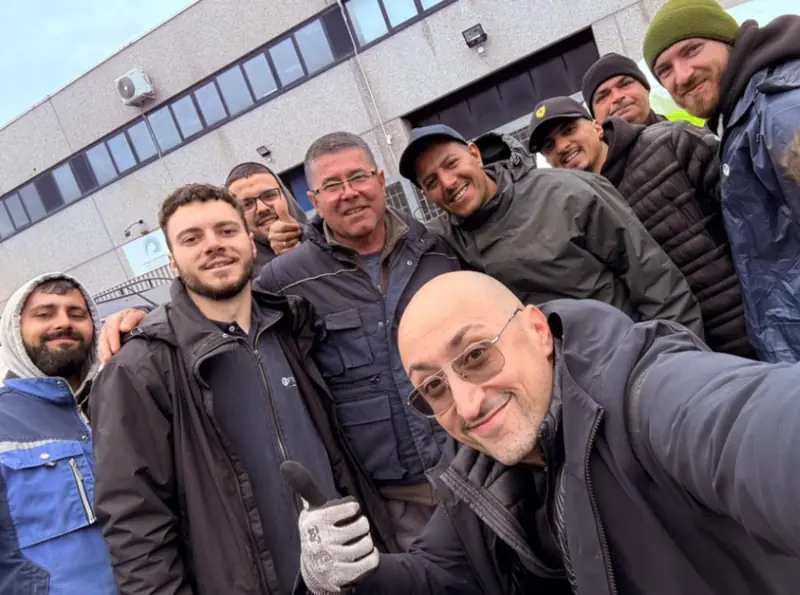
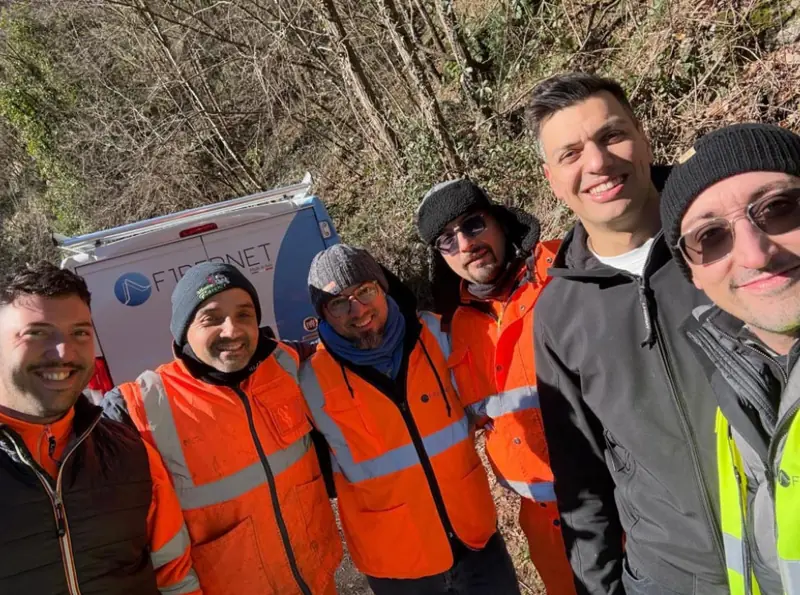 GoogleExcellentBased on 176 reviewsRead the reviews
Read on Google“An excellent experience on the installer training course. The whole team was professional and knowledgeable.”
Read on Google“I had the chance to try the Opera cable blowing machine on site…”
Read on Google“I really enjoyed this course. It took place in a pleasant setting with friendly, helpful people.”
Stories from installers
Hear the results from the installers themselves. Watch their testimonials right here.
Product videos
Three machines. Find your fit.
Start with the job at hand. Our technician can answer your questions about the right setup.
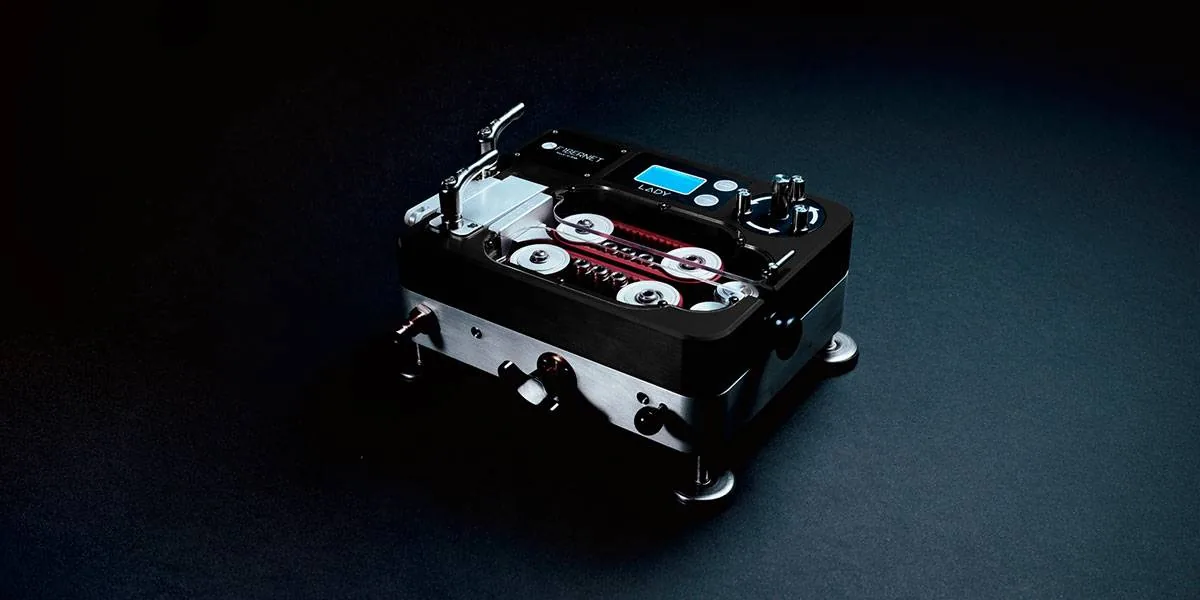
Compact and lightweight
A compact, lightweight machine for short runs.
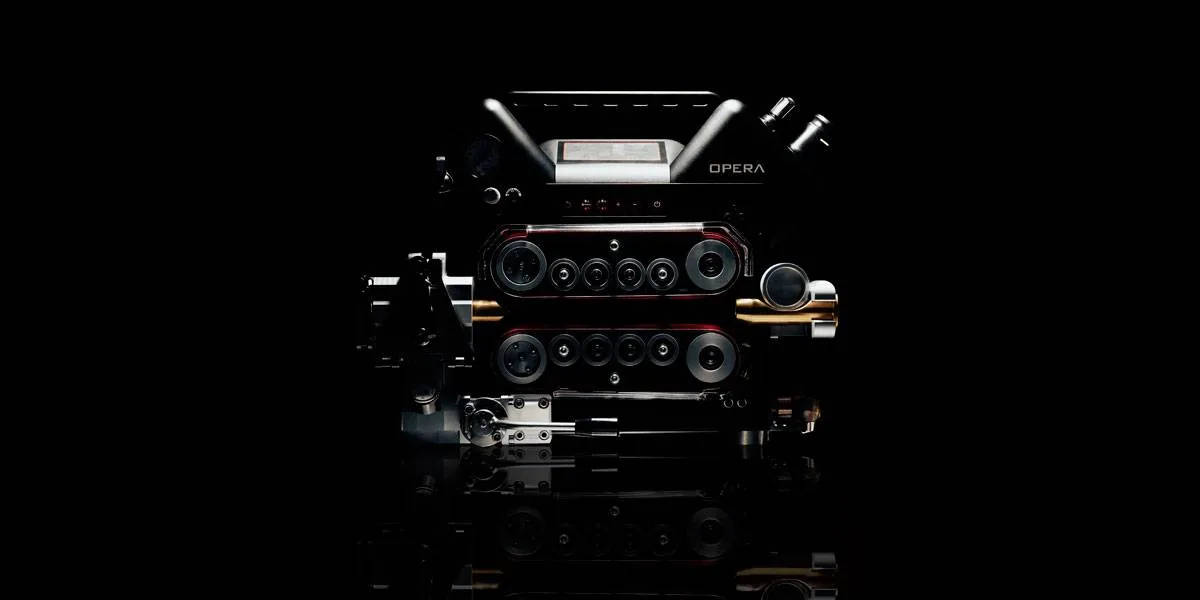
Pneumatic power
A pneumatic machine for long cable runs.
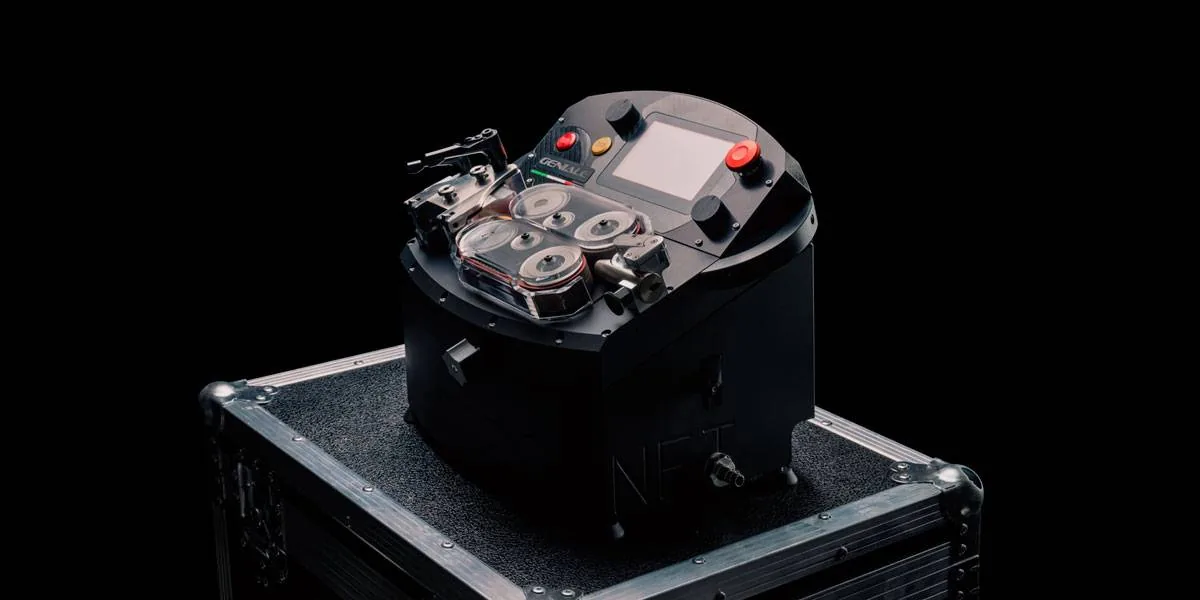
Electric, with two gears
For short and long runs. Two gears let you match force and speed to the job.
Specifications for the Fibernet range. The speeds shown are maximum values. Actual results depend on installation conditions and machine setup.
Direct from the manufacturer
When you’re working on site, you need practical answers. With Fibernet, you speak directly to the people who design and build your cable blowing machine.
Speak to a technicianA specialist technician can help when you need it.
Spare parts ready to ship, direct from the manufacturer.
If your machine breaks down, a replacement may be available within 48 hours.
Check availability and terms with your technician.Get help making the most of your machine, from your very first job.
See it in action before you choose
Request a free hands-on demonstration on your site or at Fibernet’s test facility. Discuss a real job with the technician.
Request a free demonstration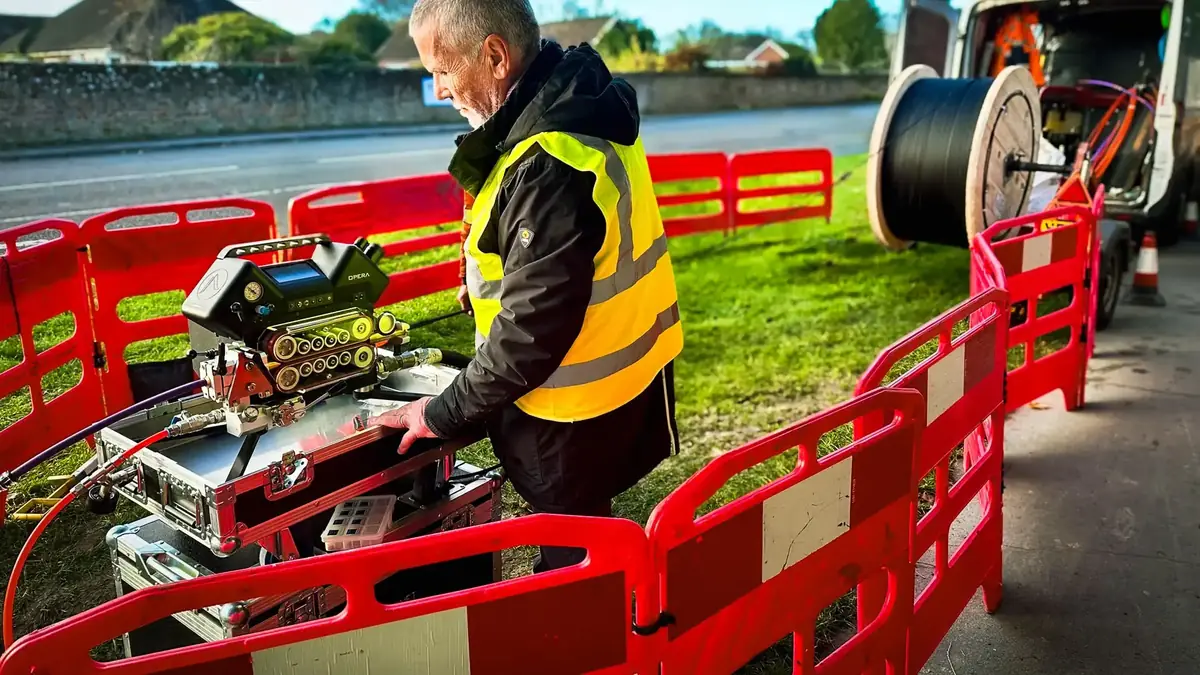
A second hand cable blower can look attractive when a contractor needs to control equipment expenditure, but the purchase price is only one part of the decision. The real question is whether the machine can handle the cable, duct and working conditions expected on the next installation. Before comparing offers, record the outside diameter of the cable, the internal and external duct dimensions, the cable manufacturer's installation limits and the available compressed air supply. These details establish whether a candidate machine deserves closer inspection. A unit that cannot accommodate the required cable guides or duct connections may create additional costs before it reaches the worksite. Equally, an apparently suitable machine should not be selected simply because a previous owner reports a long installation distance: bends, duct condition, route geometry, cable stiffness and air leakage can produce very different results on another project. When evaluating a second hand fiber cable blower, ask for the precise model identification, operating documentation and a clear description of the accessories included. Photographs should show more than the exterior casing. Inspect the cable contact surfaces, drive components, clamping arrangements, sealing elements and pneumatic connections, with particular attention to wear that could affect cable protection or air containment. Where possible, arrange a controlled operating demonstration using compatible cable and duct. Observe whether the feed remains stable, whether adjustments are repeatable and whether the operator can stop the machine promptly using the controls provided. A demonstration should follow the manufacturer's procedures rather than improvised settings intended to make the machine appear more powerful. For a second hand fibre optic cable blower, documentation is especially useful when checking how the equipment was configured and whether essential adapters remain available. Missing small components can matter as much as visible mechanical damage if they prevent correct sealing or cable guidance. Fibernet provides a relevant manufacturer perspective for buyers assessing these practical questions. Founded in Italy in 2001, the company introduced its first cable blowing machine, Lady, in 2021, building on its founder's longstanding technical experience. Contacting Fibernet allows you to explain your installation requirements and ask about suitable equipment options without assuming that any particular used machine is currently available. Prepare a short technical brief before making an enquiry: include cable and duct sizes, anticipated route conditions, compressor details and the intended working environment. This helps move the discussion beyond an advertised price towards suitability, required accessories and the information needed for an informed purchasing decision. It also makes competing proposals easier to compare, because each supplier can respond to the same defined application rather than a general request for a low-cost machine.
The most useful inspection of a second hand cable blower follows the path of the cable through the machine and then examines the systems that support its movement. Begin with the entry guides and cable contact areas, checking for sharp edges, contamination, uneven wear or damaged surfaces. Continue through the drive mechanism and into the blowing chamber, looking for signs that adjustments have been forced or components have been replaced with unsuitable substitutes. The condition of seals and duct clamps deserves close attention because leakage and poor retention can undermine operation even when the drive still appears functional. Any inspection involving compressed air must follow the equipment documentation and appropriate site safety procedures; never loosen connections while the system remains pressurised. Ask the seller which maintenance operations have been completed, when they were carried out and whether records identify the replacement parts used. A recently cleaned housing does not establish the condition of internal components, and a machine described as serviced should come with an explanation of what that service covered. For a second hand fiber optic cable blowing machine, consider requesting a demonstration that shows adjustments, cable feeding, stopping and safe depressurisation, rather than watching only a brief unloaded run. The objective is not to demand an unrealistic performance guarantee, but to establish that the main functions behave consistently under an appropriate test arrangement. Ownership costs should then be assessed against the actual offer. Add the likely expense of replacement wear parts, missing guides, duct adapters, transport and any inspection required before the first job. Check whether manuals are available in a language understood by the operating team and whether the machine's identification remains legible. For equipment intended for use in Italy, ask for the applicable documentation and confirm any relevant compliance questions with a qualified professional. Requirements can depend on the machine, its history and the circumstances of supply, so appearance alone is not a reliable basis for judgement. A second hand OFC cable blowing machine may offer good value when its condition, configuration and support arrangements are clear; uncertainty in these areas should be reflected in the purchasing decision. Fibernet's background as an Italian cable blower developer offers a useful starting point for discussing the practical differences between an existing used offer and available equipment alternatives. Share the proposed machine's specifications alongside your project requirements, while recognising that a remote discussion cannot replace a physical inspection. Before committing, define what the price includes, which faults have been disclosed, whether any warranty is offered and who is responsible for transport damage. Written answers reduce misunderstandings and help you calculate a realistic acquisition budget. A carefully documented purchase supports more predictable preparation for the first installation than a decision based solely on headline savings.
On a live cable installation, the suitability of a machine becomes apparent through the working sequence rather than the specification sheet alone. The team must position the equipment securely, connect the correct duct adapter, guide the cable without damaging it and establish the air supply required by the manufacturer's instructions. A second hand cable blower should therefore be assessed against the way your crews actually work. Consider how frequently the equipment will move between sites, how easily its accessories can be identified and whether adjustments remain accessible in the intended working position. Compact dimensions may be useful, but they do not compensate for missing components or controls that are difficult to operate consistently. Start with a representative project rather than an exceptional route. Describe its duct dimensions, typical bends, cable construction, access arrangements and expected installation stages. Avoid treating maximum advertised distance as a guaranteed outcome, since successful blowing depends on the complete combination of machine, compressed air, cable and duct conditions. A contractor comparing a second hand fibre cable blowing machine with another equipment option should examine setup time, compatibility and maintenance requirements alongside purchase cost. If crews must repeatedly search for adapters or compensate for worn components, an inexpensive acquisition can become an operational distraction. Conversely, a well-documented machine with suitable accessories and a satisfactory inspection may warrant serious consideration. The decision should remain evidence-based rather than assuming that all used equipment is either economical or unreliable. Fibernet's development story is relevant to companies that value direct discussion with an Italian manufacturer. The business was founded by Giancarlo Trinei in 2001, following technical experience reaching back to Italy's early fibre installations, and its first cable blowing machine, Lady, was launched in 2021. The family business subsequently developed through the involvement of Matteo, Marta and Ismael, combining continuity with a stated ambition to serve an international market. For English-speaking contractors working in Italy or assessing equipment for projects elsewhere, the practical next step is to submit a precise enquiry rather than assume a particular stock position or delivery arrangement. If you are researching a second hand optical fibre cable blowing machine, explain whether you already have a specific used offer or are still comparing purchasing routes. Include photographs and identification details where available, together with your cable, duct and compressor information. Ask Fibernet which current equipment options can be discussed, what technical information is needed and which commercial conditions apply to your destination. Confirm availability, delivery scope, documentation and any support arrangements before planning deployment. This approach keeps the conversation focused on the cable blowing task and gives your purchasing team a clearer basis for comparing alternatives. Ultimately, the objective is a machine configuration that your operators can prepare correctly, maintain responsibly and use within its documented limits on the installations your business actually undertakes.
Fill in the form and discover what Fibernet Srl can do for you!
Contact us!Before you get started
If you prefer, speak to us directly.
+39 346 652 9915Compare the cable diameter, duct diameter and installation distance. Lady is compact and lightweight for short runs. Opera is pneumatic and designed for long runs. Geniale is electric and handles both. A Fibernet technician can help you choose.
Yes. You can request a free hands-on demonstration on your site or at Fibernet’s test facility. Tell us what you need in the form and a technician will arrange it with you. Request a demonstration.
To get a price, contact a Fibernet adviser using the form or call +39 346 652 9915.
Fibernet offers direct technical support, spare parts ready to ship and dedicated training. If your machine breaks down, a replacement may be available. Ask your technician about availability and terms.
Tell us about your job. We’ll help you find the right cable blowing machine.