Emanuele Zanda
Google review
★★★★★
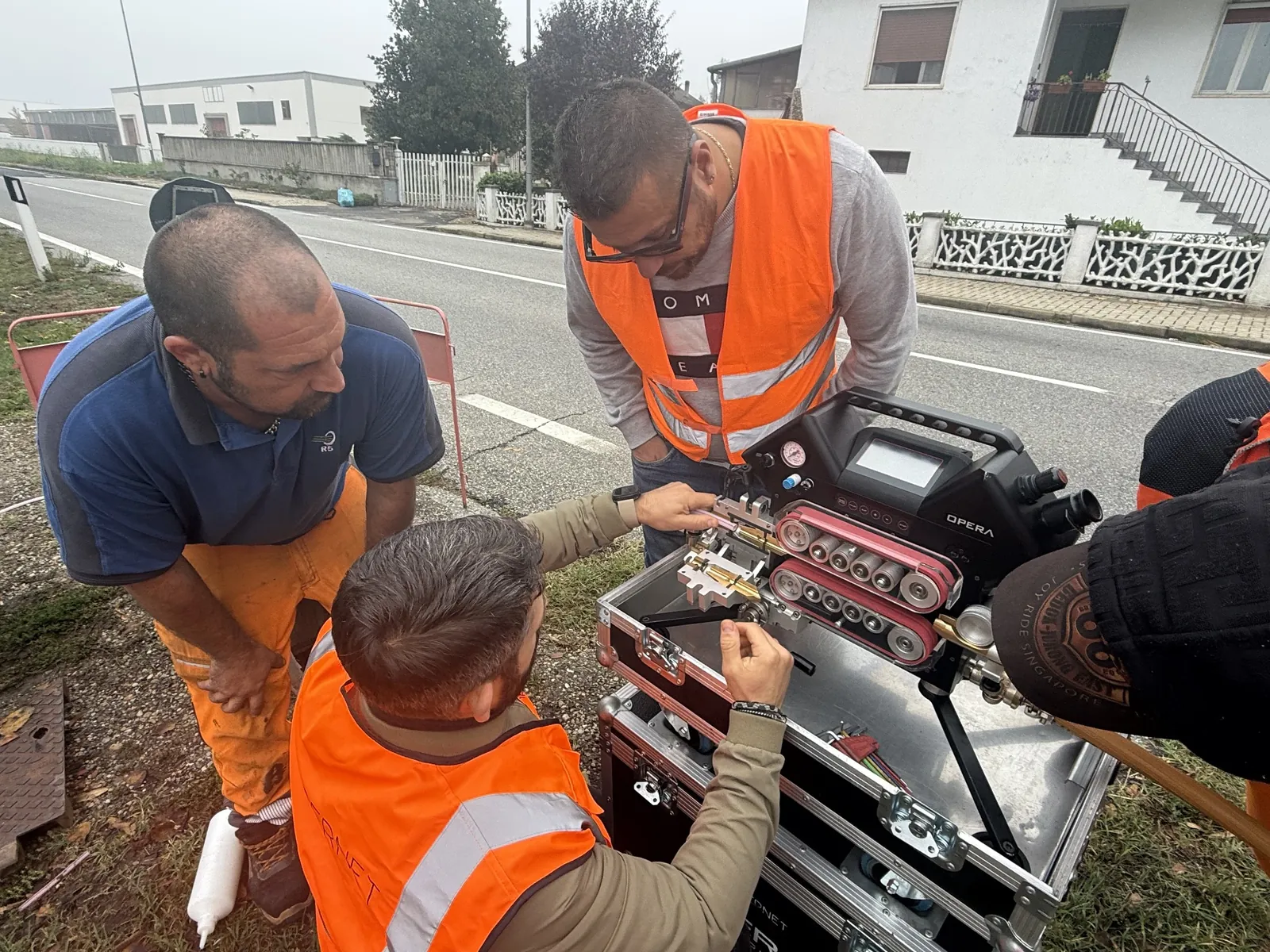
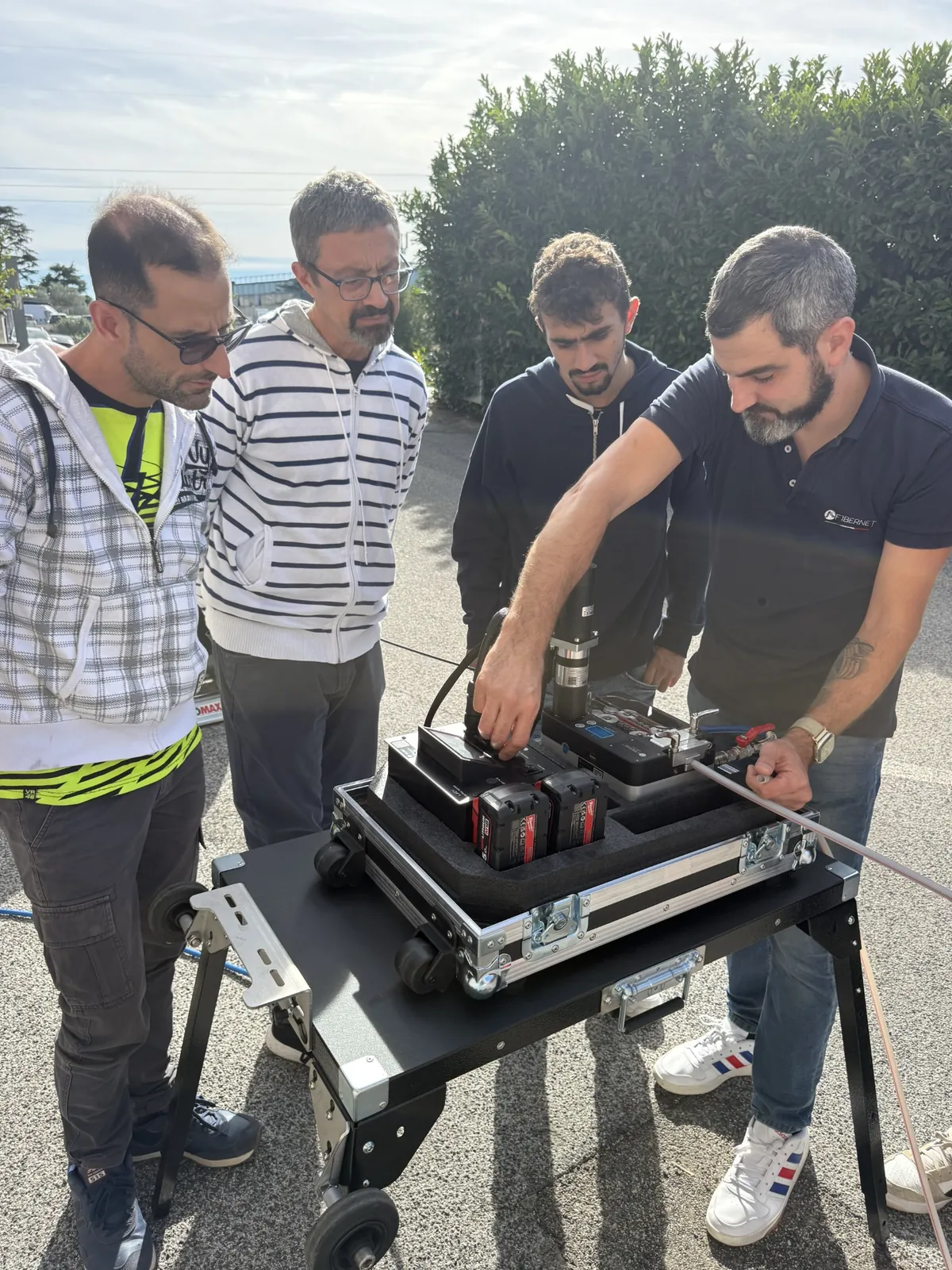
Read on Google“An excellent experience on the installer training course. The whole team was professional and knowledgeable.”
Cable blowing machines · Made in Italy
From last-mile connections to long-distance runs, a Fibernet technician can help you choose the right machine for your fibre optic cable installation.
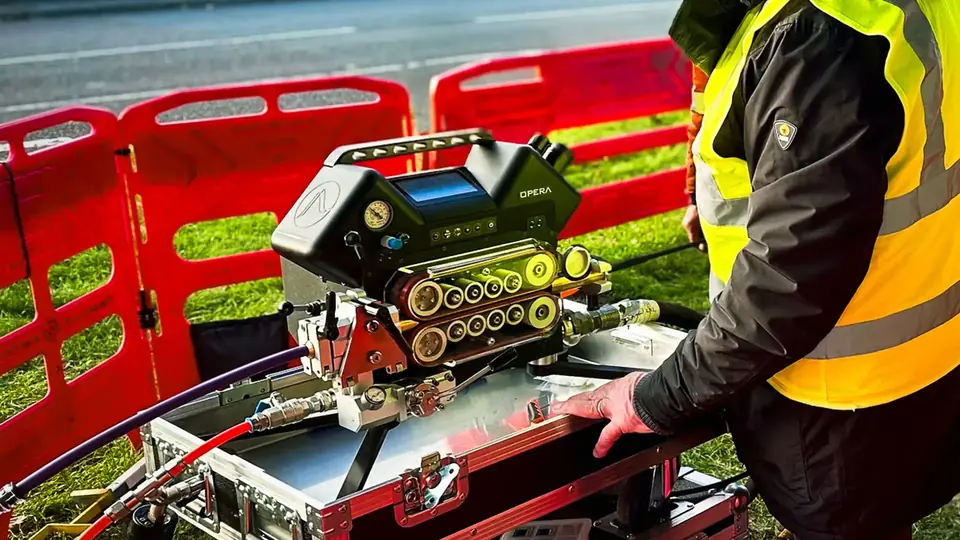
Opera, image 1 of 3
Expert advice direct from the manufacturer / Free demonstration on request
Some of our customers.

Keep your installation moving with Fibernet cable blowing machines.
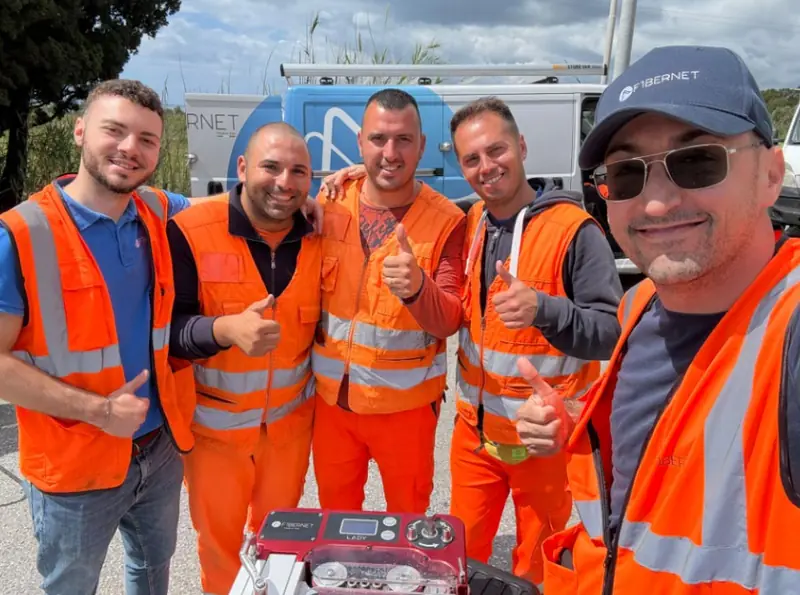
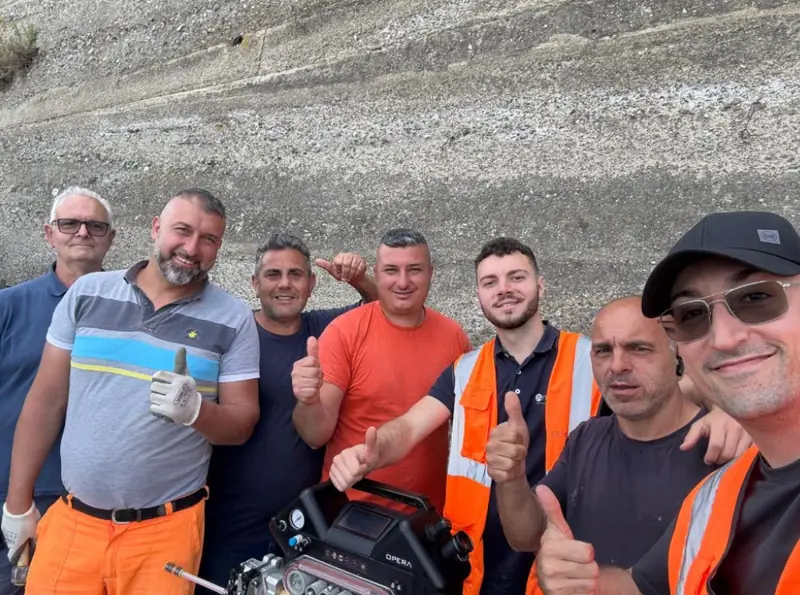
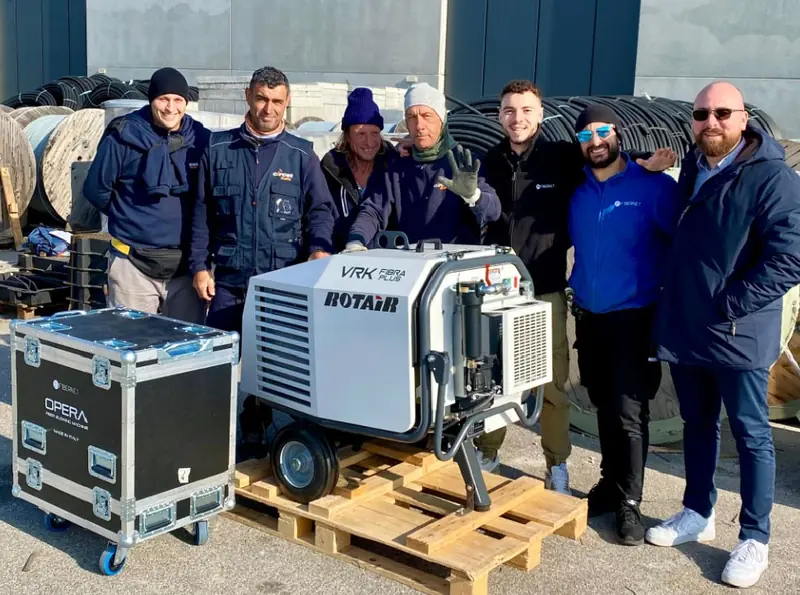
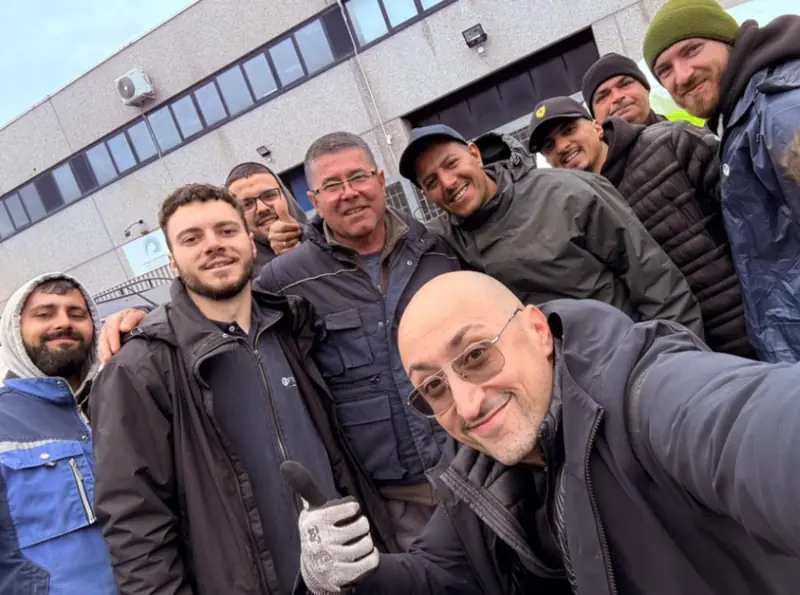
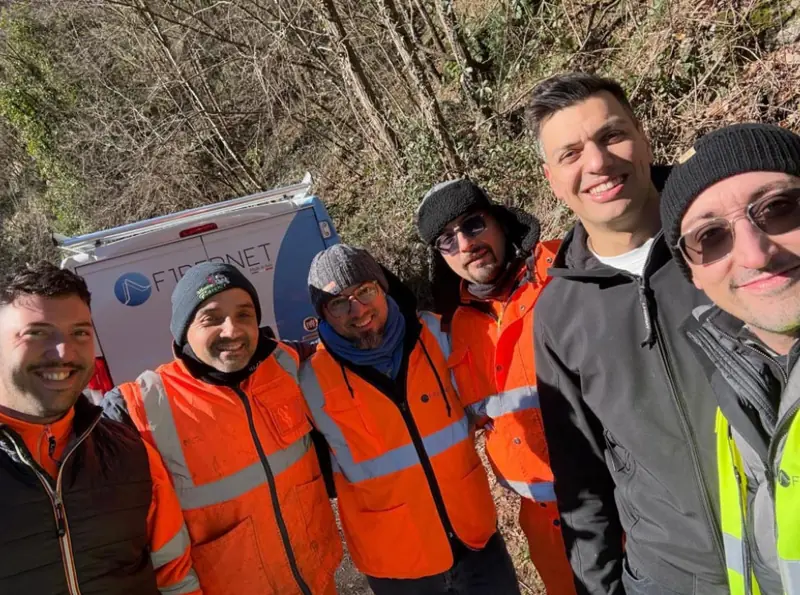
Photos and stories from installers, published by Fibernet.

 GoogleExcellentBased on 176 reviewsRead the reviews
Read on Google“An excellent experience on the installer training course. The whole team was professional and knowledgeable.”
Read on Google“I had the chance to try the Opera cable blowing machine on site…”
Read on Google“I really enjoyed this course. It took place in a pleasant setting with friendly, helpful people.”
Stories from installers
Hear the results from the installers themselves. Watch their testimonials right here.
Product videos
Three machines. Find your fit.
Start with the job at hand. Our technician can answer your questions about the right setup.
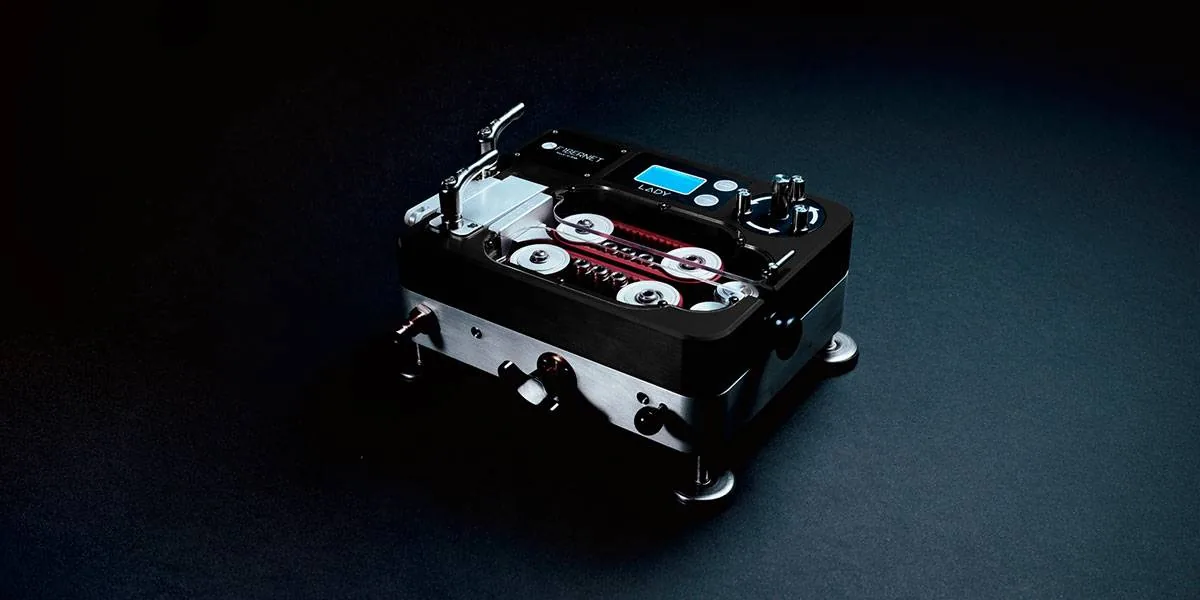
Compact and lightweight
A compact, lightweight machine for short runs.
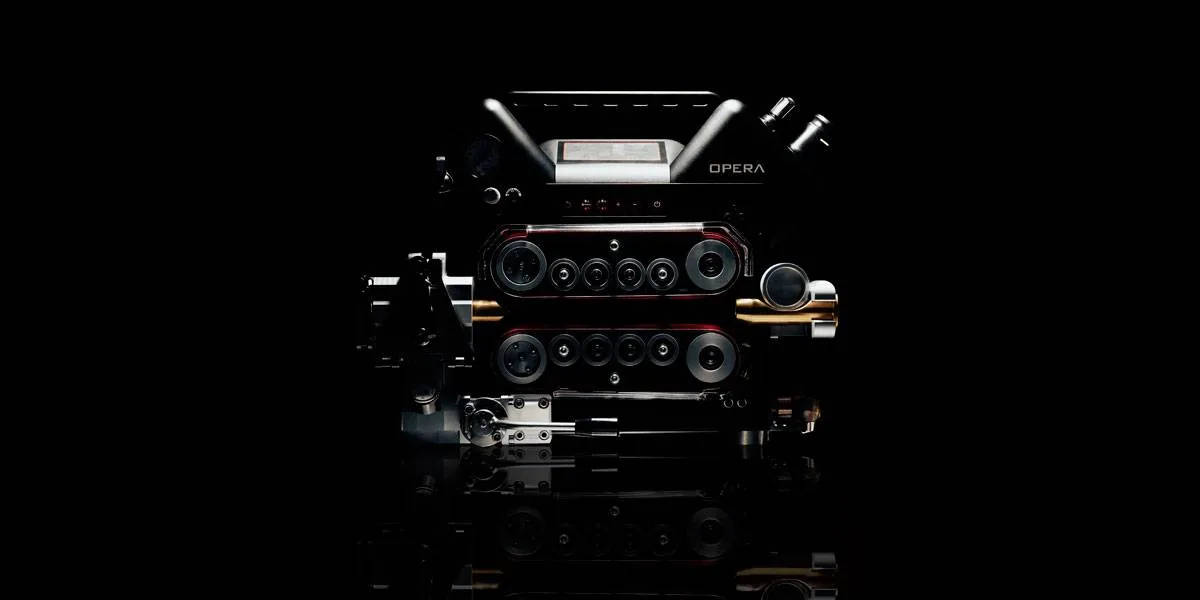
Pneumatic power
A pneumatic machine for long cable runs.
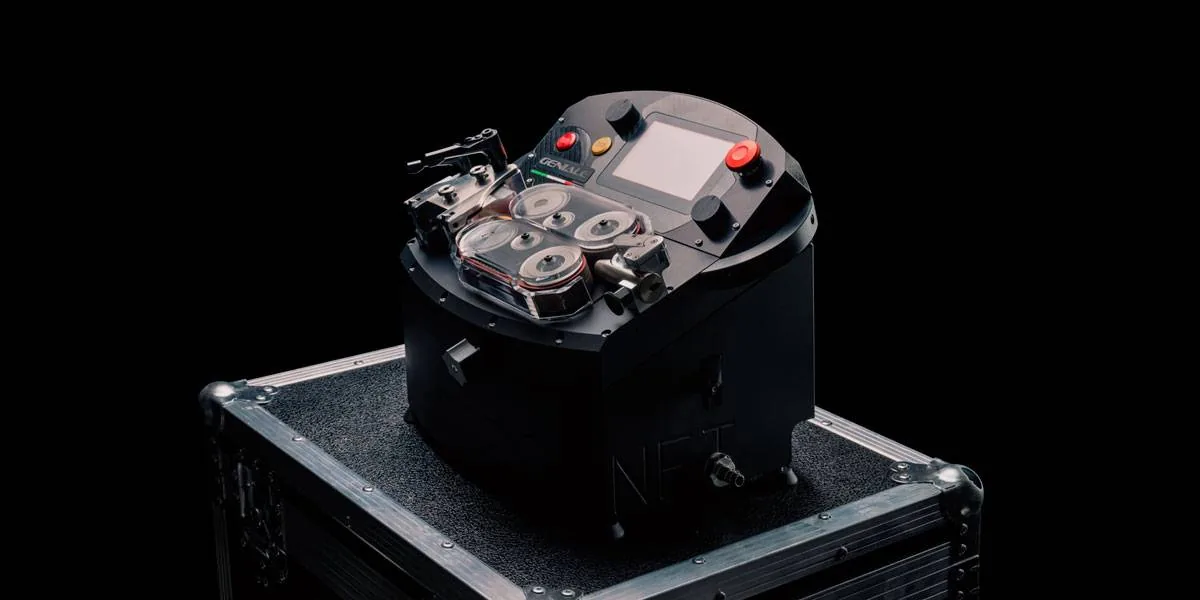
Electric, with two gears
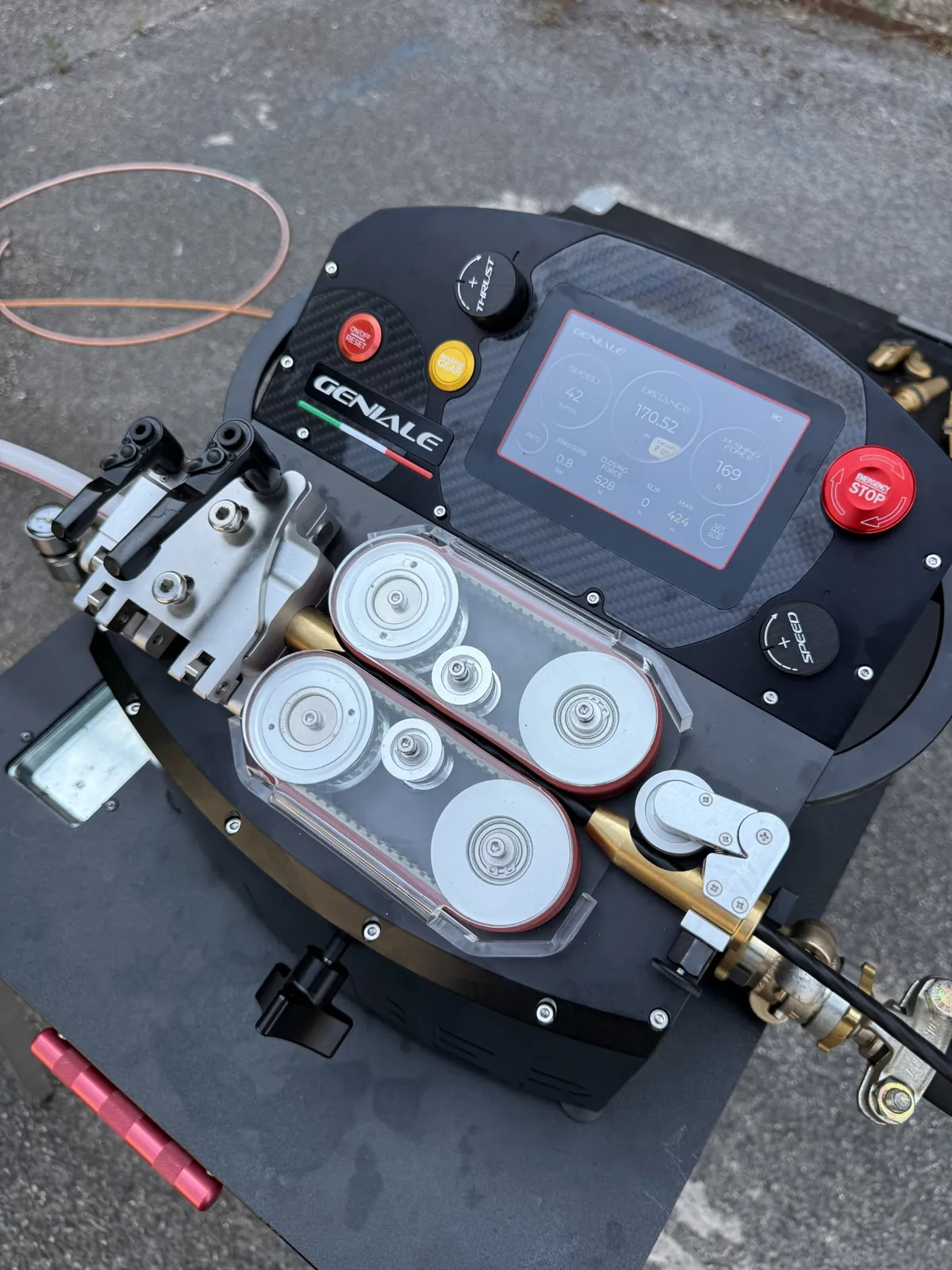
For short and long runs. Two gears let you match force and speed to the job.
Specifications for the Fibernet range. The speeds shown are maximum values. Actual results depend on installation conditions and machine setup.
Direct from the manufacturer
When you’re working on site, you need practical answers. With Fibernet, you speak directly to the people who design and build your cable blowing machine.
Speak to a technicianA specialist technician can help when you need it.
Spare parts ready to ship, direct from the manufacturer.
If your machine breaks down, a replacement may be available within 48 hours.
Check availability and terms with your technician.Get help making the most of your machine, from your very first job.
See it in action before you choose
Request a free hands-on demonstration on your site or at Fibernet’s test facility. Discuss a real job with the technician.
Request a free demonstration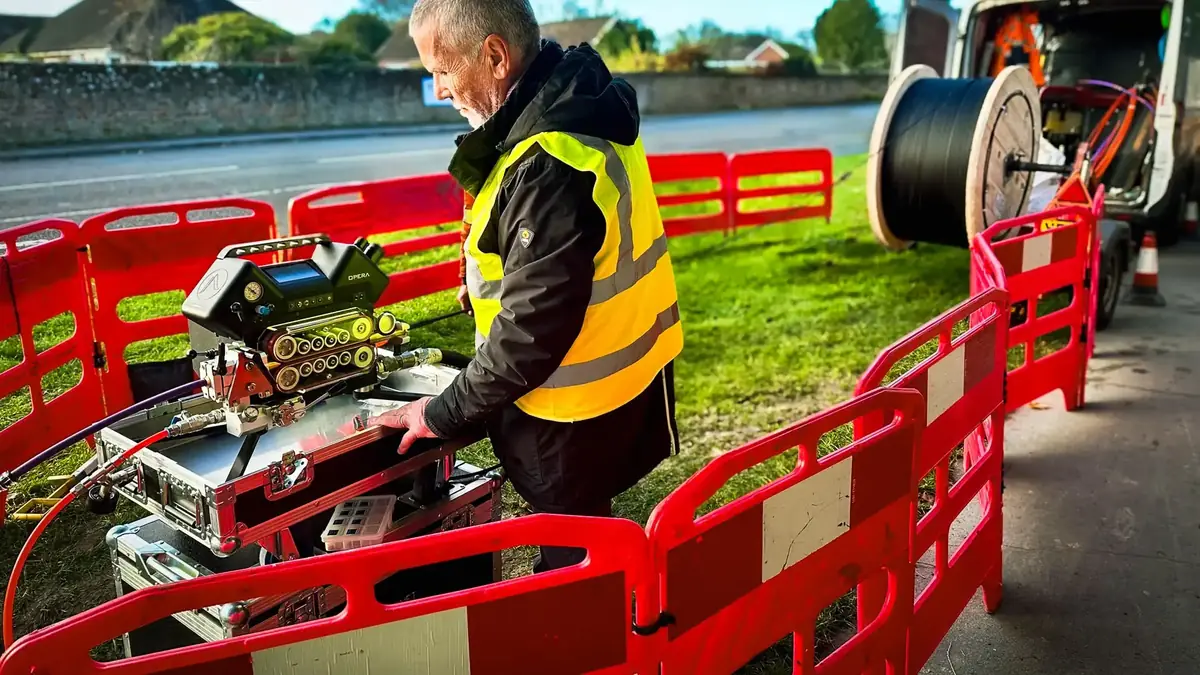
Selecting a pneumatic fiber optic cable blower starts with understanding the cable, the duct and the conditions your installation team will encounter. Cable diameter alone does not establish whether a machine is suitable. The cable construction, permitted pushing force, duct internal diameter, route geometry and available compressed air all influence the installation process. For contractors working on projects in Italy, these details can vary considerably between individual sections of the same job. A straight duct run and a route containing several bends should not automatically receive the same operating assumptions. Before requesting equipment advice, prepare the cable and duct specifications, the approximate section lengths and any information about joints, gradients or access restrictions. These details give the equipment supplier a practical basis for discussing compatibility rather than relying on a general description of the project. A compressed air fiber optic cable blower uses airflow through the duct alongside controlled mechanical feeding to advance the cable. Successful operation depends on balancing these effects within the limits specified for the equipment, cable and duct. Increasing pressure is not a universal answer to slow progress, particularly when the underlying problem involves leakage, excessive friction or an unsuitable route. The compressor must therefore be assessed for delivered airflow as well as pressure, taking account of the intended operating conditions. Hose arrangements, connections and air treatment requirements also deserve attention because the air supply reaching the machine matters more than an isolated compressor rating. Ask for the relevant operating documentation before planning the installation. Mechanical compatibility deserves equally careful review. Cable guides, seals and feeding components need to match the intended application, and any required changeover parts should be identified before the team arrives on site. Incorrect adjustment can create slipping or place unnecessary stress on the cable sheath. The objective is steady, controlled feeding, not simply the highest indicated speed. Where resistance increases unexpectedly, operators should follow the prescribed stopping and troubleshooting procedure rather than forcing continued movement. Fibernet offers a direct point of contact for discussing these selection questions. Founded in Italy in 2001, the company introduced its first cable blowing machine, Lady, in 2021. Its development approach draws on the technical background of founder Giancarlo Trinei and a focus on practical installation work. When evaluating a cable blower for fiber optic cable installation, share your actual requirements with Fibernet and request confirmation of the appropriate configuration. This makes the conversation useful from the outset: the aim is to establish what your team needs, what must be verified and which equipment details should appear in a project quotation. For international enquiries, include the destination country so that delivery arrangements and documentation can also be discussed before an order is finalised.
A productive blowing operation begins before the cable enters the machine. The crew needs a clear understanding of the intended route, safe working positions, communication arrangements and the checks required by the equipment manufacturer. Place the machine on a stable surface and organise the cable payoff so that the cable can approach the feeding mechanism without unnecessary bends or dragging. Confirm that the cable drum can rotate correctly and that the available working space allows the operator to monitor feeding without standing in a hazardous position. These preparations reduce avoidable interruptions and help distinguish equipment issues from problems elsewhere in the installation setup. Duct preparation is another essential step. Follow the applicable procedure for checking continuity, cleanliness and suitability before attempting installation. Connections must be appropriate for the operating pressure, and any suspected leakage should be investigated rather than compensated for by increasing the air supply. Water, debris, damaged sections or poorly assembled joints can undermine an otherwise suitable setup. Where a lubricant is required, check compatibility with the cable sheath, duct material and equipment instructions. An unsuitable product or incorrect application can introduce new difficulties instead of reducing friction. The pneumatic fiber optic cable blower should be configured using verified cable and duct dimensions, not estimated sizes. Check the specified guides and seals, then adjust the feeding mechanism according to the manufacturer's instructions. Excessive clamping pressure can damage the sheath, while insufficient contact can cause slipping and irregular feeding. Operators should understand how to control movement, stop the machine and isolate the relevant energy sources before inspecting or adjusting components. Compressed air stores energy, so disconnection and maintenance require the prescribed depressurisation procedure. Never treat a paused installation as proof that the system is safe to open. During blowing, monitor progress as a combination of observable conditions rather than a single speed figure. Changes in feeding behaviour, unexpected resistance or unusual noise should prompt a controlled assessment. Keep communication clear between personnel at the machine and those monitoring other relevant points along the route. A pneumatic fiber optic cable blowing machine cannot compensate for every duct defect or cable handling problem, and repeated attempts without identifying the cause may increase the risk of damage. Record the circumstances of interruptions so that troubleshooting is based on evidence. For repeat projects, maintain a simple installation log containing the cable reference, duct dimensions, section description, machine configuration and relevant operating observations. These records help teams compare similar jobs without assuming that one successful setup applies everywhere. When discussing a cable jetting machine for fiber optic cable installation with Fibernet, provide this practical information alongside your purchasing requirements. It supports a more focused technical exchange and helps identify which operating details require confirmation before deployment. Any expected installation performance should be assessed against the actual application, rather than treated as a guaranteed distance or speed.
Buying cable blowing equipment is a decision about repeated site use, not just the initial machine cost. A useful assessment considers the types of installation your business undertakes, how frequently the equipment will be deployed and how easily crews can prepare it for different cable and duct combinations. Contractors serving several projects may need particular flexibility, while a team handling a consistent application may prioritise a narrower configuration. Neither approach is inherently better. The important point is to identify the work the machine must perform and avoid paying for assumptions that have not been checked against real contracts. When comparing fiber optic cable blower price information, establish exactly what each quotation includes. A machine offered with one configuration is not directly comparable with a package containing additional guides, seals or application-specific accessories. Ask which components are supplied, which are optional and which must be selected using your cable and duct dimensions. Also clarify the required external equipment, including the compressed air supply, so that the overall budget reflects a usable installation setup. Delivery terms, applicable taxes and destination requirements should be considered separately where relevant, particularly for customers purchasing from outside Italy. Maintenance planning has a direct effect on practical ownership costs. Before ordering a pneumatic fiber optic cable blower, ask about the recommended inspection routine, wear components and procedures for obtaining replacement parts. Request information about the documentation supplied and the available channels for technical enquiries. These questions do not assume any particular service arrangement; they establish what support should be confirmed in writing. A machine that suits the application still requires appropriate care, correct storage and attention to feeding surfaces and sealing components. Responsibility for routine checks should be clear within the installation team. Some businesses may also consider a used fiber optic cable blower as part of their purchasing assessment. In that case, examine the machine's identity, maintenance history, condition and completeness rather than judging value from photographs alone. Confirm that the required operating instructions are available and that the supplied configuration matches the intended application. Evidence of wear, missing components or uncertain compatibility can change the total cost substantially. If comparing a previously owned machine with new equipment, apply the same technical checklist to both so that the decision remains grounded in installation requirements. Fibernet's business is shaped by its Italian origins, family ownership and ambition to serve installation companies internationally. The company's first cable blowing machine, Lady, was launched in 2021, building on an established technical background. For a purchasing discussion, send Fibernet a concise application brief covering cable sizes, duct dimensions, typical routes, expected usage and delivery destination. Request a quotation that identifies the proposed configuration and any items requiring separate confirmation. This creates a clearer basis for investment than a headline price alone and helps your business evaluate suitability before committing resources.
Fill in the form and discover what Fibernet Srl can do for you!
Contact us!Before you get started
If you prefer, speak to us directly.
+39 346 652 9915Compare the cable diameter, duct diameter and installation distance. Lady is compact and lightweight for short runs. Opera is pneumatic and designed for long runs. Geniale is electric and handles both. A Fibernet technician can help you choose.
Yes. You can request a free hands-on demonstration on your site or at Fibernet’s test facility. Tell us what you need in the form and a technician will arrange it with you. Request a demonstration.
To get a price, contact a Fibernet adviser using the form or call +39 346 652 9915.
Fibernet offers direct technical support, spare parts ready to ship and dedicated training. If your machine breaks down, a replacement may be available. Ask your technician about availability and terms.
Tell us about your job. We’ll help you find the right cable blowing machine.