Emanuele Zanda
Google review
★★★★★
Read on Google“An excellent experience on the installer training course. The whole team was professional and knowledgeable.”
Cable blowing machines · Made in Italy
From last-mile connections to long-distance runs, a Fibernet technician can help you choose the right machine for your fibre optic cable installation.
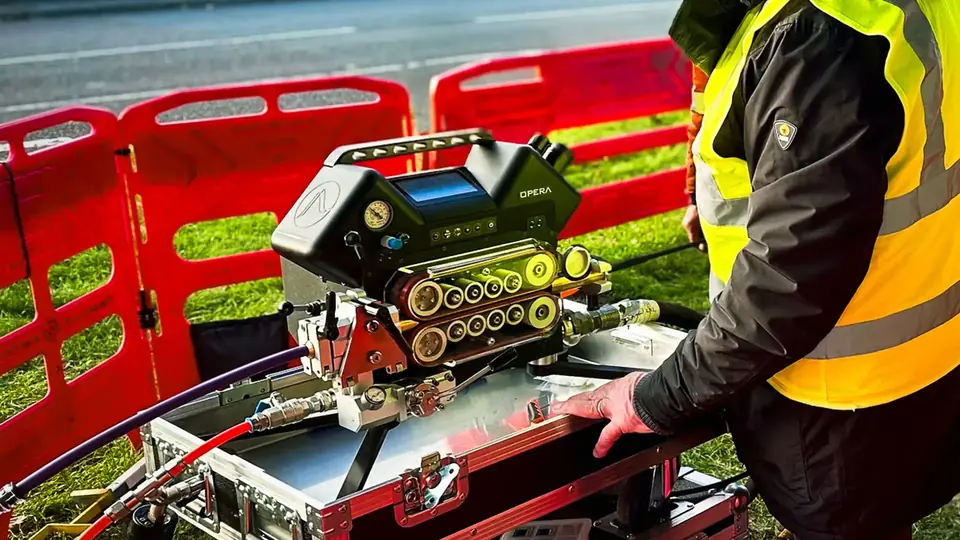
Opera, image 1 of 3
Expert advice direct from the manufacturer / Free demonstration on request
Some of our customers.

Keep your installation moving with Fibernet cable blowing machines.
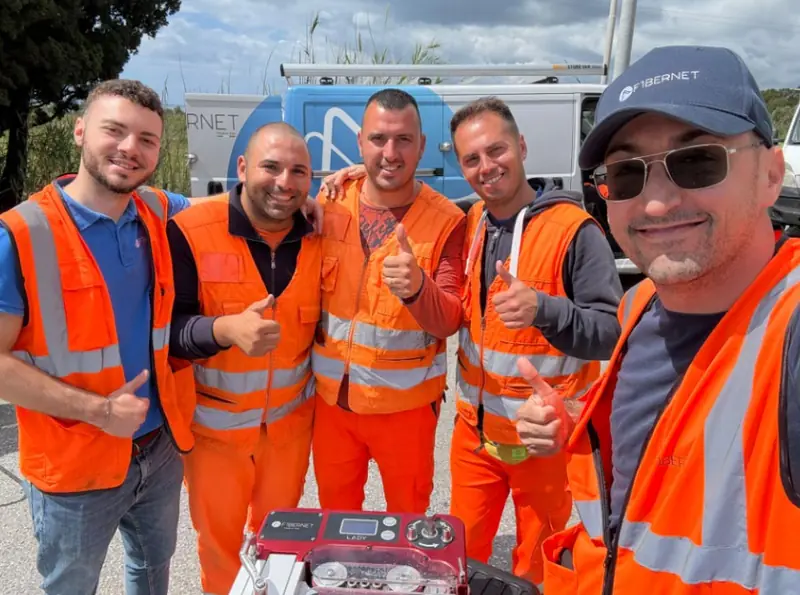
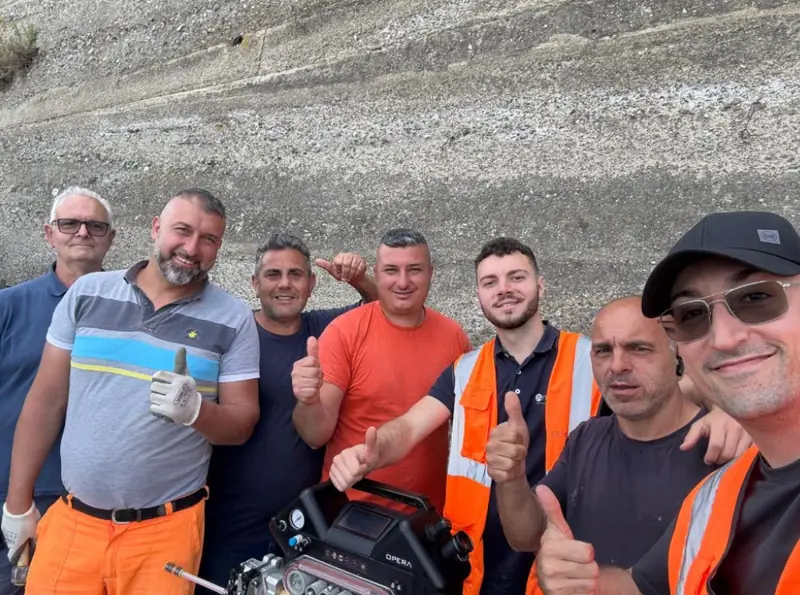
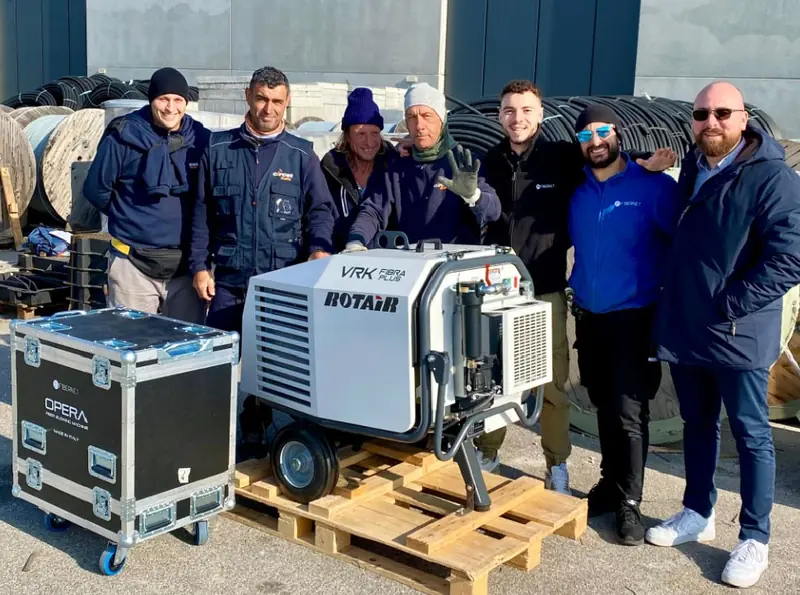
Photos and stories from installers, published by Fibernet.
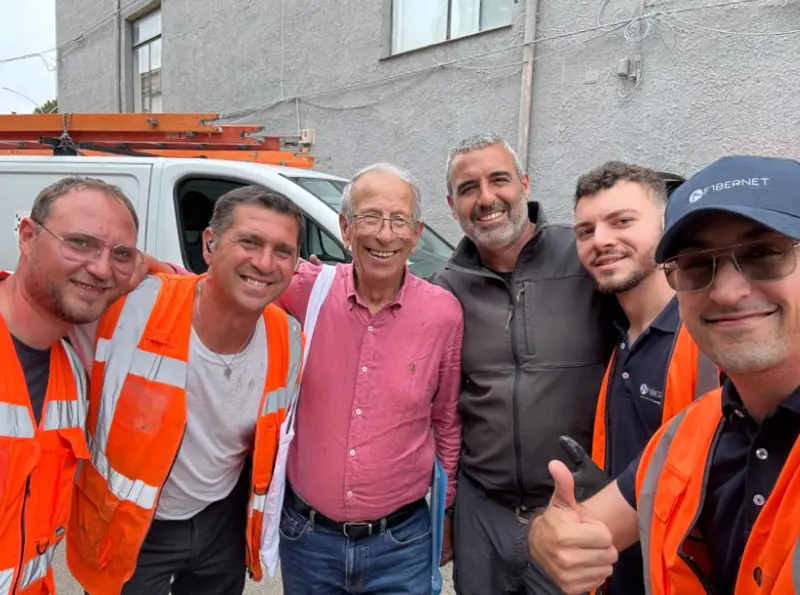
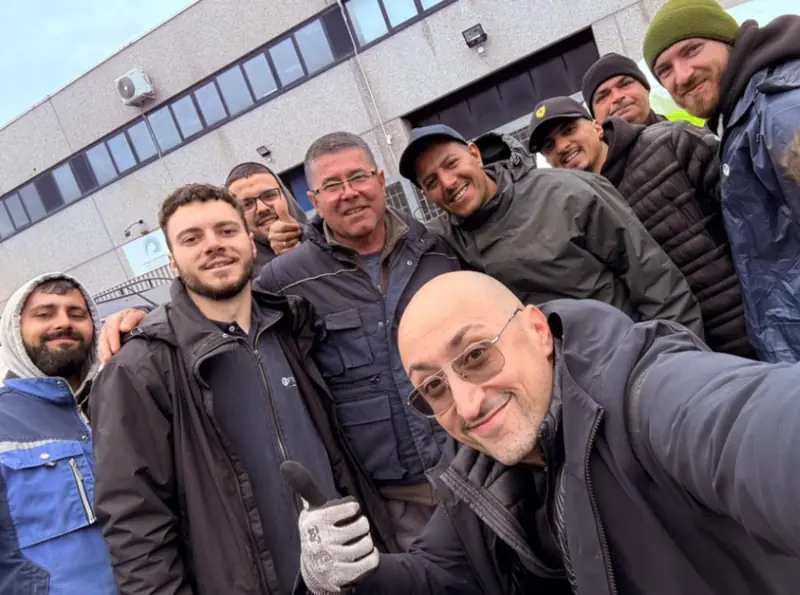
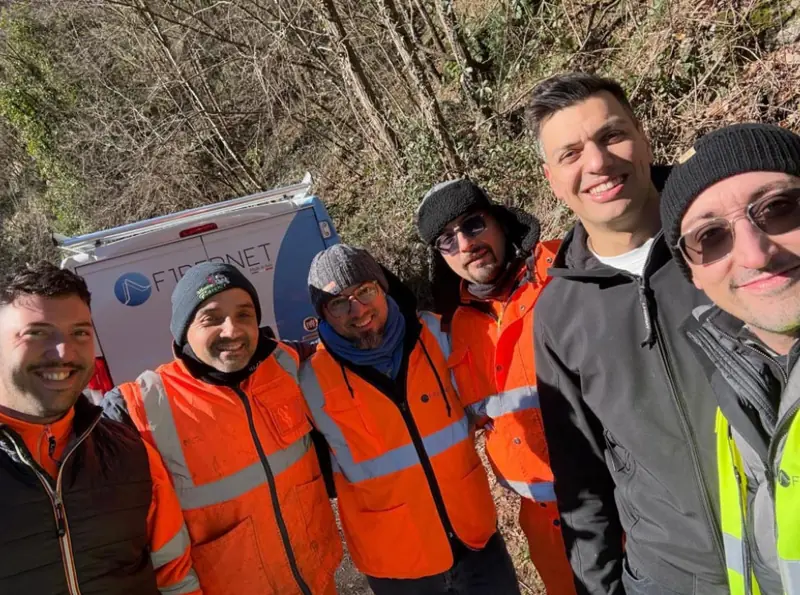 GoogleExcellentBased on 176 reviewsRead the reviews
Read on Google“An excellent experience on the installer training course. The whole team was professional and knowledgeable.”
Read on Google“I had the chance to try the Opera cable blowing machine on site…”
Read on Google“I really enjoyed this course. It took place in a pleasant setting with friendly, helpful people.”
Stories from installers
Hear the results from the installers themselves. Watch their testimonials right here.
Product videos
Three machines. Find your fit.
Start with the job at hand. Our technician can answer your questions about the right setup.
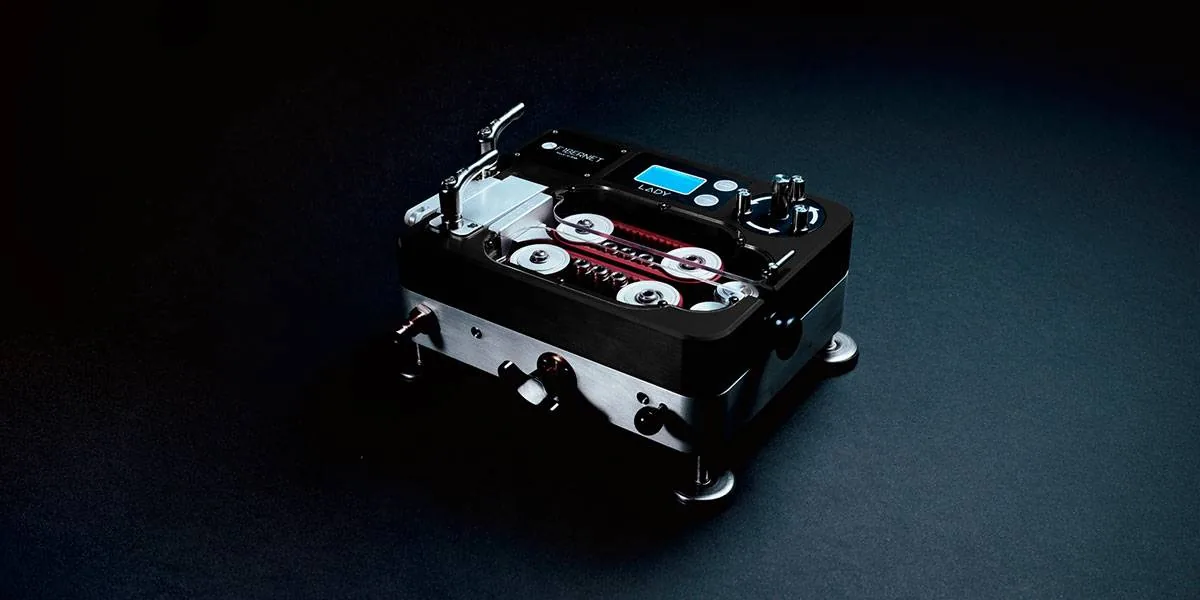
Compact and lightweight
A compact, lightweight machine for short runs.
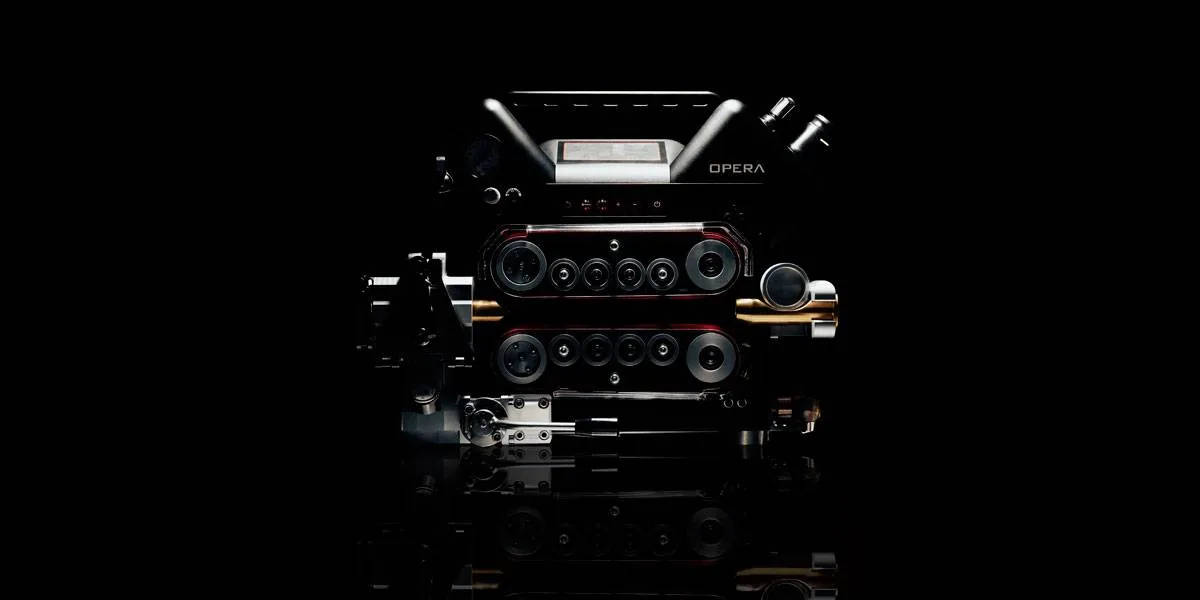
Pneumatic power
A pneumatic machine for long cable runs.
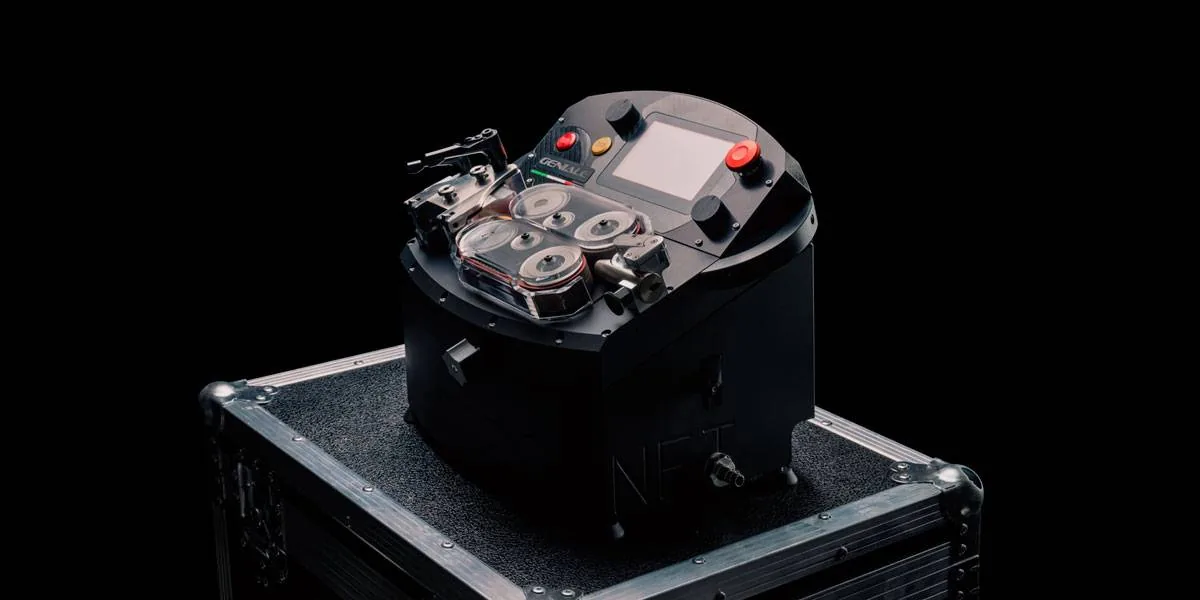
Electric, with two gears
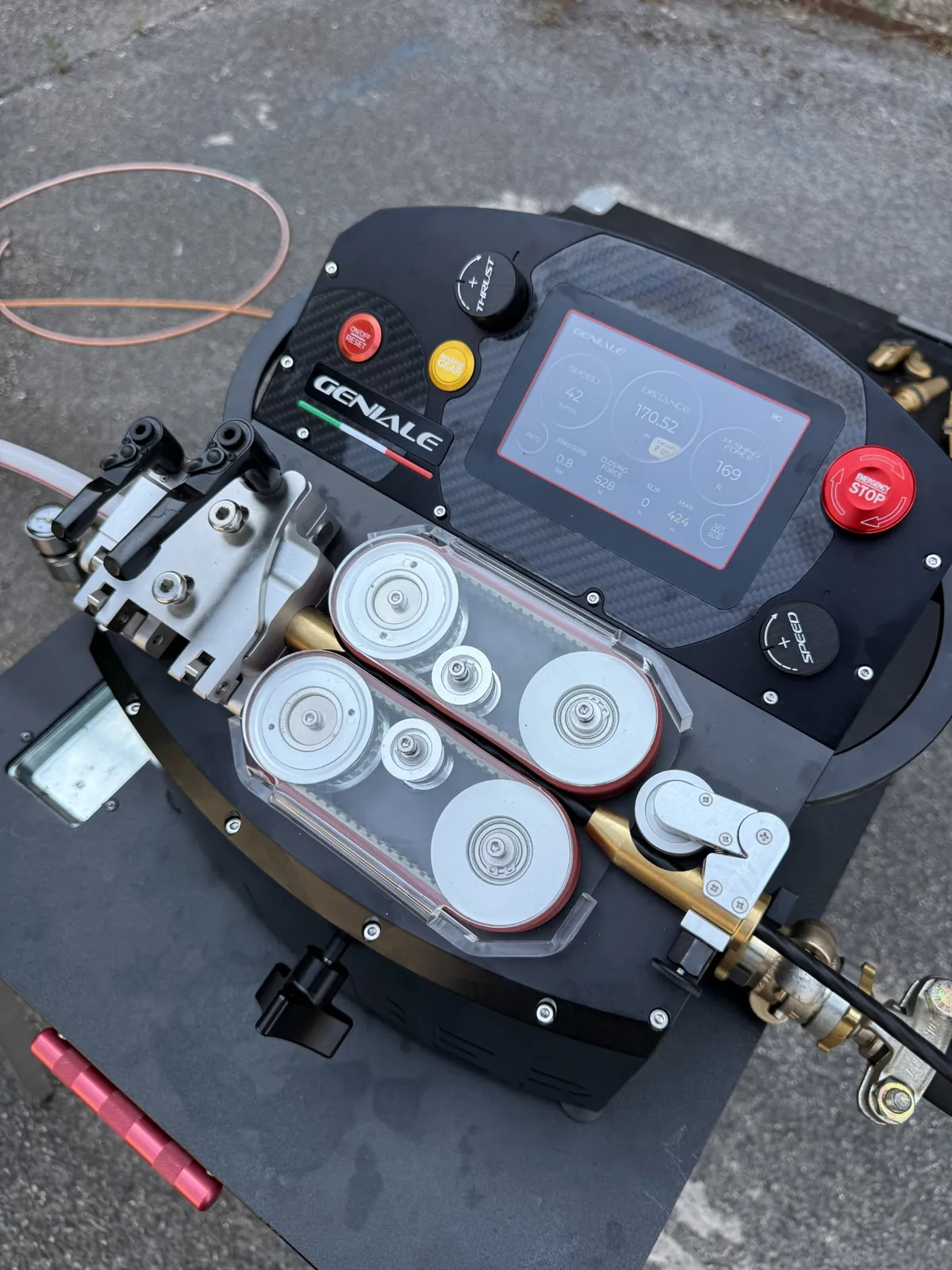
For short and long runs. Two gears let you match force and speed to the job.
Specifications for the Fibernet range. The speeds shown are maximum values. Actual results depend on installation conditions and machine setup.
Direct from the manufacturer
When you’re working on site, you need practical answers. With Fibernet, you speak directly to the people who design and build your cable blowing machine.
Speak to a technicianA specialist technician can help when you need it.
Spare parts ready to ship, direct from the manufacturer.
If your machine breaks down, a replacement may be available within 48 hours.
Check availability and terms with your technician.Get help making the most of your machine, from your very first job.
See it in action before you choose
Request a free hands-on demonstration on your site or at Fibernet’s test facility. Discuss a real job with the technician.
Request a free demonstration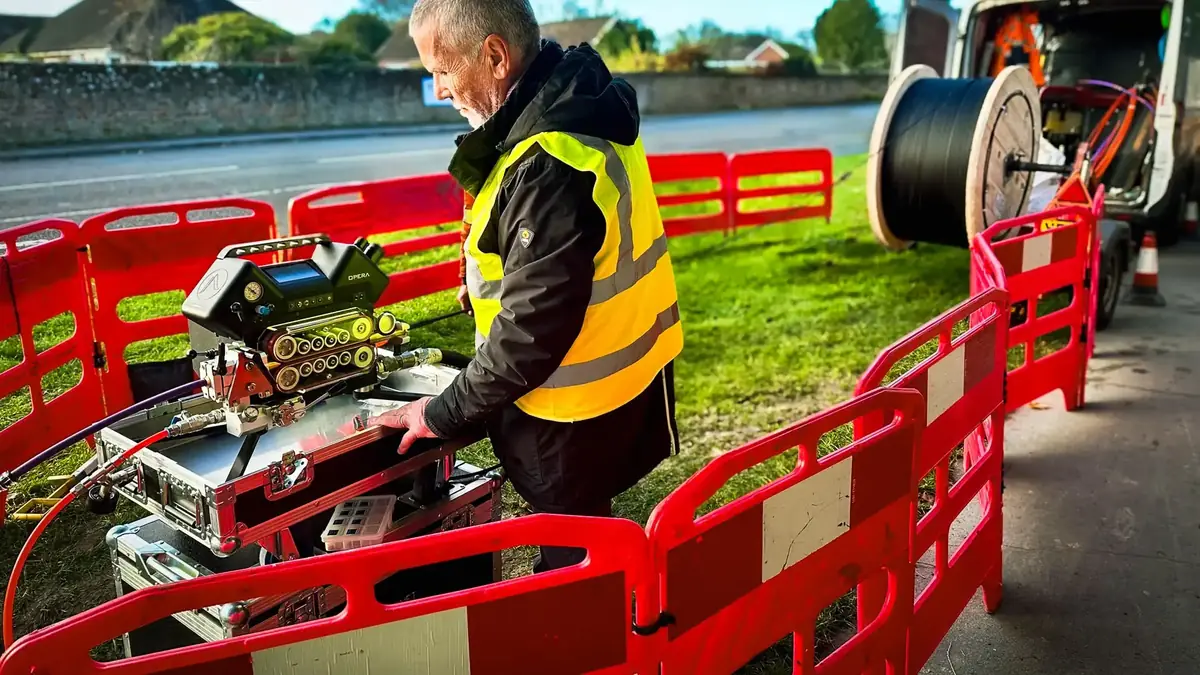
Choosing a pneumatic fiber cable blowing machine starts with understanding the cable, the duct and the conditions your installation team will encounter. Telecommunications contractors working on Italian projects or international sites need equipment selected around practical requirements, rather than a headline speed or an assumed installation distance. Fibernet, founded in Italy in 2001, brings a technical background to this discussion and introduced its first cable blowing machine, Lady, in 2021. For a prospective buyer, the useful starting point is a clear description of the intended application: cable outside diameter, duct internal diameter, route length, changes in direction and the available compressed air supply. These details help establish which machine configuration should be evaluated and which operating limits require confirmation before purchase. A pneumatic fiber optic cable blowing machine uses controlled mechanical feeding together with compressed air passing through the duct to help advance a compatible cable. Successful operation depends on the complete installation arrangement, not simply on the machine itself. Duct continuity, clean internal surfaces, suitable connections and an appropriate relationship between cable and duct dimensions all affect the result. Tight bends, damaged sections, excessive leakage or water inside the duct can prevent satisfactory progress even when the equipment is correctly selected. Before requesting a quotation, prepare the cable manufacturer's handling limits and the duct specifications, including any known route difficulties. Ask how the proposed machine accommodates the relevant dimensions, which guides or sealing components are needed and how its feeding controls should be set for the cable concerned. Compressor suitability also deserves careful attention: pressure and airflow are different requirements, and both must be checked against the manufacturer's instructions for the complete arrangement. Air treatment and connection compatibility should be discussed rather than assumed. When comparing a cable blowing machine for fiber optic cable installation, consider how easily the crew can prepare it, inspect the cable path and change compatible components between jobs. These operational details influence the working day just as much as nominal performance figures. For contractors moving between roadside chambers and different duct sections, a repeatable preparation procedure helps reduce avoidable interruptions. Record the cable and duct combination, inspect the route and confirm the equipment settings before beginning each run. Stop and investigate abnormal resistance rather than attempting to overcome an unidentified obstruction by increasing force. Fibernet's website provides a direct starting point for discussing your application and requesting a proposal. Share the actual conditions of your next project so that questions about compatibility, machine configuration and the scope of supply can be addressed before an order is placed. This approach gives purchasing teams and site supervisors a common technical basis for their decision.
The purchase cost of a pneumatic fiber cable blowing machine is only one part of an installation equipment budget. A useful quotation should make clear what is included, what must be selected for your cable and duct dimensions, and what supporting equipment the contractor must provide. Without that detail, two offers can appear comparable while covering different working arrangements. Begin by defining the applications the machine will serve most frequently, then identify occasional requirements separately. A contractor repeatedly using one cable and duct combination may need a different accessory package from a team handling several dimensional combinations across successive projects. When investigating fiber cable blowing machine price, ask for an itemised proposal rather than relying on an isolated figure. Relevant questions concern the machine configuration, compatible guides, sealing components, connection requirements and any additional items necessary for the intended setup. Confirm whether each item is included, optional or supplied separately. The same discipline applies to delivery arrangements and documentation: request written confirmation of the destination, shipping scope and documents supplied with the equipment. For an Italian purchaser, the quotation should clearly state the applicable commercial terms. For an overseas purchaser, clarify the delivery responsibilities and any destination-specific import requirements before accepting the offer. Do not assume that transport, taxes or customs charges are covered unless the proposal explicitly says so. Running costs also deserve attention, although they should be assessed using actual working conditions rather than unsupported savings claims. Consumable seals, routine inspections, cleaning and replacement of worn contact components can influence ownership costs. Ask which maintenance tasks the operator can perform, which parts require particular attention and how to identify the correct replacements. Compressor availability is another practical consideration. An existing compressor should not be treated as suitable until its delivered airflow, working pressure and connection arrangement have been checked against the selected equipment's requirements. A compressed air fiber cable blowing machine depends on an appropriate air supply throughout the installation, so an unsuitable compressor can undermine an otherwise sensible purchase. Procurement teams should also consider how a machine fits their project schedule. Clarify estimated availability, the process for resolving technical questions and the information required when requesting replacement components. Keeping equipment identification and configuration records can make later enquiries more precise. Fibernet's Italian origins and the launch of Lady in 2021 provide useful company context, but the purchasing decision should ultimately rest on a documented match between the proposed equipment and your work. Contact Fibernet through its website with your cable dimensions, duct specifications, expected applications and delivery destination. Request confirmation of the recommended configuration and the complete commercial scope. A well-defined enquiry helps turn a general price comparison into a practical assessment of what your installation team will actually receive and need.
Reliable work with a pneumatic fiber cable blowing machine begins before compressed air is introduced into the duct. The site team should understand the route, establish safe access to both ends and agree how operators will communicate during the installation. Working near roads or open chambers also requires the appropriate site controls under the applicable local rules. The machine must be positioned and secured according to its instructions, with enough space to manage the cable supply without introducing sharp bends or uncontrolled movement. Inspect hoses, fittings and connections before pressurisation, and never disconnect a pressurised assembly. These are general preparation principles; the machine's operating manual and the contractor's site risk assessment must determine the actual procedure. Cable preparation is equally important. Check that the cable is suitable for blowing, verify its dimensional compatibility and consult its manufacturer for permitted handling loads and bending limits. Arrange the supply drum so that the cable pays off smoothly and does not rub against unsuitable surfaces. Inspect the duct route using the approved preparation method for that installation, and resolve suspected blockage, contamination or leakage before attempting a production run. Where lubricant is appropriate, use only a product compatible with the cable, duct and equipment instructions. More lubricant or higher pressure should never be treated as a universal solution to poor progress. An optical fiber cable blowing machine needs correctly matched components and controlled operation throughout the run. Operators should monitor cable movement and the machine's available indications, watching for changes that suggest increasing resistance or an air supply problem. If progress deteriorates unexpectedly, stop safely and investigate the cause using the prescribed procedure. Potential causes include a tight bend, a compromised duct connection, unsuitable settings or difficulty at the cable supply. Recording the circumstances helps distinguish an equipment issue from a route problem and provides useful information for technical discussions. Contractors considering a used fiber cable blowing machine should apply the same operational discipline before committing to a purchase. Check the equipment identity, available documentation, maintenance history and completeness of the accessories needed for the intended cable and duct sizes. Inspect wear points and confirm that controls and protective features operate as specified. A demonstration using a relevant configuration can be informative, but it does not establish performance on every future route. Fibernet's development reflects the practical technical background of founder Giancarlo Trinei, whose experience with cable installations in Italy dates to the early 1980s. The business began a generational transition in 2010, with Matteo, Marta and Ismael joining the company, and later introduced Lady. For buyers, this history is a starting point for a focused conversation, not a substitute for application checks. Bring your installation records, dimensional requirements and operating questions to Fibernet so that the proposed equipment can be discussed against the conditions your crew actually faces.
Fill in the form and discover what Fibernet Srl can do for you!
Contact us!Before you get started
If you prefer, speak to us directly.
+39 346 652 9915Compare the cable diameter, duct diameter and installation distance. Lady is compact and lightweight for short runs. Opera is pneumatic and designed for long runs. Geniale is electric and handles both. A Fibernet technician can help you choose.
Yes. You can request a free hands-on demonstration on your site or at Fibernet’s test facility. Tell us what you need in the form and a technician will arrange it with you. Request a demonstration.
To get a price, contact a Fibernet adviser using the form or call +39 346 652 9915.
Fibernet offers direct technical support, spare parts ready to ship and dedicated training. If your machine breaks down, a replacement may be available. Ask your technician about availability and terms.
Tell us about your job. We’ll help you find the right cable blowing machine.