Emanuele Zanda
Google review
★★★★★
Read on Google“An excellent experience on the installer training course. The whole team was professional and knowledgeable.”
Cable blowing machines · Made in Italy
From last-mile connections to long-distance runs, a Fibernet technician can help you choose the right machine for your fibre optic cable installation.
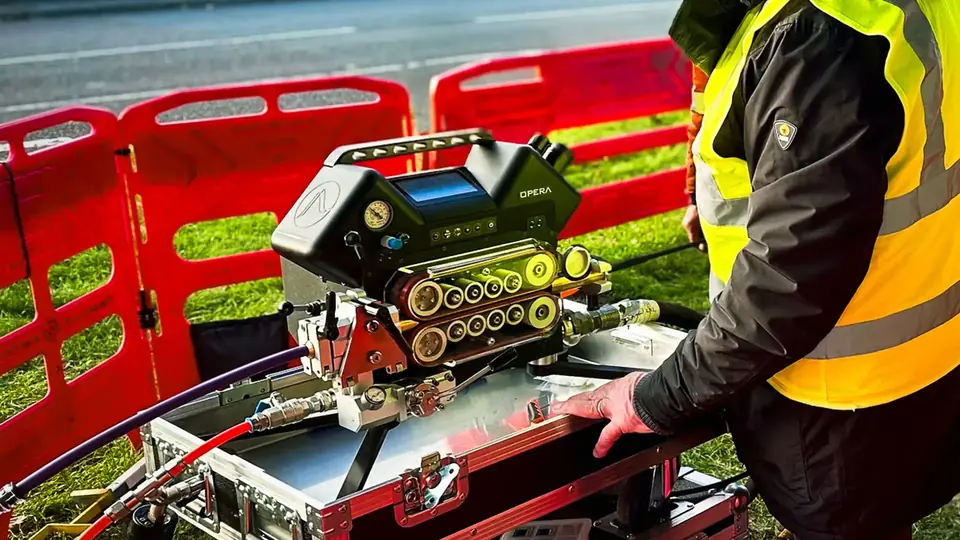
Opera, image 1 of 3
Expert advice direct from the manufacturer / Free demonstration on request
Some of our customers.



Keep your installation moving with Fibernet cable blowing machines.
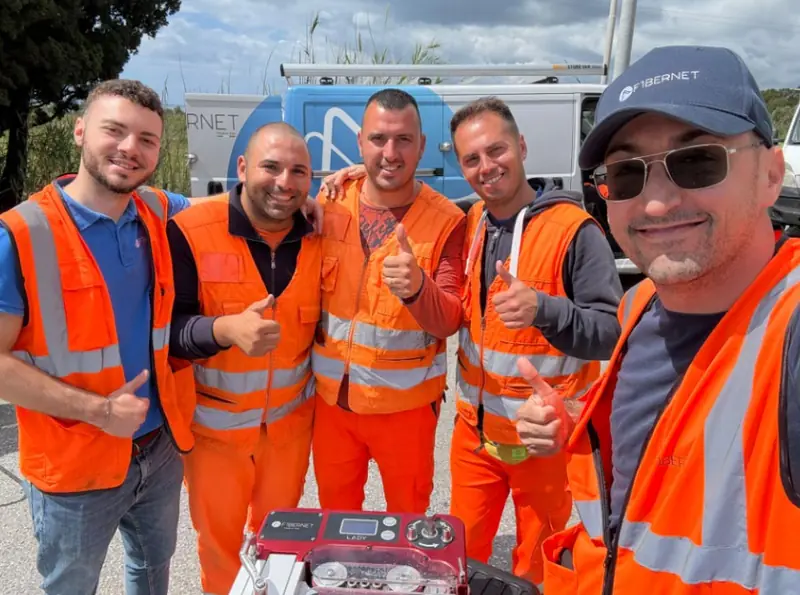
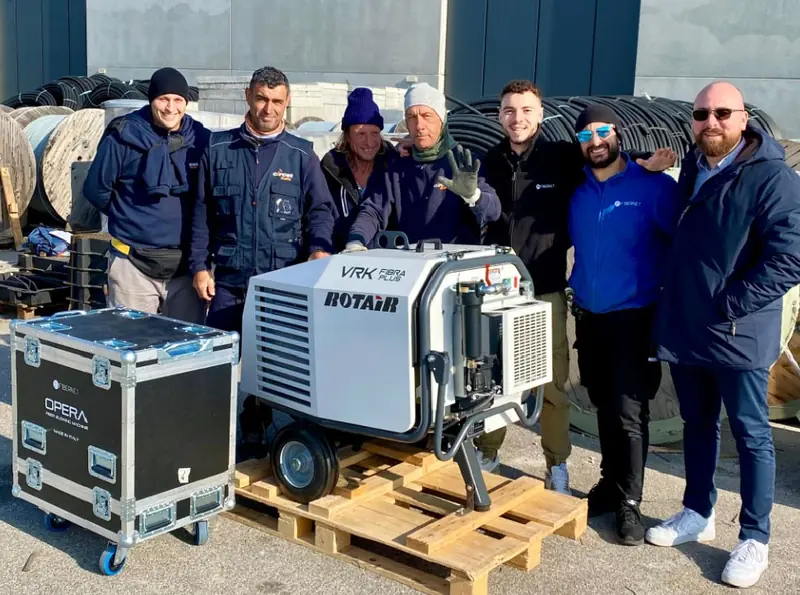
Photos and stories from installers, published by Fibernet.

 GoogleExcellentBased on 176 reviewsRead the reviews
Read on Google“An excellent experience on the installer training course. The whole team was professional and knowledgeable.”
Read on Google“I had the chance to try the Opera cable blowing machine on site…”
Read on Google“I really enjoyed this course. It took place in a pleasant setting with friendly, helpful people.”
Stories from installers
Hear the results from the installers themselves. Watch their testimonials right here.
Product videos
Three machines. Find your fit.
Start with the job at hand. Our technician can answer your questions about the right setup.
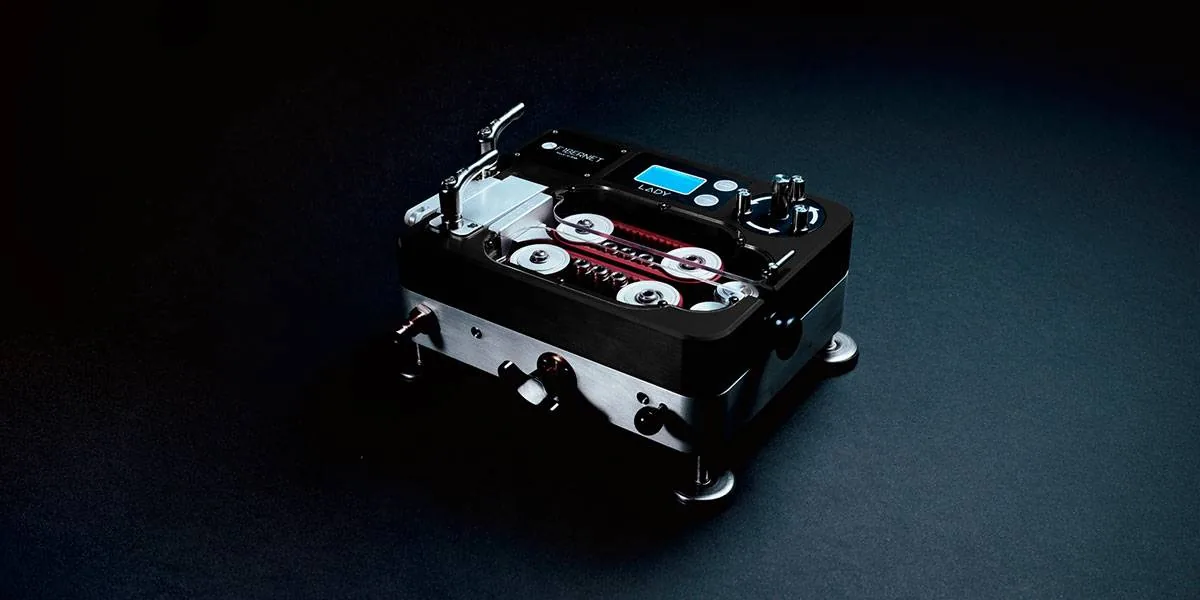
Compact and lightweight
A compact, lightweight machine for short runs.
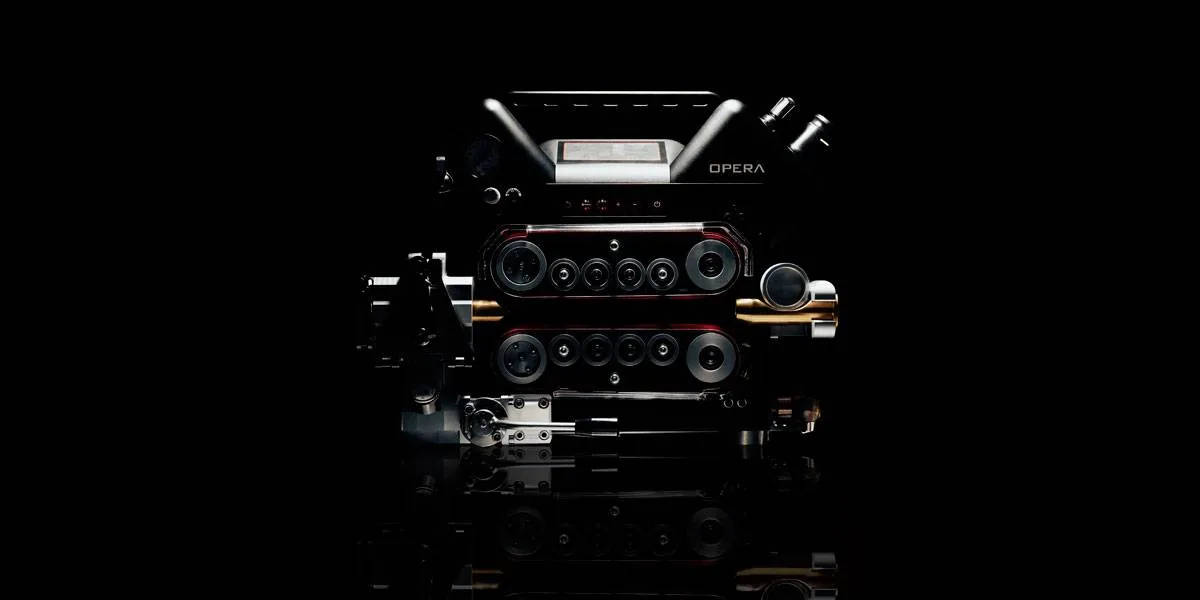
Pneumatic power
A pneumatic machine for long cable runs.
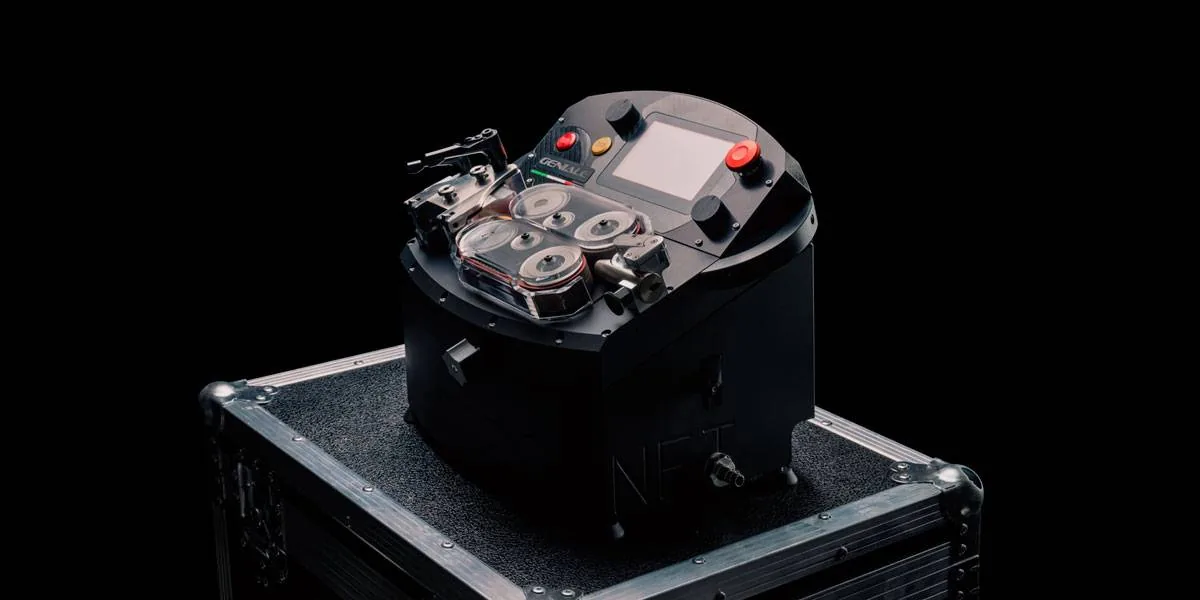
Electric, with two gears
For short and long runs. Two gears let you match force and speed to the job.
Specifications for the Fibernet range. The speeds shown are maximum values. Actual results depend on installation conditions and machine setup.
Direct from the manufacturer
When you’re working on site, you need practical answers. With Fibernet, you speak directly to the people who design and build your cable blowing machine.
Speak to a technicianA specialist technician can help when you need it.
Spare parts ready to ship, direct from the manufacturer.
If your machine breaks down, a replacement may be available within 48 hours.
Check availability and terms with your technician.Get help making the most of your machine, from your very first job.
See it in action before you choose
Request a free hands-on demonstration on your site or at Fibernet’s test facility. Discuss a real job with the technician.
Request a free demonstration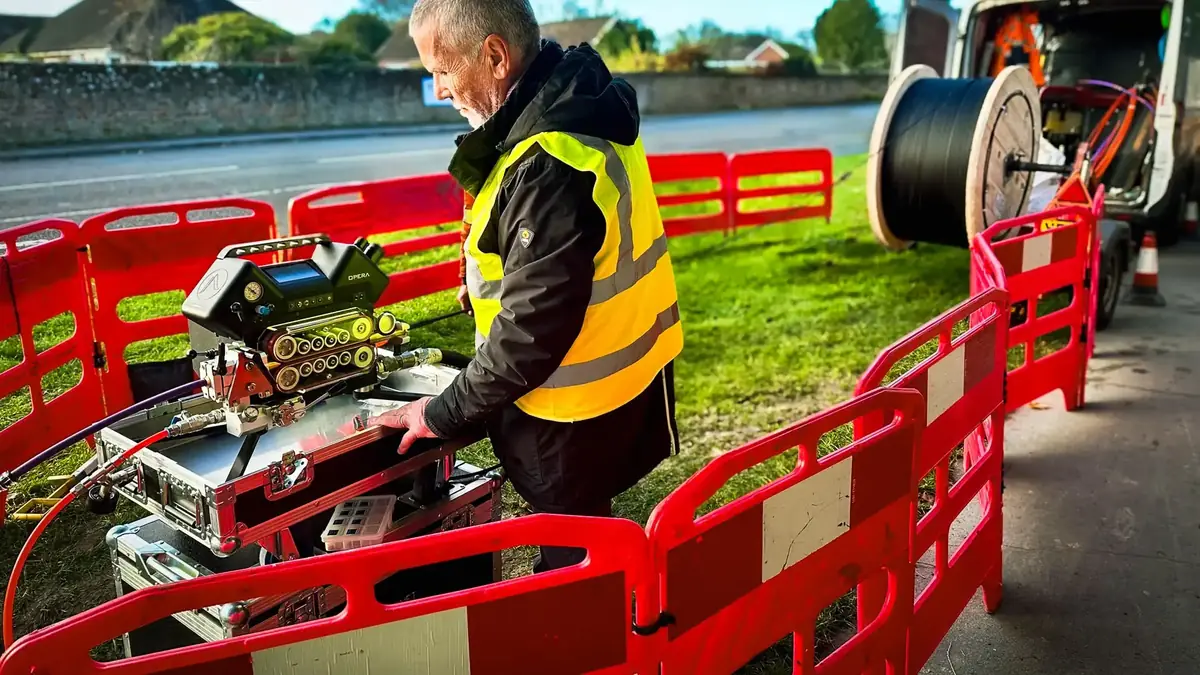
Choosing a fibre optic cable pusher starts with understanding the cable, the duct and the route rather than selecting equipment from headline performance figures alone. On installation sites in Italy, an identical cable can behave differently in a straight duct, a route containing several bends or a section affected by water, debris or damaged joints. Record the cable diameter, sheath material, weight, stiffness, minimum bend radius and permitted installation loads before asking a supplier to recommend a configuration. Check the duct’s internal diameter, material, continuity and condition as well, because nominal dimensions do not necessarily describe the usable passage throughout an existing network. A route survey should identify chambers, changes in direction, gradients, access restrictions and any intermediate locations where the crew could divide the installation into manageable sections. For example, a connection between two industrial buildings may require a different working arrangement from a street deployment passing through several inspection chambers. Where appropriate, assess duct integrity and clearance using methods approved for that duct system, and resolve obstructions before introducing the cable. This preparation helps distinguish equipment limitations from problems within the route itself. When evaluating a fibre optic cable blower alongside a pushing arrangement, ask the supplier to explain how mechanical feed and airflow work together for the proposed cable and duct combination. Do not assume that adding air automatically makes every route suitable or removes the need to control pushing force. Compatibility also depends on the available seals, guides, drive components and adjustment range. Give the supplier representative information for both routine projects and more demanding jobs so that the recommendation reflects your actual workload. A contractor installing small distribution cables today may need different accessories for larger backbone cables later, and identifying that requirement early can prevent an unsuitable purchase. Discuss practical support requirements, including operator familiarisation, access to replacement wear parts and assistance with initial setup. If you are considering a second hand fibre optic cable blower, request evidence of its condition, maintenance history and included accessories rather than assuming that the advertised machine is ready for your cable sizes. Inspect drive surfaces, guarding, controls and sealing components, and establish whether current documentation is available. A supervised demonstration with representative materials can clarify setup requirements, although a successful test does not guarantee the same distance on every site. The most useful outcome of the selection process is a documented operating arrangement: suitable cable and duct sizes, relevant limitations, required accessories and clearly assigned preparation tasks. That gives the installation team a stronger basis for planning labour, transport, access and realistic working schedules while reducing avoidable uncertainty before the equipment arrives.
A useful quotation for a fibre optic cable pusher should describe the proposed equipment configuration clearly enough for your team to understand what it can operate, adjust and maintain. The initial purchase figure provides only part of the picture if essential components remain undefined. Ask which cable and duct dimensions the quoted arrangement accommodates, which guides and seals are included, and whether additional sets are required for the projects already in your schedule. Request details of the drive arrangement, force or speed adjustments, available monitoring features and supplied documentation. Establish which protective functions are fitted and how the operator checks them before use. Where compressed air forms part of the installation method, obtain the operating requirements for that specific configuration rather than assuming that an existing compressor is suitable. Pressure alone does not establish whether the air supply can support the intended work; required airflow, hose dimensions, connection arrangements and air treatment also need to be checked against the equipment manufacturer’s instructions. When comparing a fibre optic cable blower price, make sure competing quotations cover equivalent equipment, accessories and support. One package may include suitable connection hardware and initial training, while another may quote only the basic machine. Neither quotation can be assessed fairly until these differences are made explicit. Ask suppliers to separate mandatory items from optional additions and to explain when each option becomes useful. A contractor working mainly on short building connections may not need the same accessory package as a team handling varied municipal duct routes. Calculate ownership costs over an appropriate period, including routine servicing, replacement seals, drive wear components, transport and storage. Identify whether maintenance can be performed by your own trained staff or requires an authorised service location, and ask about typical parts availability without treating estimated delivery times as guarantees. For an Italian business, clarify delivery charges, applicable VAT treatment, payment terms and the language of operating instructions before placing an order. If you are reviewing a fibre optic cable blowing machine price as an alternative, compare the complete installation method rather than the machine cost alone. Compressor hire, site access, crew requirements and the time needed for setup can influence the commercial result. Request a practical demonstration where feasible, with the proposed accessories identified in writing, and agree on what the demonstration is intended to establish. Useful checks include cable handling, adjustment procedures, emergency stopping, cleaning and changeover between supported sizes. Finally, record warranty conditions, exclusions and the process for obtaining technical assistance. A detailed quotation should enable a purchasing decision based on compatibility, support and expected workload, not merely the lowest opening figure.
Reliable use of a fibre optic cable pusher depends on preparation at the point where the cable enters the machine. Position the drum so that it can unwind in the intended direction without introducing unnecessary twisting, sharp changes of angle or contact with abrasive edges. Use suitable drum supports and handling equipment, check their stability, and follow the cable manufacturer’s instructions for minimum bend radius and installation loads. Plan the feed path before starting, including any rollers or guides needed between the drum and machine. A cable that drags across the ground, catches on a flange or approaches the drive at an awkward angle introduces resistance that should be corrected rather than overcome by increasing force. Provide sufficient working space for the operator to inspect the entry area, reach the controls and stop the operation without obstruction. Secure the machine using the arrangement specified by its manufacturer, and prevent movement that could disturb alignment during installation. Before feeding cable into the duct, confirm that the selected guides, seals and drive components match the actual cable and duct dimensions. Check adjustment settings against the equipment instructions rather than copying values from a previous job involving different materials. When a compressed air fibre optic cable blower forms part of the setup, inspect the air connections, hoses and restraints, and establish a safe procedure for depressurising the system before any adjustment or disconnection. Never loosen pressurised connections to investigate a blockage. Assign responsibilities within the crew so that drum handling, machine operation and observation at other accessible points are coordinated. Agree on clear communication and an immediate stop signal, especially where team members cannot see one another. On a route running between street chambers, for example, reliable communication helps the operator respond promptly if the receiving crew observes an unexpected condition. Start in a controlled manner and observe how the cable feeds, how evenly the drum turns and whether resistance changes. Unexpected slipping, cable deformation, unusual noise or a sudden change in behaviour warrants stopping and investigating in accordance with the operating procedure. Increasing drive force without identifying the cause can damage the cable or equipment. A fibre optic cable jetting machine also requires disciplined monitoring; airflow does not replace attention to mechanical feed and cable handling. Keep a job record of the cable type, route section, equipment configuration and significant interruptions so that recurring issues can be investigated. After installation, complete the inspection and testing required by the project specification, and record results separately from machine operating observations. Clean the equipment as instructed, inspect wear components and store accessories where they remain identifiable and protected. Consistent preparation and shutdown routines help crews achieve repeatable working practices, reduce preventable stoppages and protect valuable cable across both short connections and longer network sections.
Fill in the form and discover what Fibernet Srl can do for you!
Contact us!Before you get started
If you prefer, speak to us directly.
+39 346 652 9915Compare the cable diameter, duct diameter and installation distance. Lady is compact and lightweight for short runs. Opera is pneumatic and designed for long runs. Geniale is electric and handles both. A Fibernet technician can help you choose.
Yes. You can request a free hands-on demonstration on your site or at Fibernet’s test facility. Tell us what you need in the form and a technician will arrange it with you. Request a demonstration.
To get a price, contact a Fibernet adviser using the form or call +39 346 652 9915.
Fibernet offers direct technical support, spare parts ready to ship and dedicated training. If your machine breaks down, a replacement may be available. Ask your technician about availability and terms.
Tell us about your job. We’ll help you find the right cable blowing machine.