Emanuele Zanda
Google review
★★★★★
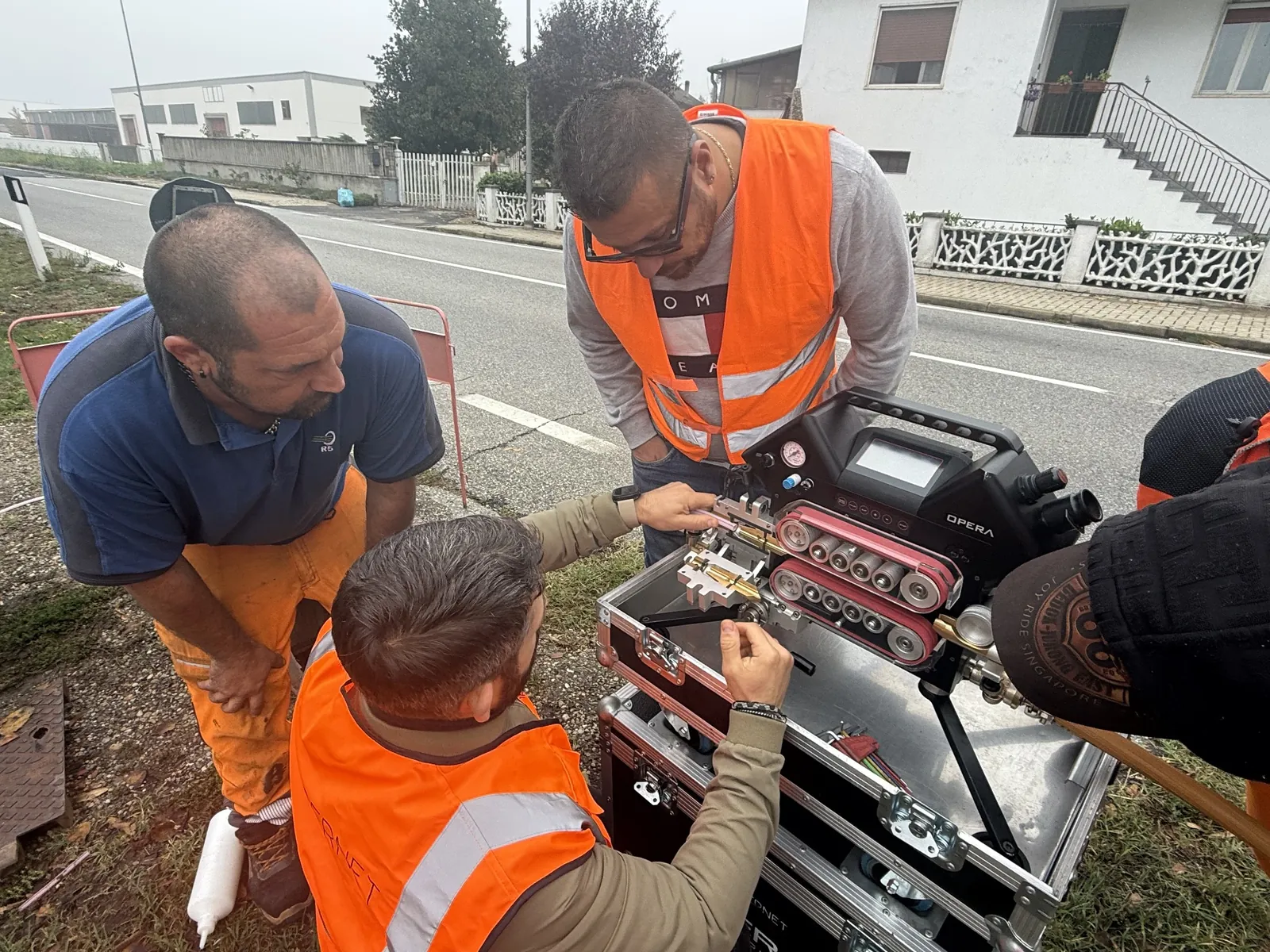
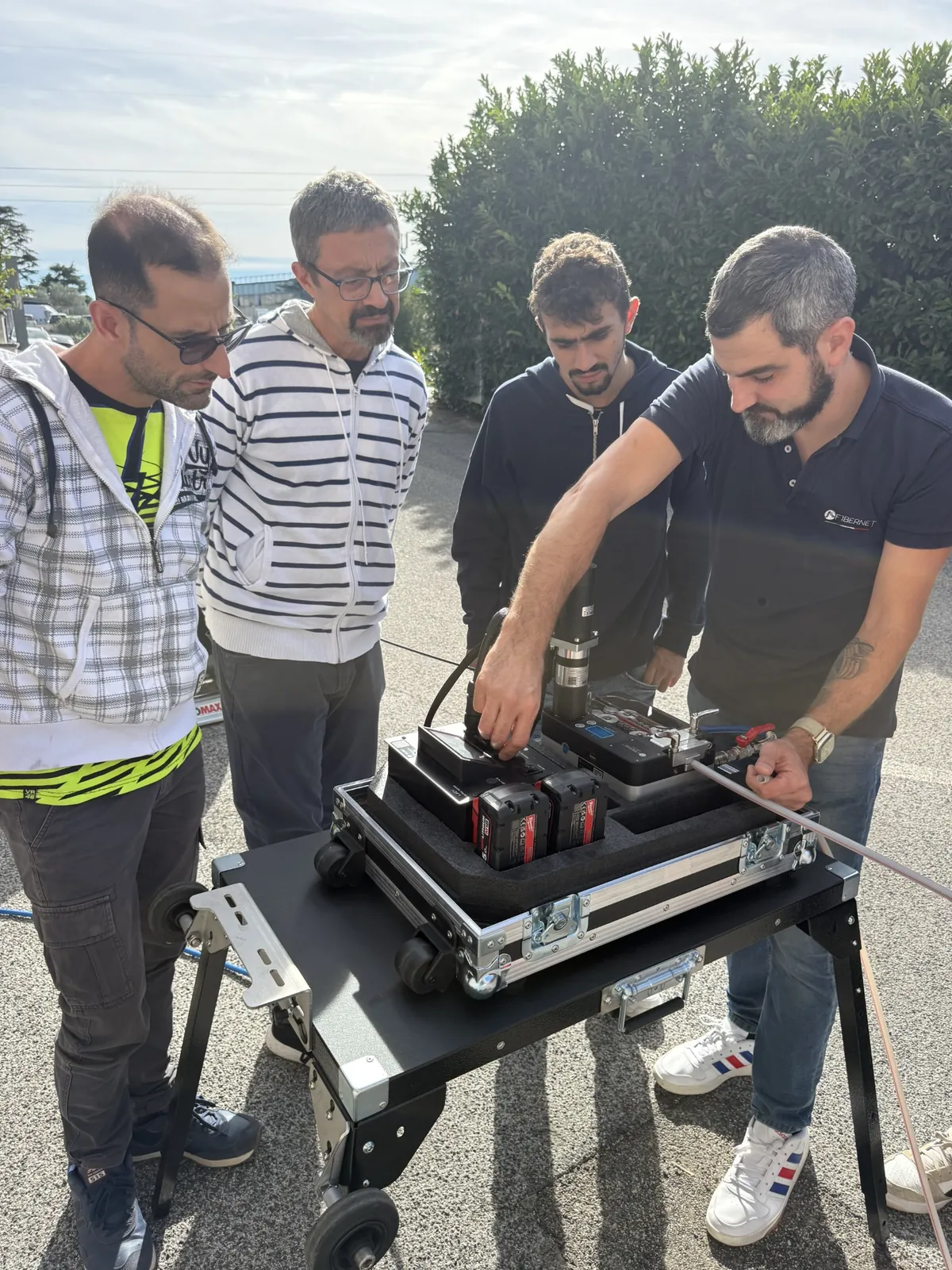
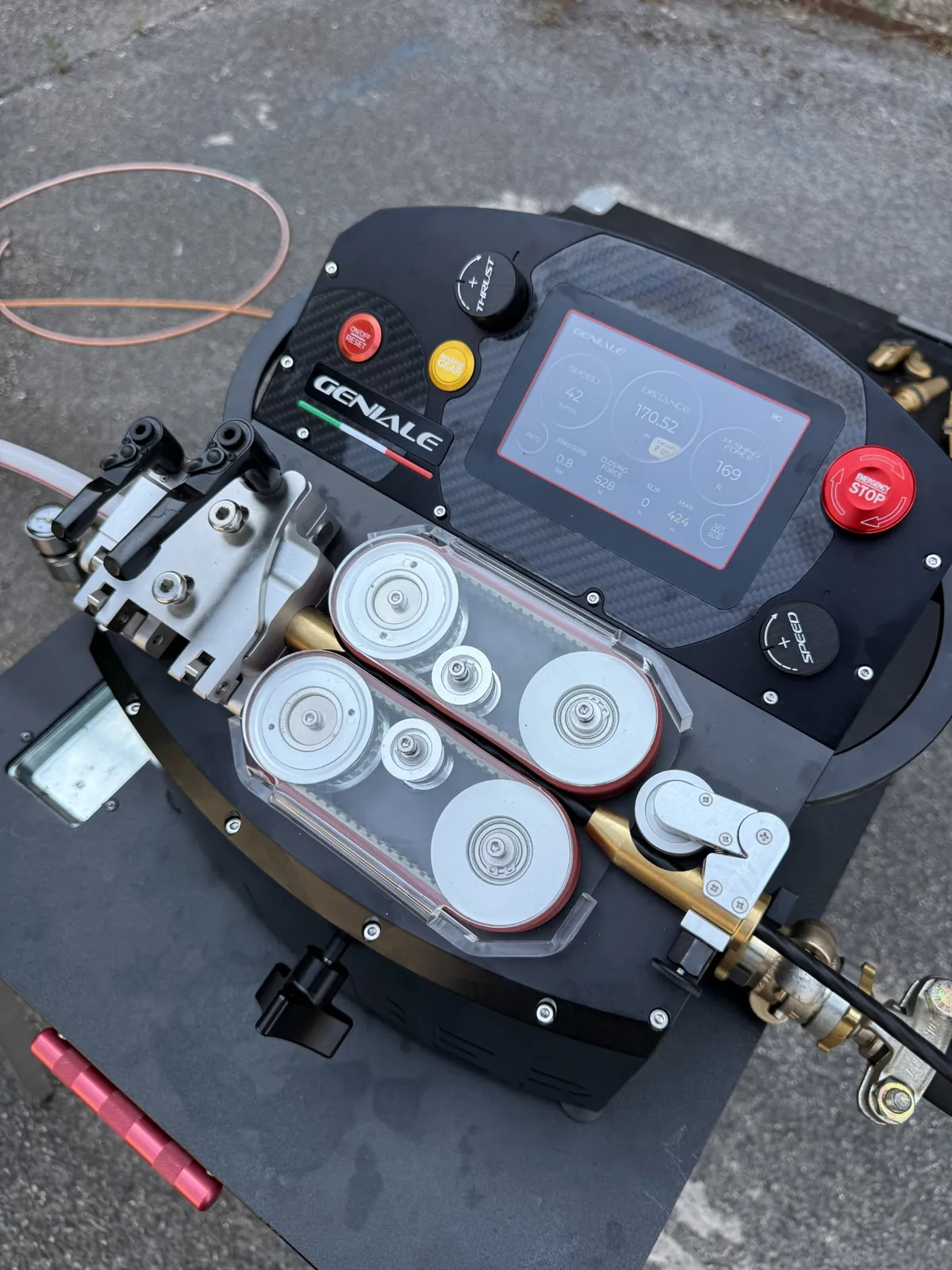
Read on Google“An excellent experience on the installer training course. The whole team was professional and knowledgeable.”
Cable blowing machines · Made in Italy
From last-mile connections to long-distance runs, a Fibernet technician can help you choose the right machine for your fibre optic cable installation.
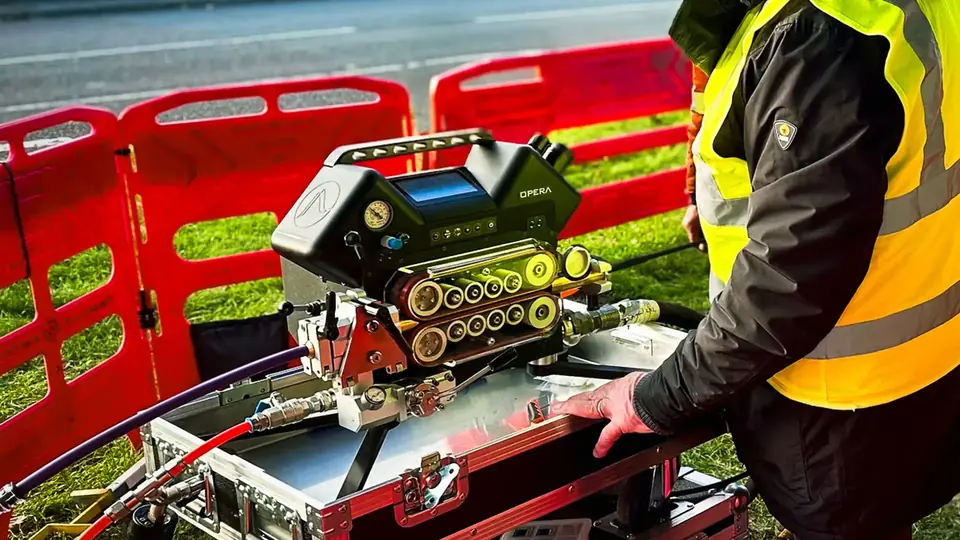
Opera, image 1 of 3
Expert advice direct from the manufacturer / Free demonstration on request
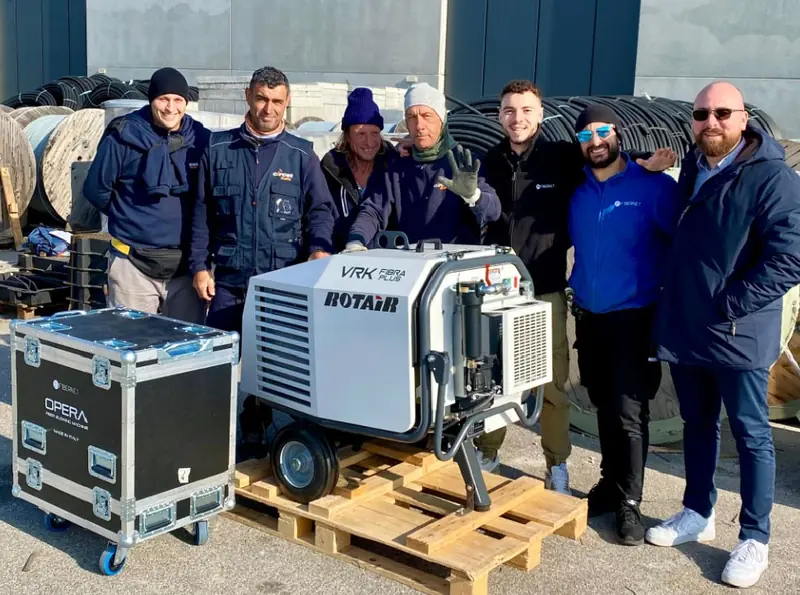
Some of our customers.



Keep your installation moving with Fibernet cable blowing machines.
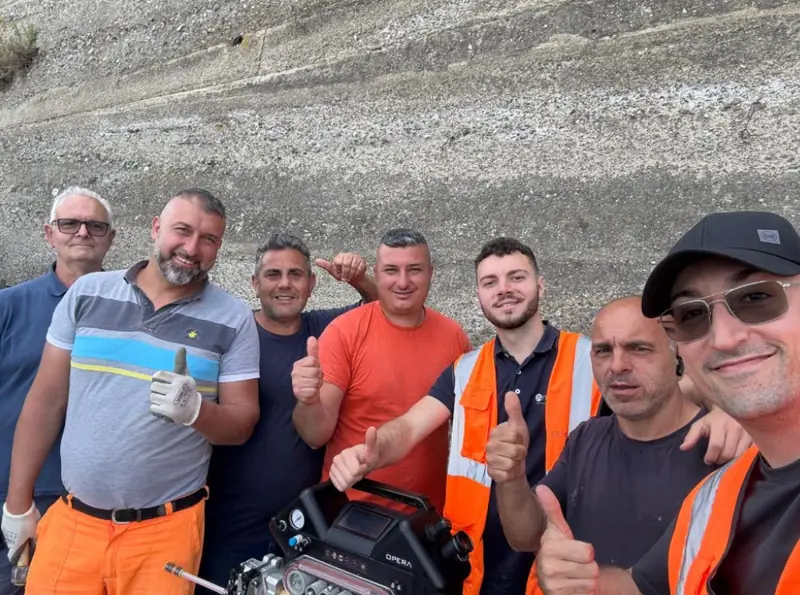
Photos and stories from installers, published by Fibernet.



 GoogleExcellentBased on 176 reviewsRead the reviews
Read on Google“An excellent experience on the installer training course. The whole team was professional and knowledgeable.”
Read on Google“I had the chance to try the Opera cable blowing machine on site…”
Read on Google“I really enjoyed this course. It took place in a pleasant setting with friendly, helpful people.”
Stories from installers
Hear the results from the installers themselves. Watch their testimonials right here.
Product videos
Three machines. Find your fit.
Start with the job at hand. Our technician can answer your questions about the right setup.
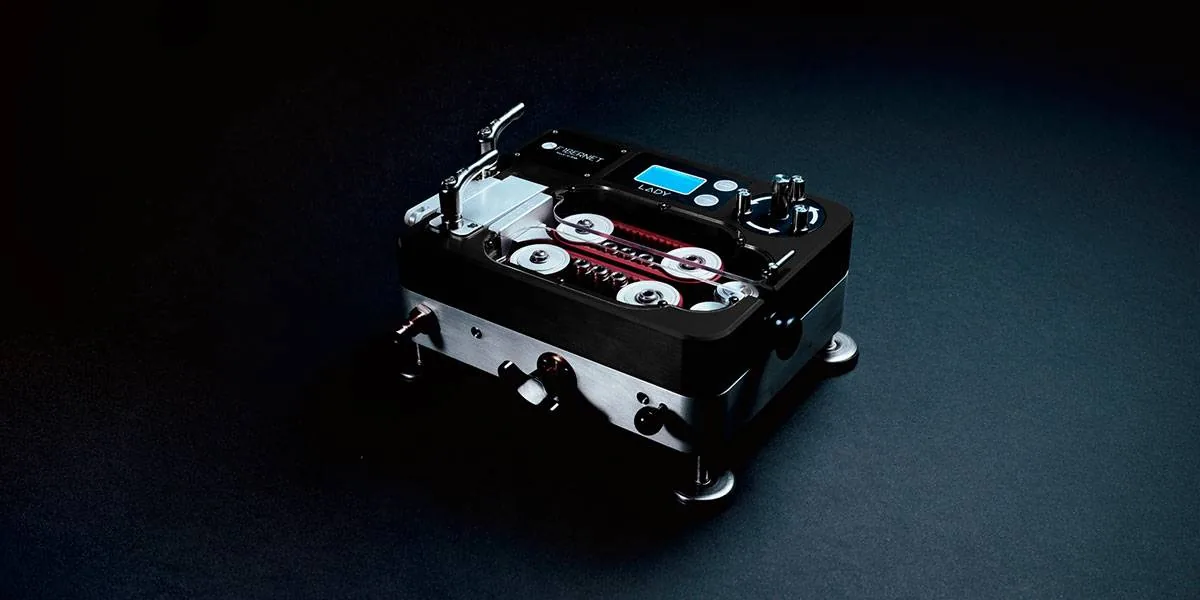
Compact and lightweight
A compact, lightweight machine for short runs.
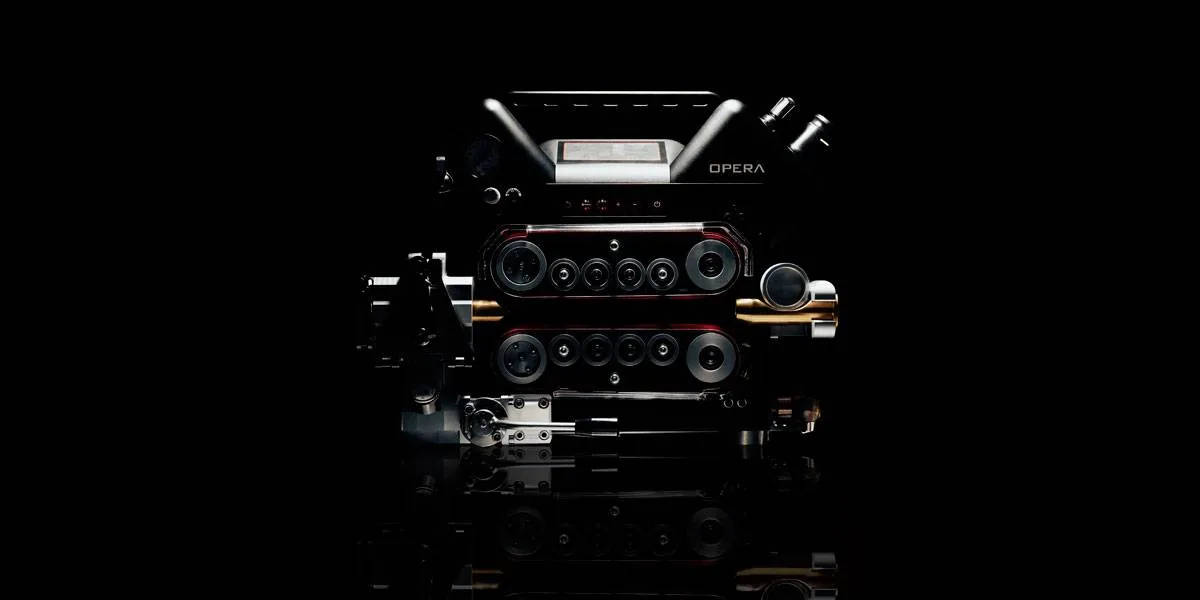
Pneumatic power
A pneumatic machine for long cable runs.
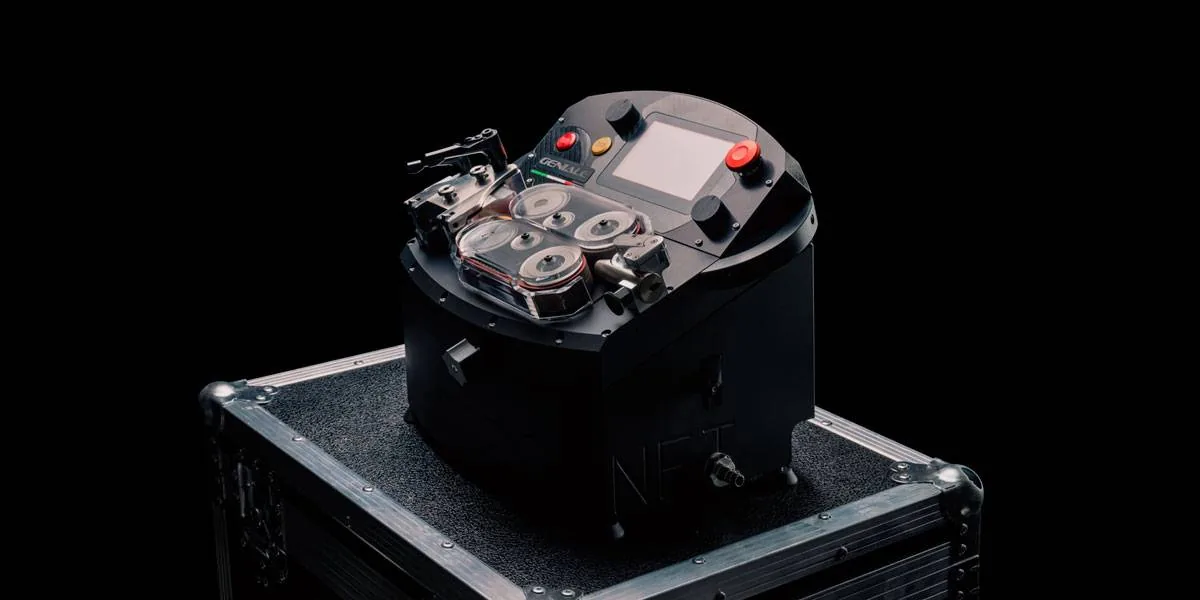
Electric, with two gears
For short and long runs. Two gears let you match force and speed to the job.
Specifications for the Fibernet range. The speeds shown are maximum values. Actual results depend on installation conditions and machine setup.
Direct from the manufacturer
When you’re working on site, you need practical answers. With Fibernet, you speak directly to the people who design and build your cable blowing machine.
Speak to a technicianA specialist technician can help when you need it.
Spare parts ready to ship, direct from the manufacturer.
If your machine breaks down, a replacement may be available within 48 hours.
Check availability and terms with your technician.Get help making the most of your machine, from your very first job.
See it in action before you choose
Request a free hands-on demonstration on your site or at Fibernet’s test facility. Discuss a real job with the technician.
Request a free demonstration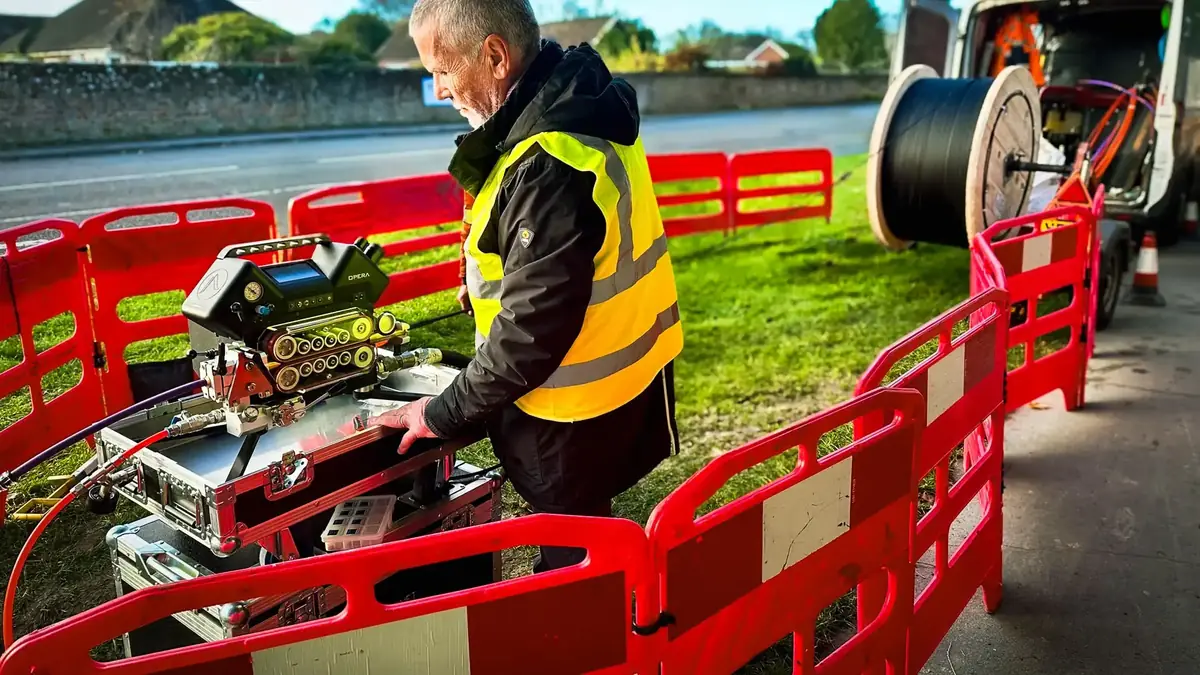
Selecting a fibre optic cable installation blower starts with understanding the conditions in which the machine will work. Cable diameter, duct internal diameter, route length, bends and changes in elevation all influence the installation process. A machine should therefore be assessed against the intended application rather than selected on a headline speed or distance alone. For telecommunications contractors working on Italian sites, this means gathering practical information before requesting a quotation: the cable specification, duct dimensions, expected route configuration and available compressed air supply. Fibernet offers a relevant starting point for that discussion, combining a technical background dating back to the early development of fibre installations in Italy with its own cable blowing machine development. Founded in 2001, the company introduced its first blower, Lady, in 2021. Its approach is rooted in the experience of founder Giancarlo Trinei, whose work in the sector began in the early 1980s. When evaluating a cable blower for fibre optic cable, the relationship between the drive mechanism and airflow deserves particular attention. The drive feeds the cable into the duct, while moving air helps carry it along the route. Successful operation depends on coordinating these actions within the limits specified for the cable, duct and equipment. Excessive pushing force is not a substitute for suitable preparation, and raising pressure without understanding the underlying restriction can create unnecessary risk. A useful technical enquiry should therefore address compatible cable sizes, suitable duct interfaces, drive adjustment, sealing arrangements and the required air supply. These details help establish whether a proposed configuration matches the job. Contractors should also consider how the machine will be positioned beside a chamber or duct entry. Stable placement, accessible controls and a controlled cable feed can make setup more manageable, especially where working space is restricted. The cable drum should allow smooth payout without introducing avoidable tension or tight bends. Before blowing begins, the duct should be checked and prepared using an appropriate procedure, with any lubricant selected for compatibility with the cable and duct materials. A compressed air fibre optic cable blower also needs an air supply assessed for both pressure and flow; one figure alone does not describe compressor suitability. Ask about connection requirements and any necessary air treatment rather than assuming that an existing compressor will be adequate. Providing Fibernet with these operating details creates a clearer basis for discussing a machine and requesting a project-specific quotation. It also helps avoid purchasing equipment around assumptions that only become visible once the crew reaches the site.
A productive cable blowing operation is built around a prepared route, a suitable machine configuration and a crew that understands the stopping conditions. Consider a contractor preparing several duct sections along a road: two sections may have similar lengths yet behave differently because one contains tighter bends, a less favourable entry angle or residual water. Treating both sections as identical can lead to unrealistic expectations. Before positioning the fibre optic cable installation blower, the team should confirm the route, inspect accessible duct ends and establish that the receiving end is controlled. Duct integrity, continuity and cleanliness should be checked using methods appropriate to the installation specification. These checks are especially valuable when responsibility for duct installation and cable blowing rests with different contractors. Clear acceptance criteria help prevent an unsuitable duct from being mistaken for a machine performance issue. Once preparation is complete, attention moves to the equipment setup. Cable guides and seals must match the intended dimensions, and the drive mechanism must be adjusted according to the machine instructions and cable limitations. Too little grip can cause slipping, while excessive compression may damage the cable. Operators should not rely on visual appearance alone when determining acceptable settings. The cable manufacturer's limits and the blower's operating documentation provide the necessary reference points. When comparing a pneumatic fibre optic cable blower with other configurations, ask how the proposed machine is powered, controlled and supplied with air. The terminology does not, by itself, establish the complete site requirement. An electric fibre optic cable blower may still use compressed air for the blowing process, so an electrical drive should not automatically be interpreted as eliminating the compressor. Confirming these distinctions before mobilisation helps the contractor plan power, air connections, transport and working space accurately. During installation, the crew should monitor cable movement and respond to changes rather than chase a predetermined speed. An unexpected reduction in progress can indicate increased resistance, an air supply issue, an unsuitable setting or a route problem. The appropriate response is to pause and investigate within the equipment's safety procedures, not simply increase force. Communication between the feed position and receiving point is equally important, particularly when the route is not visible from one location. After the run, recording the cable and duct dimensions, route characteristics, operating settings and outcome can support more informed planning for comparable sections. These records do not guarantee identical results elsewhere, but they provide a stronger reference than memory alone. Discussing such practical requirements with Fibernet helps frame the purchase around repeatable working procedures and genuine site needs, rather than an isolated performance claim.
The purchase price of a fibre optic cable installation blower is only one part of its commercial value. Contractors also need to consider configuration, maintenance, replacement wear components, transport and the consequences of equipment being unavailable during scheduled work. A quotation becomes more useful when it identifies what is included and what must be supplied separately. Depending on the proposed setup, questions may concern cable guides, duct connections, seals, air connections and any accessories required for the intended application. Rather than comparing totals without context, ask each supplier to explain the scope against the same cable and duct requirements. This makes it easier to identify differences that could otherwise appear only during commissioning. Fibernet's development as a family business provides context for customers seeking a direct relationship with an Italian manufacturer. Giancarlo Trinei founded the company in 2001 after building extensive technical experience in the sector. A generational transition began in 2010, when Matteo, Marta and Ismael joined the business, combining continuity with a new phase of development. The launch of Lady in 2021 marked the company's entry into its own cable blowing machine range. For buyers, this history is relevant as a basis for asking detailed questions about the product, its intended applications and the support arrangements available for a particular destination. Customers researching fibre optic cable blower price should provide more than a general product enquiry. Sharing typical cable sizes, duct dimensions, project frequency and operating conditions allows a more meaningful discussion of equipment suitability and quotation scope. International buyers should also confirm delivery arrangements, documentation language, applicable requirements and access to replacement components before placing an order. These points are particularly important when equipment will operate far from its supplier. A used fibre optic cable blower may appear attractive for occasional work, but its condition and completeness require careful assessment. Drive wear, seal condition, available accessories, maintenance history and the availability of operating documentation can affect the eventual cost. The same discipline applies when assessing a new machine: clarify maintenance tasks, consumable items and how technical enquiries are handled. No purchasing route removes the need to verify compatibility with the planned work. For a contractor building a longer-term equipment strategy, consistency across crews can also matter. Familiar controls, clearly documented setup procedures and an organised stock of suitable replacement parts may simplify day-to-day management, provided the selected equipment meets the range of applications. Contact Fibernet through its website with a concise description of your installation requirements, business location and expected workload. That information supports a focused conversation about the appropriate blower configuration, commercial proposal and practical arrangements for your project.
Fill in the form and discover what Fibernet Srl can do for you!
Contact us!Before you get started
If you prefer, speak to us directly.
+39 346 652 9915Compare the cable diameter, duct diameter and installation distance. Lady is compact and lightweight for short runs. Opera is pneumatic and designed for long runs. Geniale is electric and handles both. A Fibernet technician can help you choose.
Yes. You can request a free hands-on demonstration on your site or at Fibernet’s test facility. Tell us what you need in the form and a technician will arrange it with you. Request a demonstration.
To get a price, contact a Fibernet adviser using the form or call +39 346 652 9915.
Fibernet offers direct technical support, spare parts ready to ship and dedicated training. If your machine breaks down, a replacement may be available. Ask your technician about availability and terms.
Tell us about your job. We’ll help you find the right cable blowing machine.