Emanuele Zanda
Google review
★★★★★
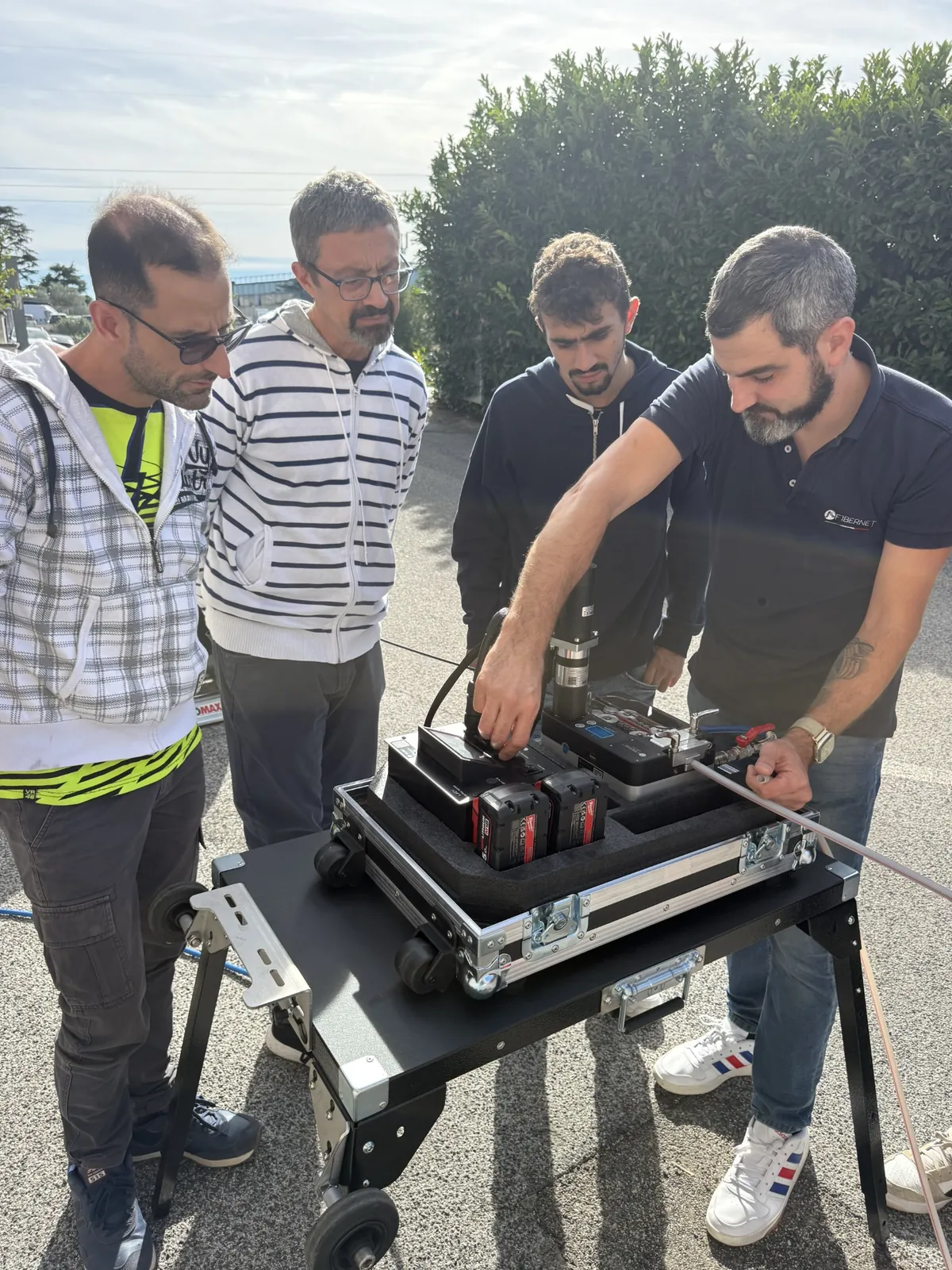
Read on Google“An excellent experience on the installer training course. The whole team was professional and knowledgeable.”
Cable blowing machines · Made in Italy
From last-mile connections to long-distance runs, a Fibernet technician can help you choose the right machine for your fibre optic cable installation.
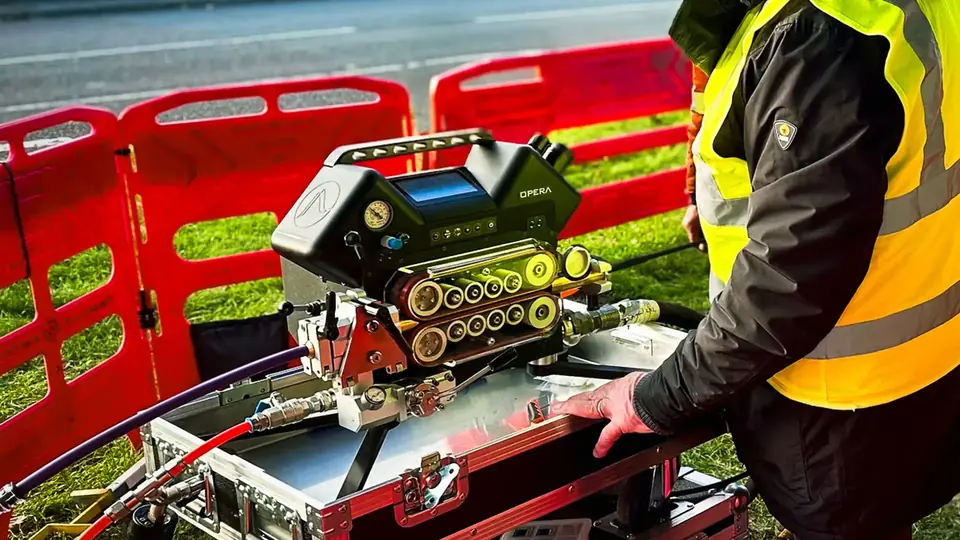
Opera, image 1 of 3
Expert advice direct from the manufacturer / Free demonstration on request
Some of our customers.

Keep your installation moving with Fibernet cable blowing machines.
Photos and stories from installers, published by Fibernet.
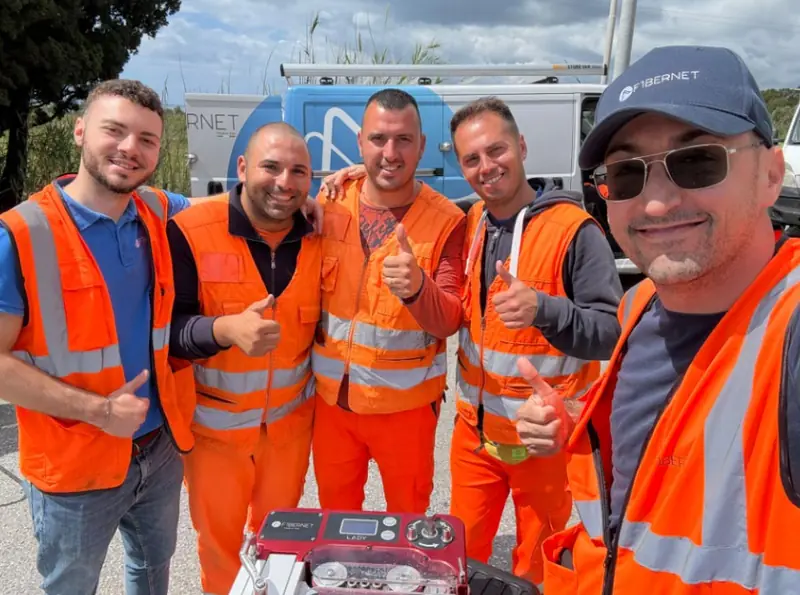
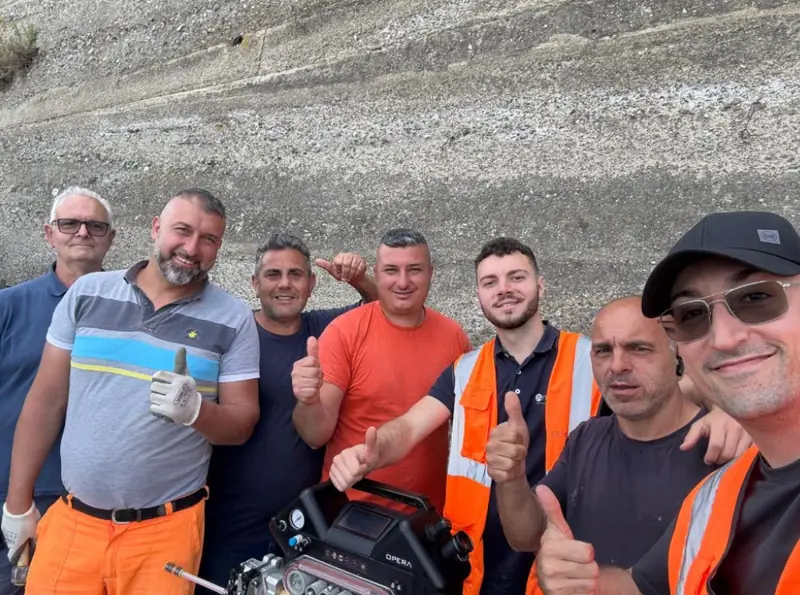
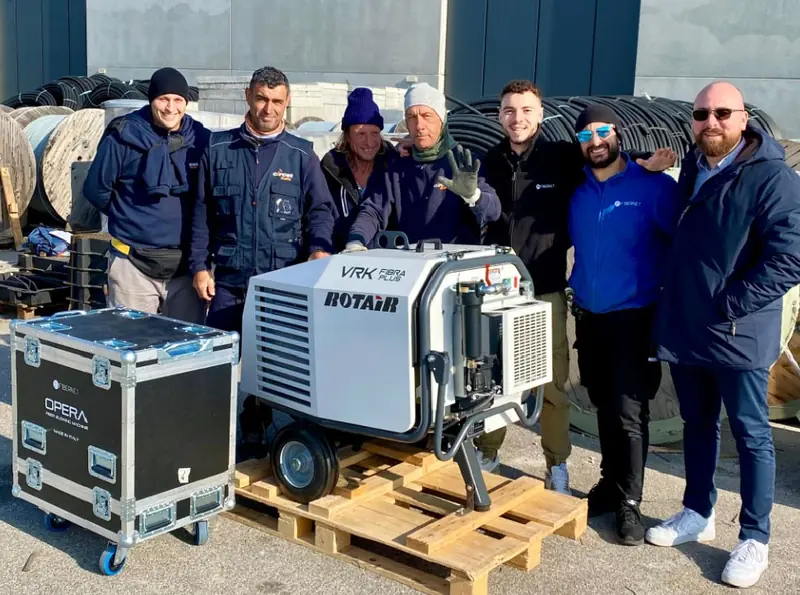
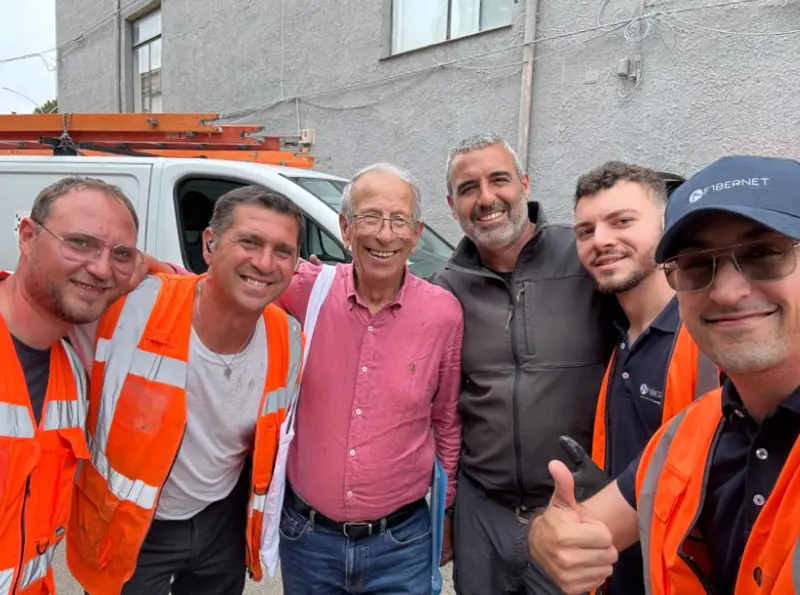
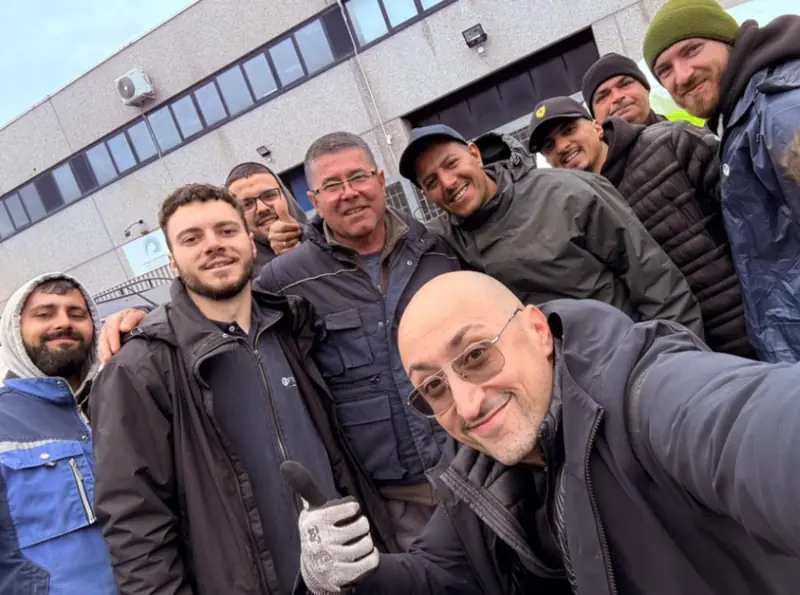
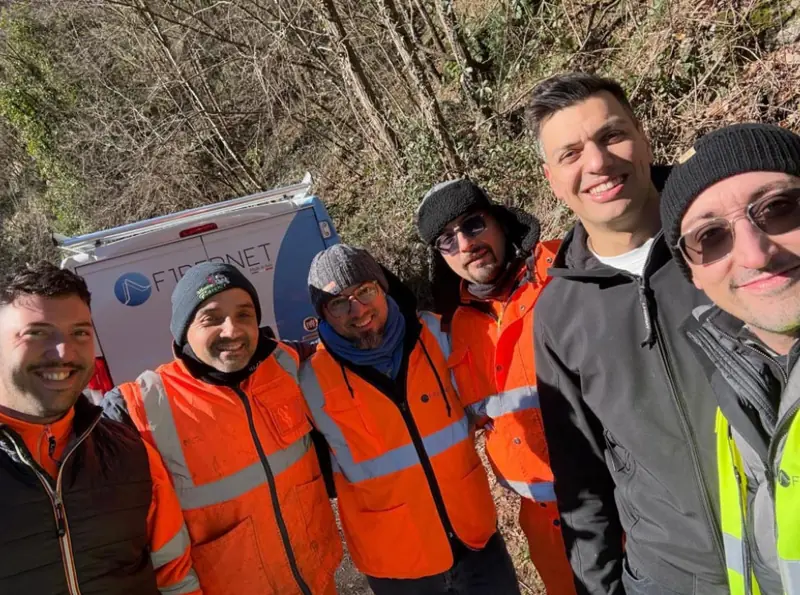 GoogleExcellentBased on 176 reviewsRead the reviews
Read on Google“An excellent experience on the installer training course. The whole team was professional and knowledgeable.”
Read on Google“I had the chance to try the Opera cable blowing machine on site…”
Read on Google“I really enjoyed this course. It took place in a pleasant setting with friendly, helpful people.”
Stories from installers
Hear the results from the installers themselves. Watch their testimonials right here.
Product videos
Three machines. Find your fit.
Start with the job at hand. Our technician can answer your questions about the right setup.
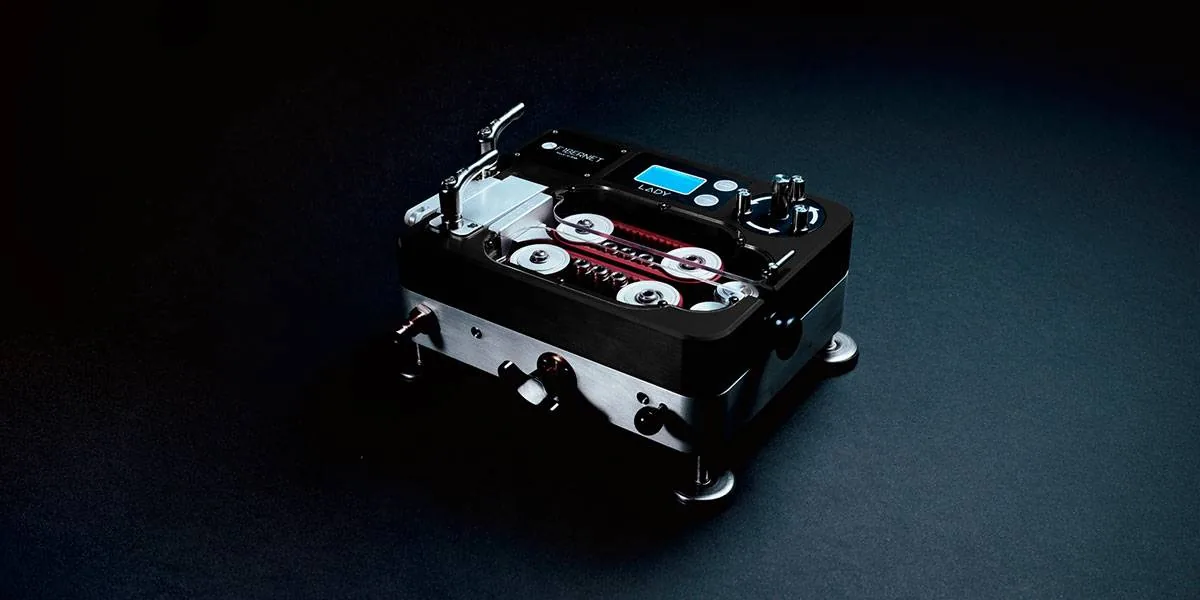
Compact and lightweight
A compact, lightweight machine for short runs.
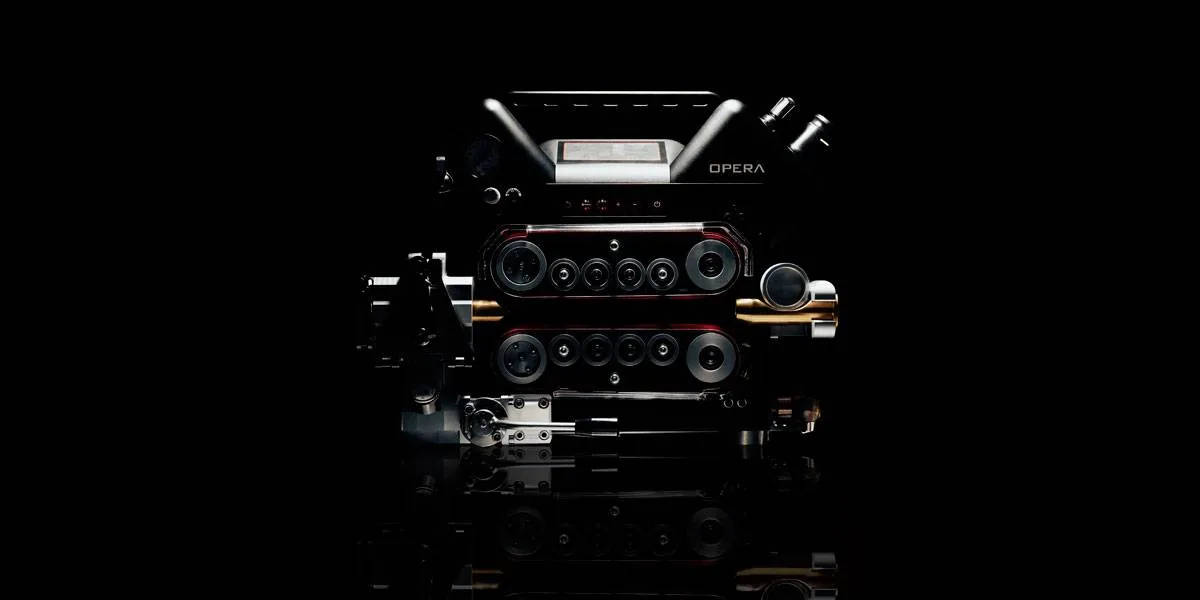
Pneumatic power
A pneumatic machine for long cable runs.
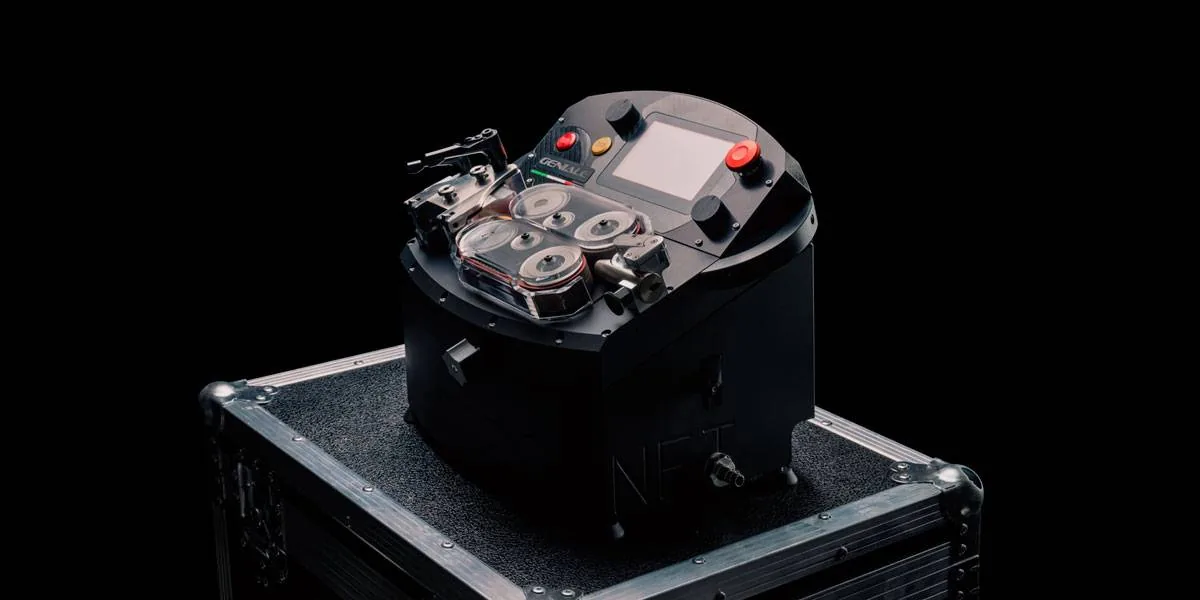
Electric, with two gears
For short and long runs. Two gears let you match force and speed to the job.
Specifications for the Fibernet range. The speeds shown are maximum values. Actual results depend on installation conditions and machine setup.
Direct from the manufacturer
When you’re working on site, you need practical answers. With Fibernet, you speak directly to the people who design and build your cable blowing machine.
Speak to a technicianA specialist technician can help when you need it.
Spare parts ready to ship, direct from the manufacturer.
If your machine breaks down, a replacement may be available within 48 hours.
Check availability and terms with your technician.Get help making the most of your machine, from your very first job.
See it in action before you choose
Request a free hands-on demonstration on your site or at Fibernet’s test facility. Discuss a real job with the technician.
Request a free demonstration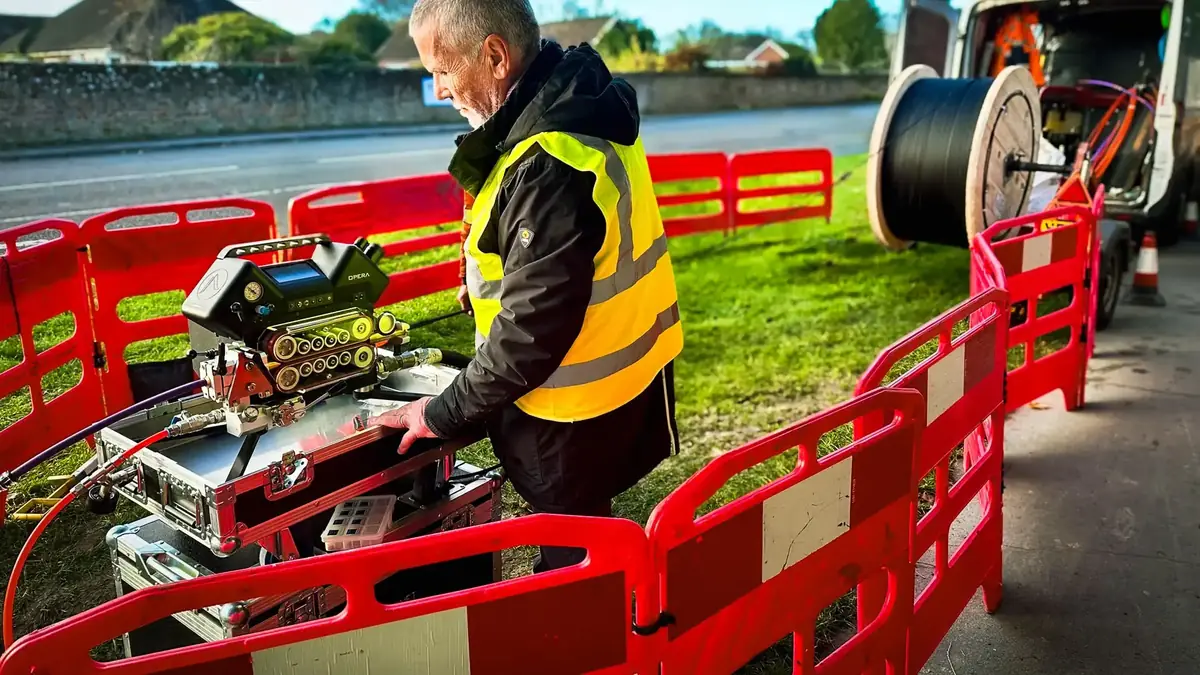
A fiber optic cable pusher should be selected around the cable, the duct and the conditions your installation team will actually encounter. The term can describe equipment that mechanically advances a cable, while a blowing system combines controlled mechanical feeding with compressed air. These functions are related, but they are not interchangeable in every application. Before choosing equipment, establish whether your installation method requires mechanical assistance alone or a coordinated feeding and blowing process. Fibernet provides a direct point of contact for discussing these requirements, helping contractors and telecommunications businesses frame their enquiry around practical operating needs rather than an equipment name alone. A useful starting point is the outside diameter and construction of the cable, together with its manufacturer's limits for installation force and bending radius. The duct's internal diameter, material, condition and route geometry also matter. A route containing several tight changes of direction presents different challenges from a straight, clean duct, even when both sections have the same length. For teams evaluating a cable blower for fiber optic cable installation, these details help establish which equipment characteristics need closer assessment. Air availability is another essential consideration. Compressor pressure and airflow must be evaluated together and checked against the requirements of the proposed machine and installation method. More pressure is not automatically a remedy for friction, leakage or an unsuitable cable and duct combination. Discuss the available compressor, the connection arrangements and any relevant air preparation requirements before making a purchasing decision. Mechanical feeding also deserves careful attention. Contact surfaces must suit the cable, and the applied force should remain within permitted limits. Excessive pressure on the cable jacket or uncontrolled pushing can compromise the installation rather than improve it. Operators need an appropriate way to monitor progress, recognise increasing resistance and stop when conditions require investigation. Access at the launch point, space for the cable drum and safe positioning of hoses all influence how efficiently equipment can be used on site. When comparing a fiber optic cable blowing machine with a mechanically driven pushing solution, ask how each option fits the actual work sequence. Consider setup, cable loading, duct connection, control access and cleaning after use. A machine that matches the intended task is more valuable than an impressive headline specification that cannot be reproduced under site conditions. Send Fibernet the available cable and duct specifications, an outline of the route and your expected working environment. That information creates a stronger basis for discussing suitable equipment, identifying questions that need resolving and requesting a proposal grounded in your installation requirements.
Fibernet was founded in 2001, drawing on technical experience that reaches back to the early development of fibre installation in Italy. Its founder, Giancarlo Trinei, worked with fibre systems from the early 1980s and participated in the installation and testing of some of the country's first submarine cables for the Ministry of Telecommunications. That background provides context for the company's emphasis on practical engineering and equipment intended to simplify the work of installation professionals. In 2021, Fibernet launched its first cable blowing machine, Lady, marking an important step in its development of equipment for this specialist market. For a business researching a fiber optic cable pusher, this history is most useful when it leads to a focused technical conversation. Rather than assuming that one machine suits every cable or duct, begin by describing the jobs your crews perform most frequently. A contractor handling repeated short sections may assess equipment differently from a team working on longer routes with more demanding access conditions. The relevant comparison should address the complete operating arrangement, including the machine, the cable supply, the duct interface and the air source where blowing is involved. Ask which configurations are available for your intended cable and duct dimensions, and request confirmation of the corresponding operating limits. Where accessories or alternative components are required, establish what is included in the quotation and what must be specified separately. This is particularly important when comparing a fiber optic cable jetting machine with another installation solution that appears similar in a short product description. Comparable quotations need comparable scope. A price without clear configuration details may say little about whether the equipment is ready for your intended work. Fibernet's family leadership has also evolved over time. Matteo, Marta and Ismael joined the business during the generational transition that began in 2010, combining continuity with the ambition to build an international presence. For customers, the practical priority remains access to accurate product information and clear commercial arrangements. When assessing a fiber optic cable blowing machine price, consider the equipment specification alongside the information needed for ownership: routine inspection, cleaning, consumable components, replacement parts and the documentation supplied with the machine. Confirm these points directly rather than assuming that all manufacturers offer identical arrangements. For projects in Italy or purchasing enquiries from abroad, explain the destination and the expected deployment schedule early in the discussion. Ask Fibernet to confirm the proposed configuration, current availability, delivery arrangements and applicable documentation. This approach connects the company's Italian technical roots with the concrete decisions that determine whether an equipment purchase will serve your installation team effectively.
The value of a fiber optic cable pusher becomes clearer when you examine an entire working day rather than a single installation run. Transport, unloading, positioning, preparation and checks all take time before the cable begins moving. After the run, crews must disconnect the equipment safely, inspect contact surfaces and seals where fitted, remove contamination and prepare for the next location. A purchasing decision should therefore consider how the proposed machine fits your normal site routine, not just the maximum performance stated for particular test conditions. Start with the launch area. The cable drum needs a stable position and a controlled payout path that avoids unnecessary bending or drag. The machine and duct should be aligned according to the manufacturer's instructions, and the work area should allow operators to reach controls without stepping across moving cable or pressurised connections. Where compressed air is used, hoses, couplings and associated components must be suitable for the intended operating conditions. Personnel should follow the equipment documentation and the site's safety procedures, including safe isolation before opening connections or carrying out maintenance. During installation, record useful observations rather than relying only on a final distance figure. Changes in feeding behaviour, interruptions, route conditions and the reasons for stopping can help explain why apparently similar jobs produce different results. These records can also improve future equipment enquiries by giving Fibernet a more precise account of the challenges your crews encounter. When reviewing a fiber optic cable blower price, place the quotation within this wider operational picture. Relevant costs may include configuration-specific accessories, transport, compatible air provision, replacement wear components and the time needed for routine preparation. None of these should be assumed to be included without confirmation. An attractive purchase price does not establish suitability, while a higher figure does not by itself guarantee better productivity. The right comparison is between clearly specified solutions for the same installation requirement. A used fiber optic cable blowing machine deserves an equally careful assessment. Ask for identifiable equipment details, service records where available, evidence of condition and confirmation that suitable parts and operating documentation can be obtained. Check whether the offered configuration matches your cable and duct dimensions before treating it as a direct alternative to new equipment. For any proposed machine, request clarification of maintenance responsibilities, applicable warranty terms and the process for technical enquiries. Fibernet can be contacted with a structured project brief covering cable dimensions, duct dimensions, route characteristics, available utilities and destination. Whether your team works in Italy or is sourcing equipment for deployment abroad, a clearly defined enquiry supports a more useful discussion about configuration, commercial scope and the next steps towards an informed purchase.
Fill in the form and discover what Fibernet Srl can do for you!
Contact us!Before you get started
If you prefer, speak to us directly.
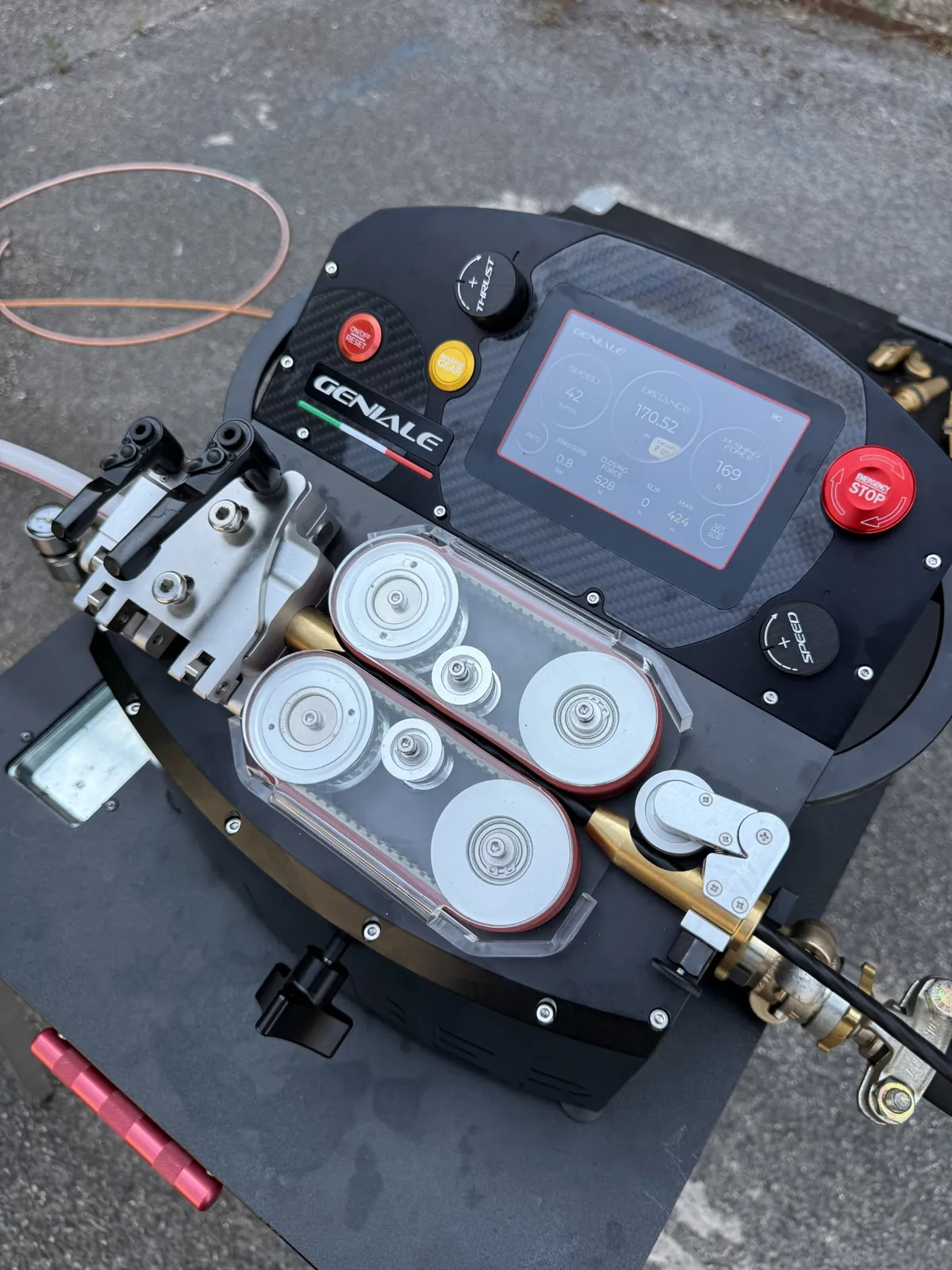
+39 346 652 9915Compare the cable diameter, duct diameter and installation distance. Lady is compact and lightweight for short runs. Opera is pneumatic and designed for long runs. Geniale is electric and handles both. A Fibernet technician can help you choose.
Yes. You can request a free hands-on demonstration on your site or at Fibernet’s test facility. Tell us what you need in the form and a technician will arrange it with you. Request a demonstration.
To get a price, contact a Fibernet adviser using the form or call +39 346 652 9915.
Fibernet offers direct technical support, spare parts ready to ship and dedicated training. If your machine breaks down, a replacement may be available. Ask your technician about availability and terms.
Tell us about your job. We’ll help you find the right cable blowing machine.