Emanuele Zanda
Google review
★★★★★
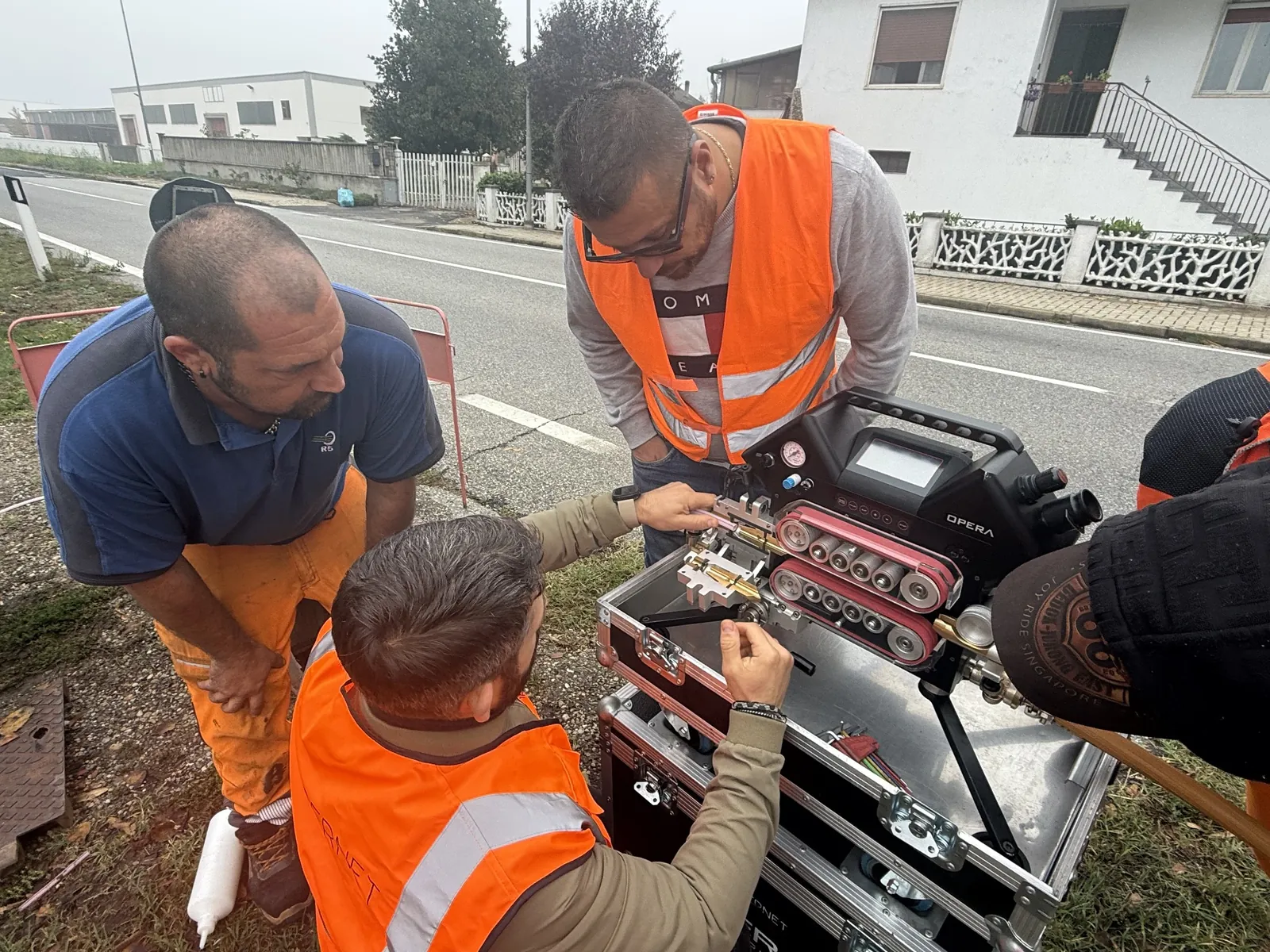
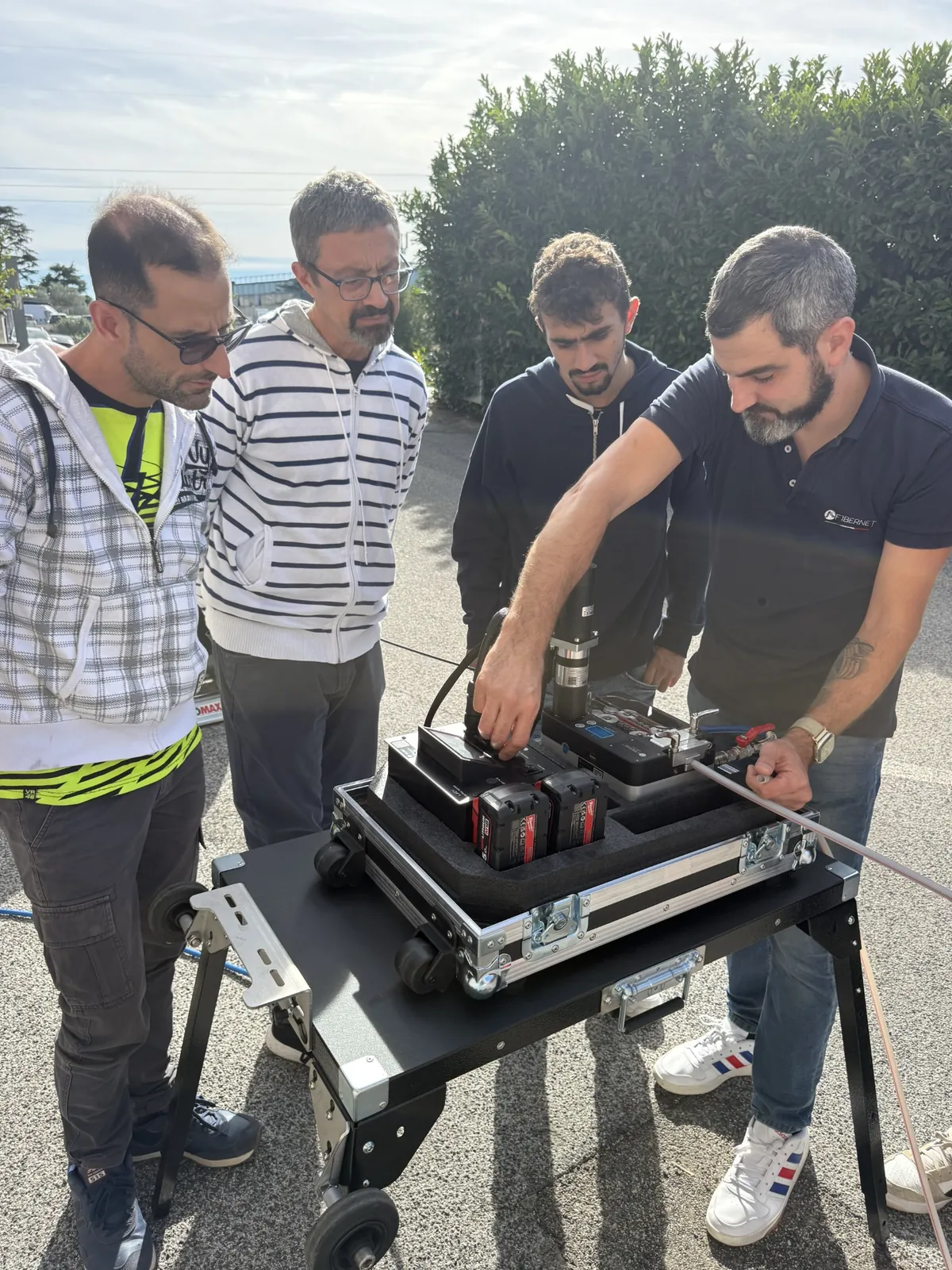
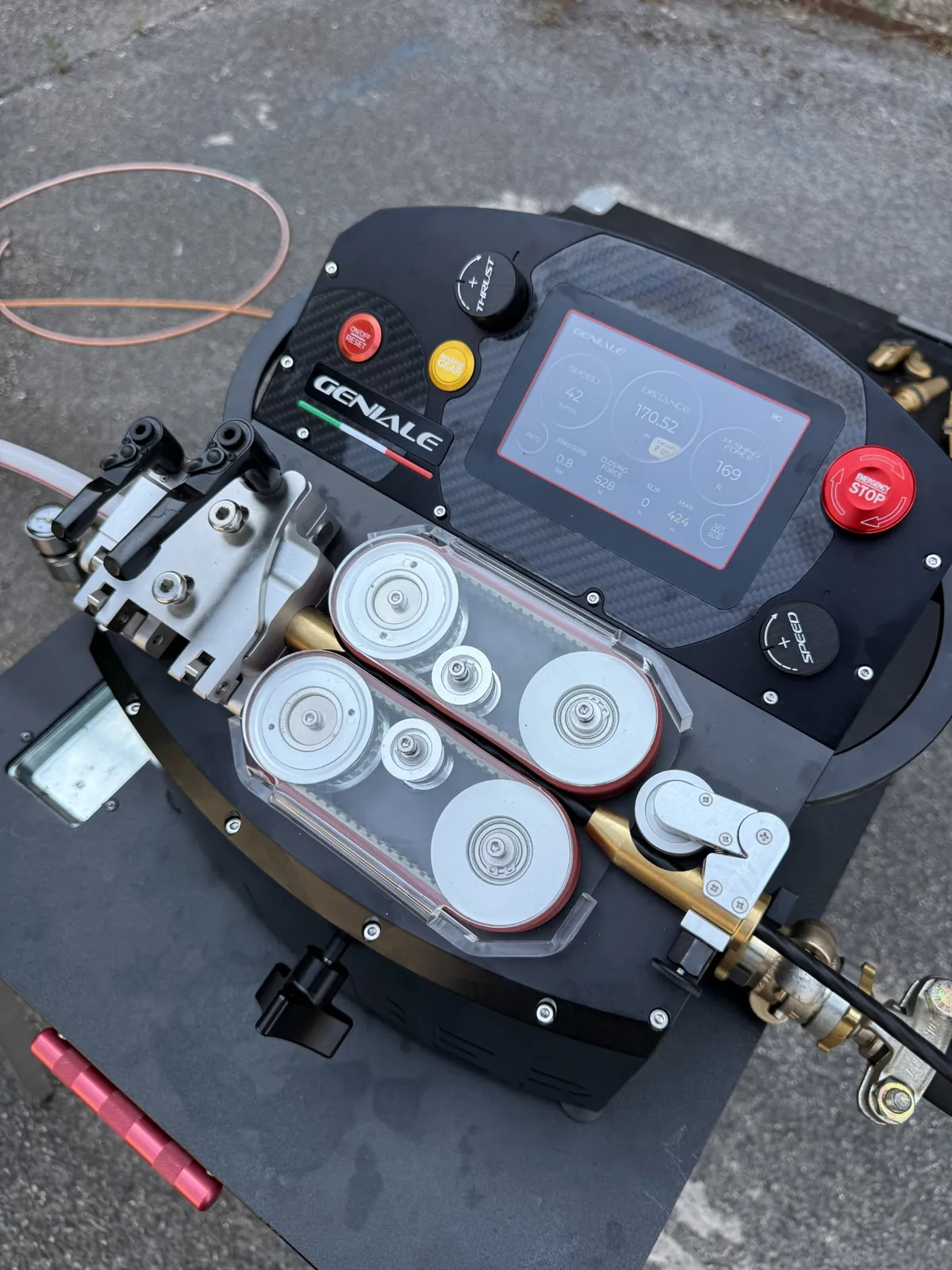
Read on Google“An excellent experience on the installer training course. The whole team was professional and knowledgeable.”
Cable blowing machines · Made in Italy
From last-mile connections to long-distance runs, a Fibernet technician can help you choose the right machine for your fibre optic cable installation.
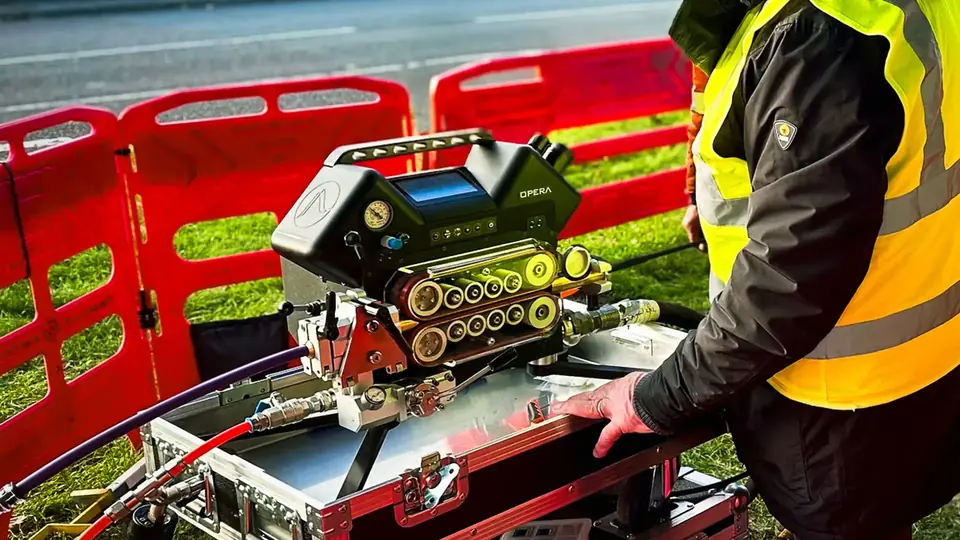
Opera, image 1 of 3
Expert advice direct from the manufacturer / Free demonstration on request
Some of our customers.

Keep your installation moving with Fibernet cable blowing machines.
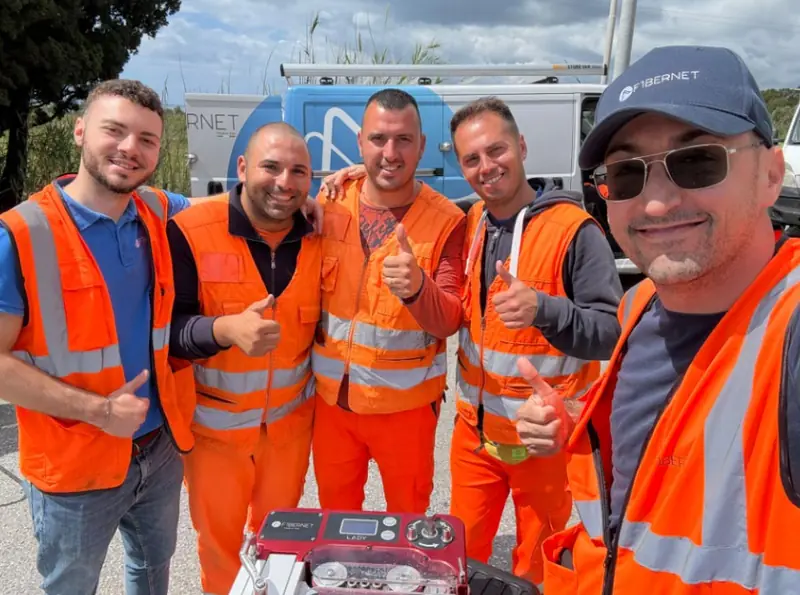
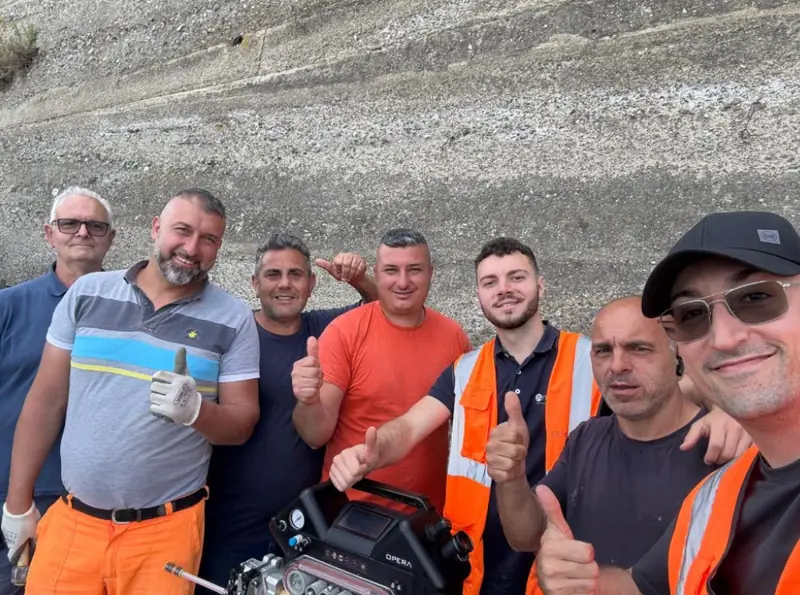
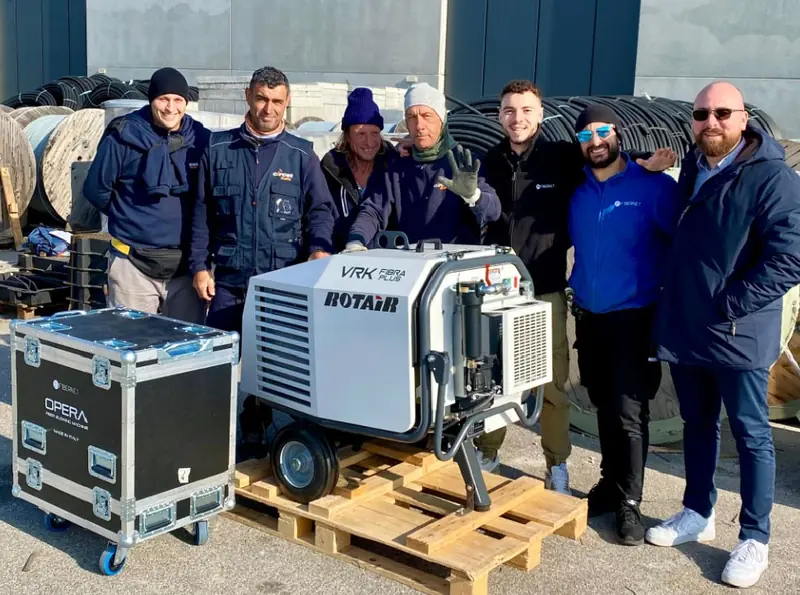
Photos and stories from installers, published by Fibernet.
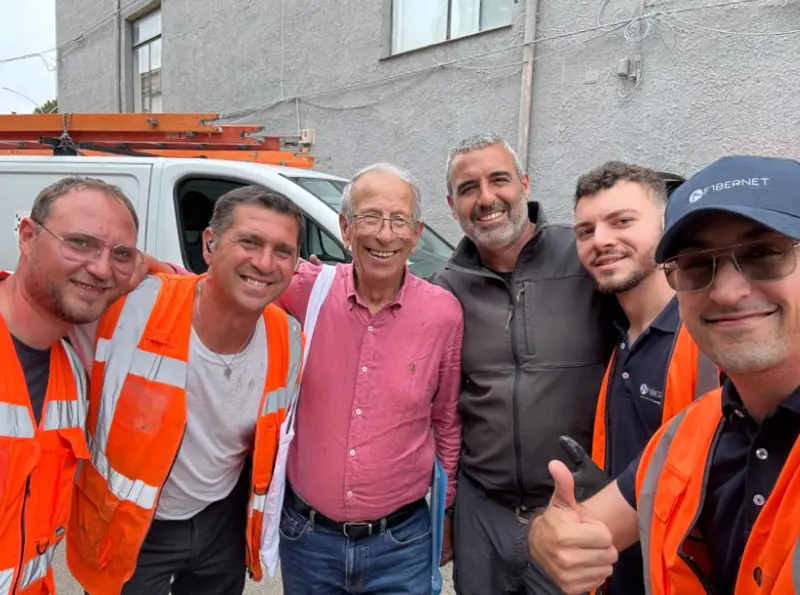
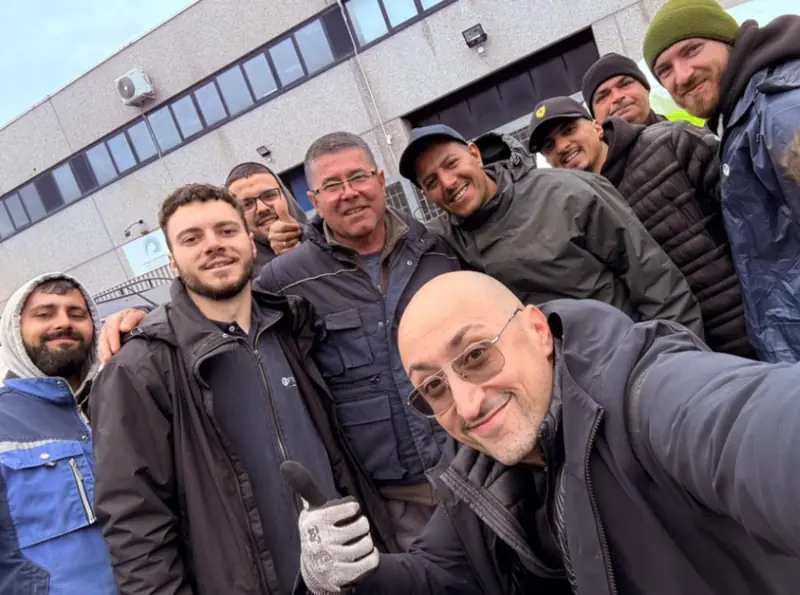
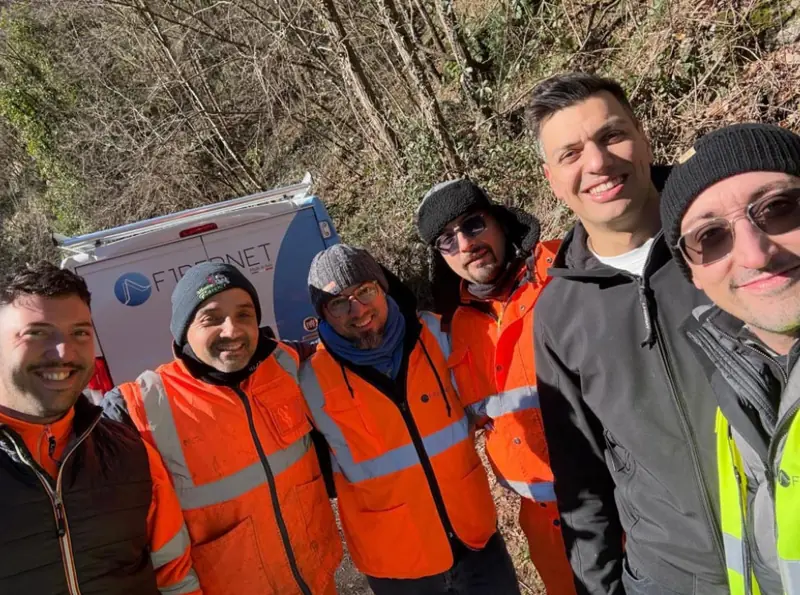 GoogleExcellentBased on 176 reviewsRead the reviews
Read on Google“An excellent experience on the installer training course. The whole team was professional and knowledgeable.”
Read on Google“I had the chance to try the Opera cable blowing machine on site…”
Read on Google“I really enjoyed this course. It took place in a pleasant setting with friendly, helpful people.”
Stories from installers
Hear the results from the installers themselves. Watch their testimonials right here.
Product videos
Three machines. Find your fit.
Start with the job at hand. Our technician can answer your questions about the right setup.
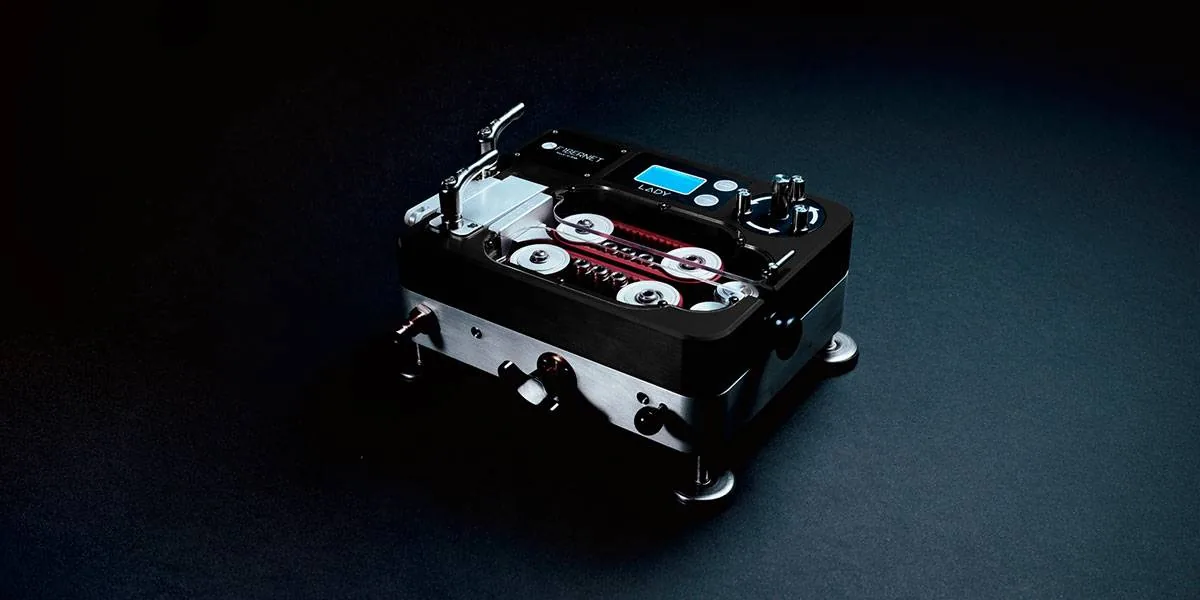
Compact and lightweight
A compact, lightweight machine for short runs.
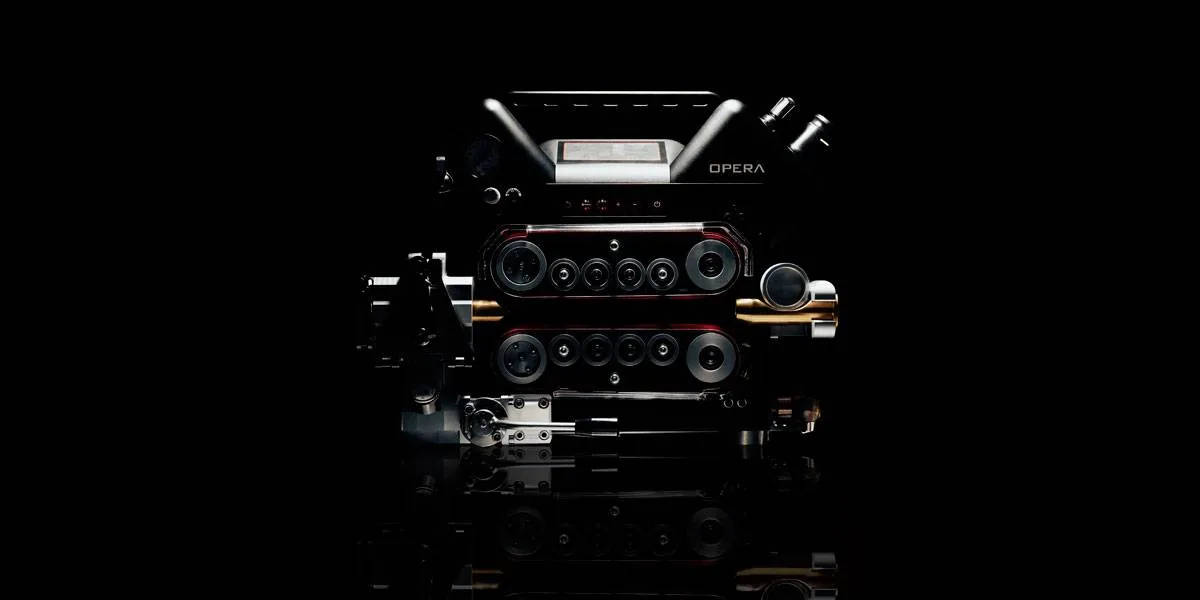
Pneumatic power
A pneumatic machine for long cable runs.
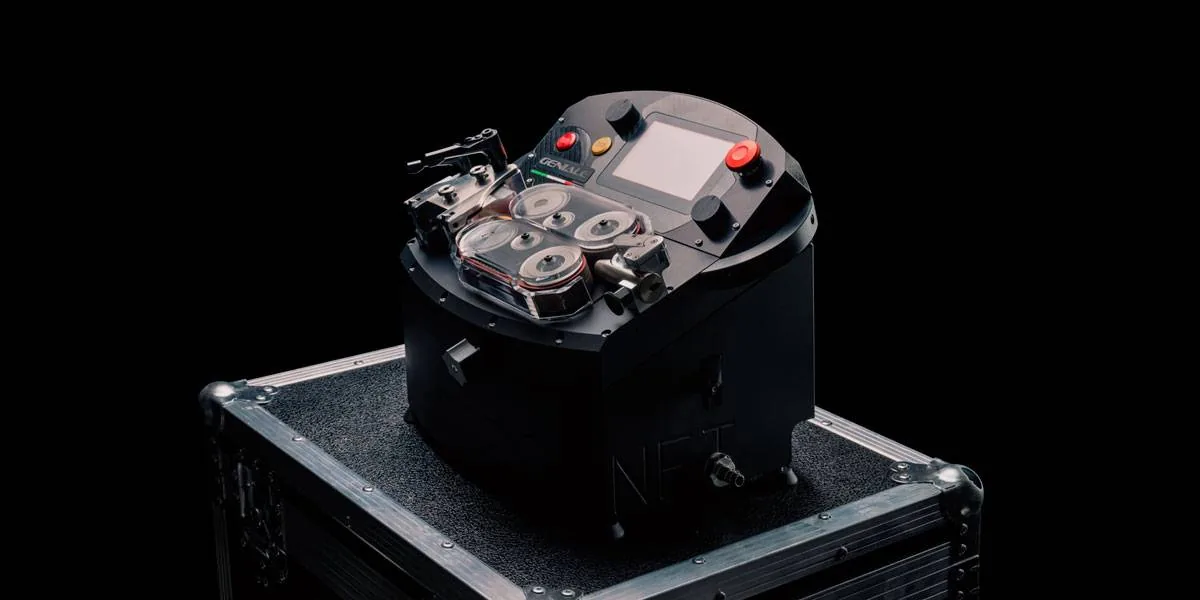
Electric, with two gears
For short and long runs. Two gears let you match force and speed to the job.
Specifications for the Fibernet range. The speeds shown are maximum values. Actual results depend on installation conditions and machine setup.
Direct from the manufacturer
When you’re working on site, you need practical answers. With Fibernet, you speak directly to the people who design and build your cable blowing machine.
Speak to a technicianA specialist technician can help when you need it.
Spare parts ready to ship, direct from the manufacturer.
If your machine breaks down, a replacement may be available within 48 hours.
Check availability and terms with your technician.Get help making the most of your machine, from your very first job.
See it in action before you choose
Request a free hands-on demonstration on your site or at Fibernet’s test facility. Discuss a real job with the technician.
Request a free demonstration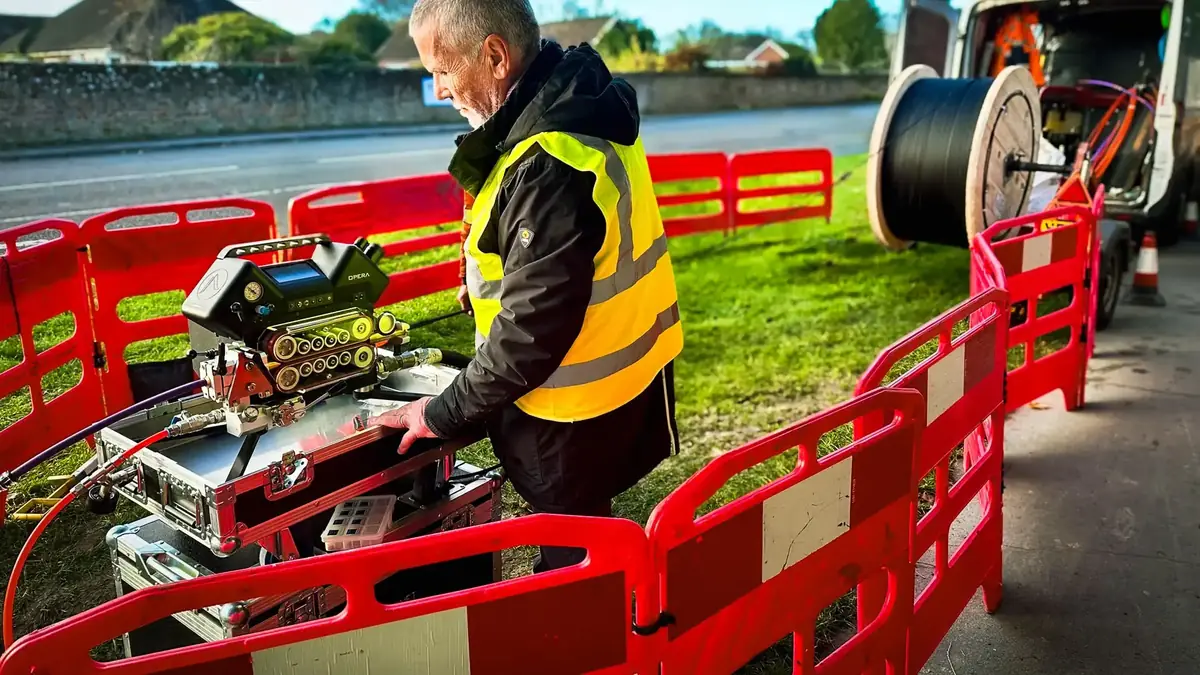
Looking for a fibre blowing machine on rent should begin with the installation requirements, rather than the hire period alone. A machine that appears suitable in a catalogue still needs to match the cable, duct and working conditions of the actual project. For contractors working on Italian sites, this means gathering reliable measurements before requesting equipment advice: cable outside diameter, duct internal and external diameters, intended section lengths and the characteristics of the cable sheath. Fibernet provides a relevant point of contact for discussing these requirements, drawing on the technical background behind its cable blowing equipment. Rental availability, contractual arrangements and the suitability of any proposed configuration should be confirmed directly rather than assumed. A useful enquiry describes how the cable will enter the duct, where the machine will stand and whether access limitations affect the working position. Tight chambers, restricted pavement areas and changes in route direction can influence preparation and handling. The cable manufacturer’s installation limits are equally important, especially permissible pushing force and minimum bending radius. These values help establish appropriate operating boundaries; they should never be replaced by a general promise about achievable distance. The condition of the duct also matters. Before installation, the crew should check continuity, cleanliness and integrity using procedures appropriate to the duct system. Poor joints, water, obstructions or excessive leakage can reduce performance even when the machine itself is correctly selected. When discussing a fibre cable blowing machine on rent, include information about the compressed air supply available on site. Pressure alone does not describe compressor suitability: delivered airflow, air quality, hose dimensions and connection arrangements also require attention. Ask which cable guides, duct clamps and sealing components would be needed for the proposed combination, and which items would be included in any eventual equipment arrangement. Compatibility should be established using the specifications of the particular machine, not by assuming that every accessory fits every cable. It is also worth describing the planned workflow. One crew may need to move equipment between several short sections during a shift, while another may work from a fixed position for a longer installation. Those differences affect handling priorities and the practical value of the proposed setup. Prepare a short technical brief with photographs where helpful, then contact Fibernet through its website to discuss the application. This gives the conversation a concrete starting point and helps distinguish confirmed machine capabilities from project assumptions. The result should be a clearer equipment specification, a realistic understanding of preparation needs and an informed discussion about whether rental is available and appropriate for the work.
The daily charge is only one part of the decision when evaluating a fibre blowing machine on rent. Contractors also need to understand when the equipment can arrive, what accessories are necessary and how delays would affect the agreed usage period. A low headline rate offers little benefit if the machine reaches the site before the ducts are ready or without the components required for the selected cable. Start by separating the planned installation window from the broader construction programme. Identify when duct checks will be completed, when the cable drums will be available and when the working area can be accessed. These milestones provide a more useful basis for discussing dates than an optimistic estimate of installation speed. Ask for written clarification of the commercial terms of any rental proposal, if available. Relevant points include the charging period, transport responsibilities, deposits, collection arrangements, extension conditions and the procedure for reporting damage or technical problems. None of these details should be inferred from a general equipment enquiry. For work in Italy, clarify whether the quotation includes VAT and how delivery to the specific site would be managed. For projects outside Italy, establish any additional transport, customs or return requirements before committing to dates. Fibernet’s website is a starting point for requesting information about its machines and discussing the arrangements that may suit your location; it is not a reason to assume that identical rental conditions apply everywhere. Comparing temporary access with ownership can also be useful when a contractor has several upcoming installation programmes. A fibre blowing machine price should be considered alongside expected utilisation, storage, maintenance planning and the availability of suitable operators. Ownership may deserve closer examination when the same equipment configuration will be needed regularly, while a shorter requirement may justify investigating rental options. The comparison should use confirmed quotations and realistic workload forecasts, rather than an assumed saving. Include consumables and application specific accessories in the calculation. Seals and guiding components must suit the selected cable and duct, and any lubrication should follow the relevant equipment and cable guidance. Check what is supplied, what must be purchased separately and what condition each item must be returned in. These practical details help prevent avoidable interruptions during a tightly scheduled job. Finally, assign responsibility within the crew for receiving the equipment, checking its condition and retaining the agreed documentation. Recording the configuration and supplied components at handover can simplify both preparation and return. Contact Fibernet with your anticipated dates, technical requirements and project location to request a clear discussion of suitable equipment and any available commercial options. An informed comparison is based on the complete working arrangement, not simply the smallest figure on a quotation.
Good preparation makes the discussion about a fibre blowing machine on rent more useful because it reveals what the crew actually needs to operate effectively. Fibernet launched its first cable blowing machine, Lady, in 2021, building on the technical experience behind a business founded in 2001. That background provides context for an equipment enquiry, but the practical questions should remain specific to your installation. Ask for the documentation relevant to the proposed model and configuration, including operating instructions, compatibility information and applicable maintenance requirements. The team should understand how to set up the equipment within its stated limits before work begins. Establish a stable working position and a controlled cable feed from the drum to the machine. Avoid arrangements that introduce unnecessary bending or rubbing before the cable even reaches the duct entrance. Check that the selected guides and seals correspond to the dimensions being installed, and inspect components for wear or damage according to the manufacturer’s instructions. Any setup change should be assessed before restarting the operation. Compressed air introduces hazards that require deliberate control. Hoses, couplings and duct connections must be suitable for the intended conditions, and personnel should follow the relevant procedures for isolation and depressurisation. Never disconnect pressurised components or attempt an adjustment that conflicts with the machine instructions. Appropriate protective equipment, a managed work area and clear communication between crew members are important parts of the installation method. When evaluating a fibre optic cable blowing machine, ask how the specific model allows the operator to monitor and control the installation. Available functions vary, so force adjustment, speed control and measurement features should be checked against the actual specification rather than presumed. The objective is controlled cable movement within the limits prescribed for the equipment, cable and duct. More air or more pushing force is not automatically the answer when progress slows. A pause to investigate resistance may prevent cable damage and unnecessary equipment stress. Keep a useful installation record for each section. Note the cable and duct dimensions, route length, relevant setup details, interruptions and observations made by the operator. If assistance becomes necessary, this information gives the technical contact a clearer picture than a general report that the cable has stopped moving. Photographs of the setup may also help, provided they can be taken safely. Before returning temporarily supplied equipment, follow the agreed cleaning, inspection and packing requirements. Report any operational issues accurately so that their cause can be assessed. For your initial enquiry to Fibernet, bring together the project specification, proposed working method and outstanding questions. This allows the discussion to focus on machine suitability, documentation and confirmed availability, helping your team prepare a more dependable installation process without relying on unsupported performance promises.
Fill in the form and discover what Fibernet Srl can do for you!
Contact us!Before you get started
If you prefer, speak to us directly.
+39 346 652 9915Compare the cable diameter, duct diameter and installation distance. Lady is compact and lightweight for short runs. Opera is pneumatic and designed for long runs. Geniale is electric and handles both. A Fibernet technician can help you choose.
Yes. You can request a free hands-on demonstration on your site or at Fibernet’s test facility. Tell us what you need in the form and a technician will arrange it with you. Request a demonstration.
To get a price, contact a Fibernet adviser using the form or call +39 346 652 9915.
Fibernet offers direct technical support, spare parts ready to ship and dedicated training. If your machine breaks down, a replacement may be available. Ask your technician about availability and terms.
Tell us about your job. We’ll help you find the right cable blowing machine.