Emanuele Zanda
Google review
★★★★★
Read on Google“An excellent experience on the installer training course. The whole team was professional and knowledgeable.”
Cable blowing machines · Made in Italy
From last-mile connections to long-distance runs, a Fibernet technician can help you choose the right machine for your fibre optic cable installation.
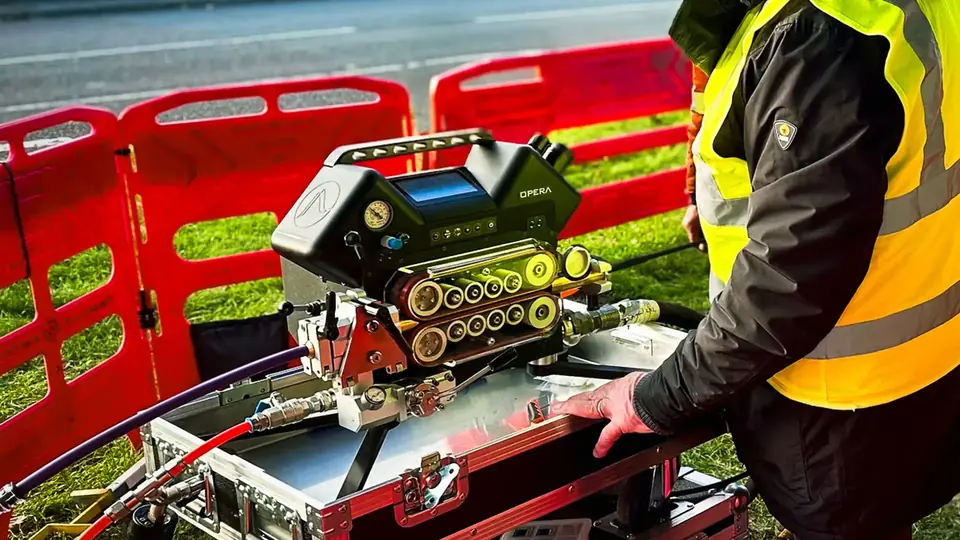
Opera, image 1 of 3
Expert advice direct from the manufacturer / Free demonstration on request
Some of our customers.
Keep your installation moving with Fibernet cable blowing machines.
Photos and stories from installers, published by Fibernet.
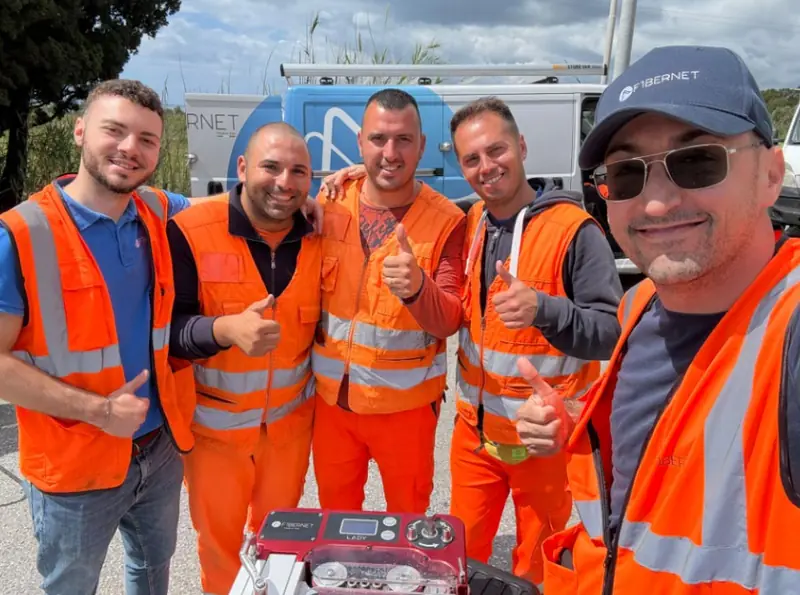
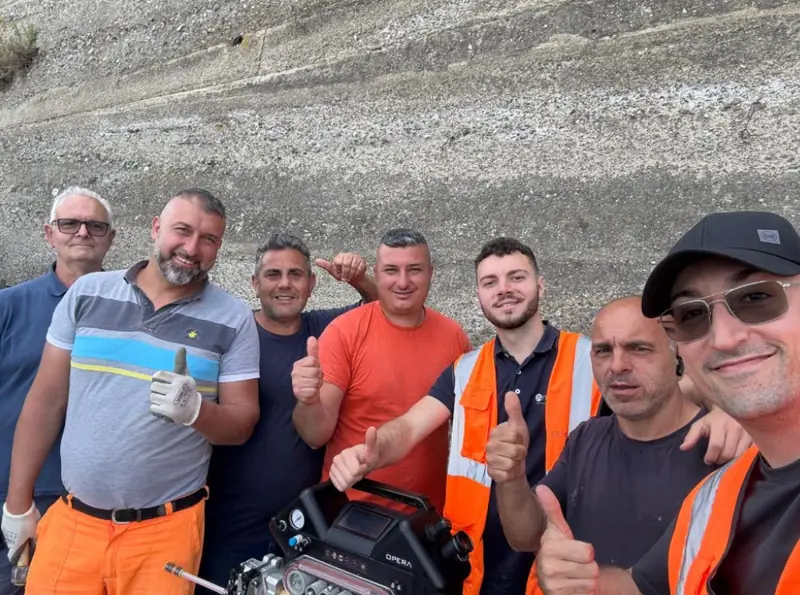
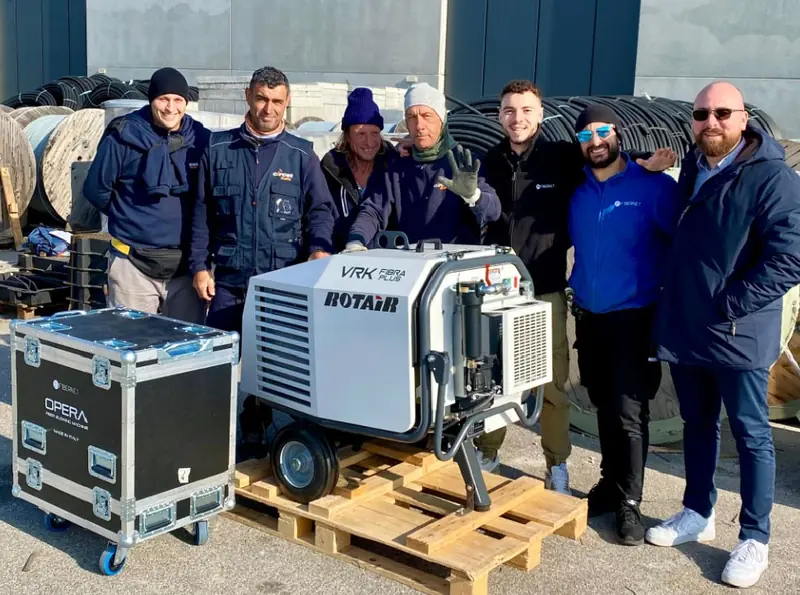
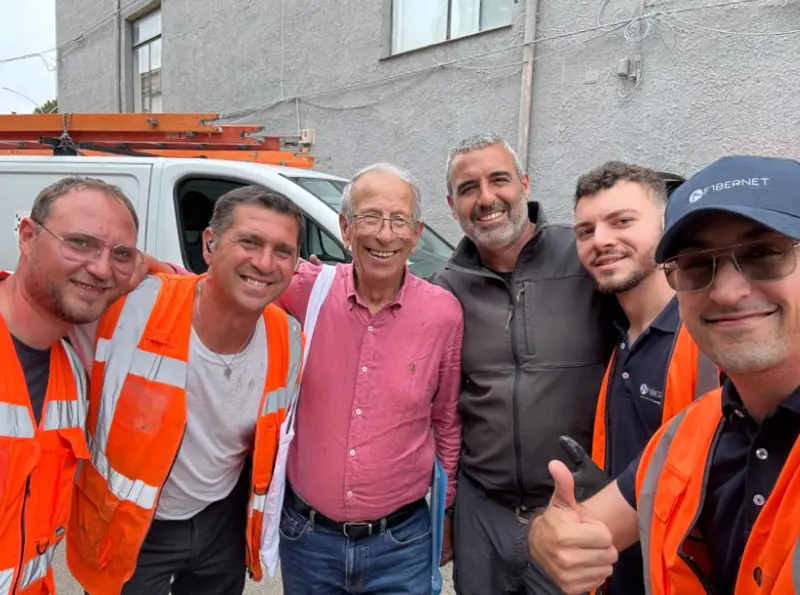
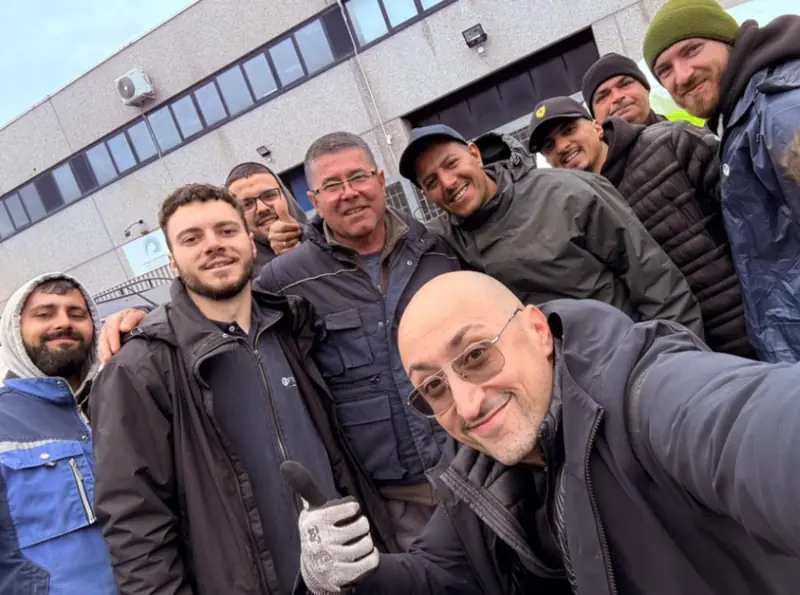
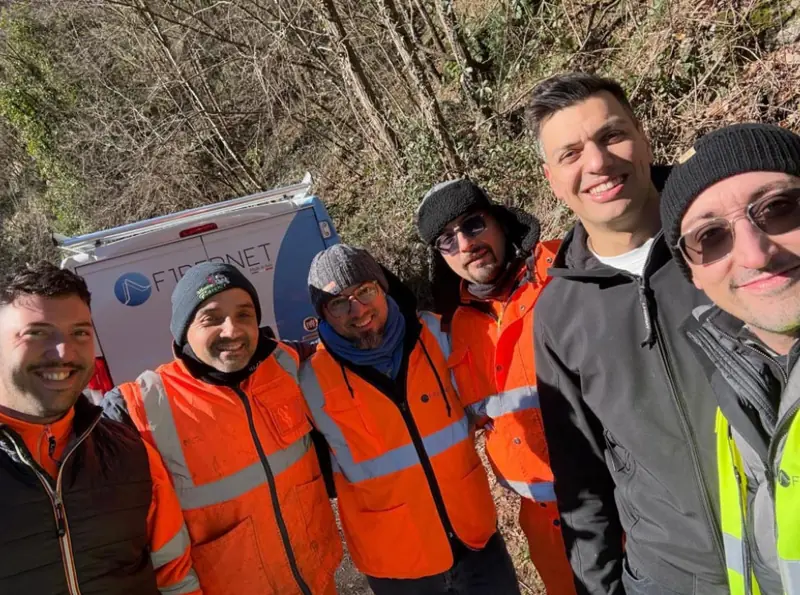 GoogleExcellentBased on 176 reviewsRead the reviews
Read on Google“An excellent experience on the installer training course. The whole team was professional and knowledgeable.”
Read on Google“I had the chance to try the Opera cable blowing machine on site…”
Read on Google“I really enjoyed this course. It took place in a pleasant setting with friendly, helpful people.”
Stories from installers
Hear the results from the installers themselves. Watch their testimonials right here.
Product videos
Three machines. Find your fit.
Start with the job at hand. Our technician can answer your questions about the right setup.
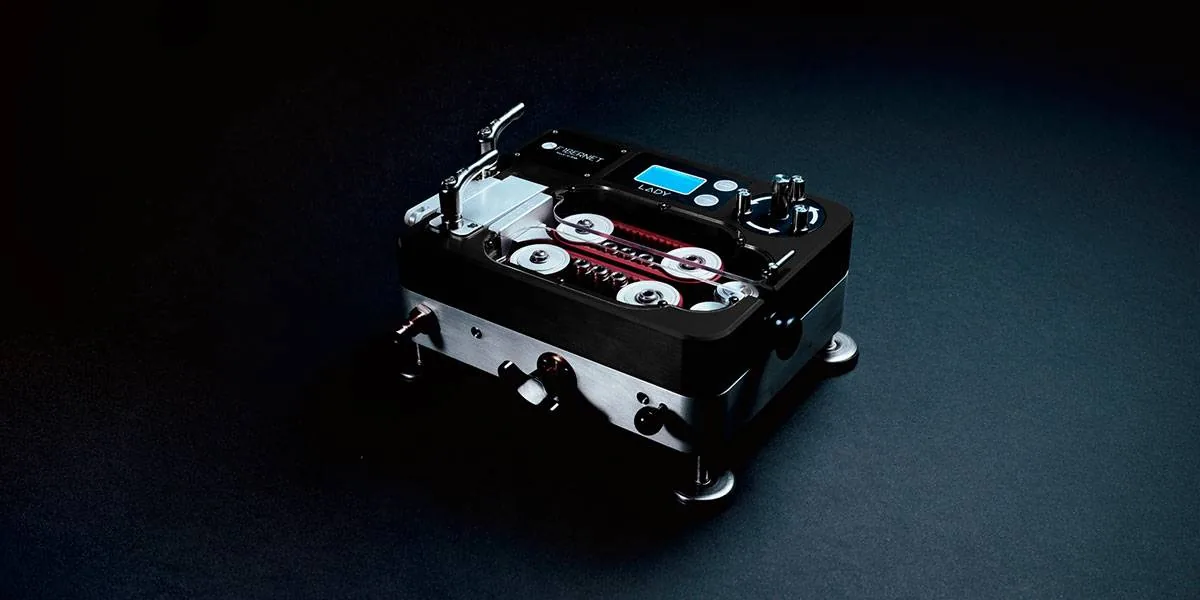
Compact and lightweight
A compact, lightweight machine for short runs.
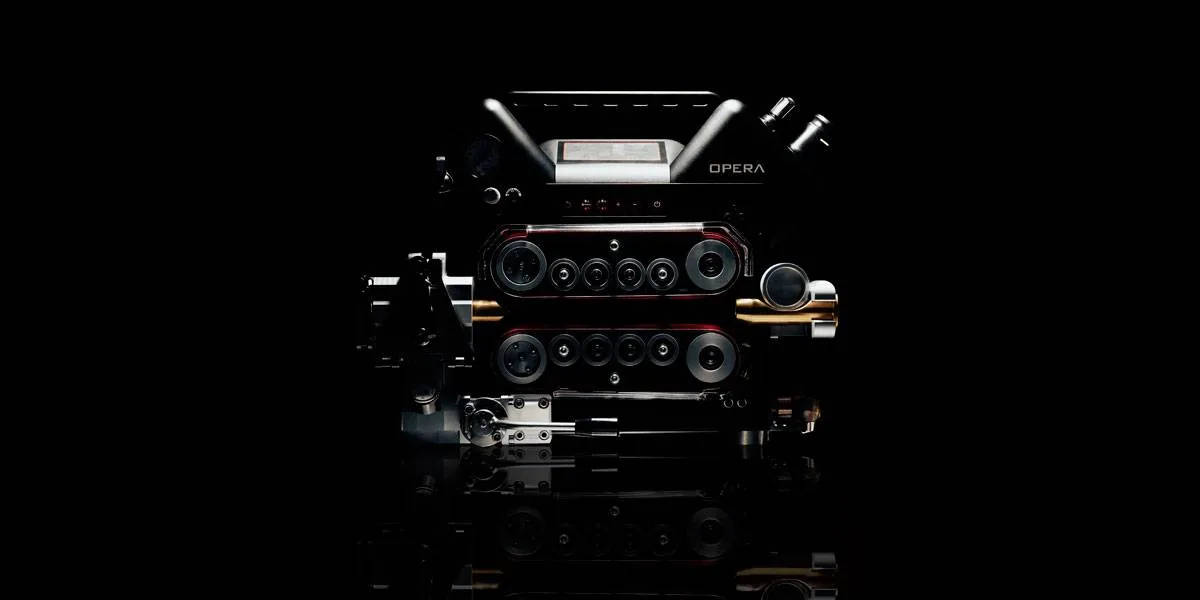
Pneumatic power
A pneumatic machine for long cable runs.
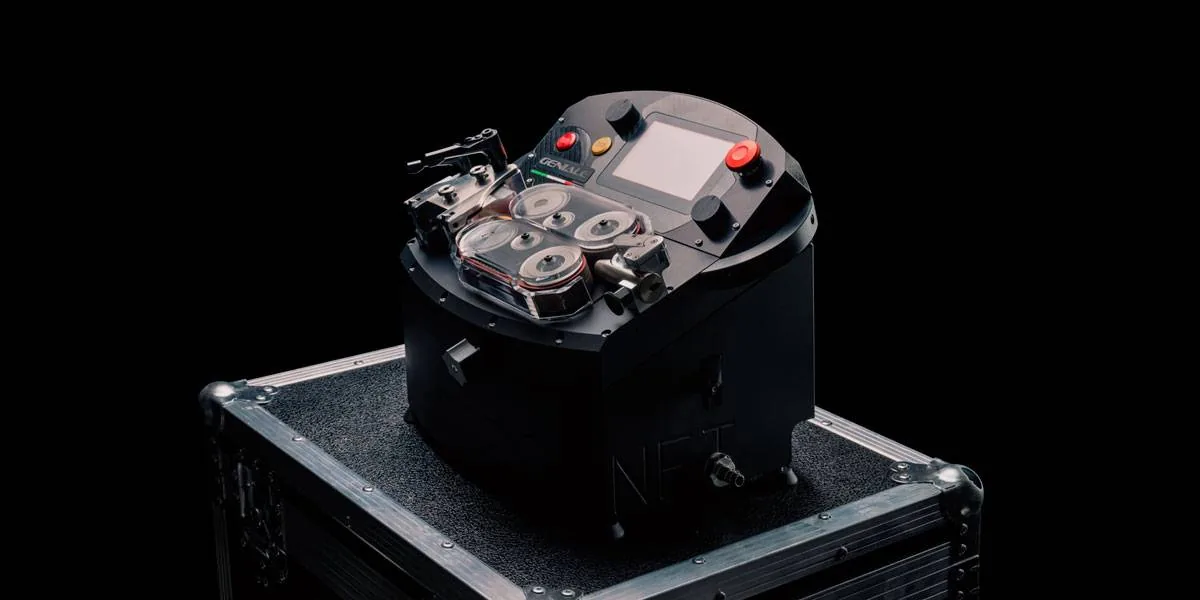
Electric, with two gears
For short and long runs. Two gears let you match force and speed to the job.
Specifications for the Fibernet range. The speeds shown are maximum values. Actual results depend on installation conditions and machine setup.
Direct from the manufacturer
When you’re working on site, you need practical answers. With Fibernet, you speak directly to the people who design and build your cable blowing machine.
Speak to a technicianA specialist technician can help when you need it.
Spare parts ready to ship, direct from the manufacturer.
If your machine breaks down, a replacement may be available within 48 hours.
Check availability and terms with your technician.Get help making the most of your machine, from your very first job.
See it in action before you choose
Request a free hands-on demonstration on your site or at Fibernet’s test facility. Discuss a real job with the technician.
Request a free demonstration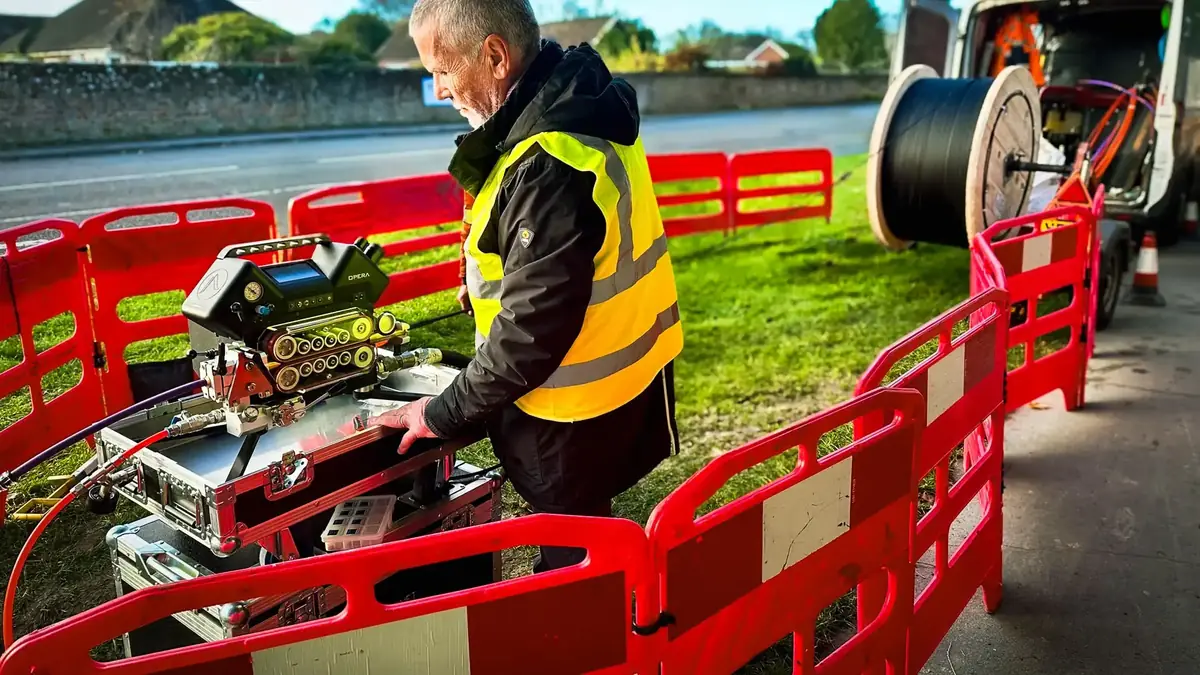
Selecting a fiber optic cable blowing machine starts with the cable, the duct and the route, rather than a headline installation speed. Telecommunications contractors working in Italy need equipment that suits their actual operating conditions, whether the job involves short sections with frequent access points or longer runs through prepared ducts. Cable outside diameter, duct internal diameter, cable construction and the permitted pushing force all influence the selection. Route geometry matters just as much: successive bends, changes in elevation and poorly aligned connections can increase resistance. Sharing these details with Fibernet creates a more useful starting point than asking for a machine without describing the installation. It allows the discussion to focus on compatibility, handling and the practical requirements of the crew that will use the equipment. A cable blowing machine for fiber optic cable installation combines controlled mechanical feeding with airflow through the duct. The feeding mechanism advances the cable while the moving air helps it travel along the route, reducing dependence on pushing alone. Successful installation still requires preparation. The duct should be checked for continuity, cleanliness and suitability for the intended procedure, with connections and closures appropriate to the operating pressure. Any lubricant must be compatible with the cable and duct and used according to the relevant instructions. Operators should also confirm the cable manufacturer's limits before setting up the machine. Excessive force is not a reliable remedy for an obstruction, and increasing pressure without understanding the cause can create avoidable risks. The air supply deserves its own assessment. When evaluating a compressed air fiber optic cable blowing machine, ask about the required pressure and airflow for the proposed configuration, along with air quality requirements and connection compatibility. Compressor capacity should be assessed against the machine's documented needs and the planned operating conditions, not assumed from the compressor's nominal pressure alone. Suitable air preparation may also be necessary, depending on the equipment and environment. Keeping hoses, couplings and seals in good condition helps the crew establish a consistent setup. Fibernet introduced its first cable blowing machine, Lady, in 2021, building on the company's longstanding technical background. For a contractor comparing equipment, the useful next step is to provide cable and duct dimensions, anticipated route lengths, available air supply and site constraints. From there, request confirmation of the appropriate machine configuration and operating requirements. This approach supports a clearer purchasing decision and gives the installation team a practical basis for planning, without relying on distance or speed promises that cannot account for every route.
A quotation becomes useful when it explains what the proposed equipment includes and how that configuration relates to your work. For a fiber optic cable blowing machine, the purchase figure alone cannot show whether the supplied components match your cable diameters, duct sizes or available site equipment. Before comparing offers, define the installations you expect to carry out most frequently and identify any less common applications that still need coverage. Ask which guides, seals, connection components and other accessories are included, which are optional, and which would need changing between applications. A clearly defined scope helps purchasing teams compare equivalent proposals rather than apparently similar machines with different levels of readiness for the job. When assessing fiber optic cable blowing machine price, consider the operating costs that accompany ownership. These can include the air supply, routine consumables, replacement wear components, transport arrangements and the time required to prepare equipment between installations. None of these factors should be assumed to have a fixed value across all machines or sites. Instead, ask for the relevant maintenance instructions, identify the parts subject to routine inspection and establish how replacement components can be obtained. The objective is not to predict every future expense precisely, but to understand the main cost drivers before committing to a configuration. Technical documentation is another important part of the evaluation. Buyers should request the operating limits, setup instructions, maintenance information and applicable conformity documentation for the proposed equipment. For companies operating in Italy, these details belong in the procurement review alongside the requirements of the intended workplace. If a machine will be used in another country, establish which destination requirements apply and ask what documentation can be provided. Avoid treating a general product description as confirmation that every configuration is suitable for every application or jurisdiction. Written clarification makes responsibilities and expectations easier to manage. Some contractors also investigate fiber optic cable blowing machine rental when installation demand is intermittent. Whether comparing ownership with an independently sourced rental option or planning a purchase for regular deployment, examine expected utilisation, equipment availability and configuration suitability. Rental is not automatically the cheaper route, just as ownership is not automatically justified by a busy week. The decision depends on the work pipeline and the practical cost of having suitable equipment available when needed. Contact Fibernet with a concise project brief and request a quotation that identifies the proposed machine, included components and any additional requirements. Ask for delivery arrangements, payment terms and after-sales provisions to be confirmed in writing. A well-scoped proposal helps both technical and commercial teams make a decision based on documented suitability rather than on price alone.
Fibernet was established in 2001, drawing on the technical experience of founder Giancarlo Trinei, whose work with optical cables began in Italy during the early 1980s. His background includes participation in the installation and testing of the country's early submarine cable systems on behalf of the telecommunications ministry. That history provides context for the company's emphasis on practical engineering and the development of equipment intended to simplify demanding installation work. The launch of Lady in 2021 marked Fibernet's entry into cable blowing machinery. For a business considering a fiber optic cable blowing machine today, this background is a reason to begin a technical conversation, while still checking the specifications and suitability of the exact equipment being proposed. The company's generational transition began in 2010, when Matteo, Marta and Ismael joined the business. Its family foundations sit alongside an ambition to develop an international presence through technical innovation and an Italian approach to product development. For customers, the relevant questions remain concrete: does the proposed configuration match the work, what preparation does it require, and what information will the operator receive? A manufacturer's story is most useful when it leads to a clearer understanding of the equipment rather than replacing technical evaluation. Contractors should therefore bring actual installation details into the discussion and ask for answers tied to their intended application. Requests sometimes begin with a preferred drive arrangement, such as an electric fiber optic cable blowing machine. That can be a useful starting point, but the drive description alone does not establish suitability. Buyers should clarify how the feeding mechanism is powered, how the air supply is provided and which utilities are needed at the operating location. Similarly, a request for a pneumatic fiber optic cable blowing machine should lead to questions about the specific machine architecture and documented air requirements. These terms can be interpreted differently in product searches, so confirm the actual configuration rather than assuming that a category label describes every function. Once the equipment has been selected, establish a repeatable preparation routine based on its instructions. Check the condition of the feeding surfaces, guides, seals and connections before use. Confirm that the cable reel can pay out smoothly and that the machine is positioned to avoid unnecessary bending at the inlet. Agree how the crew will communicate during the operation, especially where access points are separated. Record relevant operating conditions and stop to investigate unexpected resistance rather than repeatedly escalating settings. Such records can help distinguish equipment setup issues from route-related difficulties. Through www.fibernetsrl.com, English-speaking contractors working in Italy or planning projects elsewhere can explain their requirements and request equipment information. Confirm availability, destination-specific delivery arrangements and support provisions directly, so that the final purchasing decision rests on an agreed and documented scope.
Fill in the form and discover what Fibernet Srl can do for you!
Contact us!Before you get started
If you prefer, speak to us directly.
+39 346 652 9915Compare the cable diameter, duct diameter and installation distance. Lady is compact and lightweight for short runs. Opera is pneumatic and designed for long runs. Geniale is electric and handles both. A Fibernet technician can help you choose.
Yes. You can request a free hands-on demonstration on your site or at Fibernet’s test facility. Tell us what you need in the form and a technician will arrange it with you. Request a demonstration.
To get a price, contact a Fibernet adviser using the form or call +39 346 652 9915.
Fibernet offers direct technical support, spare parts ready to ship and dedicated training. If your machine breaks down, a replacement may be available. Ask your technician about availability and terms.
Tell us about your job. We’ll help you find the right cable blowing machine.