Emanuele Zanda
Google review
★★★★★
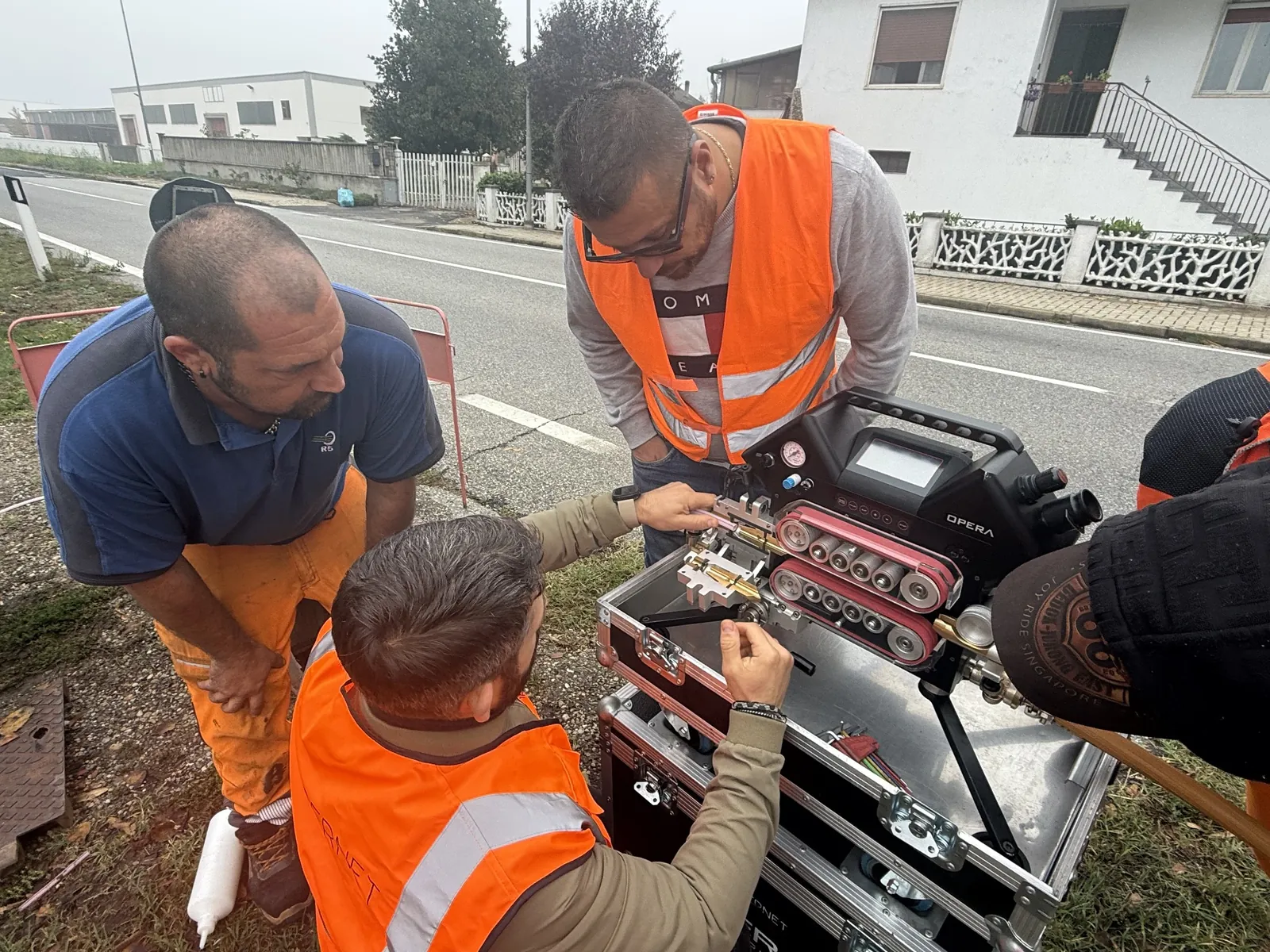
Read on Google“An excellent experience on the installer training course. The whole team was professional and knowledgeable.”
Cable blowing machines · Made in Italy
From last-mile connections to long-distance runs, a Fibernet technician can help you choose the right machine for your fibre optic cable installation.
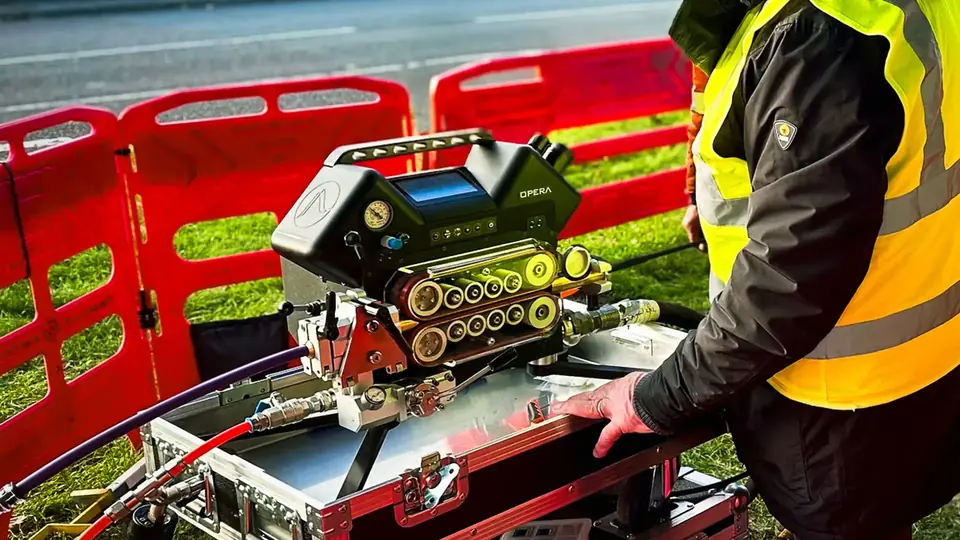
Opera, image 1 of 3
Expert advice direct from the manufacturer / Free demonstration on request
Some of our customers.
Keep your installation moving with Fibernet cable blowing machines.
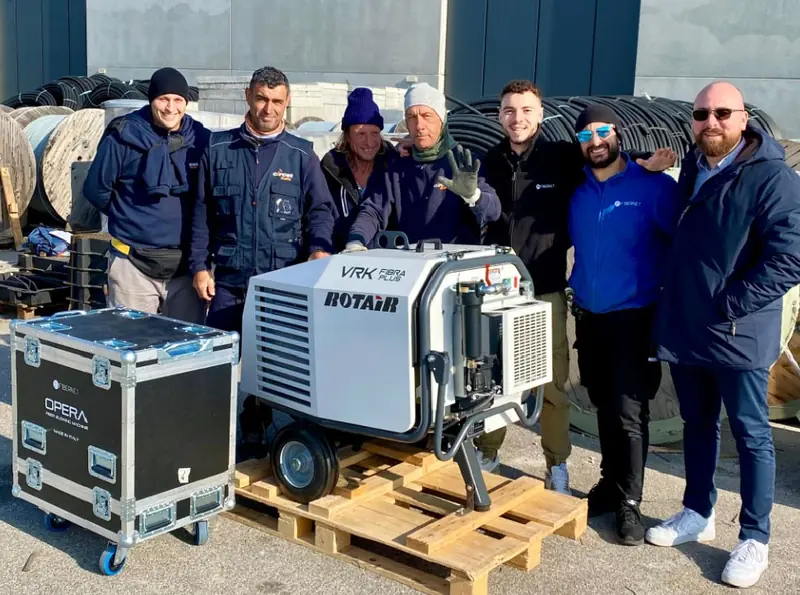
Photos and stories from installers, published by Fibernet.
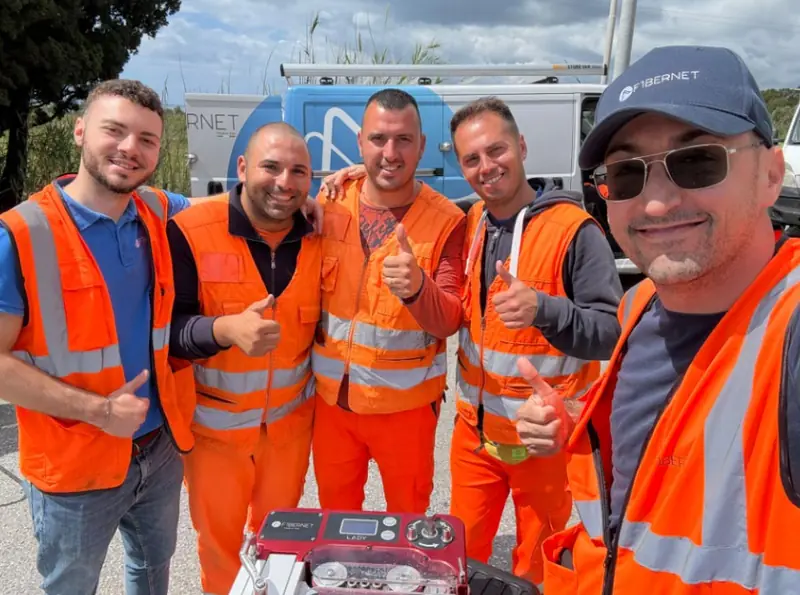
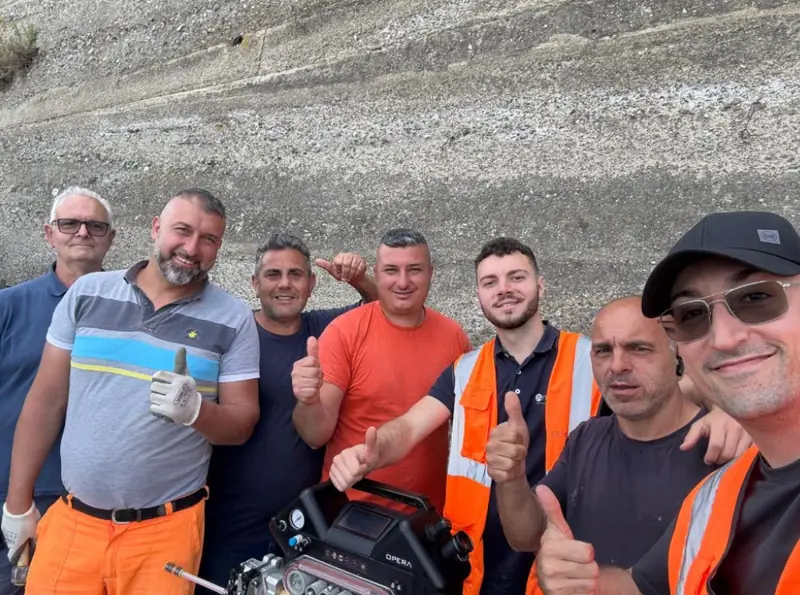
 GoogleExcellentBased on 176 reviewsRead the reviews
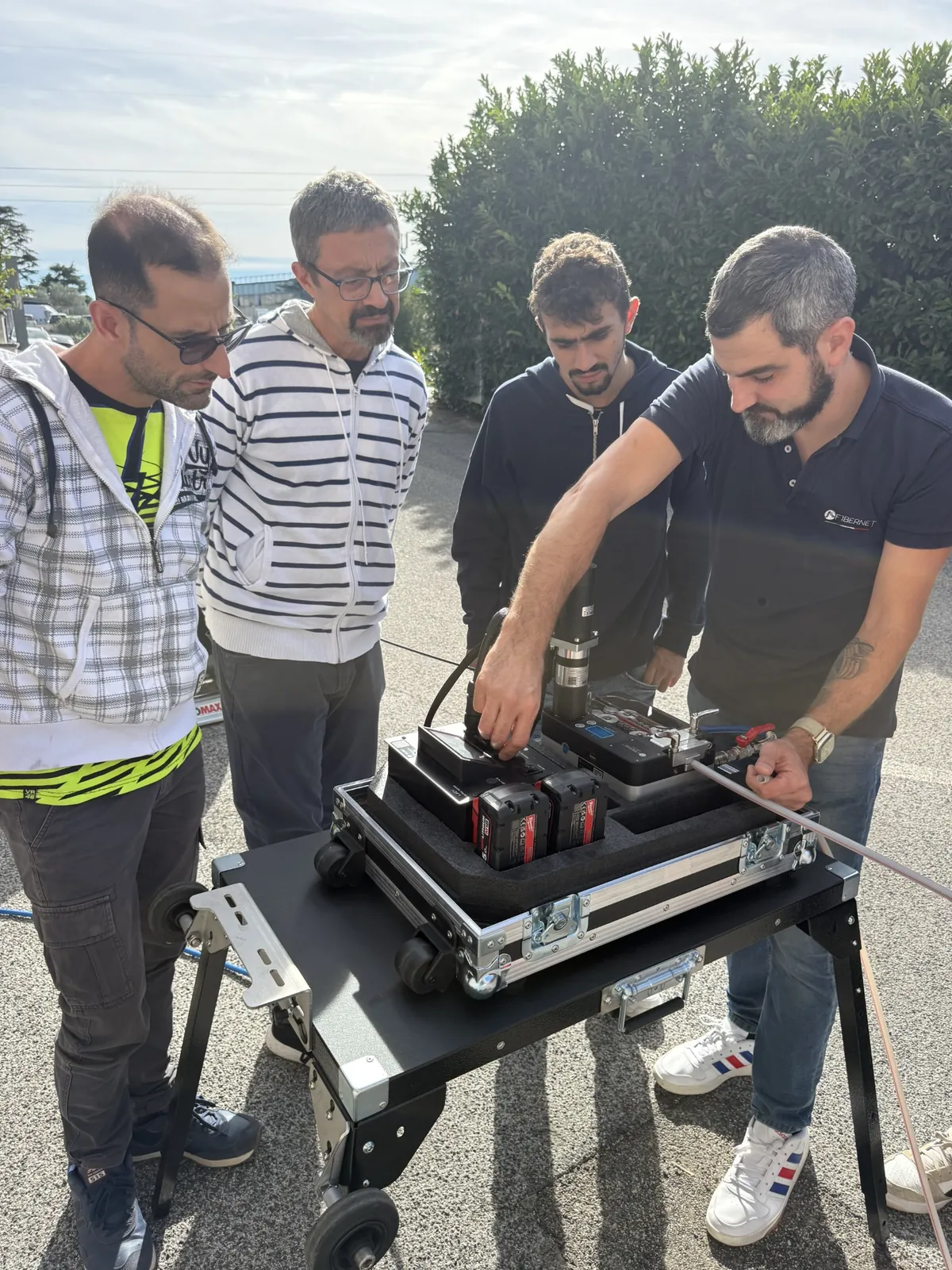
Read on Google“An excellent experience on the installer training course. The whole team was professional and knowledgeable.”
Read on Google“I had the chance to try the Opera cable blowing machine on site…”
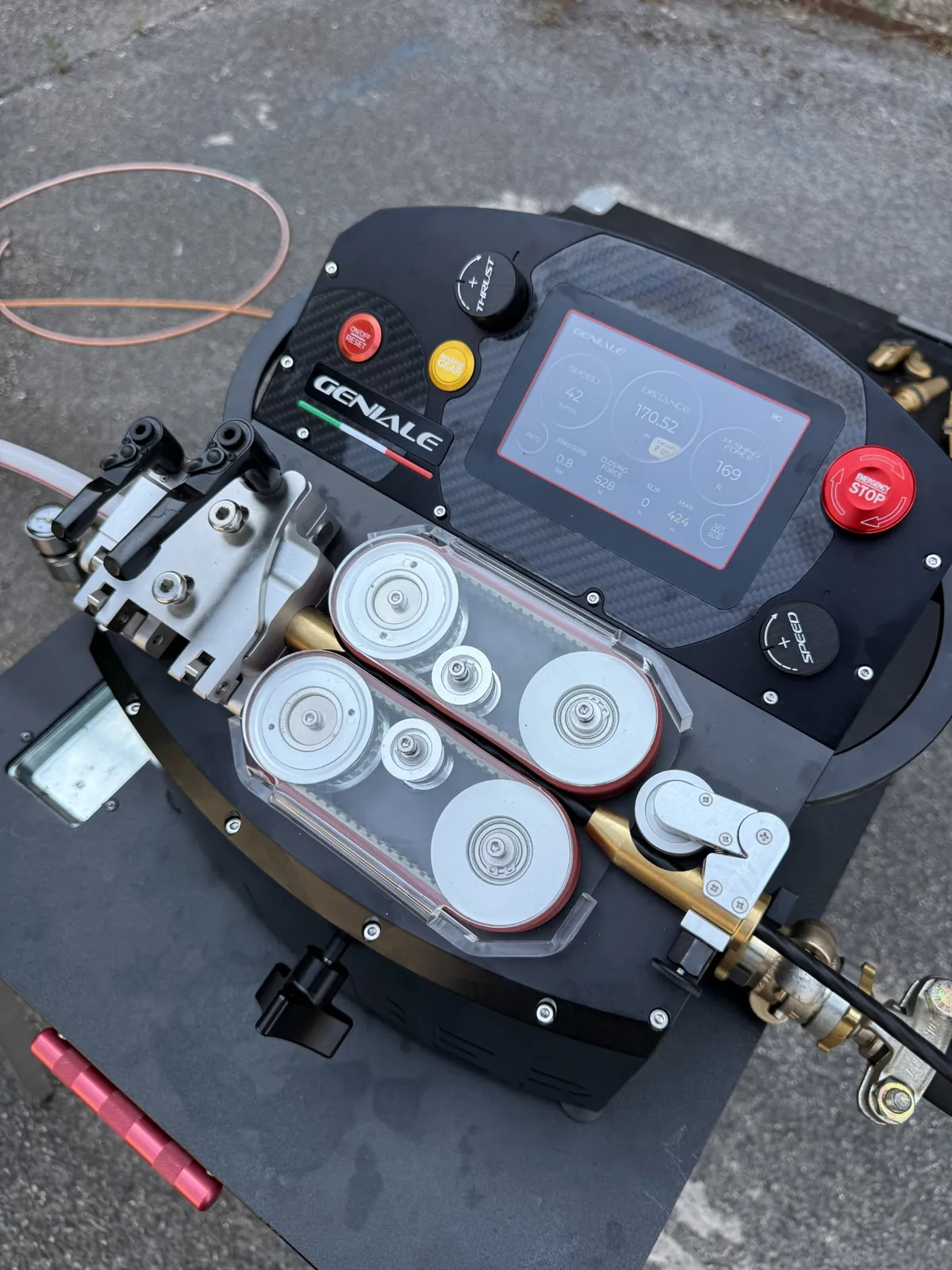
Read on Google“I really enjoyed this course. It took place in a pleasant setting with friendly, helpful people.”
Stories from installers
Hear the results from the installers themselves. Watch their testimonials right here.
Product videos
Three machines. Find your fit.
Start with the job at hand. Our technician can answer your questions about the right setup.
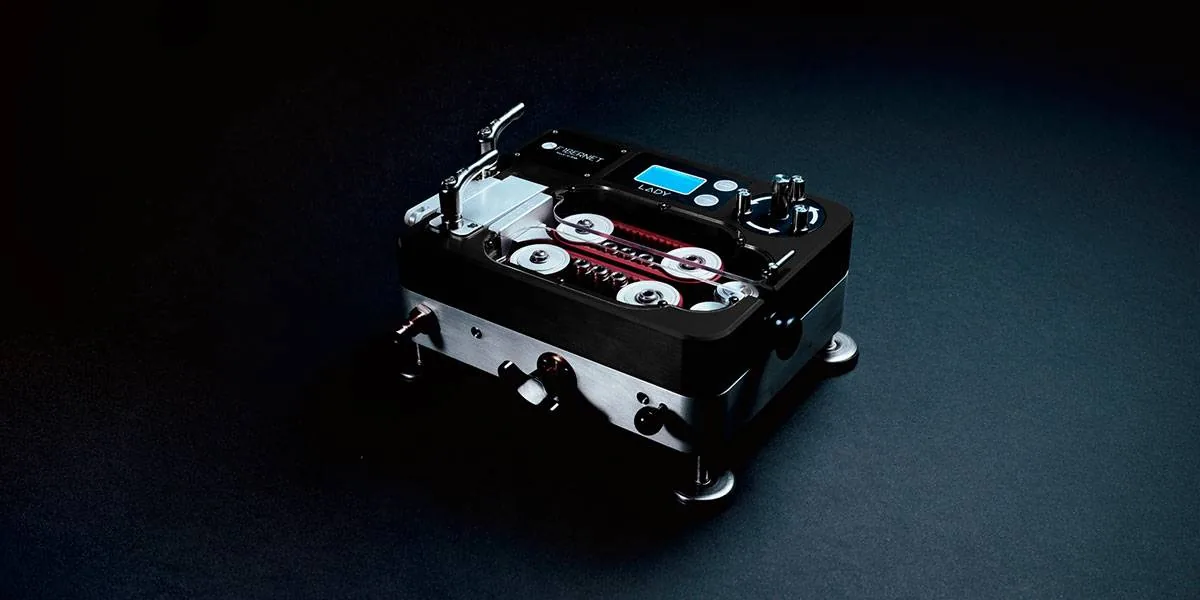
Compact and lightweight
A compact, lightweight machine for short runs.
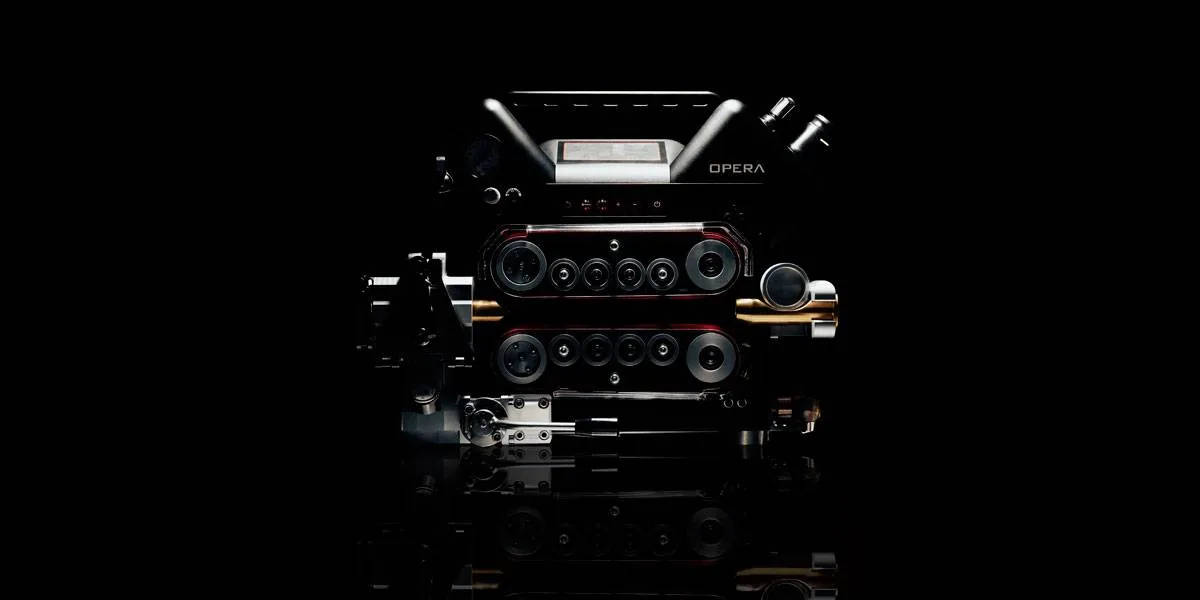
Pneumatic power
A pneumatic machine for long cable runs.
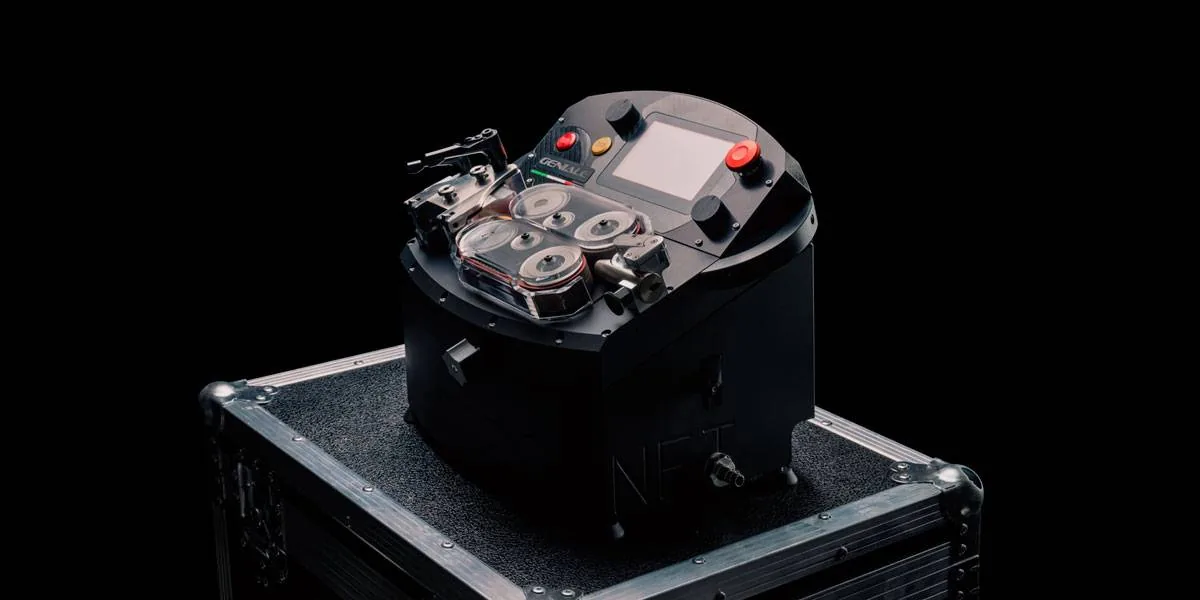
Electric, with two gears
For short and long runs. Two gears let you match force and speed to the job.
Specifications for the Fibernet range. The speeds shown are maximum values. Actual results depend on installation conditions and machine setup.
Direct from the manufacturer
When you’re working on site, you need practical answers. With Fibernet, you speak directly to the people who design and build your cable blowing machine.
Speak to a technicianA specialist technician can help when you need it.
Spare parts ready to ship, direct from the manufacturer.
If your machine breaks down, a replacement may be available within 48 hours.
Check availability and terms with your technician.Get help making the most of your machine, from your very first job.
See it in action before you choose
Request a free hands-on demonstration on your site or at Fibernet’s test facility. Discuss a real job with the technician.
Request a free demonstration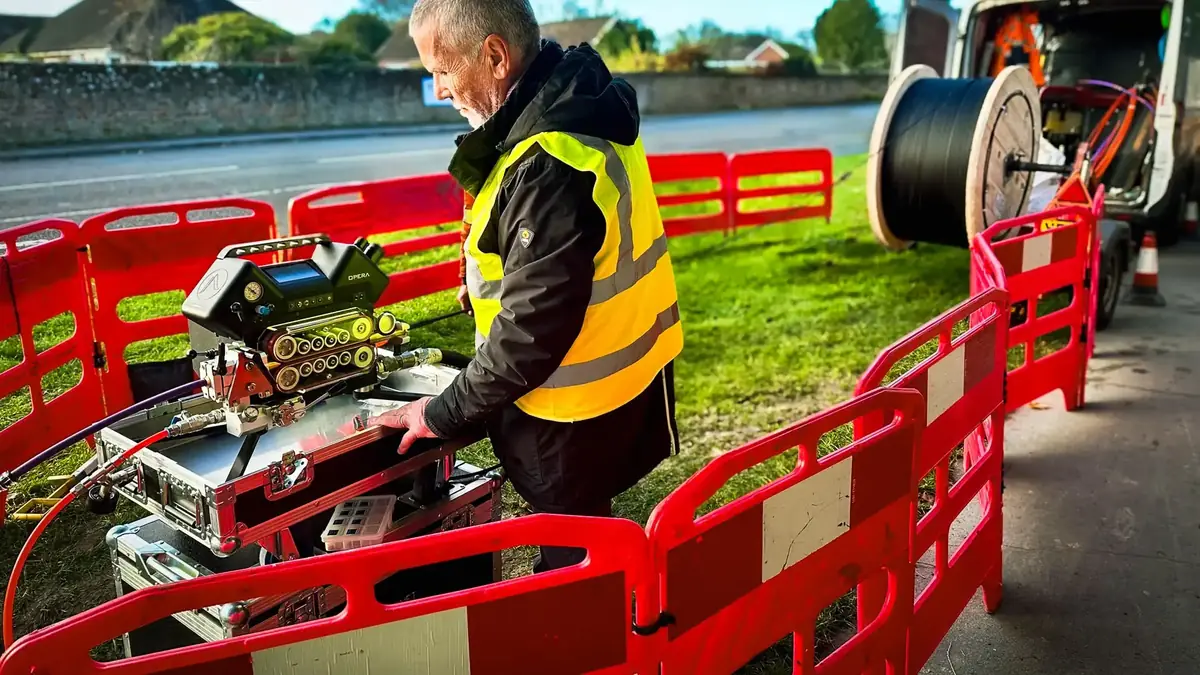
Choosing a fiber optic cable jetting machine starts with understanding the work it must perform on site. Contractors need equipment that suits the cable, the duct and the available air supply, while allowing operators to manage the installation without applying excessive mechanical force. Fibernet approaches this requirement through a technical background developed over decades and a commitment to making practical equipment for professional installers. Founded in Italy in 2001, the company draws on the experience of Giancarlo Trinei, whose work with early Italian fibre installations began in the 1980s. That experience provides the background to a business focused on developing solutions for the people responsible for getting cable into prepared ducts. In 2021, Fibernet launched Lady, its first cable blowing machine, marking an important step in that development. For a contractor evaluating a cable jetting machine for fiber optic cable installation, the useful starting point is a clear description of the intended application rather than a headline distance or speed. Cable outside diameter, duct internal diameter, cable construction and route characteristics all influence the suitability of the equipment. Bends, changes in elevation, duct joints and the condition of the internal surface can affect installation behaviour. Giving these details to Fibernet helps establish which specifications need checking before a machine is selected. A compressed air fiber optic cable jetting machine also needs an appropriately matched air supply. Pressure alone does not describe compressor suitability: the required airflow, air quality and compatibility of the connections must also be considered. The applicable machine documentation and duct limitations should guide the final setup. During preparation, operators should confirm that the cable and duct fall within the permitted operating ranges, that the correct guides and seals are fitted, and that the route is ready for blowing. These checks help avoid preventable interruptions and reduce the risk of selecting equipment on incomplete assumptions. Equally important is understanding how the drive mechanism feeds the cable and how operating settings are adjusted within the manufacturer's instructions. Contractors should ask about the information available to support setup, inspection and routine care, particularly when several crews will use the same equipment. Fibernet's Italian identity is part of this proposition, but the purchasing discussion should remain grounded in the installation task. Companies working in Italy or planning projects overseas can explain their operating conditions and request confirmation of machine suitability, supply arrangements and destination requirements. The aim is a technically informed decision: equipment selected around the actual cable blowing job, with clear expectations established before it reaches the worksite.
A quotation becomes useful when it describes a working configuration rather than an isolated machine. Before requesting a fiber optic cable jetting machine, prepare the cable dimensions, duct dimensions and a realistic description of the routes your crews expect to tackle. State whether the equipment will support repeated work with one cable size or move between jobs with different combinations. This distinction matters because guides, seals and other size-dependent components may need to change between applications. Ask which items are included in the proposed supply and which are additional, so that the equipment arriving on site matches the intended work. When assessing fiber optic cable jetting machine price, look beyond the initial figure and consider the practical costs associated with preparation, operation and ownership. These can include compatible accessories, compressor provision, replacement wear components, transport and the time required to reconfigure equipment between tasks. None of these costs should be assumed to be included unless the quotation says so. A clear comparison separates the base machine from the complete package and identifies any requirements that the contractor must provide independently. This makes competing configurations easier to evaluate without relying on price alone. The same discipline applies when considering a used fiber optic cable jetting machine. Its apparent saving should be weighed against the condition of the drive components, the completeness of the accessories and the availability of documentation. Check the condition of cable-contact surfaces and the air connections, and establish whether replacement parts remain obtainable. Ask for evidence of operating condition rather than assuming that external appearance reflects mechanical readiness. These are general purchasing checks, not a statement that Fibernet offers used equipment. For new equipment enquiries, describe your expected workload and ask Fibernet to clarify the available configuration against that workload. A contractor handling frequent cable changes may have different priorities from a crew repeating a consistent installation pattern. Access to the work area also matters: the machine, compressor and cable drum must be positioned safely, with enough space for controlled cable feeding and operator movement. Discuss the practical arrangement before committing to a configuration. For purchasers outside Italy, the commercial enquiry should also address the destination, delivery terms, documentation and any local requirements that need verification. Confirm these points directly rather than assuming that every destination follows the same process. A well-prepared enquiry therefore gives both parties a shared technical and commercial starting point. Fibernet can be approached with concrete project information, while the purchaser can assess the response against measurable requirements. The result is a more useful buying decision, based on compatibility, package completeness and expected operating conditions rather than an attractive figure without sufficient context.
Successful cable blowing depends on the relationship between equipment, route preparation and operator decisions. A fiber optic cable jetting machine is one element of that working system, and its selection should reflect how a crew will use it during an ordinary installation day. Before starting, the team should establish who controls the machine, who monitors the cable feed and how communication will be maintained with personnel at the receiving end. Agreeing these responsibilities reduces uncertainty when the cable slows, the route behaves unexpectedly or the operation needs to stop. Work should always follow the relevant equipment instructions and site safety procedures. Route readiness deserves particular attention because a more powerful drive cannot compensate for every duct problem. Verify that the intended duct path is identified, that connections are suitable for the operation and that preparation checks have been completed using an approved method. Cable drums should be positioned so the cable feeds smoothly without avoidable twisting or sharp changes in direction. The applicable cable bending limits must be respected at the drum, the machine entry and any intermediate handling points. These practical details can influence the consistency of an installation just as much as the machine specification. A buyer comparing an electric fiber optic cable jetting machine with another drive arrangement should distinguish the drive power source from the air needed for blowing. An electrically driven feeding mechanism does not, by itself, remove the need to verify the pneumatic requirements of an air-assisted installation. Similarly, a pneumatic fiber optic cable jetting machine should be assessed against its documented operating requirements, not against assumptions based on its name. Ask which power and air supplies a proposed model actually needs, and confirm that those supplies can be provided at the intended site. These comparisons describe selection considerations rather than claims about the drive options offered by Fibernet. During operation, unusual resistance should prompt a controlled assessment rather than an automatic increase in force or pressure. Operators need to remain within the machine, duct and cable limits and follow the prescribed stopping and isolation procedures before making adjustments. Keeping a straightforward job record can also help teams review recurring difficulties. Useful entries include the cable and duct sizes, the route conditions, the setup used and the point at which progress changed. Such records support more informed discussions about later jobs without turning one successful run into a guaranteed performance claim. Fibernet's development of Lady sits within a company shaped by technical experience and a family-led commitment to growth. For contractors, the relevant next step is to translate their daily challenges into a precise equipment enquiry. Describe the cable blowing work, explain the available site resources and request clarification of the appropriate configuration. That conversation provides a stronger basis for selecting equipment than relying on generic promises about speed, distance or universal compatibility.
Fill in the form and discover what Fibernet Srl can do for you!
Contact us!Before you get started
If you prefer, speak to us directly.
+39 346 652 9915Compare the cable diameter, duct diameter and installation distance. Lady is compact and lightweight for short runs. Opera is pneumatic and designed for long runs. Geniale is electric and handles both. A Fibernet technician can help you choose.
Yes. You can request a free hands-on demonstration on your site or at Fibernet’s test facility. Tell us what you need in the form and a technician will arrange it with you. Request a demonstration.
To get a price, contact a Fibernet adviser using the form or call +39 346 652 9915.
Fibernet offers direct technical support, spare parts ready to ship and dedicated training. If your machine breaks down, a replacement may be available. Ask your technician about availability and terms.
Tell us about your job. We’ll help you find the right cable blowing machine.