Emanuele Zanda
Google review
★★★★★
Read on Google“An excellent experience on the installer training course. The whole team was professional and knowledgeable.”
Cable blowing machines · Made in Italy
From last-mile connections to long-distance runs, a Fibernet technician can help you choose the right machine for your fibre optic cable installation.
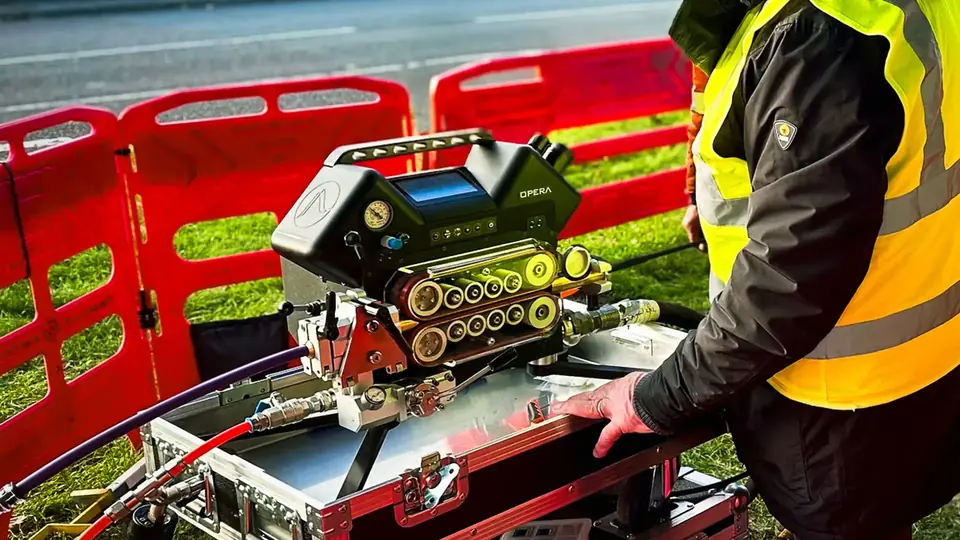
Opera, image 1 of 3
Expert advice direct from the manufacturer / Free demonstration on request
Some of our customers.
Keep your installation moving with Fibernet cable blowing machines.
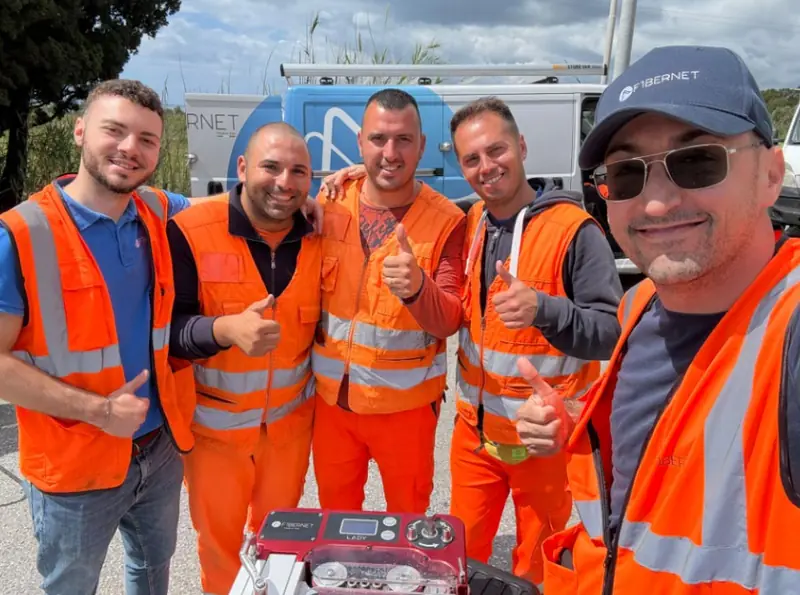
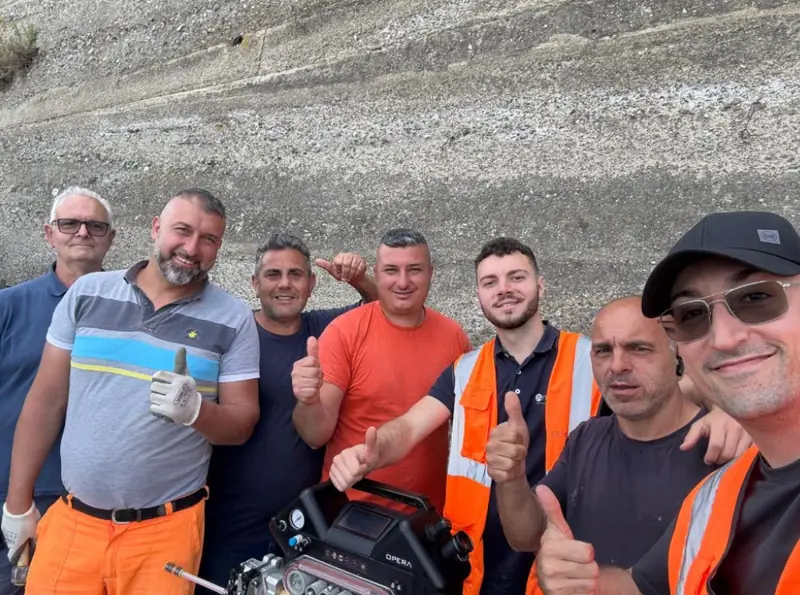
Photos and stories from installers, published by Fibernet.
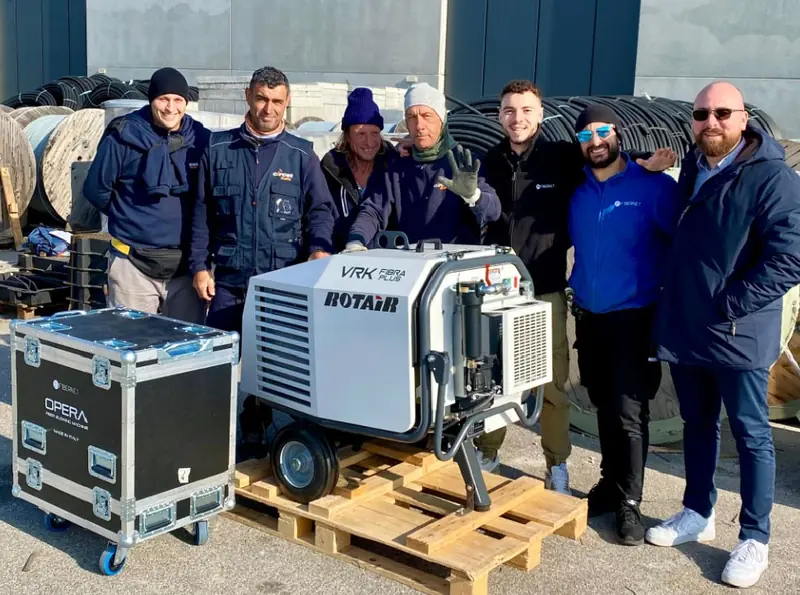
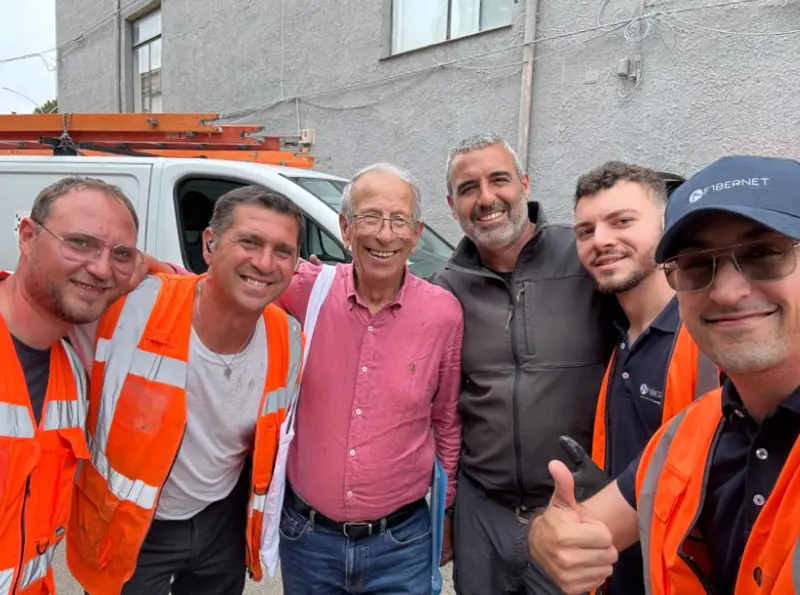
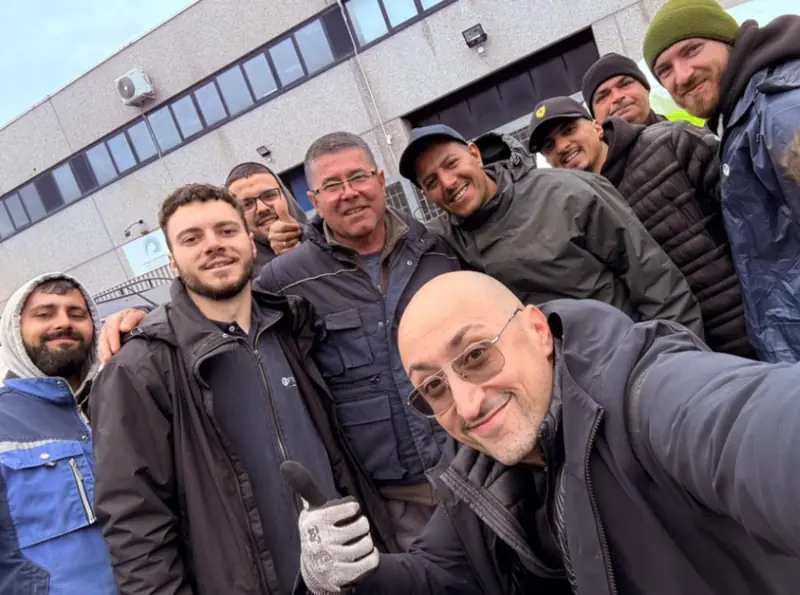
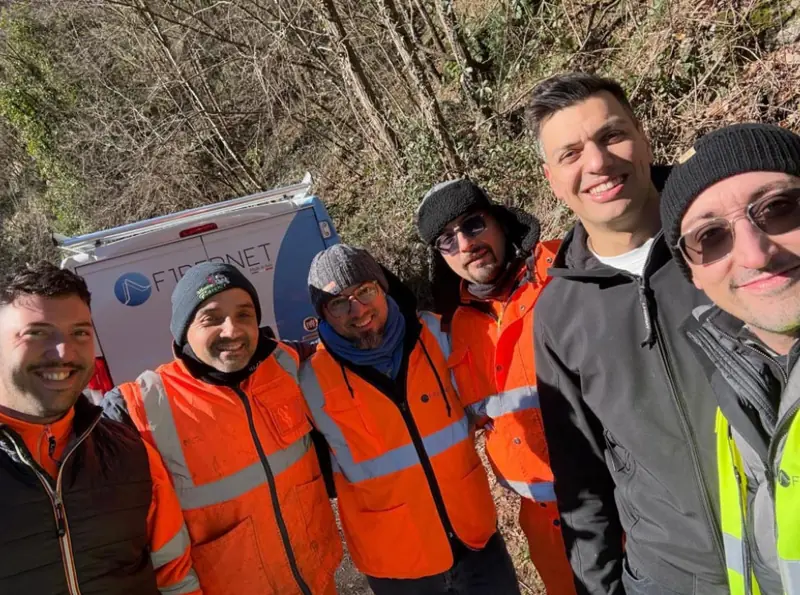 GoogleExcellentBased on 176 reviewsRead the reviews
Read on Google“An excellent experience on the installer training course. The whole team was professional and knowledgeable.”
Read on Google“I had the chance to try the Opera cable blowing machine on site…”
Read on Google“I really enjoyed this course. It took place in a pleasant setting with friendly, helpful people.”
Stories from installers
Hear the results from the installers themselves. Watch their testimonials right here.
Product videos
Three machines. Find your fit.
Start with the job at hand. Our technician can answer your questions about the right setup.
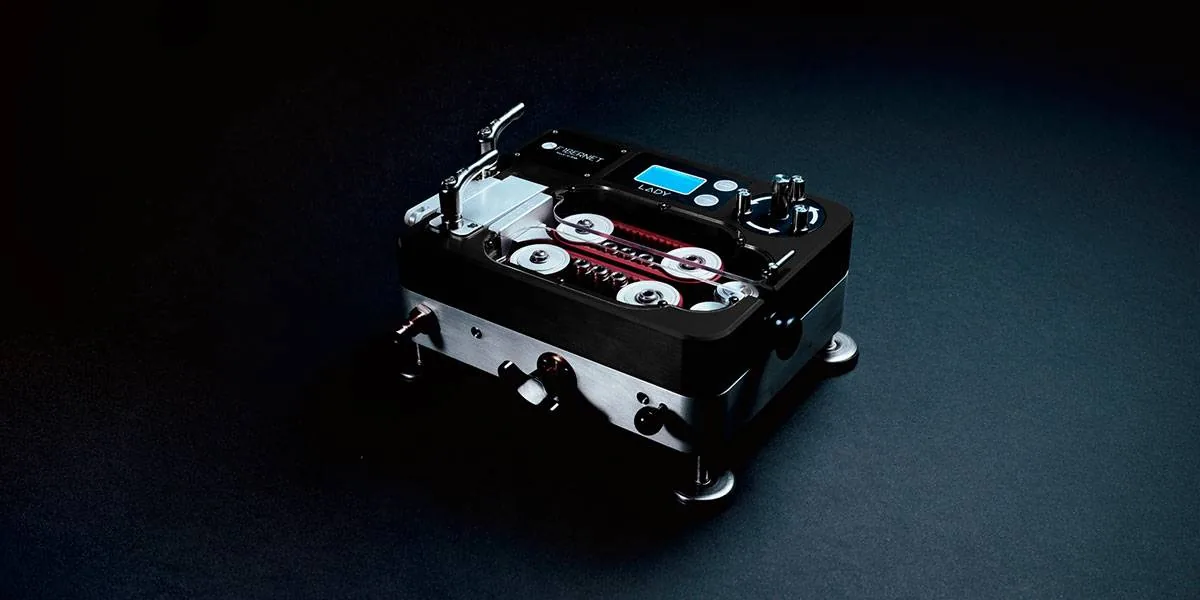
Compact and lightweight
A compact, lightweight machine for short runs.
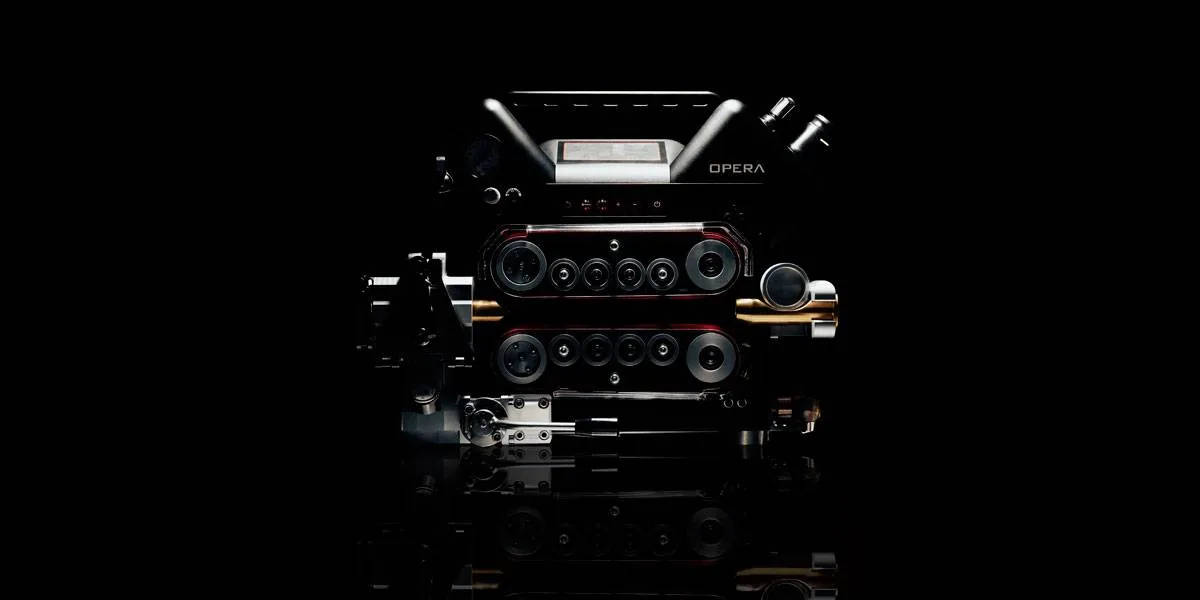
Pneumatic power
A pneumatic machine for long cable runs.
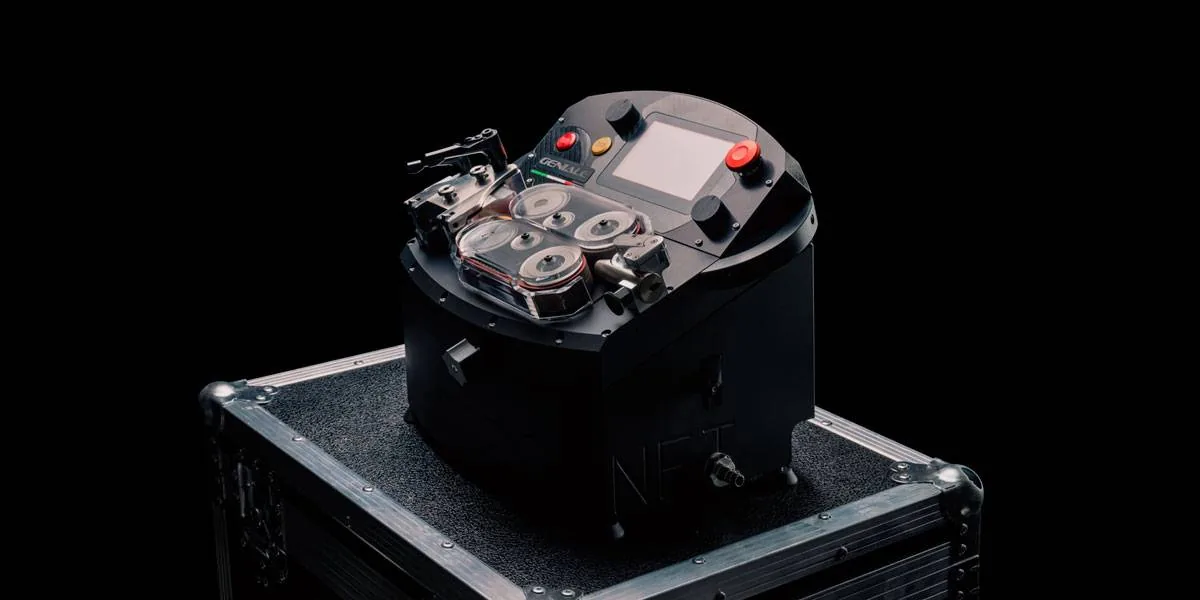
Electric, with two gears
For short and long runs. Two gears let you match force and speed to the job.
Specifications for the Fibernet range. The speeds shown are maximum values. Actual results depend on installation conditions and machine setup.
Direct from the manufacturer
When you’re working on site, you need practical answers. With Fibernet, you speak directly to the people who design and build your cable blowing machine.
Speak to a technicianA specialist technician can help when you need it.
Spare parts ready to ship, direct from the manufacturer.
If your machine breaks down, a replacement may be available within 48 hours.
Check availability and terms with your technician.Get help making the most of your machine, from your very first job.
See it in action before you choose
Request a free hands-on demonstration on your site or at Fibernet’s test facility. Discuss a real job with the technician.
Request a free demonstration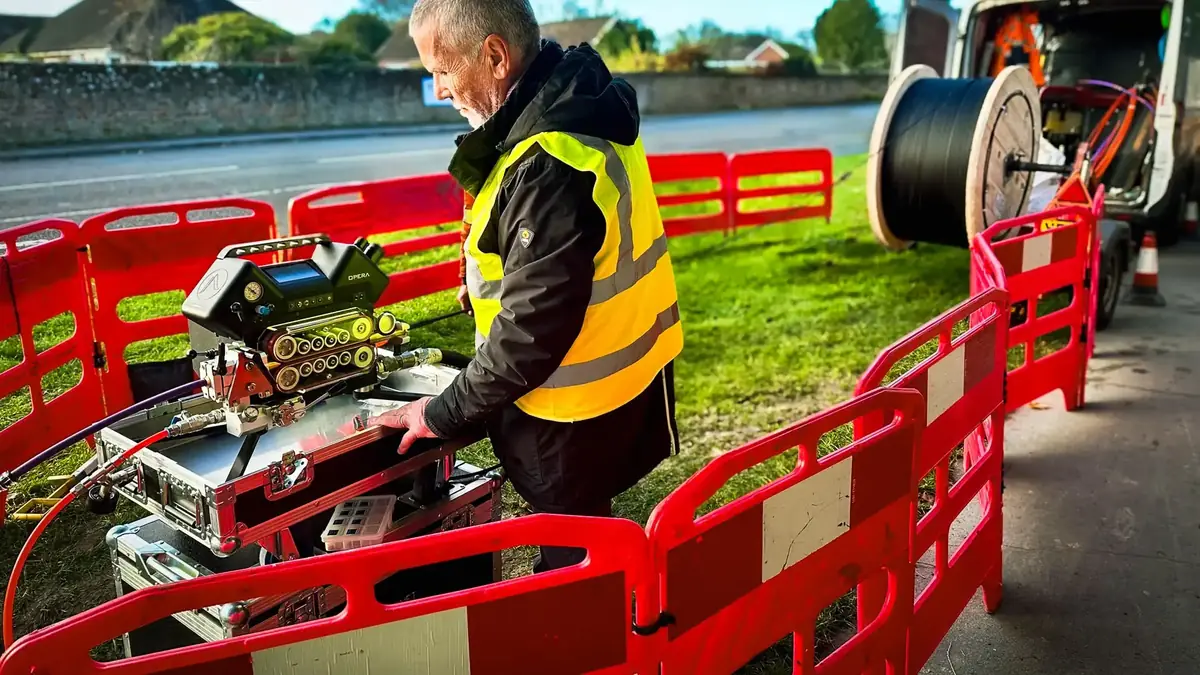
Searching for a fiber cable blowing machine on rent usually begins with a practical requirement: a contractor needs suitable equipment for a defined installation programme without immediately committing to ownership. Before comparing arrangements, establish what the machine must handle on your actual site. Cable diameter, duct internal diameter, route length, bends, access points and available compressed air all influence suitability. A machine selected only because it appears inexpensive may prove unsuitable once the cable, duct and compressor are considered together. For companies working in Italy, including international contractors coordinating local installation teams, a clear technical brief helps turn an initial enquiry into a useful discussion about equipment compatibility and project timing. Fibernet provides a relevant point of contact for this assessment. Founded in 2001, the company draws on the technical background of founder Giancarlo Trinei, whose experience with installations in Italy dates back to the early 1980s. Its development of cable blowing equipment reached an important milestone in 2021 with the launch of Lady, its first cable blowing machine. That history offers context for enquiries, but it does not replace checking the exact configuration proposed for your work. When assessing a cable blowing machine for fiber optic cable installation, prepare the cable manufacturer's dimensional tolerances and installation limits, not merely its nominal diameter. Include details of the duct material, internal condition and any couplings along the route. Ask which guides, seals and drive components are appropriate, and whether these items are included in the proposed supply. Compressor pressure and airflow must also match the operating requirements of the selected equipment; pressure alone does not establish that a compressor is suitable. If your team specifically needs a fiber optic cable blowing machine on rent, contact Fibernet to verify whether a hire arrangement is available for your location and dates. The supplied company information does not establish rental availability, stock or contractual terms, so these points require direct confirmation. Explain whether your requirement concerns a single crossing, several short sections or a sustained installation schedule, as each situation creates different logistical needs. Also identify who will operate the equipment and who will approve its readiness before work begins. A productive enquiry should leave both parties with a shared understanding of the application, outstanding technical checks and the commercial information still required. This approach helps you evaluate an actual proposal rather than relying on an advertised daily rate or an assumed machine capability. It also supports a more realistic mobilisation plan, with fewer unresolved questions about accessories, air supply and cable handling when the equipment reaches the worksite.
The useful cost of temporary cable blowing equipment extends beyond the headline hire rate. A contractor comparing proposals should first establish the chargeable period, the collection or dispatch date, the expected return date and any conditions applying when work is delayed. Transport, suitable accessories, consumable seals, cleaning requirements and responsibility for damage can materially change the overall calculation. These details matter particularly when a machine must move between several Italian worksites or arrive from another location before a tightly scheduled installation window. Ask for a written breakdown rather than assuming that every item necessary for operation is included. An enquiry for a fiber cable blowing machine on rent should therefore describe the working programme as well as the equipment requirement. State how many installation days are planned, whether there are gaps between sections and whether the machine will remain on site during those gaps. Clarify how extensions would be agreed if duct preparation, permissions or other site dependencies postpone the blowing operation. Availability and commercial conditions must be confirmed directly with Fibernet; no particular rental tariff, minimum duration or delivery commitment should be inferred from a general product enquiry. Clear questions at this stage help avoid comparing offers that cover different responsibilities or different equipment configurations. When evaluating the fiber cable blowing machine price against a possible hire arrangement, use your expected utilisation rather than a simple comparison between purchase cost and one day's rental. Repeated projects may justify ownership, while an isolated requirement may favour a temporary arrangement if one is available. Include the time needed for equipment familiarisation, inspection, collection, return and routine care. Consider whether your team already has a compatible compressor and suitable air treatment, because additional equipment can affect both budget and transport planning. The correct calculation is specific to your workload, operating resources and confirmed supplier terms. A second hand fiber cable blowing machine can also enter the comparison, but a lower acquisition cost does not establish equivalent readiness or support. Its condition, maintenance history, available accessories and suitability for the intended cable and duct need careful assessment. Keep these checks separate from assumptions about the availability of used machines through Fibernet, which should be verified directly. For any proposed arrangement, ask who supplies replacement wear items, how faults are reported and what happens if the equipment cannot be used as expected. Request any applicable documentation before committing your installation schedule. The objective is not simply to secure the lowest figure, but to understand what that figure covers and what remains your responsibility. A transparent comparison helps purchasing teams and site supervisors make a decision based on operational readiness, predictable expenditure and a realistic assessment of project risk.
Good preparation makes a cable blowing operation easier to control, regardless of whether the equipment is owned or supplied through a temporary arrangement. Start by confirming that the planned duct section is ready for installation and that its route, access points and end locations are understood by the crew. Duct checks should follow the relevant project specification and the procedures recommended for the equipment and cable. Obstructions, damaged couplings or unsuitable duct conditions cannot be resolved simply by increasing machine settings. Record the cable identification, dimensions and applicable installation limits, then make that information available to the operator before the reel is positioned. The physical layout deserves equal attention. Provide a stable working position for the machine, arrange the cable reel to feed smoothly and maintain the cable manufacturer's minimum bend radius throughout the handling area. Keep the route between the reel and machine clear of unnecessary friction points. Establish communication between the feeding position and the receiving end, with an agreed method for stopping the operation immediately if a problem occurs. Restrict access to areas exposed to moving cable or pressurised equipment, and ensure that connections and isolation procedures follow the manufacturer's instructions. A compressed air fiber cable blowing machine depends on an appropriate air supply as well as a suitable mechanical configuration. Verify the required pressure, airflow and air quality for the specific model and application. Check hoses, fittings and compressor arrangements against the applicable equipment documentation rather than relying on assumptions from a previous project. Before operation, confirm that the selected seals and guides match the cable and duct dimensions and that guarding and emergency controls are understood. Operating settings should remain within documented limits, with adjustments made by competent personnel who can recognise signs of abnormal resistance or unstable feeding. If you are considering a fiber cable blowing machine on rent, build these readiness checks into the handover discussion. Ask what inspection records, operating instructions and configuration details accompany the proposed equipment, and clarify the process for reporting a fault. An optical fiber cable blowing machine should be evaluated as part of the complete installation setup, not as a standalone device expected to compensate for an unprepared route. Fibernet's Italian manufacturing background and the development of Lady provide a basis for discussing its equipment, while model suitability and any supply arrangement still require specific confirmation. After each operation, record the section completed, the configuration used and any difficulties observed. These notes support better planning for subsequent sections and help distinguish route problems from equipment questions. Before returning hired equipment, follow the agreed cleaning, inspection and packaging requirements, documenting its condition and any outstanding issues. This disciplined approach supports safer handling, clearer accountability and more consistent decisions across the installation programme.
Fill in the form and discover what Fibernet Srl can do for you!
Contact us!Before you get started
If you prefer, speak to us directly.
+39 346 652 9915Compare the cable diameter, duct diameter and installation distance. Lady is compact and lightweight for short runs. Opera is pneumatic and designed for long runs. Geniale is electric and handles both. A Fibernet technician can help you choose.
Yes. You can request a free hands-on demonstration on your site or at Fibernet’s test facility. Tell us what you need in the form and a technician will arrange it with you. Request a demonstration.
To get a price, contact a Fibernet adviser using the form or call +39 346 652 9915.
Fibernet offers direct technical support, spare parts ready to ship and dedicated training. If your machine breaks down, a replacement may be available. Ask your technician about availability and terms.
Tell us about your job. We’ll help you find the right cable blowing machine.