Emanuele Zanda
Google review
★★★★★
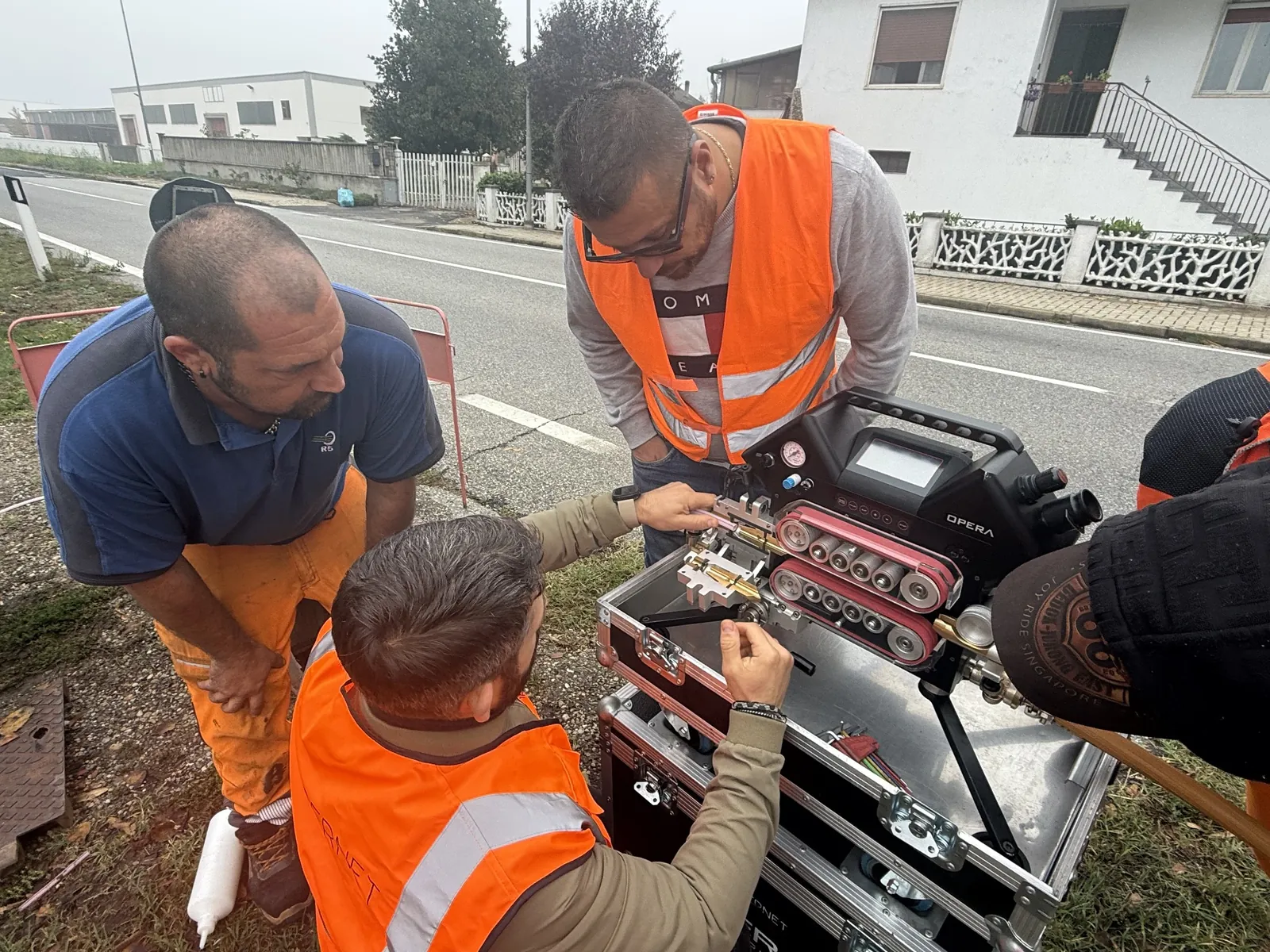
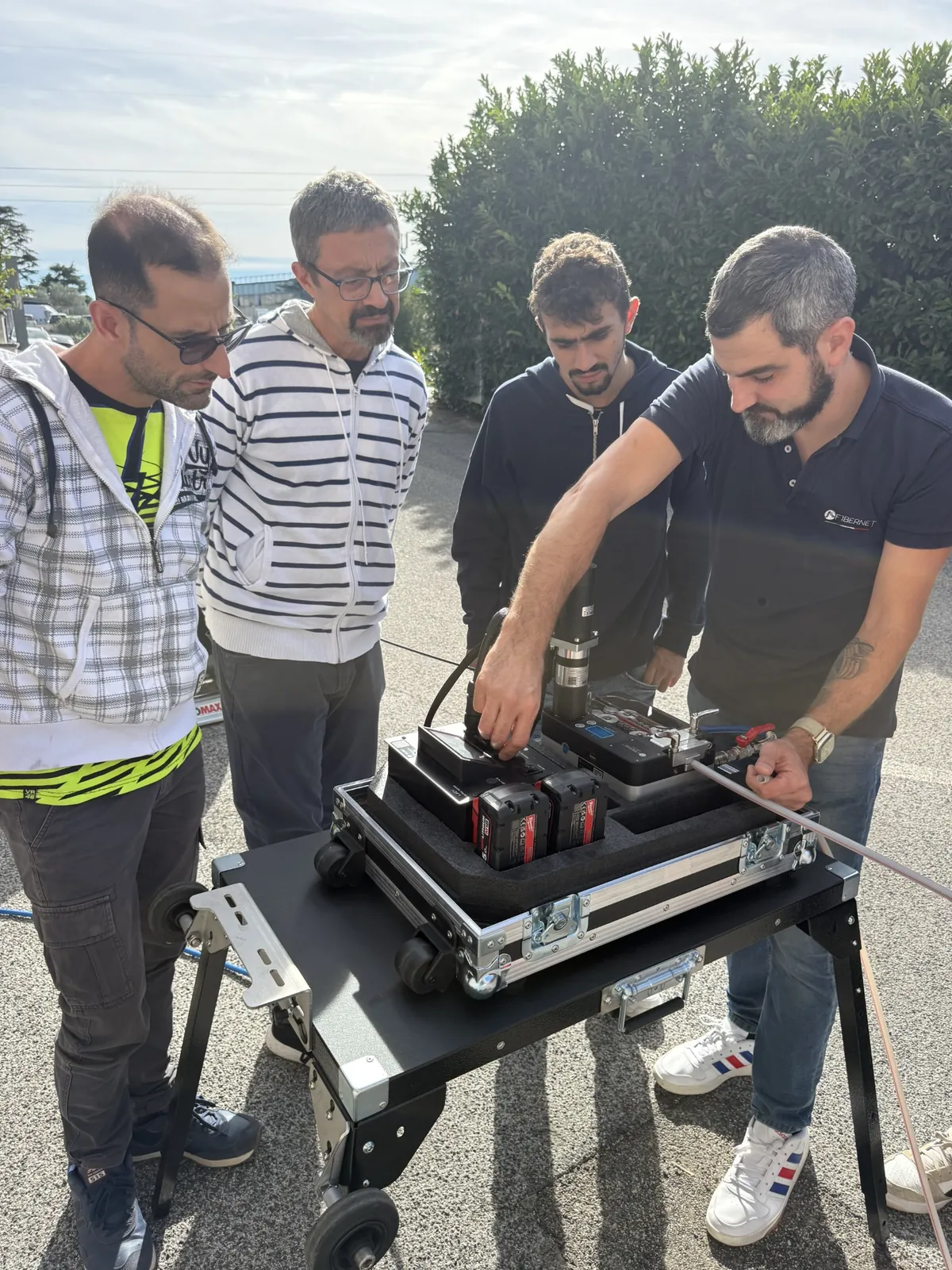
Read on Google“An excellent experience on the installer training course. The whole team was professional and knowledgeable.”
Cable blowing machines · Made in Italy
From last-mile connections to long-distance runs, a Fibernet technician can help you choose the right machine for your fibre optic cable installation.
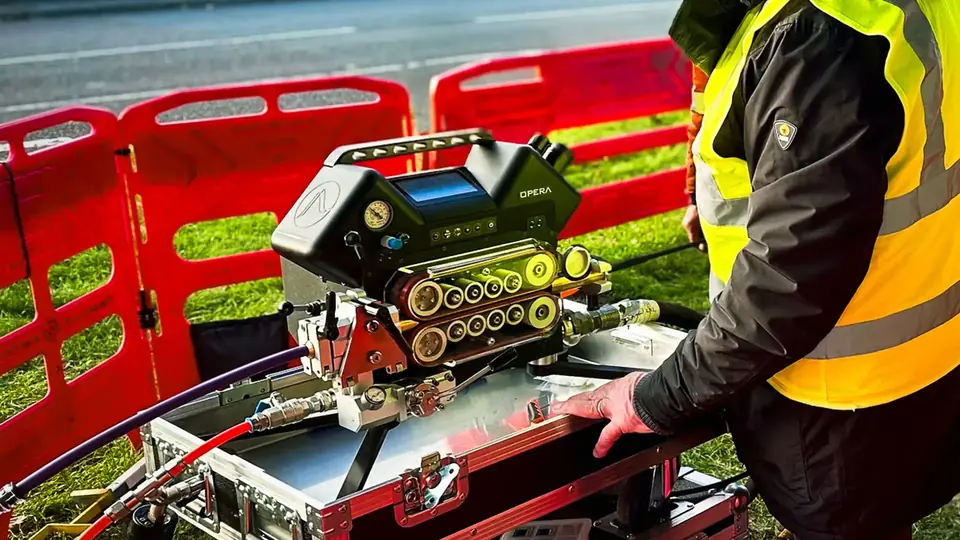
Opera, image 1 of 3
Expert advice direct from the manufacturer / Free demonstration on request
Some of our customers.
Keep your installation moving with Fibernet cable blowing machines.
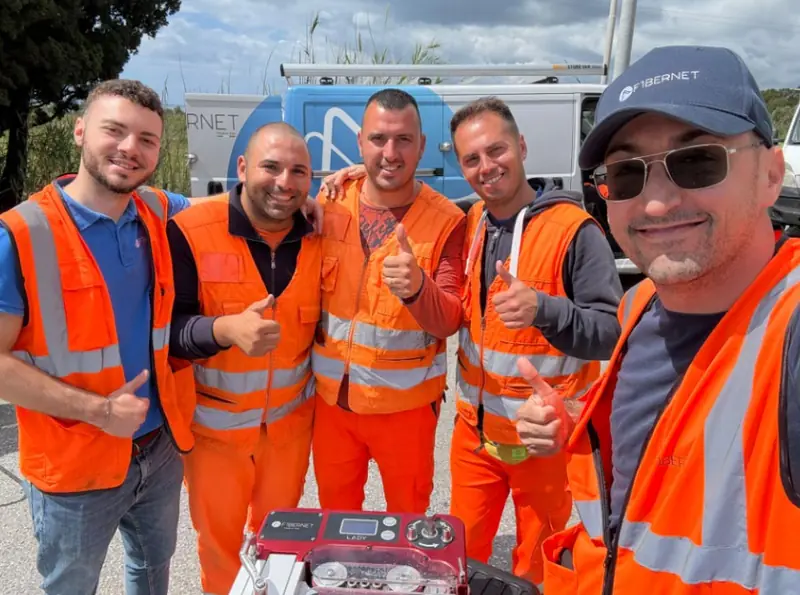
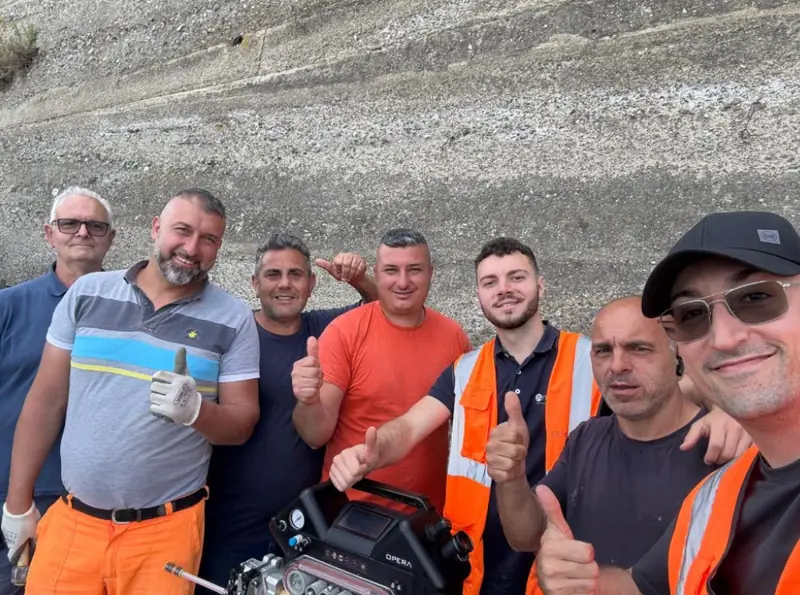
Photos and stories from installers, published by Fibernet.
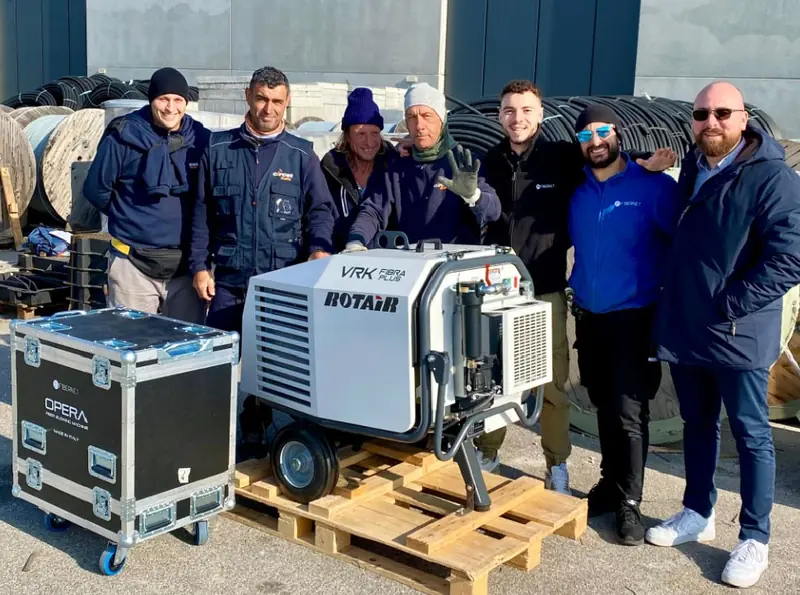
 GoogleExcellentBased on 176 reviewsRead the reviews
Read on Google“An excellent experience on the installer training course. The whole team was professional and knowledgeable.”
Read on Google“I had the chance to try the Opera cable blowing machine on site…”
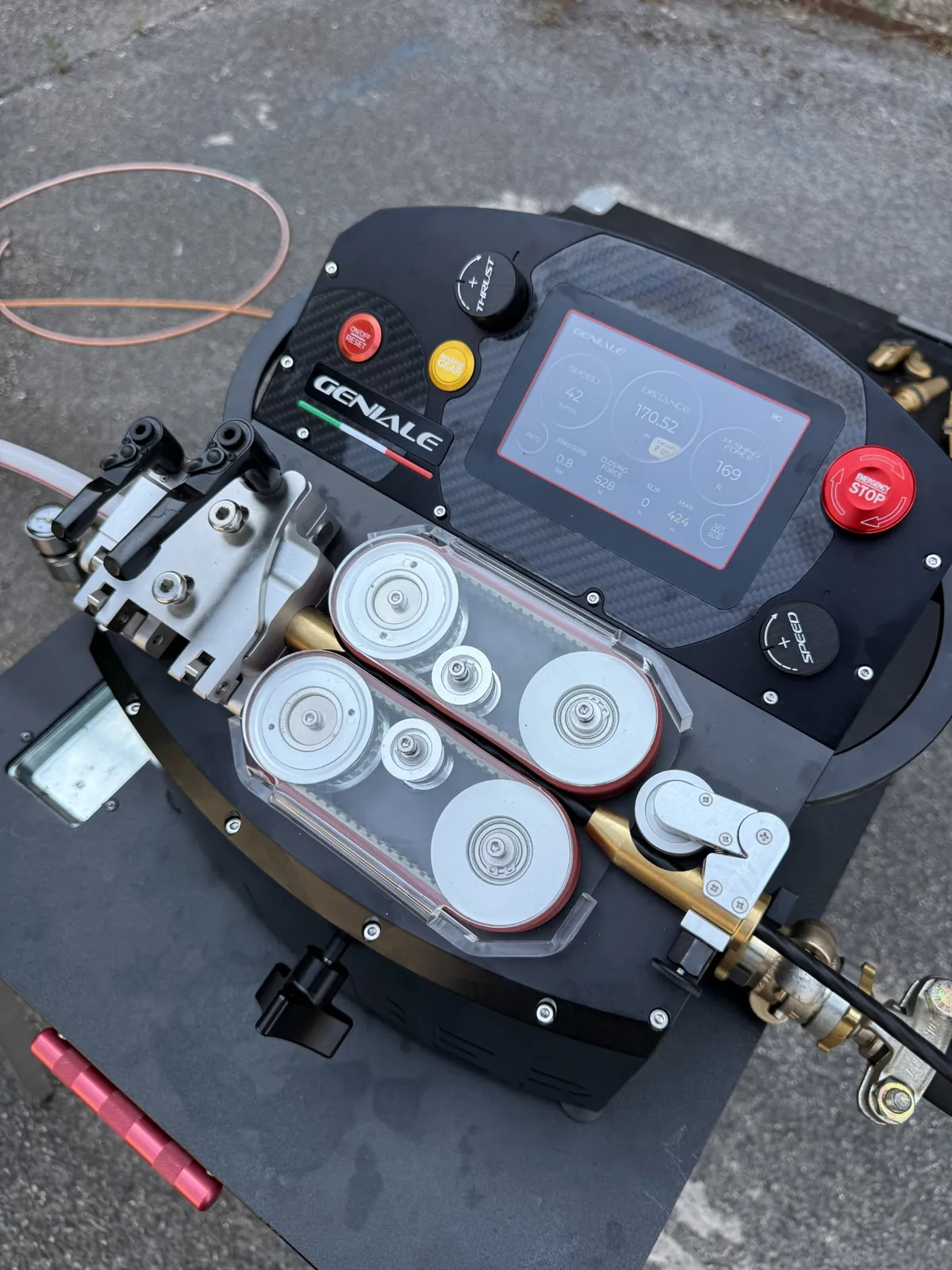
Read on Google“I really enjoyed this course. It took place in a pleasant setting with friendly, helpful people.”
Stories from installers
Hear the results from the installers themselves. Watch their testimonials right here.
Product videos
Three machines. Find your fit.
Start with the job at hand. Our technician can answer your questions about the right setup.
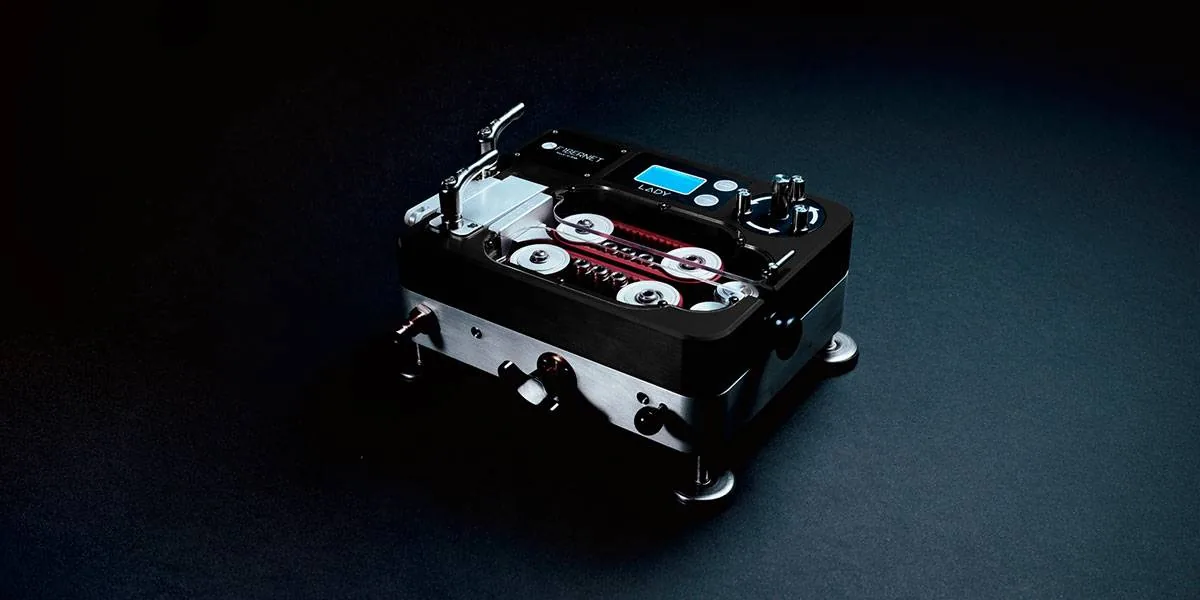
Compact and lightweight
A compact, lightweight machine for short runs.
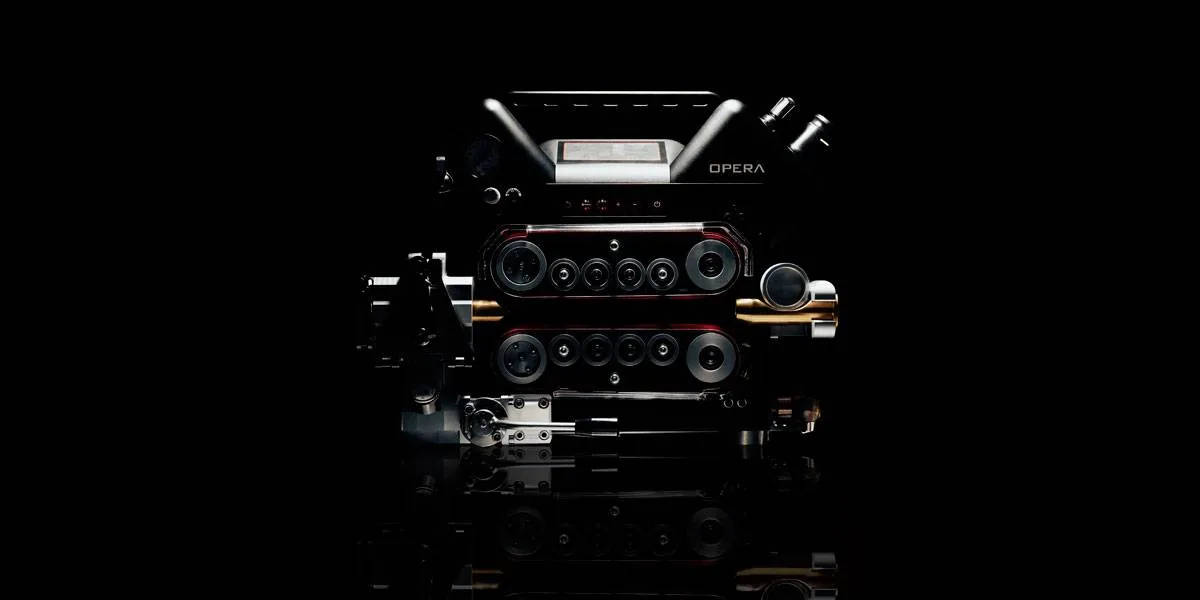
Pneumatic power
A pneumatic machine for long cable runs.
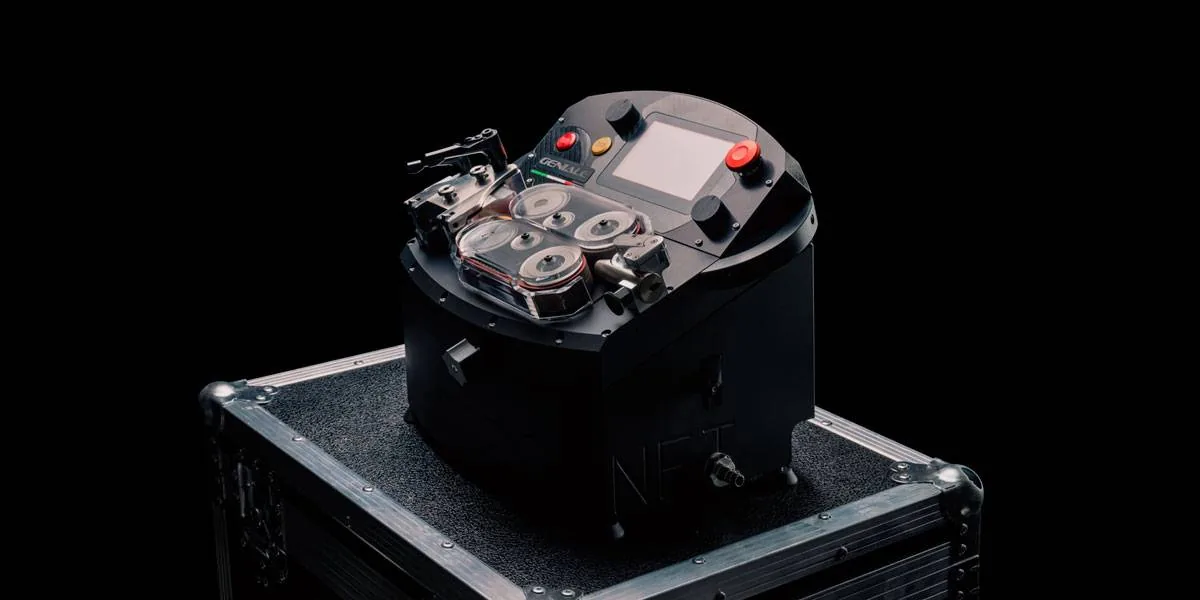
Electric, with two gears
For short and long runs. Two gears let you match force and speed to the job.
Specifications for the Fibernet range. The speeds shown are maximum values. Actual results depend on installation conditions and machine setup.
Direct from the manufacturer
When you’re working on site, you need practical answers. With Fibernet, you speak directly to the people who design and build your cable blowing machine.
Speak to a technicianA specialist technician can help when you need it.
Spare parts ready to ship, direct from the manufacturer.
If your machine breaks down, a replacement may be available within 48 hours.
Check availability and terms with your technician.Get help making the most of your machine, from your very first job.
See it in action before you choose
Request a free hands-on demonstration on your site or at Fibernet’s test facility. Discuss a real job with the technician.
Request a free demonstration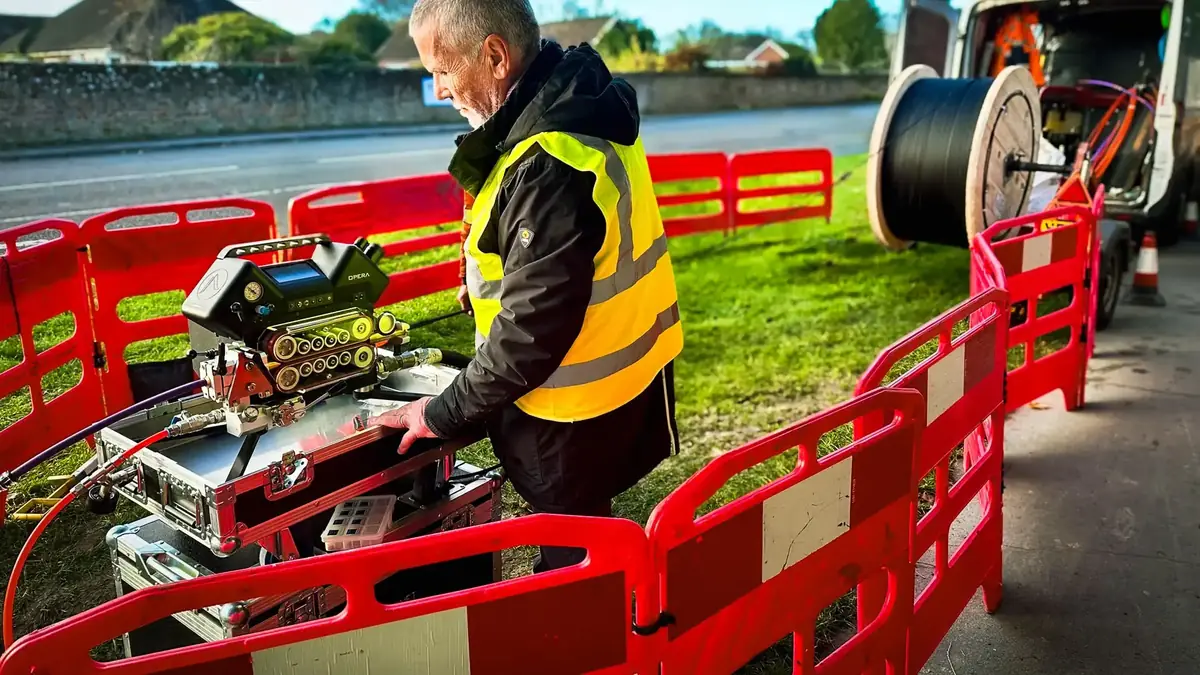
Fiber cable blower rental can be worth investigating when a contractor needs equipment for a defined installation period rather than continuous use throughout the year. However, the starting point should be the work itself, not simply the number of days on site. Cable diameter, duct dimensions, route condition, available compressed air and the experience of the operating team all influence which machine configuration should be considered. Fibernet, founded in Italy in 2001, brings a technical background to these discussions and introduced its first cable blowing machine, Lady, in 2021. For companies working in Italy or coordinating installations internationally, contacting the manufacturer is a practical way to clarify machine suitability and ask which supply arrangements are currently available. Rental availability, delivery destinations and commercial terms should always be confirmed directly rather than assumed from a search result. A useful enquiry begins with the cable manufacturer's specification and the duct manufacturer's installation limits. Include the cable's external diameter, its permitted pushing force where specified, the duct's internal and external diameters, and any known restrictions on pressure. Describe the intended installation sections, the approximate number of bends and whether the duct has already been inspected and prepared. These details help establish whether a proposed fiber cable blower is appropriate for the actual operating conditions. They also reduce the risk of selecting a machine on the basis of an advertised maximum distance that may not reflect the route. A short section with several tight bends can present different challenges from a longer, straighter duct. Equipment planning should also cover practical access. Consider where the machine will stand, how the cable drum will be positioned and whether the compressor can remain close enough to maintain the required air supply. Ask which guides, seals and connection components are needed for the particular cable and duct combination, and whether they form part of the proposed package. A machine without the correct interface components may be unsuitable even when its general operating range appears appropriate. When comparing fiber optic cable blower rental options, request written clarification of the equipment configuration, collection or delivery arrangements, responsibility for consumables and the procedure for reporting a fault. Establish whether the hire period includes transport days and how extensions would be handled if site access changes. These questions make the enquiry more useful for both the contractor and the supplier. They turn an initial availability request into a practical assessment of compatibility, timing and commercial responsibility, helping the project team make a decision based on its own installation conditions rather than an incomplete daily rate.
A successful fiber cable blower rental enquiry should address the installation environment as carefully as the machine itself. Cable blowing combines controlled mechanical feeding with airflow through a suitable duct, so performance depends on several interacting conditions. Before committing to equipment, establish what compressed air supply is available and ask the supplier to confirm the required pressure, flow rate and air quality for the proposed configuration. Compressor pressure alone does not establish suitability: available airflow under working conditions, hose dimensions, connection restrictions and leaks can all affect operation. A compressed air fiber cable blower should therefore be assessed as part of a complete installation arrangement, not as an isolated item delivered to site. Duct preparation deserves the same attention. Confirm that the intended section is continuous, appropriately connected and suitable for the planned blowing process. Check for damage, obstructions, water or contamination using procedures appropriate to the duct system and site requirements. Where cleaning, proving or lubrication is needed, follow the relevant manufacturers' instructions and use compatible materials. Lubrication is not a substitute for repairing a defective duct, and increasing pressure is not a reliable answer to every interruption. The objective is to establish suitable conditions before feeding begins, reducing avoidable stoppages during the period for which equipment is required. At the working position, arrange the cable drum so that cable can enter the machine smoothly without excessive bending or uncontrolled tension. Inspect the accessible cable surface and ensure that guides and seals correspond to the actual dimensions, not merely to an approximate product category. Operators should understand the machine's controls, protective features and stopping procedure before starting. Appropriate personal protective equipment, controlled access to the operating area and clear communication between personnel are essential considerations. Never open pressurised connections or attempt adjustments that require isolation while equipment remains energised or under pressure. During operation, record useful observations such as the installed length, feed behaviour, pressure settings and the point at which resistance changes. If movement becomes irregular, stop and investigate in accordance with the operating instructions rather than repeatedly increasing force. Possible causes include an unsuitable cable entry angle, a leaking connection, a restrictive bend or insufficient air delivery. A pneumatic fiber cable blower cannot compensate for every route defect, and responsible operating limits remain important even when deadlines are tight. Before dispatch, ask what documentation accompanies the equipment and how technical questions should be raised. For projects in Italy, coordinate delivery with actual site access, compressor readiness and the availability of competent personnel. For international enquiries, also clarify transport requirements and applicable documentation. This preparation helps ensure that the requested equipment arrives into an organised working environment rather than waiting while unresolved site conditions consume the planned installation window.
The financial case for fiber cable blower rental depends on how frequently the equipment will be used, how predictable the work programme is and what responsibilities remain with the contractor. A daily or weekly figure is only one part of that calculation. Transport, insurance requirements, configuration components, cleaning obligations, consumables and possible charges for damage or late return can materially change the final cost. Ask for a written breakdown that distinguishes included items from optional items and explains how additional days are calculated. If installation dates depend on permits, duct completion or access to the working area, discuss those uncertainties before agreeing a collection or delivery date. Equipment that arrives before the route is ready can create costs without creating productive working time. For contractors with recurring blowing work, comparing temporary access with ownership can be useful. A fiber cable blower price should be assessed against a clearly defined configuration, including the cable and duct ranges supported by the proposed accessories. Two quotations may cover different equipment packages even when their headline descriptions appear similar. Check what documentation, spare components and technical assistance are included, and ask how servicing is arranged. Ownership also brings storage, maintenance and inspection responsibilities, while temporary equipment arrangements may impose availability and scheduling constraints. Neither approach is automatically preferable: the sensible choice depends on the company's workload, technical capability and need for equipment at short notice. A used fiber cable blower may provide another comparison point, but condition and traceability matter more than appearance alone. Ask for identification details, operating documentation, service records where available and confirmation that essential protective features function correctly. Establish whether compatible seals, guides and replacement parts remain obtainable. Any inspection or operational demonstration should follow the manufacturer's instructions and be conducted by competent personnel. An apparently inexpensive machine may be a poor fit if it requires unavailable components or cannot accommodate the contractor's usual cable and duct combinations. Conversely, a suitable, properly documented machine may merit closer evaluation when a stable installation workload justifies ownership. Fibernet's background offers a relevant starting point for discussing machine requirements with an Italian manufacturer. Founded by Giancarlo Trinei after years of technical experience in the sector, the company developed Lady as part of its cable blowing equipment activity. Share your expected installation frequency, typical working conditions and preferred timescale when making an enquiry. Ask Fibernet to confirm current equipment options, availability and any applicable arrangements for your destination. For fiber cable blower rental specifically, request explicit confirmation that a rental arrangement can be offered before planning around it. A detailed conversation supports a more reliable comparison and helps separate the needs of a single contract from the longer-term equipment strategy of the business.
Fill in the form and discover what Fibernet Srl can do for you!
Contact us!Before you get started
If you prefer, speak to us directly.
+39 346 652 9915Compare the cable diameter, duct diameter and installation distance. Lady is compact and lightweight for short runs. Opera is pneumatic and designed for long runs. Geniale is electric and handles both. A Fibernet technician can help you choose.
Yes. You can request a free hands-on demonstration on your site or at Fibernet’s test facility. Tell us what you need in the form and a technician will arrange it with you. Request a demonstration.
To get a price, contact a Fibernet adviser using the form or call +39 346 652 9915.
Fibernet offers direct technical support, spare parts ready to ship and dedicated training. If your machine breaks down, a replacement may be available. Ask your technician about availability and terms.
Tell us about your job. We’ll help you find the right cable blowing machine.