Emanuele Zanda
Google review
★★★★★
Read on Google“An excellent experience on the installer training course. The whole team was professional and knowledgeable.”
Cable blowing machines · Made in Italy
From last-mile connections to long-distance runs, a Fibernet technician can help you choose the right machine for your fibre optic cable installation.
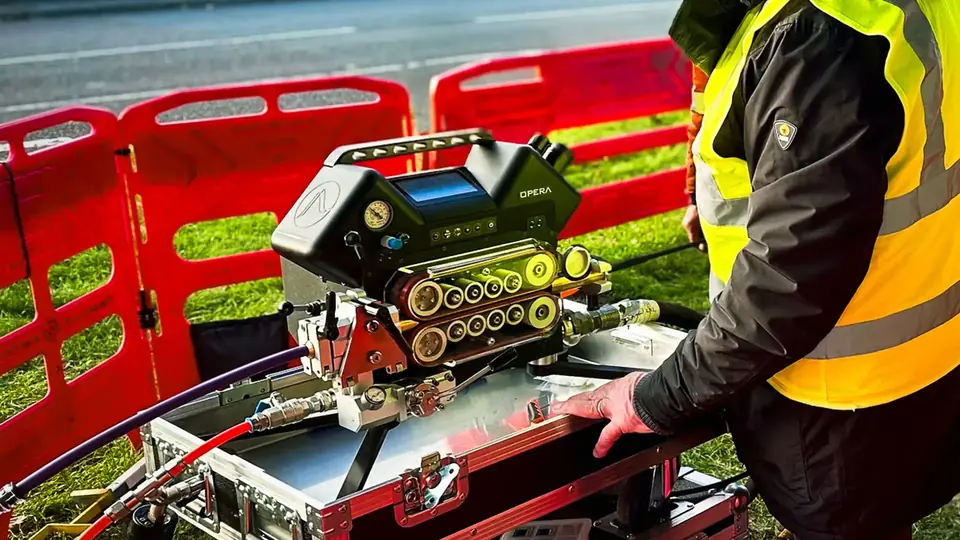
Opera, image 1 of 3
Expert advice direct from the manufacturer / Free demonstration on request
Some of our customers.

Keep your installation moving with Fibernet cable blowing machines.
Photos and stories from installers, published by Fibernet.
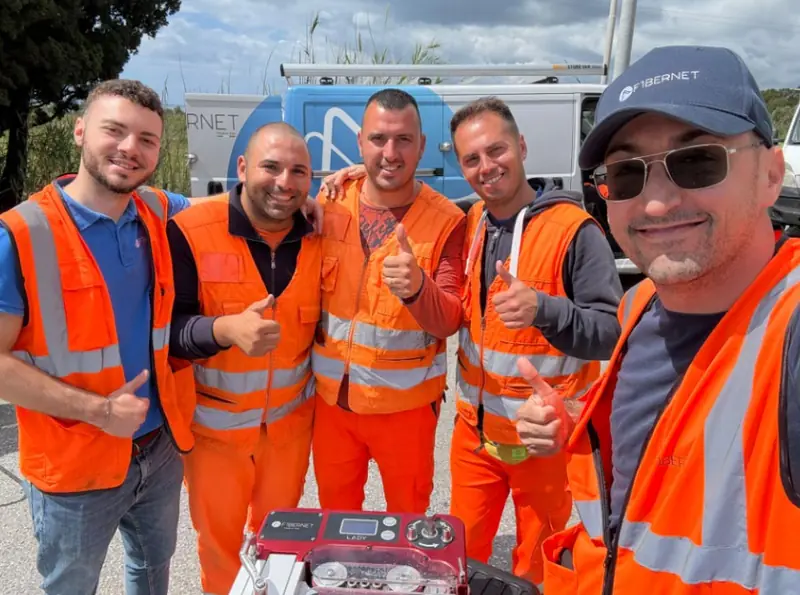
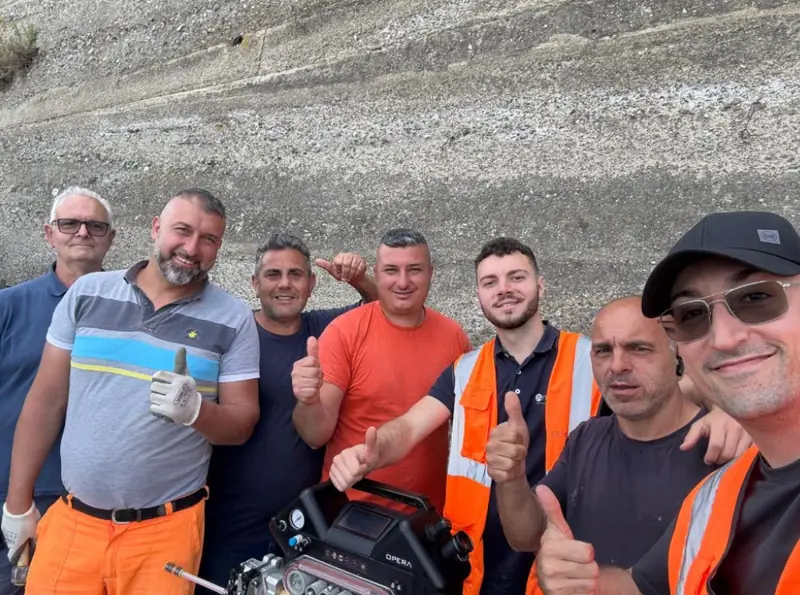
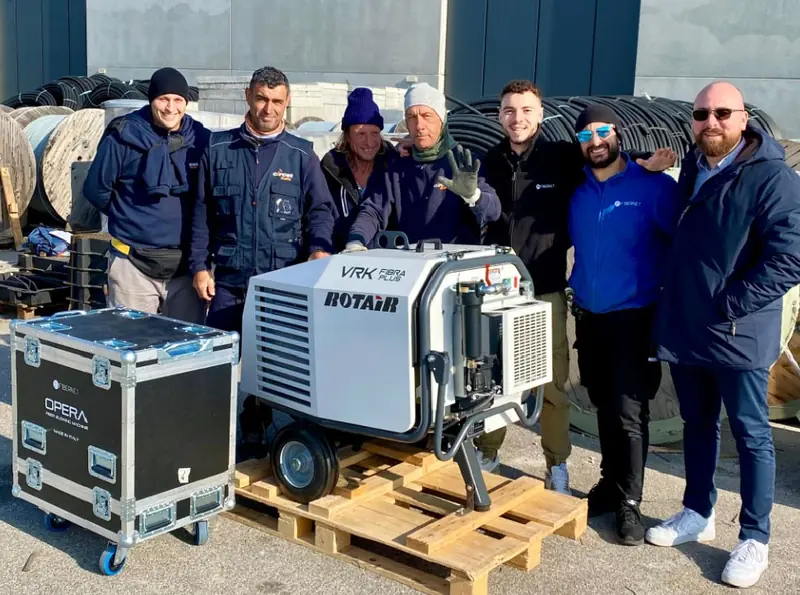
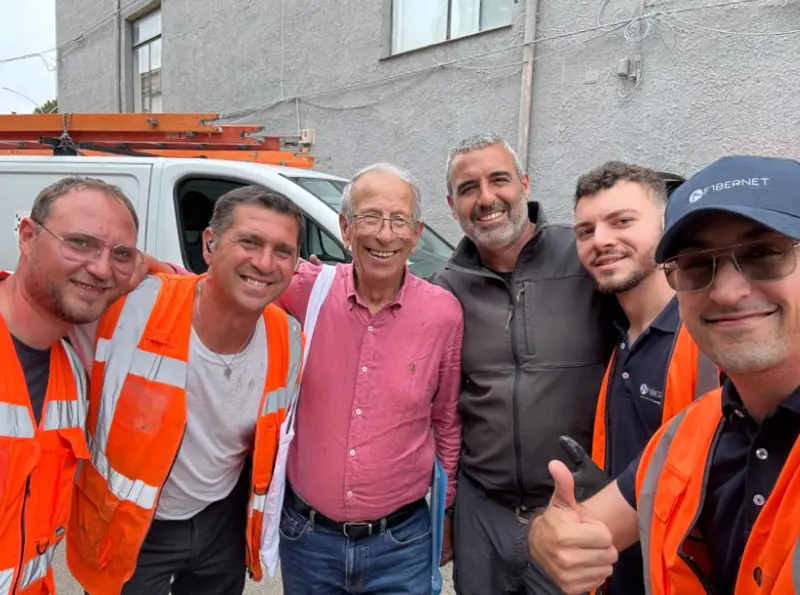
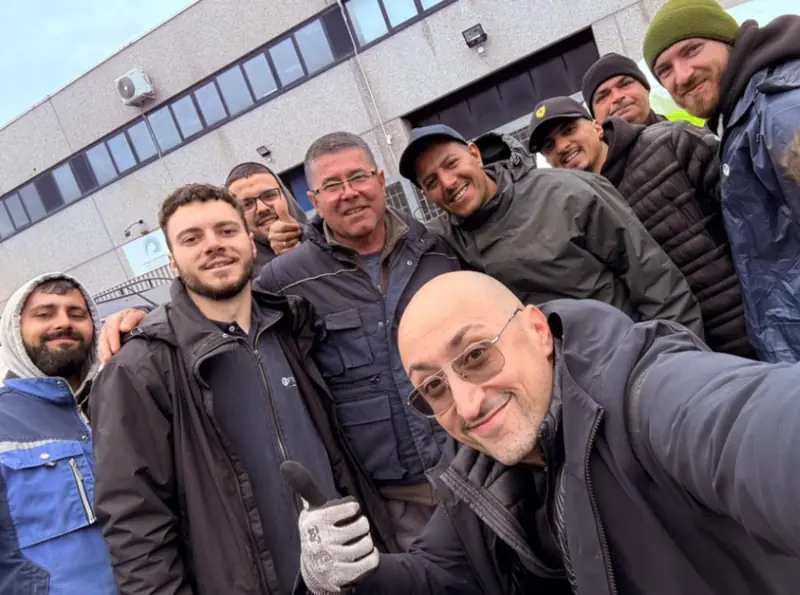
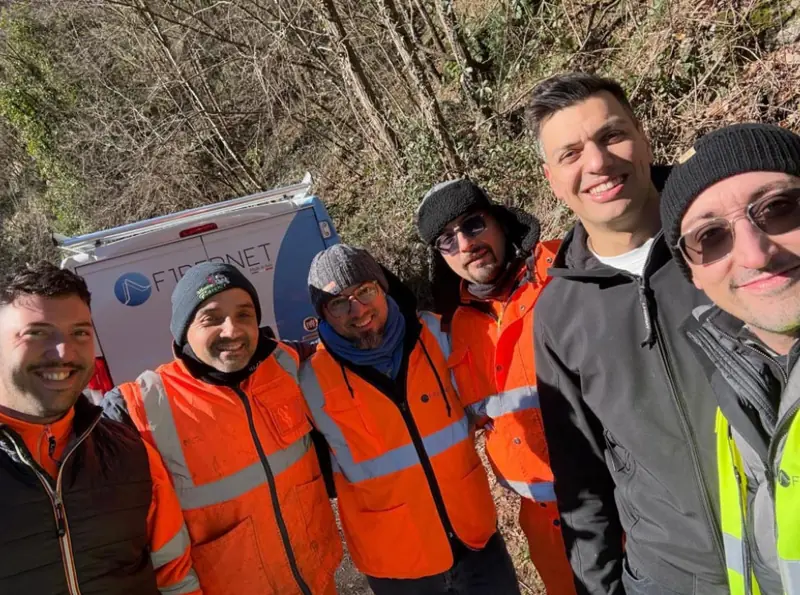 GoogleExcellentBased on 176 reviewsRead the reviews
Read on Google“An excellent experience on the installer training course. The whole team was professional and knowledgeable.”
Read on Google“I had the chance to try the Opera cable blowing machine on site…”
Read on Google“I really enjoyed this course. It took place in a pleasant setting with friendly, helpful people.”
Stories from installers
Hear the results from the installers themselves. Watch their testimonials right here.
Product videos
Three machines. Find your fit.
Start with the job at hand. Our technician can answer your questions about the right setup.
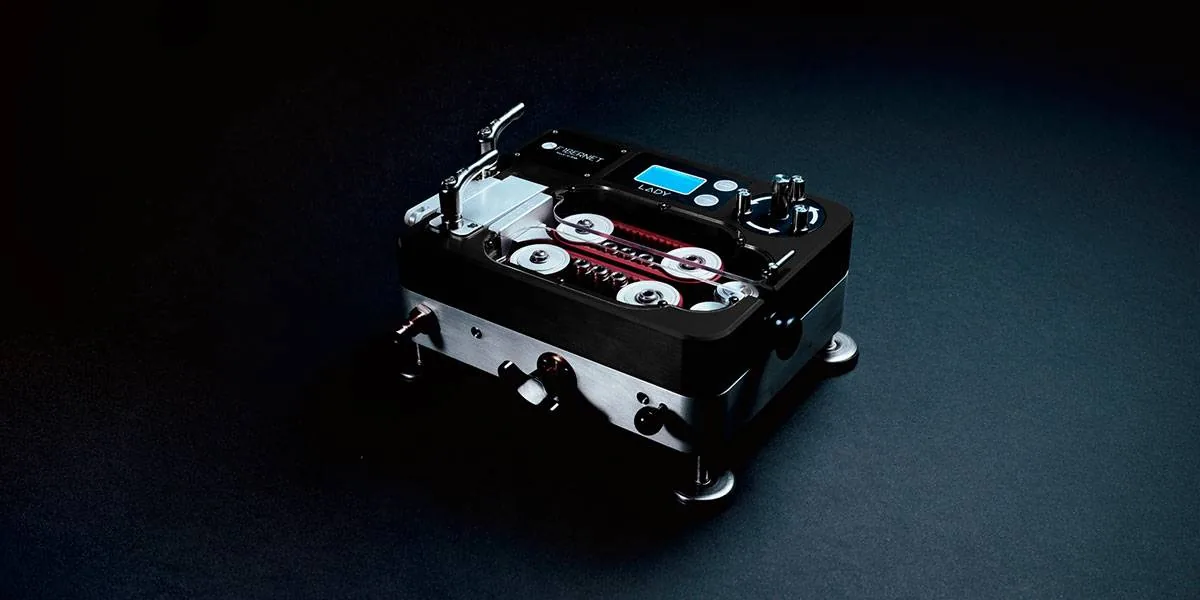
Compact and lightweight
A compact, lightweight machine for short runs.
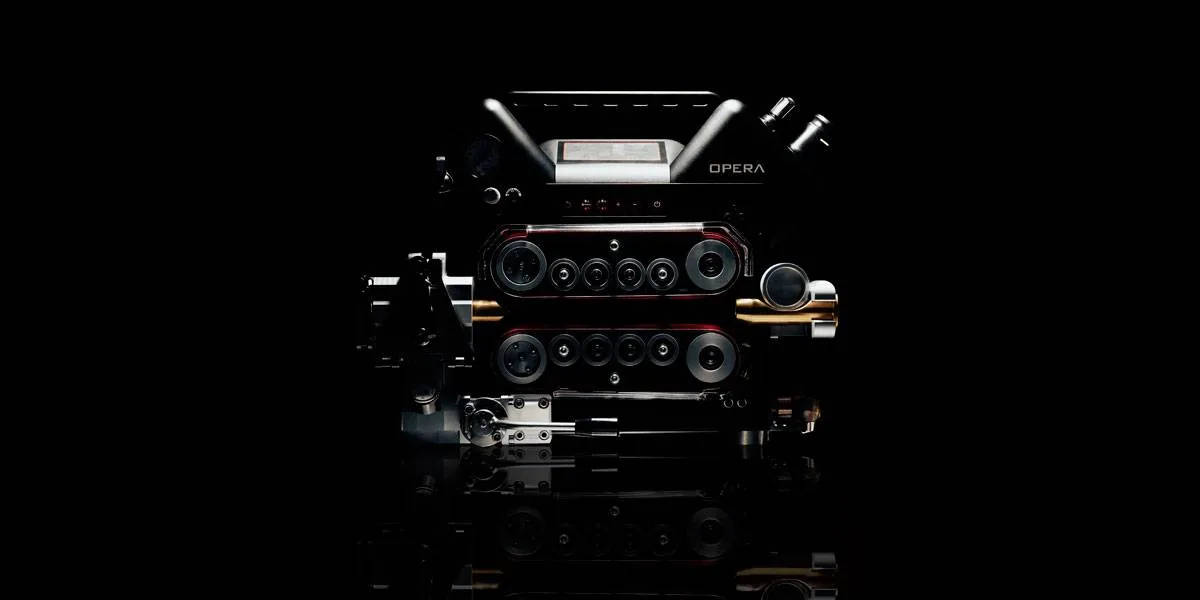
Pneumatic power
A pneumatic machine for long cable runs.
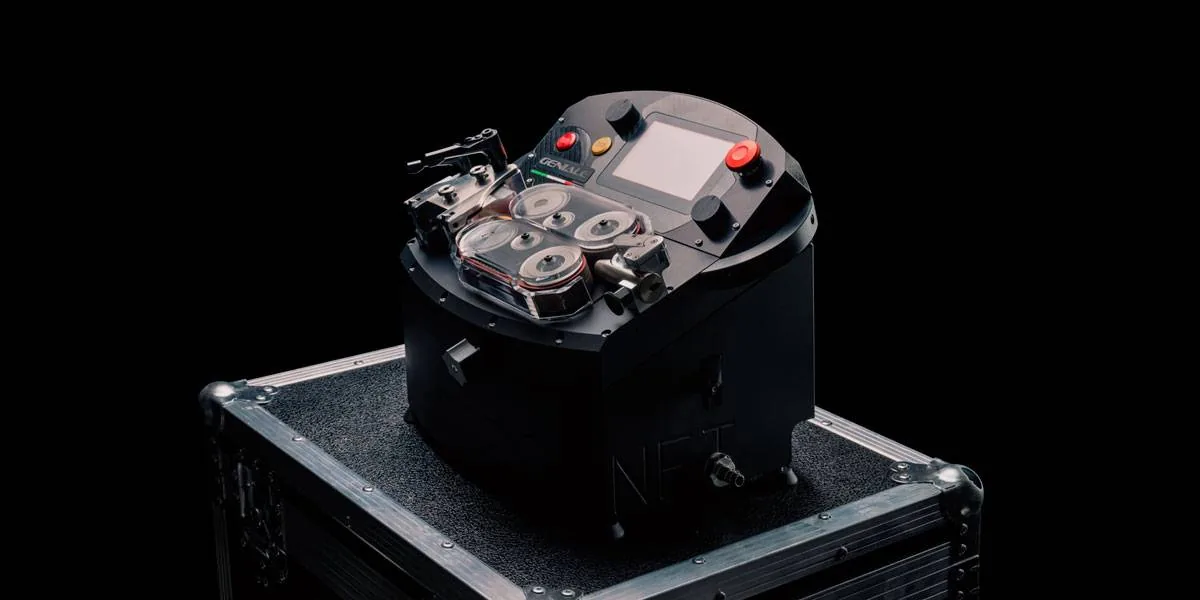
Electric, with two gears
For short and long runs. Two gears let you match force and speed to the job.
Specifications for the Fibernet range. The speeds shown are maximum values. Actual results depend on installation conditions and machine setup.
Direct from the manufacturer
When you’re working on site, you need practical answers. With Fibernet, you speak directly to the people who design and build your cable blowing machine.
Speak to a technicianA specialist technician can help when you need it.
Spare parts ready to ship, direct from the manufacturer.
If your machine breaks down, a replacement may be available within 48 hours.
Check availability and terms with your technician.Get help making the most of your machine, from your very first job.
See it in action before you choose
Request a free hands-on demonstration on your site or at Fibernet’s test facility. Discuss a real job with the technician.
Request a free demonstration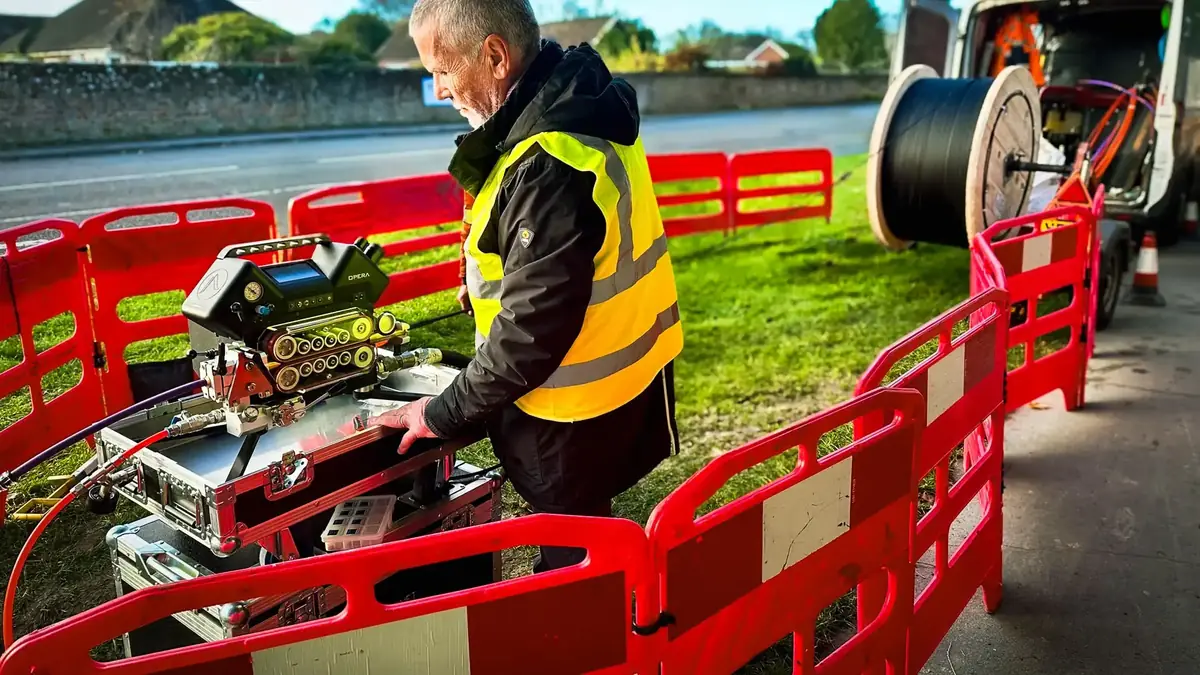
Searching for a fiber blower on rent usually starts with a practical requirement: an installation team needs suitable equipment for a defined programme of cable blowing work without immediately committing to ownership. Before choosing a machine, however, the contractor needs to establish exactly what the installation involves. Cable outside diameter, duct internal diameter, cable construction, route length and the number of bends all influence equipment selection. A machine that appears suitable from a photograph may still require different guides, seals or drive components to handle the intended cable correctly. For this reason, a useful enquiry begins with technical information rather than a request for a daily rate alone. Fibernet provides a point of contact for discussing cable blowing equipment and checking the supply options available for a particular project. Rental availability, geographical coverage and commercial conditions should always be confirmed directly before any equipment is included in a site schedule. When assessing a fiber cable blower on rent, explain whether the work concerns a single installation, several short routes or a programme involving different cable sizes. Include the expected start date, the intended working period and the installation location in Italy or overseas. These details help frame a meaningful discussion about suitability and logistics. The compressor also deserves attention at this early stage. Its delivered airflow and working pressure must meet the requirements of the selected machine and installation method; pressure alone does not establish whether the air supply is adequate. Ask which air treatment arrangements, connections and accessories are required, and check that all components have appropriate operating ratings. Duct preparation matters just as much. Routes should be assessed for continuity, cleanliness and sealing using procedures appropriate to the duct system and project specification. Poor preparation can prevent an otherwise suitable machine from delivering consistent results. A fiber optic cable blower should therefore be evaluated as part of a complete working arrangement, not as an isolated item. Consider access around the launch point, cable drum positioning, the space needed for controlled feeding and communication between the people supervising the operation. If several crews will use the equipment, identify who is responsible for inspections, adjustments and recording operating information. Agreeing these details before mobilisation makes the enquiry more precise and helps reduce avoidable interruptions. Fibernet was founded in 2001 and introduced its first cable blowing machine, Lady, in 2021. Its technical background offers relevant context for conversations about equipment selection, while the final decision should remain grounded in documented machine specifications and the actual conditions of the planned installation.
The commercial value of a fiber blower on rent depends on more than the amount charged for access to the machine. A short hire period can become expensive if the equipment arrives without the correct cable guides, if the compressor is unsuitable or if the crew cannot start because an essential connection is missing. Begin the comparison by defining the complete equipment package. Ask what is included, which accessories are optional and whether any components must be selected specifically for the cable and duct dimensions. Where rental is available, request written clarification of the charging period, collection arrangements, return conditions and any deposit or damage provisions. Confirm how delays, extensions and nonworking days are treated rather than assuming that every supplier uses the same commercial model. Transport is another important consideration for contractors working across Italy or coordinating projects internationally. Delivery timing should allow for receipt, inspection and preparation before the first scheduled installation. Return transport should be planned with equal care, particularly where project completion dates may change. For overseas enquiries, clarify destination requirements, documentation and responsibilities before committing to a mobilisation date. These checks establish the real cost of having equipment ready for work, rather than merely delivered to an address. Comparing hire expenditure with the fiber blower price can also help a contractor decide which supply route deserves further consideration. Ownership may be worth evaluating when the same team undertakes regular installations and can maintain consistent utilisation. A temporary arrangement may be more relevant when demand is occasional, project dates are uncertain or the required configuration differs from equipment already owned. Neither choice is automatically better: the decision depends on workload, operational capability and the terms actually available. When considering a used fiber blower as an alternative, assess its documented condition, maintenance history, completeness and compatibility with the intended application. A lower initial cost does not establish that replacement wear parts or technical information will be readily available. Ask how the machine has been checked and whether its operating documentation corresponds to the supplied configuration. Fibernet can be contacted to discuss its equipment and establish which commercial options are currently offered; this page should not be taken as confirmation of a rental fleet, used stock or a particular delivery service. Providing a clear project brief makes that discussion more productive. Include anticipated working days, cable dimensions, duct sizes, compressor details and the delivery location. With those facts available, the comparison can focus on the overall installation requirement, helping purchasing staff and site supervisors evaluate the same practical priorities before making a commitment.
Successful mobilisation involves turning an equipment enquiry into a controlled site procedure. For a contractor considering a fiber blower on rent, that means checking not only whether the machine fits the cable, but also whether the crew has the information and supporting equipment needed to operate it correctly. Request the operating manual for the exact model and configuration, then review the manufacturer's requirements before work begins. Personnel should understand the prescribed setup sequence, the permitted operating limits and the procedure for stopping and isolating the equipment safely. Nobody should disconnect a pressurised assembly or adjust moving components without first following the required isolation process. Clear responsibilities are particularly valuable when the compressor, cable drum and launch point are managed by different people. Establish how the team will communicate and who has authority to stop the operation if conditions change. With a compressed air fiber blower, the quality and availability of the air supply are central planning considerations. Check the specified airflow requirements, connection sizes and air treatment needs against the compressor documentation. Confirm that hoses, couplings and seals are suitable for the intended service, and inspect them before use. The installation environment also affects preparation. Uneven ground, restricted access and poor drum alignment can complicate cable feeding, so the working area should support stable positioning and orderly handling. Avoid promising a fixed installation distance or speed without considering the actual route. Bends, duct condition, cable properties and site preparation can all influence performance, even when the same machine is used on successive jobs. During installation, record relevant observations and operating information in line with the project procedure. If progress changes unexpectedly, stop and investigate rather than simply increasing force or pressure. Follow the manufacturer's guidance when checking possible causes, which may include feeding resistance, sealing issues or changes in the duct route. After the work, clean and inspect the equipment as instructed, account for accessories and document any damage or abnormal behaviour. These steps are especially important when responsibility for a fiber cable blower passes between teams or between a supplier and a contractor. They support a clearer handover and help identify issues before the next installation. Fibernet's development reflects a family business with technical roots extending to Giancarlo Trinei's experience of early installations in Italy. Today, enquiries can focus on how the company's cable blowing equipment relates to a contractor's specific working requirements. Share the proposed application, destination and schedule, and request confirmation of the appropriate configuration and available supply arrangements. That approach keeps procurement tied to practical site readiness rather than assumptions about availability, performance or included services.
Fill in the form and discover what Fibernet Srl can do for you!
Contact us!Before you get started
If you prefer, speak to us directly.
+39 346 652 9915Compare the cable diameter, duct diameter and installation distance. Lady is compact and lightweight for short runs. Opera is pneumatic and designed for long runs. Geniale is electric and handles both. A Fibernet technician can help you choose.
Yes. You can request a free hands-on demonstration on your site or at Fibernet’s test facility. Tell us what you need in the form and a technician will arrange it with you. Request a demonstration.
To get a price, contact a Fibernet adviser using the form or call +39 346 652 9915.
Fibernet offers direct technical support, spare parts ready to ship and dedicated training. If your machine breaks down, a replacement may be available. Ask your technician about availability and terms.
Tell us about your job. We’ll help you find the right cable blowing machine.