Emanuele Zanda
Google review
★★★★★
Read on Google“An excellent experience on the installer training course. The whole team was professional and knowledgeable.”
Cable blowing machines · Made in Italy
From last-mile connections to long-distance runs, a Fibernet technician can help you choose the right machine for your fibre optic cable installation.
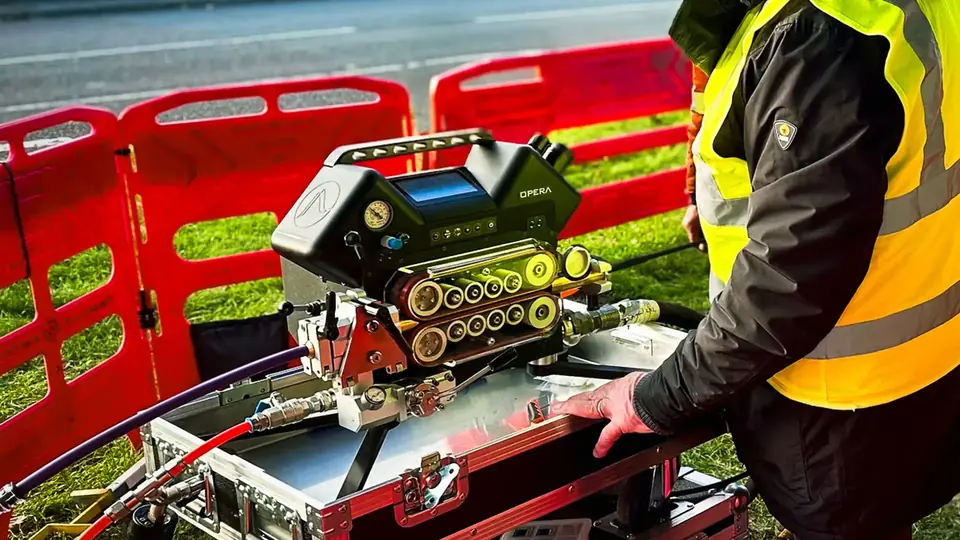
Opera, image 1 of 3
Expert advice direct from the manufacturer / Free demonstration on request
Some of our customers.

Keep your installation moving with Fibernet cable blowing machines.
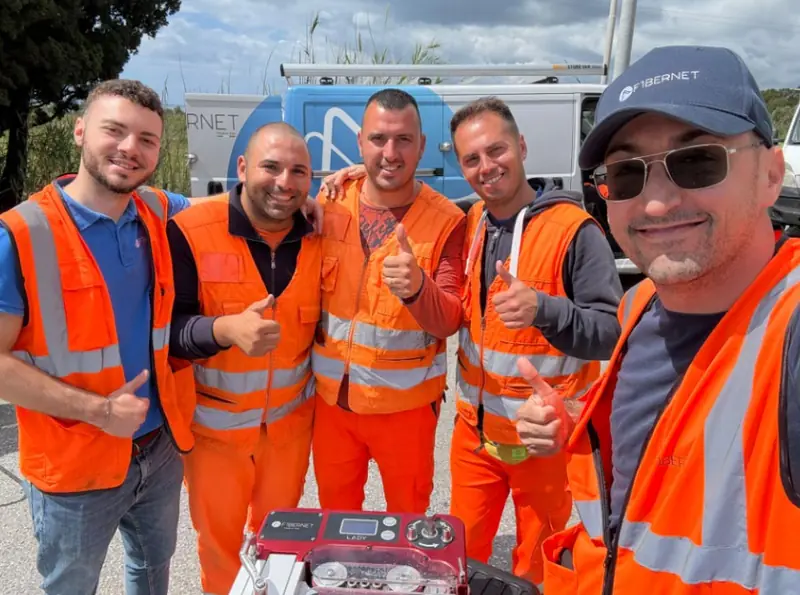
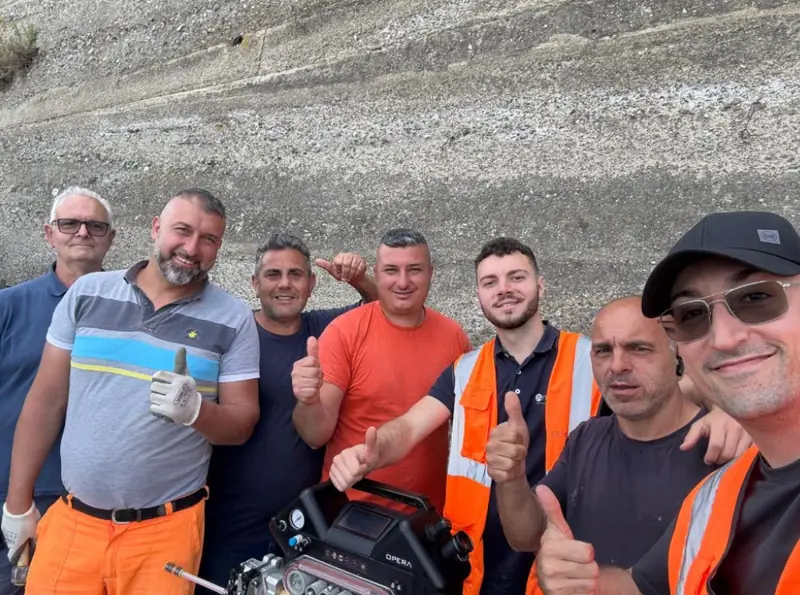
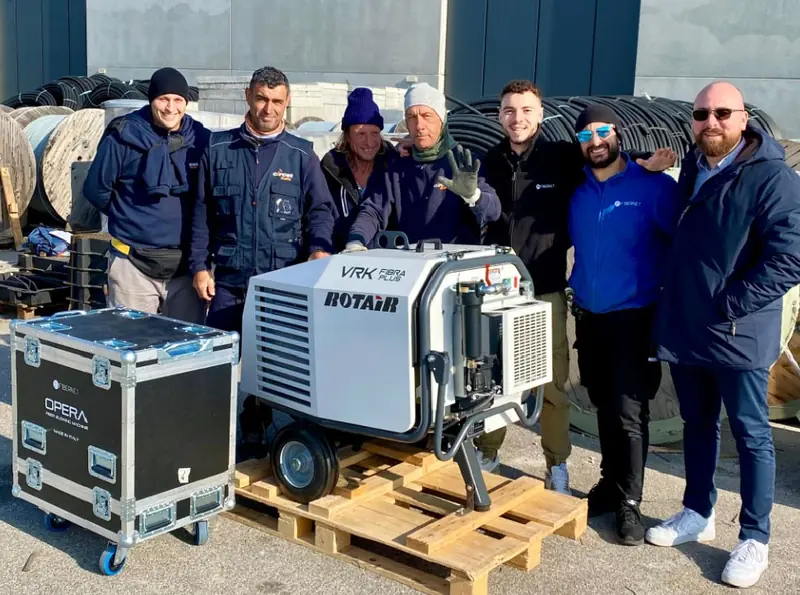
Photos and stories from installers, published by Fibernet.
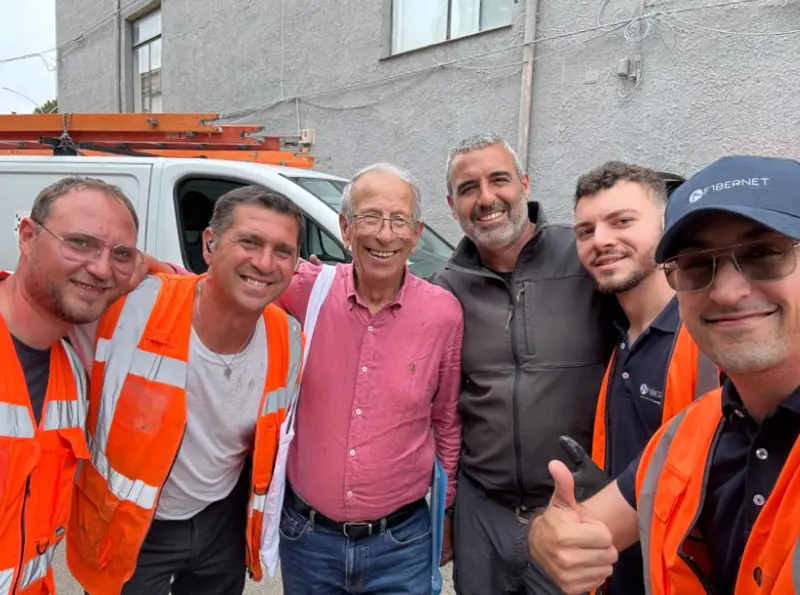
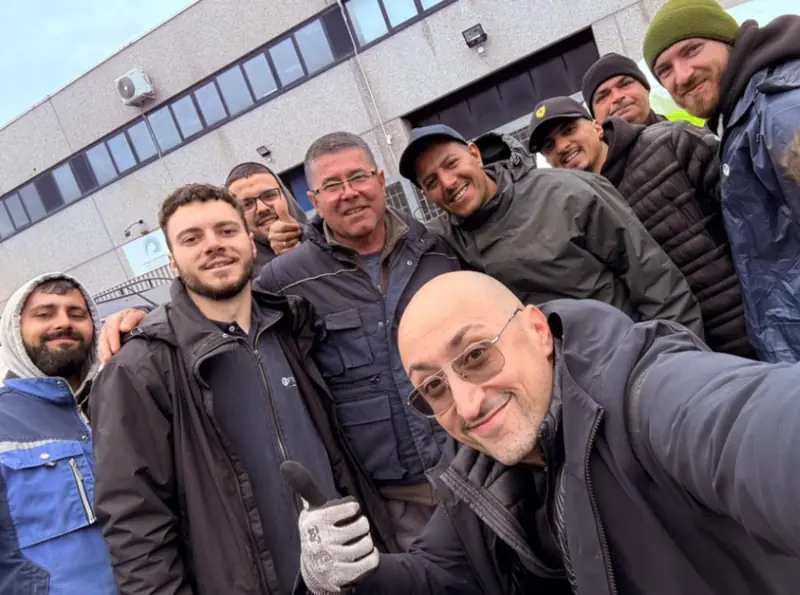
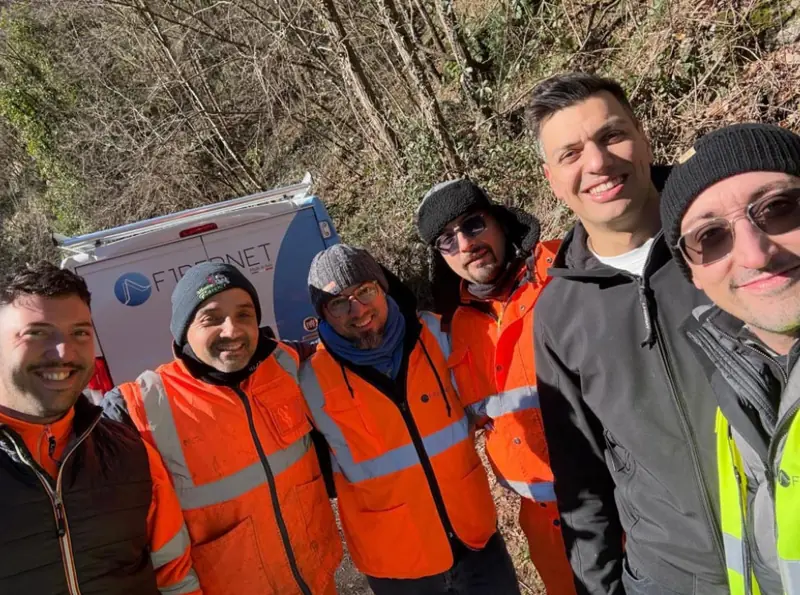 GoogleExcellentBased on 176 reviewsRead the reviews
Read on Google“An excellent experience on the installer training course. The whole team was professional and knowledgeable.”
Read on Google“I had the chance to try the Opera cable blowing machine on site…”
Read on Google“I really enjoyed this course. It took place in a pleasant setting with friendly, helpful people.”
Stories from installers
Hear the results from the installers themselves. Watch their testimonials right here.
Product videos
Three machines. Find your fit.
Start with the job at hand. Our technician can answer your questions about the right setup.
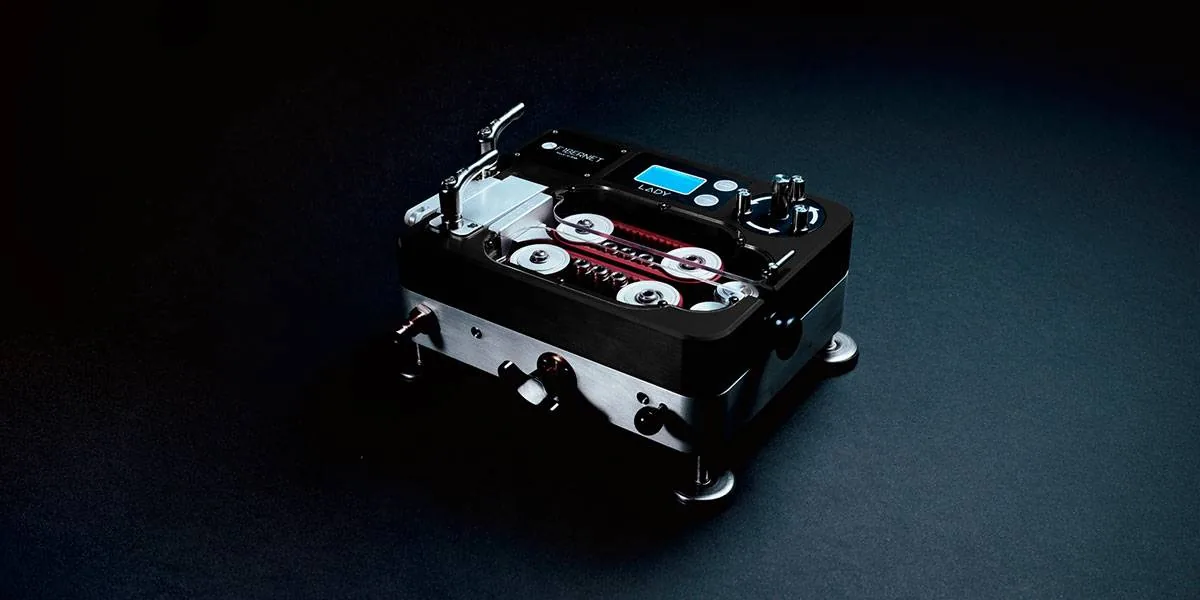
Compact and lightweight
A compact, lightweight machine for short runs.
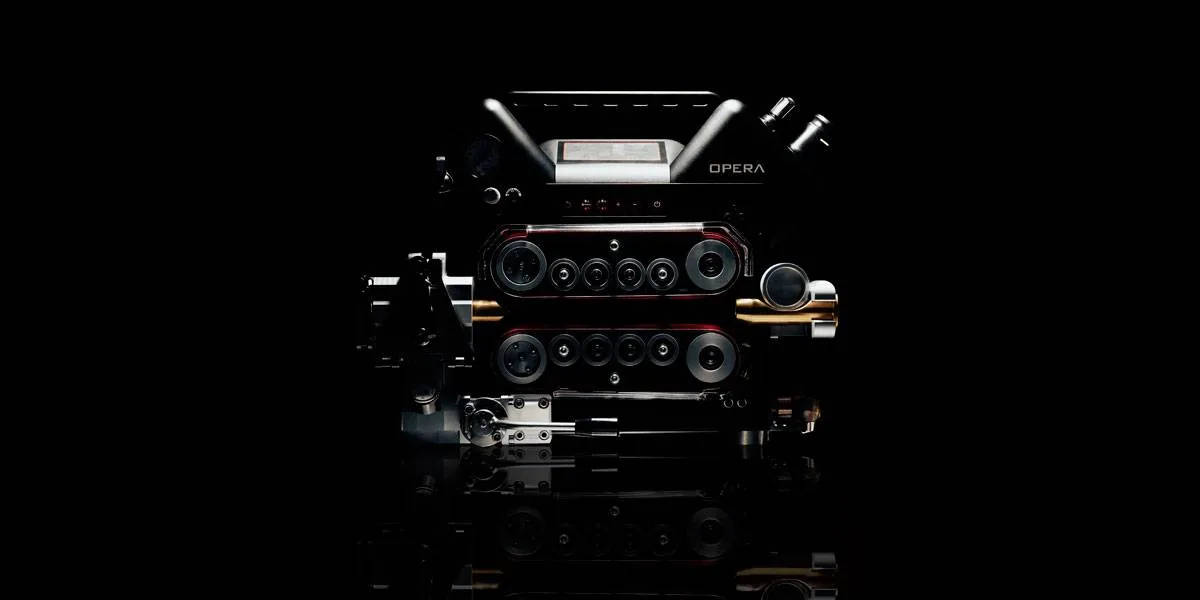
Pneumatic power
A pneumatic machine for long cable runs.
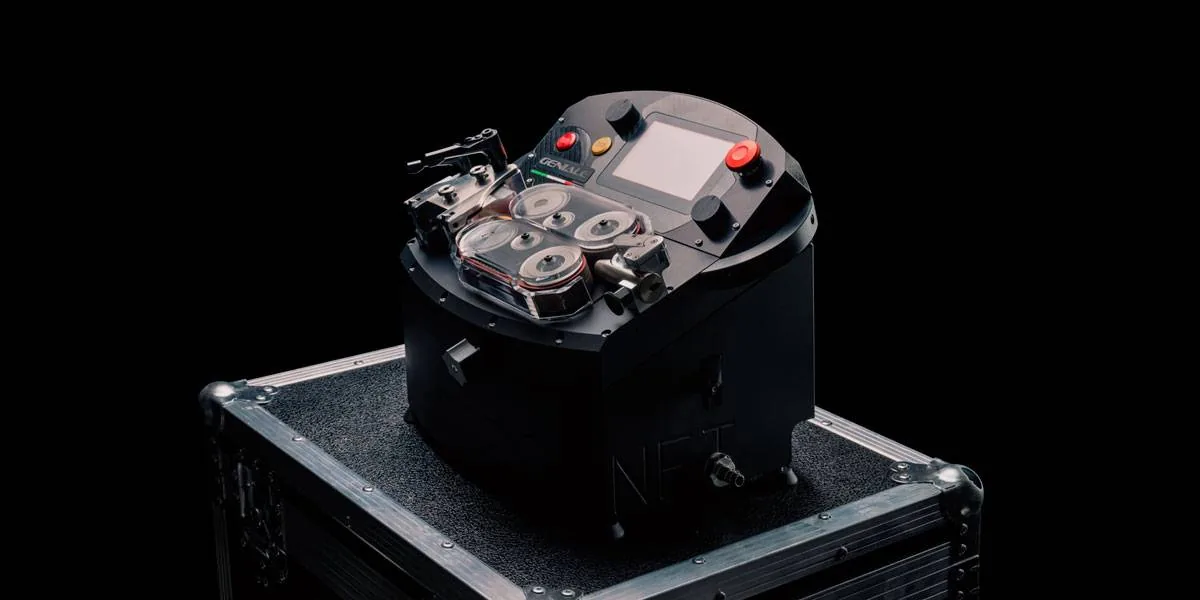
Electric, with two gears
For short and long runs. Two gears let you match force and speed to the job.
Specifications for the Fibernet range. The speeds shown are maximum values. Actual results depend on installation conditions and machine setup.
Direct from the manufacturer
When you’re working on site, you need practical answers. With Fibernet, you speak directly to the people who design and build your cable blowing machine.
Speak to a technicianA specialist technician can help when you need it.
Spare parts ready to ship, direct from the manufacturer.
If your machine breaks down, a replacement may be available within 48 hours.
Check availability and terms with your technician.Get help making the most of your machine, from your very first job.
See it in action before you choose
Request a free hands-on demonstration on your site or at Fibernet’s test facility. Discuss a real job with the technician.
Request a free demonstration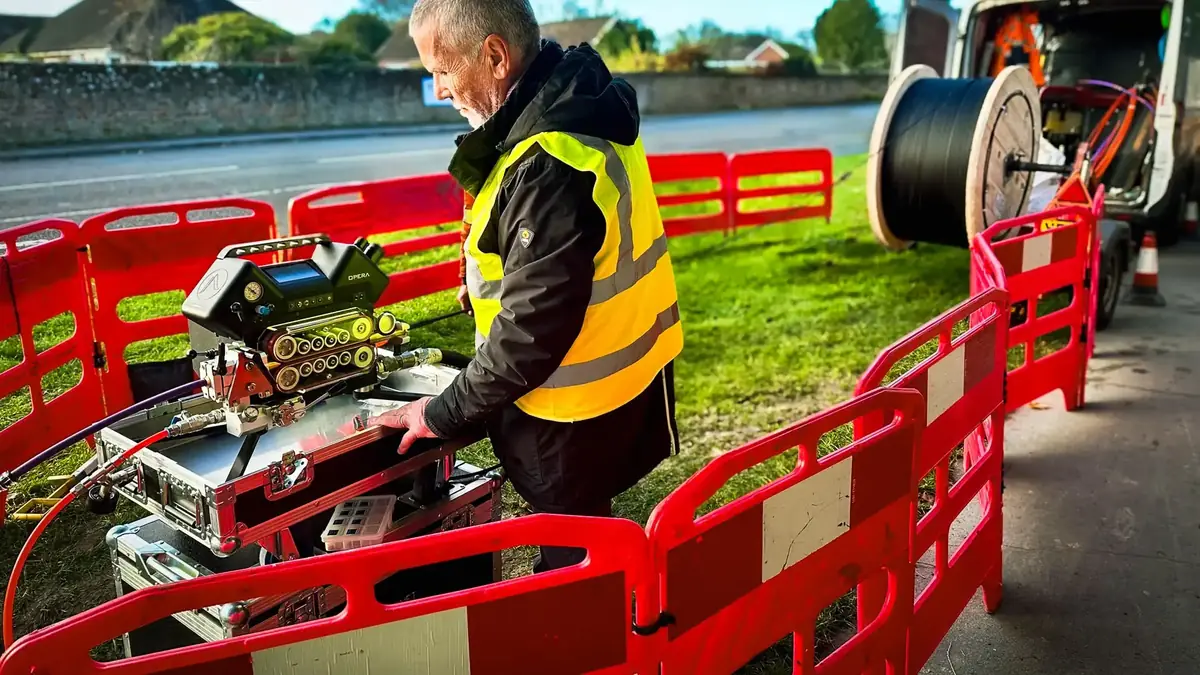
A search for fiber blower hire often begins with an immediate site requirement: a crew needs suitable equipment to install a cable into an existing duct within a defined working window. However, choosing a machine starts well before agreeing on dates. The cable diameter, duct internal diameter, route configuration and available compressed air supply all influence whether a proposed arrangement is appropriate. Fibernet provides a manufacturer’s perspective on these questions, drawing on a technical background that led to the launch of its first cable blowing machine, Lady, in 2021. If you are considering temporary access to equipment, contact the company to discuss your application and establish which supply options are actually available for your location and schedule. Before making an enquiry, prepare the cable manufacturer’s dimensional information and installation limits, together with the duct specification. Include the intended section lengths, known bends, access points and any previous difficulty encountered along the route. These details help distinguish a machine selection issue from a duct preparation or air supply issue. A fiber cable blower must be assessed as part of a working system, rather than as an isolated item. The compressor, connecting hoses, seals, cable guides and drive components must be suitable for the intended setup, with all limits checked against the relevant documentation. For contractors working on sites in Italy, practical access restrictions can be just as important as equipment compatibility. Consider where the compressor can stand, how the cable drum will be supported and whether the operator has enough space to manage the cable entry safely. Establish who will check duct continuity and condition before installation begins. A blocked, damaged or poorly joined duct should not be treated as a problem that greater pushing force or higher pressure will necessarily resolve. When comparing fiber optic cable blower hire proposals, ask what the quoted arrangement includes and what remains your responsibility. Clarify the availability of compatible accessories, the condition checks performed before dispatch, the return procedure and the process for reporting an operating issue. Do not assume that a compressor, consumables or replacement seals are included. Equally, avoid treating an advertised installation distance as a guarantee for a different cable and route. Actual results depend on several interacting conditions that need an application-specific review. A useful enquiry therefore describes the installation challenge rather than requesting a machine by name alone. Share the planned dates, destination, cable and duct information, expected workload and any constraints affecting access or delivery. This gives Fibernet a clear basis for discussing suitable equipment and confirming whether your requested commercial arrangement can be supported, without relying on assumptions about rental availability or performance.
The most useful preparation for cable blowing takes place before the crew attempts the first installation section. Start by examining the proposed equipment documentation and matching the setup to the cable and duct specifications. A compressed air fiber blower combines controlled mechanical feeding with airflow through the duct, so neither element should be considered independently. Excessive feeding force can damage a cable, while an unsuitable air supply can prevent the installation from progressing as expected. The correct approach is to establish the permitted operating envelope, use compatible components and follow the instructions for the specific machine, cable and duct involved. For a fiber blower hire enquiry, provide the compressor’s documented delivery characteristics rather than only its nominal pressure. Available airflow, hose arrangement, connection sizes and air treatment requirements all deserve attention. Ask which air quality conditions the machine requires and whether your existing compressor arrangement can meet them. Moisture, contamination and unsuitable connections can undermine an otherwise carefully selected setup. Pressure ratings must also be checked across the complete assembly, including duct connectors and accessories. Never assume that the rating of one component establishes a safe limit for the entire system. Cable handling deserves equal care. Position the drum to support a stable, controlled feed and observe the cable manufacturer’s minimum bending radius. Check that the selected cable guides, seals and drive components match the actual cable dimensions. Where the equipment provides adjustable feeding settings, establish the correct adjustment procedure from the manufacturer’s instructions rather than copying settings from a previous installation. Different cable constructions can respond differently to the same mechanical input. Stop and investigate unexpected resistance instead of repeatedly increasing force. A fiber optic cable blower should help an informed operator manage the installation, not encourage attempts to overcome an unknown obstruction. Duct preparation should include the checks appropriate to the duct system and project specification. Confirm that connections are suitable, the route is ready and personnel understand how to isolate and depressurise the equipment before intervention. Agree on communication between the feeding position and the receiving point, including a clear stop procedure. Keep unnecessary personnel away from pressurised connections and moving cable handling components. These arrangements are particularly important when several subcontractors share a restricted working area. During installation, record the section identification, equipment configuration, relevant settings and any interruption or unusual behaviour. Such records make subsequent discussions with the equipment supplier more productive because they replace vague impressions with useful observations. Fibernet can be approached with these application details when you need to discuss machine suitability or clarify product information. Confirm the support arrangements applicable to your proposed supply before committing to the job. Careful preparation cannot guarantee a particular distance or speed, but it provides a stronger basis for safe operation, realistic planning and consistent decisions when site conditions change.
An equipment decision should reflect the pattern of work ahead, not simply the urgency of the next installation. Fiber blower hire may be worth investigating when demand is occasional, a project has a limited duration or a contractor needs to assess an unfamiliar application before committing to ownership. Repeated assignments can create a different calculation, particularly when cable and duct combinations remain similar across several sites. Neither route is automatically better. The useful comparison considers availability, compatibility, transport, maintenance responsibilities and the financial consequences of equipment being unavailable when a crew is scheduled to work. Begin with a realistic estimate of operating days and the gaps between them. A short hire period may become longer if site access is delayed or duct preparation remains incomplete. Conversely, buying equipment for infrequent work ties up capital and creates storage and maintenance obligations. When reviewing a fiber blower price, establish precisely which machine configuration and accessories the quotation covers. A headline amount is difficult to interpret unless you know whether the proposed setup matches your cable range and existing compressor arrangement. Include the cost of any additional guides, seals, connecting components or other application-specific items identified during the technical review. The same discipline applies when assessing a used fiber blower. An attractive purchase figure should be weighed against the machine’s documented condition, maintenance history, completeness and compatibility with your intended installations. Ask whether operating instructions are available and whether replacement components can still be sourced. Confirm what inspection or testing is possible before purchase and which commercial protections apply. A machine that requires unexpected work or lacks a necessary accessory may become more expensive than it first appears. Avoid assuming that equipment suitable for one contractor’s cable dimensions and duct system will automatically suit another company’s workload. Fibernet’s company history provides context for a discussion with a manufacturer rather than a general equipment intermediary. Founded in 2001, the business grew from Giancarlo Trinei’s technical experience and introduced Lady in 2021. Its family-led development includes the next generation joining the company from 2010, with Matteo Trinei serving as CEO. For prospective customers, the practical value lies in asking specific questions about the machine, its intended applications and the supply arrangements available, rather than treating company heritage as a substitute for technical assessment. Customers planning installations in Italy or enquiring from overseas should identify the delivery destination at the outset. Request confirmation of lead times, transport responsibilities, applicable documentation and any location-dependent support conditions. Do not assume that a sales arrangement and a rental arrangement have identical geographical coverage. Present Fibernet with your expected workload, project timing and equipment requirements so that the discussion can address both technical suitability and commercial practicality. The objective is a clearly defined arrangement that supports your actual installation programme, with responsibilities understood before equipment is dispatched.
Fill in the form and discover what Fibernet Srl can do for you!
Contact us!Before you get started
If you prefer, speak to us directly.
+39 346 652 9915Compare the cable diameter, duct diameter and installation distance. Lady is compact and lightweight for short runs. Opera is pneumatic and designed for long runs. Geniale is electric and handles both. A Fibernet technician can help you choose.
Yes. You can request a free hands-on demonstration on your site or at Fibernet’s test facility. Tell us what you need in the form and a technician will arrange it with you. Request a demonstration.
To get a price, contact a Fibernet adviser using the form or call +39 346 652 9915.
Fibernet offers direct technical support, spare parts ready to ship and dedicated training. If your machine breaks down, a replacement may be available. Ask your technician about availability and terms.
Tell us about your job. We’ll help you find the right cable blowing machine.