Emanuele Zanda
Google review
★★★★★
Read on Google“An excellent experience on the installer training course. The whole team was professional and knowledgeable.”
Cable blowing machines · Made in Italy
From last-mile connections to long-distance runs, a Fibernet technician can help you choose the right machine for your fibre optic cable installation.
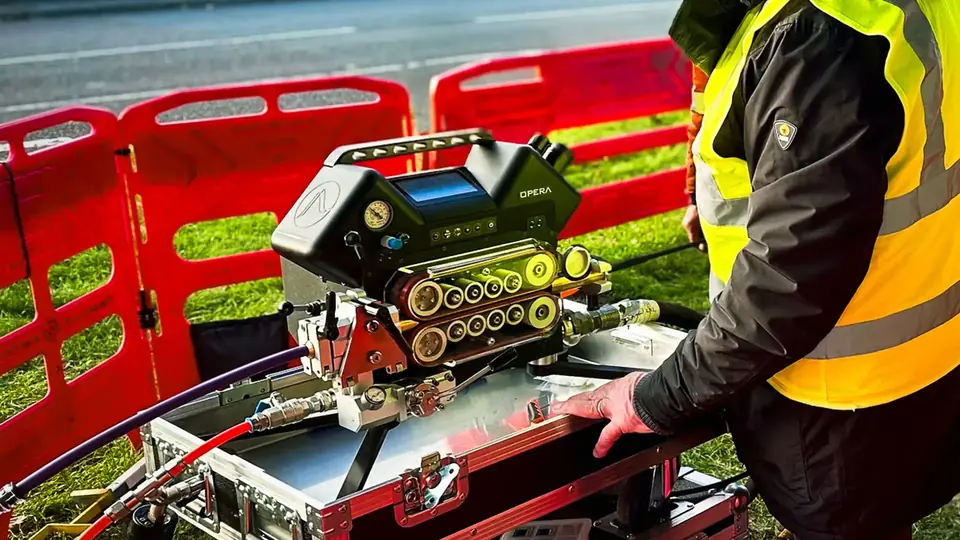
Opera, image 1 of 3
Expert advice direct from the manufacturer / Free demonstration on request
Some of our customers.

Keep your installation moving with Fibernet cable blowing machines.
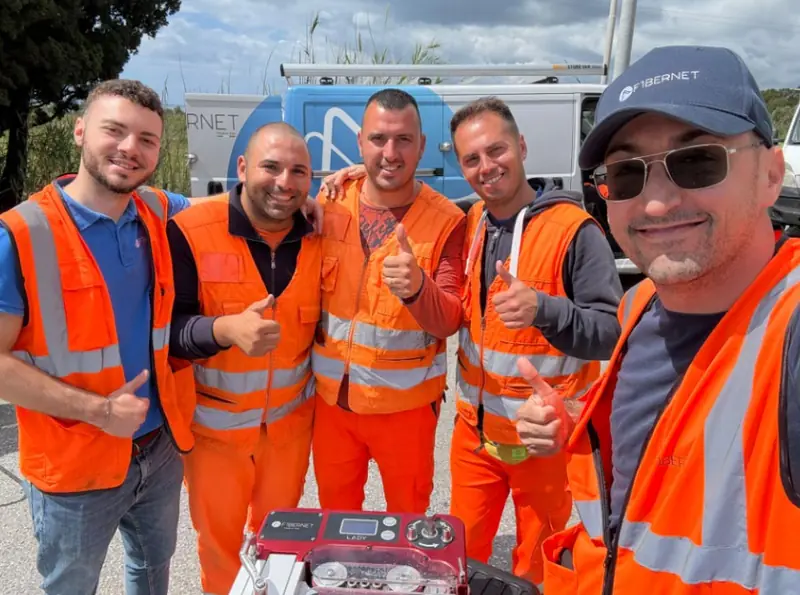
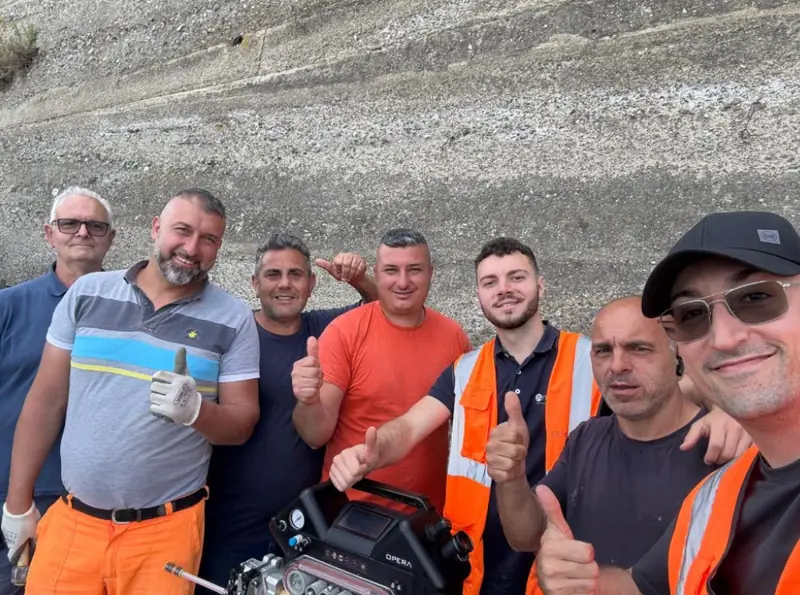
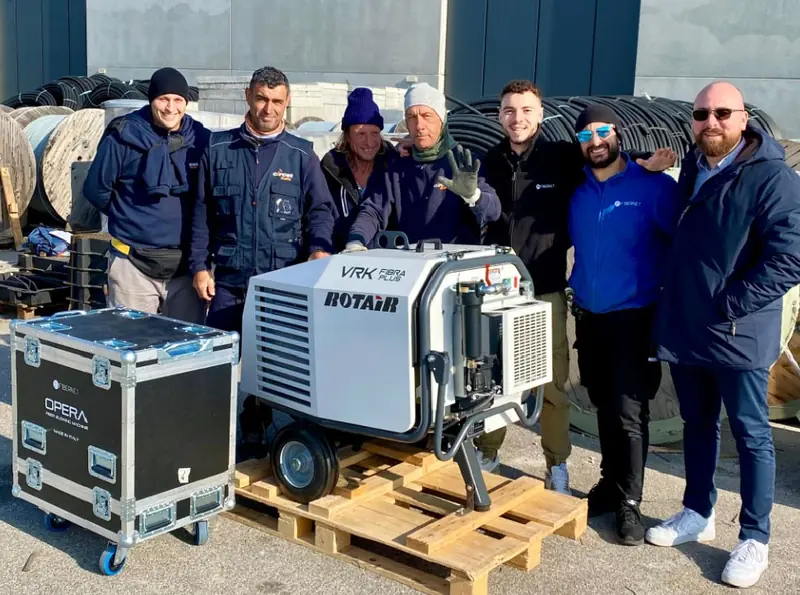
Photos and stories from installers, published by Fibernet.

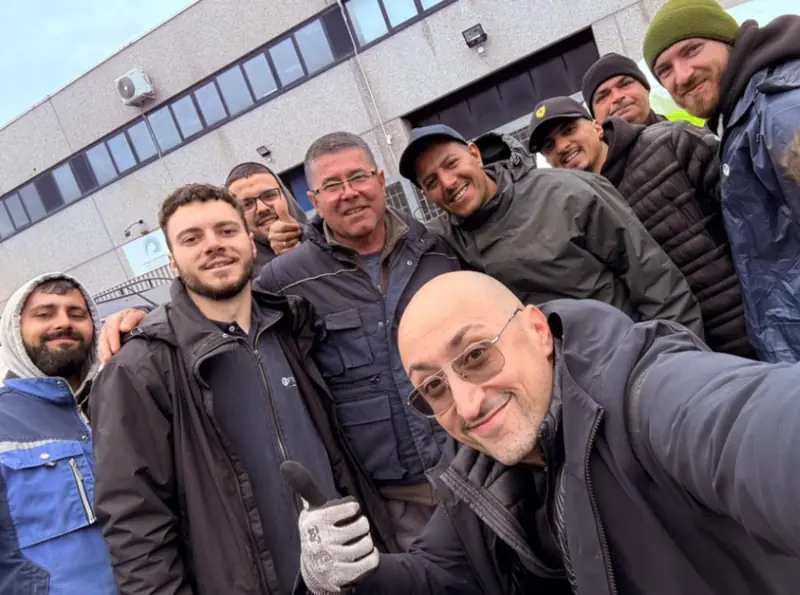
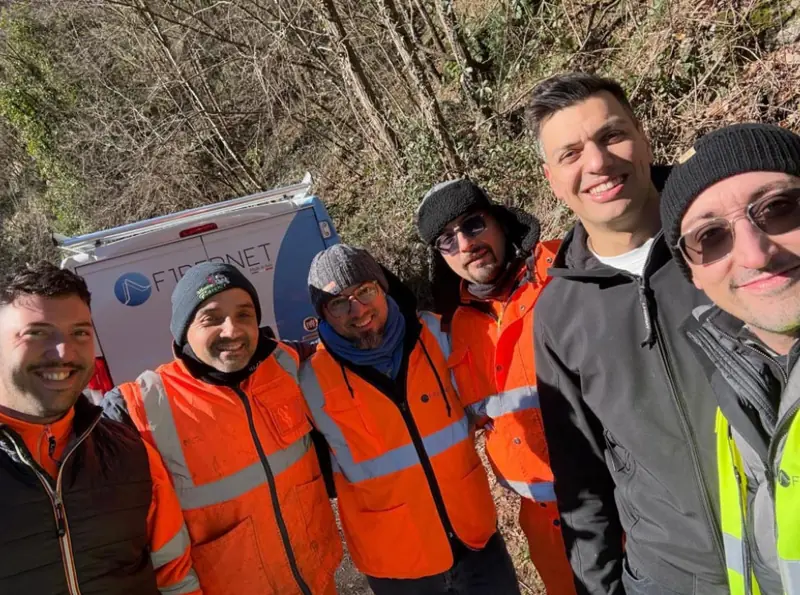 GoogleExcellentBased on 176 reviewsRead the reviews
Read on Google“An excellent experience on the installer training course. The whole team was professional and knowledgeable.”
Read on Google“I had the chance to try the Opera cable blowing machine on site…”
Read on Google“I really enjoyed this course. It took place in a pleasant setting with friendly, helpful people.”
Stories from installers
Hear the results from the installers themselves. Watch their testimonials right here.
Product videos
Three machines. Find your fit.
Start with the job at hand. Our technician can answer your questions about the right setup.
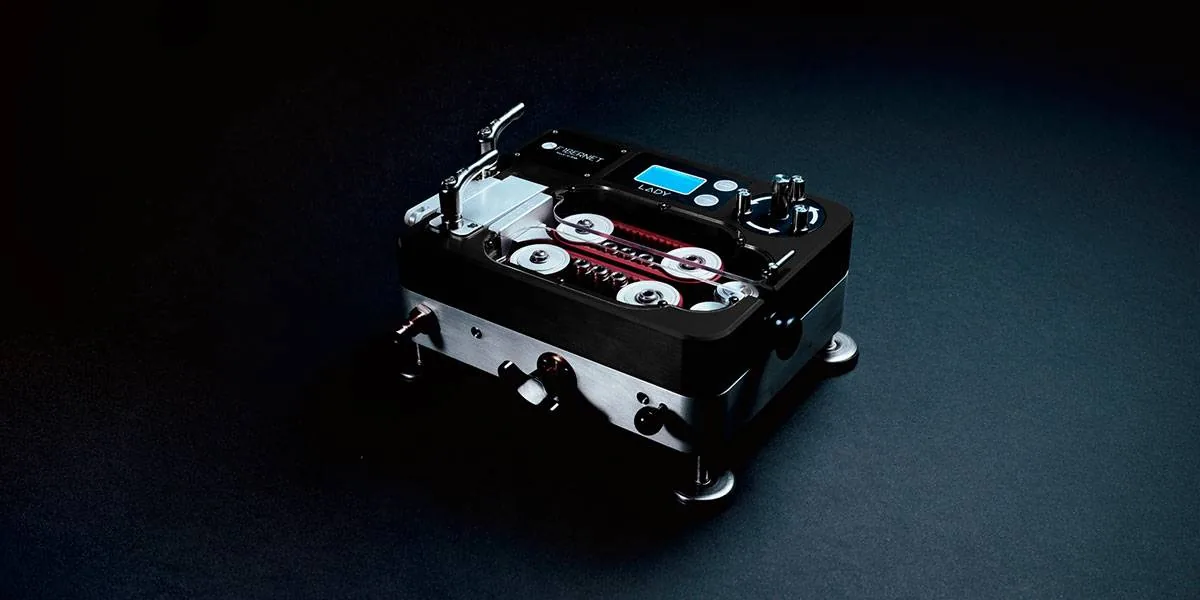
Compact and lightweight
A compact, lightweight machine for short runs.
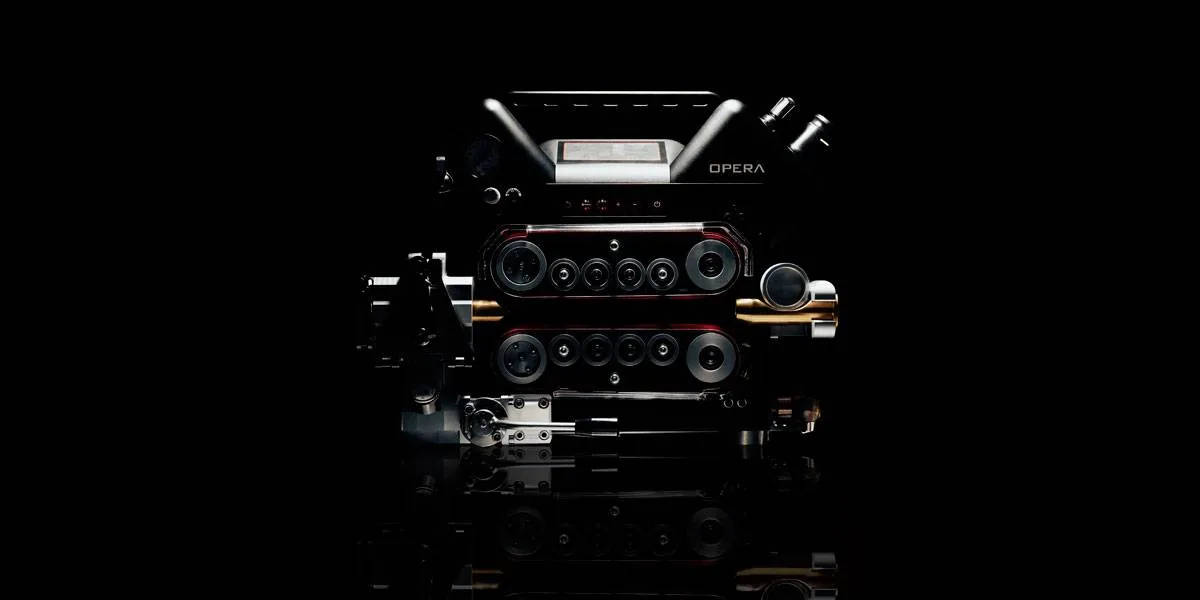
Pneumatic power
A pneumatic machine for long cable runs.
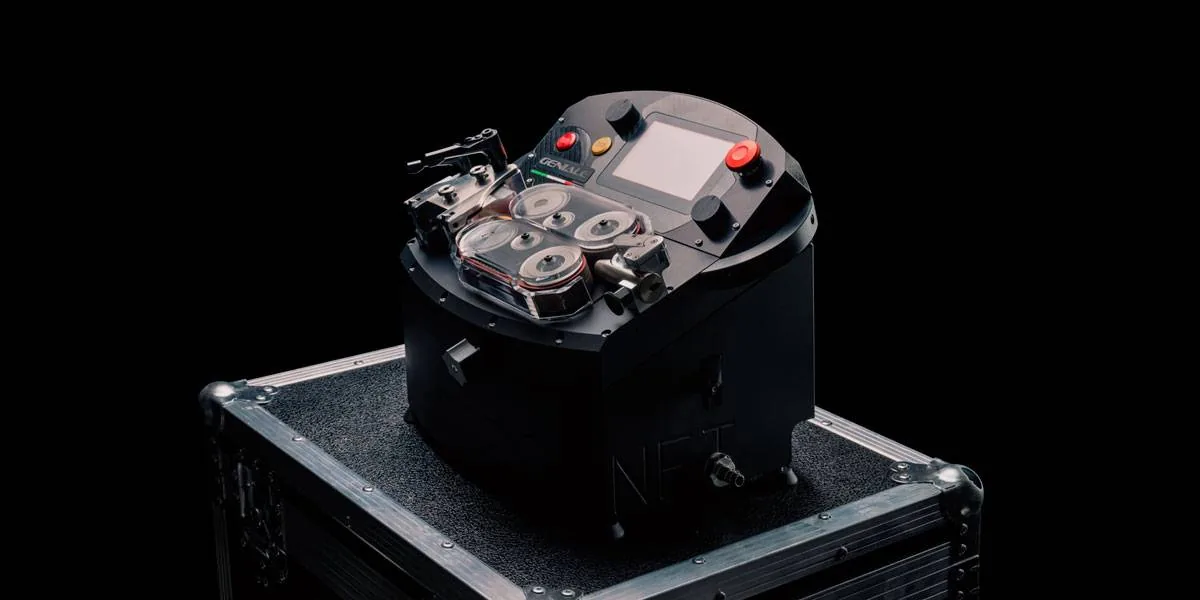
Electric, with two gears
For short and long runs. Two gears let you match force and speed to the job.
Specifications for the Fibernet range. The speeds shown are maximum values. Actual results depend on installation conditions and machine setup.
Direct from the manufacturer
When you’re working on site, you need practical answers. With Fibernet, you speak directly to the people who design and build your cable blowing machine.
Speak to a technicianA specialist technician can help when you need it.
Spare parts ready to ship, direct from the manufacturer.
If your machine breaks down, a replacement may be available within 48 hours.
Check availability and terms with your technician.Get help making the most of your machine, from your very first job.
See it in action before you choose
Request a free hands-on demonstration on your site or at Fibernet’s test facility. Discuss a real job with the technician.
Request a free demonstration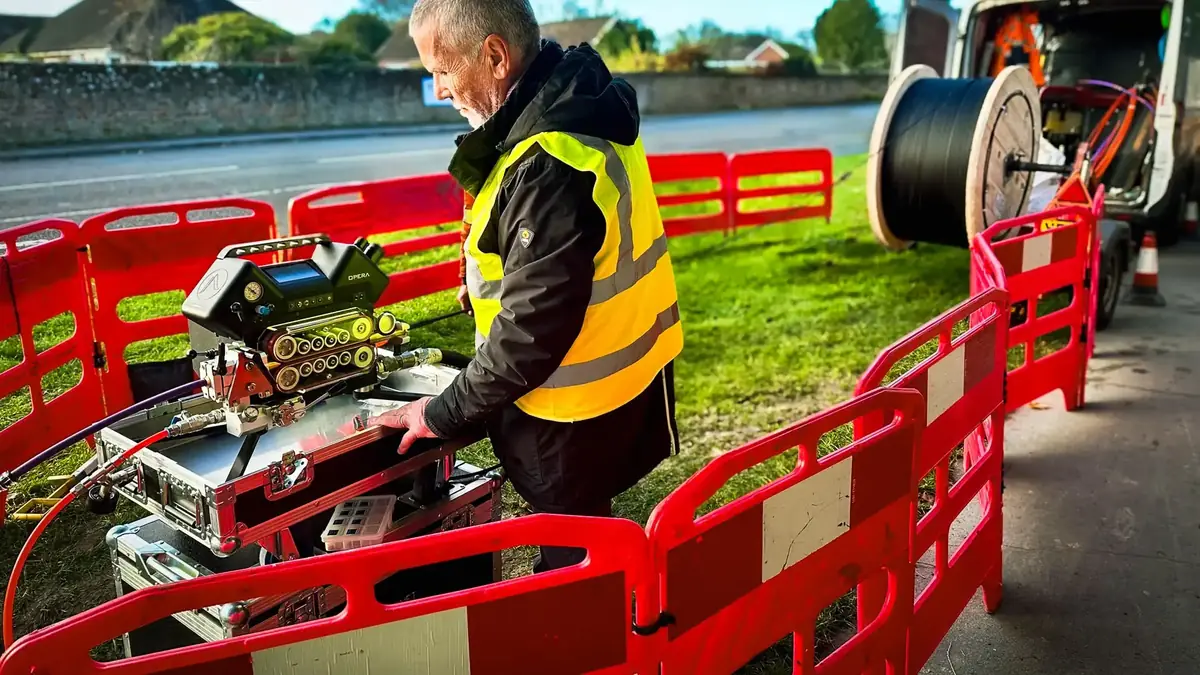
Choosing an electric fibre cable blower starts with the installation rather than a headline performance figure. For telecommunications contractors working in Italy or managing projects internationally, the useful question is whether a machine can handle the specified cable and duct combination under the conditions expected on site. Cable diameter, construction, stiffness and permissible pushing force all matter. So do the internal diameter of the duct, the condition of its bore, the number of bends and the accessibility of intermediate chambers. Bringing these details together before requesting a quotation gives the supplier a meaningful basis for discussing suitability and helps the contractor avoid purchasing equipment around assumptions that have not been checked. Electric drive and blowing air perform different functions, and understanding that distinction is essential. In a typical electrically driven blowing arrangement, the motor operates the cable feeding mechanism while compressed air helps carry the cable through the duct. An electric drive therefore does not automatically mean that installation can proceed without a compressor. Buyers assessing an electric fibre optic cable blower should ask which power supply the proposed configuration requires, what air supply is needed and which operating limits apply. These details must be confirmed for the actual machine and application, rather than inferred from a product category or from the performance of another installation. Fibernet offers a direct point of contact for discussing cable blowing requirements with an Italian company whose technical background predates its establishment in 2001. Founder Giancarlo Trinei worked on early fibre installations in Italy during the 1980s, and the company introduced its first cable blowing machine, Lady, in 2021. That background provides context for a practical conversation about machinery, without replacing the need to verify current specifications. When contacting Fibernet, provide cable and duct data sheets, expected installation lengths and information about available electrical and compressed air supplies. Photographs or a simple route drawing can also help explain working space, access restrictions and changes in direction. The right cable blower for fibre optic cable should fit the way your crew actually operates. Consider how equipment reaches the chamber, where the cable drum will stand and whether the operator can observe the feed safely. Ask how the cable is loaded, which components need changing between diameters and what checks are required before starting. A clear discussion of these points helps establish a workable equipment configuration and a realistic purchasing brief. Through www.fibernetsrl.com, contractors can present their requirements and request information about the available machines, relevant accessories and quotation process. The objective is not simply to obtain a machine, but to select equipment on a technically informed basis for repeatable work.
A productive blowing operation depends on preparation that begins before the machine is switched on. Walk through the proposed route and identify the factors likely to affect cable movement: sharp changes in direction, questionable duct joints, standing water, contamination and restricted access at chambers. Check the duct according to the project specification and the applicable equipment instructions, using suitable verification methods before introducing the cable. A clean, continuous duct offers a more reliable starting point than one whose condition is unknown. No blowing machine can compensate indefinitely for a blocked route, an unsuitable cable and duct pairing or poor handling at the drum. Positioning an electric fibre cable blower deserves the same attention as selecting it. The machine, cable drum and duct entrance should form a controlled feed path that avoids unnecessary bends or lateral loading. The drum needs to rotate freely under supervision, with the cable entering the machine without twists or sudden resistance. Protect the work area from passing vehicles and pedestrians, and arrange hoses and electrical leads so they do not create avoidable hazards. In roadside environments, available space can change quickly, making a simple site layout particularly valuable. Follow the manufacturer's instructions and local site safety requirements when securing equipment and establishing the operator's working position. Before starting, verify that the selected guides, seals and feeding components match the cable and duct dimensions. Incorrectly matched parts can lead to air leakage, unstable feeding or excessive contact pressure on the cable. Set operating parameters within the limits specified for both the machine and cable, and establish how the crew will stop the operation if resistance increases unexpectedly. Start progressively rather than treating maximum settings as a default. Monitor the cable as it enters the duct and maintain communication with colleagues at relevant access points. If progress changes abruptly, stop and investigate instead of simply increasing force or pressure. When comparing a compressed air fibre cable blower with an electrically driven configuration, clarify the complete operating arrangement rather than treating the labels as mutually exclusive. An electric feeding mechanism may still work with compressed air, so compressor suitability remains part of the planning exercise. Ask about required air quality, flow and pressure for the specific configuration, together with any associated preparation equipment. These requirements should come from confirmed technical documentation. Recording the cable type, duct dimensions, route conditions and operating observations after each job can also help crews diagnose differences between installations. Fibernet can be contacted with this practical information when discussing equipment suitability or a future purchase. For contractors handling varied sites, a disciplined preparation process makes machinery comparisons more useful and helps turn a proposed equipment choice into a workable installation method.
The purchase of an electric fibre cable blower should be assessed against the work your business expects to undertake over time. A contractor completing occasional short installations may have different priorities from a team moving between multiple sites every week. Define the cable and duct combinations you need to cover, the expected frequency of use and the practical limitations of your vehicles and work areas. Then ask for a quotation that clearly identifies the proposed machine configuration and included components. This creates a sound basis for comparison and reduces the risk of discovering that essential items were outside the original scope. A meaningful fibre cable blower price comparison considers more than the purchase figure. Check whether the quotation includes the relevant guides, seals, duct connections, feeding components and any accessories needed for your application. Establish which items are consumable, which require periodic inspection and how replacements can be requested. Ask for the current maintenance instructions and clarify the responsibilities associated with routine care. Electrical compatibility, compressor requirements and transport arrangements can also affect the overall investment. None of these costs should be guessed from a generic product description: they belong in a detailed discussion based on the configuration being offered and the country where it will operate. For businesses considering a used fibre cable blower, condition and traceability deserve particular attention. Request the machine's identification details, maintenance history and information about any repairs or modifications. Inspect the feeding mechanism, cable contact surfaces, seals and controls, and seek a suitable functional assessment before committing to purchase. Confirm that documentation and necessary replacement components are available for that model. A lower initial cost does not establish suitability if the machine cannot accommodate your cable sizes or if essential parts are missing. Equally, buying new should involve careful specification checks rather than an assumption that every available configuration will meet the same operational requirements. Fibernet's development is rooted in a family business established in Italy in 2001, with the next generation joining from 2010. Its introduction of Lady in 2021 marked a specific step into cable blowing machinery. For English-speaking contractors evaluating an Italian supplier, that company history offers useful context, while the purchasing decision should remain grounded in current product information and agreed commercial terms. If your project is outside Italy, ask Fibernet to confirm delivery availability, shipping costs, documentation and applicable support arrangements for your destination. Avoid assuming that lead times or service conditions are identical across countries. Contact www.fibernetsrl.com with a concise technical brief and request a proposal that states what is included, what must be supplied separately and which requirements need further verification. A transparent quotation supports better budgeting and a more confident equipment decision.
Fill in the form and discover what Fibernet Srl can do for you!
Contact us!Before you get started
If you prefer, speak to us directly.
+39 346 652 9915Compare the cable diameter, duct diameter and installation distance. Lady is compact and lightweight for short runs. Opera is pneumatic and designed for long runs. Geniale is electric and handles both. A Fibernet technician can help you choose.
Yes. You can request a free hands-on demonstration on your site or at Fibernet’s test facility. Tell us what you need in the form and a technician will arrange it with you. Request a demonstration.
To get a price, contact a Fibernet adviser using the form or call +39 346 652 9915.
Fibernet offers direct technical support, spare parts ready to ship and dedicated training. If your machine breaks down, a replacement may be available. Ask your technician about availability and terms.
Tell us about your job. We’ll help you find the right cable blowing machine.