Emanuele Zanda
Google review
★★★★★
Read on Google“An excellent experience on the installer training course. The whole team was professional and knowledgeable.”
Cable blowing machines · Made in Italy
From last-mile connections to long-distance runs, a Fibernet technician can help you choose the right machine for your fibre optic cable installation.
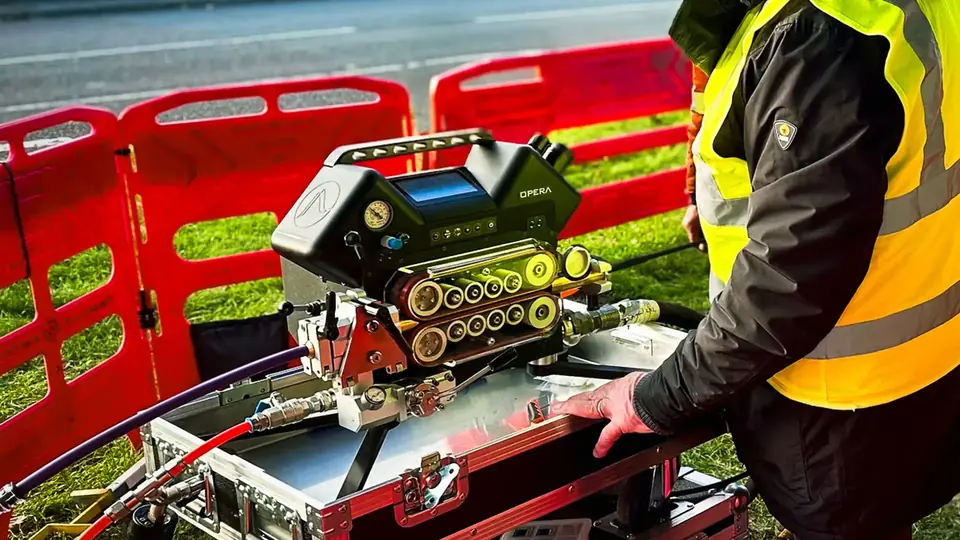
Opera, image 1 of 3
Expert advice direct from the manufacturer / Free demonstration on request
Some of our customers.
Keep your installation moving with Fibernet cable blowing machines.
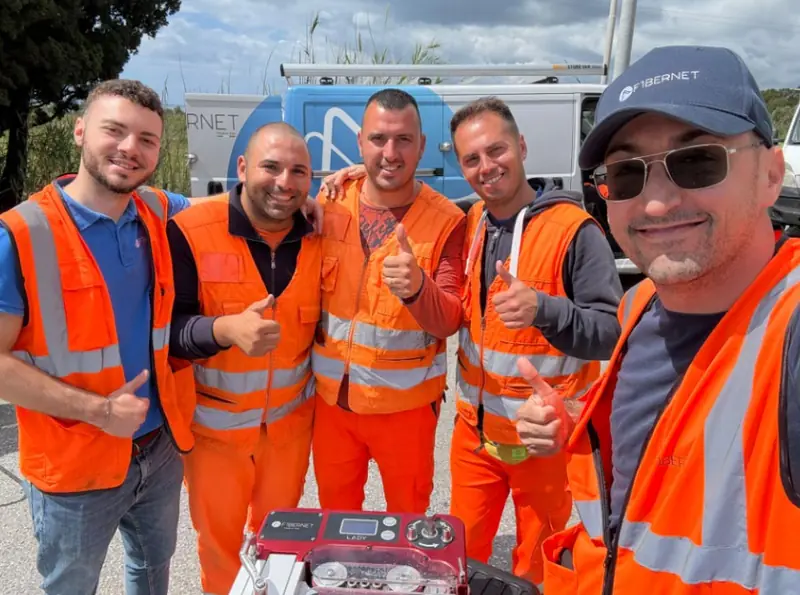
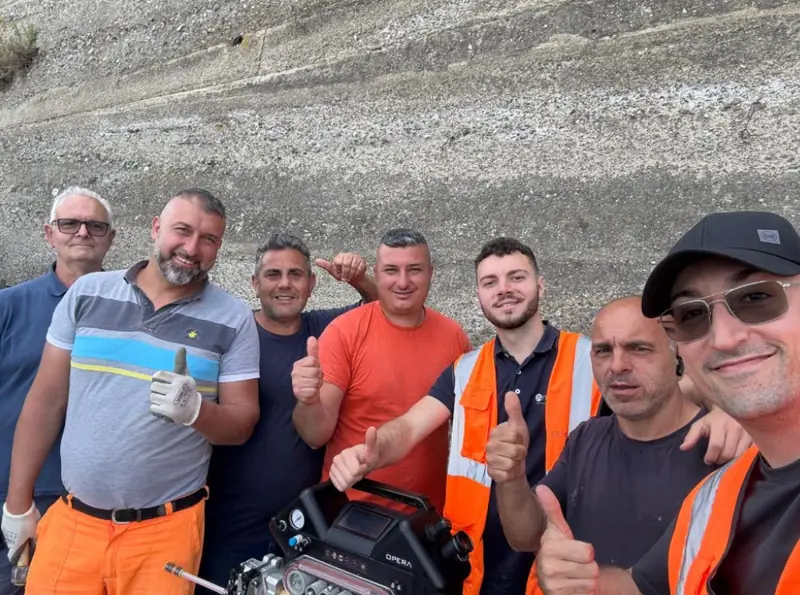
Photos and stories from installers, published by Fibernet.
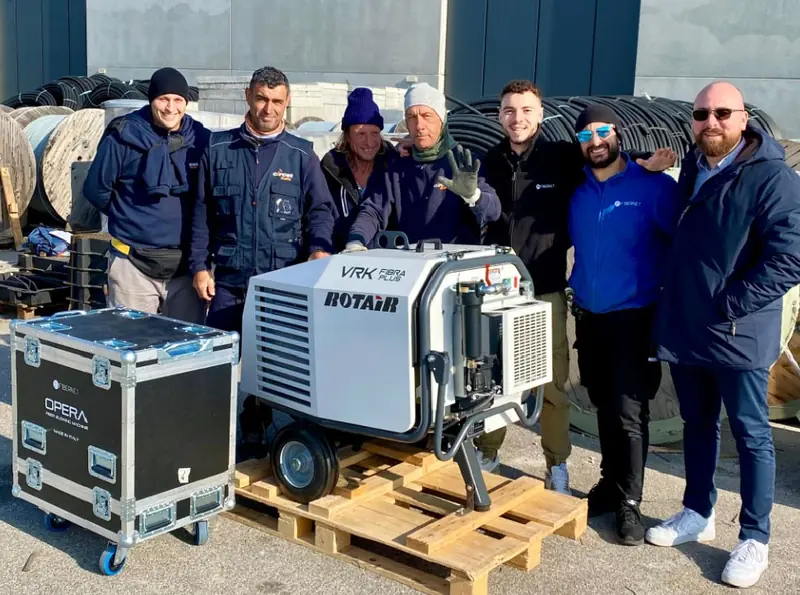
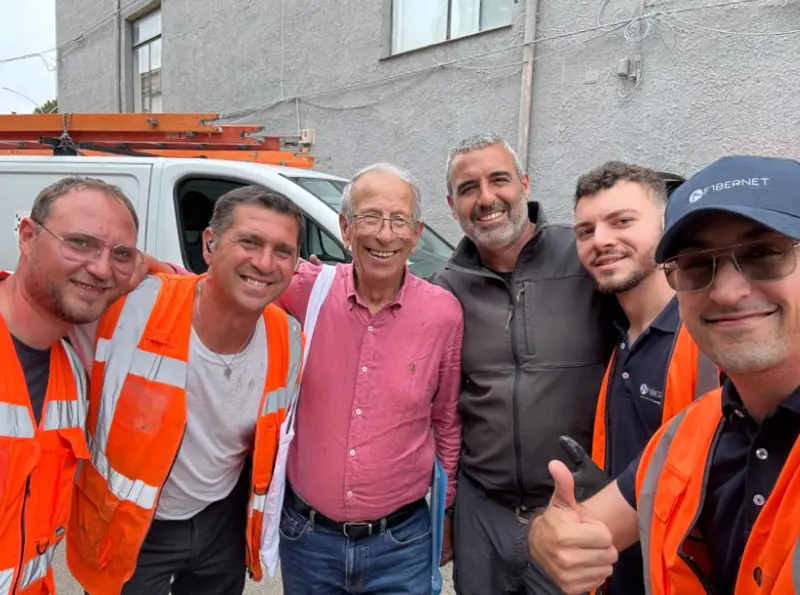
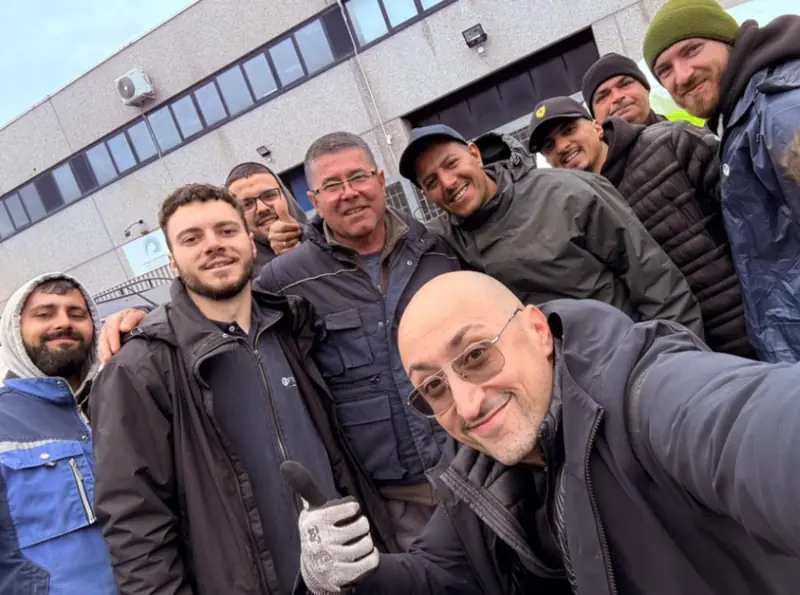
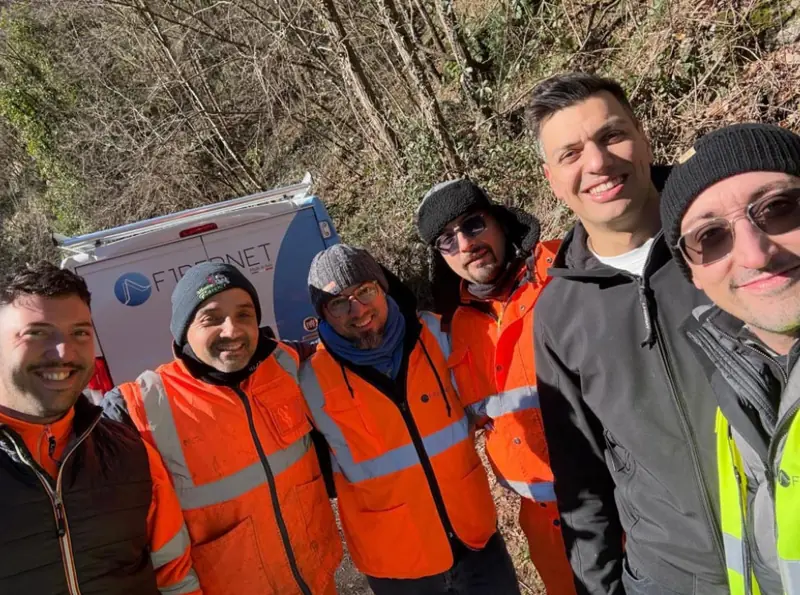 GoogleExcellentBased on 176 reviewsRead the reviews
Read on Google“An excellent experience on the installer training course. The whole team was professional and knowledgeable.”
Read on Google“I had the chance to try the Opera cable blowing machine on site…”
Read on Google“I really enjoyed this course. It took place in a pleasant setting with friendly, helpful people.”
Stories from installers
Hear the results from the installers themselves. Watch their testimonials right here.
Product videos
Three machines. Find your fit.
Start with the job at hand. Our technician can answer your questions about the right setup.
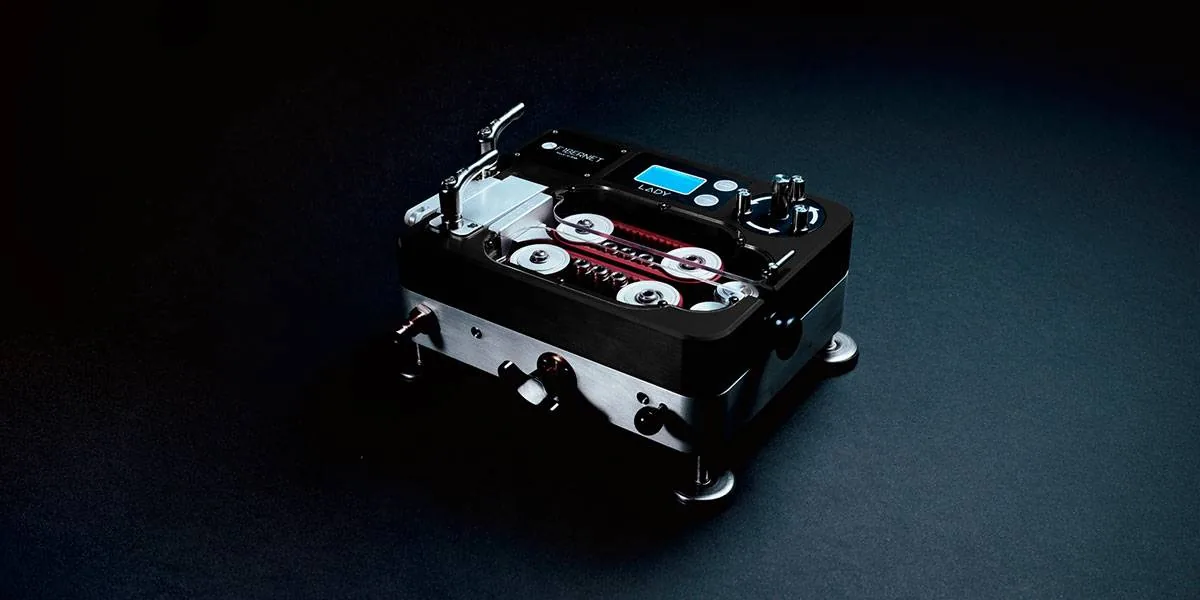
Compact and lightweight
A compact, lightweight machine for short runs.
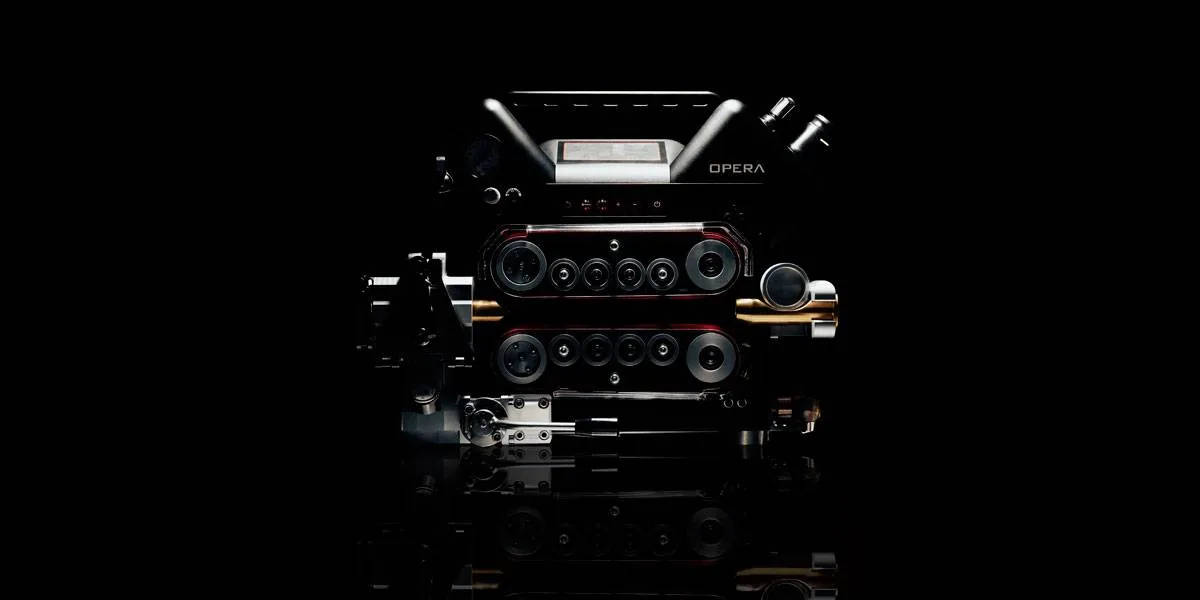
Pneumatic power
A pneumatic machine for long cable runs.
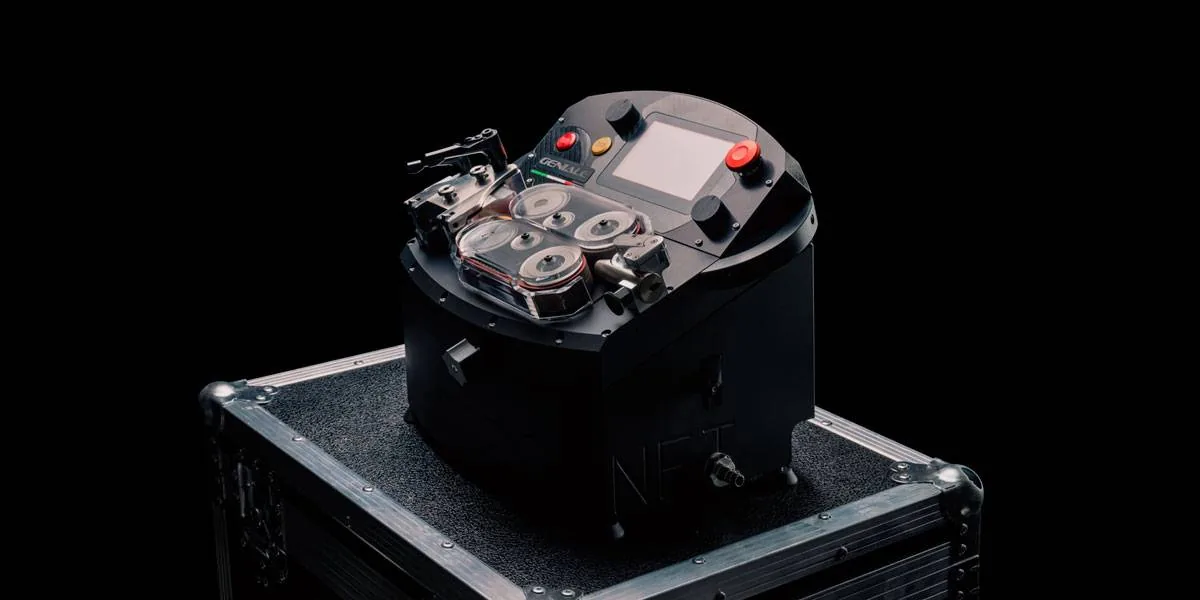
Electric, with two gears
For short and long runs. Two gears let you match force and speed to the job.
Specifications for the Fibernet range. The speeds shown are maximum values. Actual results depend on installation conditions and machine setup.
Direct from the manufacturer
When you’re working on site, you need practical answers. With Fibernet, you speak directly to the people who design and build your cable blowing machine.
Speak to a technicianA specialist technician can help when you need it.
Spare parts ready to ship, direct from the manufacturer.
If your machine breaks down, a replacement may be available within 48 hours.
Check availability and terms with your technician.Get help making the most of your machine, from your very first job.
See it in action before you choose
Request a free hands-on demonstration on your site or at Fibernet’s test facility. Discuss a real job with the technician.
Request a free demonstration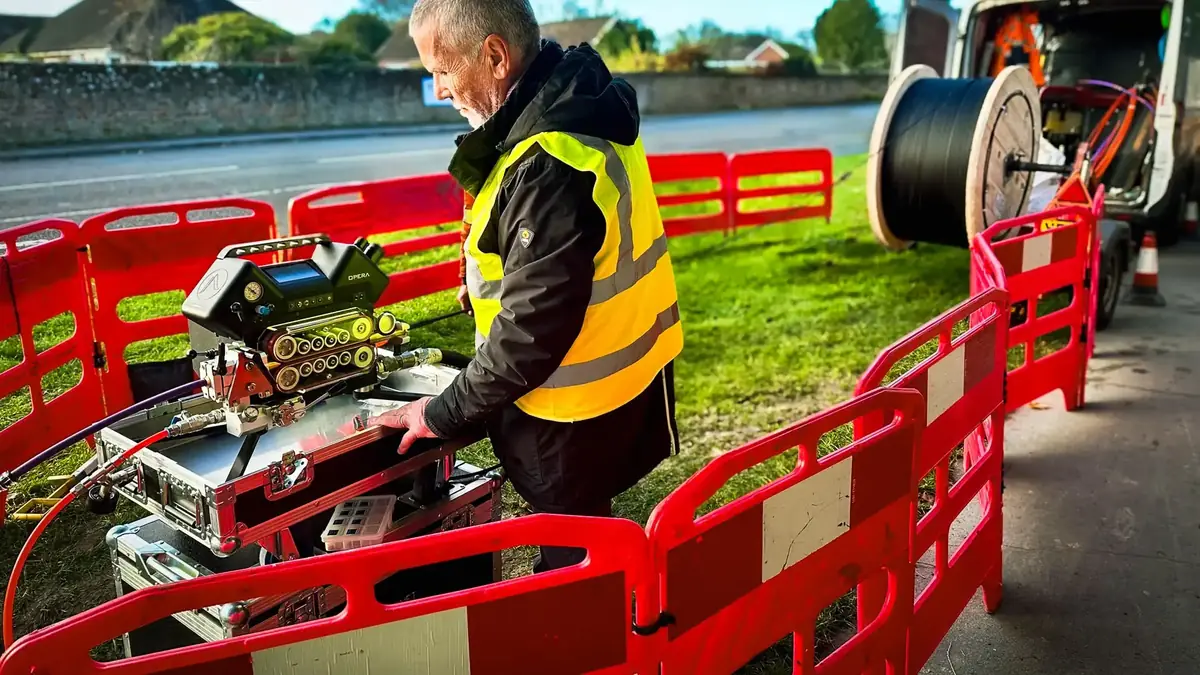
Choosing an electric fiber optic cable blowing machine starts with understanding the installation rather than comparing headline speeds. Contractors need equipment that suits the cable construction, external diameter, duct dimensions and conditions along the intended route. An installation through a clean, correctly prepared duct presents different challenges from a route with numerous bends, intermediate connections or uncertain internal conditions. Before requesting a recommendation, gather the cable and duct specifications, the anticipated section lengths and any limits imposed by the cable manufacturer. These details provide a useful starting point for a technical discussion with Fibernet and help avoid selecting equipment on assumptions that do not reflect the actual worksite. In a typical blowing arrangement, a controlled mechanical drive advances the cable while compressed air helps it travel through the duct. The word electric generally describes the drive system; it should not be taken to mean that compressed air is unnecessary. When evaluating an electric fiber cable blowing machine, ask the supplier to explain the power requirements, compatible air supply and operating limits of the proposed configuration. Confirm which cable and duct sizes can be accommodated and whether changing between them requires additional guides, seals or other components. An appropriate configuration should support the intended cable without applying excessive pressure or exceeding its permitted installation forces. Practical control matters because conditions can change during a single installation. Increasing resistance may indicate a bend, an obstruction, inadequate duct preparation or another issue requiring investigation. The appropriate response is not automatically to increase the feed force. Operators should follow the equipment instructions, monitor the cable behaviour and stop when the operating conditions fall outside the specified limits. Ask which controls, protective functions and operating information are available on the proposed model, rather than assuming that every machine includes the same features. This makes comparisons more meaningful and helps supervisors establish a suitable working procedure. Fibernet was founded in Italy in 2001, drawing on the technical experience of Giancarlo Trinei, whose work with optical cable systems began in the early 1980s. The launch of Lady, the company's first cable blowing machine, in 2021 marked an important development in that history. For a contractor assessing a cable blowing machine for fiber optic cable installation, this background provides context, while the purchasing decision should still rest on verified compatibility and documented specifications. Share your intended applications with Fibernet, including the electrical supply available on site, typical duct sizes and expected operating environment. Request confirmation of the suitable configuration, required accessories and supporting documentation before committing to a purchase. That preparation gives the discussion a clear technical focus and helps align the equipment proposal with the work your crews actually perform.
A useful equipment quotation should explain what the contractor needs to carry out the intended work, not simply identify the main machine. When assessing an electric fiber optic cable blowing machine, distinguish between the supplied equipment, application specific components and resources that must already be available on site. Depending on the proposed configuration, the discussion may need to cover cable guides, duct connectors, sealing elements, electrical connections and the required compressed air supply. Ask Fibernet to identify what is included and what must be specified separately. Clear boundaries at the quotation stage make it easier to compare proposals and reduce the risk of discovering missing components immediately before an installation. The fiber optic cable blowing machine price is therefore only one part of the purchasing assessment. Contractors should also consider the cost of adapting the equipment to their regular cable sizes, replacing wear components and transporting the complete setup between worksites. Equipment that appears economical initially may be less suitable if routine changes require unexpected accessories or lengthy adjustments. Conversely, a broader configuration may be unnecessary for a business that repeatedly installs the same cable into the same duct size. Explain the work you undertake most frequently and distinguish it from occasional applications, so the quotation can address real requirements rather than an oversized specification. Site preparation has a direct influence on the usefulness of the investment. The drum needs a suitable position that allows the cable to feed without avoidable resistance, sharp directional changes or uncontrolled movement. The machine requires stable positioning in accordance with its instructions, and the team must provide a safe working area around electrical connections and compressed air equipment. Duct condition should be checked using procedures appropriate to the installation, with unsuitable sections addressed before blowing begins. Any lubricant must be compatible with the cable, duct and equipment and used according to the relevant instructions. These practical details affect installation consistency regardless of the drive technology selected. If you are comparing an electric model with a pneumatic fiber optic cable blowing machine, request an explanation of how each proposed system fits your available utilities and working practices. Avoid assuming that either drive type guarantees a particular distance or productivity level. Cable stiffness, route geometry, friction, duct integrity and operator technique all influence results. Ask for performance information accompanied by its test conditions and limitations, so your team can interpret it realistically. For projects in Italy, include any site access restrictions and electrical arrangements in the enquiry. For installations elsewhere, identify the destination and local supply characteristics. A technically complete request allows Fibernet to discuss configuration, documentation, delivery requirements and commercial terms on a clearer basis, helping your purchasing team assess the proposed equipment as part of an entire working setup.
The value of an electric fiber optic cable blowing machine extends beyond its first successful installation. Contractors working across changing routes need a repeatable approach to preparation, operation and care. A practical starting point is a job record that captures the cable specification, duct dimensions, route characteristics, equipment configuration and observations made during blowing. Recording where resistance increased or why an installation was stopped can help the team investigate problems without relying on memory. These records also make future equipment discussions more precise because they connect the operating conditions with what actually happened on site, rather than presenting an isolated distance or speed figure. Before each job, the crew should inspect the machine according to the manufacturer's instructions and check the components that guide, grip and seal around the cable. Worn or unsuitable parts can undermine an otherwise appropriate setup. Confirm that the selected components match the cable and duct, that connections are secure and that the working area supports safe operation. After use, cleaning and storage should follow the supplied guidance, particularly where dust, moisture or lubricant residues could affect subsequent work. Maintenance intervals, permissible cleaning products and replacement procedures must come from the documentation for the actual machine, not from general advice intended for another design. Companies considering a used fiber optic cable blowing machine should apply the same technical discipline to the ownership history. Ask for identification details, available documentation, maintenance records and evidence of the condition of the drive and sealing components. Establish whether the required accessories are present and whether suitable replacement parts can be obtained. A low purchase figure does not establish suitability for your cable range or confirm that the equipment is ready for work. The same principle applies when evaluating fiber optic cable blowing machine hire: confirm the supplied configuration, inspection status, responsibilities for wear or damage and the arrangements for obtaining assistance during the agreed period. These are purchasing considerations, not a statement that Fibernet offers used equipment or rental services. Fibernet's family led development provides a distinctive background to these technical conversations. The generational transition began in 2010 with Matteo, Marta and Ismael joining the business, building on the experience established by founder Giancarlo Trinei. For customers, the useful next step is to turn that background into a specific discussion about their installation requirements. Ask the company to confirm the proposed model's origin, specifications, documentation and applicable warranty terms, together with delivery arrangements for your destination. International contractors should also clarify electrical compatibility and any destination specific requirements before ordering. By combining a clearly defined equipment enquiry with disciplined operating and maintenance procedures, your business can make a more informed investment and give its crews a better prepared starting point for each cable blowing assignment.
Fill in the form and discover what Fibernet Srl can do for you!
Contact us!Before you get started
If you prefer, speak to us directly.
+39 346 652 9915Compare the cable diameter, duct diameter and installation distance. Lady is compact and lightweight for short runs. Opera is pneumatic and designed for long runs. Geniale is electric and handles both. A Fibernet technician can help you choose.
Yes. You can request a free hands-on demonstration on your site or at Fibernet’s test facility. Tell us what you need in the form and a technician will arrange it with you. Request a demonstration.
To get a price, contact a Fibernet adviser using the form or call +39 346 652 9915.
Fibernet offers direct technical support, spare parts ready to ship and dedicated training. If your machine breaks down, a replacement may be available. Ask your technician about availability and terms.
Tell us about your job. We’ll help you find the right cable blowing machine.