Emanuele Zanda
Google review
★★★★★
Read on Google“An excellent experience on the installer training course. The whole team was professional and knowledgeable.”
Cable blowing machines · Made in Italy
From last-mile connections to long-distance runs, a Fibernet technician can help you choose the right machine for your fibre optic cable installation.
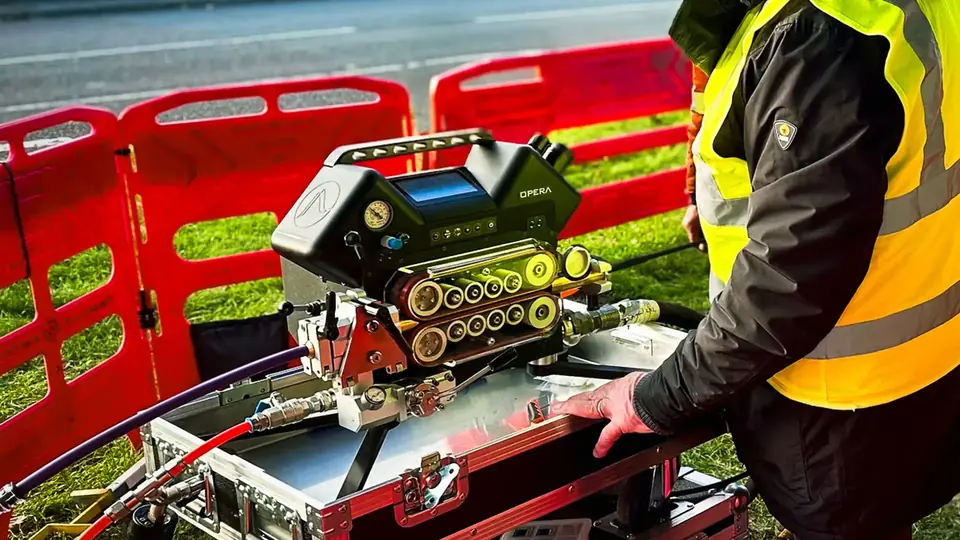
Opera, image 1 of 3
Expert advice direct from the manufacturer / Free demonstration on request
Some of our customers.

Keep your installation moving with Fibernet cable blowing machines.
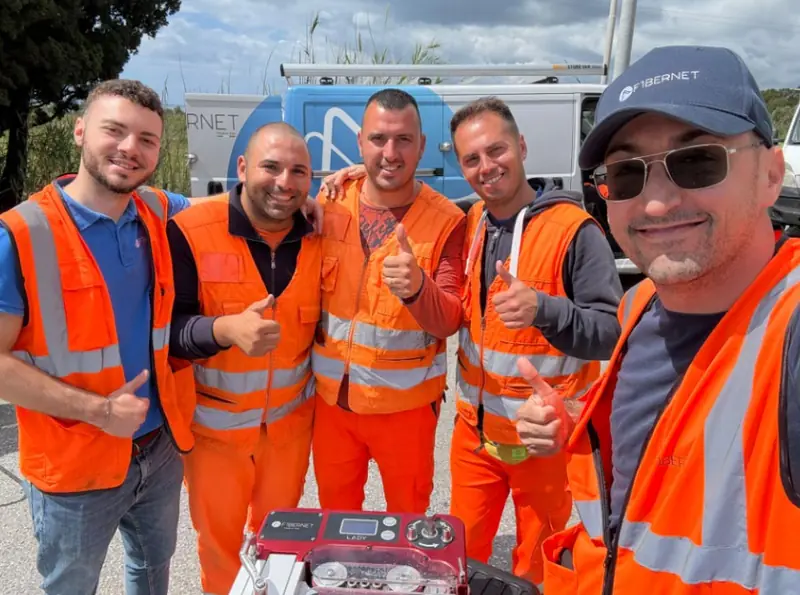
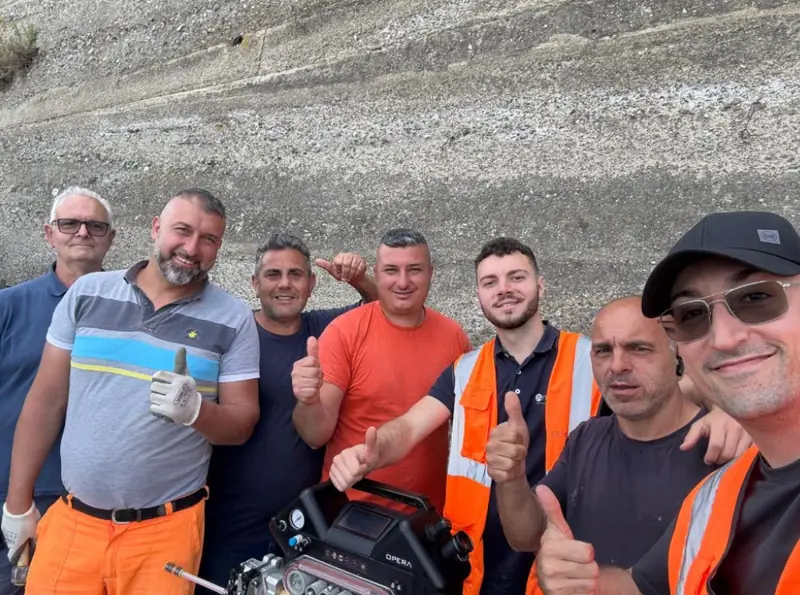
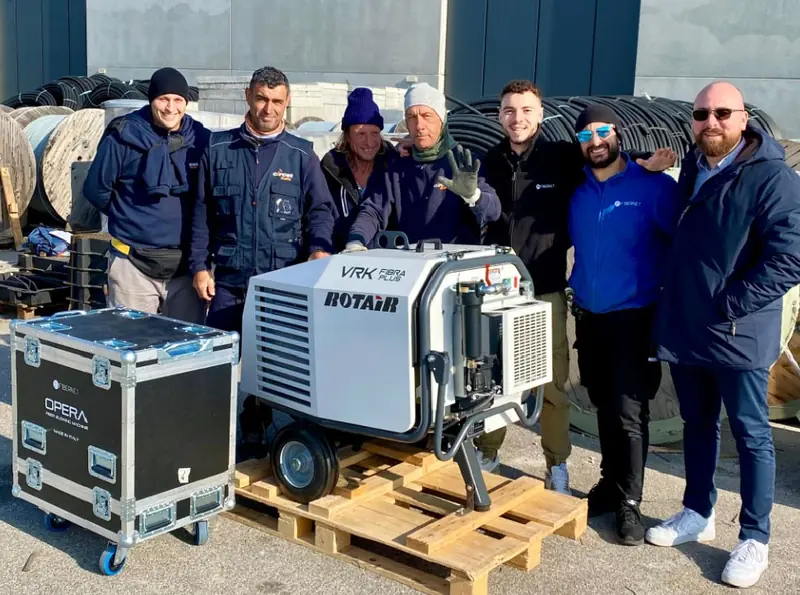
Photos and stories from installers, published by Fibernet.
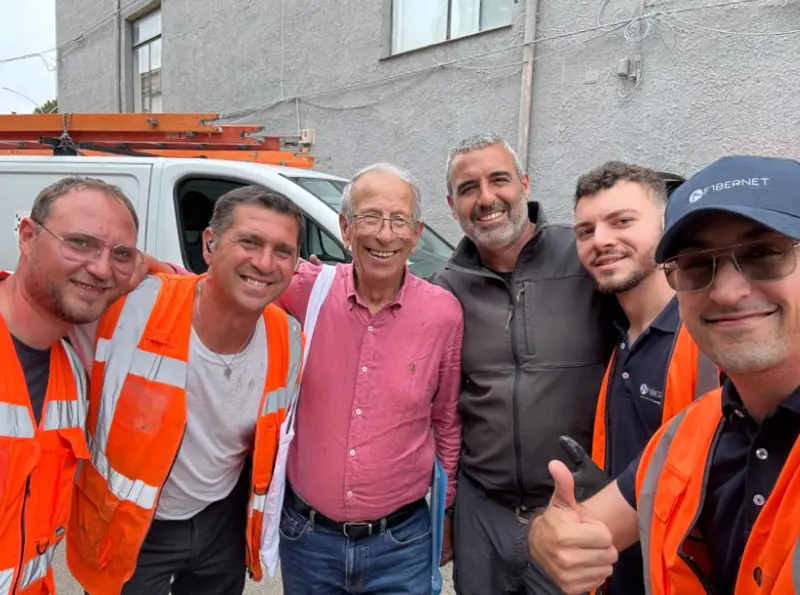
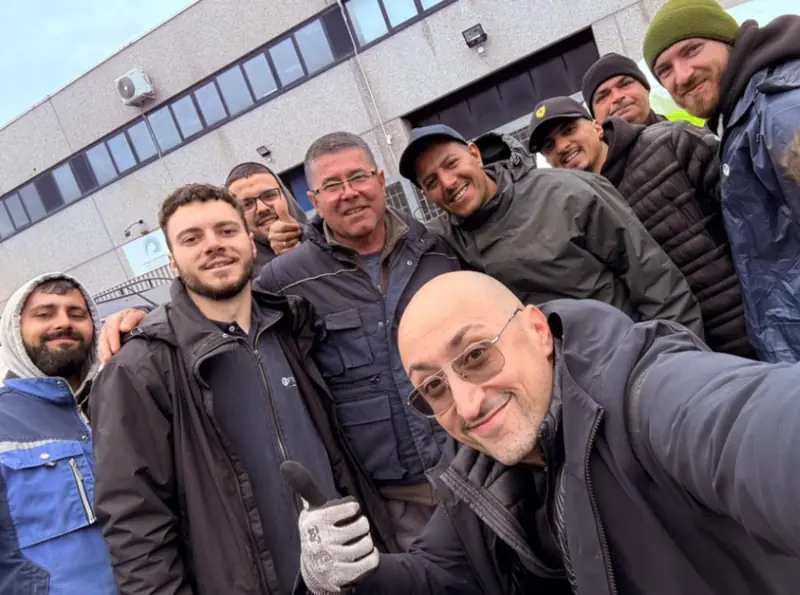
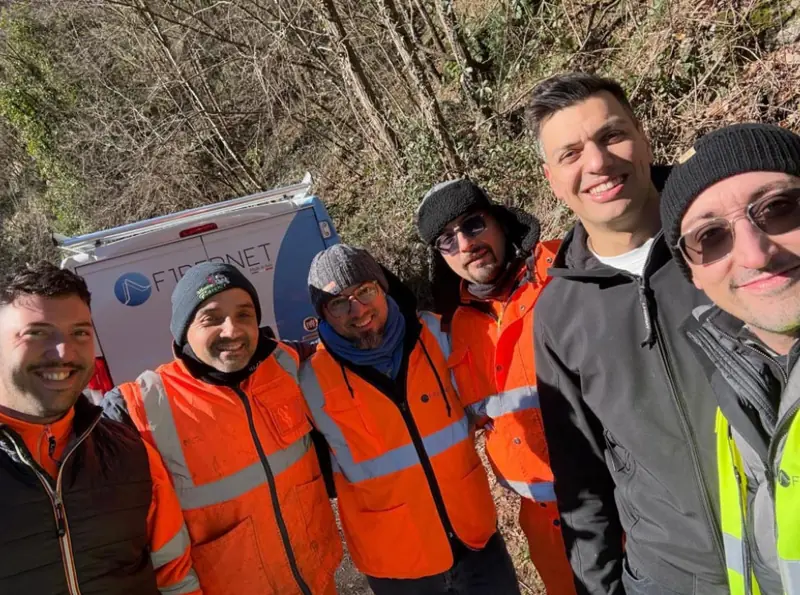 GoogleExcellentBased on 176 reviewsRead the reviews
Read on Google“An excellent experience on the installer training course. The whole team was professional and knowledgeable.”
Read on Google“I had the chance to try the Opera cable blowing machine on site…”
Read on Google“I really enjoyed this course. It took place in a pleasant setting with friendly, helpful people.”
Stories from installers
Hear the results from the installers themselves. Watch their testimonials right here.
Product videos
Three machines. Find your fit.
Start with the job at hand. Our technician can answer your questions about the right setup.
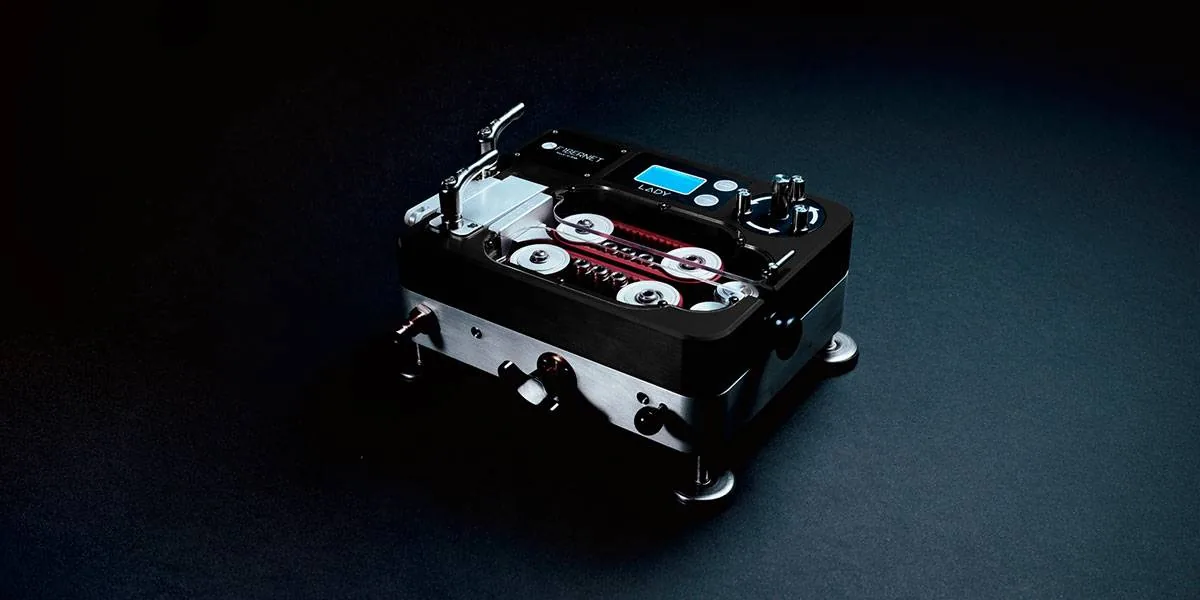
Compact and lightweight
A compact, lightweight machine for short runs.
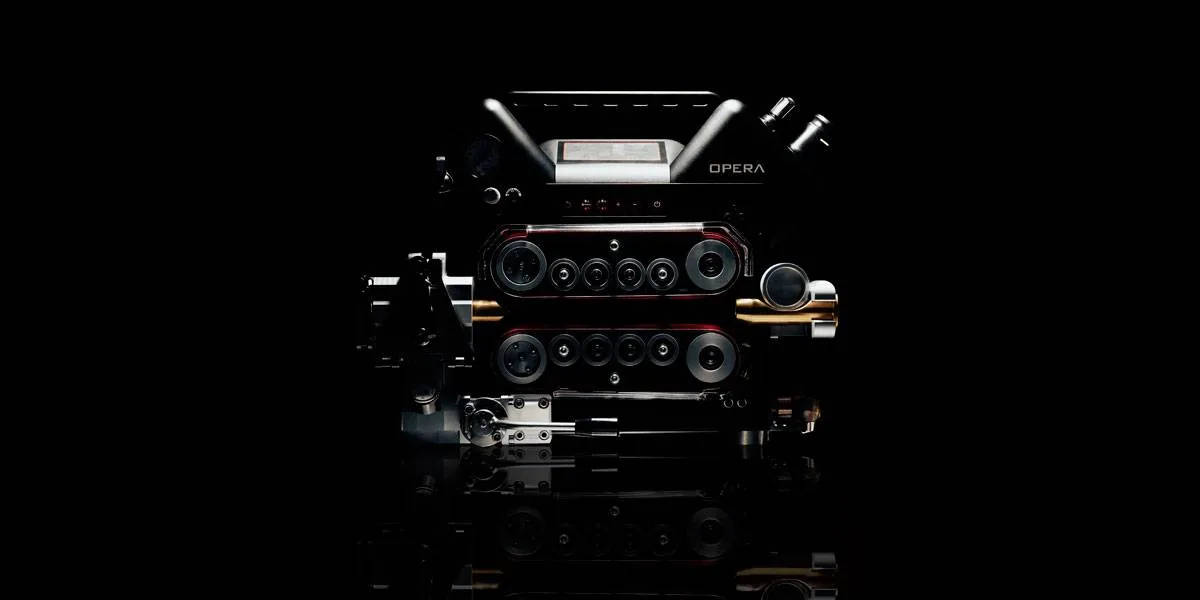
Pneumatic power
A pneumatic machine for long cable runs.
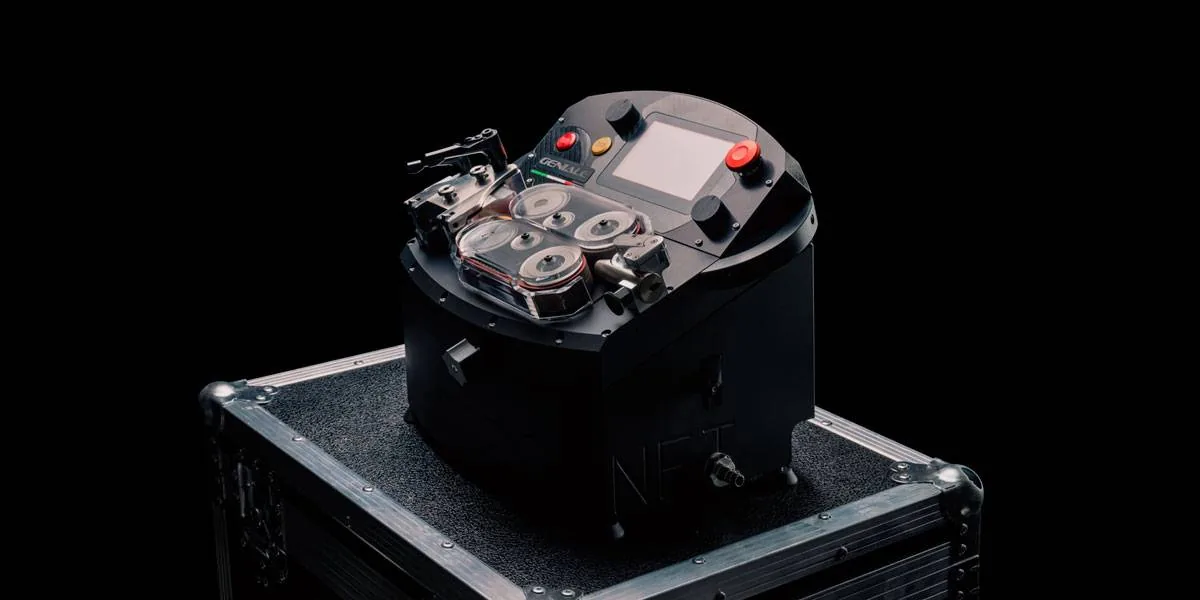
Electric, with two gears
For short and long runs. Two gears let you match force and speed to the job.
Specifications for the Fibernet range. The speeds shown are maximum values. Actual results depend on installation conditions and machine setup.
Direct from the manufacturer
When you’re working on site, you need practical answers. With Fibernet, you speak directly to the people who design and build your cable blowing machine.
Speak to a technicianA specialist technician can help when you need it.
Spare parts ready to ship, direct from the manufacturer.
If your machine breaks down, a replacement may be available within 48 hours.
Check availability and terms with your technician.Get help making the most of your machine, from your very first job.
See it in action before you choose
Request a free hands-on demonstration on your site or at Fibernet’s test facility. Discuss a real job with the technician.
Request a free demonstration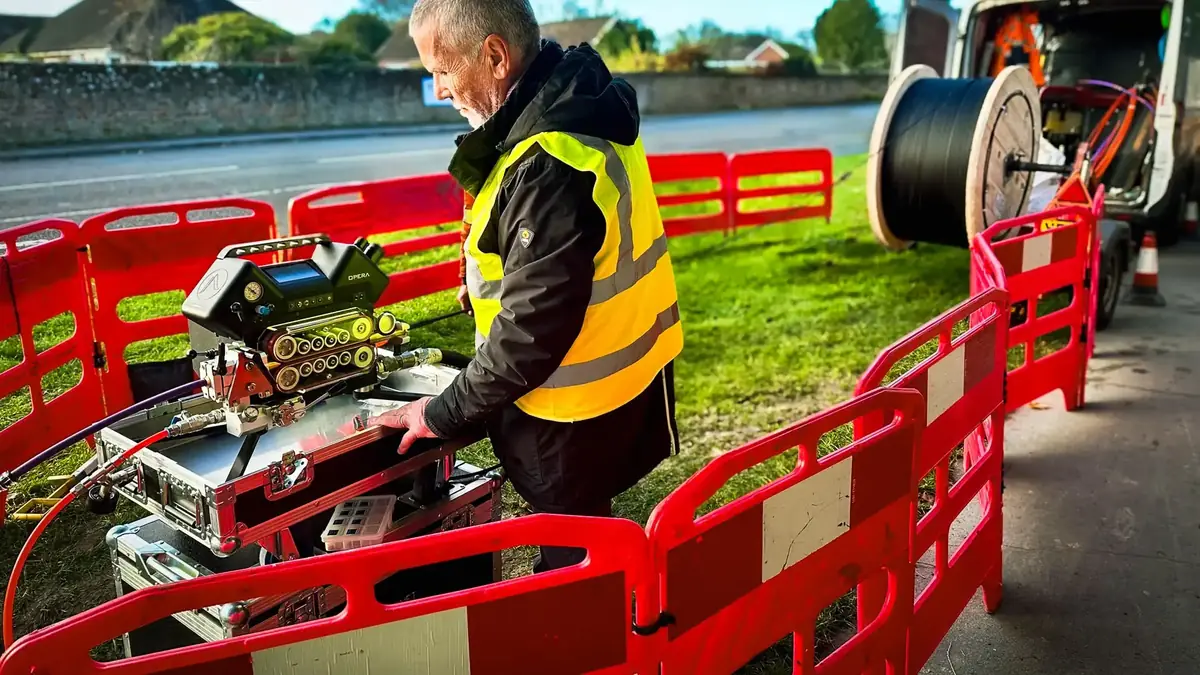
Choosing a drill powered OFC cable blowing machine starts with the cable, the duct and the route, rather than with a headline speed figure. For telecommunications contractors working across Italy, the practical question is whether the equipment suits the installation conditions encountered on site. Cable outside diameter, duct internal diameter, cable construction, route length and the number of bends all influence the assessment. A machine should therefore be considered as part of a complete blowing arrangement, including the compressed air supply, compatible connections and the components that guide and grip the cable. Fibernet gives contractors a technically grounded starting point for discussing these requirements, drawing on a business established in 2001 and on its founder’s experience with optical cable installations dating back to the early 1980s. When comparing a drill powered cable blowing machine with other arrangements, first establish how the drill transfers motion to the feeding mechanism and which drill specifications the equipment requires. Drill compatibility should never be assumed from appearance alone. Ask about the permitted operating mode, connection arrangement and any restrictions on torque or rotational speed. The feeding system must move the cable without subjecting its sheath or internal structure to excessive stress, while the pneumatic circuit must remain within the ratings of every connected component. Equally important is the fit between the cable, guides and seals: a poorly matched configuration can create unnecessary friction or air leakage before the installation has properly begun. A useful enquiry includes the cable datasheet, duct dimensions, expected route geometry and details of the available compressor. Explain whether your crews work mainly from roadside chambers, inside restricted access areas or along routes with frequent changes of direction. These details help make a product discussion specific rather than speculative. They also prevent the mistaken assumption that one setup will deliver the same result on every route. Contractors assessing a cable blowing machine for fiber optic cable installation should distinguish between a machine’s stated capabilities and the performance achievable under actual site conditions. Duct cleanliness, joint quality, ambient conditions and cable handling can all affect progress. Before committing to equipment, clarify what is included, which configuration matches the intended cable and what documentation accompanies the machine. Fibernet’s first cable blowing machine, Lady, was launched in 2021, marking an important step in the company’s product development. Contacting the team with a defined installation brief is the most useful way to explore the relevant equipment, establish compatibility and request a quotation based on your needs. This approach helps purchasing teams compare proposals on a consistent technical basis and gives site supervisors clearer information before planning the work.
A successful blowing operation depends on preparation as much as on the equipment itself. Before positioning a drill powered OFC cable blowing machine, the installation team should confirm that the intended duct section is accessible, correctly identified and suitable for the planned procedure. Check the route records against the actual entry and exit points, then assess the duct using the project’s approved inspection and preparation methods. Obstructions, damaged sections and unsuitable joints cannot be overcome simply by increasing feeding force or air pressure. The cable must also be checked against its manufacturer’s limits, including the minimum bending radius and any applicable installation force restrictions. These figures should inform the setup rather than be treated as information to consult only after a problem occurs. Place the cable drum so that the cable can unwind smoothly into the machine without sharp changes of direction. Keep the feeding path controlled, protect the cable from abrasive edges and ensure that the drum can turn without sudden resistance. A drill powered fiber optic cable blowing machine still requires a suitable compressed air supply: powering the feeding mechanism with a drill does not remove the pneumatic requirements of the blowing process. Confirm the required airflow and pressure for the selected machine and application, and check that the compressor, hoses, couplings and air treatment arrangement are appropriate. The complete assembly must be used within its rated limits and according to the relevant operating instructions. Before starting, verify the correct guides and seals, secure the equipment and establish communication between personnel at the relevant access points. Where the route requires more than one installation stage, agree the sequence and cable handling arrangements in advance. Begin the operation according to the equipment instructions and observe how the cable feeds, rather than immediately aiming for the highest possible speed. Unexpected resistance, unstable feeding or unusual air leakage calls for investigation, not an automatic increase in drill input. Stop and isolate the equipment as instructed before adjusting components or accessing moving parts. Teams comparing a drill driven cable blowing machine should ask how routine adjustments, inspection and cleaning are performed, because these tasks influence everyday usability. Accessible consumable parts and clear setup instructions can matter just as much as portability when crews repeat the process across several sites. Keep an installation record showing the cable and duct details, equipment configuration, route conditions and any interruptions encountered. Such records help distinguish equipment issues from route issues and support more consistent planning for later sections. When contacting Fibernet, share these operational requirements alongside your purchasing enquiry so the discussion covers practical deployment, not just the machine in isolation.
For a contractor purchasing cable blowing equipment, the quotation is only one part of the decision. The wider objective is to obtain a configuration that fits the work, arrives with clearly understood documentation and can be supported throughout its use. A drill powered OFC cable blowing machine should therefore be evaluated through a written technical brief that purchasing staff and site personnel can both review. Start with the cable and duct combinations used most often, then identify occasional applications separately. This prevents an unusual project from obscuring the requirements that determine everyday suitability. Include the expected working environment, transport arrangements, available compressed air equipment and any restrictions on access or handling. If several crews will share the machine, explain how often it will move between sites and what accessories must travel with it. When assessing a drill powered optical fibre cable blowing machine, request a clear description of the proposed configuration and confirm which items are supplied, optional or sourced separately. A drill, compressor, connecting hoses, seals and cable guides should not be assumed to form part of a package unless the quotation explicitly includes them. Ask which replacement parts are relevant to routine use and how to identify the correct versions when ordering. Enquire about maintenance instructions, applicable conformity documentation, warranty terms and the process for obtaining technical assistance. These questions are especially important when the purchaser and the installation team operate in different countries. Fibernet’s Italian roots are central to its identity, while its ambition is to become a global reference point in cable blowing machines and related cable processing products. The business was founded by Giancarlo Trinei, whose technical background includes work on early optical cable installations in Italy. In 2010, Matteo, Marta and Ismael joined the company as part of its generational transition, continuing the family involvement while supporting a new phase of development. For an international buyer, this background provides context; the purchasing decision should still rest on documented suitability for the intended application. Businesses considering a battery powered cable blowing machine alongside a drill powered arrangement should compare complete operating requirements rather than labels alone. Clarify what powers the feeding mechanism, what external air supply is necessary and which compatible power source must be available on site. For orders destined outside Italy, confirm delivery availability, shipping arrangements, lead times and destination requirements directly with Fibernet before scheduling installation work. Submit your technical brief through www.fibernetsrl.com to begin a focused product discussion and request a quotation. A clear exchange at this stage helps align the proposed equipment, accessories and commercial terms with the conditions your crews will actually face.
Fill in the form and discover what Fibernet Srl can do for you!
Contact us!Before you get started
If you prefer, speak to us directly.
+39 346 652 9915Compare the cable diameter, duct diameter and installation distance. Lady is compact and lightweight for short runs. Opera is pneumatic and designed for long runs. Geniale is electric and handles both. A Fibernet technician can help you choose.
Yes. You can request a free hands-on demonstration on your site or at Fibernet’s test facility. Tell us what you need in the form and a technician will arrange it with you. Request a demonstration.
To get a price, contact a Fibernet adviser using the form or call +39 346 652 9915.
Fibernet offers direct technical support, spare parts ready to ship and dedicated training. If your machine breaks down, a replacement may be available. Ask your technician about availability and terms.
Tell us about your job. We’ll help you find the right cable blowing machine.