Emanuele Zanda
Google review
★★★★★
Read on Google“An excellent experience on the installer training course. The whole team was professional and knowledgeable.”
Cable blowing machines · Made in Italy
From last-mile connections to long-distance runs, a Fibernet technician can help you choose the right machine for your fibre optic cable installation.
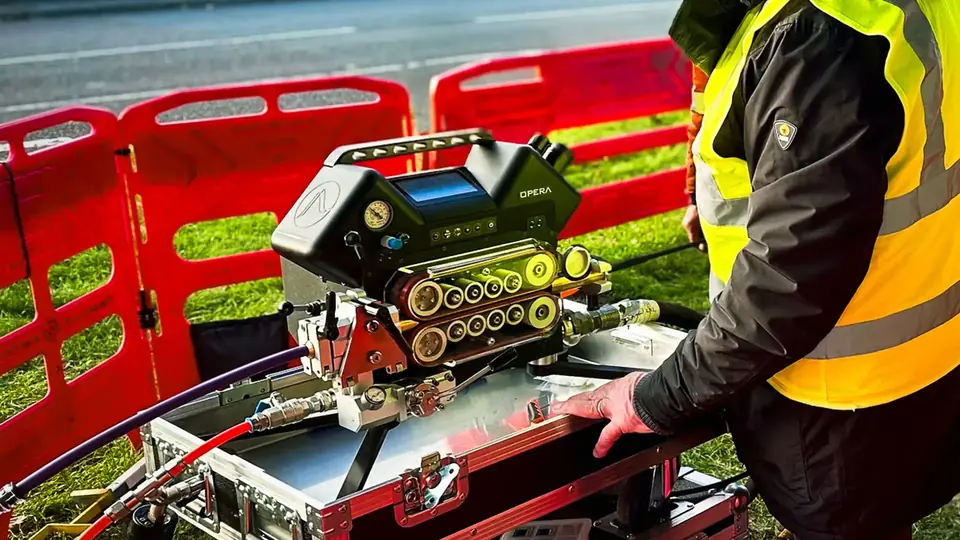
Opera, image 1 of 3
Expert advice direct from the manufacturer / Free demonstration on request
Some of our customers.


Keep your installation moving with Fibernet cable blowing machines.
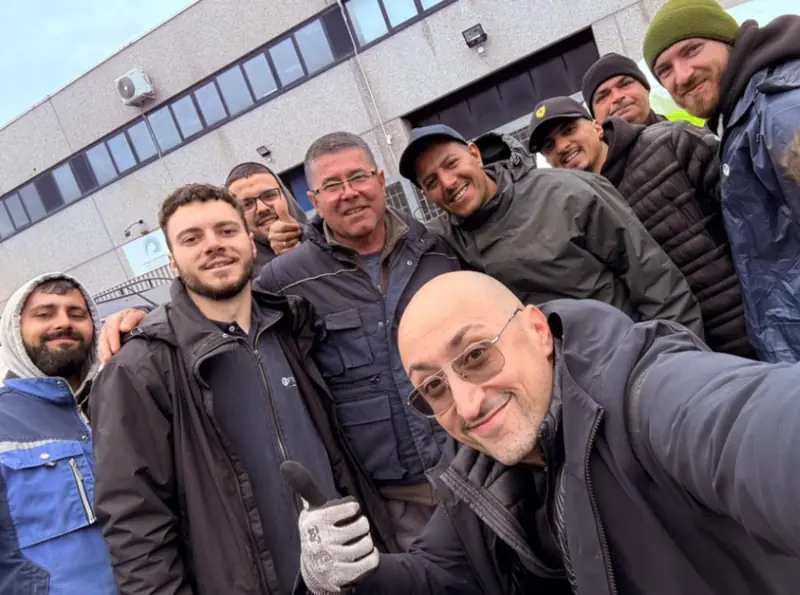
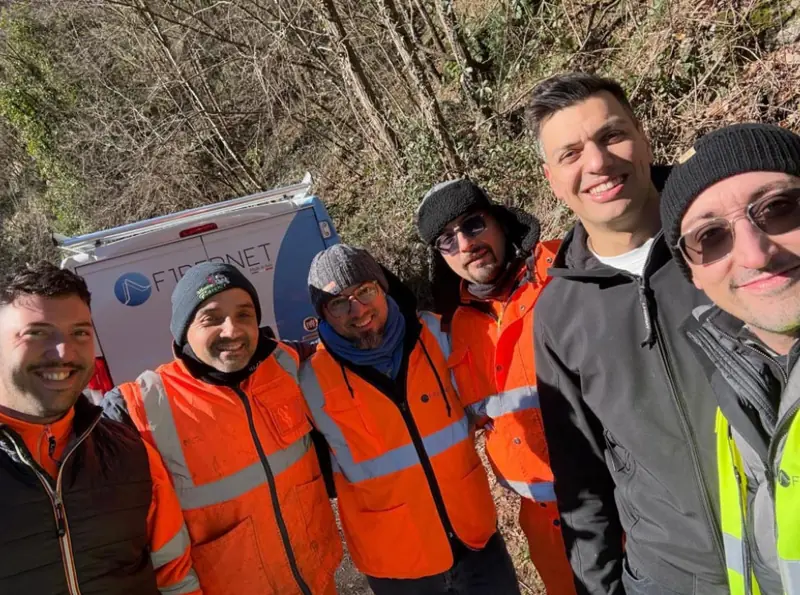
Photos and stories from installers, published by Fibernet.
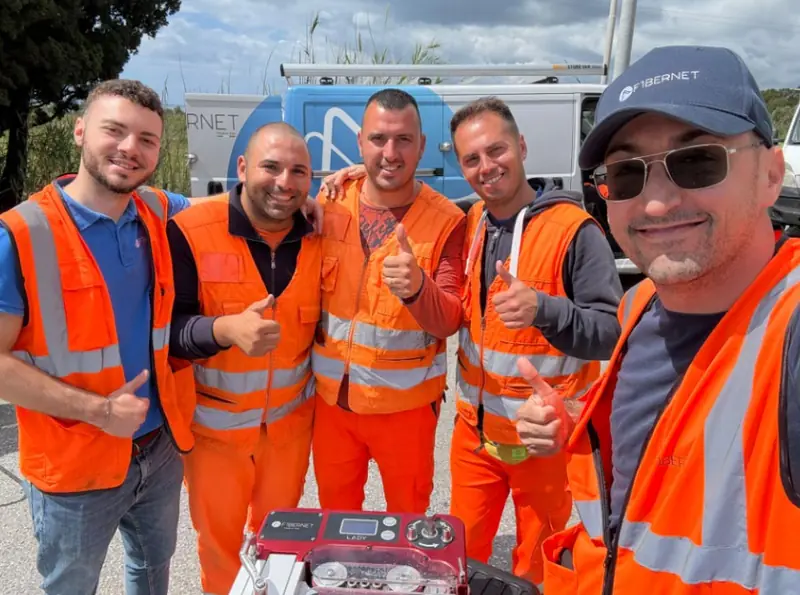
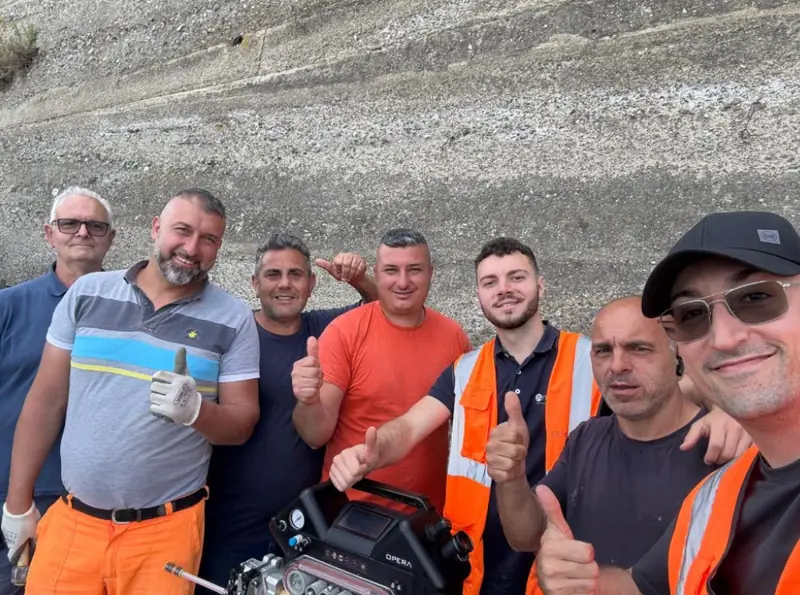
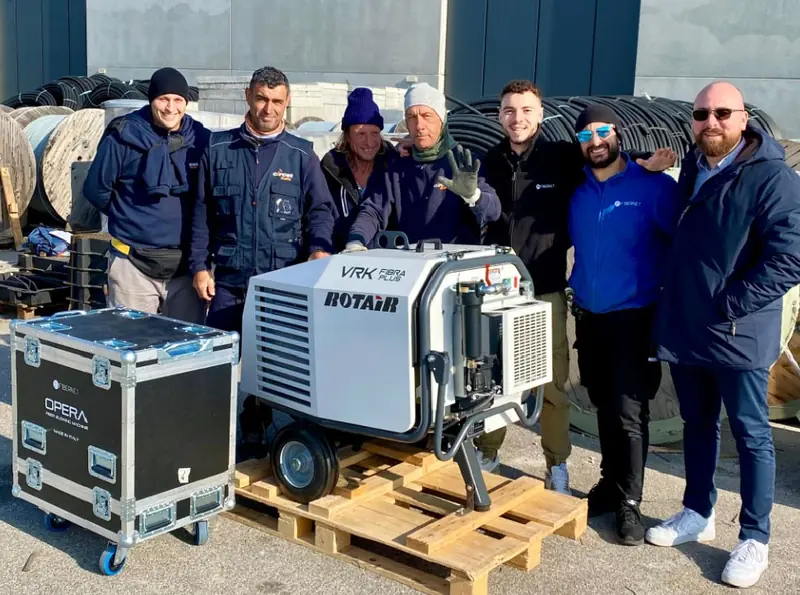
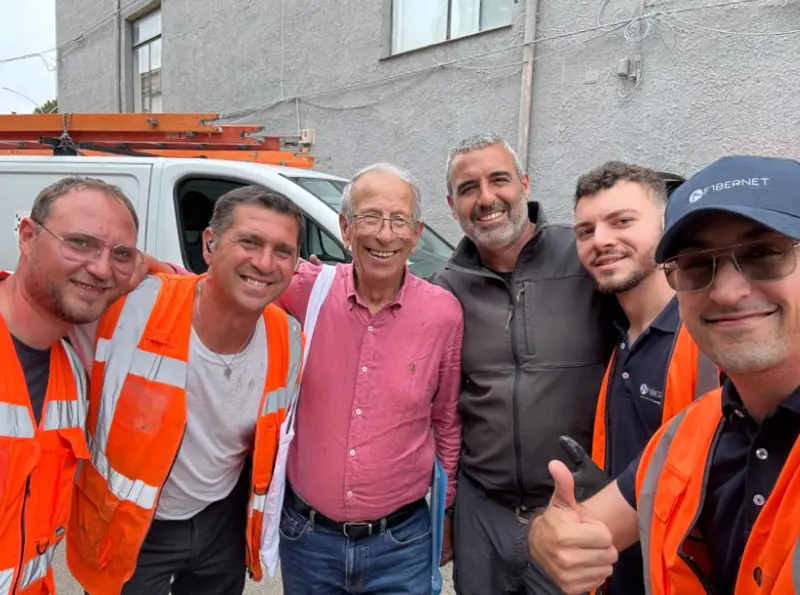
 GoogleExcellentBased on 176 reviewsRead the reviews
Read on Google“An excellent experience on the installer training course. The whole team was professional and knowledgeable.”
Read on Google“I had the chance to try the Opera cable blowing machine on site…”
Read on Google“I really enjoyed this course. It took place in a pleasant setting with friendly, helpful people.”
Stories from installers
Hear the results from the installers themselves. Watch their testimonials right here.
Product videos
Three machines. Find your fit.
Start with the job at hand. Our technician can answer your questions about the right setup.
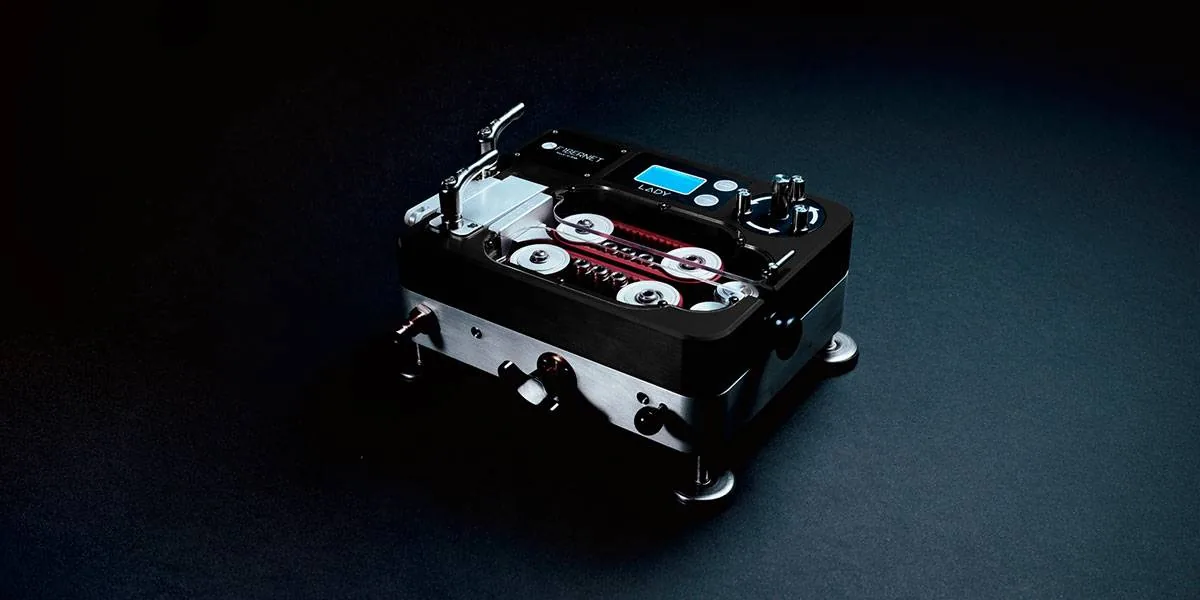
Compact and lightweight
A compact, lightweight machine for short runs.
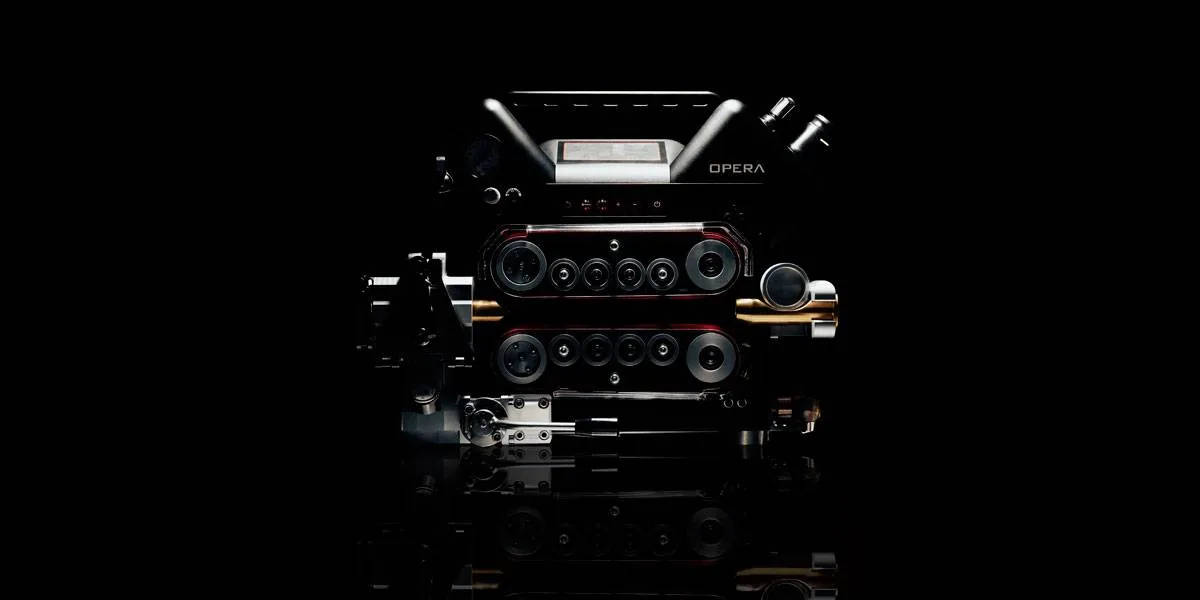
Pneumatic power
A pneumatic machine for long cable runs.
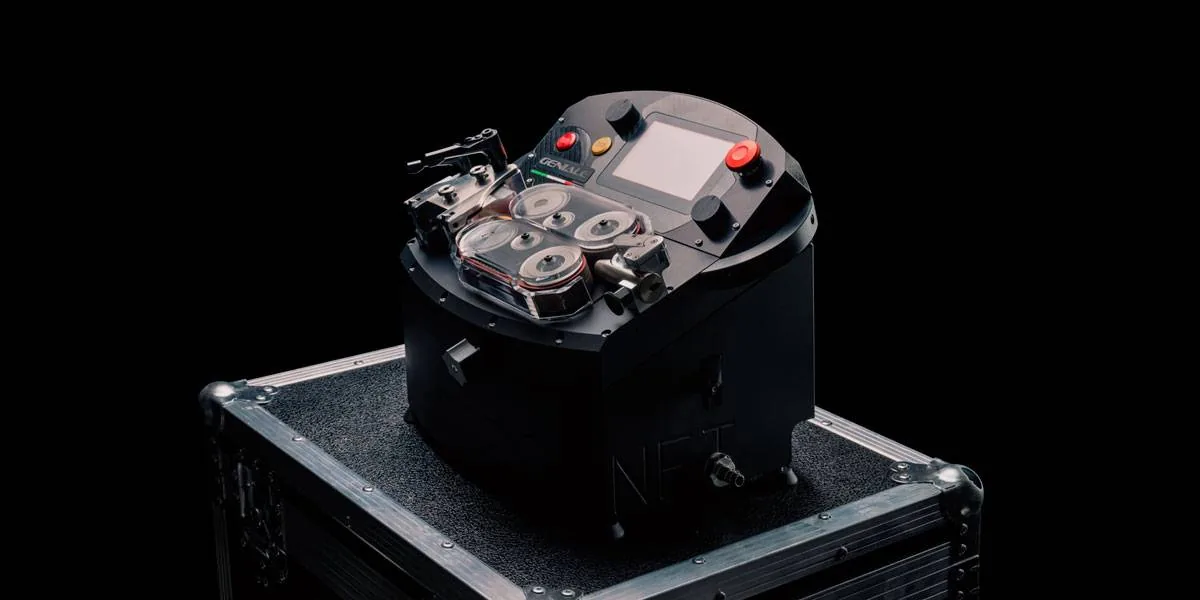
Electric, with two gears
For short and long runs. Two gears let you match force and speed to the job.
Specifications for the Fibernet range. The speeds shown are maximum values. Actual results depend on installation conditions and machine setup.
Direct from the manufacturer
When you’re working on site, you need practical answers. With Fibernet, you speak directly to the people who design and build your cable blowing machine.
Speak to a technicianA specialist technician can help when you need it.
Spare parts ready to ship, direct from the manufacturer.
If your machine breaks down, a replacement may be available within 48 hours.
Check availability and terms with your technician.Get help making the most of your machine, from your very first job.
See it in action before you choose
Request a free hands-on demonstration on your site or at Fibernet’s test facility. Discuss a real job with the technician.
Request a free demonstration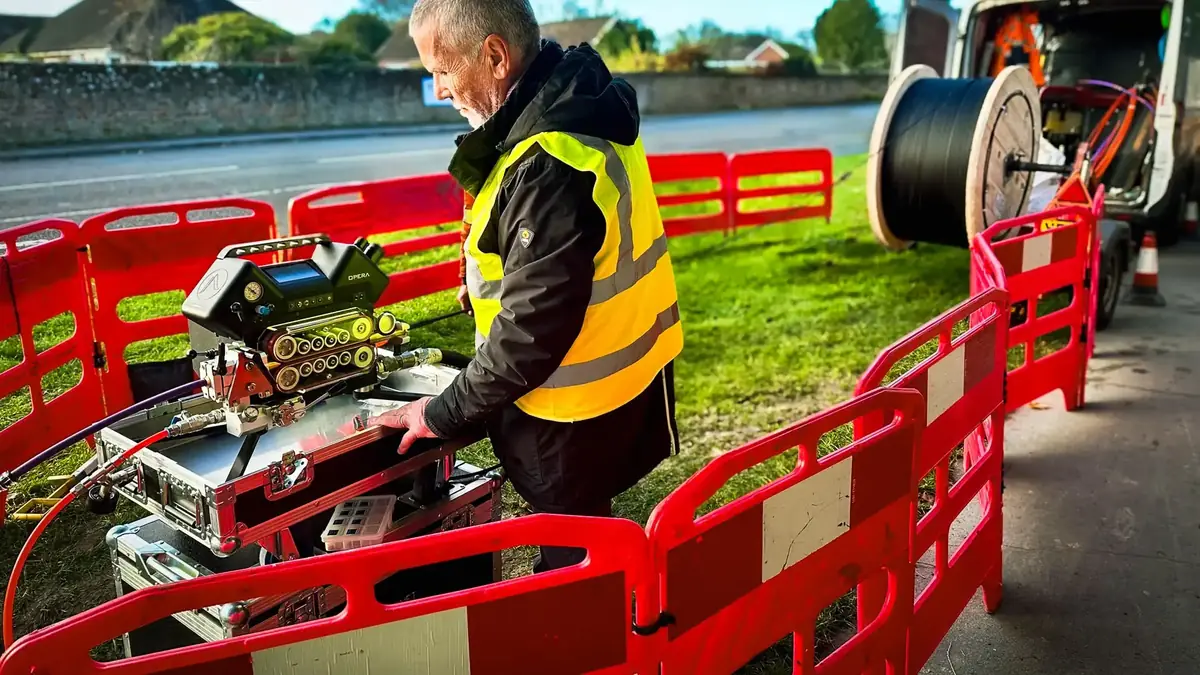
Selecting a drill powered fibre cable blower starts with the cable and duct, not simply the drive system. Installation teams need equipment that matches the cable diameter, duct dimensions and working conditions of the planned route. A machine that is suitable for one combination may require different guides, seals or settings for another. For telecommunications contractors working in Italy, this assessment is particularly useful when successive jobs involve different duct sizes, restricted access points and varying route lengths. Fibernet offers a direct point of contact for discussing these requirements, helping prospective customers establish which machine configuration deserves closer technical evaluation before making a purchasing decision. The objective is a practical match between the equipment and the installation, rather than a choice based on an isolated headline specification. Understanding how the process works makes that discussion more productive. In a suitable cable blowing arrangement, the mechanical drive feeds the cable into the duct while compressed air helps it advance along the route. The drill supplies mechanical input; it does not replace the compressed air supply. Consequently, anyone comparing a drill powered fibre optic cable blower should consider the complete working arrangement, including the compressor, air treatment, hoses, connectors and the condition of the duct. Available pressure alone does not establish whether an air supply is suitable: airflow, connection losses and the requirements specified for the selected machine also matter. These details should be checked against the relevant technical documentation rather than estimated from the appearance of the equipment. Before contacting Fibernet, prepare the cable manufacturer's diameter range and installation limits, the duct's internal and external dimensions, and a description of bends, joints and access points. Include the intended route length, the compressor details and the drill you would like to use. Where documentation is incomplete, identify what still needs to be verified instead of treating assumptions as confirmed measurements. This gives the technical conversation a clear starting point and reduces the likelihood of overlooking an essential accessory. A cable blower for fibre optic cable should also be considered as part of an organised site procedure. Operators need an appropriate cable payout arrangement, a stable working position and a way to monitor progress without exposing themselves to moving parts or pressurised connections. Installation conditions can change as the cable advances, so the ability to recognise resistance and respond according to the operating instructions is important. Ask Fibernet about the documented compatibility, adjustment procedure and operating limits of the proposed equipment. A well-defined specification helps your team understand what is included, what must be supplied separately and which checks are necessary before the first installation begins.
A productive blowing operation depends on preparation as much as machine selection. Before positioning a drill powered fibre cable blower, the installation team should confirm that the duct route has been prepared and checked using procedures appropriate to that duct system. Obstructions, damaged joints, accumulated water or unsuitable bends can compromise progress even when the machine itself is correctly configured. Establishing the condition of the route beforehand helps distinguish equipment questions from infrastructure problems. It also gives the crew a clearer basis for deciding where to position the cable supply, compressor and blowing unit, particularly at roadside locations where the available working area may be limited. Once the route is ready, check the cable path through the machine against the operating instructions. Guides and sealing components must correspond to the actual cable and duct dimensions, and the cable should enter without unnecessary sideways loading. The feed mechanism requires careful adjustment: insufficient grip may allow slipping, while excessive force can damage the cable. Settings should therefore follow the machine documentation and respect the cable manufacturer's limits. Never assume that the highest drill speed or greatest available torque will produce the best result. Controlled feeding, appropriate air delivery and attentive monitoring provide a more useful basis for managing the operation than attempting to maximise speed from the outset. Contractors sometimes compare a drill driven fibre cable blower with equipment described as battery operated. These descriptions need clarification because they can refer to different aspects of the drive arrangement. A cordless drill may provide the mechanical input to a compatible machine, but that does not establish that the entire installation process operates without an external compressed air supply. When considering a battery powered fibre cable blower, ask what the battery powers, which drill or drive specifications apply, and what additional equipment is required. Confirming these points avoids misunderstandings when planning transport, site access and the power arrangements for the compressor. During installation, observe the cable payout and the behaviour of the feed mechanism, rather than concentrating solely on the distance achieved. If progress becomes irregular, follow the prescribed stopping and depressurisation procedure before investigating. Do not open pressurised connections or attempt to clear a problem while the drive is engaged. Record the conditions encountered, including route details, equipment settings and any interruptions, so that future jobs can benefit from evidence rather than guesswork. At the end of the operation, cleaning, inspection and storage should follow the manufacturer's guidance, with particular attention to components exposed to dirt or wear. When you discuss equipment with Fibernet, describe how your crews actually work: the number of installations, the changing cable sizes and the practical constraints at access points. Those details support a more relevant conversation about configuration, accessories and the documentation your operators will need.
Fibernet's cable blowing equipment business draws on a technical history that began long before its first machine launch. Founded in 2001, the company developed from the experience of Giancarlo Trinei, whose work with early fibre installations in Italy dates back to the 1980s. In 2021, Fibernet introduced its first cable blowing machine, Lady, marking a specific step in the company's development as a manufacturer of this equipment. For a contractor evaluating a drill powered fibre cable blower, this background provides context for a direct technical discussion. The important next step remains to establish whether the proposed machine and its documented configuration meet the requirements of the intended installation. Fibernet's family values sit alongside an ambition to serve equipment users internationally while maintaining its connection with Italian manufacturing. The generational transition began in 2010 with the involvement of Matteo, Marta and Ismael, bringing a new phase of development to the business. For customers, the useful expression of that continuity is a clear conversation about the machine, the application and the scope of supply. Buyers should be able to describe their operating conditions and ask precise questions without relying on general statements about performance. An enquiry supported by cable data, duct measurements and realistic site information is more valuable than a request for an unspecified machine to cover every possible job. When assessing fibre cable blower price, compare the proposed package rather than the machine figure alone. Ask which guides, seals, duct connections and other accessories are included, and which are optional. Establish whether the drill and compressor are supplied or must be arranged separately. Clarify applicable commercial terms, delivery arrangements, documentation and the process for requesting replacement wear components. For customers outside Italy, destination details are also important when discussing transport and any relevant import requirements. Request a written quotation that identifies the proposed configuration so that your purchasing team and site supervisors are evaluating the same equipment. This makes comparisons more meaningful and helps prevent missing items from becoming an unexpected site problem. The description drill powered fibre cable blowing machine can be a useful starting point for research, but it is not a substitute for a complete specification. Before ordering, seek confirmation of supported dimensions, drive requirements, operating limits and the preparation expected from the installation crew. Avoid treating maximum published capabilities as guaranteed results on every route, since cable characteristics, duct condition and the route profile affect the outcome. Fibernet's website provides a starting point for introducing your project and requesting a discussion about suitable equipment. Whether your team works in Italy or manages installations internationally, a clearly defined enquiry helps turn an initial product search into a purchasing decision grounded in the conditions your operators will actually face.
Fill in the form and discover what Fibernet Srl can do for you!
Contact us!Before you get started
If you prefer, speak to us directly.
+39 346 652 9915Compare the cable diameter, duct diameter and installation distance. Lady is compact and lightweight for short runs. Opera is pneumatic and designed for long runs. Geniale is electric and handles both. A Fibernet technician can help you choose.
Yes. You can request a free hands-on demonstration on your site or at Fibernet’s test facility. Tell us what you need in the form and a technician will arrange it with you. Request a demonstration.
To get a price, contact a Fibernet adviser using the form or call +39 346 652 9915.
Fibernet offers direct technical support, spare parts ready to ship and dedicated training. If your machine breaks down, a replacement may be available. Ask your technician about availability and terms.
Tell us about your job. We’ll help you find the right cable blowing machine.