Emanuele Zanda
Google review
★★★★★
Read on Google“An excellent experience on the installer training course. The whole team was professional and knowledgeable.”
Cable blowing machines · Made in Italy
From last-mile connections to long-distance runs, a Fibernet technician can help you choose the right machine for your fibre optic cable installation.
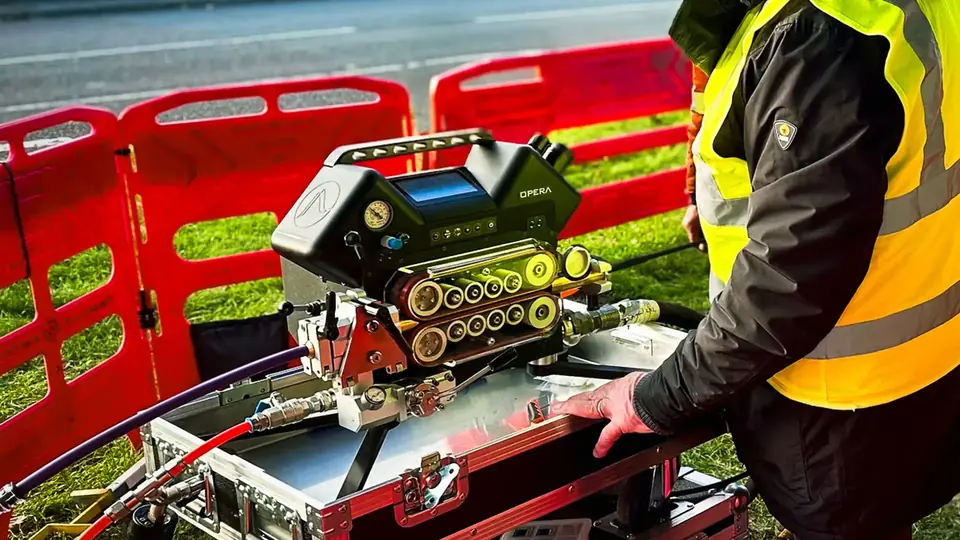
Opera, image 1 of 3
Expert advice direct from the manufacturer / Free demonstration on request
Some of our customers.

Keep your installation moving with Fibernet cable blowing machines.
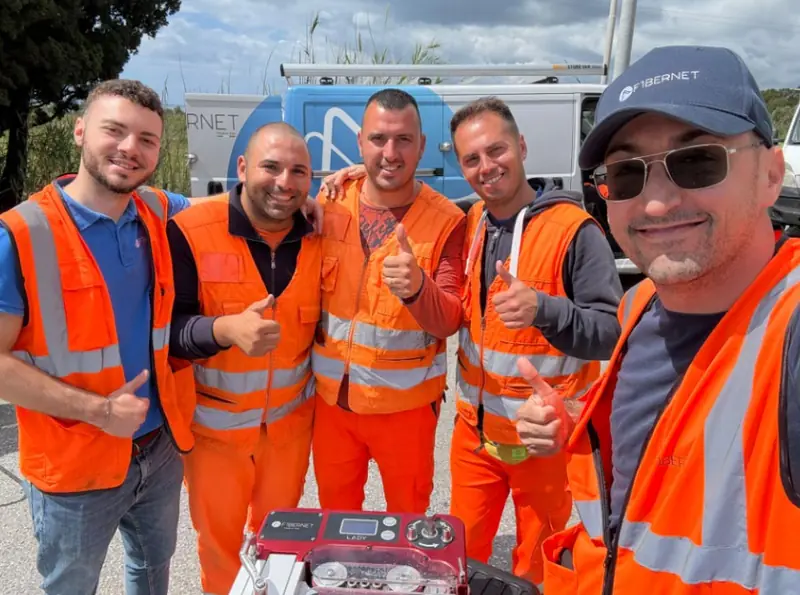
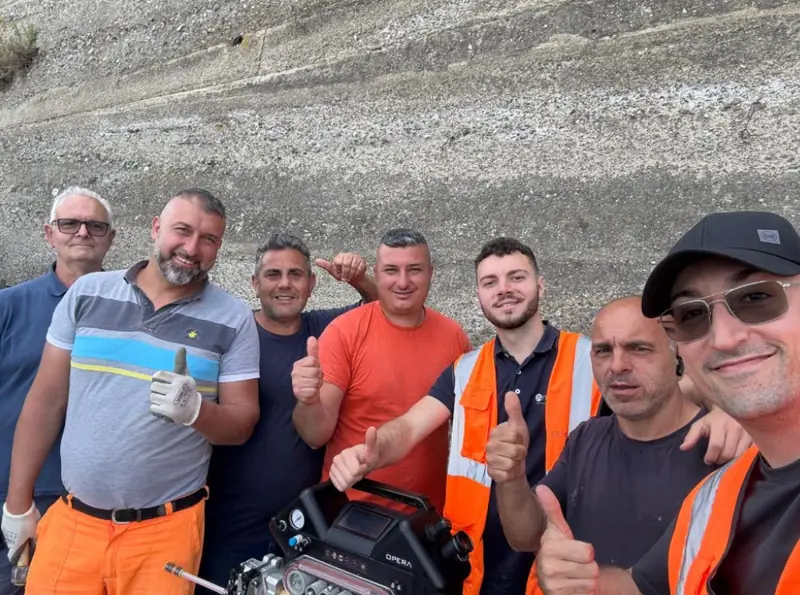
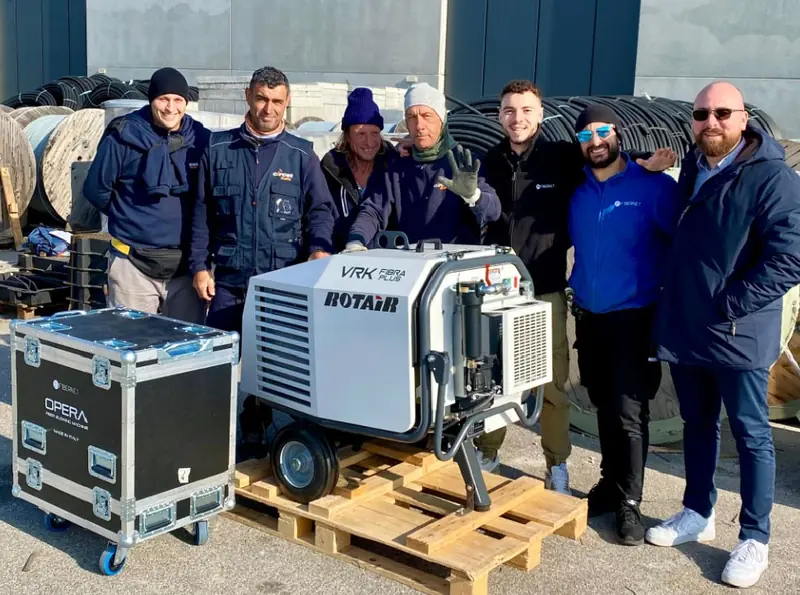
Photos and stories from installers, published by Fibernet.
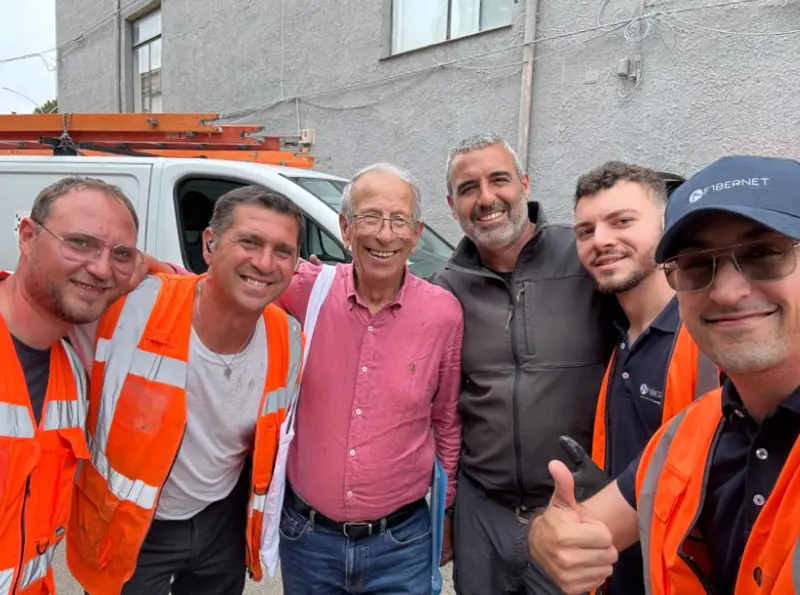
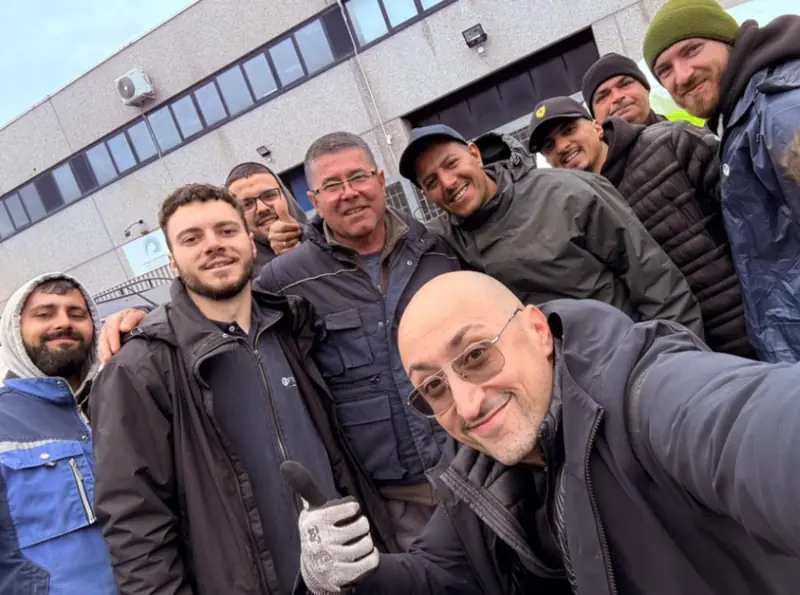
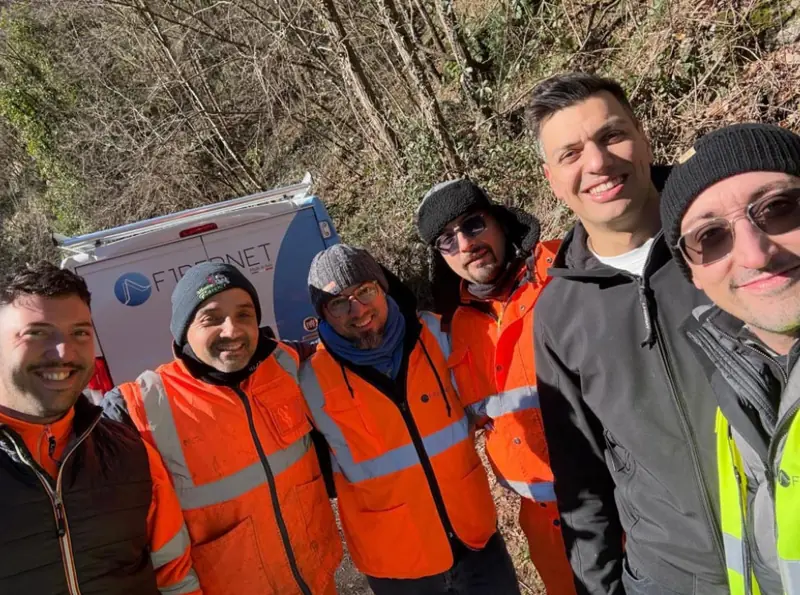 GoogleExcellentBased on 176 reviewsRead the reviews
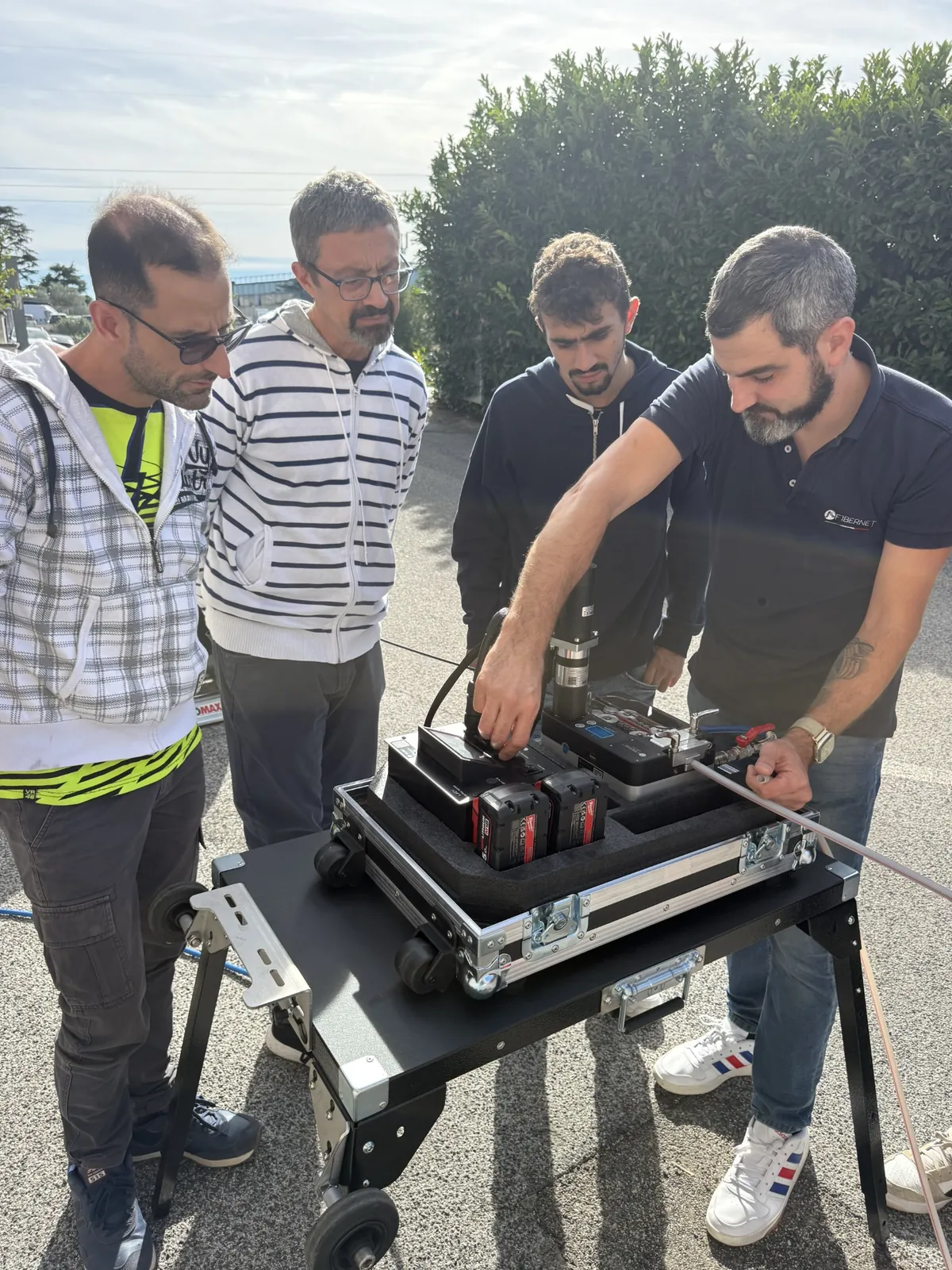
Read on Google“An excellent experience on the installer training course. The whole team was professional and knowledgeable.”
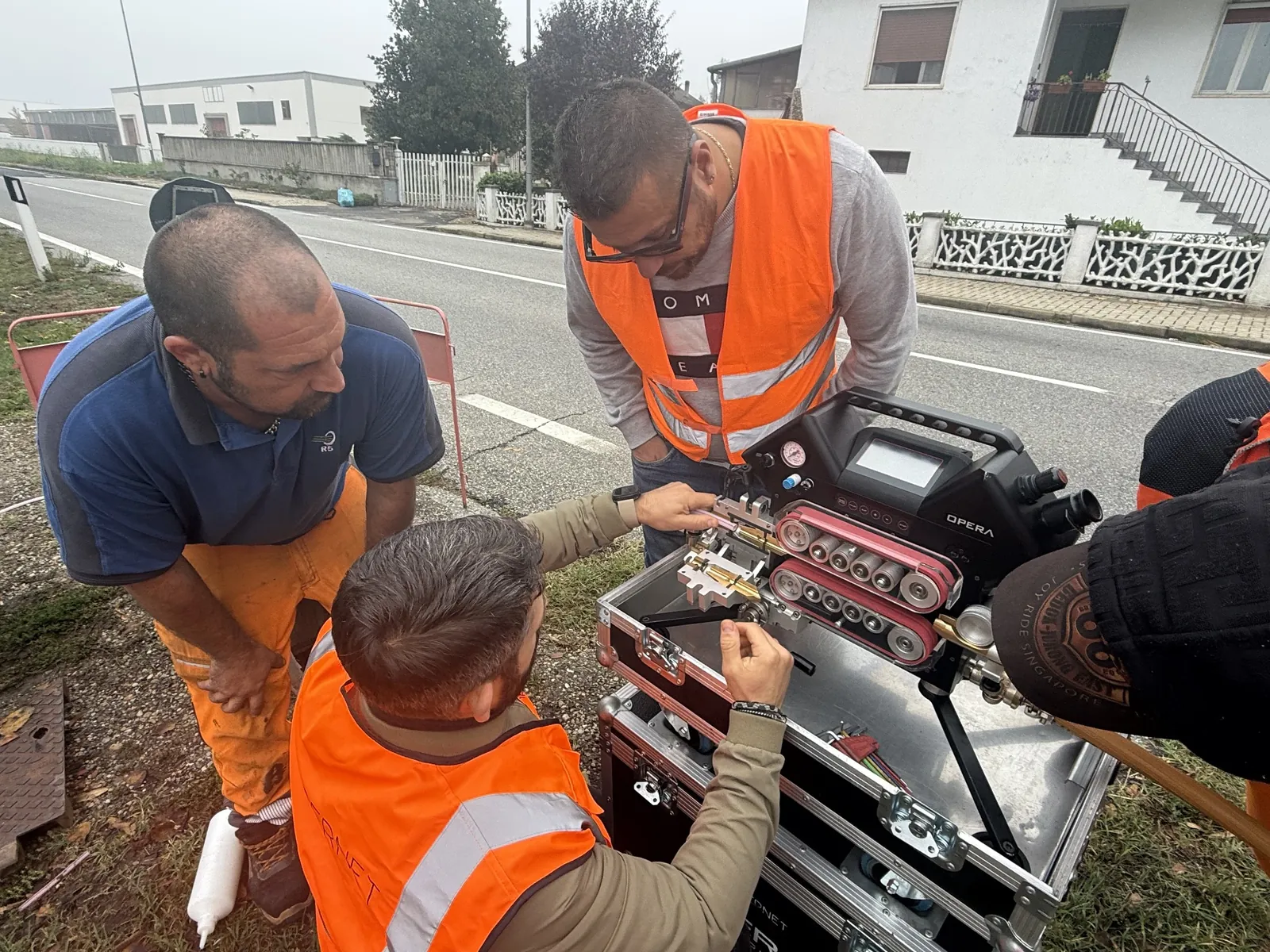
Read on Google“I had the chance to try the Opera cable blowing machine on site…”
Read on Google“I really enjoyed this course. It took place in a pleasant setting with friendly, helpful people.”
Stories from installers
Hear the results from the installers themselves. Watch their testimonials right here.
Product videos
Three machines. Find your fit.
Start with the job at hand. Our technician can answer your questions about the right setup.
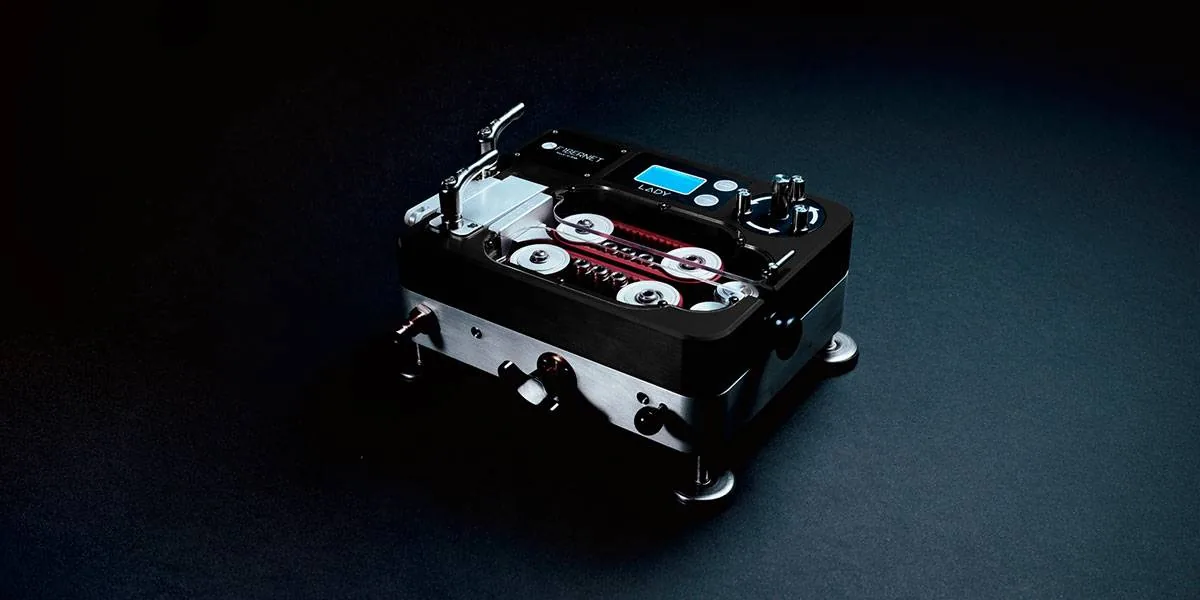
Compact and lightweight
A compact, lightweight machine for short runs.
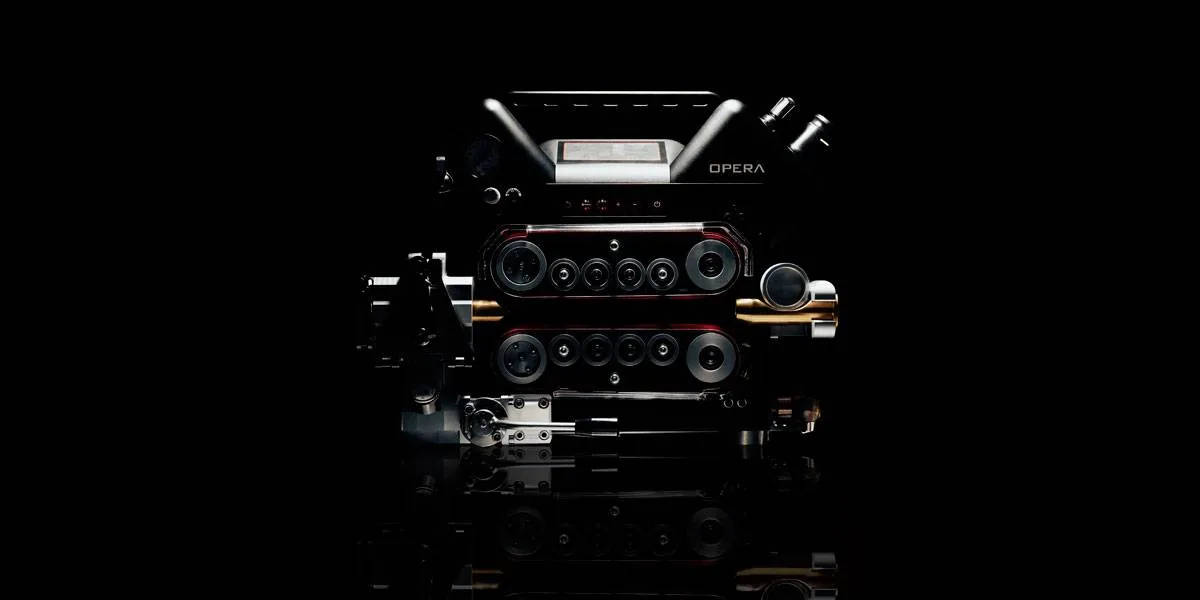
Pneumatic power
A pneumatic machine for long cable runs.
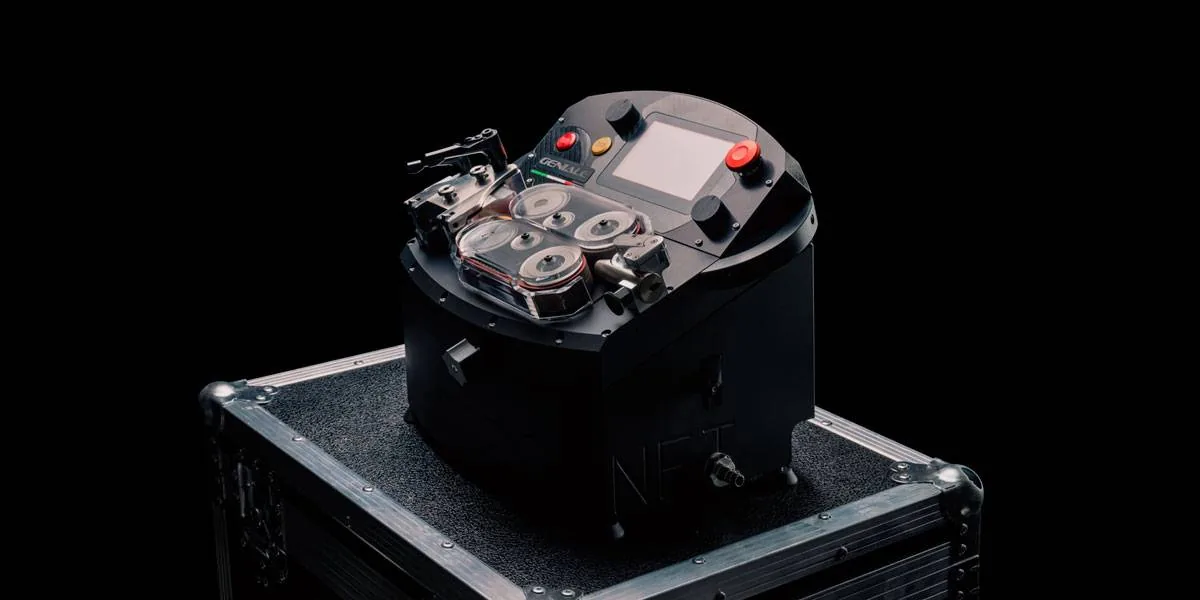
Electric, with two gears
For short and long runs. Two gears let you match force and speed to the job.
Specifications for the Fibernet range. The speeds shown are maximum values. Actual results depend on installation conditions and machine setup.
Direct from the manufacturer
When you’re working on site, you need practical answers. With Fibernet, you speak directly to the people who design and build your cable blowing machine.
Speak to a technicianA specialist technician can help when you need it.
Spare parts ready to ship, direct from the manufacturer.
If your machine breaks down, a replacement may be available within 48 hours.
Check availability and terms with your technician.Get help making the most of your machine, from your very first job.
See it in action before you choose
Request a free hands-on demonstration on your site or at Fibernet’s test facility. Discuss a real job with the technician.
Request a free demonstration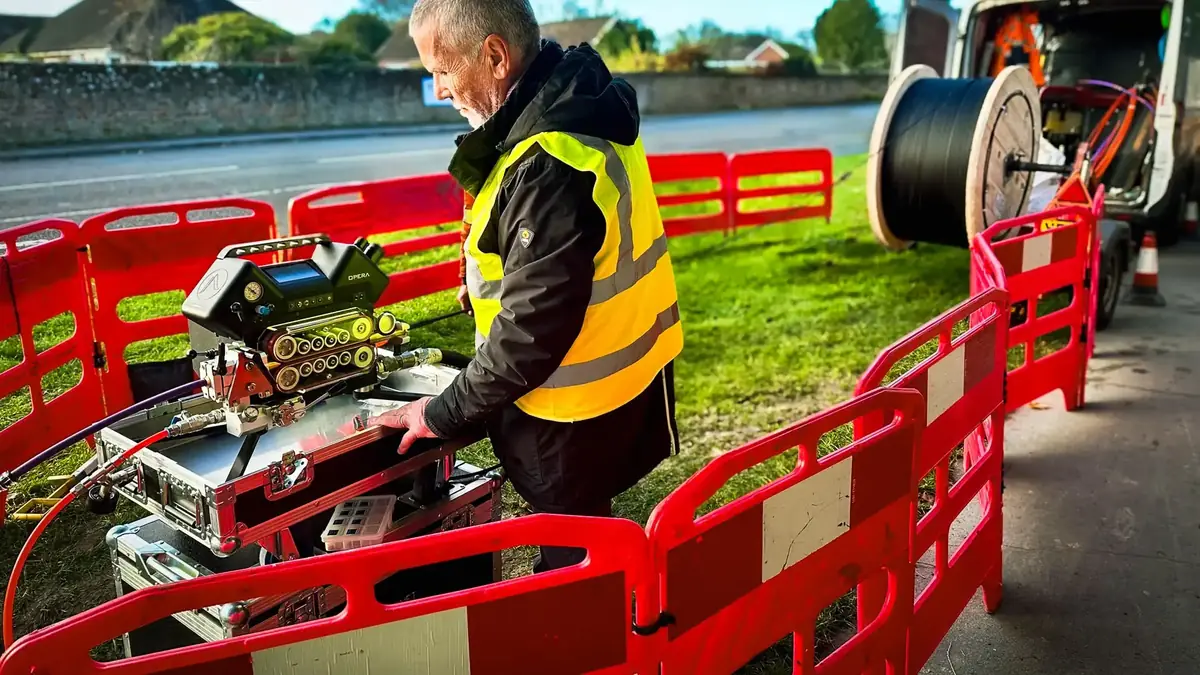
Choosing a drill powered fiber blower starts with understanding the cable, the duct and the working conditions rather than comparing headline installation distances. For contractors working on Italian streets, building approaches or distribution routes, the right equipment must suit the actual combination of cable diameter, duct internal diameter, route geometry and available compressed air. A drill provides the mechanical input for the feeding mechanism, while compressed air helps carry the cable through the duct. These functions work together, but neither removes the need for careful preparation. Before selecting a machine, establish the cable manufacturer's installation limits, check the condition of the duct and identify any couplings, bends or changes in elevation that could influence progress. Fibernet provides a starting point for discussing these requirements with an Italian business whose first cable blowing machine, Lady, was launched in 2021. When assessing a drill powered fiber cable blower, ask which cable and duct dimensions the proposed configuration supports, which sealing components are required and what drill characteristics are specified. Compatibility should be confirmed for the complete arrangement, including the drive interface, cable guidance, duct connection and compressed air supply. A machine that suits one cable construction or route should not automatically be assumed suitable for another. For example, a lightweight cable passing through a clean, continuous microduct presents different handling considerations from a stiffer cable entering a route with several bends. Practical selection also includes the space available around the entry point. The operator needs a stable position for the machine, a controlled cable supply and access to the controls without creating unnecessary bends before the cable reaches the inlet. Where a cordless drill is being considered, battery availability and the manufacturer's operating requirements become part of the planning process, not a substitute for checking the air supply. The term drill driven fiber blower describes the drive arrangement, but does not by itself establish performance, portability or compatibility. Those points require model-specific information. Prepare a useful enquiry by sharing the cable data sheet, duct dimensions, approximate route length, anticipated bends and details of the compressor available on site. Photographs of the working area can also help explain access constraints. This gives the discussion a technical basis and helps avoid choosing equipment on an isolated speed or distance claim. Explore Fibernet's cable blowing offering through www.fibernetsrl.com and request clarification on the configuration appropriate to your work. The objective is a suitable, manageable setup supported by clear operating information, with realistic expectations established before the crew arrives at the installation point.
A successful cable blowing operation depends as much on preparation as on the machine itself. Before bringing a drill powered fiber blower into service, inspect the planned installation route and confirm that the duct has been checked using procedures appropriate to its construction and the project specification. Contamination, water, damaged sections or poorly assembled joints can compromise progress and make troubleshooting difficult once the cable is inside. Cleaning, continuity checks and any integrity testing should follow the relevant duct and equipment instructions, with suitable precautions around compressed air. Establish where the cable drum will stand and how the cable will travel from the drum to the machine. The feed path should avoid sharp changes of direction, dragging across abrasive surfaces or uncontrolled loops that could interfere with the operator. Confirm that the drum can turn smoothly and that the team can manage the supply without introducing excessive tension. When configuring a drill powered cable blower, pay particular attention to the components that contact or guide the cable. Incorrect settings can create avoidable stress, while an unsuitable seal or duct connection can cause air leakage. Use the specified components and follow the manufacturer's guidance rather than compensating for a poor fit with additional force. Compressor selection also requires more than reading a maximum pressure figure. The installation arrangement must receive the airflow and pressure required by the chosen machine and application, through hoses and connections suitable for the task. Air quality requirements, including any recommended moisture management, should be checked in the equipment documentation. Keep the working area organised so that hoses, leads and cable paths do not obstruct movement or access to controls. With a drill powered fiber optic cable blowing machine, the drill's suitability, operating mode and connection must also be verified before work begins. A cordless power source does not mean the whole blowing process operates without external compressed air. Start and adjustment procedures should follow the equipment manual, with the operator monitoring cable movement and responding to unusual resistance rather than simply increasing drive input. If progress changes unexpectedly, stop safely and investigate the likely cause. Possible issues include feed restrictions, leakage, route conditions or an incompatible setup; each calls for a different response. Keep a record of the equipment configuration, cable and duct dimensions, operating conditions and any interruptions. These details help teams review the installation and prepare more consistently for similar work. When contacting Fibernet, describe the practical difficulty you need to resolve, not just the product name you have searched for. A clear account of the route, existing equipment and site constraints makes it easier to request relevant technical information and determine which questions must be answered before selecting a machine.
For a contractor evaluating a drill powered fiber blower, the company behind the equipment matters alongside the machine's documented characteristics. Fibernet was founded in 2001 and draws on the technical background of its founder, Giancarlo Trinei, whose work with fibre installations in Italy began in the early 1980s. That background provides context for a business focused on practical engineering and the needs of professionals handling installation equipment. The launch of Lady in 2021 marked the introduction of Fibernet's first cable blowing machine. For prospective buyers, this history is a reason to begin a detailed technical conversation, not a replacement for checking the specification of the model being considered. Ask for current documentation and establish exactly what is included in the proposed supply. Depending on the configuration, relevant questions may concern cable guides, seals, duct connections, drive requirements and the equipment needed separately for operation. If your enquiry uses the phrase drill powered fiber blowing machine, explain whether you already have a particular drill and compressor or are planning the complete setup from the beginning. This distinction helps prevent assumptions about compatibility. Equally, a search for a battery powered fiber blower may refer to different expectations: some buyers mean a machine driven by a cordless drill, while others are seeking a different power arrangement. Clarify the intended operating principle and whether compressed air is required before comparing proposals. Buyers in Italy should also discuss the practicalities of delivery to their operating base and the availability of documentation appropriate to their team. For enquiries from other countries, request confirmation of delivery options, destination requirements and the documentation supplied for the proposed equipment. Do not assume that shipping arrangements, local compliance requirements or service procedures are identical across markets. Establish how technical questions are handled, which replacement components may be needed over time and how to identify the correct parts for the purchased configuration. These are useful procurement questions even when installation work is scheduled well in advance. A purchasing decision should account for the way the equipment will be used between jobs: transport, inspection, cleaning and storage all affect readiness for the next installation. Ask which maintenance tasks the operator is expected to perform and which interventions require further technical assistance. Fibernet's family business developed into a new generation from 2010, when Matteo, Marta and Ismael joined the activity, while retaining its founding technical focus. Through www.fibernetsrl.com, contractors can introduce their cable blowing requirements and request information relevant to their intended application. Bring measurable details to that exchange so that the discussion moves beyond general product labels towards a clearly defined configuration, operating requirements and the practical steps needed before purchase.
Fill in the form and discover what Fibernet Srl can do for you!
Contact us!Before you get started
If you prefer, speak to us directly.
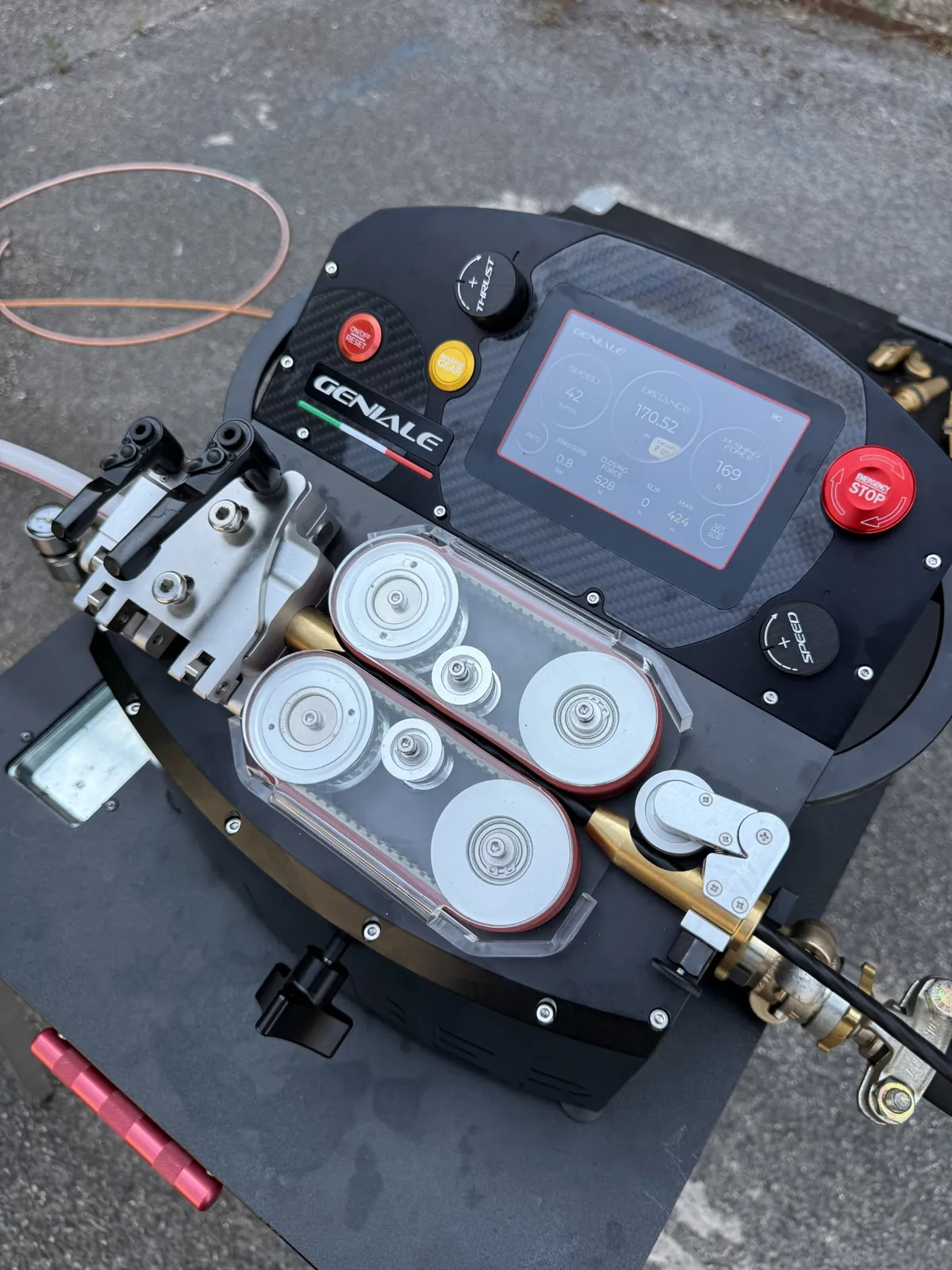
+39 346 652 9915Compare the cable diameter, duct diameter and installation distance. Lady is compact and lightweight for short runs. Opera is pneumatic and designed for long runs. Geniale is electric and handles both. A Fibernet technician can help you choose.
Yes. You can request a free hands-on demonstration on your site or at Fibernet’s test facility. Tell us what you need in the form and a technician will arrange it with you. Request a demonstration.
To get a price, contact a Fibernet adviser using the form or call +39 346 652 9915.
Fibernet offers direct technical support, spare parts ready to ship and dedicated training. If your machine breaks down, a replacement may be available. Ask your technician about availability and terms.
Tell us about your job. We’ll help you find the right cable blowing machine.