Emanuele Zanda
Google review
★★★★★
Read on Google“An excellent experience on the installer training course. The whole team was professional and knowledgeable.”
Cable blowing machines · Made in Italy
From last-mile connections to long-distance runs, a Fibernet technician can help you choose the right machine for your fibre optic cable installation.
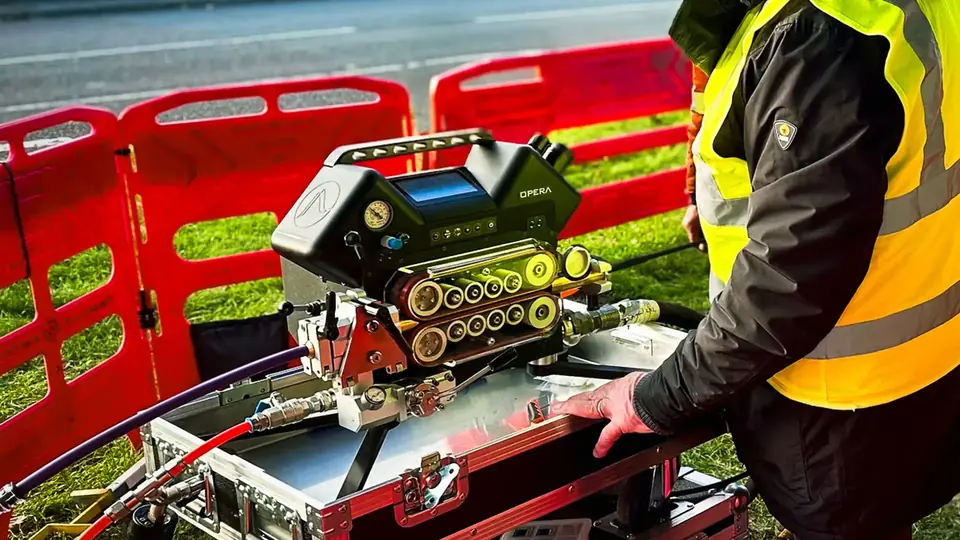
Opera, image 1 of 3
Expert advice direct from the manufacturer / Free demonstration on request
Some of our customers.

Keep your installation moving with Fibernet cable blowing machines.
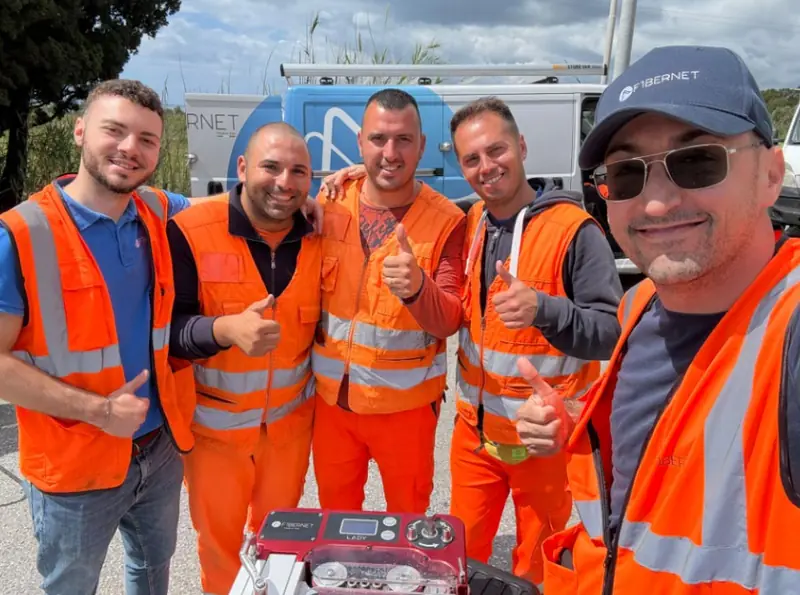
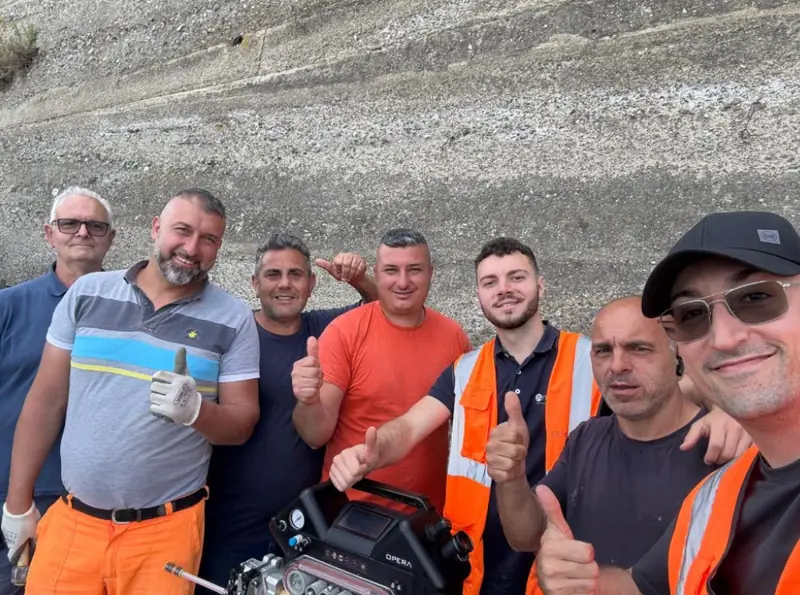
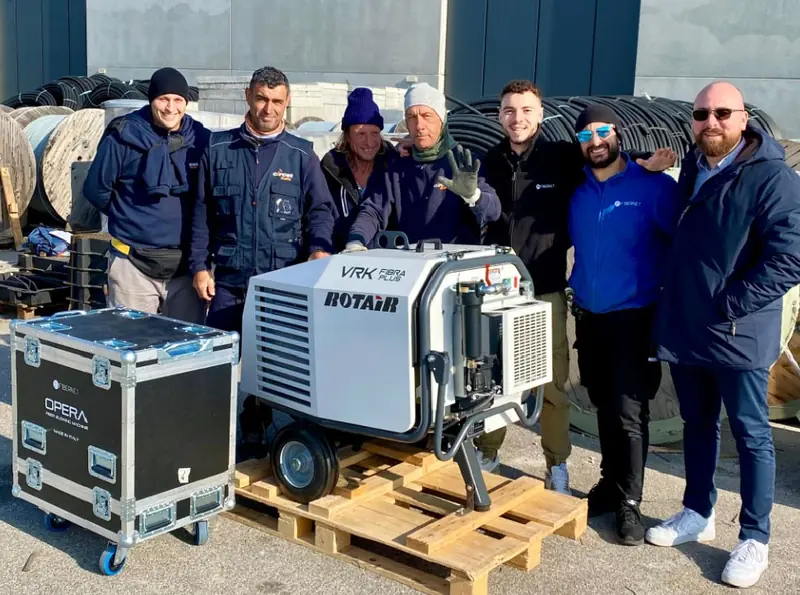
Photos and stories from installers, published by Fibernet.
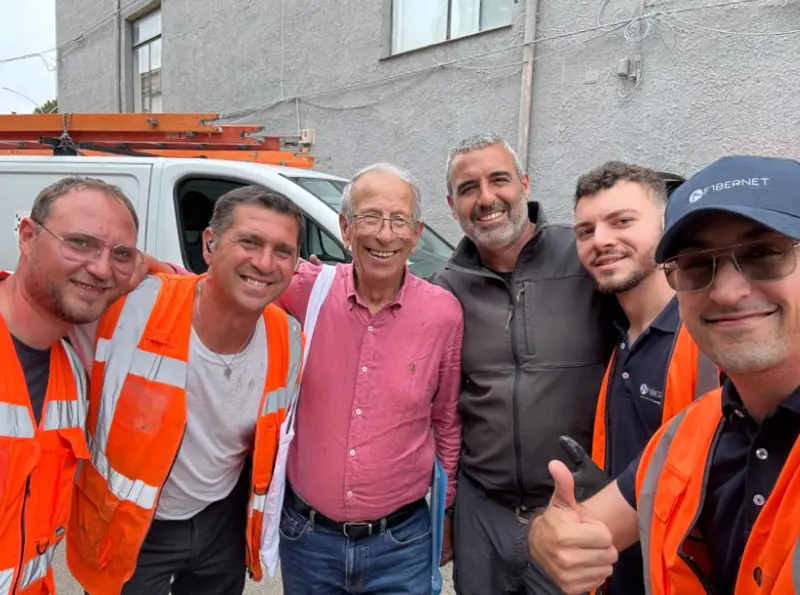
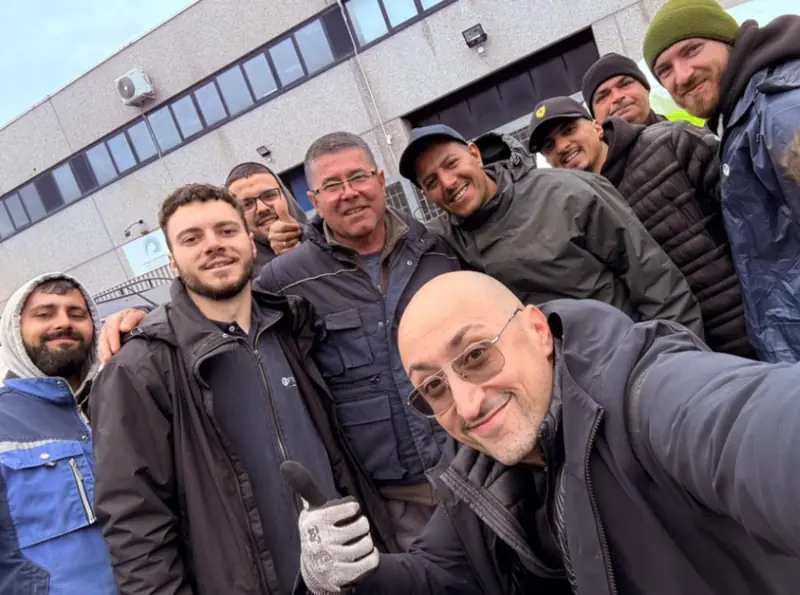
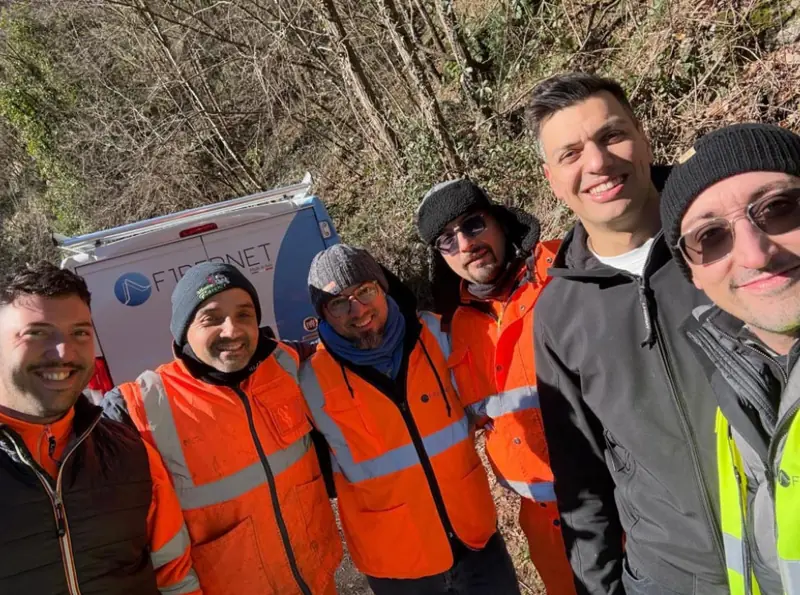 GoogleExcellentBased on 176 reviewsRead the reviews
Read on Google“An excellent experience on the installer training course. The whole team was professional and knowledgeable.”
Read on Google“I had the chance to try the Opera cable blowing machine on site…”
Read on Google“I really enjoyed this course. It took place in a pleasant setting with friendly, helpful people.”
Stories from installers
Hear the results from the installers themselves. Watch their testimonials right here.
Product videos
Three machines. Find your fit.
Start with the job at hand. Our technician can answer your questions about the right setup.
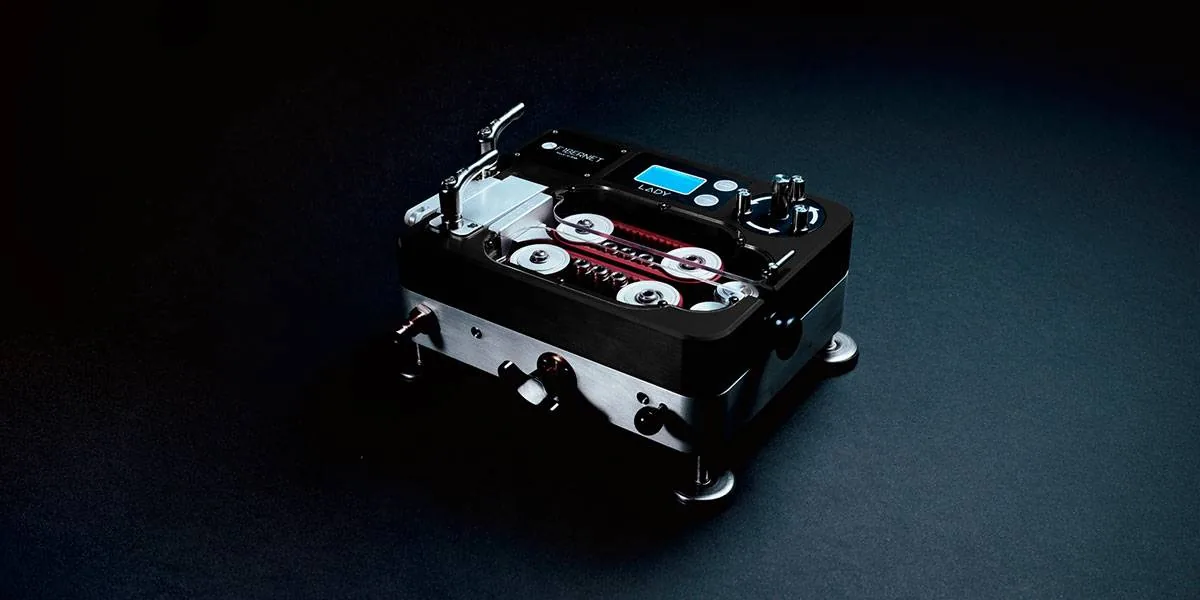
Compact and lightweight
A compact, lightweight machine for short runs.
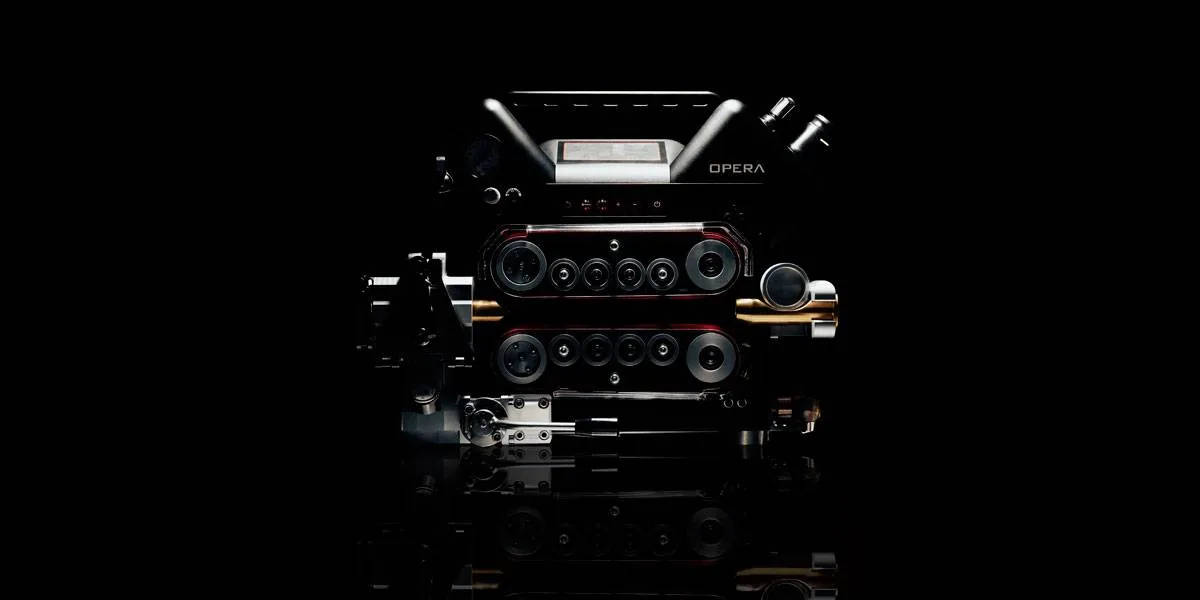
Pneumatic power
A pneumatic machine for long cable runs.
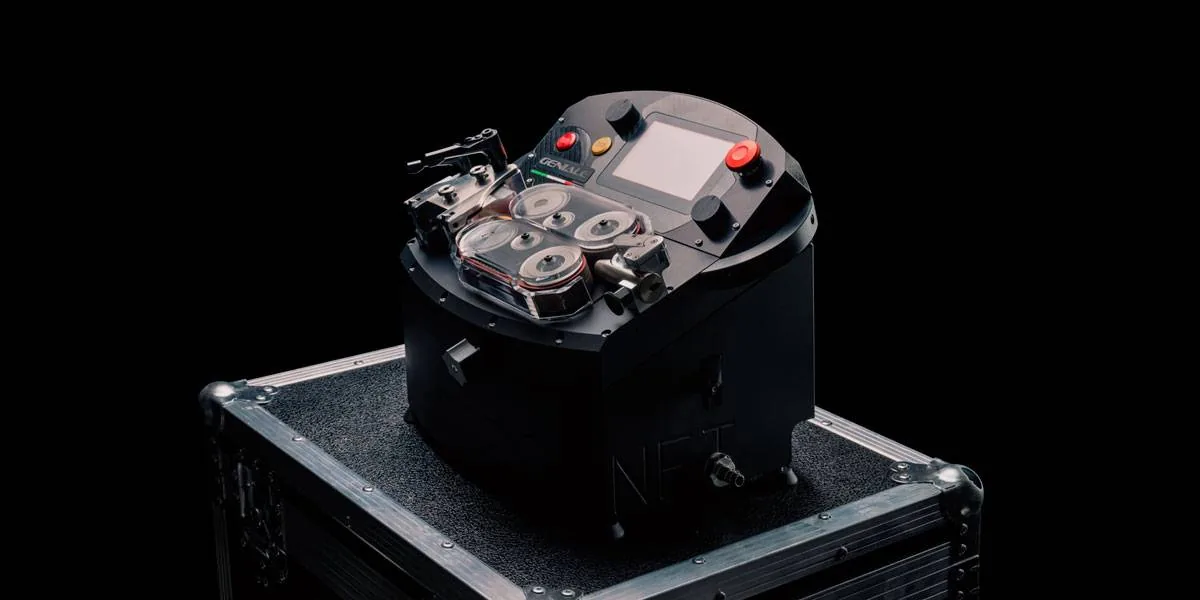
Electric, with two gears
For short and long runs. Two gears let you match force and speed to the job.
Specifications for the Fibernet range. The speeds shown are maximum values. Actual results depend on installation conditions and machine setup.
Direct from the manufacturer
When you’re working on site, you need practical answers. With Fibernet, you speak directly to the people who design and build your cable blowing machine.
Speak to a technicianA specialist technician can help when you need it.
Spare parts ready to ship, direct from the manufacturer.
If your machine breaks down, a replacement may be available within 48 hours.
Check availability and terms with your technician.Get help making the most of your machine, from your very first job.
See it in action before you choose
Request a free hands-on demonstration on your site or at Fibernet’s test facility. Discuss a real job with the technician.
Request a free demonstration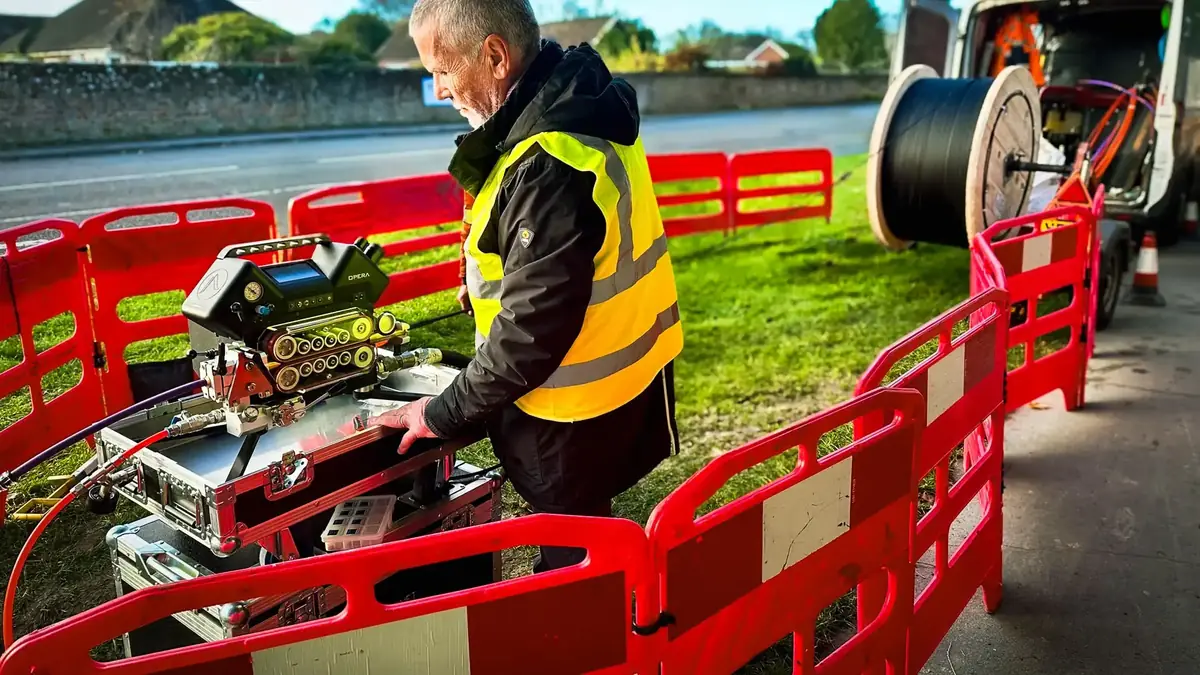
Choosing a drill powered cable jetting machine starts with understanding the cable and duct combination that your installation team will actually use. External cable diameter, duct internal diameter, cable stiffness and route geometry all influence whether a particular configuration is appropriate. A machine should therefore be assessed as part of an installation system, rather than as an isolated purchase. For telecommunications contractors working on Italian street works or preparing projects overseas, this means collecting practical site information before requesting a quotation. Record the intended cable sizes, duct dimensions, expected section lengths, available compressor equipment and any restrictions on access. These details give Fibernet a useful basis for discussing your requirements without relying on assumptions about performance. In a suitable jetting arrangement, the mechanical drive feeds the cable while compressed air helps it progress through the duct. The drill supplies drive power; it does not replace the compressed air supply needed by the jetting process. That distinction matters when planning site logistics, particularly where teams are attracted by a compact drive arrangement but still need to accommodate a compressor, hoses and cable handling space. When assessing a drill driven cable jetting machine, ask how the drive interfaces with the equipment, which operating limits apply and what provisions help the operator control cable advancement. Compatibility should be confirmed for the complete configuration, including any guides, seals and gripping components required for the selected cable. Excessive gripping force can damage a cable, while insufficient traction can interrupt feeding, so adjustment procedures deserve as much attention as headline speed. Route conditions also need careful consideration. Tight bends, poorly joined ducts, contamination and water can affect progress even when the machine itself is correctly configured. Appropriate duct checks and preparation, carried out under the relevant project procedures, help establish whether the route is ready for installation. A cable jetting machine for fiber optic cable installation should be selected with those realities in mind, not on the expectation that one setup will deliver identical results on every route. Fibernet was founded in 2001 and introduced its first cable blowing machine, Lady, in 2021. That background offers a starting point for a direct technical conversation about your project. Share your cable data sheets and duct specifications, describe the intended operating environment and ask for confirmation of suitable equipment and accessories. The objective is a clear, documented match between the proposed machine and the work your team needs to perform. This approach supports more informed purchasing decisions, helps identify missing site resources early and reduces the likelihood of discovering an avoidable compatibility issue after equipment reaches the worksite.
On a working site, effective cable jetting depends on the relationship between preparation, equipment setup and operator judgement. Before positioning a drill powered cable jetting machine, establish a stable working area with enough room for the cable drum, machine and compressed air connections. The cable should approach the feed mechanism smoothly, without an unnecessarily sharp entry angle or uncontrolled movement from the drum. Keep the work area organised so that operators can monitor feeding and reach the relevant controls without stepping over hoses or loose cable. Where installations take place beside roads in Italy, the applicable traffic management and site safety arrangements remain essential, alongside the equipment manufacturer's operating instructions. Preparation should include checking that the selected machine components match the cable and duct dimensions. Inspect contact surfaces and replace worn parts according to the manufacturer's guidance rather than compensating for wear with additional pressure. Confirm that air connections, hoses and fittings are suitable for the intended operating conditions, and never disconnect a pressurised assembly. The compressor must be evaluated against the needs of the proposed installation, including both pressure and delivered airflow. A high pressure figure alone does not establish that the air supply will support a particular route. When comparing a drill powered cable blowing machine with another configuration, discuss the entire operating arrangement rather than focusing only on how the drive is powered. If a cordless drill is proposed, its suitability, attachment method and permitted settings need confirmation for that machine. Battery capacity and charging arrangements may influence working continuity, but they cannot compensate for incompatible drive characteristics or inadequate compressed air. The phrase battery powered cable jetting machine should therefore prompt a precise discussion about which functions are battery driven and which external resources are still required. During installation, operators should follow the specified starting sequence and monitor how the cable responds as feeding progresses. Unexpected resistance, slipping or irregular movement calls for investigation under the approved procedure, not simply an increase in force. Keeping a record of the equipment setup, route section and observed behaviour can help teams understand differences between otherwise similar installations. Useful records may include cable and duct dimensions, compressor details, component selections and interruptions encountered during the run. Such information also makes subsequent technical discussions more productive. After work, depressurisation, cleaning, inspection and secure storage should follow the manufacturer's instructions. Protecting guides, seals and drive surfaces from contamination helps keep the equipment ready for its next assignment. When contacting Fibernet, describe these operational expectations as well as your purchasing requirements. A practical discussion about setup, handling and maintenance can reveal whether the proposed package fits the way your crews work, and which additional information is needed before making a responsible equipment recommendation.
A useful equipment enquiry gives the supplier enough detail to distinguish your actual installation needs from a general product search. If you are considering a drill powered cable jetting machine, begin with the applications that account for most of your workload. Explain whether crews regularly move between short duct sections, work on longer routes with intermediate access points or handle several cable and duct combinations within the same contract. Describe the conditions in which the equipment will be transported, stored and operated. These practical details help frame questions about handling, configuration changes, wear components and the supporting resources needed on site. Fibernet brings a family business background to that conversation. Founded in 2001, the company draws on the technical experience of Giancarlo Trinei, whose work with optical fibre began during the early installations in Italy in the 1980s. The business welcomed the next generation in 2010, and the launch of Lady in 2021 marked its entry into cable blowing machines. For a prospective buyer, this history is relevant as context for the company's development, rather than as a substitute for checking the specifications of the equipment being considered. Ask for the technical information that applies to the proposed model and configuration. Cable diameter ranges, compatible duct sizes, drive requirements, air supply conditions and included accessories should all be clarified before an order is agreed. If your procurement specification uses the term drill powered fibre optic cable jetting machine, include the underlying technical requirements rather than assuming that similar terminology guarantees equivalent equipment. Different descriptions can refer to broadly related installation methods while leaving important differences unresolved. Likewise, an enquiry for a drill driven fibre optic cable jetting machine should identify the intended drill arrangement and request explicit confirmation of compatibility. Commercial clarity matters too. Ask which items are included in the quotation, which components are optional and what documentation accompanies the equipment. Establish the applicable warranty terms, the process for requesting technical assistance and how replacement consumables or wearing parts can be ordered. For deliveries outside Italy, confirm destination availability, packaging, transport arrangements and the allocation of import responsibilities before committing to a schedule. Do not assume that a quoted dispatch date is the same as arrival at your worksite. Buyers seeking Italian manufacture should also request confirmation of origin for the specific equipment offered. Through www.fibernetsrl.com, your business can introduce its project and request a discussion based on real installation data. Bringing technical and commercial questions together at the outset gives both sides a clearer foundation for evaluating suitability. The result should be an equipment proposal whose scope you understand, supported by confirmed specifications and practical expectations rather than unverified promises about distance, speed or universal compatibility.
Fill in the form and discover what Fibernet Srl can do for you!
Contact us!Before you get started
If you prefer, speak to us directly.
+39 346 652 9915Compare the cable diameter, duct diameter and installation distance. Lady is compact and lightweight for short runs. Opera is pneumatic and designed for long runs. Geniale is electric and handles both. A Fibernet technician can help you choose.
Yes. You can request a free hands-on demonstration on your site or at Fibernet’s test facility. Tell us what you need in the form and a technician will arrange it with you. Request a demonstration.
To get a price, contact a Fibernet adviser using the form or call +39 346 652 9915.
Fibernet offers direct technical support, spare parts ready to ship and dedicated training. If your machine breaks down, a replacement may be available. Ask your technician about availability and terms.
Tell us about your job. We’ll help you find the right cable blowing machine.