Emanuele Zanda
Google review
★★★★★
Read on Google“An excellent experience on the installer training course. The whole team was professional and knowledgeable.”
Cable blowing machines · Made in Italy
From last-mile connections to long-distance runs, a Fibernet technician can help you choose the right machine for your fibre optic cable installation.
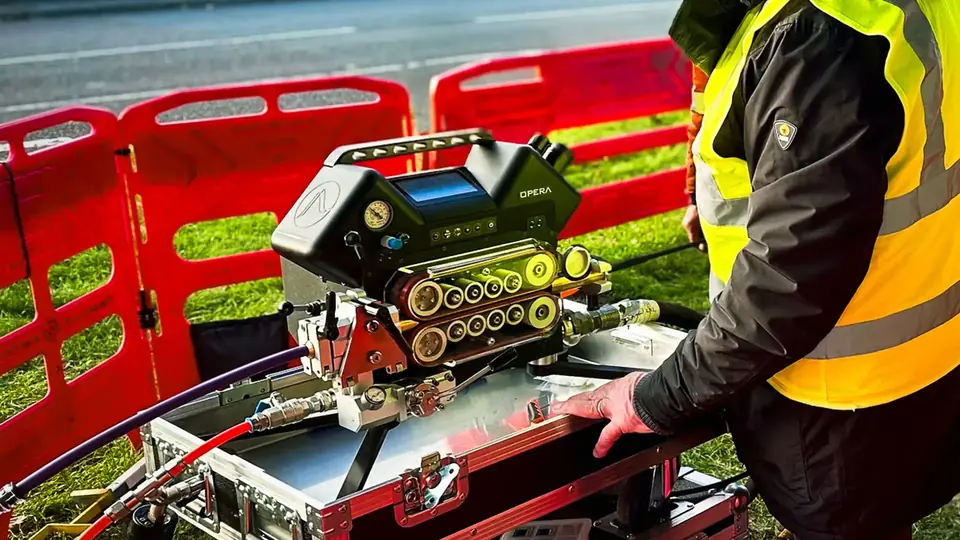
Opera, image 1 of 3
Expert advice direct from the manufacturer / Free demonstration on request
Some of our customers.

Keep your installation moving with Fibernet cable blowing machines.
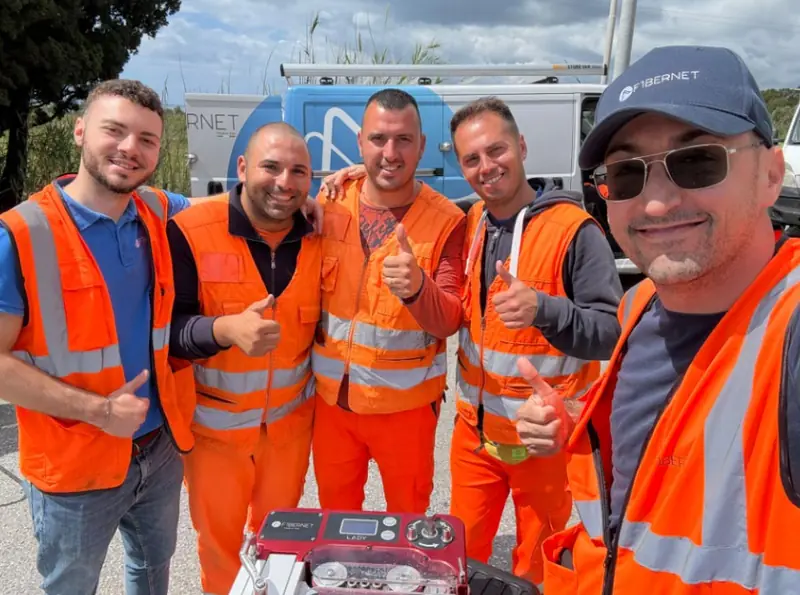
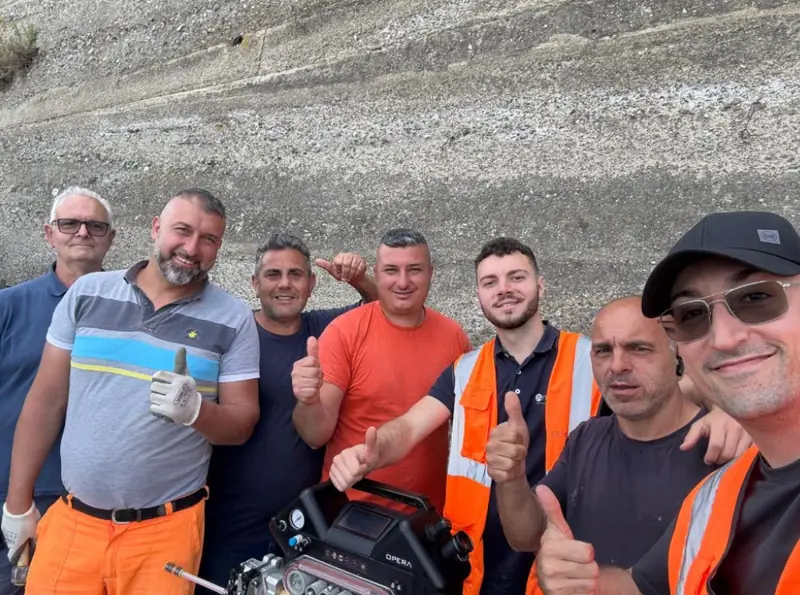
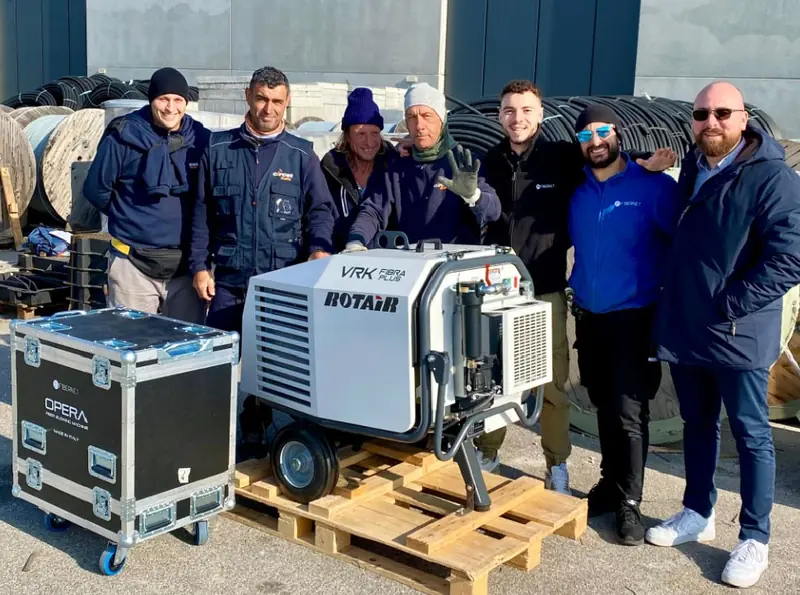
Photos and stories from installers, published by Fibernet.
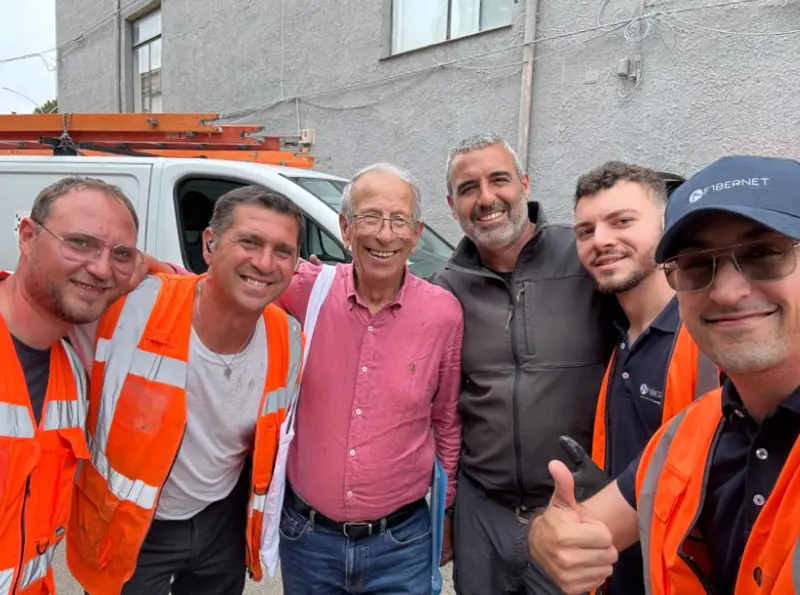
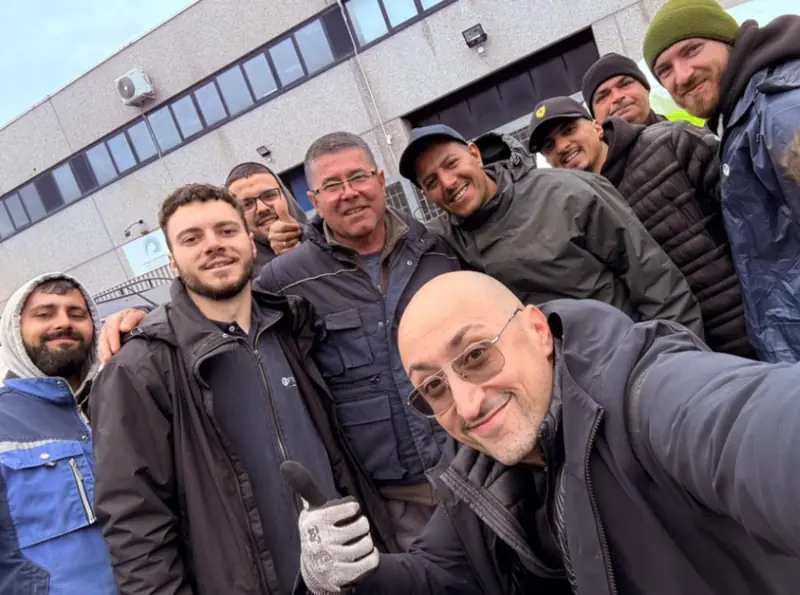
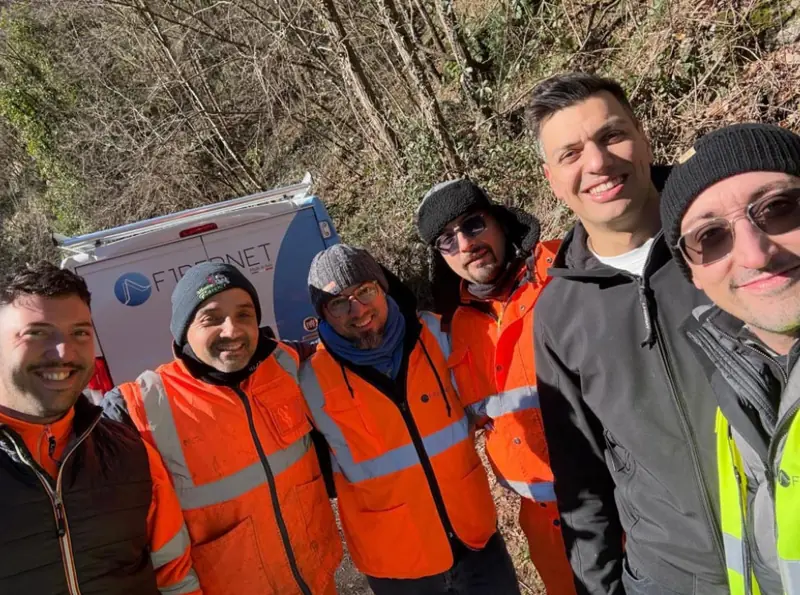 GoogleExcellentBased on 176 reviewsRead the reviews
Read on Google“An excellent experience on the installer training course. The whole team was professional and knowledgeable.”
Read on Google“I had the chance to try the Opera cable blowing machine on site…”
Read on Google“I really enjoyed this course. It took place in a pleasant setting with friendly, helpful people.”
Stories from installers
Hear the results from the installers themselves. Watch their testimonials right here.
Product videos
Three machines. Find your fit.
Start with the job at hand. Our technician can answer your questions about the right setup.
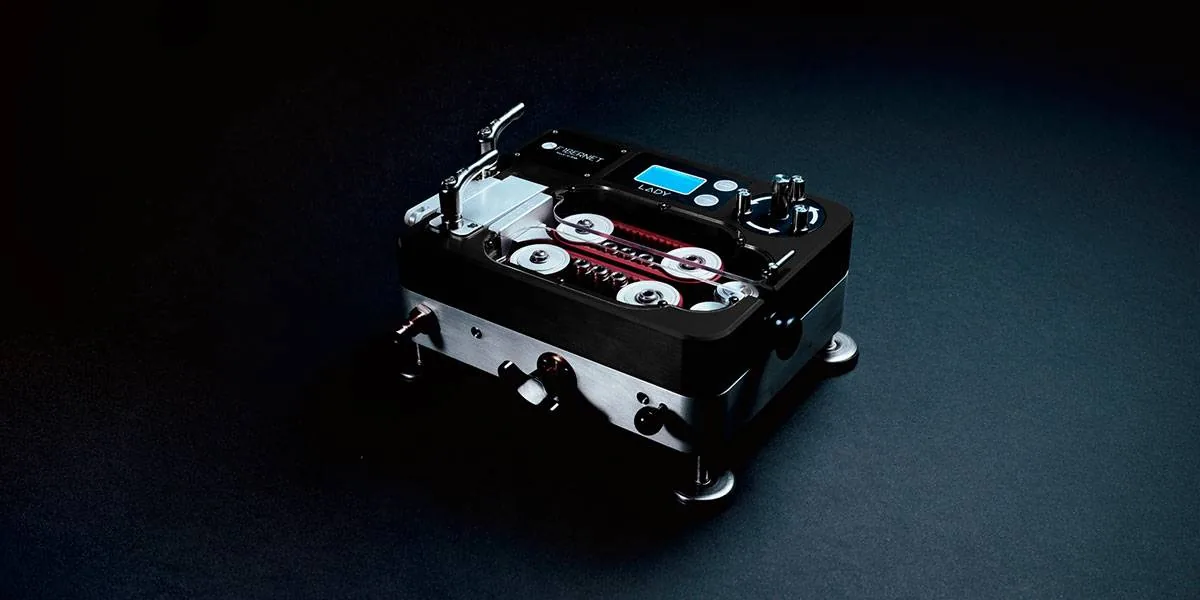
Compact and lightweight
A compact, lightweight machine for short runs.
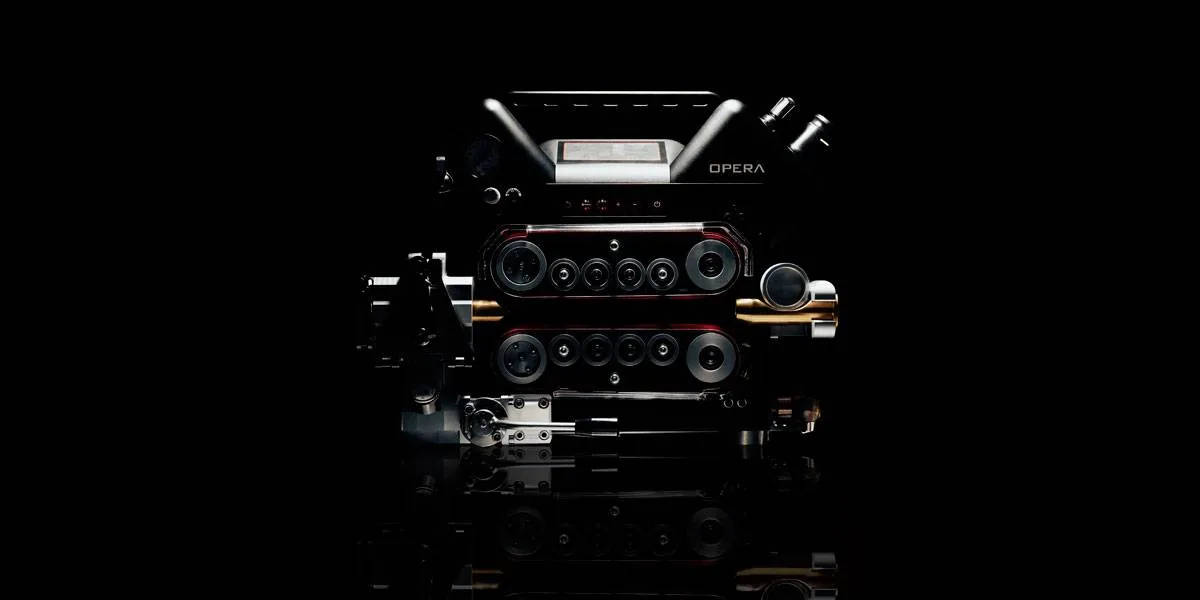
Pneumatic power
A pneumatic machine for long cable runs.
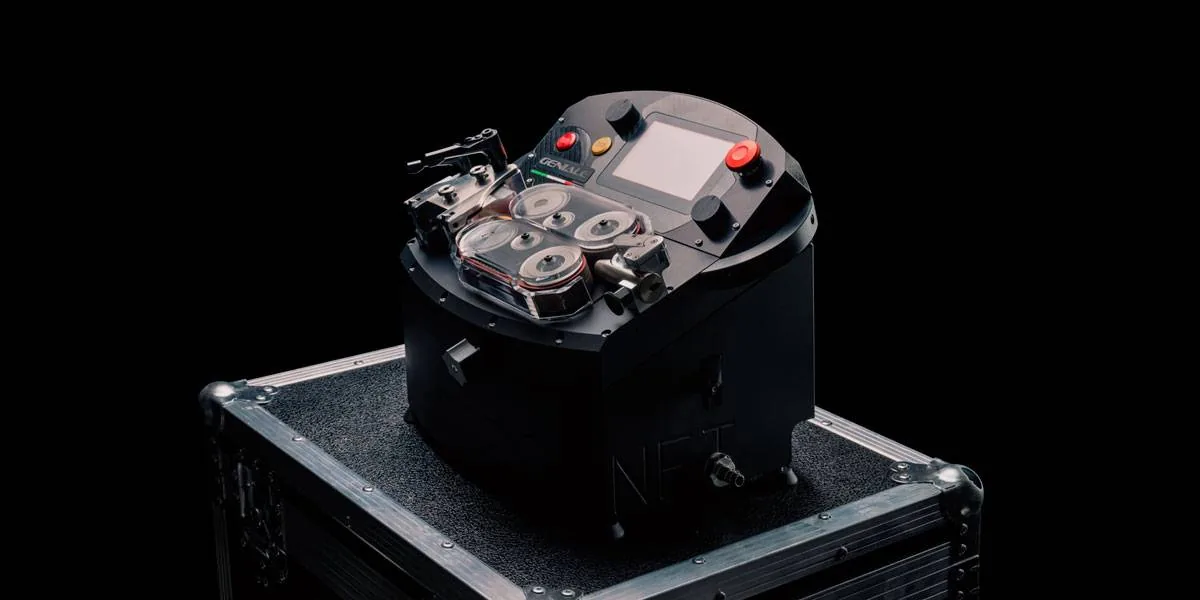
Electric, with two gears
For short and long runs. Two gears let you match force and speed to the job.
Specifications for the Fibernet range. The speeds shown are maximum values. Actual results depend on installation conditions and machine setup.
Direct from the manufacturer
When you’re working on site, you need practical answers. With Fibernet, you speak directly to the people who design and build your cable blowing machine.
Speak to a technicianA specialist technician can help when you need it.
Spare parts ready to ship, direct from the manufacturer.
If your machine breaks down, a replacement may be available within 48 hours.
Check availability and terms with your technician.Get help making the most of your machine, from your very first job.
See it in action before you choose
Request a free hands-on demonstration on your site or at Fibernet’s test facility. Discuss a real job with the technician.
Request a free demonstration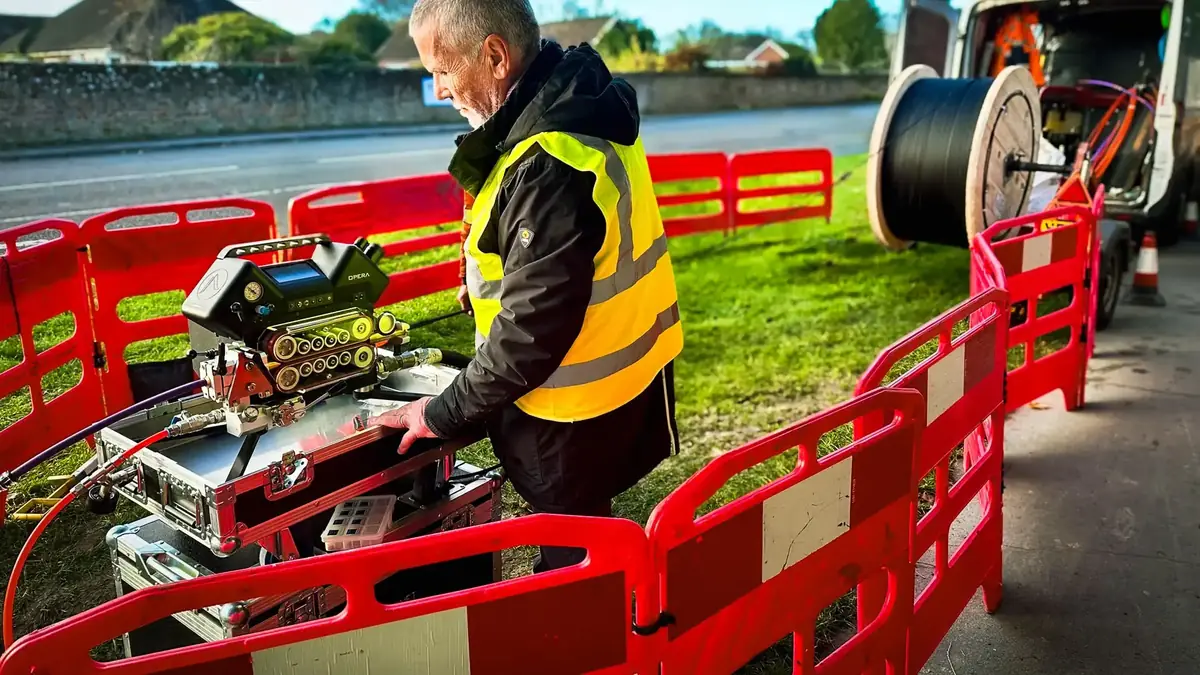
Selecting a drill driven optical fiber cable blowing machine starts with understanding the cable, the duct and the conditions in which the installation will take place. For telecommunications contractors working across Italy, a compact drive arrangement can be useful when equipment must be moved between access chambers, transported in a service vehicle or positioned within a restricted working area. However, suitability cannot be established from the drive type alone. Cable diameter, duct internal diameter, route condition, available compressed air and drill compatibility must be checked together. Start by recording the cable manufacturer's installation limits, including permissible pushing force, minimum bend radius and any restrictions on handling or lubrication. Then identify the duct material, its internal diameter, the number and type of connections, and whether the route has already been inspected or tested. These details make an equipment enquiry more productive because they describe the installation rather than simply naming a machine category. When assessing a drill driven fiber cable blowing machine, ask how the cable is guided through the drive assembly, which cable and duct seals are required, and how the operator can control feeding speed without exceeding the cable's limits. Confirm whether the proposed drill meets the equipment manufacturer's requirements for torque, speed, direction of rotation and attachment, rather than assuming that any cordless drill will work. Battery availability also matters on sites where charging facilities are limited, although actual runtime depends on the drill, battery condition and operating load. Compressed air requirements deserve equal attention: the compressor must supply the specified airflow and pressure at the machine under working conditions, allowing for losses through hoses, fittings and other components. For example, a contractor installing a short connection between two accessible chambers may prioritize quick setup and easy transport, while a team working along a more complex route may need additional planning around intermediate access and compressor positioning. Neither scenario justifies a guaranteed installation distance without route information. Fibernet provides a direct point of contact for discussing these requirements, allowing prospective customers to present cable data, duct measurements and site constraints before selecting a configuration. A useful enquiry should also clarify what is included in the supply, what must be sourced separately, whether operating documentation is available and which maintenance items should be kept on hand. Comparing a drill driven cable blowing machine on this basis helps buyers evaluate practical readiness rather than headline specifications alone. The intended outcome is a better matched equipment choice, fewer avoidable setup interruptions and a clearer understanding of the resources needed before the installation team reaches the site.
Successful cable blowing depends on coordinated preparation rather than on the machine acting alone. Before choosing a drill driven optical fiber cable blowing machine, establish what is known about the route and what still needs checking. Duct continuity, joint integrity, cleanliness and the presence of water can influence installation behavior. Tight bends, abrupt changes in direction and poorly aligned entry points can increase resistance, even when the nominal cable and duct sizes appear compatible. A useful equipment discussion therefore begins with the actual route, including access chambers, changes in gradient and the intended blowing direction, rather than an isolated request for a maximum distance. Prepare a route record that identifies accessible points, approximate section lengths, known repairs and locations where the duct changes size or direction. Where appropriate, have competent personnel verify duct condition using methods permitted by the duct supplier and the project's safety procedures. Cleaning and proving activities should follow approved practices, with suitable precautions at discharge points because compressed air can eject debris or retained water. If leakage is suspected, investigate it before installation instead of trying to compensate by increasing pressure. A compressed air optical fiber cable blowing machine relies on a suitable air supply, but pressure alone does not describe compressor performance; the required airflow must also be available at the operating pressure specified for the equipment. Check hose ratings, connection security, air treatment requirements and safe isolation arrangements before starting. At the cable entry, position the drum so that the cable feeds smoothly without scraping against chamber edges or forming an excessively tight bend. Use stable supports and appropriate guides, and ensure that the operator can observe both cable movement and machine behavior. Any lubricant should be compatible with the cable, duct and equipment, and applied only as directed by their manufacturers. During operation, follow the prescribed startup sequence and monitor for slipping, irregular feeding, unusual noise or visible jacket damage. If progress deteriorates, stop and investigate the cause rather than increasing drive force beyond permitted limits. For a route with several direction changes, planning an intermediate installation stage may be more sensible than attempting a single uninterrupted run, subject to cable handling limits and the available access points. When comparing a cable blowing machine for fiber optic cable installation, ask how its controls, guides and protective features support these tasks, and request the relevant operating instructions. Keep a simple installation log covering route section, cable identification, setup details, interruptions and observations. This record helps teams distinguish equipment issues from duct problems and supports more informed planning on later sections. Good preparation cannot remove every uncertainty, but it can reduce preventable stoppages, protect the cable and make troubleshooting more systematic.
Fibernet was founded in 2001, building on the technical experience of Giancarlo Trinei, whose work with optical fibre installations in Italy began in the early 1980s. That background provides context for the company's interest in equipment that addresses practical installation challenges. Its development path reached an important milestone in 2021 with the introduction of Lady, its first cable blowing machine. For a contractor researching a drill driven optical fiber cable blowing machine, this history is a starting point for a technical conversation, not a substitute for checking the specifications of the particular equipment being considered. The appropriate configuration must still be established against the cable, duct, drive and site requirements of each project. In particular, buyers should not assume that every model associated with a manufacturer uses the same drive arrangement, accepts the same cable sizes or requires the same accessories. Ask for current documentation identifying the proposed model, its intended applications and its operating limits. A practical enquiry to Fibernet can begin with a description of the work: whether the team is building new local connections, extending an existing network or installing cable through ducts whose condition needs further assessment. Include the cable datasheet, duct dimensions, approximate route layout and the compressor and drill specifications if these are already available. This gives the discussion a concrete basis and helps identify missing information before a purchasing decision. When evaluating a drill driven fiber optic cable blowing machine, request clarification on supplied components, compatible seals and guides, setup procedures and routine checks. Also ask which parts are consumable, how replacements are identified and what maintenance the operator is expected to perform. These questions are especially important for contractors moving equipment between crews, because consistent setup and clear documentation can reduce mistakes during handovers. Commercial comparisons should consider the complete working arrangement rather than the machine price in isolation. Transport, compressor availability, drill compatibility, necessary accessories and operator familiarization can all affect readiness for the first job. If a used optical fiber cable blowing machine is being considered as an alternative, assess its condition, service history, completeness and access to the correct documentation; a lower purchase price does not establish suitability or eliminate inspection needs. Confirm any support, warranty or training arrangements directly with the seller rather than assuming they are included. For example, a contractor preparing several installations over the coming months may benefit from standardizing its equipment checklist and keeping compatible replacement seals available, while a team with occasional work may place greater emphasis on setup guidance and storage requirements. Fibernet's background can help frame these conversations, but the final decision should rest on verified specifications and a realistic assessment of the work. That approach connects company experience with the customer's actual objective: selecting equipment that can be operated safely, maintained correctly and deployed with fewer avoidable uncertainties.
Fill in the form and discover what Fibernet Srl can do for you!
Contact us!Before you get started
If you prefer, speak to us directly.
+39 346 652 9915Compare the cable diameter, duct diameter and installation distance. Lady is compact and lightweight for short runs. Opera is pneumatic and designed for long runs. Geniale is electric and handles both. A Fibernet technician can help you choose.
Yes. You can request a free hands-on demonstration on your site or at Fibernet’s test facility. Tell us what you need in the form and a technician will arrange it with you. Request a demonstration.
To get a price, contact a Fibernet adviser using the form or call +39 346 652 9915.
Fibernet offers direct technical support, spare parts ready to ship and dedicated training. If your machine breaks down, a replacement may be available. Ask your technician about availability and terms.
Tell us about your job. We’ll help you find the right cable blowing machine.