Emanuele Zanda
Google review
★★★★★
Read on Google“An excellent experience on the installer training course. The whole team was professional and knowledgeable.”
Cable blowing machines · Made in Italy
From last-mile connections to long-distance runs, a Fibernet technician can help you choose the right machine for your fibre optic cable installation.
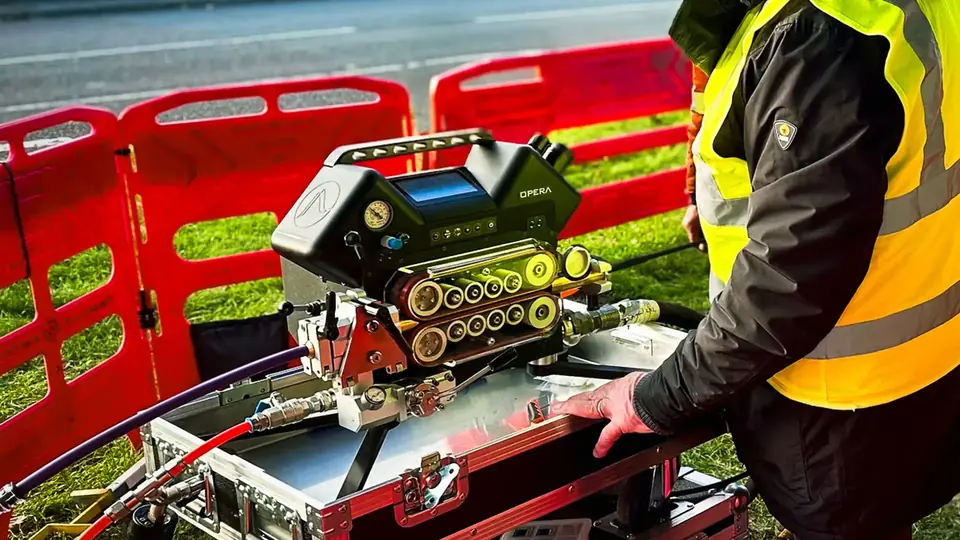
Opera, image 1 of 3
Expert advice direct from the manufacturer / Free demonstration on request
Some of our customers.

Keep your installation moving with Fibernet cable blowing machines.
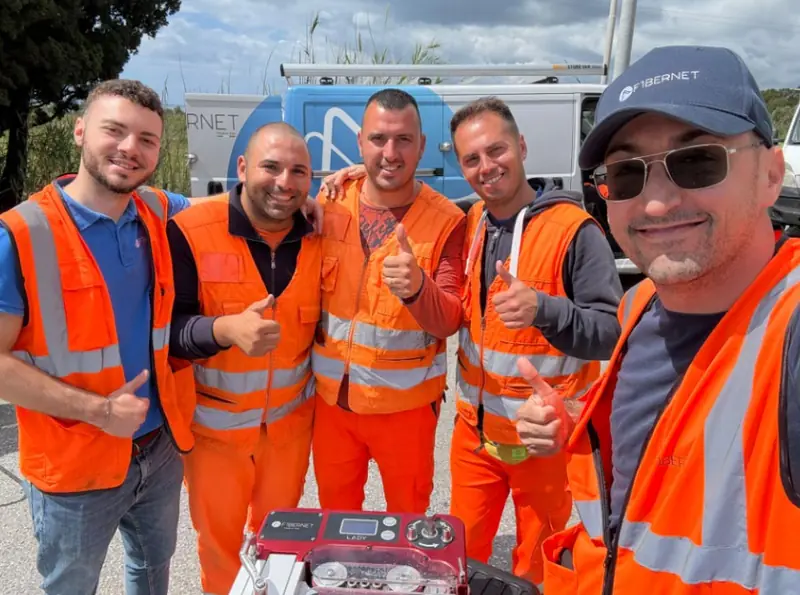
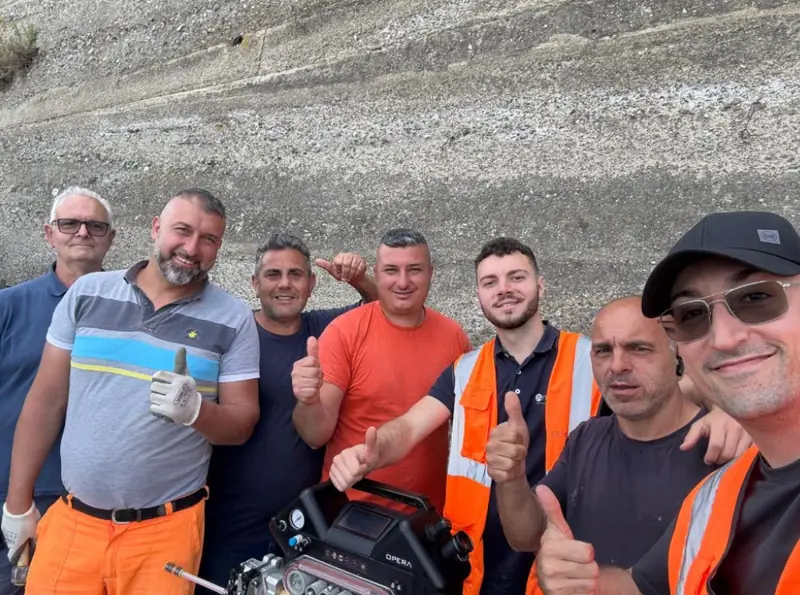
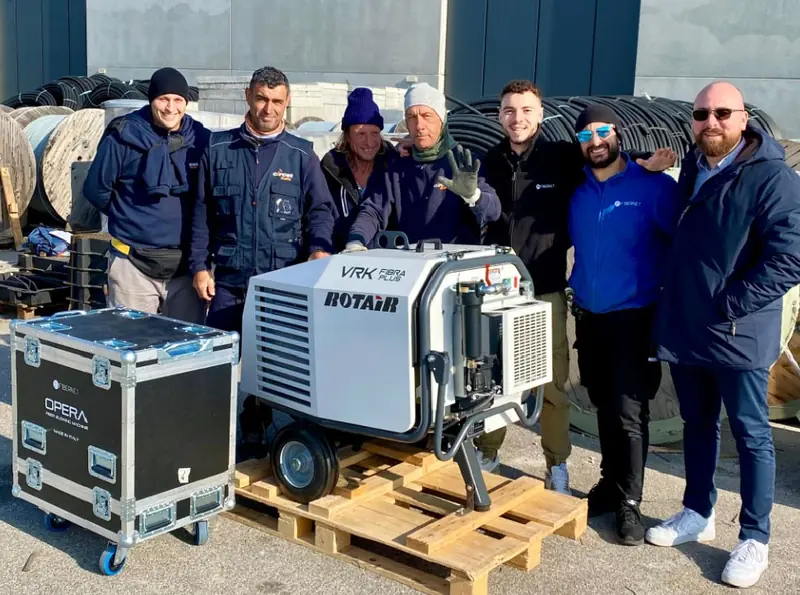
Photos and stories from installers, published by Fibernet.
 GoogleExcellentBased on 176 reviewsRead the reviews
Read on Google“An excellent experience on the installer training course. The whole team was professional and knowledgeable.”
Read on Google“I had the chance to try the Opera cable blowing machine on site…”
Read on Google“I really enjoyed this course. It took place in a pleasant setting with friendly, helpful people.”
Stories from installers
Hear the results from the installers themselves. Watch their testimonials right here.
Product videos
Three machines. Find your fit.
Start with the job at hand. Our technician can answer your questions about the right setup.
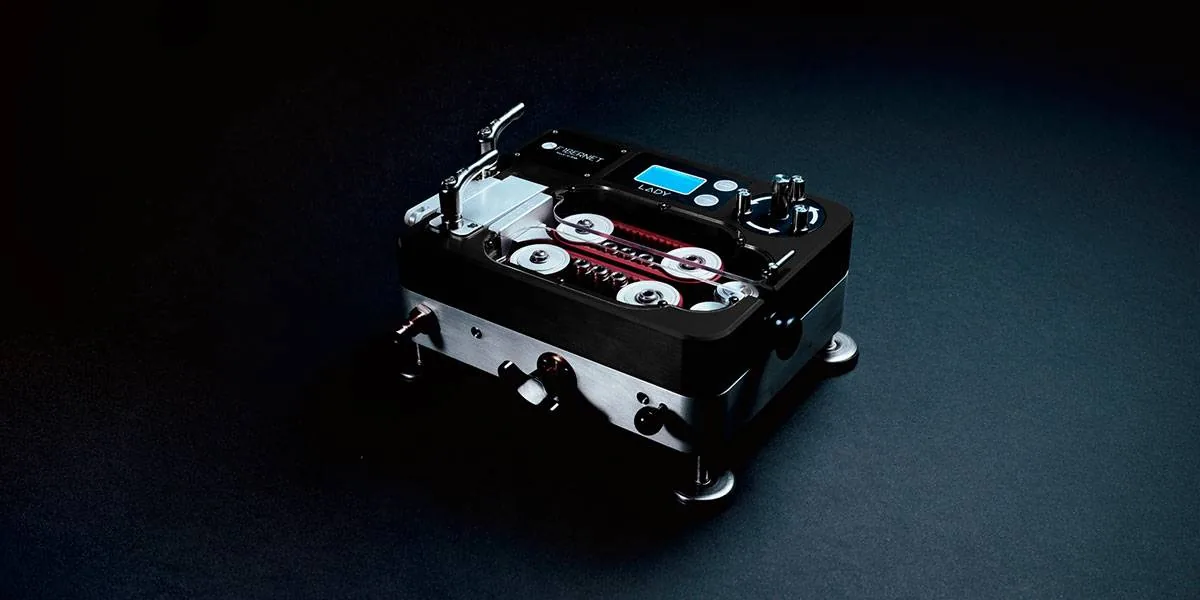
Compact and lightweight
A compact, lightweight machine for short runs.
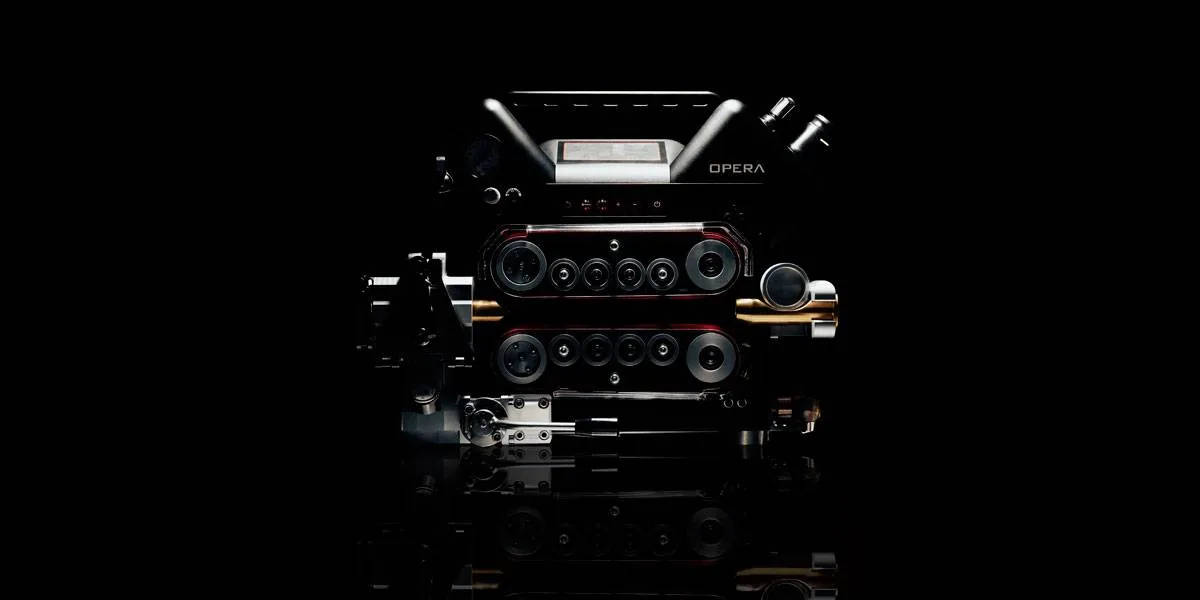
Pneumatic power
A pneumatic machine for long cable runs.
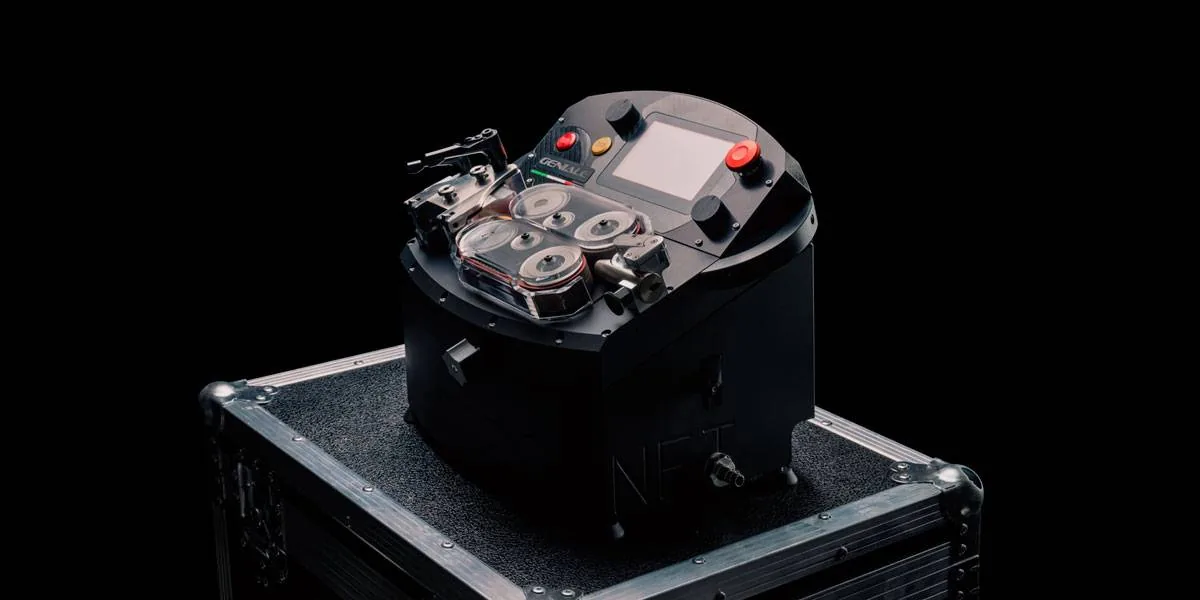
Electric, with two gears
For short and long runs. Two gears let you match force and speed to the job.
Specifications for the Fibernet range. The speeds shown are maximum values. Actual results depend on installation conditions and machine setup.
Direct from the manufacturer
When you’re working on site, you need practical answers. With Fibernet, you speak directly to the people who design and build your cable blowing machine.
Speak to a technicianA specialist technician can help when you need it.
Spare parts ready to ship, direct from the manufacturer.
If your machine breaks down, a replacement may be available within 48 hours.
Check availability and terms with your technician.Get help making the most of your machine, from your very first job.
See it in action before you choose
Request a free hands-on demonstration on your site or at Fibernet’s test facility. Discuss a real job with the technician.
Request a free demonstration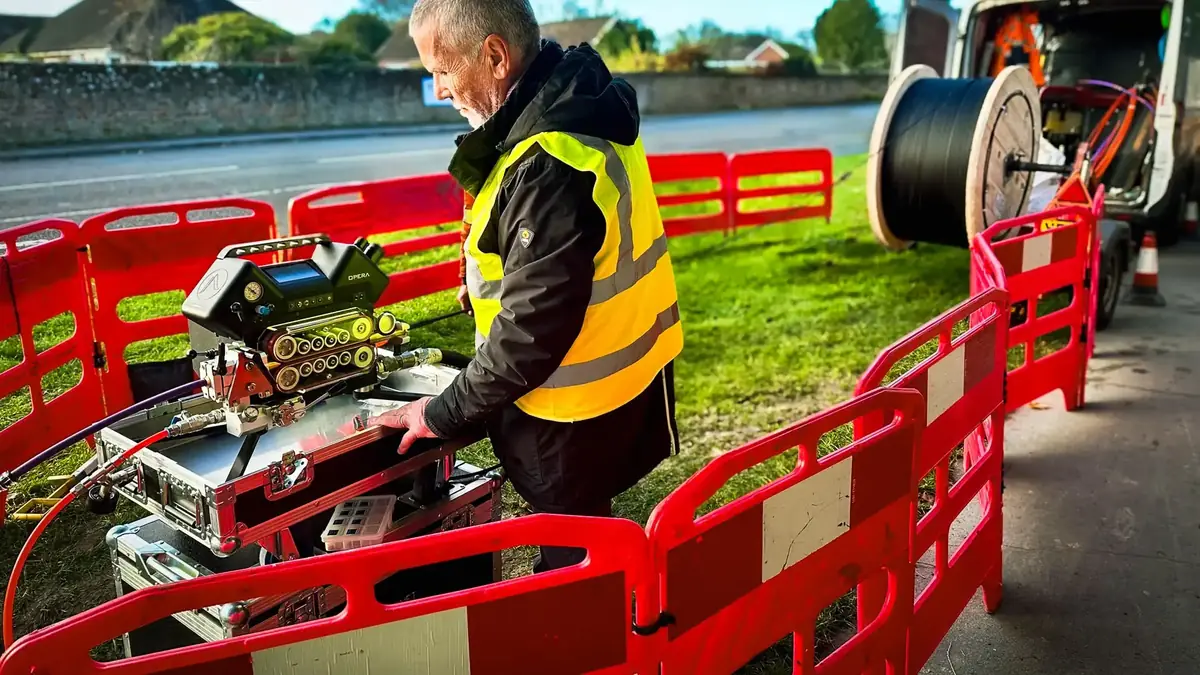
Choosing a drill driven fibre optic cable blower starts with understanding the installation rather than selecting equipment from a headline specification. For contractors working on Italian sites, the practical questions concern cable dimensions, duct condition, access to the entry point and the resources available beside the trench or chamber. A drill supplies mechanical drive in this equipment category, while compressed air helps carry the cable through the duct. However, the precise arrangement, compatible drill and air requirements must always be checked against the specifications of the machine under consideration. Fibernet welcomes enquiries from installation businesses that want to discuss these requirements before choosing blowing equipment. Providing accurate project information gives the conversation a useful technical starting point and helps avoid assumptions about suitability. Begin with the cable manufacturer's outside diameter and installation limits, together with the duct's internal diameter, material and rated working pressure. Include the planned route length, the number and severity of bends, and any intermediate access points. Two routes of similar length can present very different resistance if one contains tighter bends, damaged sections or poorly aligned joints. A cable blower for fibre optic cable therefore needs to be assessed as part of a complete installation arrangement, not as an isolated purchase. The compressor, hoses, connectors, seals and cable handling method all influence the conditions in which the machine operates. Before blowing begins, the crew should establish that the duct is continuous, suitably prepared and compatible with the intended procedure. Dirt, standing water, air leaks and obstructions can undermine progress even when the blowing machine itself is correctly selected. Preparation should follow the relevant equipment and duct instructions, with checks recorded where the project requires traceability. The entry area also deserves attention: the cable should approach the drive mechanism without sharp deflection, and the reel should turn freely without creating uncontrolled overrun. When comparing a drill powered fibre optic cable blower with other arrangements, ask how the operator controls feed, monitors progress and stops the operation. These details affect daily usability more meaningfully than an unsupported claim about maximum distance. Ask which adjustments are required when changing cable sizes and which accessories must be ordered separately. A clear quotation should identify the proposed machine configuration, compatible consumables and any dependencies on equipment supplied by the contractor. For enquiries to Fibernet, sending photographs of the working area alongside cable and duct data can make the discussion more precise. The objective is a configuration matched to the job, with operating limits understood before the crew arrives on site. This approach supports realistic planning, reduces avoidable purchasing errors and gives procurement staff and installers a shared basis for evaluating the proposed equipment.
An effective blowing operation depends on coordination between the person controlling the machine, the person managing the cable reel and anyone monitoring the receiving point. A drill driven fibre optic cable blower should be considered within that working arrangement, with responsibilities agreed before the equipment is energised or the air supply is opened. Start by establishing a clear communication method and an agreed stop signal. Everyone involved should understand what to do if the cable stops advancing, the reel snags, a connection leaks or an unexpected condition appears along the route. Safe isolation and depressurisation must follow the instructions for the equipment being used. Compressed air remains hazardous even when progress appears slow, so connections, pressure ratings and access restrictions deserve the same attention as the feed mechanism. The first installation stage should establish whether the actual route behaves as expected. Set up the machine according to its instructions, use the specified cable contact components and avoid applying arbitrary drive settings. Excessive mechanical force can damage a cable rather than resolve resistance farther along the duct. Equally, increasing pressure without identifying the cause of a stoppage may conceal a preparation problem. Operators should work within the published limits of the cable, duct, machine and associated components, using the most restrictive applicable limit. No universal speed, pressure or achievable distance can responsibly replace those checks. A compressed air fibre optic cable blower relies on a suitable air supply, but pressure alone does not describe compressor suitability. Available airflow, hose dimensions, connection restrictions and air treatment requirements should also be discussed with the equipment supplier. A compressor that appears adequate on paper may behave differently once hoses and accessories are connected at the working point. Ask which supply conditions are required at the machine inlet and how those conditions should be verified. For a drill driven fibre optic cable blowing machine, also establish the permitted drill characteristics, mounting arrangement and operating method before assuming that an existing tool is compatible. Battery availability, where relevant to the chosen drill, should be considered alongside the wider site's power and compressor arrangements. During installation, useful records include the cable and duct references, route section, machine configuration, observed interruptions and completed length. These records help the contractor distinguish an equipment adjustment issue from a recurring duct problem. They also provide a more credible basis for estimating future work than an isolated best result. At the end of the operation, inspect and maintain the machine as instructed, checking contact surfaces, seals and connections before packing it away. When contacting Fibernet about an installation requirement, explain the intended workflow as well as the technical dimensions. That information supports a focused discussion about equipment selection, preparation and the practical questions the crew needs answered.
Fibernet's background gives buyers a useful starting point when assessing the company behind their blowing equipment. Founded in 2001, the business draws on the technical experience of Giancarlo Trinei, whose work in Italy began during the early development of the country's fibre installations in the 1980s. The company introduced its first cable blowing machine, Lady, in 2021. These milestones explain the development of its interest in practical installation equipment, but each purchase should still be based on the documented characteristics of the proposed model. If you are researching a drill driven fibre optic cable blower, ask Fibernet which current configuration addresses your application and request the relevant technical documentation. Do not assume that a product name or a general equipment category establishes drill compatibility, cable capacity or compressor requirements. For purchasing teams, a meaningful comparison begins with the scope of supply. Establish what is included with the machine, which cable and duct combinations require additional components, and whether the offer includes the connections needed for your existing site equipment. Clarify the documentation supplied, applicable conformity information, maintenance requirements and commercial warranty terms. If your business works outside Italy, ask about destination-specific shipping arrangements, delivery terms and any import responsibilities before approving the order. These details should be confirmed for the particular quotation rather than inferred from a general statement about international customers. The fibre optic cable blower price is only one part of the ownership calculation. Consumable replacement, routine inspection, accessory changes and the availability of suitable spare parts can affect the cost of keeping equipment ready for work. Ask which parts the contractor is expected to inspect, what signs indicate replacement is needed and how replacement components are identified. Clear part references and maintenance instructions help purchasing staff order accurately and allow site teams to report issues without relying on vague descriptions. Buyers considering a used fibre optic cable blower should apply the same discipline, while also investigating condition and service history. Wear in the drive components, damaged seals, missing accessories or undocumented modifications may alter the practical value of an apparently inexpensive machine. Confirm that operating instructions are available and that the equipment can be assessed against its original specifications. A lower initial cost does not automatically mean lower project expenditure if essential components must be sourced before the first job. Fibernet remains a family-led business, with a generational transition that began in 2010 when Matteo, Marta and Ismael joined the company. For prospective customers, the relevant outcome is an informed conversation with a business focused on developing its cable blowing equipment activities. Send your cable data, duct dimensions, typical routes and intended working arrangements through www.fibernetsrl.com, and request a proposal that clearly distinguishes confirmed capabilities, optional accessories and the conditions required for the intended application.
Fill in the form and discover what Fibernet Srl can do for you!
Contact us!Before you get started
If you prefer, speak to us directly.
+39 346 652 9915Compare the cable diameter, duct diameter and installation distance. Lady is compact and lightweight for short runs. Opera is pneumatic and designed for long runs. Geniale is electric and handles both. A Fibernet technician can help you choose.
Yes. You can request a free hands-on demonstration on your site or at Fibernet’s test facility. Tell us what you need in the form and a technician will arrange it with you. Request a demonstration.
To get a price, contact a Fibernet adviser using the form or call +39 346 652 9915.
Fibernet offers direct technical support, spare parts ready to ship and dedicated training. If your machine breaks down, a replacement may be available. Ask your technician about availability and terms.
Tell us about your job. We’ll help you find the right cable blowing machine.