Emanuele Zanda
Google review
★★★★★
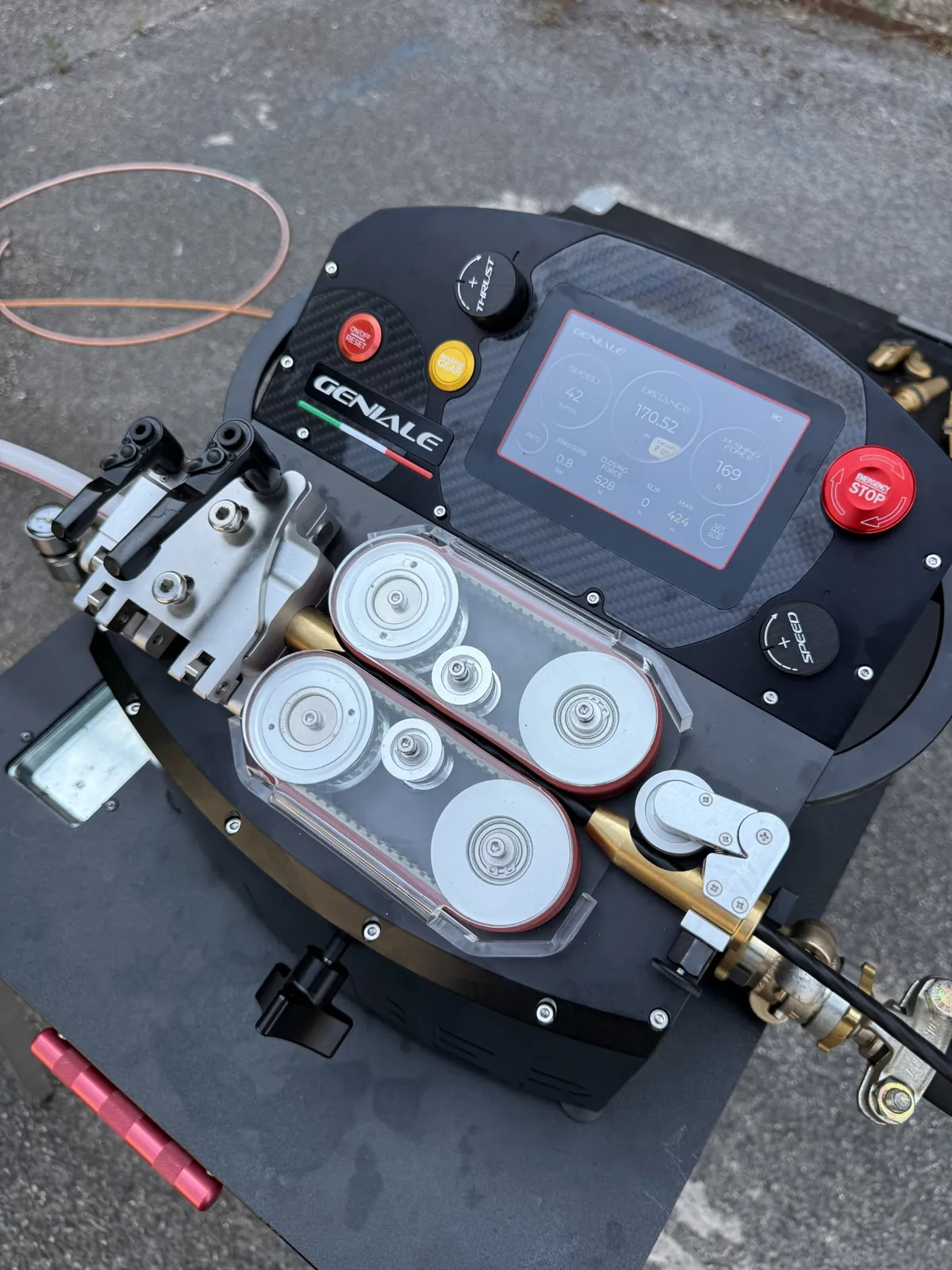
Read on Google“An excellent experience on the installer training course. The whole team was professional and knowledgeable.”
Cable blowing machines · Made in Italy
From last-mile connections to long-distance runs, a Fibernet technician can help you choose the right machine for your fibre optic cable installation.
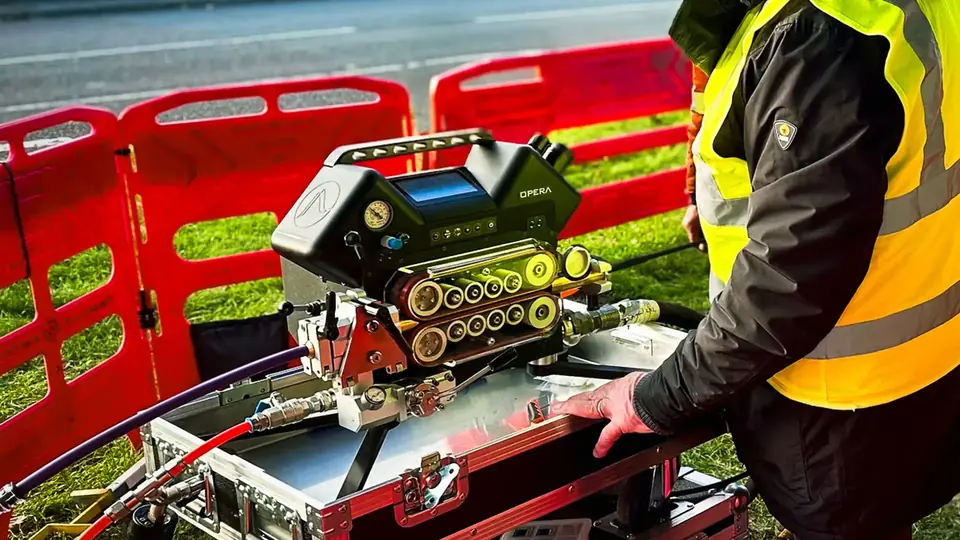
Opera, image 1 of 3
Expert advice direct from the manufacturer / Free demonstration on request
Some of our customers.

Keep your installation moving with Fibernet cable blowing machines.
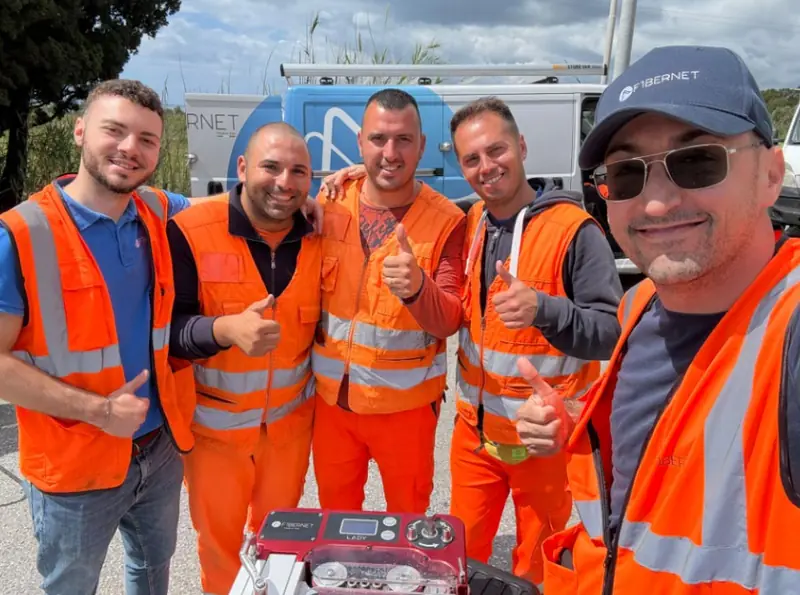
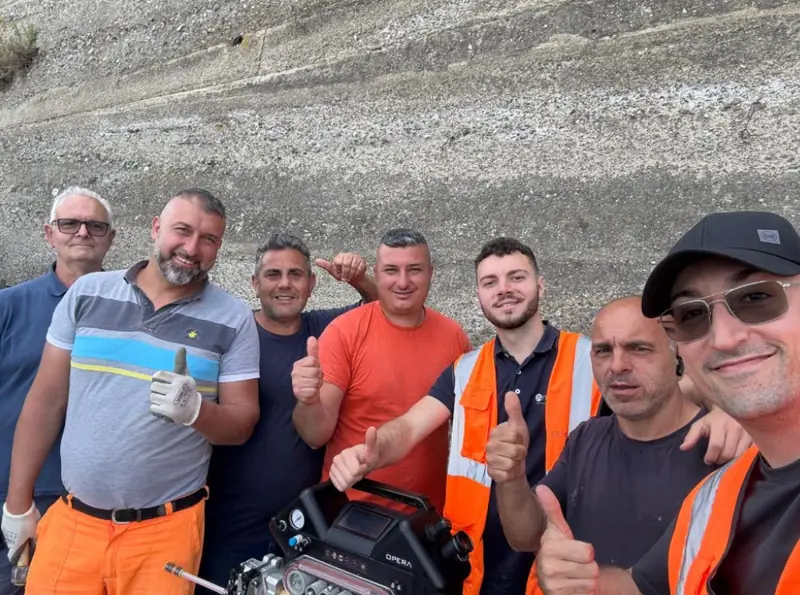
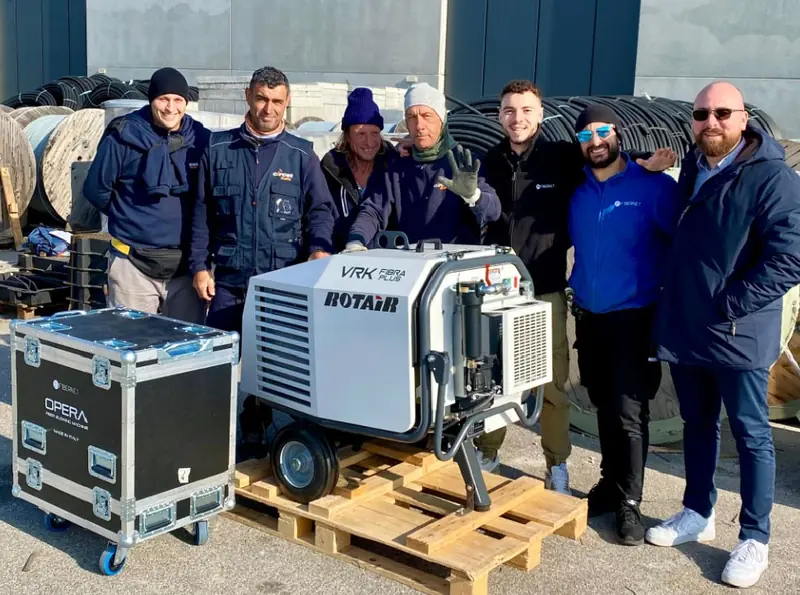
Photos and stories from installers, published by Fibernet.
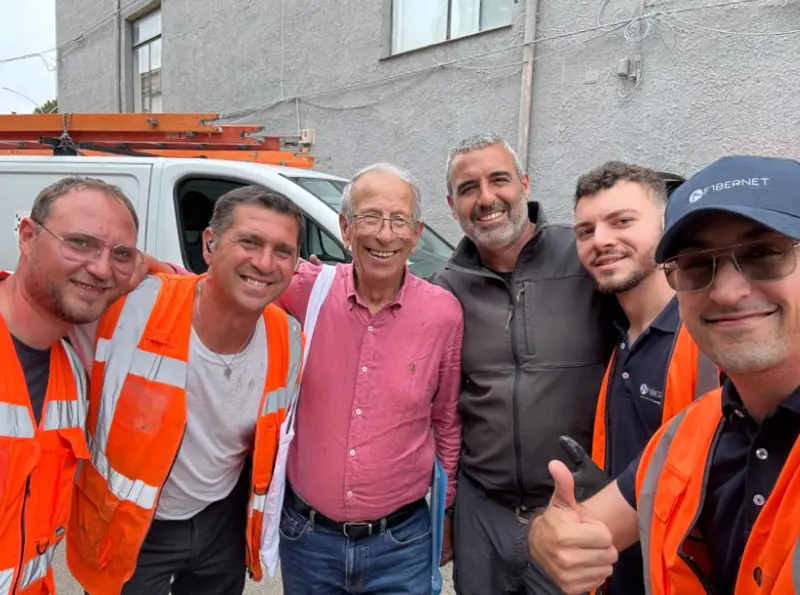
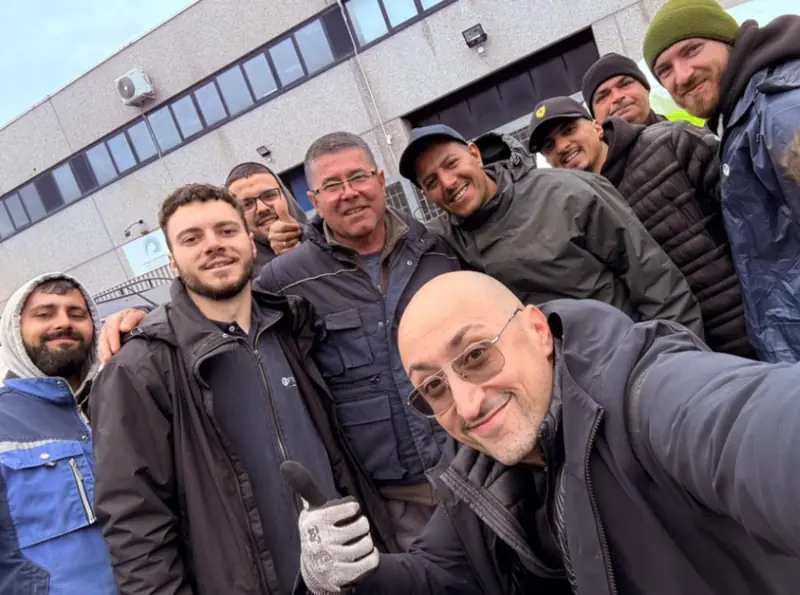
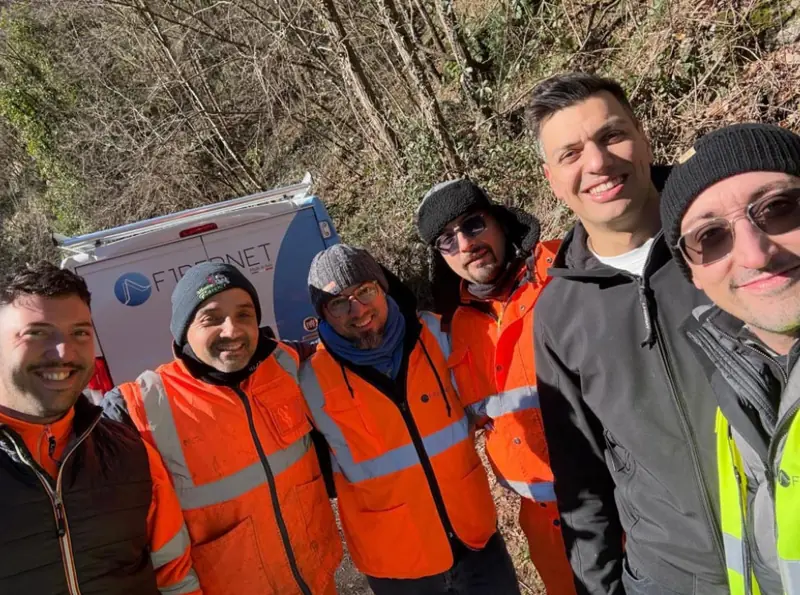 GoogleExcellentBased on 176 reviewsRead the reviews
Read on Google“An excellent experience on the installer training course. The whole team was professional and knowledgeable.”
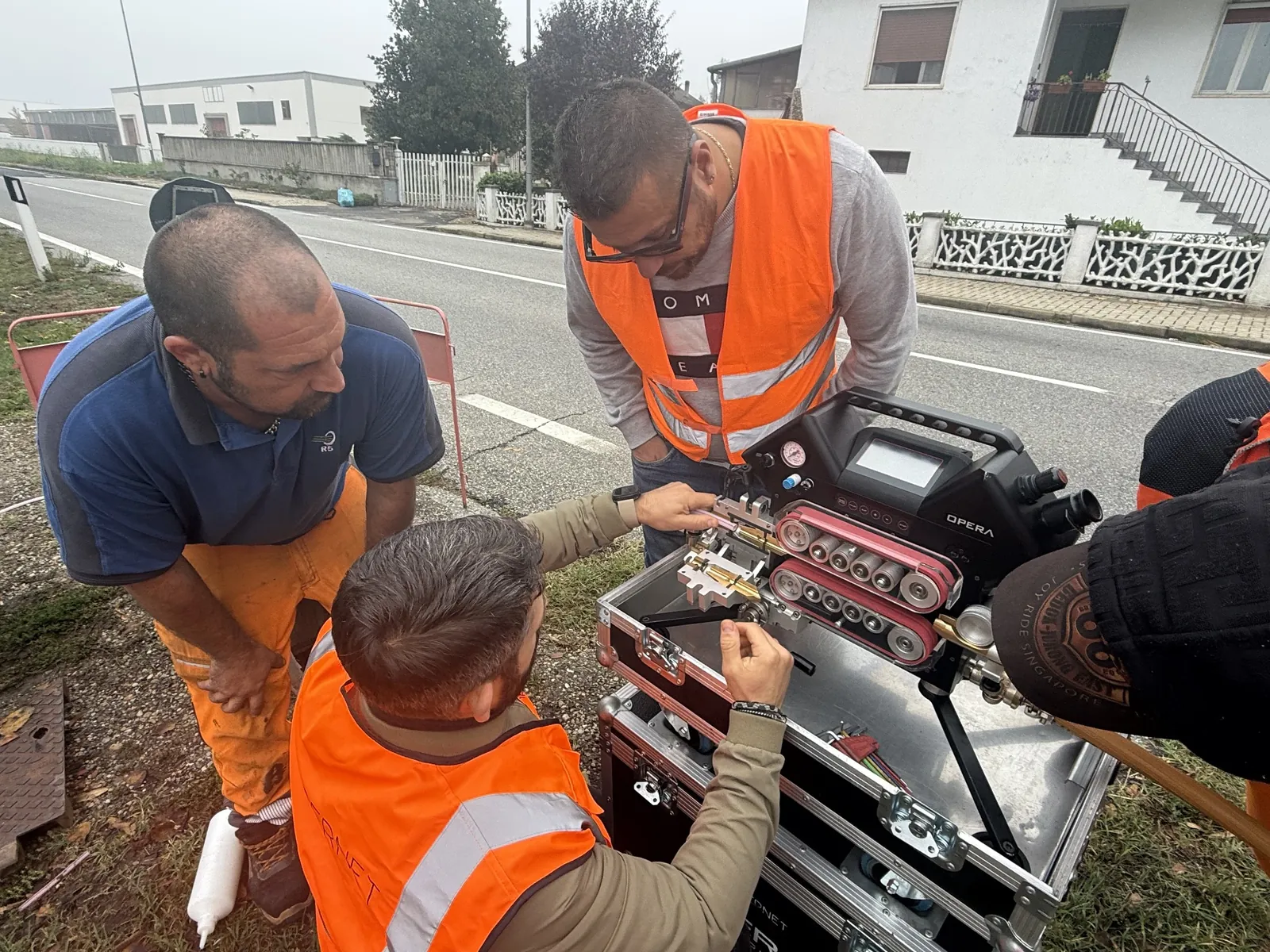
Read on Google“I had the chance to try the Opera cable blowing machine on site…”
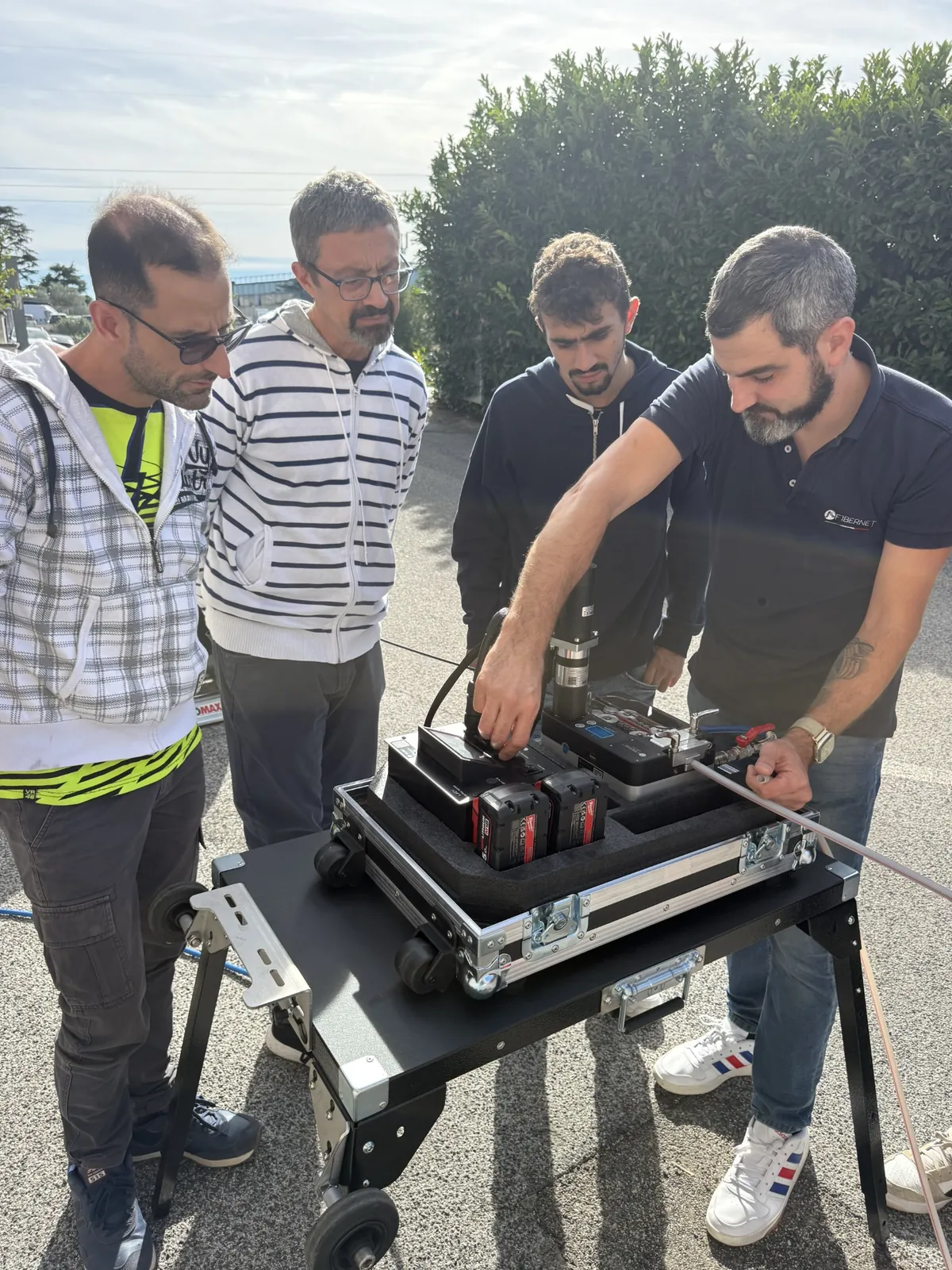
Read on Google“I really enjoyed this course. It took place in a pleasant setting with friendly, helpful people.”
Stories from installers
Hear the results from the installers themselves. Watch their testimonials right here.
Product videos
Three machines. Find your fit.
Start with the job at hand. Our technician can answer your questions about the right setup.
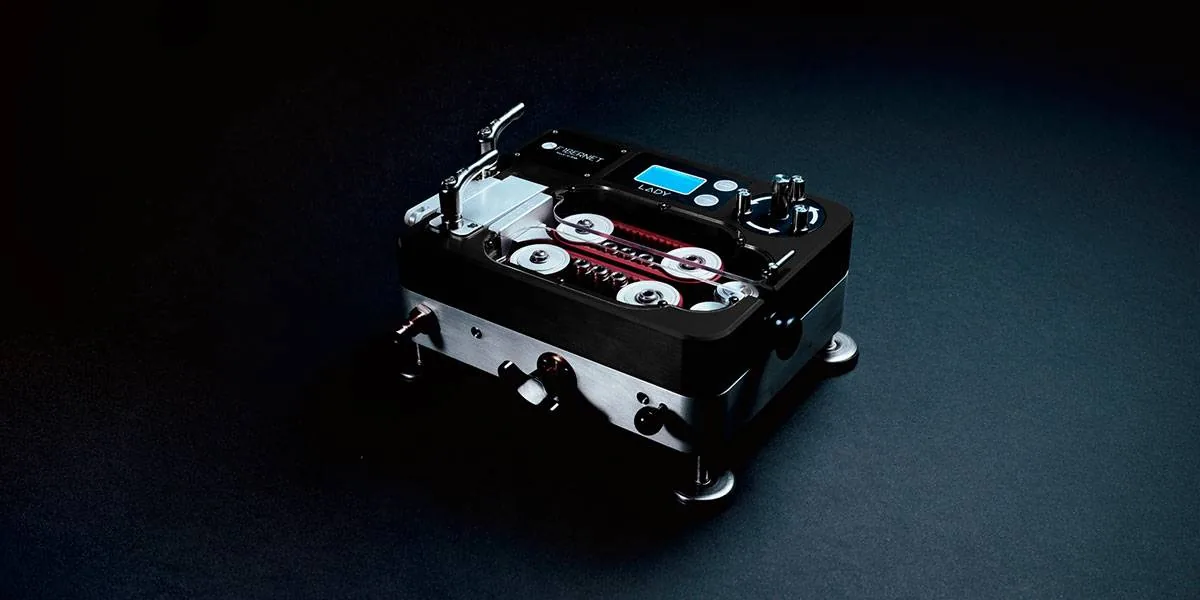
Compact and lightweight
A compact, lightweight machine for short runs.
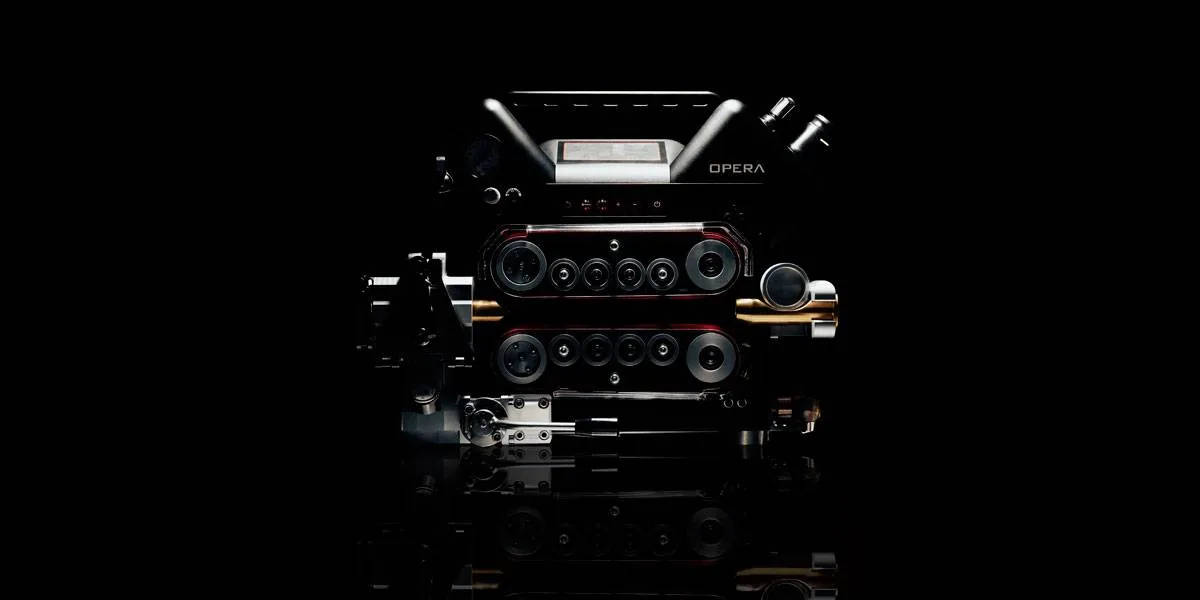
Pneumatic power
A pneumatic machine for long cable runs.
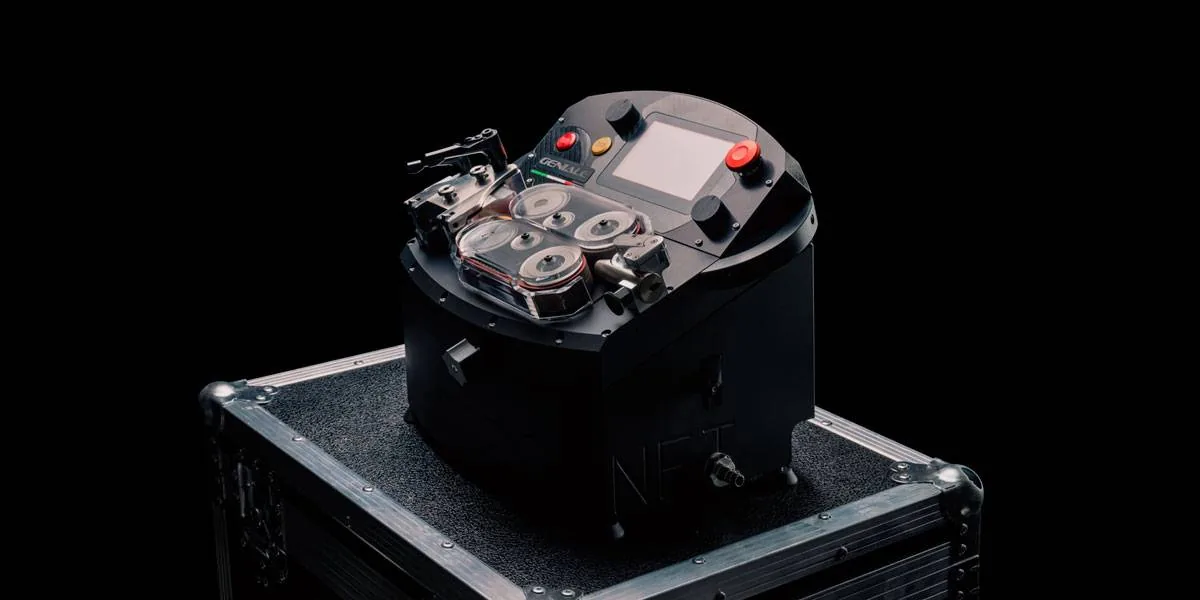
Electric, with two gears
For short and long runs. Two gears let you match force and speed to the job.
Specifications for the Fibernet range. The speeds shown are maximum values. Actual results depend on installation conditions and machine setup.
Direct from the manufacturer
When you’re working on site, you need practical answers. With Fibernet, you speak directly to the people who design and build your cable blowing machine.
Speak to a technicianA specialist technician can help when you need it.
Spare parts ready to ship, direct from the manufacturer.
If your machine breaks down, a replacement may be available within 48 hours.
Check availability and terms with your technician.Get help making the most of your machine, from your very first job.
See it in action before you choose
Request a free hands-on demonstration on your site or at Fibernet’s test facility. Discuss a real job with the technician.
Request a free demonstration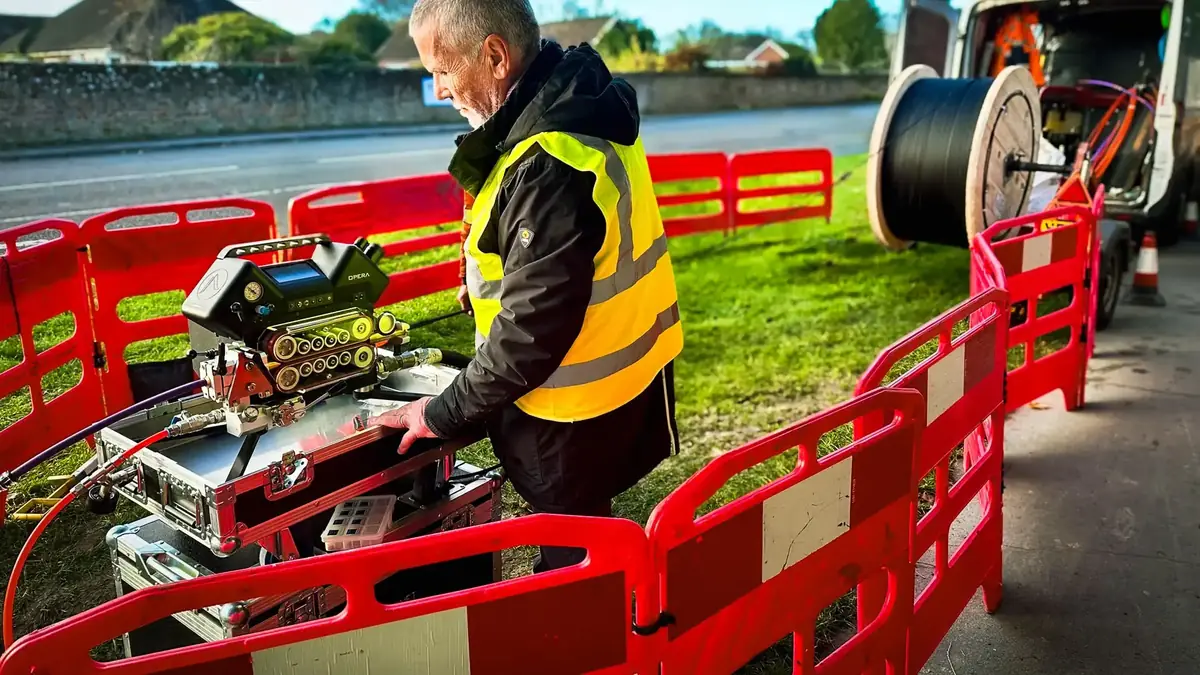
Choosing a drill driven cable blowing machine starts with understanding the installation rather than selecting equipment on appearance alone. Telecommunications contractors need a practical match between the cable, the duct, the available compressed air supply and the route they intend to complete. A machine that suits one combination may not be appropriate for another, particularly when cable stiffness, duct condition or the number of bends changes. Fibernet gives installation companies a direct point of contact for discussing these requirements with an Italian business whose technical background reaches back to the earliest fibre installations in Italy. Before requesting a recommendation, prepare the cable outer diameter, duct internal and external diameters, intended route length and any available information about the cable manufacturer's installation limits. These details support a meaningful equipment discussion and help avoid assumptions that can cause delays on site. The operating principle combines controlled mechanical feeding with compressed air travelling through the duct. The drive introduces the cable while the airflow helps it progress along the route, reducing reliance on pushing alone. However, a drill driven fiber cable blowing machine should never be assessed solely by the power of the drill attached to it. Cable guidance, suitable gripping components, sealing arrangements and the ability to regulate feeding all deserve attention. Compatibility with the proposed drill must also be confirmed, including the manufacturer's requirements for connection, speed and torque. Excessive force can damage a cable rather than improve installation progress. Equally important is the preparation of the duct. Joints must be suitable for the intended operating conditions, the route should be checked for obstructions, and any cleaning or lubrication must follow the relevant equipment and cable instructions. Compressed air requirements depend on the selected machine and the installation, so compressor pressure alone does not establish suitability; available airflow and air quality also matter. When evaluating a drill powered cable blowing machine, ask which accessories are needed for your actual cable and duct combination, rather than assuming that every insert or seal is included. Consider access to the entry point, space for the cable drum and how the operator will observe feeding during the run. For projects in Italy, these checks are particularly useful when working around constrained street access or coordinating several installation teams. Contact Fibernet with your application details to discuss suitable equipment and clarify the proposed configuration before ordering. A well-defined enquiry provides a stronger basis for a quotation and helps your team arrive on site with equipment selected around the work it must perform.
A successful cable blowing operation depends on the sequence of work as much as the equipment itself. Before setting up a drill driven cable blowing machine, identify who will supervise the cable drum, who will operate the feed and how the team will communicate when the cable reaches the receiving point. Unclear responsibilities can lead to unnecessary stops, uncontrolled unwinding or continued feeding after an obstruction has been detected. Establishing a clear stop procedure is a simple operational measure that supports both cable protection and safer working. Position the equipment on a suitable support in accordance with its instructions, align the cable entry and arrange the drum so that the cable pays off without avoidable twisting or sharp changes of direction. Respect the cable manufacturer's bending limits throughout the setup, including the short section immediately before the machine. Check that hoses, fittings and duct connections are suitable for the intended pressure, and keep personnel away from potential discharge points. Compressed air must be isolated and pressure released before opening components or making adjustments, following the applicable operating instructions. A cable blowing machine for fiber optic cable installation works within a wider system, so a slipping drive or poor progress should prompt an orderly inspection rather than an immediate increase in force. Possible causes include incorrect gripping adjustment, unsuitable seals, an air leak, restricted ducting or excessive resistance at the drum. The correct response depends on the equipment and the symptoms observed. Operators should use the manufacturer's approved procedures and should not defeat protective arrangements to continue a difficult run. During installation, record useful information such as cable and duct sizes, route identification, compressor configuration and any interruptions. These records can help explain why a particular section took longer and improve preparation for similar work. They also provide a more realistic basis for planning than a distance claim detached from site conditions. When assessing a drill driven cable jetting machine, ask how routine checks are carried out and which components need inspection or replacement as they wear. Clean cable contact surfaces, correctly fitted inserts and serviceable seals contribute to repeatable operation. After the work, remove contamination using approved methods, inspect components and store the equipment so that dirt does not enter the air path or cable guides. For contractors moving between Italian worksites, a consistent preparation and inspection routine can reduce avoidable troubleshooting without depending on identical conditions at every location. Fibernet can be contacted to discuss equipment selection and the documentation available for the proposed model. Confirm operating limits, maintenance requirements and accessory compatibility before purchase, so that your installation procedure is based on verified information rather than general expectations about drill-driven equipment.
For a contractor comparing equipment suppliers, the purchase decision extends beyond the initial machine price. The useful question is whether the proposed configuration fits the installations your company actually performs and whether the commercial offer clearly identifies what will be supplied. A drill driven cable blowing machine should therefore be evaluated alongside its compatible accessories, operating documentation, maintenance needs and the practical arrangements for obtaining replacement components. Fibernet was founded in 2001, drawing on the technical experience of Giancarlo Trinei, whose work with fibre installations in Italy began in the early 1980s. That background gives the company's development story a direct connection to field installation challenges rather than a purely commercial starting point. In 2021, Fibernet launched its first cable blowing machine, Lady, marking a specific milestone in its equipment development. The business also retains a family foundation: Matteo, Marta and Ismael joined the company during the generational transition that began in 2010. For buyers, this history provides context, but the selection of any machine should still rest on current technical documentation and confirmed application suitability. When requesting information about a drill driven fibre optic cable blowing machine, describe your typical work rather than sending only a preferred product name. Include the range of cable diameters you install, the ducts used most frequently, the compressor available to your crews and the conditions under which equipment must be transported and positioned. If several teams will share the machine, explain whether they use identical cable and duct combinations or need different setups. This helps establish which changeover components may be relevant and which operational details require clarification. Procurement teams should request a quotation that distinguishes the machine from optional accessories, consumable items and any separately supplied equipment. Ask about current availability, delivery arrangements, warranty terms and the process for technical enquiries. For customers outside Italy, confirm destination-specific shipping arrangements, documentation and any applicable import responsibilities before committing to an order. These details should be agreed directly rather than inferred from a general product description. Comparing a drill powered fiber cable blowing machine on this basis encourages a more useful assessment of ownership costs and readiness for work. An attractive headline price offers limited value if essential fittings have not been identified or the available compressor is unsuitable. Equally, there is no benefit in specifying capabilities that your projects do not require. Use www.fibernetsrl.com to introduce your installation needs and request information about the equipment that may suit them. A focused conversation with Fibernet can help turn a broad equipment enquiry into a clearly defined purchasing decision, supported by an agreed configuration and realistic expectations for deployment.
Fill in the form and discover what Fibernet Srl can do for you!
Contact us!Before you get started
If you prefer, speak to us directly.
+39 346 652 9915Compare the cable diameter, duct diameter and installation distance. Lady is compact and lightweight for short runs. Opera is pneumatic and designed for long runs. Geniale is electric and handles both. A Fibernet technician can help you choose.
Yes. You can request a free hands-on demonstration on your site or at Fibernet’s test facility. Tell us what you need in the form and a technician will arrange it with you. Request a demonstration.
To get a price, contact a Fibernet adviser using the form or call +39 346 652 9915.
Fibernet offers direct technical support, spare parts ready to ship and dedicated training. If your machine breaks down, a replacement may be available. Ask your technician about availability and terms.
Tell us about your job. We’ll help you find the right cable blowing machine.