Emanuele Zanda
Google review
★★★★★
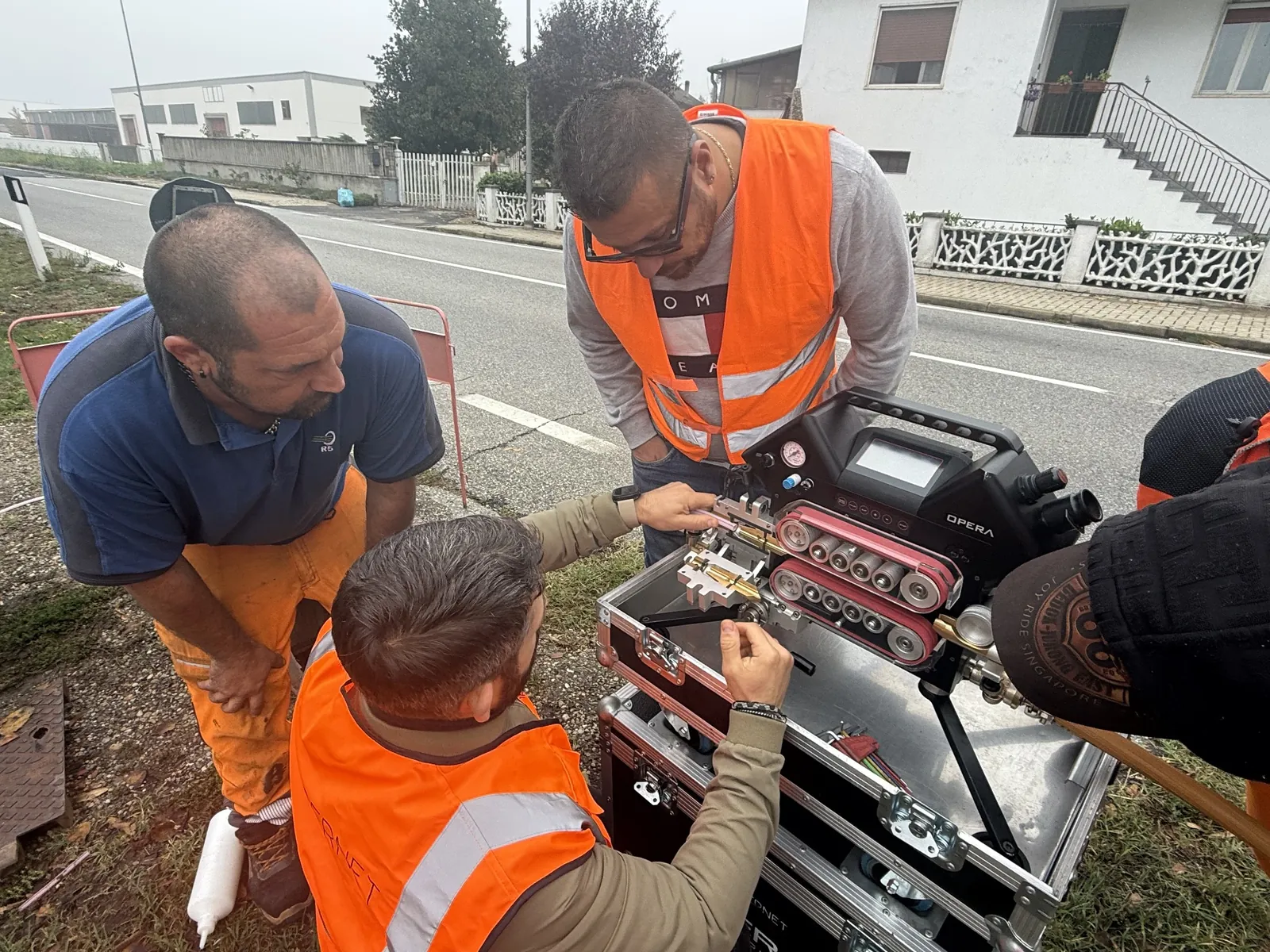
Read on Google“An excellent experience on the installer training course. The whole team was professional and knowledgeable.”
Cable blowing machines · Made in Italy
From last-mile connections to long-distance runs, a Fibernet technician can help you choose the right machine for your fibre optic cable installation.
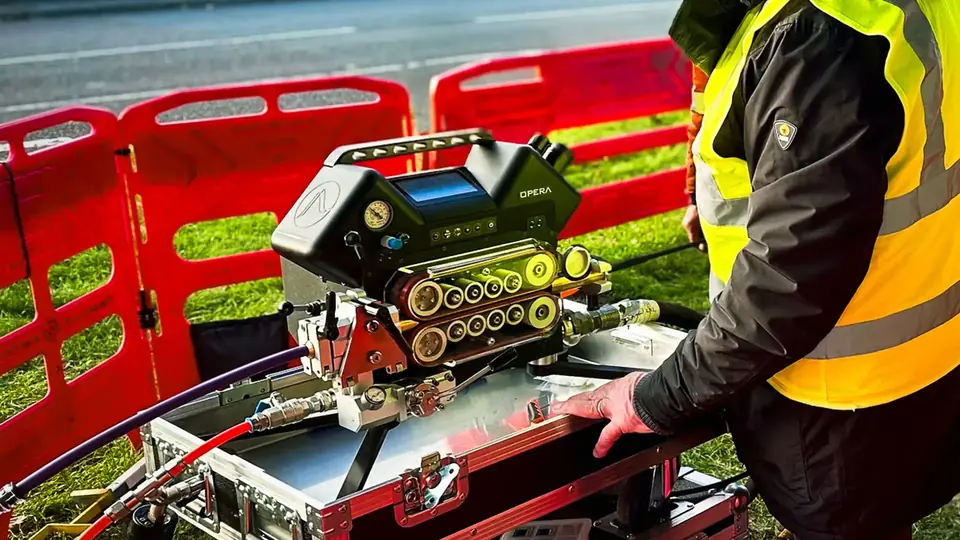
Opera, image 1 of 3
Expert advice direct from the manufacturer / Free demonstration on request
Some of our customers.
Keep your installation moving with Fibernet cable blowing machines.
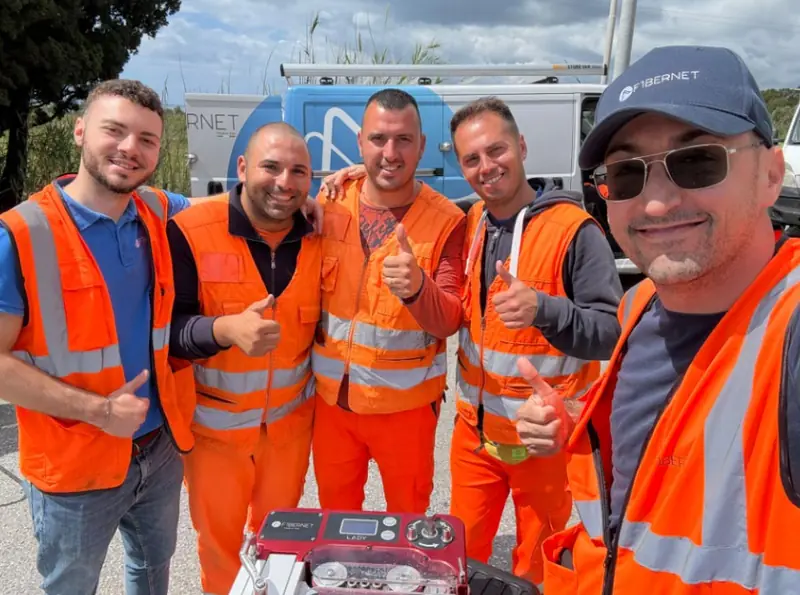
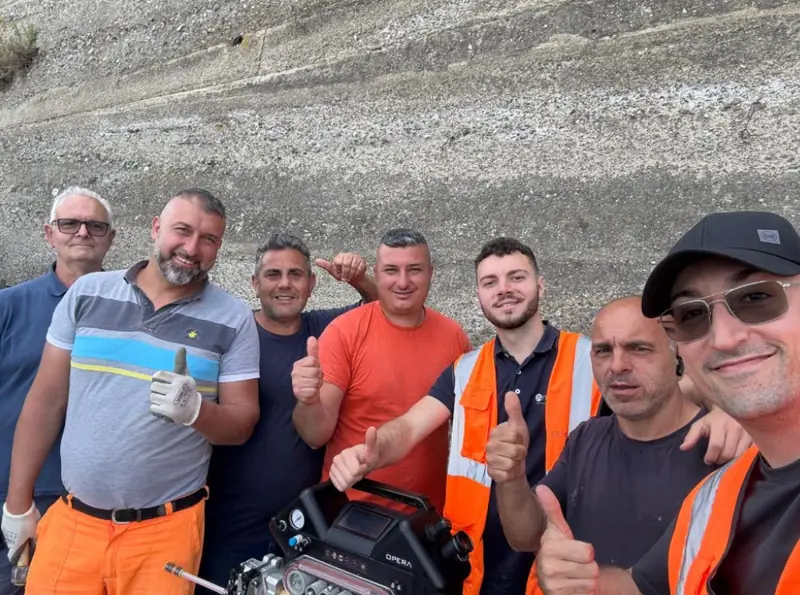
Photos and stories from installers, published by Fibernet.
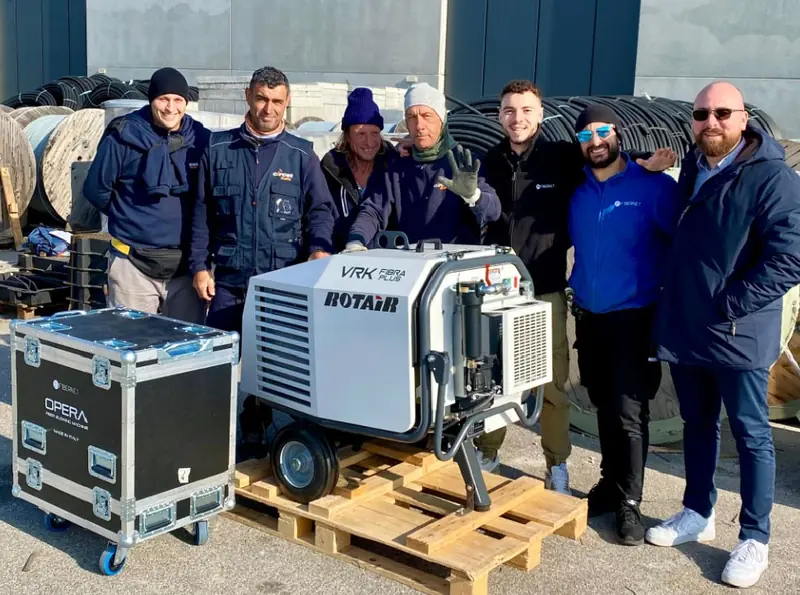
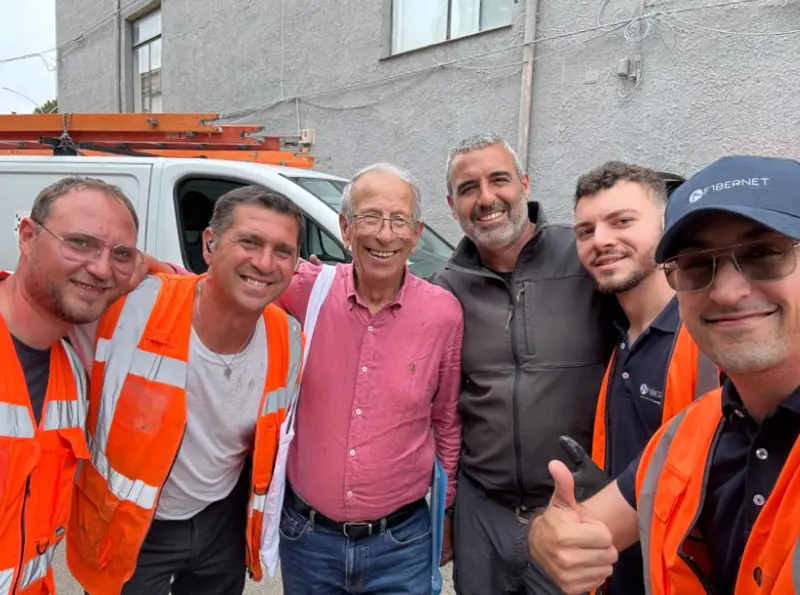
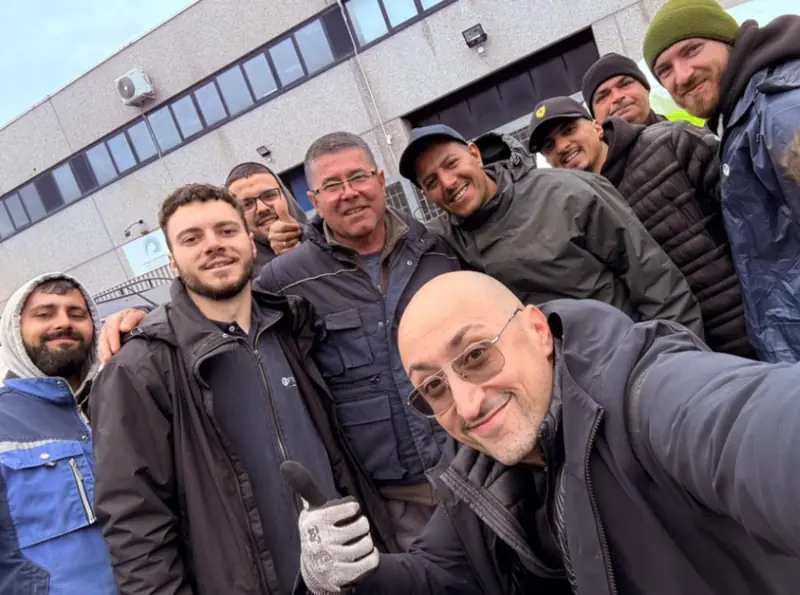
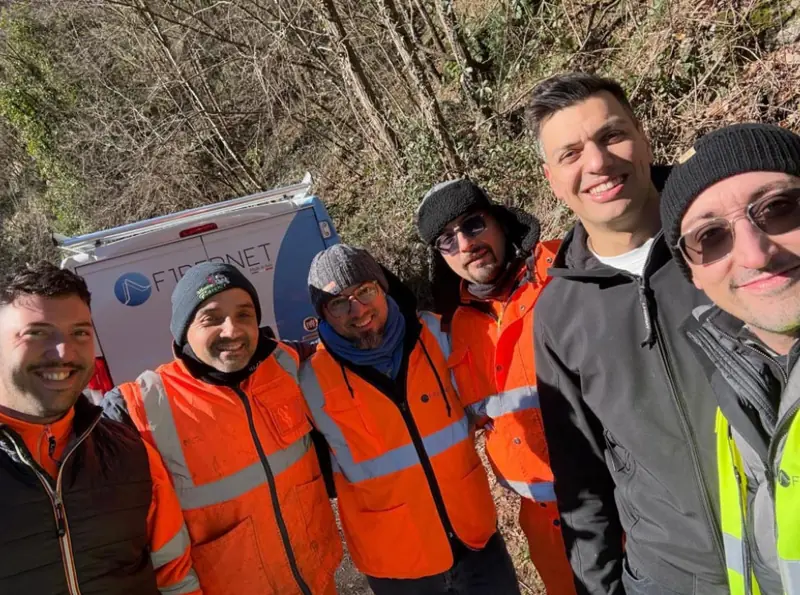 GoogleExcellentBased on 176 reviewsRead the reviews
Read on Google“An excellent experience on the installer training course. The whole team was professional and knowledgeable.”
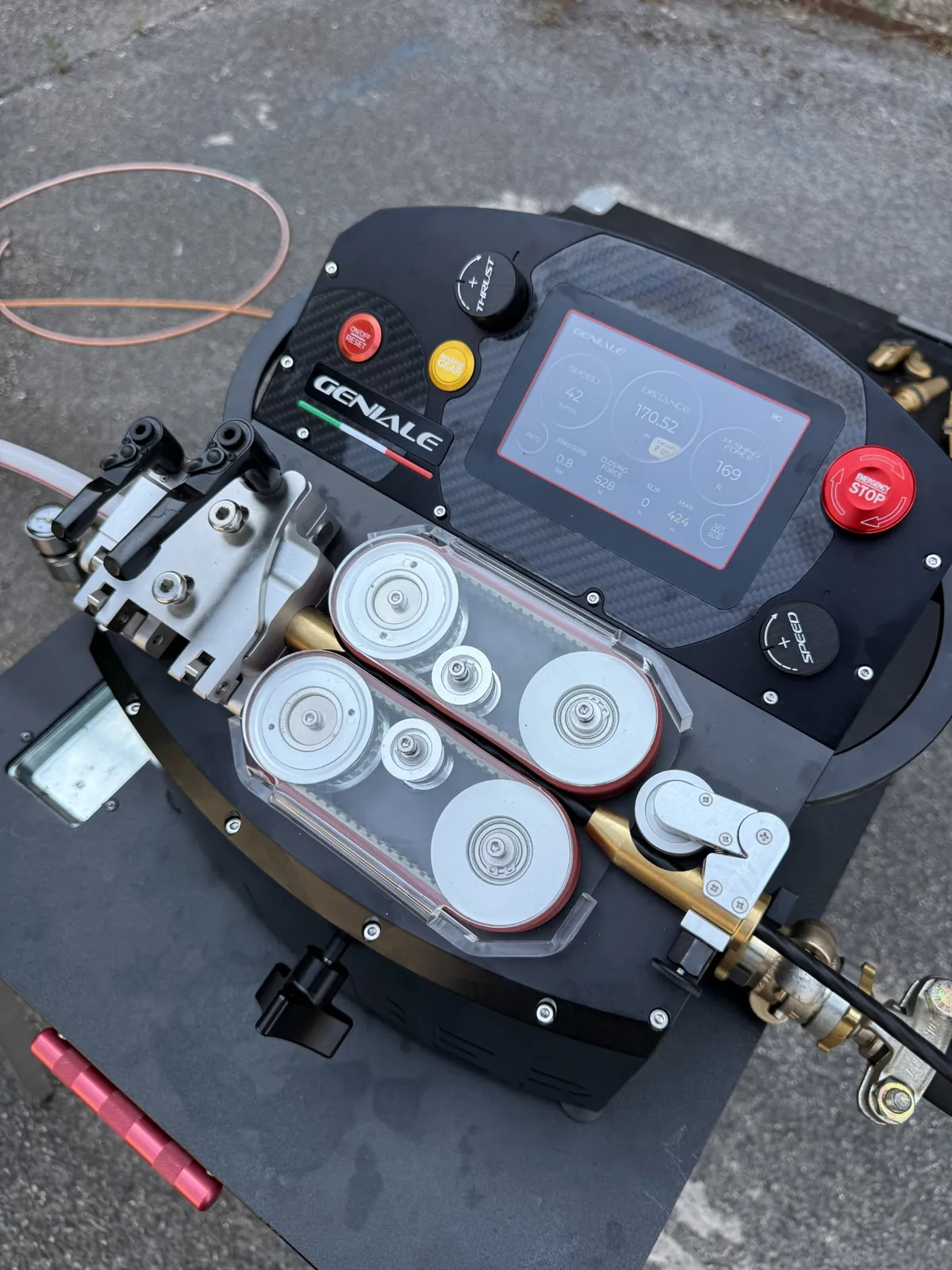
Read on Google“I had the chance to try the Opera cable blowing machine on site…”
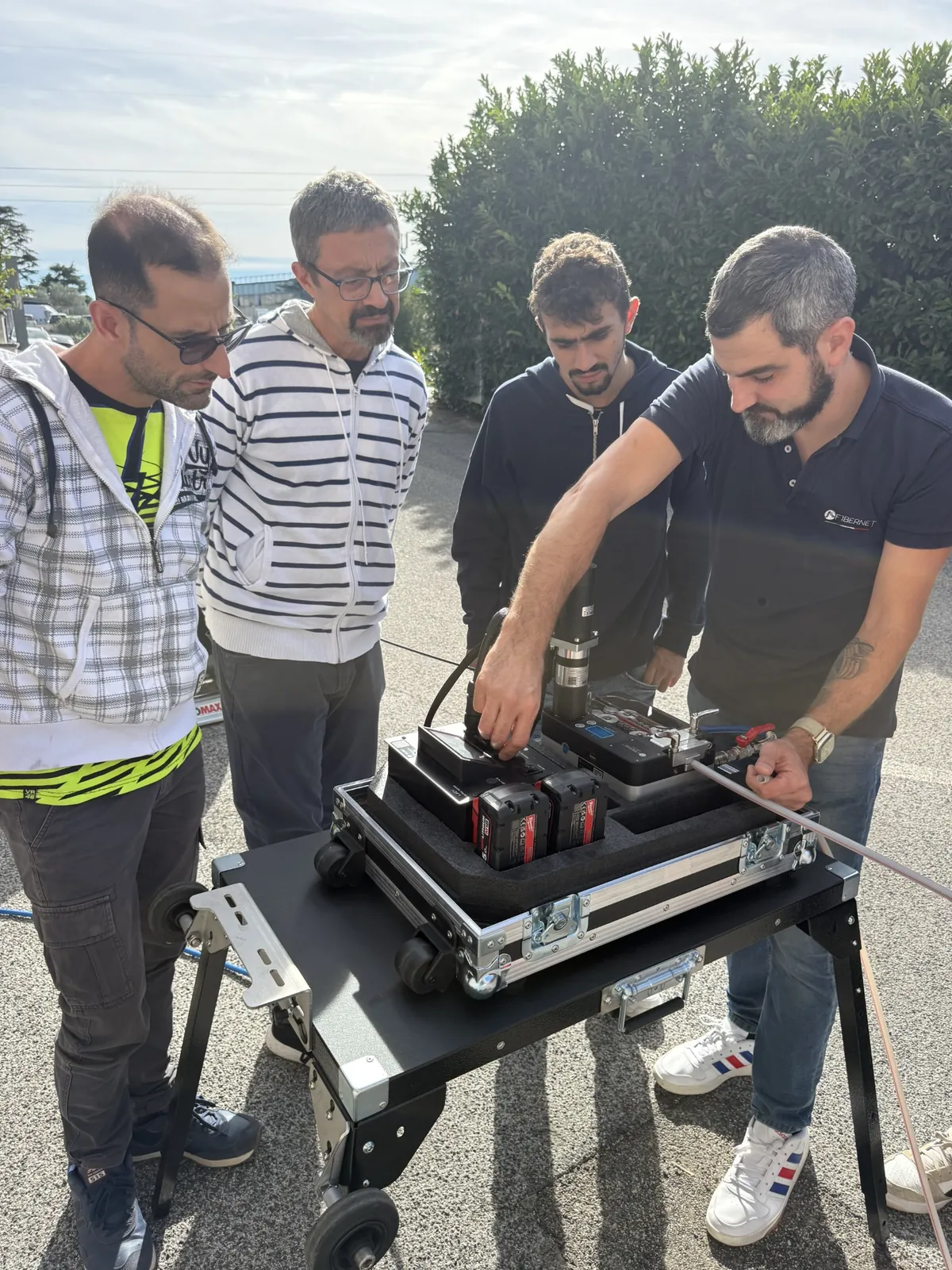
Read on Google“I really enjoyed this course. It took place in a pleasant setting with friendly, helpful people.”
Stories from installers
Hear the results from the installers themselves. Watch their testimonials right here.
Product videos
Three machines. Find your fit.
Start with the job at hand. Our technician can answer your questions about the right setup.
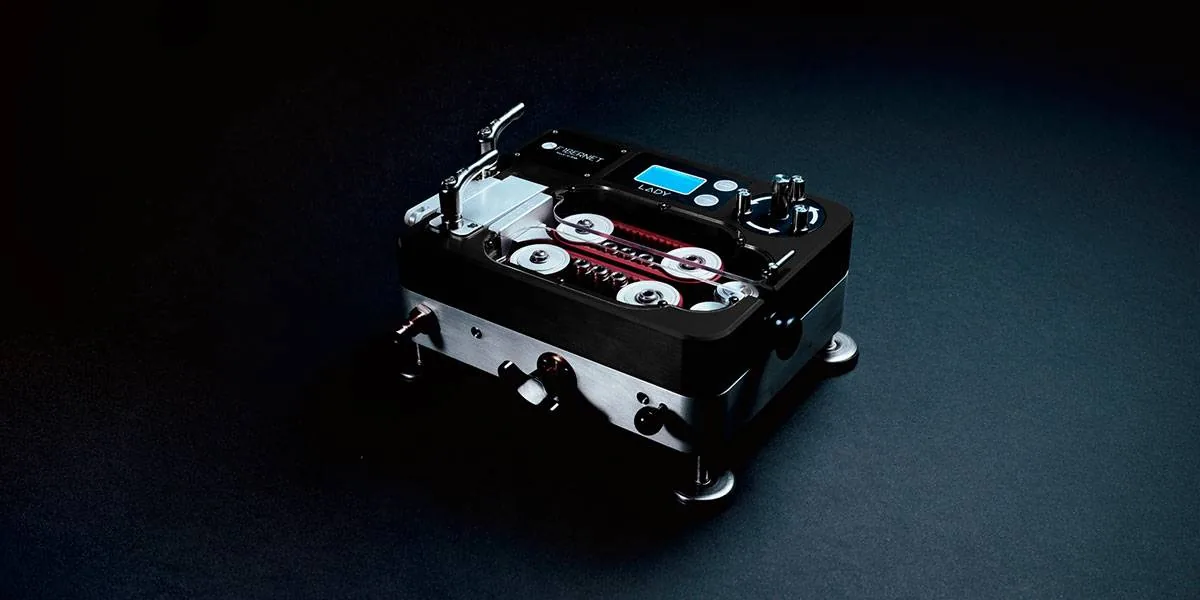
Compact and lightweight
A compact, lightweight machine for short runs.
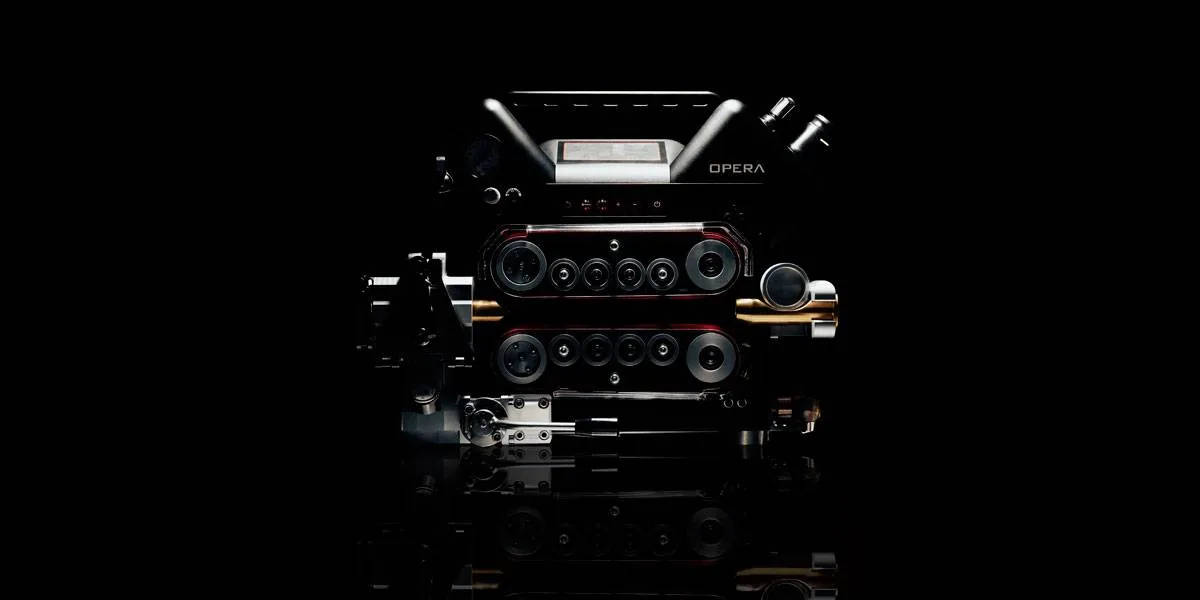
Pneumatic power
A pneumatic machine for long cable runs.
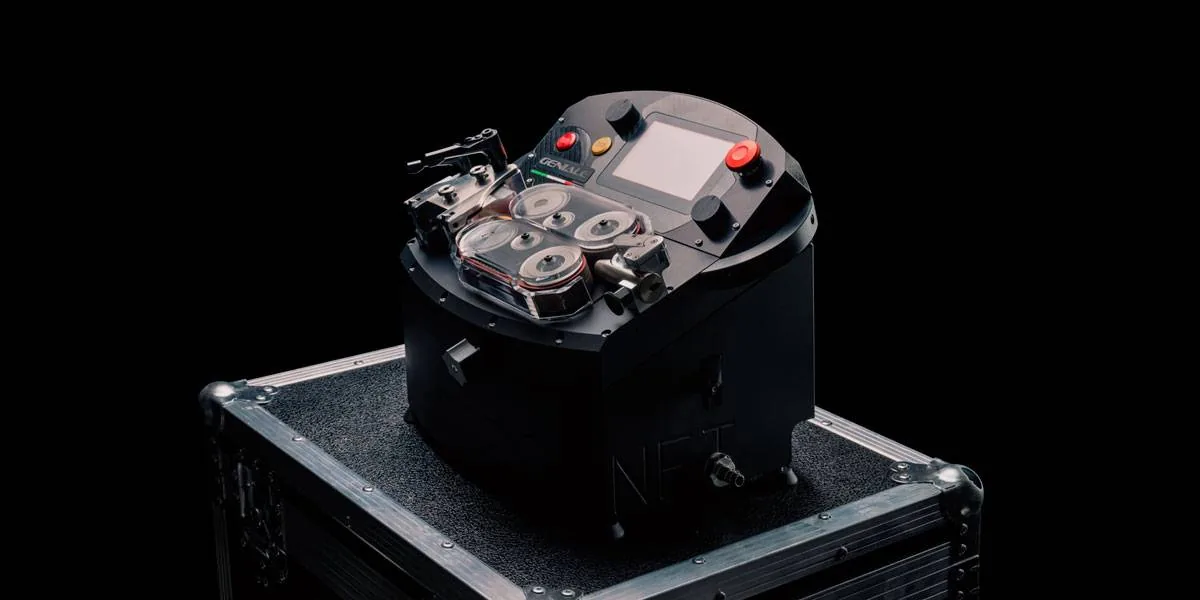
Electric, with two gears
For short and long runs. Two gears let you match force and speed to the job.
Specifications for the Fibernet range. The speeds shown are maximum values. Actual results depend on installation conditions and machine setup.
Direct from the manufacturer
When you’re working on site, you need practical answers. With Fibernet, you speak directly to the people who design and build your cable blowing machine.
Speak to a technicianA specialist technician can help when you need it.
Spare parts ready to ship, direct from the manufacturer.
If your machine breaks down, a replacement may be available within 48 hours.
Check availability and terms with your technician.Get help making the most of your machine, from your very first job.
See it in action before you choose
Request a free hands-on demonstration on your site or at Fibernet’s test facility. Discuss a real job with the technician.
Request a free demonstration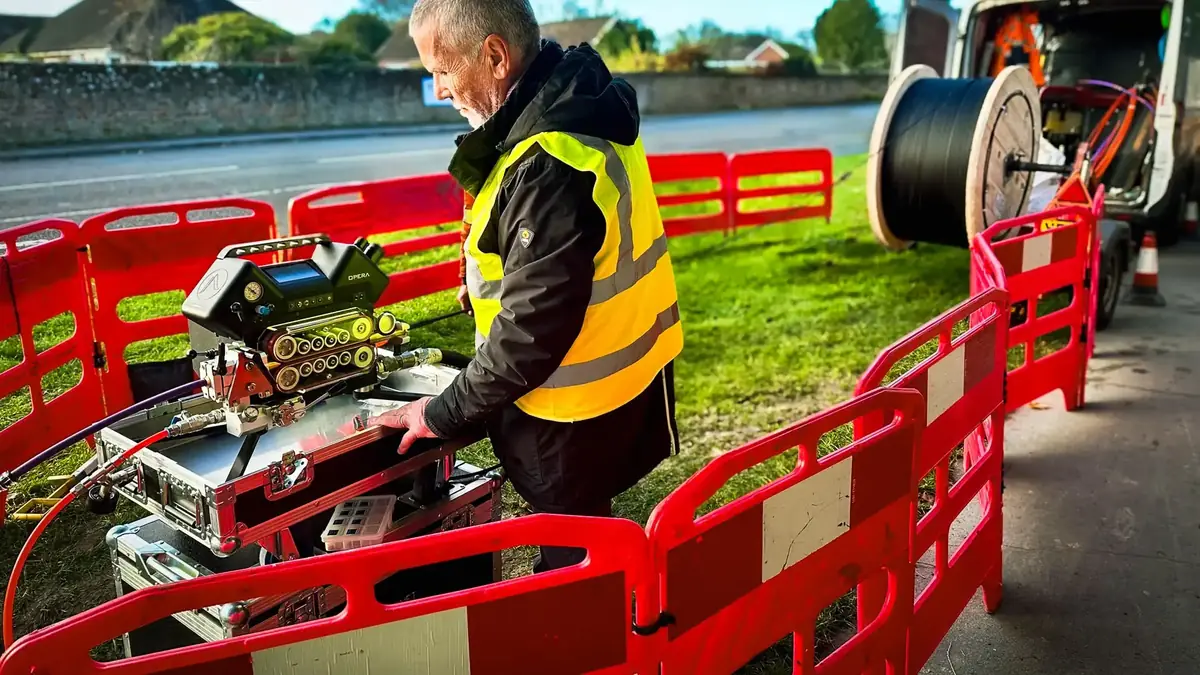
Choosing a compressed air optical fiber cable blowing machine starts with the cable, the duct and the conditions on site, rather than a headline installation distance. Telecommunications contractors need equipment that suits the work they actually undertake: short sections with frequent access points, longer continuous routes, or installations where bends and changes in level affect progress. Fibernet brings an Italian engineering perspective to this decision, supported by a business established in 2001 and technical experience extending back to the early installations in Italy. For a useful equipment discussion, prepare the cable outside diameter, duct internal diameter, proposed route length and any available information about the cable manufacturer's installation limits. These details help establish what needs checking before a machine is selected. A compressed air fiber cable blowing machine combines controlled mechanical feeding with airflow through the duct. The feeding mechanism introduces the cable while moving air helps it advance along the route. The result depends on the complete installation arrangement, not on the machine alone. Duct continuity, connection quality, internal cleanliness, cable stiffness and the number of bends all influence the operation. A powerful compressor cannot compensate for an unsuitable cable and duct combination or a damaged section of duct. Equally, increasing the feeding force without understanding resistance can expose the cable to unnecessary stress. Operators should work within the limits specified for the cable, machine, duct and associated accessories. Before purchasing an optical fiber cable blowing machine, check how the proposed configuration accommodates your cable sizes and duct connections. Ask which guides, seals and connection components are required, whether changes between sizes involve additional parts, and how the feeding mechanism is adjusted. Compressor suitability also deserves attention: pressure and delivered airflow are separate considerations, and both must meet the requirements of the proposed setup. Air treatment, hose dimensions and coupling compatibility should be checked alongside the compressor itself. These practical questions make a quotation more useful and reduce the likelihood of discovering missing components after equipment reaches the worksite. Fibernet introduced its first cable blowing machine, Lady, in 2021, building on the founder's longstanding technical background. For contractors working in Italy or evaluating Italian equipment for projects abroad, that history provides context for a direct technical conversation, rather than replacing the need for application checks. Present your typical jobs, explain the constraints your crews encounter and request confirmation of the configuration relevant to those conditions. The objective is a workable installation package: suitable equipment, clearly identified accessories and operating requirements that your team understands before deployment. This approach supports an informed purchase without relying on universal speed or distance claims that cannot account for the realities of an individual route.
Reliable cable blowing begins before the cable enters the machine. On a roadworks site, a crew may have limited working space, passing traffic, restricted access to chambers and a narrow window for completing each section. Preparing the equipment layout helps prevent those constraints from becoming avoidable interruptions. Position the cable drum so that payout remains controlled, organise the route from the drum to the feeding mechanism and keep hoses clear of walkways and moving equipment. Establish communication between the machine operator and the receiving end before starting. Everyone involved should understand the stopping procedure and know who is responsible for monitoring cable movement, air supply and the condition of exposed connections. A compressed air optical fiber cable blowing machine should be used only after the duct section has been assessed using the procedures appropriate to the project. Check that the intended route is continuous, that joints are suitable for the planned operation and that there are no known obstructions or damaged sections. Where duct preparation or lubrication is required, follow the relevant equipment, cable and duct guidance rather than improvising with unspecified materials. The condition of the route matters because unexpected resistance can arise well beyond the operator's immediate view. Recording the section length, access locations and known bends gives the crew a clearer basis for interpreting changes during installation. When preparing a compressed air fiber optic cable blowing machine, assess the air supply as a complete system. Confirm the required pressure and flow for the chosen equipment configuration, then check the compressor's delivery under the relevant working conditions. Inspect hoses, couplings and seals, and verify that all pressure-containing components are appropriate for their intended use. Air quality requirements should also be established before work begins. Water or contamination in the supply may create operational problems, so the necessary treatment arrangements should be confirmed with the equipment provider. Never disconnect pressurised components or attempt adjustments contrary to the operating instructions. During blowing, monitor progress rather than treating the operation as a fixed-speed process. A change in feeding behaviour can indicate a route issue, an air leak, drum resistance or an adjustment that needs investigation. Stop and assess unexplained resistance instead of simply increasing force. A cable blowing machine for fiber optic cable installation belongs within a controlled method that respects cable limits and protects the people working around it. After the section is completed, follow the prescribed shutdown and depressurisation procedure, inspect accessible wear components and record any difficulty encountered. These notes can improve preparation for the next section and make technical support discussions more precise. When contacting Fibernet about equipment suitability, describing this working method alongside your dimensions and route conditions creates a much more useful starting point than asking only for maximum installation distance.
An equipment quotation becomes meaningful when its scope is clear. Two offers may appear similar while covering different cable ranges, connection components, accessories or delivery arrangements. For a contractor buying a compressed air optical fiber cable blowing machine, the first task is therefore to define what must be included for the intended work. Identify the cable and duct combinations used most often, distinguish immediate requirements from possible future applications and explain whether the equipment will serve one crew or move between several sites. This information helps focus the discussion on a suitable configuration rather than an unnecessarily broad specification or an incomplete starting package. When comparing a fiber cable blowing machine price, consider the costs surrounding the machine as well as the purchase figure. A compatible compressor, suitable hoses, connection parts and application-specific components can affect the overall budget. So can transport arrangements, storage requirements, consumable availability and the time needed to change between installation sizes. Ask which items are included, which are optional and which must be sourced separately. Request the relevant operating documentation and clarify maintenance requirements before placing an order. A transparent comparison should also identify quotation validity, payment conditions and the proposed delivery terms. These are practical purchasing questions, not reasons to assume that the lowest or highest offer will automatically provide the best outcome. The same care is useful when evaluating a used optical fiber cable blowing machine against new equipment. A lower initial cost should be considered alongside condition, compatibility and the availability of the components needed for your jobs. Inspect the feeding mechanism, connection areas, guides and seals, and request whatever maintenance history and documentation are available. Confirm whether the particular configuration can accommodate your cable and duct sizes; physical appearance alone does not establish suitability. If important parts are missing or their condition is uncertain, allow for that uncertainty in the comparison. This assessment does not presume that Fibernet supplies used machines: it gives procurement teams a consistent way to compare the alternatives they may encounter. Fibernet's development reflects a combination of technical continuity and generational change. Founder Giancarlo Trinei worked with early Italian cable installations, while Matteo, Marta and Ismael joined the business during the transition that began in 2010. The launch of Lady in 2021 marked the company's entry into cable blowing machines. For English-speaking customers assessing equipment from Italy, the next step is to turn that background into a specific commercial and technical enquiry. Share the destination country, intended applications and required accessories, and ask Fibernet to confirm availability, documentation and delivery arrangements for your location. A carefully scoped enquiry makes it easier to obtain an actionable quotation and decide whether the proposed equipment matches your crew's installation needs.
Fill in the form and discover what Fibernet Srl can do for you!
Contact us!Before you get started
If you prefer, speak to us directly.
+39 346 652 9915Compare the cable diameter, duct diameter and installation distance. Lady is compact and lightweight for short runs. Opera is pneumatic and designed for long runs. Geniale is electric and handles both. A Fibernet technician can help you choose.
Yes. You can request a free hands-on demonstration on your site or at Fibernet’s test facility. Tell us what you need in the form and a technician will arrange it with you. Request a demonstration.
To get a price, contact a Fibernet adviser using the form or call +39 346 652 9915.
Fibernet offers direct technical support, spare parts ready to ship and dedicated training. If your machine breaks down, a replacement may be available. Ask your technician about availability and terms.
Tell us about your job. We’ll help you find the right cable blowing machine.