Emanuele Zanda
Google review
★★★★★
Read on Google“An excellent experience on the installer training course. The whole team was professional and knowledgeable.”
Cable blowing machines · Made in Italy
From last-mile connections to long-distance runs, a Fibernet technician can help you choose the right machine for your fibre optic cable installation.
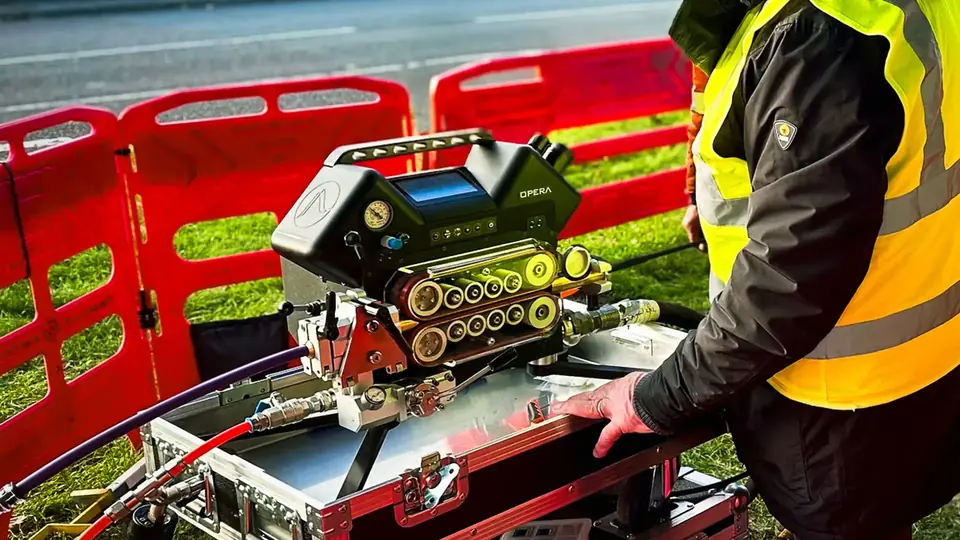
Opera, image 1 of 3
Expert advice direct from the manufacturer / Free demonstration on request
Some of our customers.

Keep your installation moving with Fibernet cable blowing machines.
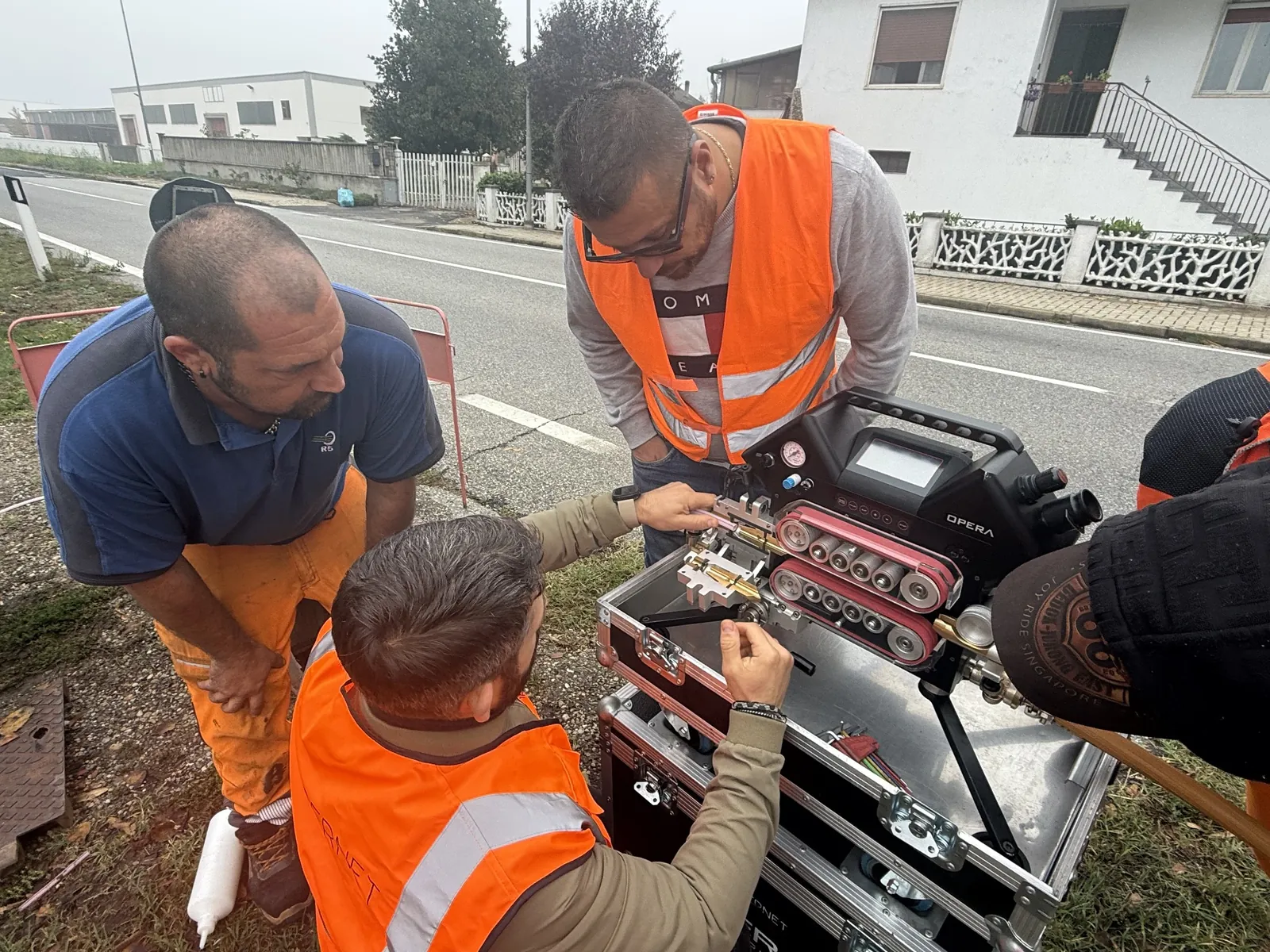
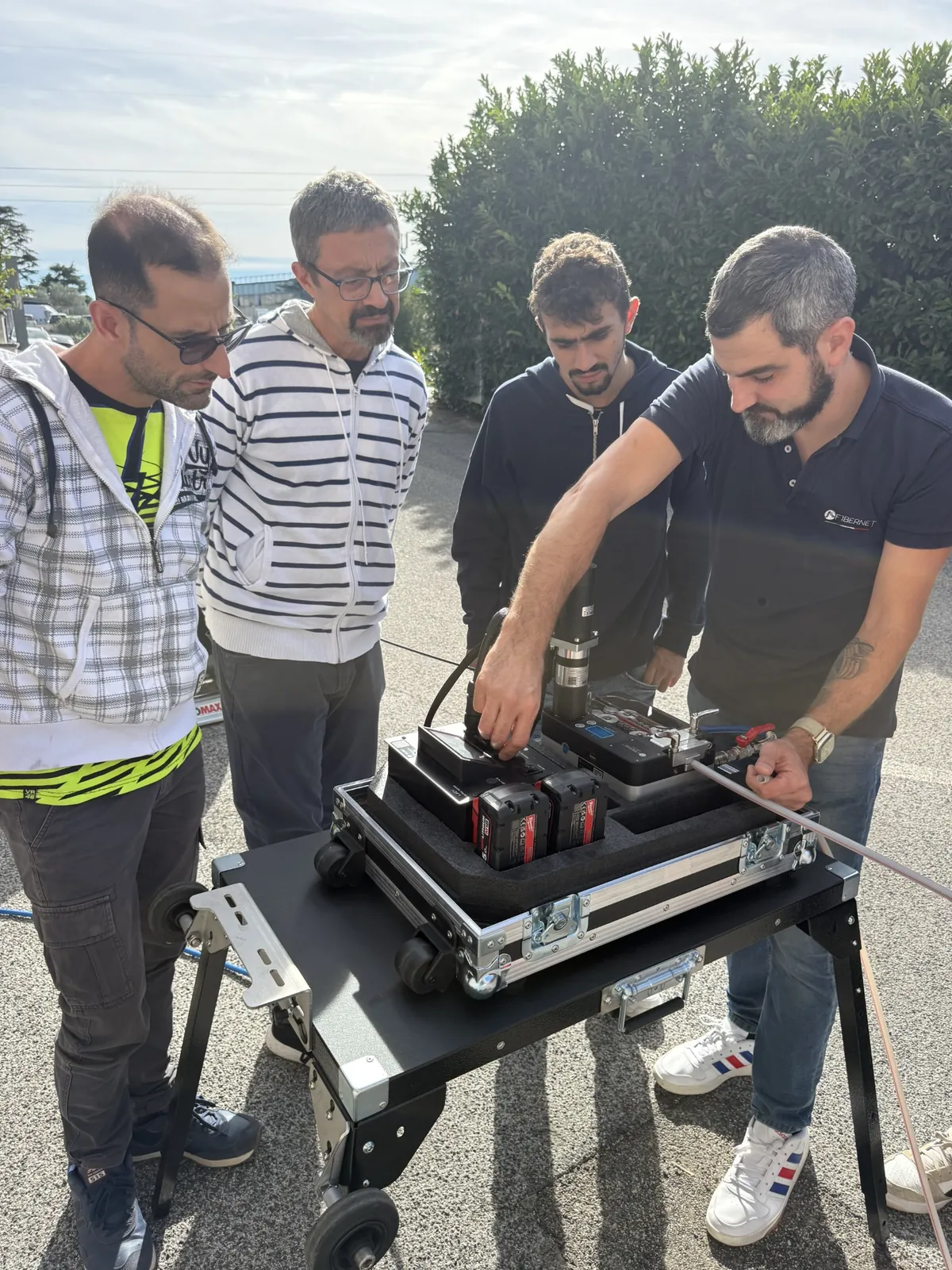
Photos and stories from installers, published by Fibernet.
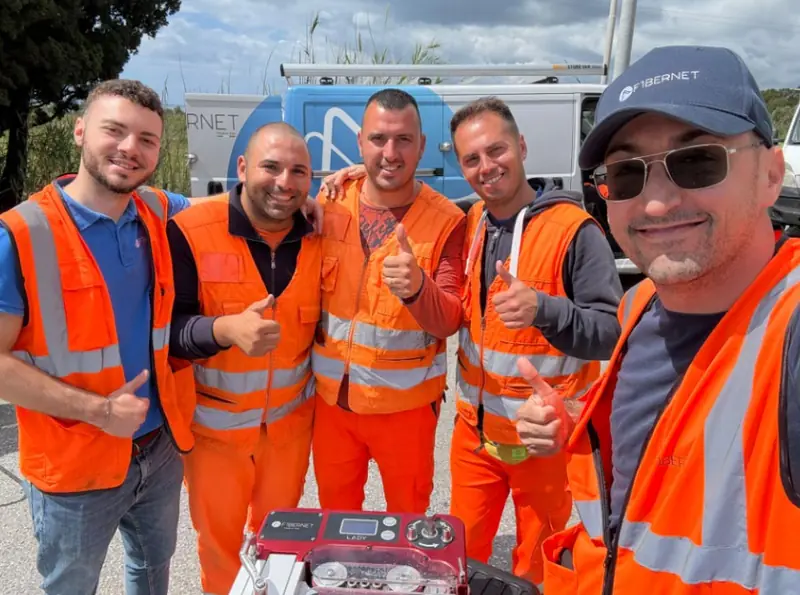
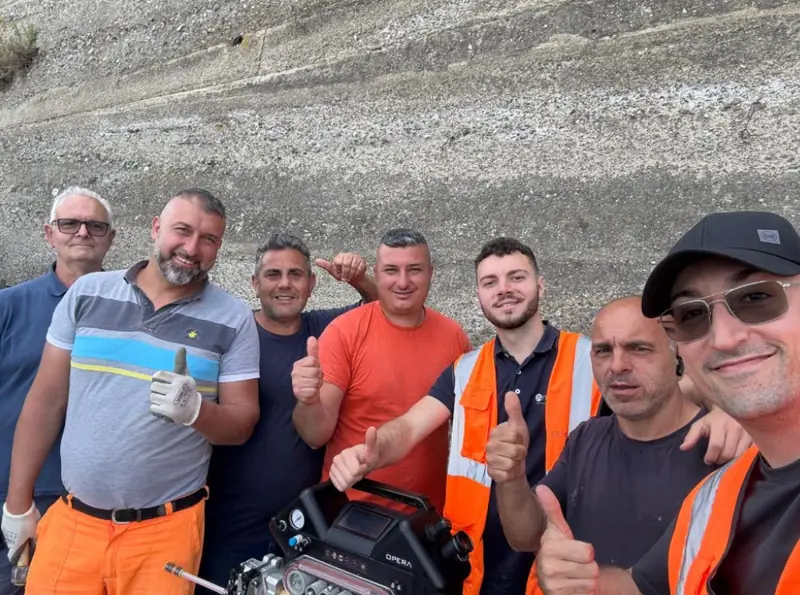
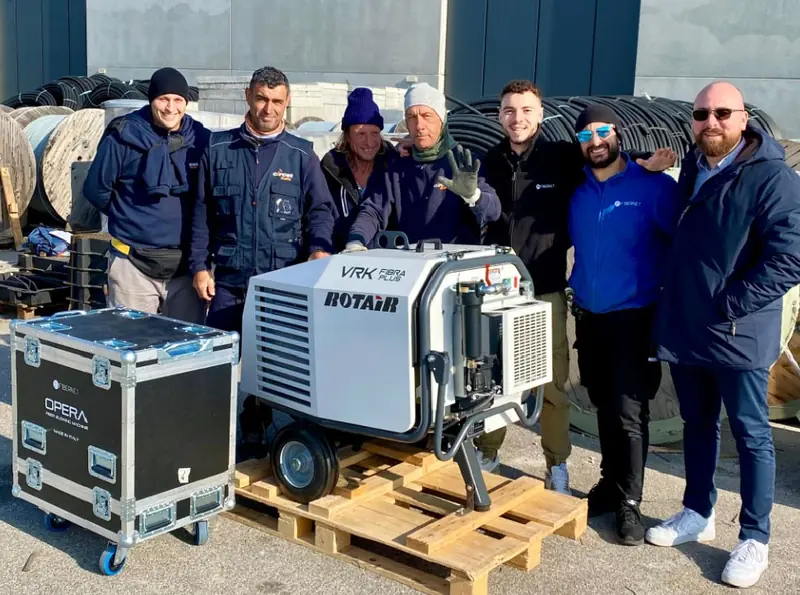
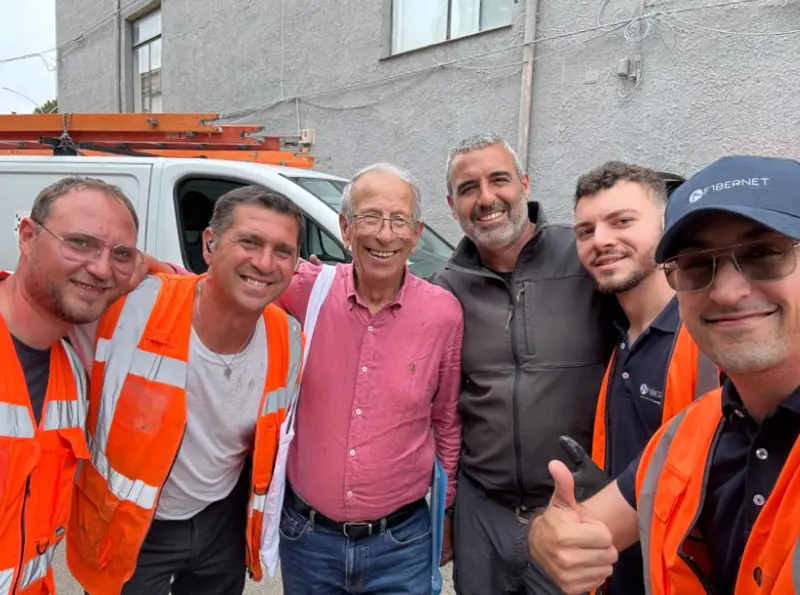
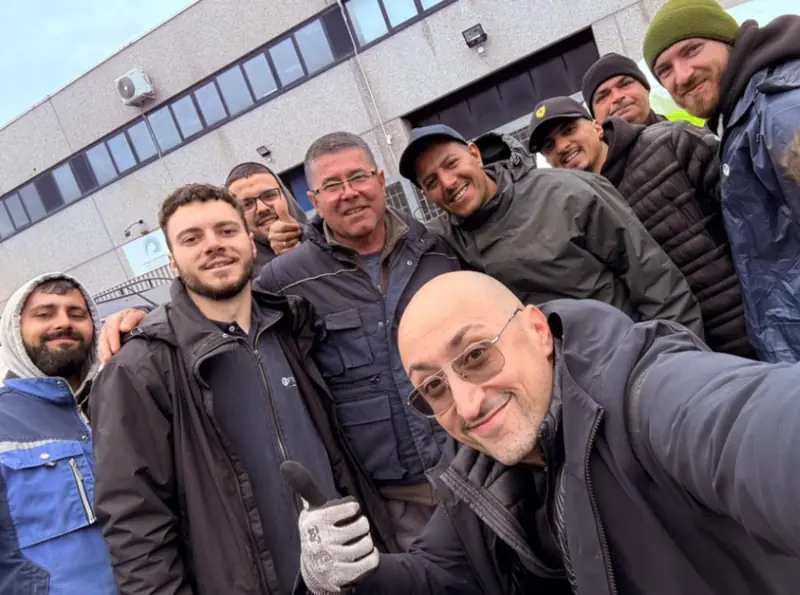
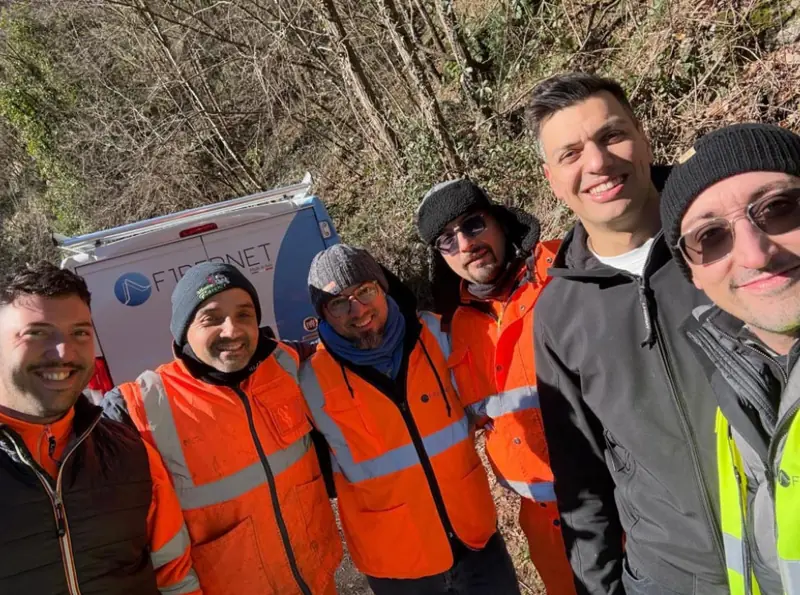 GoogleExcellentBased on 176 reviewsRead the reviews
Read on Google“An excellent experience on the installer training course. The whole team was professional and knowledgeable.”
Read on Google“I had the chance to try the Opera cable blowing machine on site…”
Read on Google“I really enjoyed this course. It took place in a pleasant setting with friendly, helpful people.”
Stories from installers
Hear the results from the installers themselves. Watch their testimonials right here.
Product videos
Three machines. Find your fit.
Start with the job at hand. Our technician can answer your questions about the right setup.
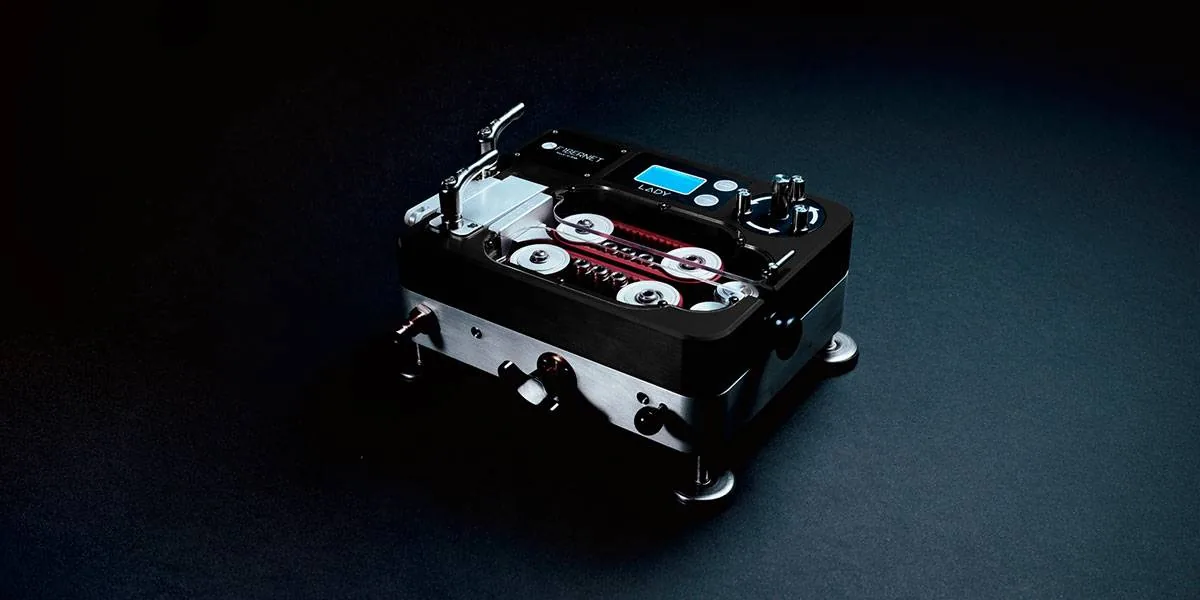
Compact and lightweight
A compact, lightweight machine for short runs.
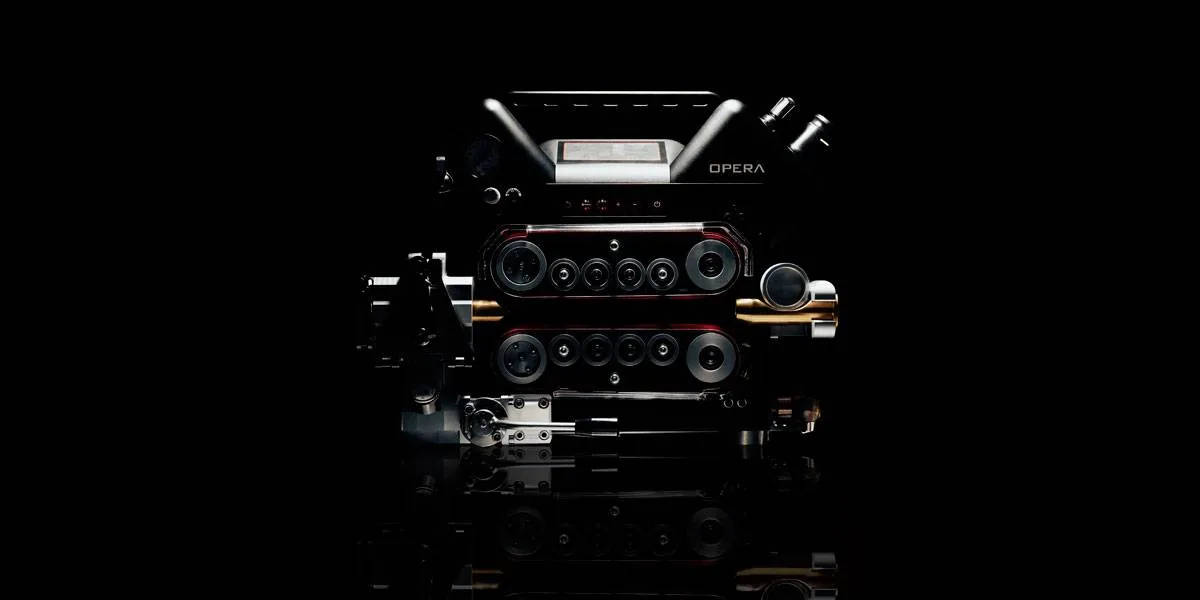
Pneumatic power
A pneumatic machine for long cable runs.
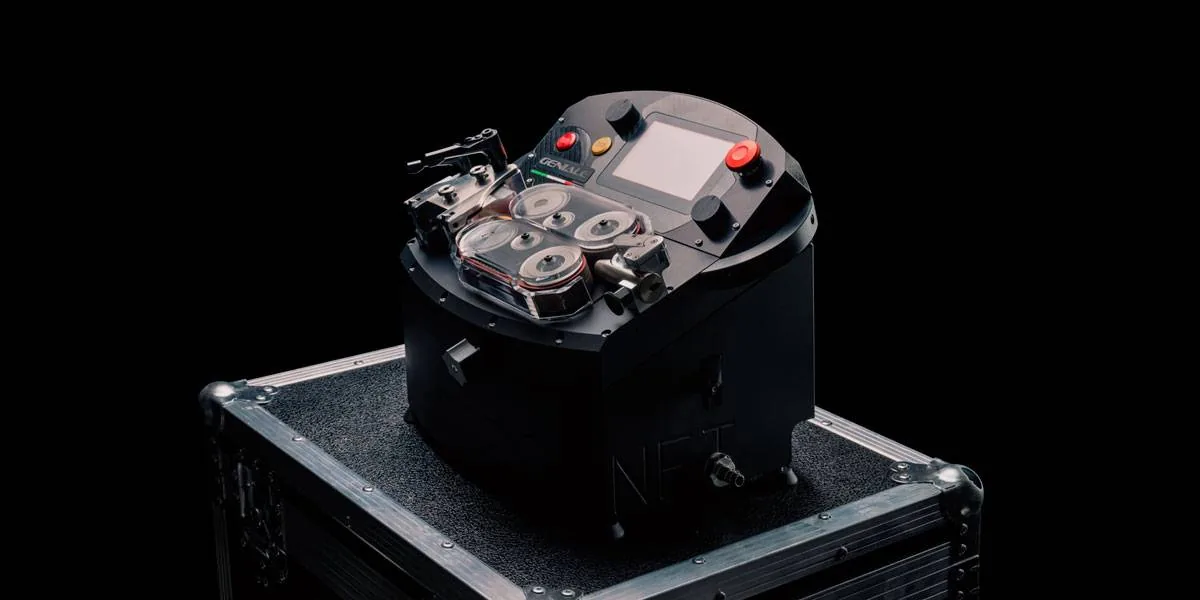
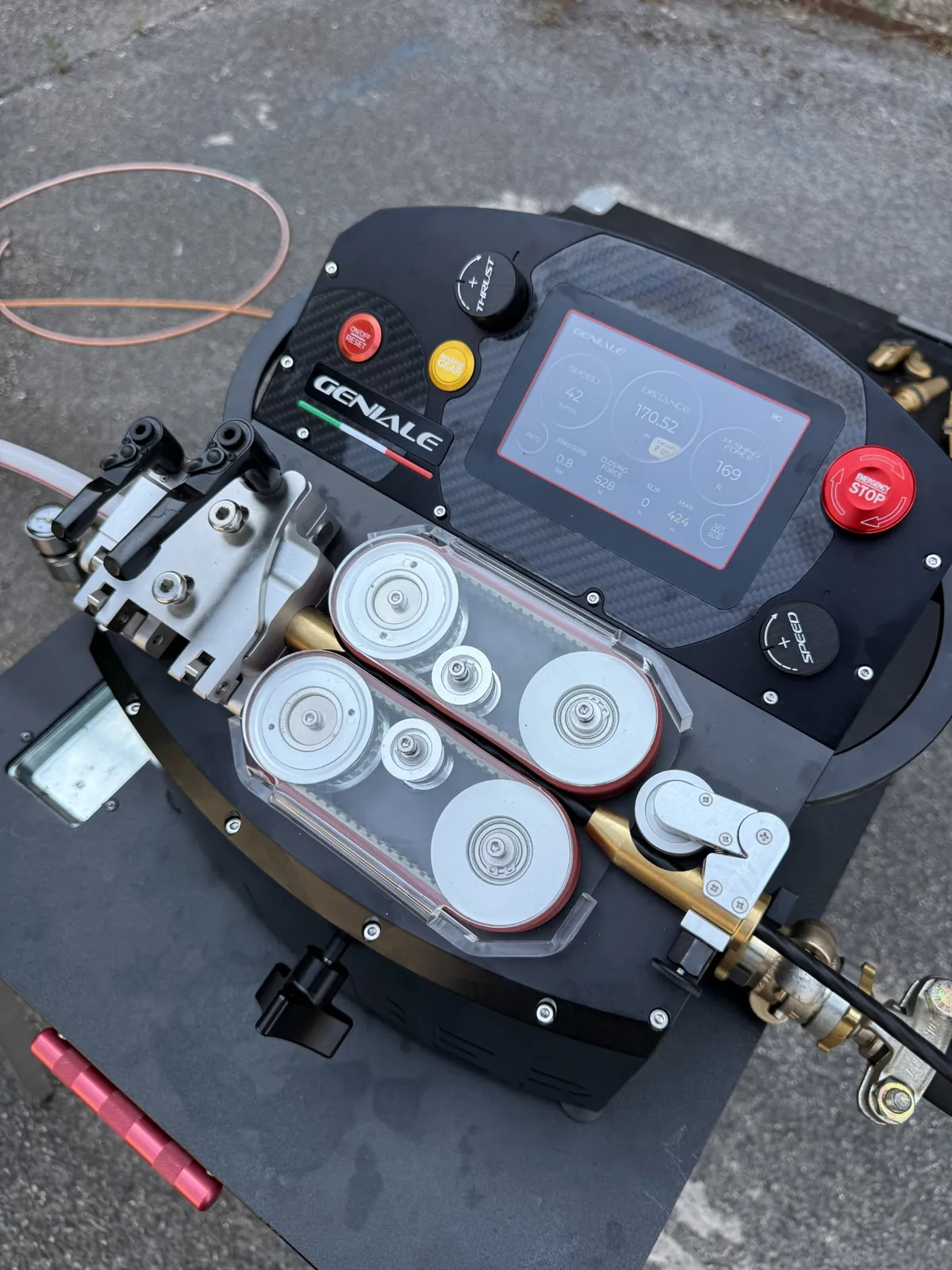
Electric, with two gears
For short and long runs. Two gears let you match force and speed to the job.
Specifications for the Fibernet range. The speeds shown are maximum values. Actual results depend on installation conditions and machine setup.
Direct from the manufacturer
When you’re working on site, you need practical answers. With Fibernet, you speak directly to the people who design and build your cable blowing machine.
Speak to a technicianA specialist technician can help when you need it.
Spare parts ready to ship, direct from the manufacturer.
If your machine breaks down, a replacement may be available within 48 hours.
Check availability and terms with your technician.Get help making the most of your machine, from your very first job.
See it in action before you choose
Request a free hands-on demonstration on your site or at Fibernet’s test facility. Discuss a real job with the technician.
Request a free demonstration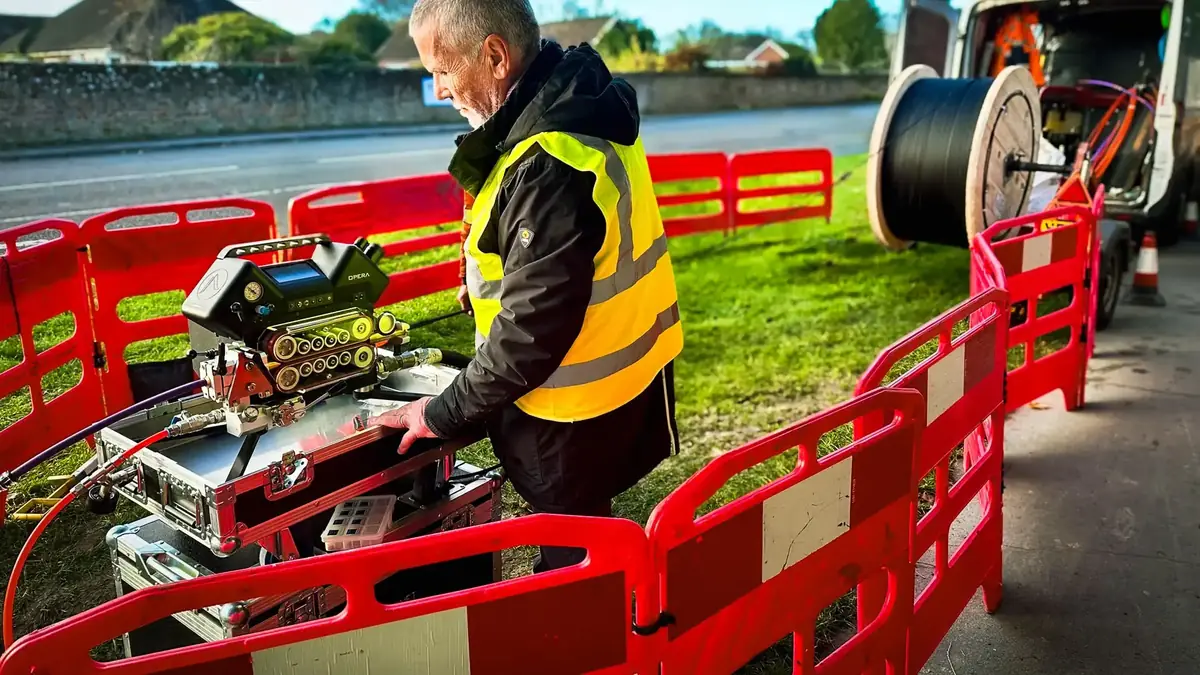
Choosing a compressed air OFC cable blowing machine starts with the cable, the duct and the conditions your installation team will encounter. Contractors working on Italian sites need equipment suited to the actual route, rather than a decision based solely on an advertised installation distance. Cable diameter, duct internal diameter, cable stiffness, bends, gradients and the condition of existing ducting all influence how an installation progresses. Fibernet provides a technical point of contact for businesses assessing cable blowing equipment, helping turn these practical requirements into a focused product enquiry. Before requesting a recommendation, prepare the cable datasheet, duct dimensions and an outline of the proposed route. These details make discussions more useful and reduce the risk of selecting equipment around incomplete assumptions. A compressed air cable blowing machine combines controlled mechanical feeding with airflow through the duct. The feeding mechanism introduces the cable, while moving air helps carry it along the route and reduces reliance on pushing alone. Successful operation depends on the balance between these actions, not simply on increasing pressure. Excessive pushing force can damage a cable or cause it to buckle, particularly when resistance develops near the entry point. Operators therefore need to understand the relevant controls, the cable manufacturer's limits and the machine's approved operating procedure. When comparing a compressed air fiber optic cable blowing machine, ask which cable and duct combinations the proposed configuration accommodates. Confirm the required guides, seals and connection components, together with the compressed air supply requirements. Compressor selection should consider delivered airflow at the required working pressure, rather than pressure alone. Air quality and moisture management also deserve attention because the supply must meet the equipment manufacturer's requirements throughout the job. Route preparation is equally important. Check duct continuity, inspect accessible connections and confirm that couplings are suitable for the intended procedure. Where required by the installation specification, complete appropriate duct checks before introducing the cable. A damaged section or poorly sealed joint can undermine an otherwise suitable equipment setup. Explain whether your crews mainly work on short sections with frequent access points or longer routes with fewer opportunities to intervene. Include information about working space, transport between sites and the number of daily setups. These operational details help establish which characteristics matter most to your business. For Fibernet, a useful conversation begins with the installation task and the people carrying it out. Sharing accurate project information allows your team to request a relevant proposal, clarify compatibility and assess the proposed arrangement before committing to equipment for a live installation programme.
A productive cable blowing operation begins before the compressor is started. Position the machine securely, arrange the cable drum so that the cable pays off smoothly and keep the working area clear of unnecessary obstructions. The cable should enter the feeding mechanism without sharp changes of direction or avoidable tension. Check that guides and seals match the selected cable and duct, and inspect components for wear before assembly. Small preparation errors can become repeated interruptions once the installation is under way, especially when a crew moves between several access points during the same shift. With a compressed air OFC cable blowing machine, the operator must follow the equipment instructions and the cable manufacturer's installation limits. Confirm the correct adjustment of the feeding mechanism rather than assuming that maximum grip produces the best result. Too little grip can lead to slipping, while excessive compression may affect the cable sheath. Set up the machine according to its documented procedure and establish clear communication with personnel monitoring the route or receiving end. Nobody should disconnect pressurised components or work on the feeding area while the equipment remains energised. Assess the duct route before treating reduced progress as a machine problem. A tight bend, an unsuitable coupling, accumulated contamination or a restriction can increase resistance. Increasing force without investigating the cause may worsen the situation. A controlled stop, followed by the prescribed isolation and inspection procedure, is often more useful than repeatedly attempting to overcome an unidentified obstruction. Keep records of the conditions observed so that supervisors can distinguish recurring route issues from setup errors. Businesses evaluating a cable blowing machine for fiber optic cable installation should consider how easily the proposed arrangement fits their operating procedure. Ask about access to adjustment points, the inspection of wear components and the steps required when changing between compatible cable sizes. These questions matter when equipment must serve different crews or installation contracts. Discuss the available documentation and establish what information operators need before taking the machine to site. Consistent records also improve future planning. Note the cable and duct combination, route characteristics, compressor arrangement, interruptions and final installed length. Such records provide a more reliable basis for estimating later work than a single headline performance figure. If your purchasing team is comparing a fiber cable blowing machine price, include the practical effect of setup time, maintenance access and compatible accessories in the assessment. Fibernet can be approached with these operational questions alongside the initial product enquiry. The aim is to define an equipment requirement that reflects daily working conditions, supports a repeatable procedure and gives both operators and purchasing staff a clear basis for evaluating the proposed configuration.
Fibernet's approach to cable blowing equipment is rooted in the technical experience of its founder, Giancarlo Trinei. Established in 2001, the company draws on his work with early optical cable installations in Italy during the 1980s. That practical background provides context for a business focused on developing equipment that helps installation professionals address real working challenges. In 2021, Fibernet introduced Lady, its first cable blowing machine, marking an important stage in the company's development. For buyers, this history is most useful when it leads to specific questions about the equipment proposed for their own projects. If you are considering a compressed air OFC cable blowing machine, describe the work you expect it to perform and request confirmation of the relevant specifications. Identify your usual cable sizes, duct sizes and installation environments, then explain any less frequent applications that the same equipment may need to accommodate. Ask which elements are included in the proposed configuration and which require separate selection. A clear quotation should allow your purchasing and technical teams to understand the scope without relying on assumptions about accessories or compatibility. Comparing a fiber optic cable blowing machine price requires more than checking the initial figure. Consider the complete package needed to put the equipment into service, including the appropriate fittings, any required cable guides and seals, and a suitable compressed air arrangement. Establish which consumable or wear components may need replacement and ask how to identify the correct parts. Confirm the applicable warranty terms, documentation supplied and arrangements for technical enquiries. These details help a business assess ownership costs without inventing an installation output or assuming that every route will deliver the same result. For international enquiries, identify the destination country early and request confirmation of delivery arrangements, applicable documentation and any destination-specific requirements. Buyers in Italy should similarly clarify delivery expectations and the information needed for their purchasing process. Obtain written confirmation of manufacturing origin if Italian production is a procurement requirement. These checks turn a broad product interest into a commercially useful discussion and allow the supplier to address requirements before an order is finalised. The family business entered a new phase in 2010 when Matteo, Marta and Ismael joined, continuing its development while retaining the founding emphasis on practical technical work. That continuity supports Fibernet's ambition to build an international presence in cable blowing equipment. For your next purchase, approach the company with a defined application rather than a generic request for the lowest cable blowing machine price. Use www.fibernetsrl.com to present your installation needs, request product information and discuss a quotation based on the configuration your team actually requires.
Fill in the form and discover what Fibernet Srl can do for you!
Contact us!Before you get started
If you prefer, speak to us directly.
+39 346 652 9915Compare the cable diameter, duct diameter and installation distance. Lady is compact and lightweight for short runs. Opera is pneumatic and designed for long runs. Geniale is electric and handles both. A Fibernet technician can help you choose.
Yes. You can request a free hands-on demonstration on your site or at Fibernet’s test facility. Tell us what you need in the form and a technician will arrange it with you. Request a demonstration.
To get a price, contact a Fibernet adviser using the form or call +39 346 652 9915.
Fibernet offers direct technical support, spare parts ready to ship and dedicated training. If your machine breaks down, a replacement may be available. Ask your technician about availability and terms.
Tell us about your job. We’ll help you find the right cable blowing machine.