Emanuele Zanda
Google review
★★★★★
Read on Google“An excellent experience on the installer training course. The whole team was professional and knowledgeable.”
Cable blowing machines · Made in Italy
From last-mile connections to long-distance runs, a Fibernet technician can help you choose the right machine for your fibre optic cable installation.
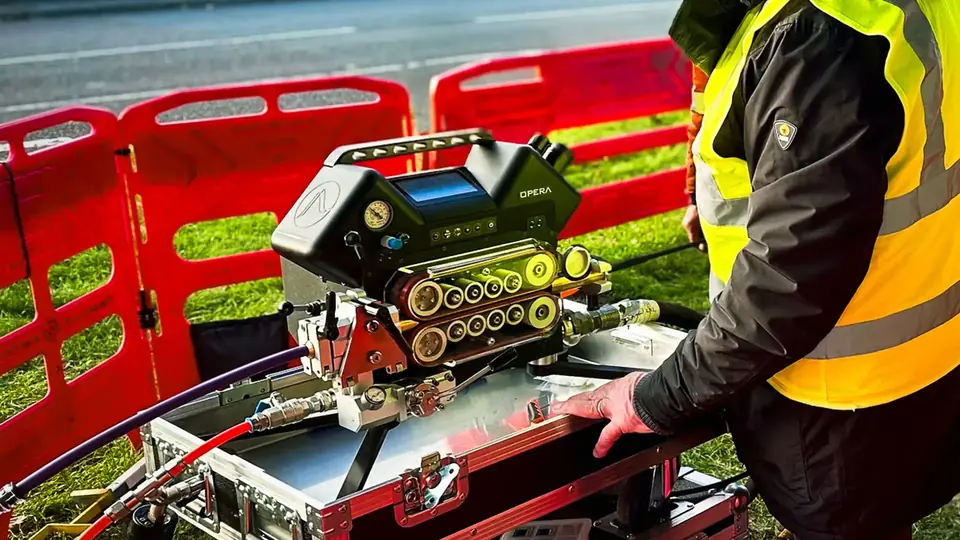
Opera, image 1 of 3
Expert advice direct from the manufacturer / Free demonstration on request
Some of our customers.

Keep your installation moving with Fibernet cable blowing machines.
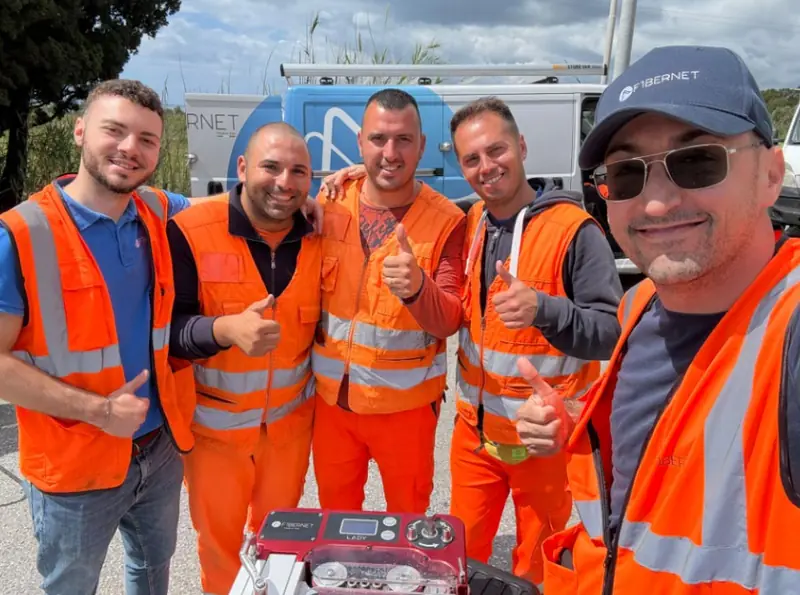
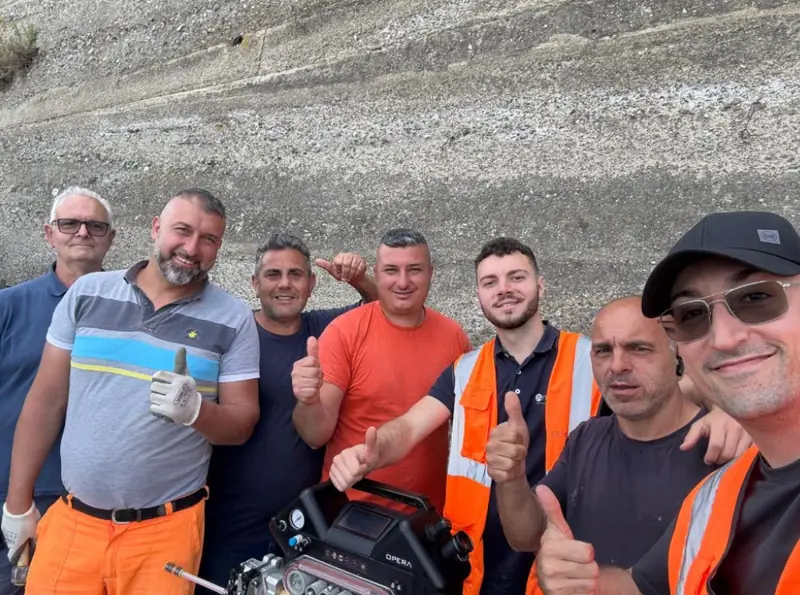
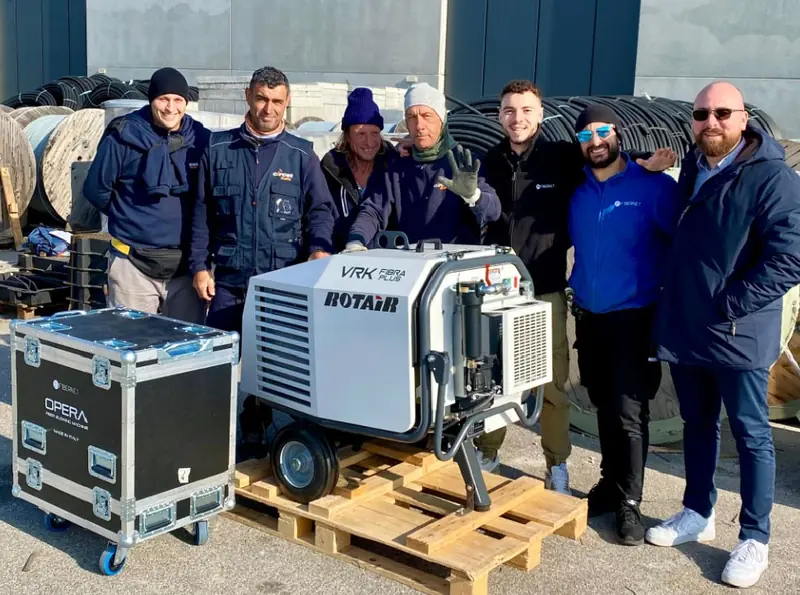
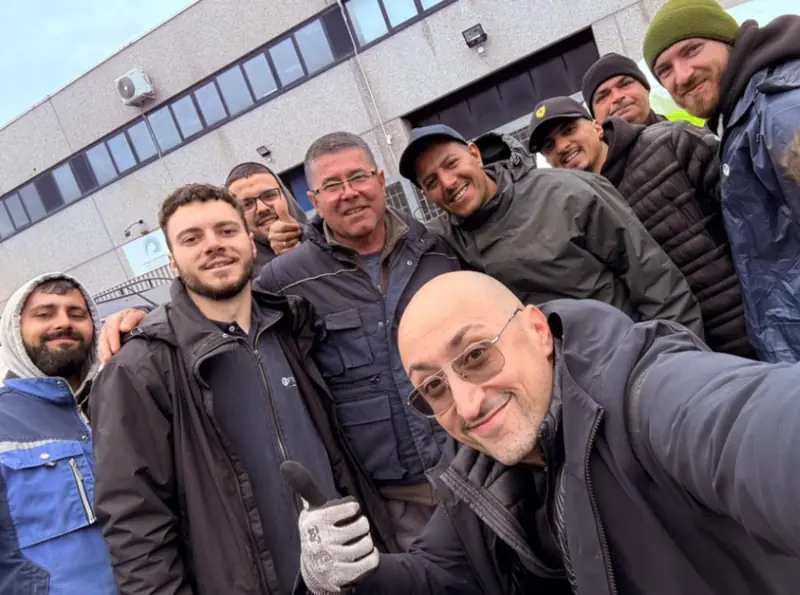
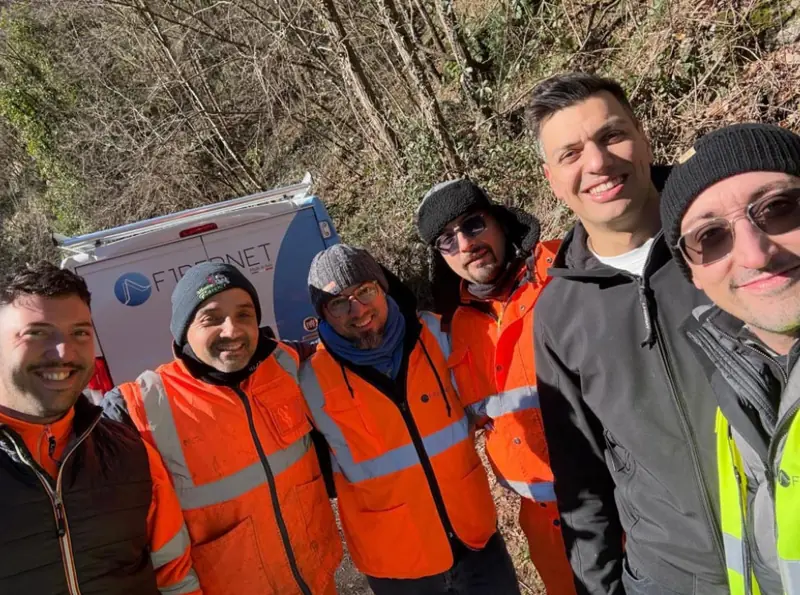
Photos and stories from installers, published by Fibernet.

 GoogleExcellentBased on 176 reviewsRead the reviews
Read on Google“An excellent experience on the installer training course. The whole team was professional and knowledgeable.”
Read on Google“I had the chance to try the Opera cable blowing machine on site…”
Read on Google“I really enjoyed this course. It took place in a pleasant setting with friendly, helpful people.”
Stories from installers
Hear the results from the installers themselves. Watch their testimonials right here.
Product videos
Three machines. Find your fit.
Start with the job at hand. Our technician can answer your questions about the right setup.
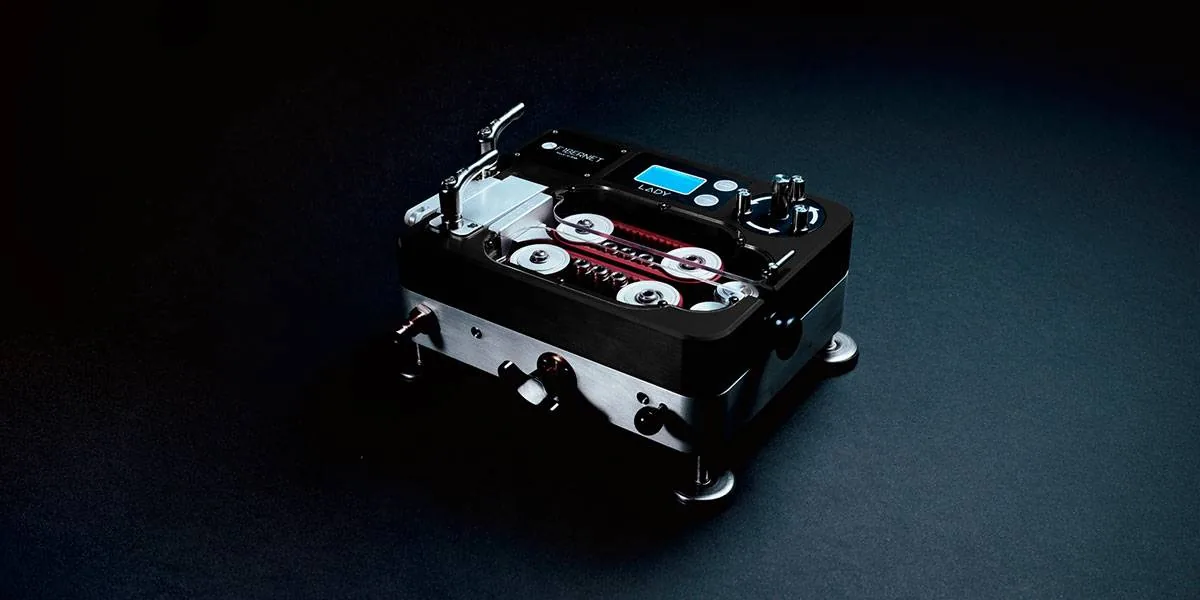
Compact and lightweight
A compact, lightweight machine for short runs.
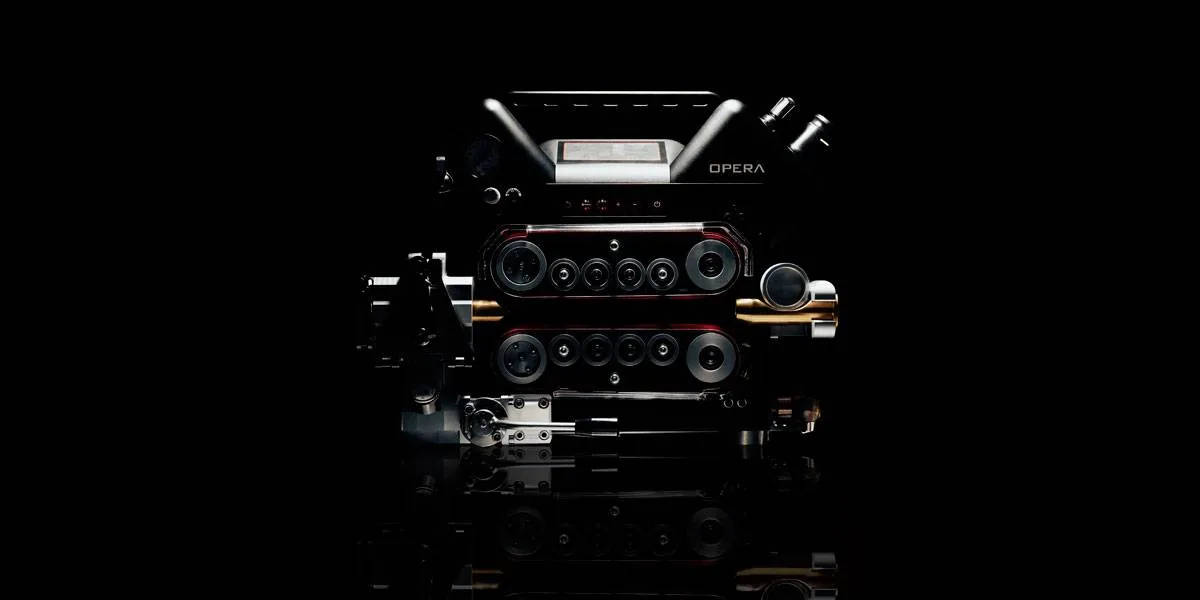
Pneumatic power
A pneumatic machine for long cable runs.
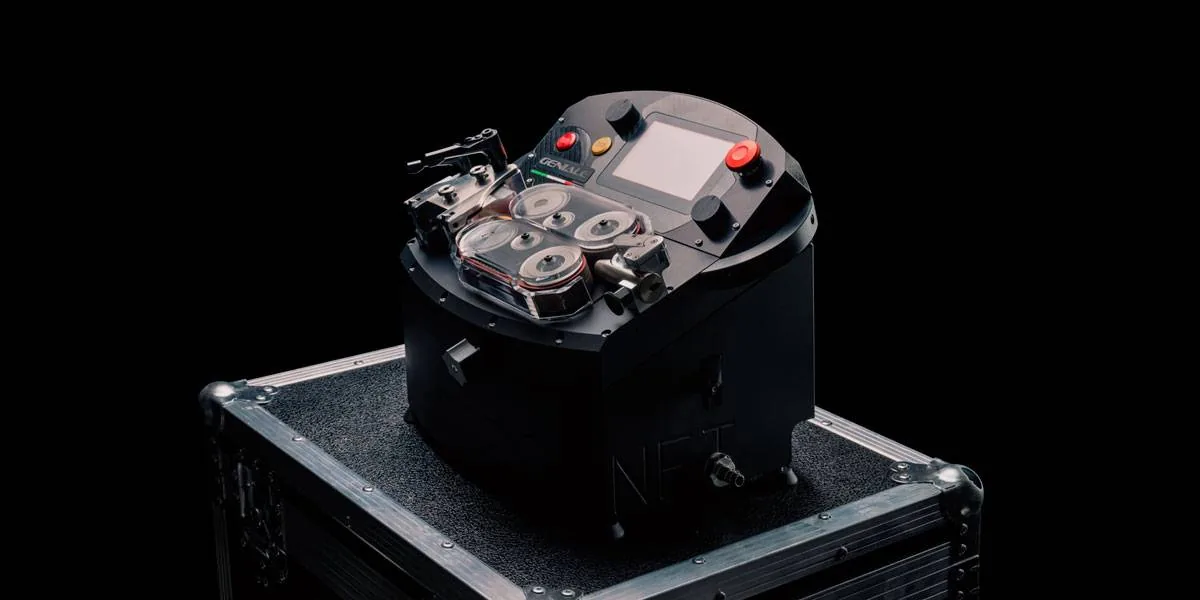
Electric, with two gears
For short and long runs. Two gears let you match force and speed to the job.
Specifications for the Fibernet range. The speeds shown are maximum values. Actual results depend on installation conditions and machine setup.
Direct from the manufacturer
When you’re working on site, you need practical answers. With Fibernet, you speak directly to the people who design and build your cable blowing machine.
Speak to a technicianA specialist technician can help when you need it.
Spare parts ready to ship, direct from the manufacturer.
If your machine breaks down, a replacement may be available within 48 hours.
Check availability and terms with your technician.Get help making the most of your machine, from your very first job.
See it in action before you choose
Request a free hands-on demonstration on your site or at Fibernet’s test facility. Discuss a real job with the technician.
Request a free demonstration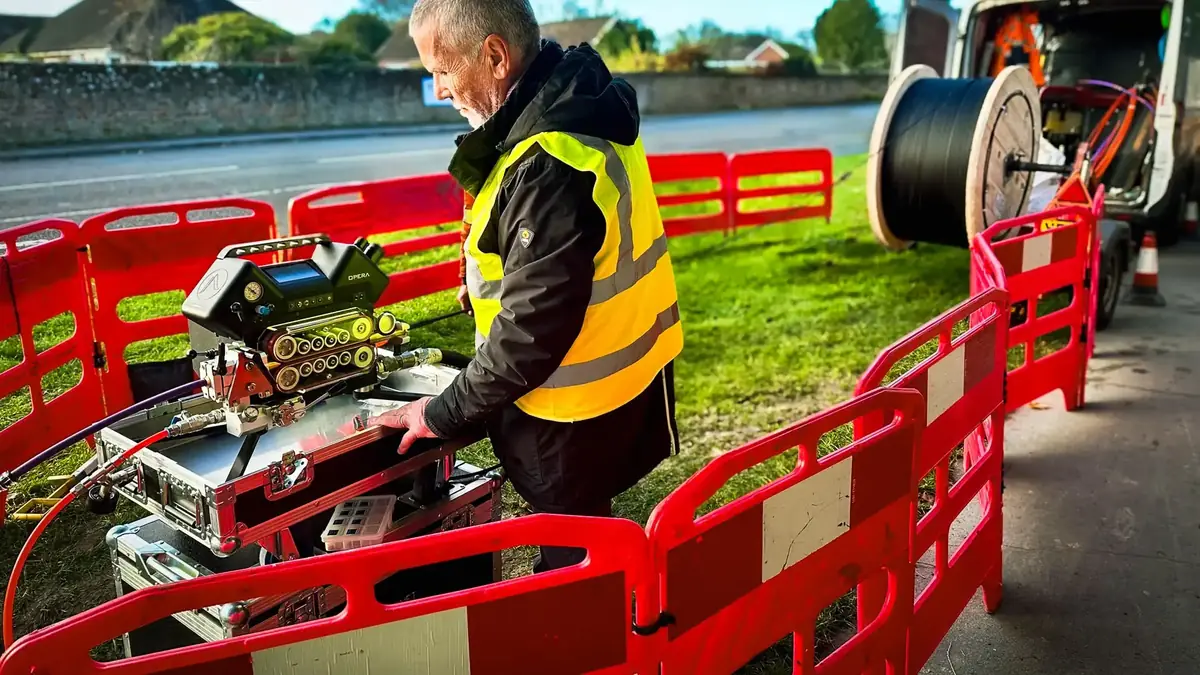
Choosing a compressed air fibre optic cable jetting machine starts with the relationship between the cable, the duct and the installation route. Contractors need equipment that suits the actual working conditions rather than a headline distance that may depend on very different circumstances. Cable diameter, duct internal diameter, cable stiffness, route geometry and the condition of the installed duct all influence how effectively a cable can advance. Fibernet welcomes enquiries from telecommunications companies and installation contractors seeking to discuss these requirements with an Italian manufacturer. Founded in 2001, the company brings a practical engineering background to cable blowing equipment, with its first machine, Lady, launched in 2021. For an informed discussion, provide the cable manufacturer's technical data, the duct specification and an outline of the intended route. Include the expected section lengths, changes in direction, access points and any known restrictions. These details help establish which questions need answering before equipment is selected. A cable jetting machine for fiber optic cable installation uses controlled mechanical feeding together with airflow through the duct to help advance the cable. The balance between these actions matters: excessive pushing can damage a cable, while unsuitable airflow or leakage can undermine progress. Operators therefore need to understand the permitted cable loading, the machine's operating limits and the correct adjustment procedure for the selected configuration. Compressor selection deserves equal attention. Pressure alone does not describe a compressor's suitability; available airflow at the required operating conditions, air treatment and connection arrangements must also be considered. Ask for the specific requirements of the proposed equipment rather than assuming that an existing compressor will be adequate. Duct preparation is another essential part of planning. Before blowing begins, the installation team should verify duct continuity, check the route for damage or obstruction and follow the applicable procedure for cleaning and proving the duct. Seals and guides must match the intended cable and duct sizes, and any lubricant should be compatible with the materials and the manufacturer's instructions. None of these checks guarantees a particular installation distance, but together they reduce avoidable uncertainty. When comparing a pneumatic fibre optic cable jetting machine with other equipment descriptions, clarify whether the term refers to the drive system, the use of compressed air in the duct, or both. Terminology alone is not enough to establish technical suitability. Contact Fibernet with your installation information to discuss the available equipment and request a proposal based on your application. A clear specification at the outset gives purchasing teams, supervisors and operators a shared basis for evaluating the machine before it reaches the worksite.
On a street works site, effective cable blowing depends on preparation and coordination as much as equipment selection. A compressed air fibre optic cable jetting machine should be incorporated into a working method that covers the cable drum, entry point, duct route and receiving location. Begin by positioning the equipment on a stable surface and arranging the cable feed so that it avoids unnecessary bends or abrasion. Confirm that the drum can rotate in a controlled manner and that the cable enters the machine in line with the manufacturer's guidance. The team should also establish clear communication between everyone involved, particularly where the receiving point is out of sight. Before connecting the air supply, inspect hoses, couplings and pressure-rated components for suitability and damage. Follow the equipment instructions for securing connections, setting controls and carrying out checks. Compressed air introduces hazards, so operators must use the required protective equipment, control access to the work area and release pressure safely before disconnecting components or opening the air path. Never attempt to overcome an unexplained blockage simply by increasing pressure or mechanical force. If cable movement becomes irregular, stop according to the operating procedure and investigate the cause. Possible issues include restricted duct sections, unsuitable seals, excessive resistance at the drum or a mismatch between the cable and the selected setup. A compressed air fibre optic cable blowing machine must be operated within its documented limits, with settings adjusted to the particular application rather than copied without review from a previous job. During the installation, record useful observations such as section length, operating settings, interruptions and the circumstances surrounding any slowdown. Where measurement facilities are available, use them in accordance with the equipment instructions. These records help supervisors distinguish recurring preparation problems from changes in route conditions. They also provide a more meaningful basis for planning similar work than a single maximum distance figure. Contractors managing several crews can benefit from a consistent pre-start checklist covering duct readiness, cable identification, compatible accessories, compressor arrangements and emergency procedures. Consistency should not mean ignoring differences between sites; it means making sure those differences are identified before work starts. When evaluating a fibre optic cable jetting machine, ask how routine cleaning, inspection and configuration changes are performed, and what information operators need before their first installation. Discuss consumable components and maintenance requirements before ordering so that routine wear does not become an unexpected interruption. Fibernet can be contacted with these operational questions alongside the technical details of the intended application. That conversation helps buyers assess the equipment in the context of daily work: preparing the setup, managing the cable feed, responding to resistance and leaving the machine ready for its next assignment.
For contractors purchasing cable blowing equipment, the initial quotation is only one part of the decision. A compressed air fibre optic cable jetting machine needs to fit the company's installation workload, available air supply, transport arrangements and maintenance capacity. Begin with a realistic picture of the projects you expect to undertake rather than selecting equipment for an exceptional scenario that rarely occurs. Identify the cable and duct sizes used most frequently, the typical route conditions and the number of crews that may need access to the machine. Then distinguish essential requirements from optional items. This makes it easier to request comparable proposals and understand what each quotation actually includes. A meaningful assessment of fibre optic cable jetting machine price should consider the proposed configuration, compatible guides and seals, necessary connections, documentation and any additional equipment required for operation. Ask which components are supplied as standard and which must be specified separately. Confirm commercial details such as delivery arrangements, payment terms, applicable taxes and the scope of any warranty directly with the supplier. For customers outside Italy, shipment requirements and import responsibilities should be clarified before an order is finalised. Buyers should also ask about spare parts identification, replacement procedures and the process for obtaining technical assistance. These questions are particularly important when a machine will work far from the purchaser's main workshop. Keeping suitable consumables available may help avoid delays, but stocking decisions should follow the actual machine specification and expected utilisation. Companies comparing a used fibre optic cable jetting machine with a new purchase should examine condition and completeness carefully. Wear in the feeding mechanism, missing size-specific components, incomplete maintenance records or unclear operating limits can change the practical value of an apparently attractive offer. Request evidence of the equipment's condition and verify that the configuration matches the intended application. These checks are general purchasing considerations and do not imply that Fibernet offers used equipment. Fibernet's identity is rooted in Italian technical experience and family continuity. Founder Giancarlo Trinei worked with early fibre installations in Italy during the 1980s, and the business began a generational transition in 2010 with Matteo, Marta and Ismael joining the company. The launch of Lady in 2021 marked a specific step into cable blowing machine development. For buyers, that background provides context for a direct conversation about engineering priorities and practical installation needs, rather than a substitute for checking specifications. English-speaking companies in Italy and overseas can approach Fibernet with a clear project brief and ask about suitable equipment, commercial terms and delivery possibilities. The objective is a purchasing decision supported by documented requirements, realistic operating expectations and an agreed understanding of what will be supplied.
Fill in the form and discover what Fibernet Srl can do for you!
Contact us!Before you get started
If you prefer, speak to us directly.
+39 346 652 9915Compare the cable diameter, duct diameter and installation distance. Lady is compact and lightweight for short runs. Opera is pneumatic and designed for long runs. Geniale is electric and handles both. A Fibernet technician can help you choose.
Yes. You can request a free hands-on demonstration on your site or at Fibernet’s test facility. Tell us what you need in the form and a technician will arrange it with you. Request a demonstration.
To get a price, contact a Fibernet adviser using the form or call +39 346 652 9915.
Fibernet offers direct technical support, spare parts ready to ship and dedicated training. If your machine breaks down, a replacement may be available. Ask your technician about availability and terms.
Tell us about your job. We’ll help you find the right cable blowing machine.