Emanuele Zanda
Google review
★★★★★
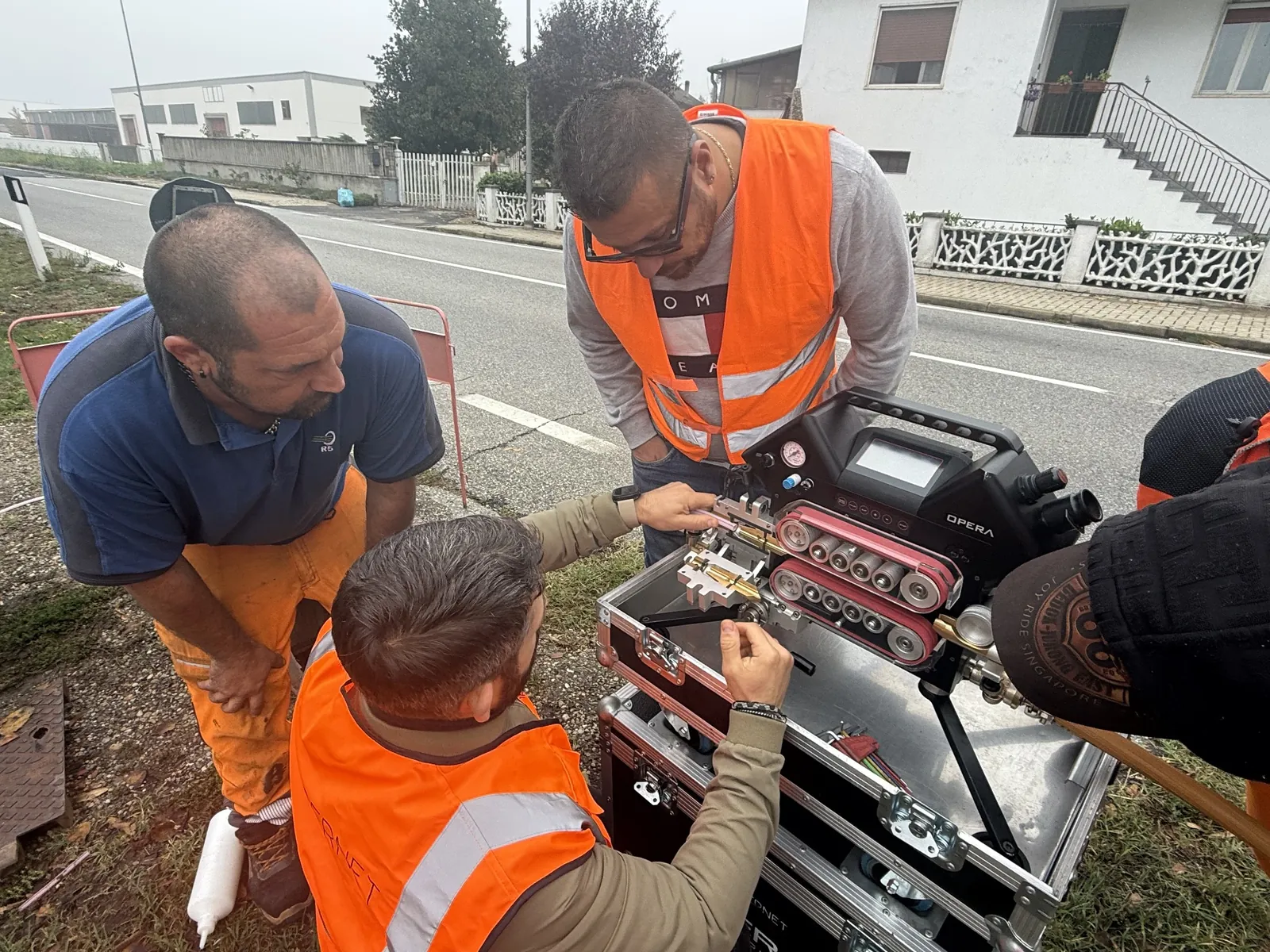
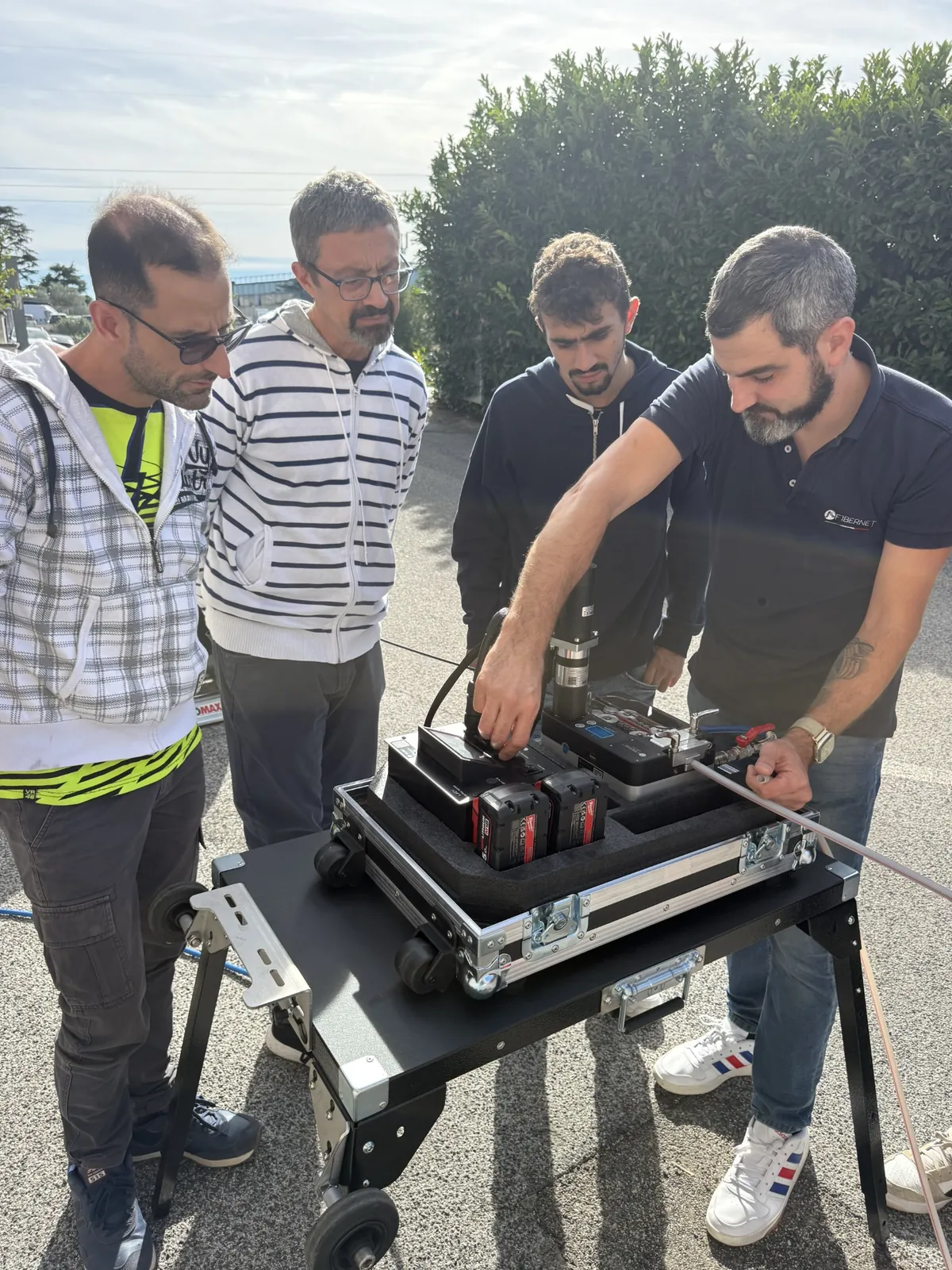
Read on Google“An excellent experience on the installer training course. The whole team was professional and knowledgeable.”
Cable blowing machines · Made in Italy
From last-mile connections to long-distance runs, a Fibernet technician can help you choose the right machine for your fibre optic cable installation.
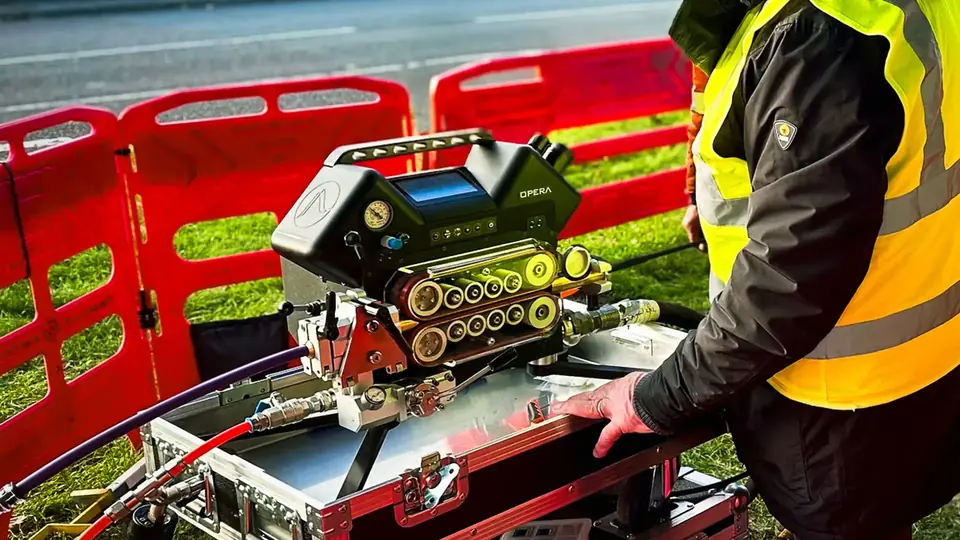
Opera, image 1 of 3
Expert advice direct from the manufacturer / Free demonstration on request
Some of our customers.

Keep your installation moving with Fibernet cable blowing machines.
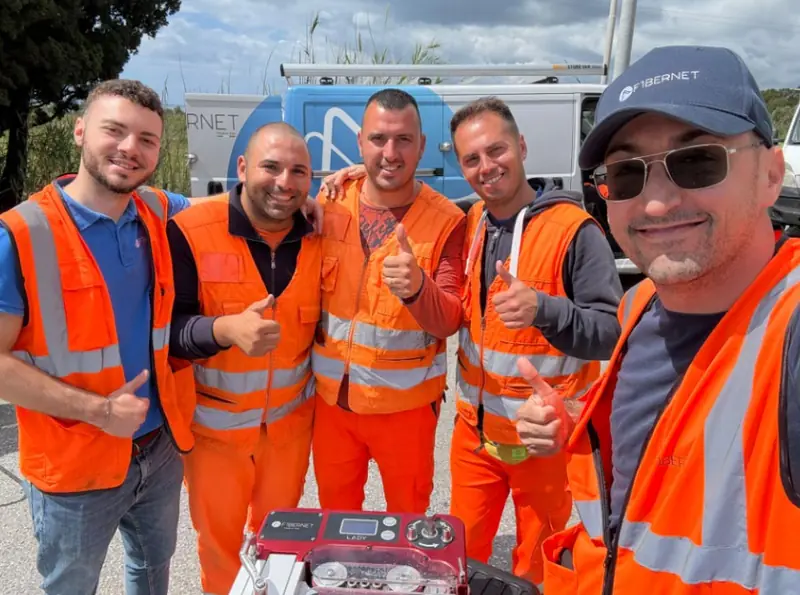
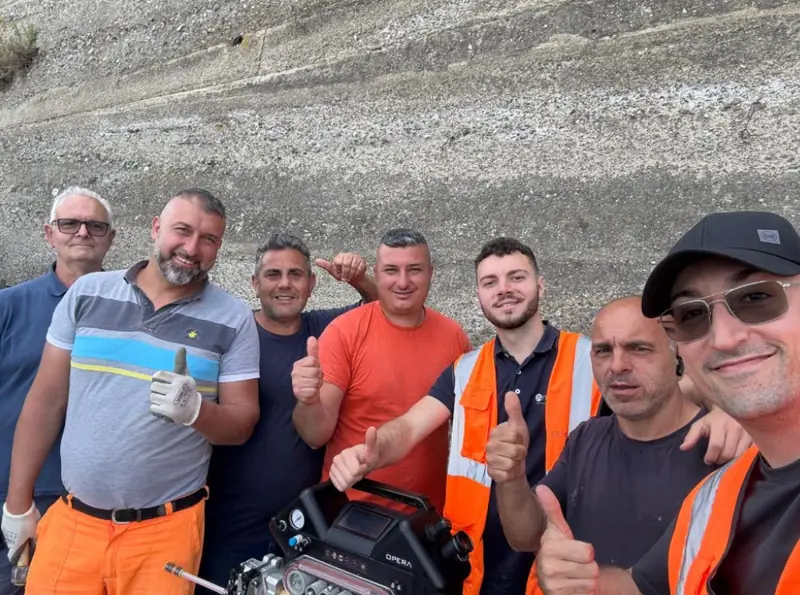
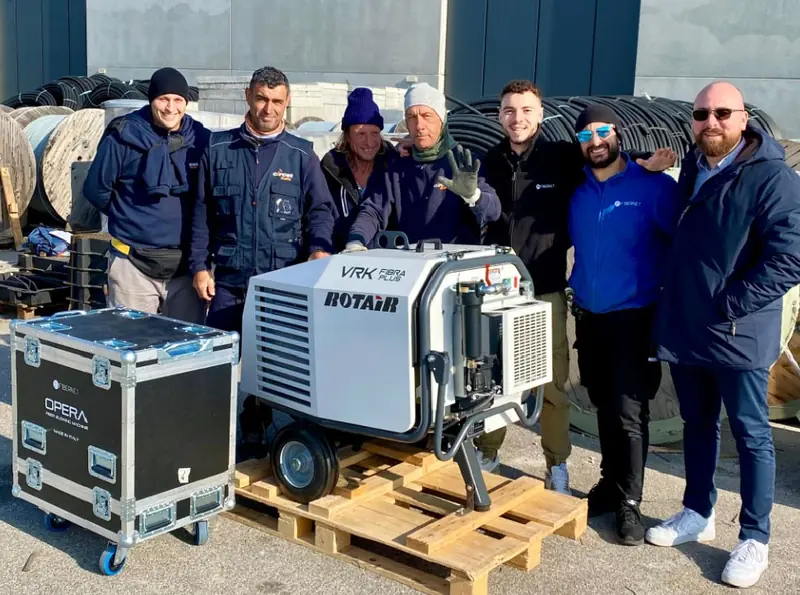
Photos and stories from installers, published by Fibernet.
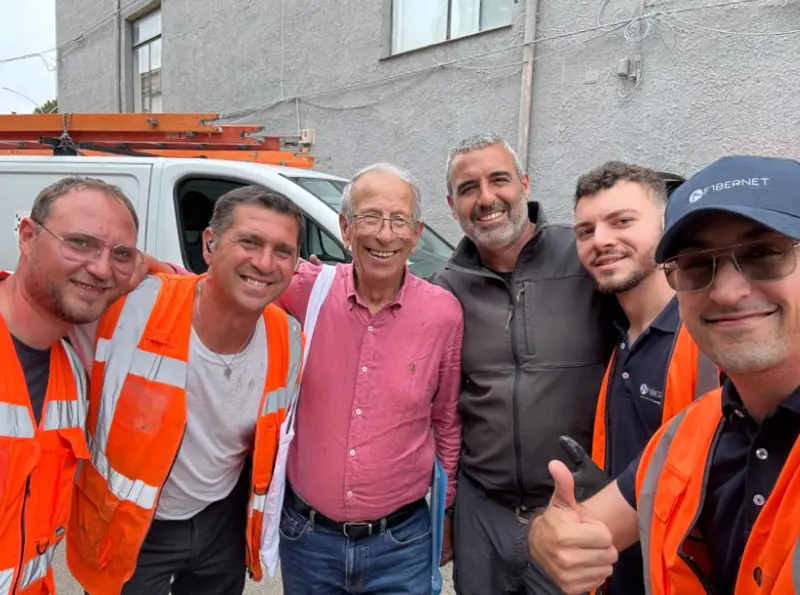
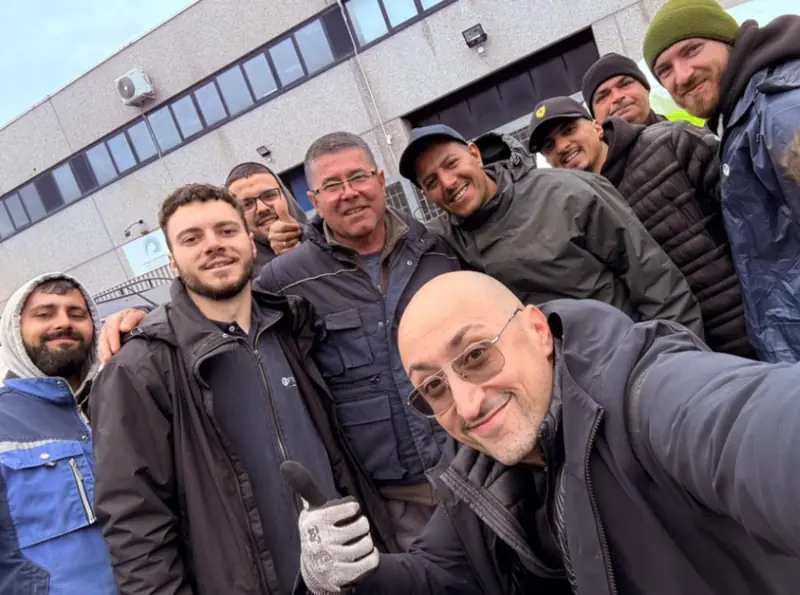
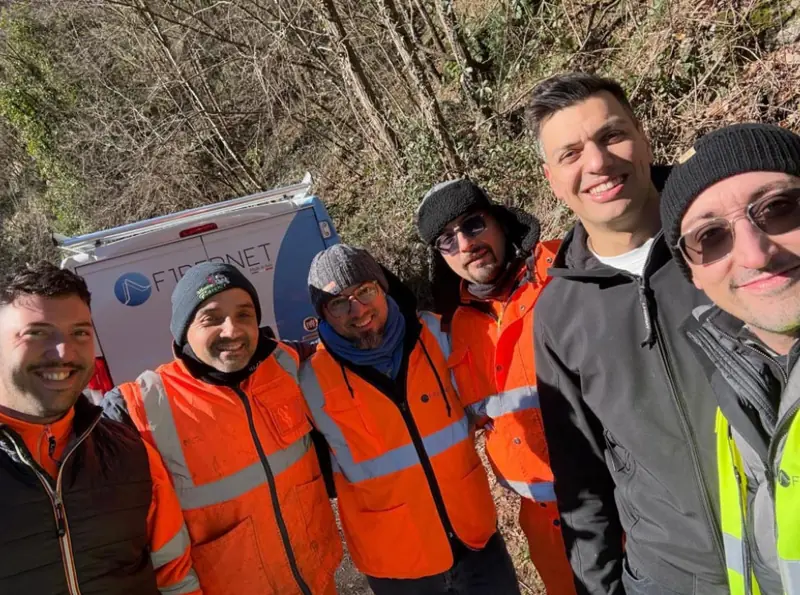 GoogleExcellentBased on 176 reviewsRead the reviews
Read on Google“An excellent experience on the installer training course. The whole team was professional and knowledgeable.”
Read on Google“I had the chance to try the Opera cable blowing machine on site…”
Read on Google“I really enjoyed this course. It took place in a pleasant setting with friendly, helpful people.”
Stories from installers
Hear the results from the installers themselves. Watch their testimonials right here.
Product videos
Three machines. Find your fit.
Start with the job at hand. Our technician can answer your questions about the right setup.
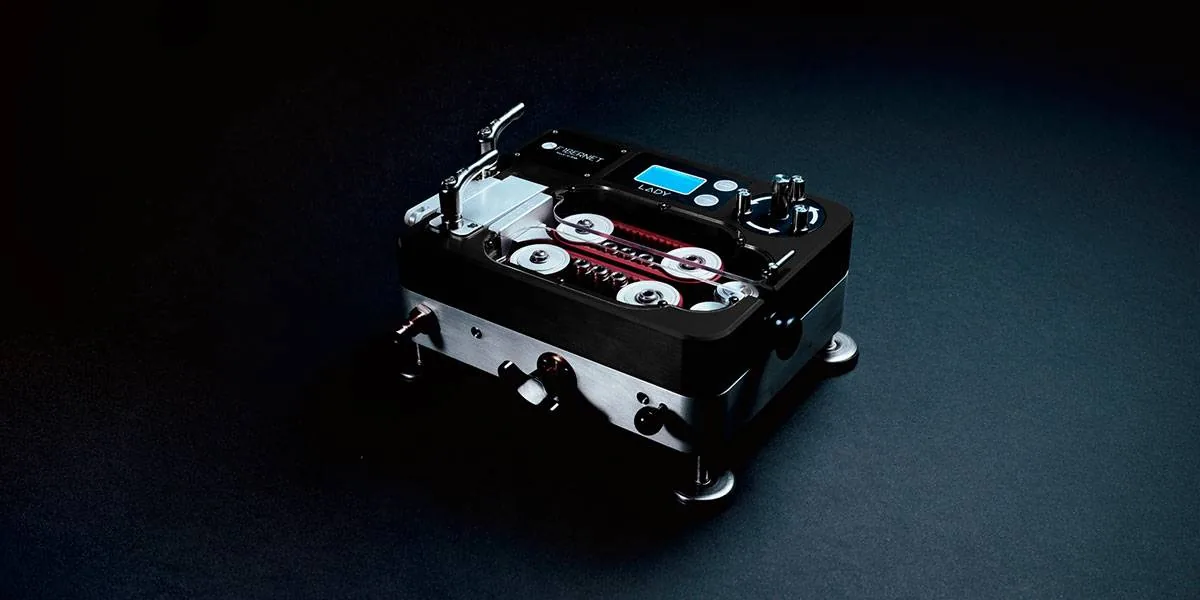
Compact and lightweight
A compact, lightweight machine for short runs.
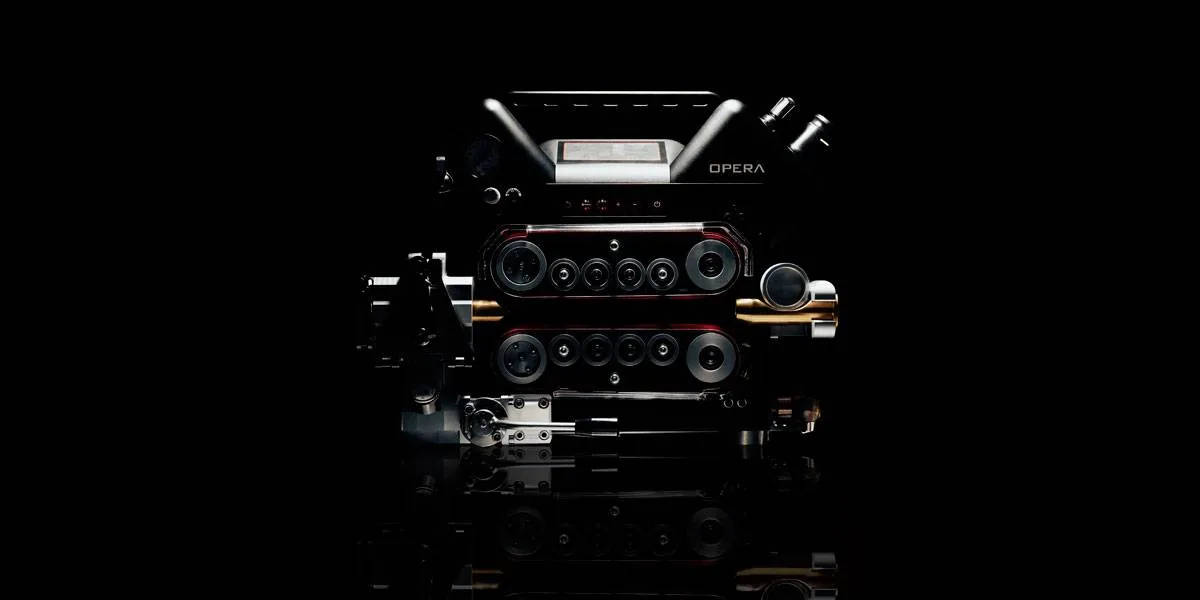
Pneumatic power
A pneumatic machine for long cable runs.
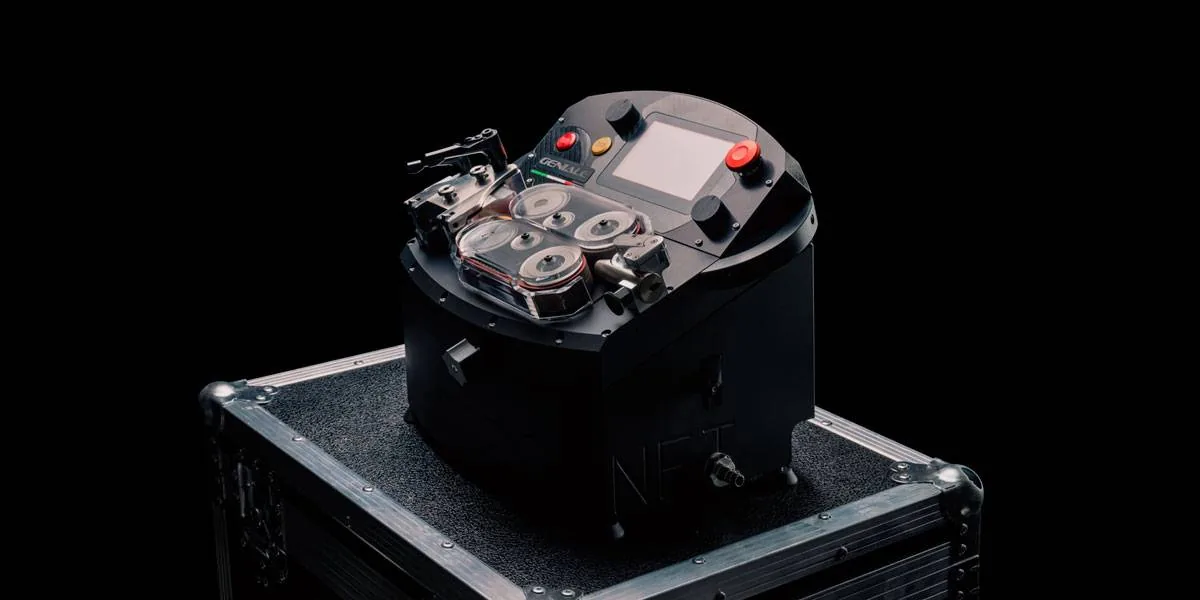
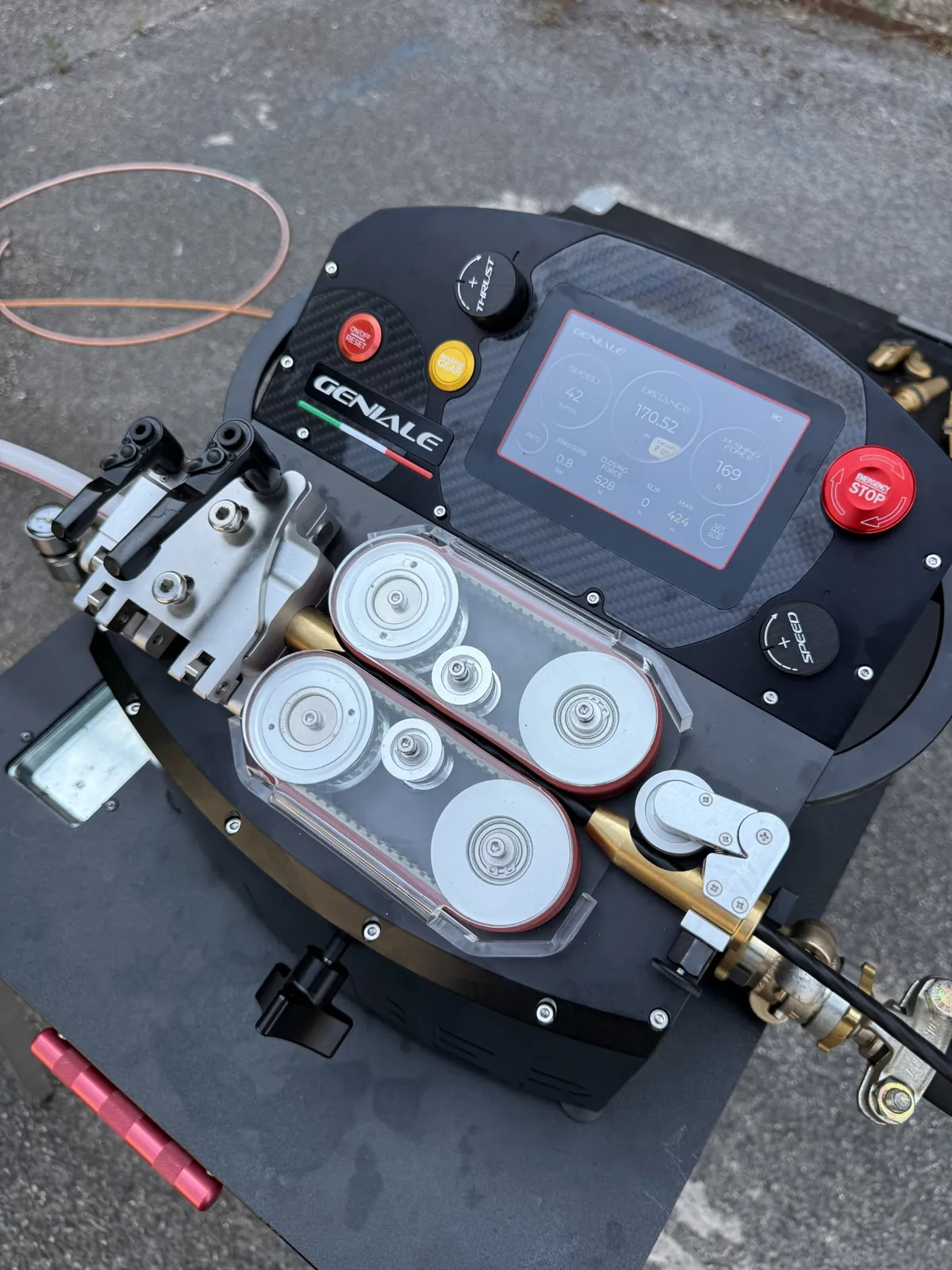
Electric, with two gears
For short and long runs. Two gears let you match force and speed to the job.
Specifications for the Fibernet range. The speeds shown are maximum values. Actual results depend on installation conditions and machine setup.
Direct from the manufacturer
When you’re working on site, you need practical answers. With Fibernet, you speak directly to the people who design and build your cable blowing machine.
Speak to a technicianA specialist technician can help when you need it.
Spare parts ready to ship, direct from the manufacturer.
If your machine breaks down, a replacement may be available within 48 hours.
Check availability and terms with your technician.Get help making the most of your machine, from your very first job.
See it in action before you choose
Request a free hands-on demonstration on your site or at Fibernet’s test facility. Discuss a real job with the technician.
Request a free demonstration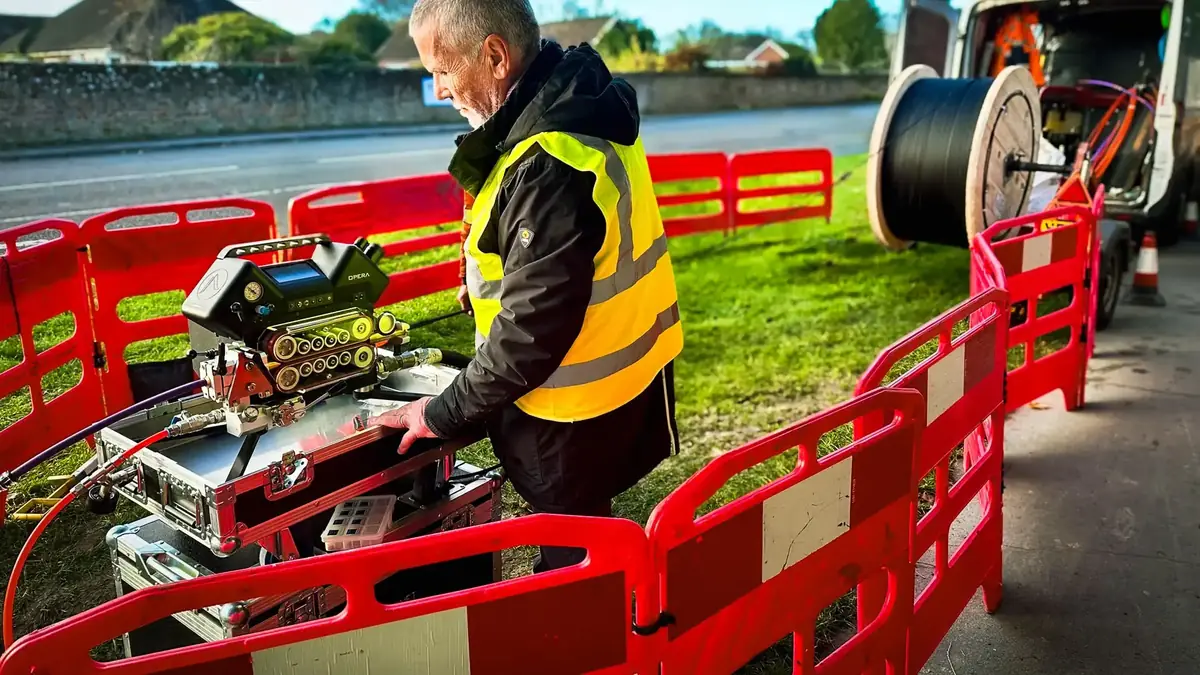
Choosing a compressed air fibre optic cable blowing machine starts with the cable, the duct and the conditions your installation team will encounter on site. Telecommunications contractors need equipment that suits their working environment, rather than a decision based solely on a headline speed or an advertised installation distance. Cable diameter, cable construction, duct internal diameter, route geometry and available compressor output all influence the suitability of a proposed configuration. Fibernet welcomes enquiries from companies in Italy and international contractors seeking a technically informed discussion about cable blowing equipment. Sharing these details at the beginning helps establish a clear basis for selecting a machine and identifying the accessories that need to be considered alongside it. A cable blowing machine for fiber optic cable installation uses a controlled feeding mechanism together with compressed airflow to advance the cable through a suitable duct. The feeding mechanism introduces the cable, while the moving air helps carry it along the route. The relationship between these forces matters: excessive pushing can damage or buckle a cable, while insufficient airflow can limit progress. Before selecting equipment, check the cable manufacturer's installation limits and the machine's documented operating requirements. Pressure alone does not establish whether a compressor is suitable; the available airflow under working conditions also needs attention. Contractors should therefore provide compressor specifications instead of relying only on the pressure shown on a gauge. Route preparation deserves equal consideration. Duct continuity, cleanliness, sealing and the condition of connections can affect the result even when the machine itself is correctly selected. Changes in direction, gradients and accumulated friction introduce further variables, so installation distance should always be assessed against the actual route. A practical enquiry should include the expected section lengths, the number and severity of bends, and any known restrictions at access points. Photographs or drawings can help explain working conditions that are difficult to describe in a short equipment request. When comparing a pneumatic fibre optic cable blowing machine with other configurations, ask which functions are pneumatically driven and which utilities are required. Compressed air used to propel a cable does not automatically mean that every machine function is powered pneumatically. Clarifying this distinction avoids misunderstandings when planning site power and compressor provision. Fibernet's approach is grounded in practical technical experience and the development of its own cable blowing equipment, including the launch of Lady in 2021. For a relevant discussion, send your cable and duct dimensions, compressor details and typical project conditions. This gives the team a useful starting point for discussing suitability, operating requirements and the scope of a quotation without making unsupported assumptions about performance.
An equipment quotation is most useful when it reflects the complete setup required for your projects. A compressed air fibre optic cable blowing machine should be evaluated together with its compatible cable guides, duct connections, seals, operating requirements and maintenance provisions. Items that appear secondary during procurement can become essential when the installation team reaches the worksite. Before comparing proposals, distinguish between components included as standard, accessories selected for a particular cable diameter and equipment that your company must provide separately. This makes the commercial comparison clearer and reduces the risk of purchasing a configuration that needs unexpected additions before it can be used. When assessing fibre optic cable blowing machine price, look beyond the initial figure and ask what the quotation actually covers. Relevant questions include the specified application range, any configuration changes needed between cable sizes, the documentation supplied and the availability of replacement wear components. Compressor requirements also affect the overall budget, particularly if your existing equipment cannot deliver the documented airflow at the required operating pressure. Transport arrangements, delivery destination and applicable import procedures should be clarified for international orders. These details do not determine the machine's technical capability, but they can materially affect purchasing decisions and mobilisation planning. Worksite preparation provides another opportunity to improve efficiency without relying on ambitious performance promises. Position the cable drum so that cable enters the machine along a suitable path, following the equipment instructions and the cable manufacturer's handling limits. Check that the duct connection is secure and that hoses, fittings and pressure ratings are appropriate for the intended setup. Establish clear communication between personnel at the feeding point and the receiving point. Before work begins, the team should understand the stopping procedure and know which observations require an immediate pause. Consistent checks are more valuable than trying to maintain a high feed rate through an uncertain section. Companies considering fibre optic cable blowing machine rental as an alternative to ownership should first assess how often the equipment will be deployed and how predictable their projects are. Occasional installations and regular multi-site operations create different procurement priorities. However, rental availability must be confirmed with the relevant supplier; it should not be assumed from a manufacturer's product presentation. For a purchase enquiry to Fibernet, explain your expected frequency of use, typical cable sizes and the conditions in which crews operate. Ask for clarification of the proposed configuration, maintenance instructions, commercial terms and delivery arrangements before placing an order. A documented equipment specification supports a more reliable comparison and gives purchasing staff and site supervisors a shared understanding of what is being supplied. The objective is a workable installation setup matched to your jobs, rather than simply the lowest initial equipment cost.
Fibernet was established in 2001 with a technical foundation shaped by founder Giancarlo Trinei's experience dating back to the early years of optical cable installation in Italy. That practical background informs the company's ambition to develop equipment that addresses real working challenges. The launch of Lady, its first cable blowing machine, in 2021 marked an important step in this development. For contractors evaluating a compressed air fibre optic cable blowing machine, speaking with the company behind the equipment creates an opportunity to explain application requirements directly and obtain clarification before making a purchasing decision. The discussion should focus on documented suitability rather than assumptions based on a product name or a broad machine category. Fibernet remains a family business, with Matteo, Marta and Ismael joining the company as part of the generational transition that began in 2010. Its ambition combines Italian manufacturing identity with an international outlook. For customers outside Italy, useful early questions concern the equipment configuration offered for their market, the language of available documentation and the practical arrangements for shipment. Request confirmation of delivery terms, destination requirements and any documentation needed for importation. These points are particularly important when purchasing equipment for a scheduled installation programme, because an otherwise suitable machine must also arrive with the correct accessories and supporting information. Technical comparisons should distinguish the source of cable propulsion from the drive used by the feeding mechanism. For example, an electric fibre optic cable blowing machine may still require a compressor to provide the airflow that carries the cable through the duct. The electrical drive and compressed air perform different roles, and their requirements need to be evaluated separately. Ask for the relevant power supply specifications, compressor requirements and operating limitations for the exact model under consideration. This avoids planning a site around an incomplete understanding of how the equipment works. If you are also considering a used fibre optic cable blowing machine, assess condition and completeness as carefully as purchase price. Previous maintenance, wear in the feeding components, seal condition, compatible fittings and the availability of operating instructions can all influence whether the machine is suitable for your work. Do not assume that a second-hand unit includes every part required for your cable and duct combination. Equally, do not assume that Fibernet supplies used machines without obtaining confirmation. For a direct enquiry about Fibernet equipment, prepare a concise technical brief covering cable diameters, duct dimensions, typical route lengths, compressor capacity and intended destination. Include any constraints involving transport, access or available site power. This allows a focused conversation about the proposed setup, the information still needed and the next steps towards a quotation aligned with your installation requirements.
Fill in the form and discover what Fibernet Srl can do for you!
Contact us!Before you get started
If you prefer, speak to us directly.
+39 346 652 9915Compare the cable diameter, duct diameter and installation distance. Lady is compact and lightweight for short runs. Opera is pneumatic and designed for long runs. Geniale is electric and handles both. A Fibernet technician can help you choose.
Yes. You can request a free hands-on demonstration on your site or at Fibernet’s test facility. Tell us what you need in the form and a technician will arrange it with you. Request a demonstration.
To get a price, contact a Fibernet adviser using the form or call +39 346 652 9915.
Fibernet offers direct technical support, spare parts ready to ship and dedicated training. If your machine breaks down, a replacement may be available. Ask your technician about availability and terms.
Tell us about your job. We’ll help you find the right cable blowing machine.