Emanuele Zanda
Google review
★★★★★
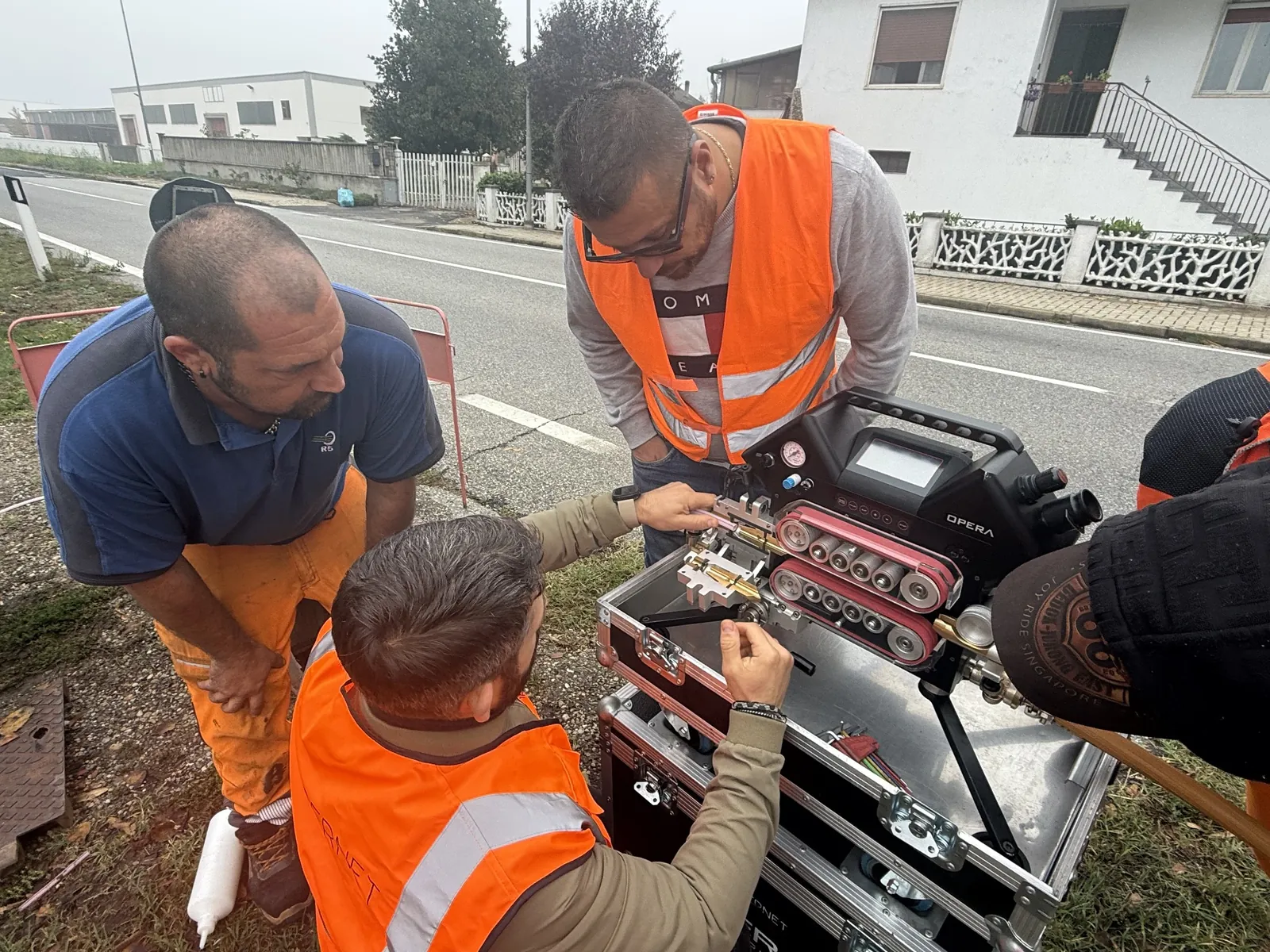
Read on Google“An excellent experience on the installer training course. The whole team was professional and knowledgeable.”
Cable blowing machines · Made in Italy
From last-mile connections to long-distance runs, a Fibernet technician can help you choose the right machine for your fibre optic cable installation.
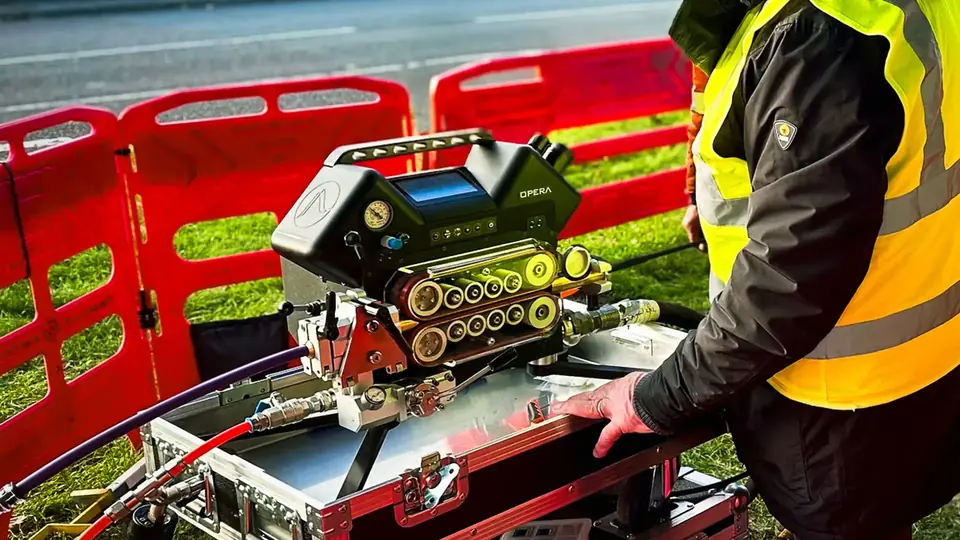
Opera, image 1 of 3
Expert advice direct from the manufacturer / Free demonstration on request
Some of our customers.

Keep your installation moving with Fibernet cable blowing machines.
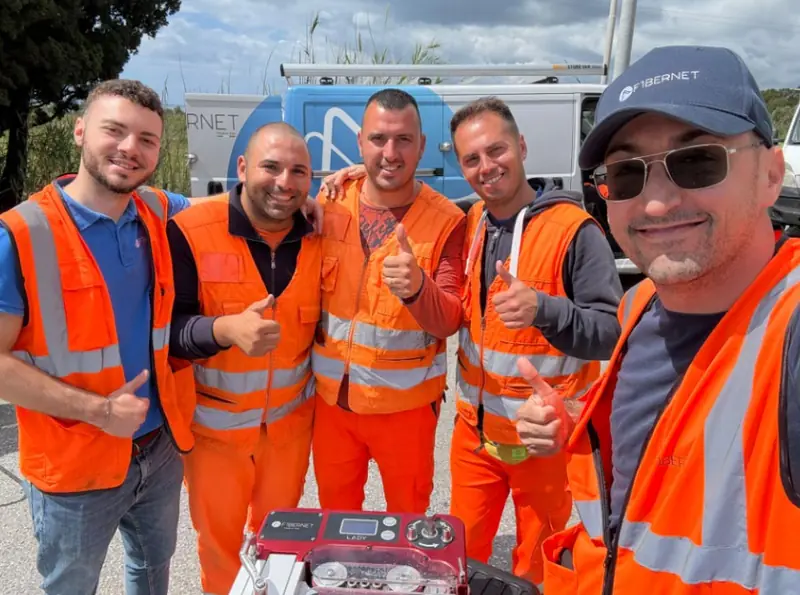
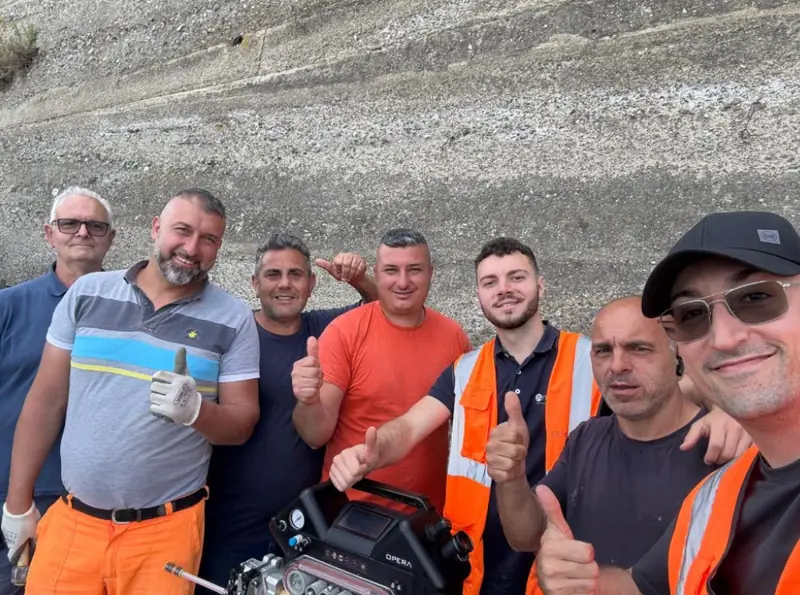
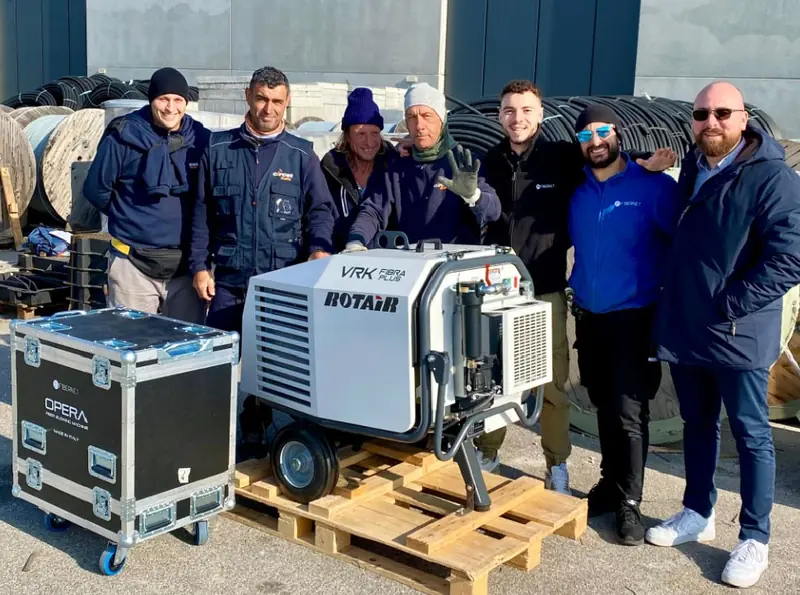
Photos and stories from installers, published by Fibernet.
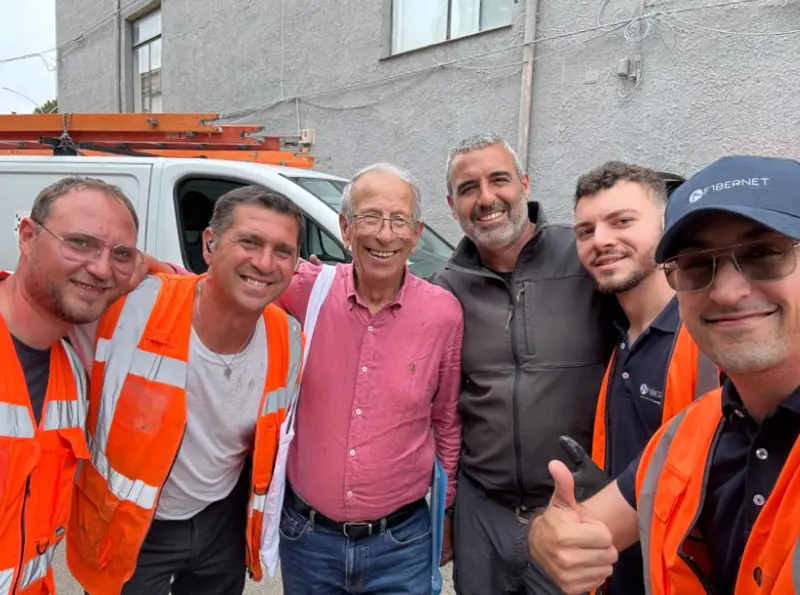
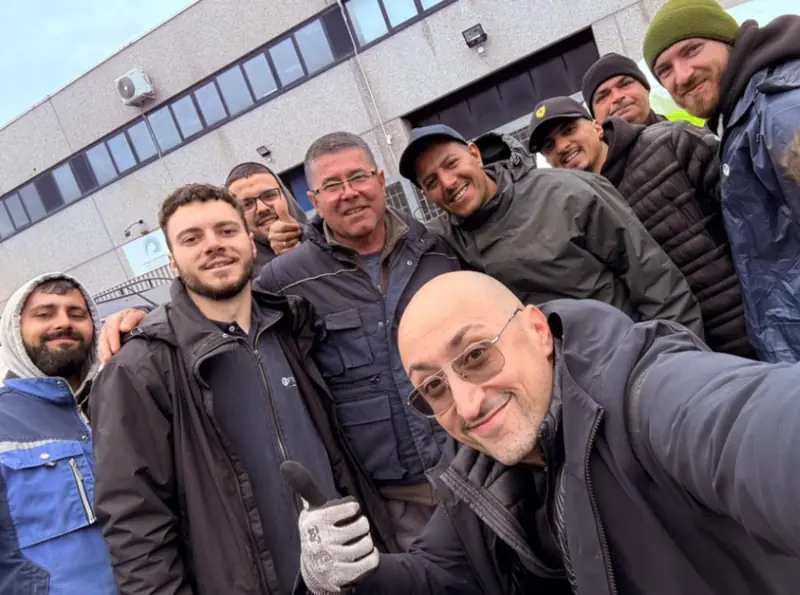
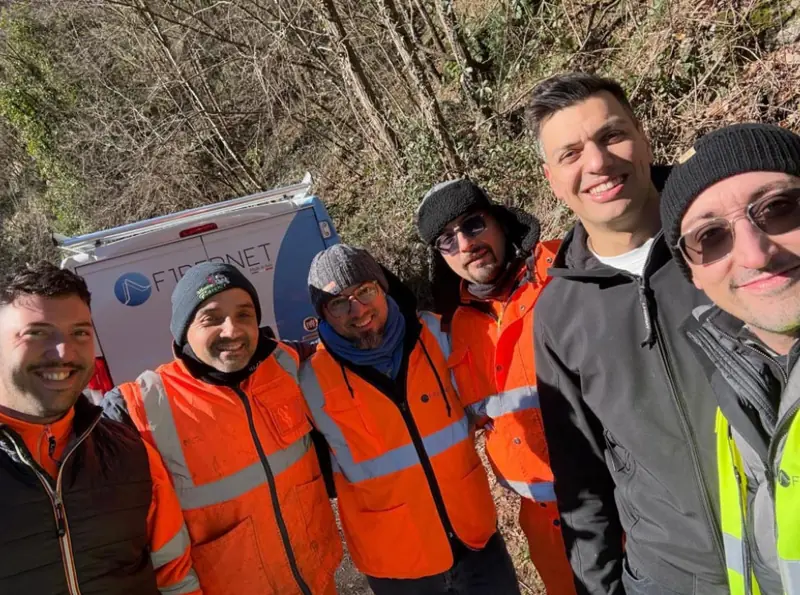 GoogleExcellentBased on 176 reviewsRead the reviews
Read on Google“An excellent experience on the installer training course. The whole team was professional and knowledgeable.”
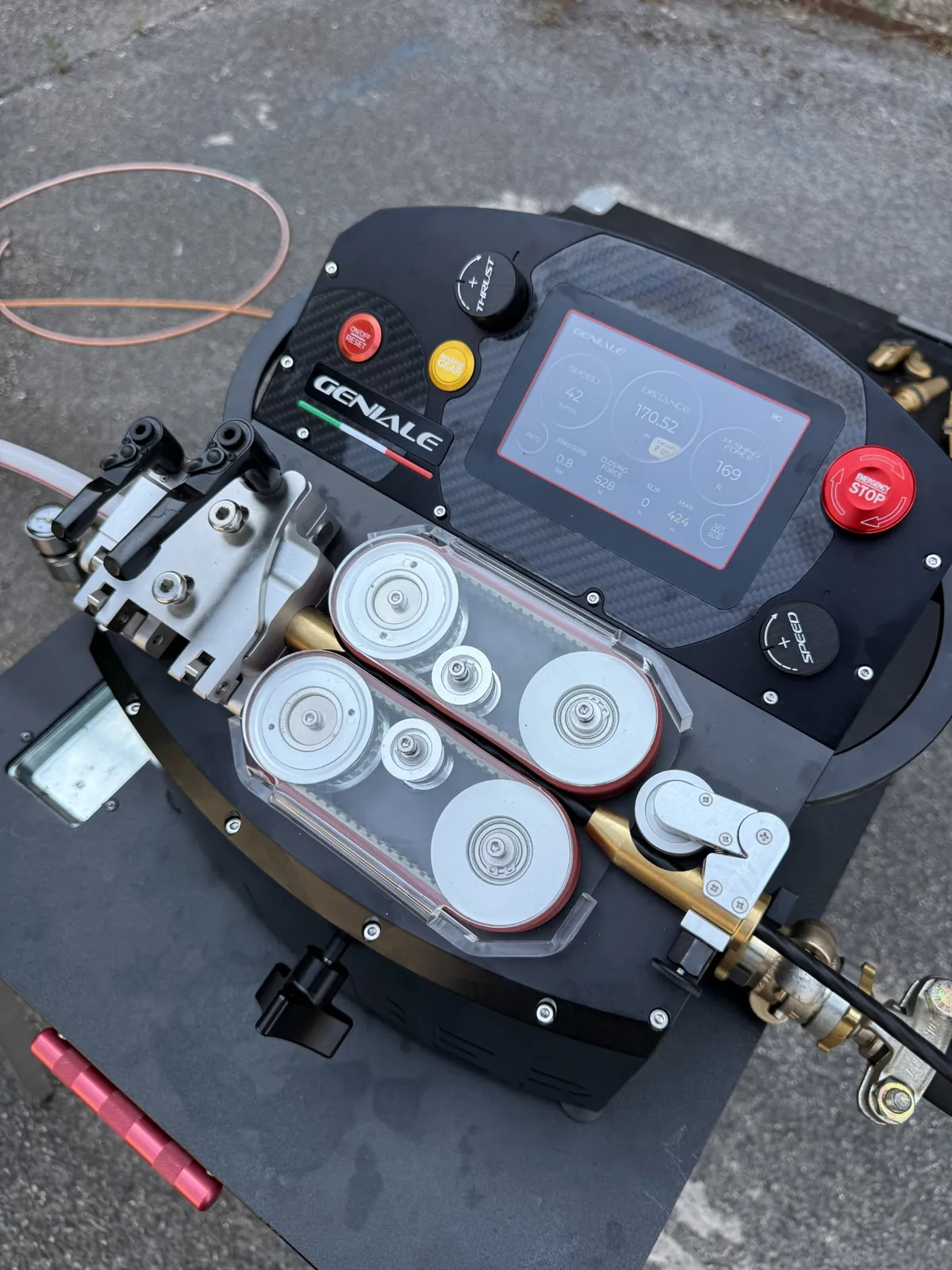
Read on Google“I had the chance to try the Opera cable blowing machine on site…”
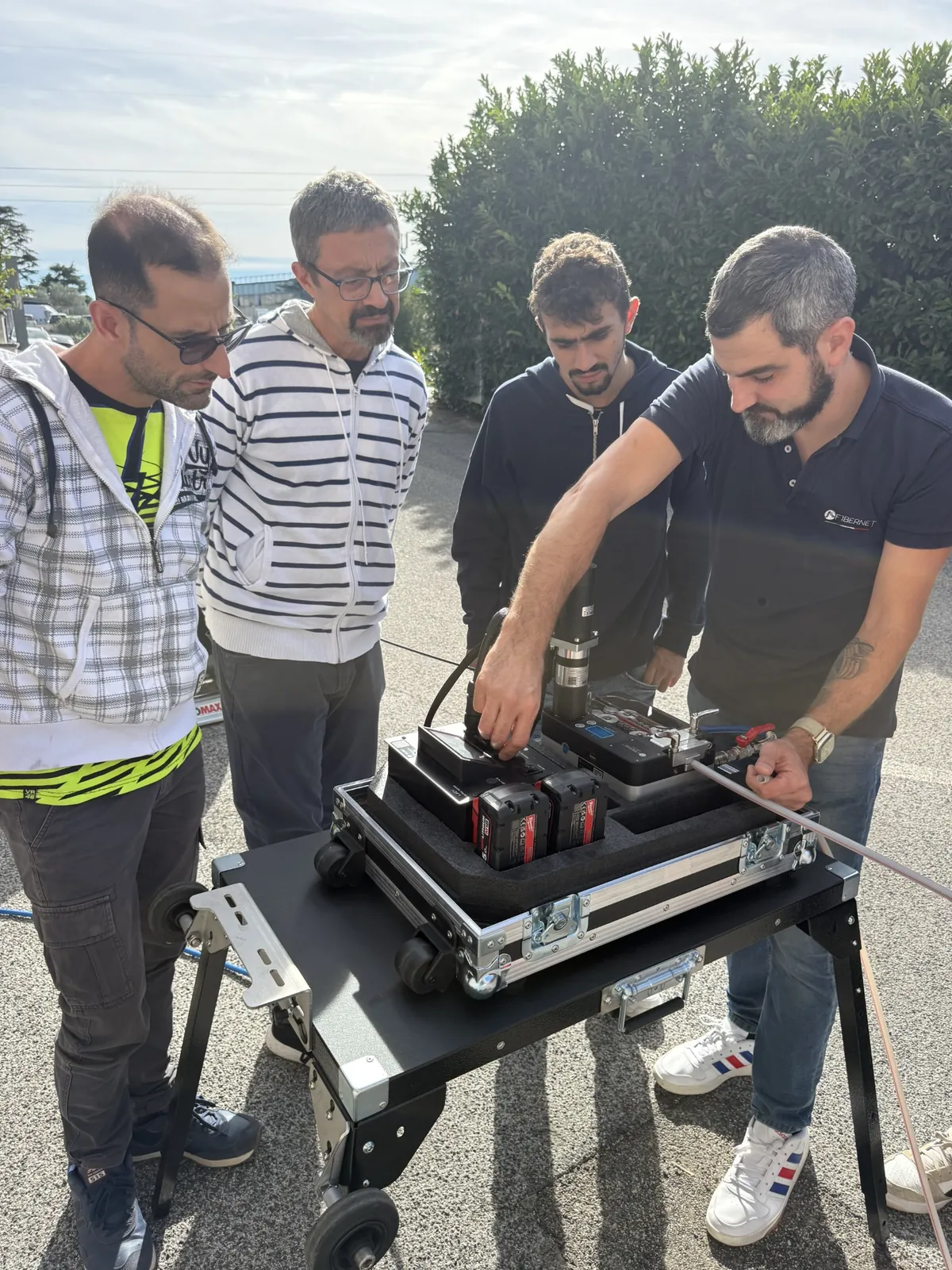
Read on Google“I really enjoyed this course. It took place in a pleasant setting with friendly, helpful people.”
Stories from installers
Hear the results from the installers themselves. Watch their testimonials right here.
Product videos
Three machines. Find your fit.
Start with the job at hand. Our technician can answer your questions about the right setup.
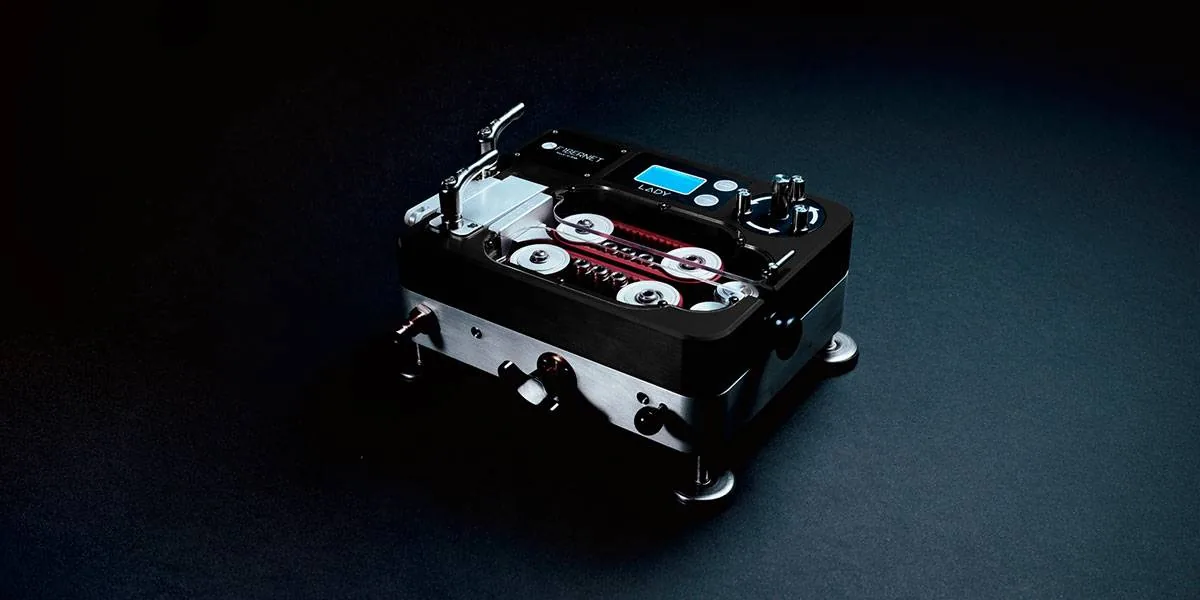
Compact and lightweight
A compact, lightweight machine for short runs.
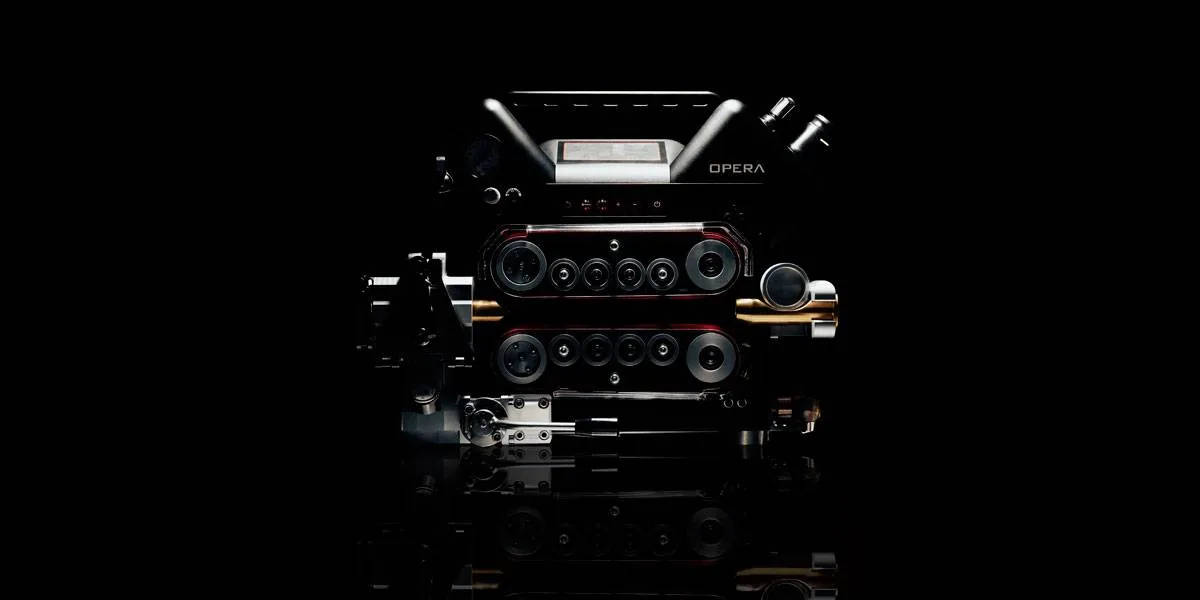
Pneumatic power
A pneumatic machine for long cable runs.
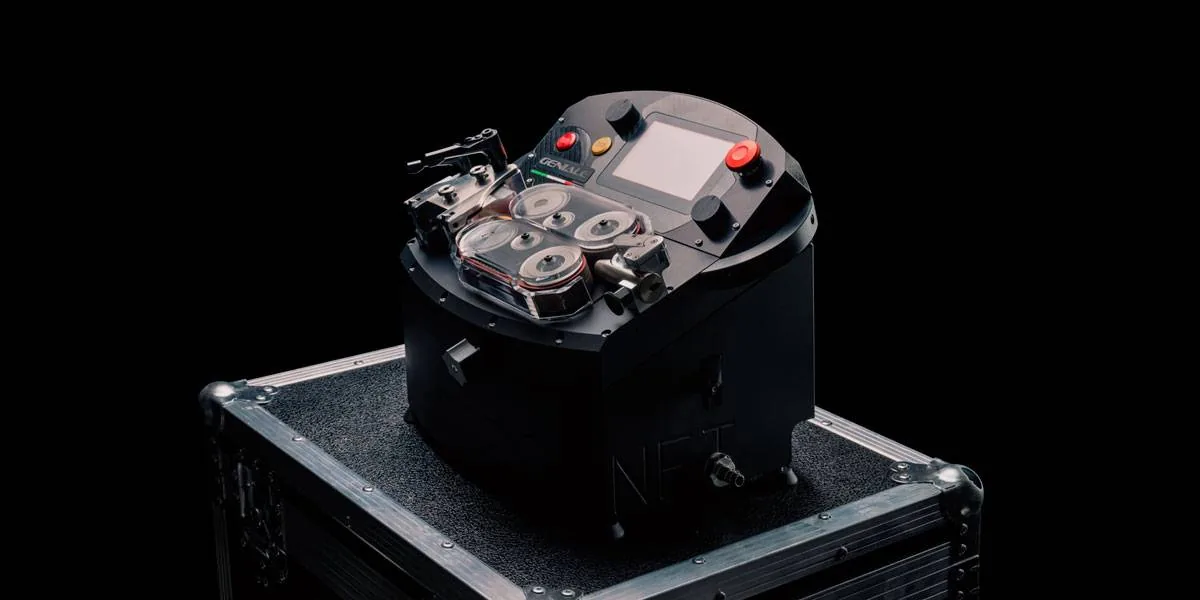
Electric, with two gears
For short and long runs. Two gears let you match force and speed to the job.
Specifications for the Fibernet range. The speeds shown are maximum values. Actual results depend on installation conditions and machine setup.
Direct from the manufacturer
When you’re working on site, you need practical answers. With Fibernet, you speak directly to the people who design and build your cable blowing machine.
Speak to a technicianA specialist technician can help when you need it.
Spare parts ready to ship, direct from the manufacturer.
If your machine breaks down, a replacement may be available within 48 hours.
Check availability and terms with your technician.Get help making the most of your machine, from your very first job.
See it in action before you choose
Request a free hands-on demonstration on your site or at Fibernet’s test facility. Discuss a real job with the technician.
Request a free demonstration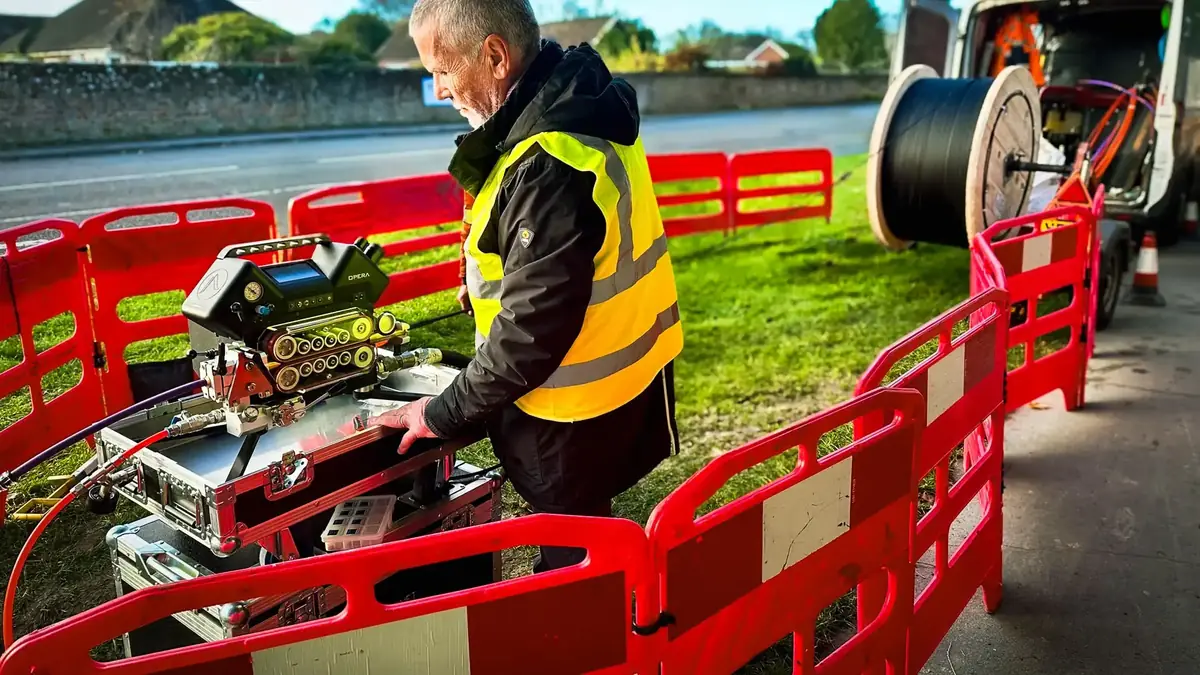
Choosing a compressed air fiber blowing machine starts with the installation you need to complete, rather than an isolated speed figure. Telecommunications companies and installation contractors need equipment that suits their cable dimensions, duct characteristics and working conditions. Fibernet, established in Italy in 2001, brings a longstanding technical background to this discussion. The company introduced its first cable blowing machine, Lady, in 2021, building on the practical experience of founder Giancarlo Trinei. For teams preparing installations in Italy, an informed equipment enquiry should bring together the cable specification, duct information and available compressed air supply before any configuration is selected. These details help establish whether a proposed solution is appropriate for the actual job. During blowing, compressed air travels through the duct and transfers force to the cable along its length. Depending on the equipment configuration, a mechanical feeding mechanism also helps introduce the cable into the duct. Successful operation depends on the relationship between these forces, the cable properties and the route resistance. A compressed air fiber cable blowing machine should therefore be assessed as part of a complete installation arrangement, including the compressor, connecting hoses, seals and any required cable guidance. Ask which components are included in the proposed supply and which must be sourced separately. This prevents an apparently straightforward purchase from becoming a collection of unresolved compatibility questions on site. Cable outside diameter and duct internal diameter are essential starting points, but they do not tell the whole story. Cable stiffness, sheath condition, bends, changes in elevation and duct continuity can all influence the result. Contractors should also establish whether the duct has been checked for obstructions and whether its connections are suitable for the intended operating conditions. Neither increased pressure nor a stronger feeding force should be treated as a universal answer to installation resistance. Equipment instructions, cable limits and duct ratings must guide the operating approach, with pressure released safely before connections are opened or adjustments are made. When discussing a fiber optic cable blowing machine with Fibernet, provide the relevant cable and duct datasheets together with a description of typical routes. Explain whether your team works mainly from roadside chambers, building entry points or other restricted positions, as access can affect equipment handling and layout. Include the expected frequency of use and whether the machine will move between several crews. With these practical details available, the conversation can focus on suitability, configuration and quotation scope rather than assumptions. The objective is equipment selection that supports controlled cable installation and gives the purchasing team a clear basis for its decision.
Reliable installation begins before the cable enters the duct. A compressed air fiber blowing machine needs a prepared work area, a suitable air supply and a route that has been assessed rather than assumed to be clear. For contractors working on Italian streets and construction sites, access constraints can be as important as equipment capability. Identify where the cable drum, machine and compressor can be positioned without creating unnecessary bends or obstructing safe movement. Plan how the crew will communicate between the feeding location and the receiving point. These arrangements help operators recognise changes in progress and respond promptly if the cable stops advancing normally. Start with the duct information available from the project and check it against conditions on site. A route may include joints, bends or changes that are not obvious from its nominal length. Appropriate inspection and preparation should follow the project method and the relevant equipment instructions. If cleaning or lubrication is required, use procedures and materials compatible with the duct, cable and blowing equipment. Do not assume that any lubricant is suitable simply because it reduces friction. Confirm compatibility and application guidance before use, and keep the cable entry area clean to reduce the chance of debris being carried into the machine or duct. The compressor also deserves a careful technical check. Pressure and airflow are different parameters, and both matter when assessing the supply available to a compressed air fiber optic cable blowing machine. A compressor specification alone does not establish the conditions delivered at the equipment connection. Hose length, hose diameter, fittings and air treatment arrangements can influence the supply reaching the machine. Ask Fibernet which air requirements apply to the proposed configuration, and compare those requirements with the compressor setup that will actually be used. Check the applicable component ratings and avoid selecting operating settings from figures associated with unrelated equipment or previous jobs. During installation, operators should follow the prescribed setup and adjustment sequence, observing cable behaviour rather than pursuing speed at any cost. Unexpected resistance calls for investigation, not automatic increases in force. The crew should understand how to stop the operation, isolate the supply and release stored pressure safely. Keep a practical record of route length, cable and duct sizes, equipment configuration and any interruptions. Such records make later planning more useful because they connect results to identifiable site conditions. A fiber cable blowing machine can only be evaluated fairly when those conditions are understood. When contacting Fibernet about a demanding route, sharing this information gives the technical discussion substance and helps distinguish equipment questions from duct preparation, air supply or handling issues.
A quotation for a compressed air fiber blowing machine should help your business understand what it is buying and how that purchase fits its installation work. The initial amount matters, but it is only one part of the decision. A useful comparison considers the proposed configuration, included accessories, compatibility with existing equipment and the information available for operation and maintenance. For an installation contractor, an omitted connection component or an unsuitable cable guide can delay deployment even when the main machine has arrived. Request a clearly itemised proposal and check its assumptions against the cable sizes, duct dimensions and compressor arrangements your crews expect to use. Fibernet's background offers context for that conversation without replacing the need for technical verification. Founded in 2001, the company grew from Giancarlo Trinei's experience with early fibre installations in Italy during the 1980s. Its development continued with the arrival of Matteo, Marta and Ismael in the business from 2010, followed by the launch of Lady in 2021. This combination of technical experience and family continuity underpins the company's ambition to serve the cable blowing equipment market internationally. Buyers can use a direct enquiry to discuss their application and establish which product information, configuration details and commercial terms are relevant to their project. When comparing a fiber blowing machine price, make sure each proposal covers a comparable scope. Ask whether the quoted amount includes the components needed for your intended cable and duct combination. Clarify documentation, delivery arrangements, warranty terms and the process for obtaining assistance or replacement parts. These points should be confirmed in the actual offer rather than inferred from general descriptions. If equipment will travel between sites, consider its handling requirements and how accessories will be stored and identified. If several crews will share it, establish who is responsible for checks, cleaning and maintenance records so that equipment condition remains visible between assignments. A used fiber blowing machine introduces a different set of questions, particularly concerning service history, wear, missing components and the availability of documentation. A lower purchase amount does not establish suitability or dependable operation. Compare any pre-owned option with a clearly specified new-equipment proposal using the same application requirements, and do not assume that earlier configurations support every current cable or duct combination. For your Fibernet enquiry, include the delivery destination, intended applications and preferred purchasing timeframe. Businesses in Italy and international English-speaking teams can then discuss the relevant supply arrangements directly. A sound purchasing decision is built on confirmed specifications and transparent scope, giving both procurement staff and site operators a shared understanding of what the equipment is intended to do.
Fill in the form and discover what Fibernet Srl can do for you!
Contact us!Before you get started
If you prefer, speak to us directly.
+39 346 652 9915Compare the cable diameter, duct diameter and installation distance. Lady is compact and lightweight for short runs. Opera is pneumatic and designed for long runs. Geniale is electric and handles both. A Fibernet technician can help you choose.
Yes. You can request a free hands-on demonstration on your site or at Fibernet’s test facility. Tell us what you need in the form and a technician will arrange it with you. Request a demonstration.
To get a price, contact a Fibernet adviser using the form or call +39 346 652 9915.
Fibernet offers direct technical support, spare parts ready to ship and dedicated training. If your machine breaks down, a replacement may be available. Ask your technician about availability and terms.
Tell us about your job. We’ll help you find the right cable blowing machine.