Emanuele Zanda
Google review
★★★★★
Read on Google“An excellent experience on the installer training course. The whole team was professional and knowledgeable.”
Cable blowing machines · Made in Italy
From last-mile connections to long-distance runs, a Fibernet technician can help you choose the right machine for your fibre optic cable installation.
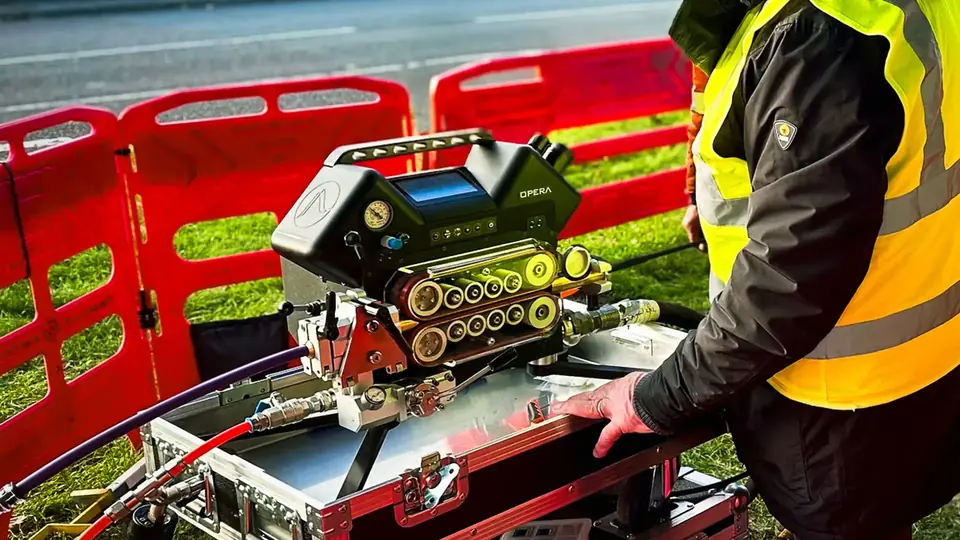
Opera, image 1 of 3
Expert advice direct from the manufacturer / Free demonstration on request
Some of our customers.
Keep your installation moving with Fibernet cable blowing machines.
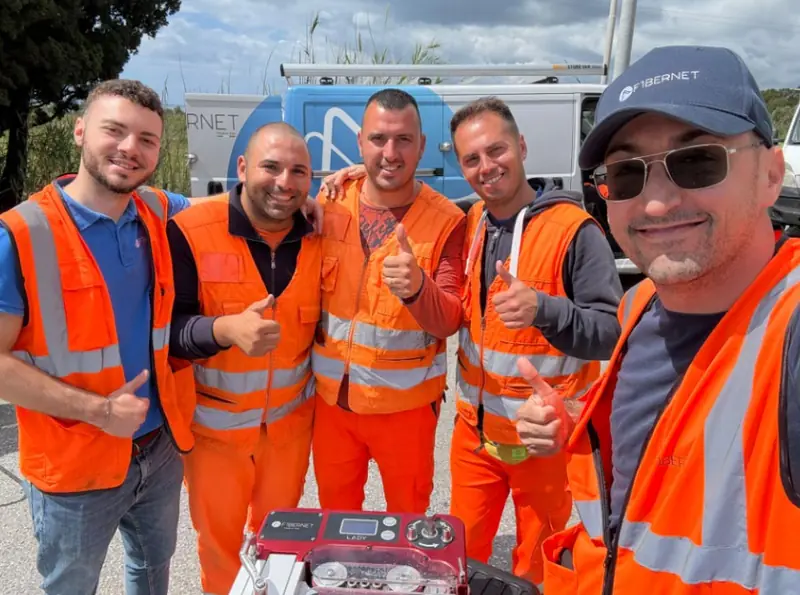
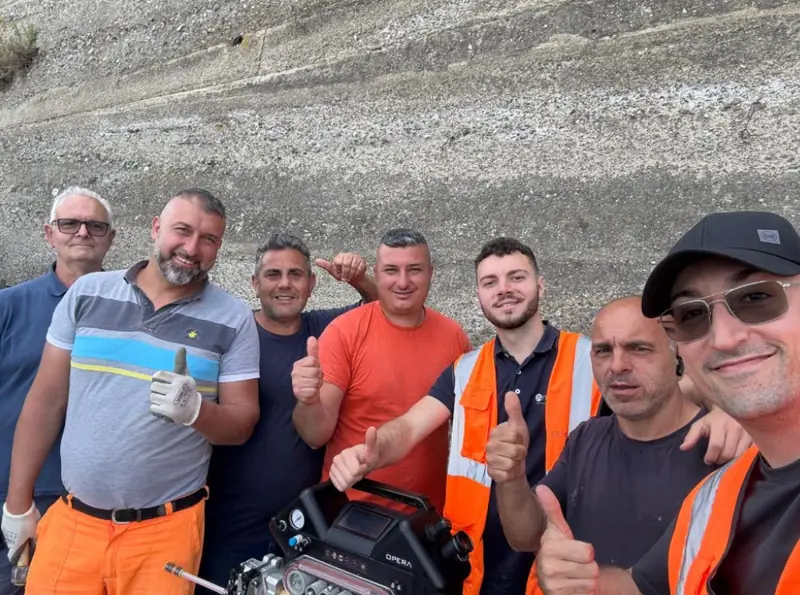
Photos and stories from installers, published by Fibernet.
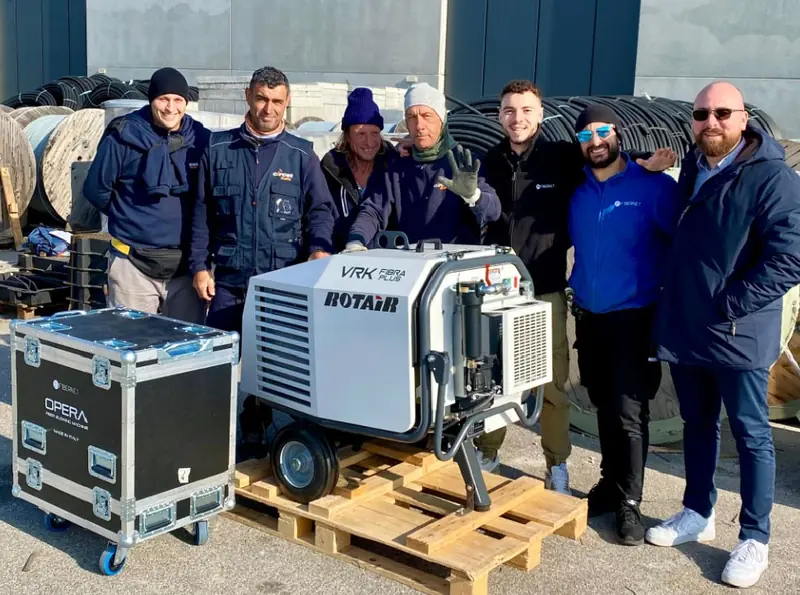
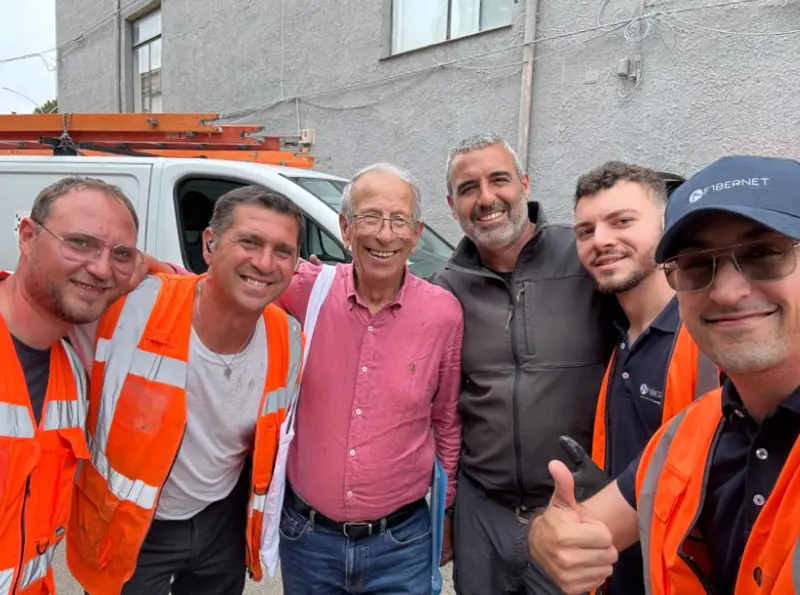
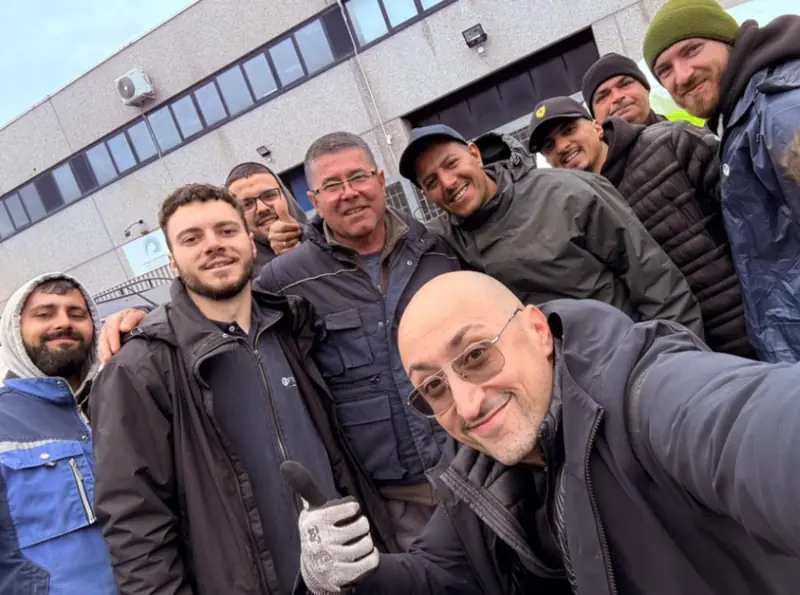
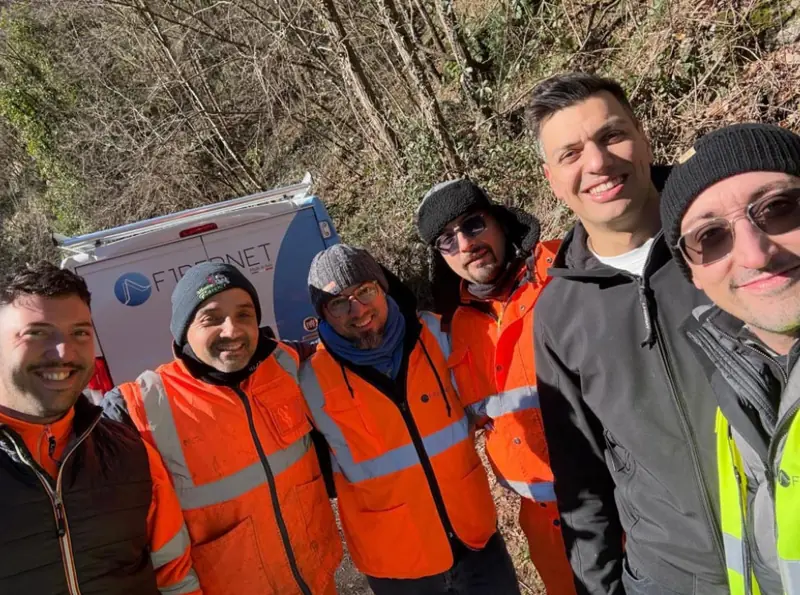 GoogleExcellentBased on 176 reviewsRead the reviews
Read on Google“An excellent experience on the installer training course. The whole team was professional and knowledgeable.”
Read on Google“I had the chance to try the Opera cable blowing machine on site…”
Read on Google“I really enjoyed this course. It took place in a pleasant setting with friendly, helpful people.”
Stories from installers
Hear the results from the installers themselves. Watch their testimonials right here.
Product videos
Three machines. Find your fit.
Start with the job at hand. Our technician can answer your questions about the right setup.
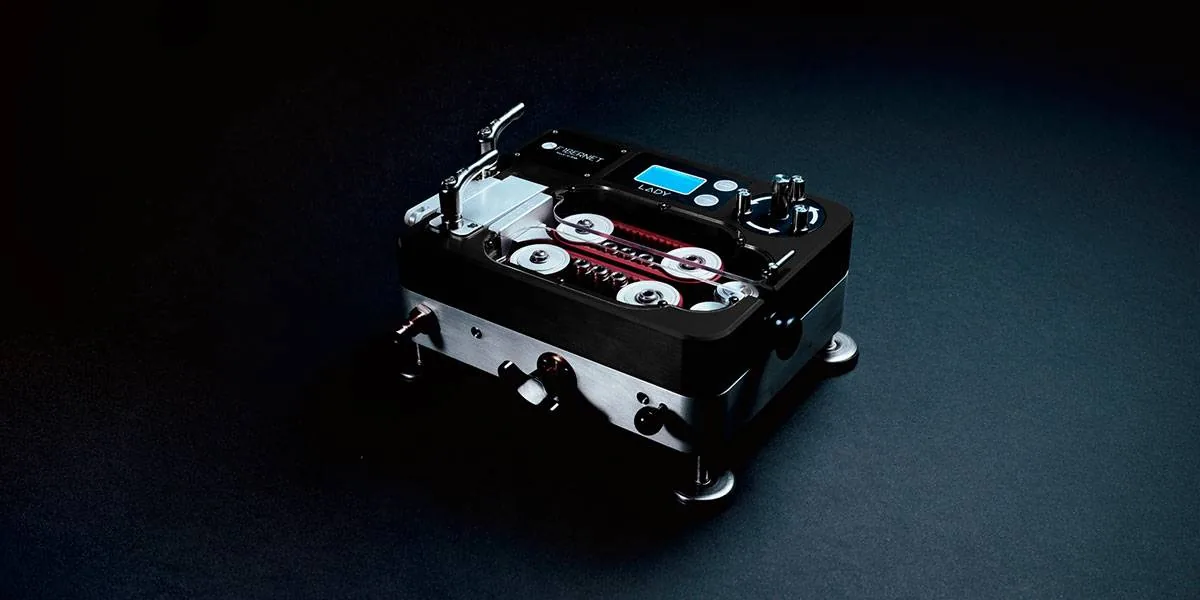
Compact and lightweight
A compact, lightweight machine for short runs.
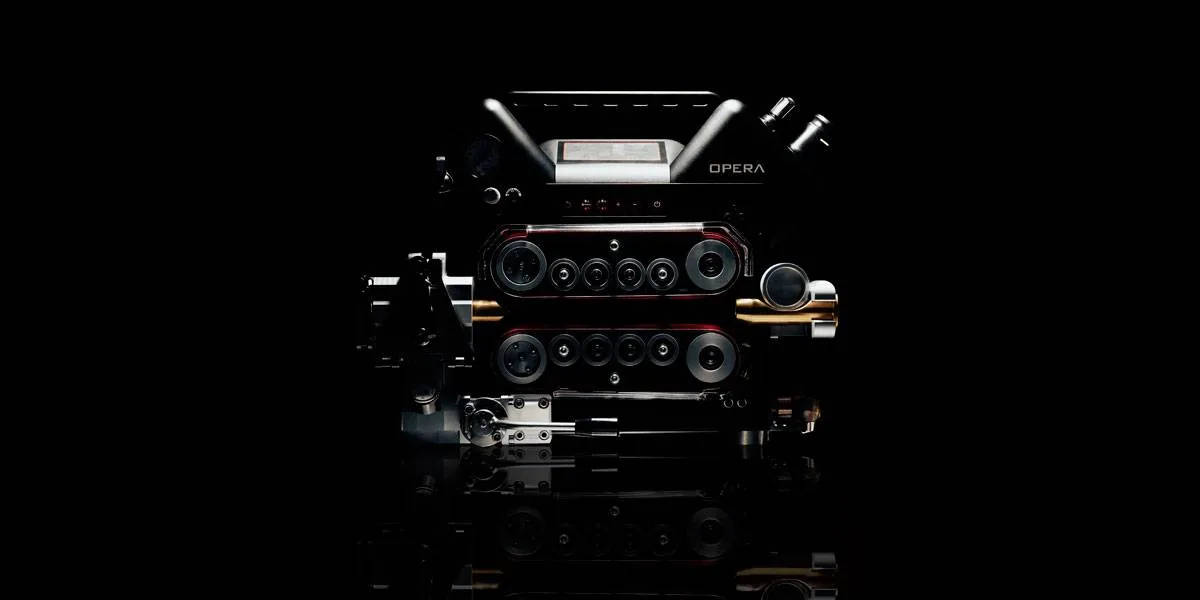
Pneumatic power
A pneumatic machine for long cable runs.
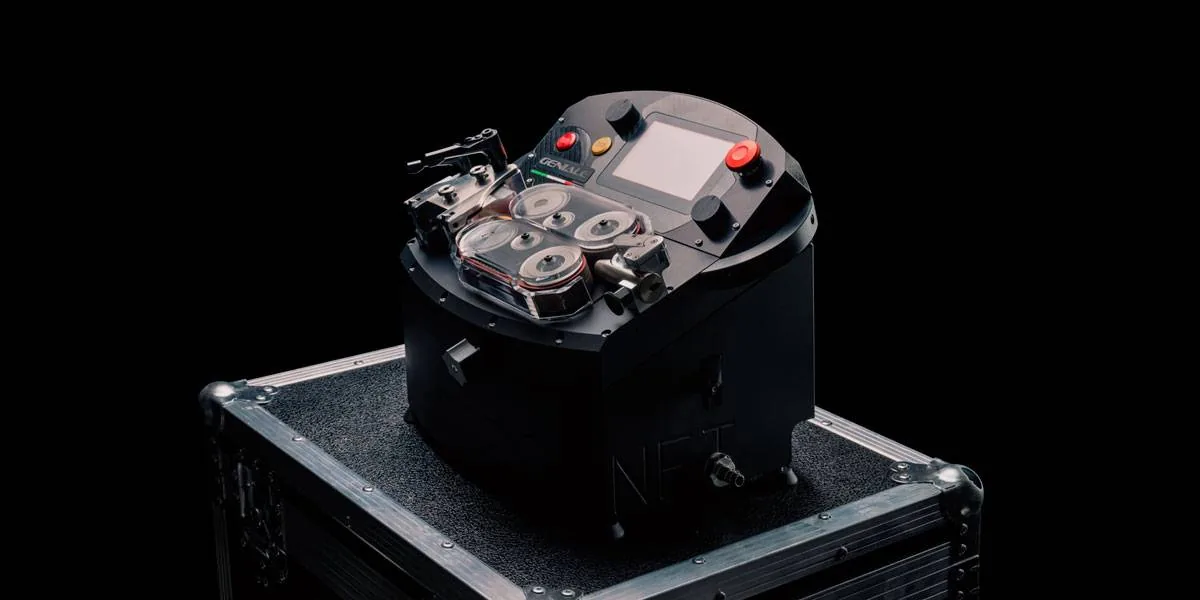
Electric, with two gears
For short and long runs. Two gears let you match force and speed to the job.
Specifications for the Fibernet range. The speeds shown are maximum values. Actual results depend on installation conditions and machine setup.
Direct from the manufacturer
When you’re working on site, you need practical answers. With Fibernet, you speak directly to the people who design and build your cable blowing machine.
Speak to a technicianA specialist technician can help when you need it.
Spare parts ready to ship, direct from the manufacturer.
If your machine breaks down, a replacement may be available within 48 hours.
Check availability and terms with your technician.Get help making the most of your machine, from your very first job.
See it in action before you choose
Request a free hands-on demonstration on your site or at Fibernet’s test facility. Discuss a real job with the technician.
Request a free demonstration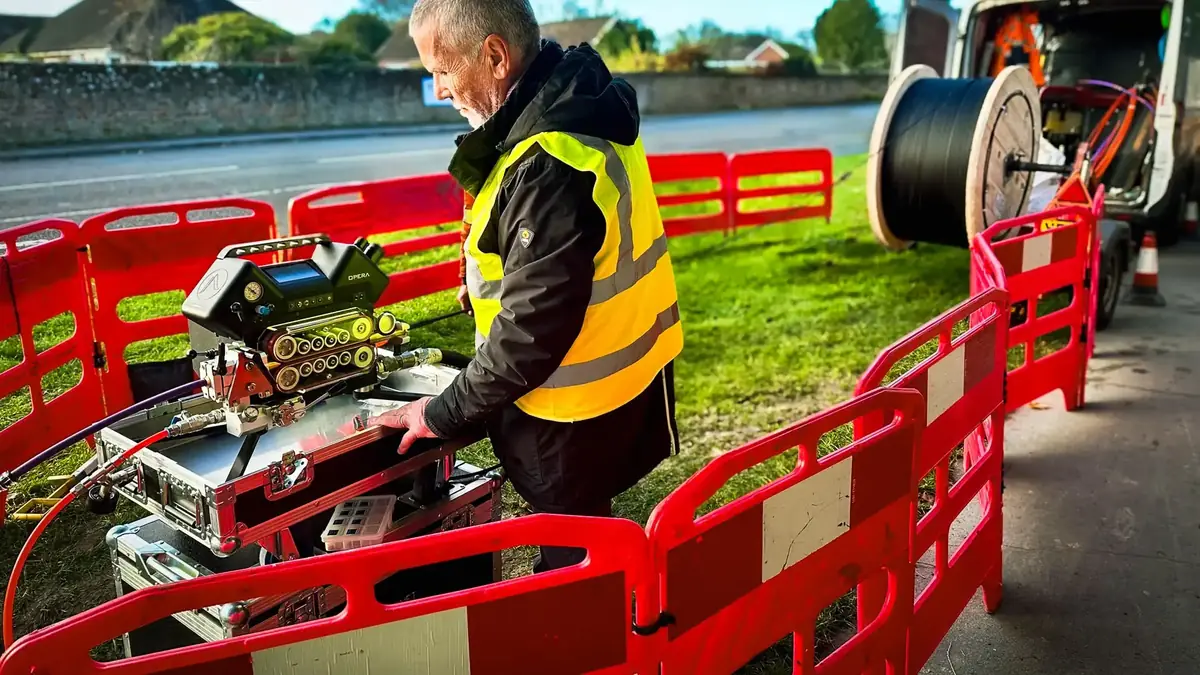
A search for cable blower hire usually begins with a practical requirement: a contractor needs suitable equipment for a defined installation window, without immediately committing to ownership. Before comparing rental periods or requesting a quotation, establish what the machine must actually do on site. Cable diameter, duct internal diameter, route length, changes in direction and the condition of the installed duct all influence equipment selection. A machine that suits one combination may not be appropriate for another, even when the planned distance appears similar. For contractors working in Italy, these details should be gathered before equipment is scheduled for delivery, particularly when access to chambers or roadside working areas is restricted. Fibernet provides a relevant point of contact for discussing blowing machinery, drawing on a business established in 2001 and the technical experience of founder Giancarlo Trinei. Its first blowing machine, Lady, was launched in 2021. These facts establish the company's manufacturing background, but they should not be interpreted as confirmation that a rental service is available for every location or project. When enquiring about fiber optic cable blower hire, ask explicitly about availability, contractual arrangements, delivery destinations and the equipment configuration being proposed. A useful enquiry includes the cable manufacturer's dimensional information, duct specifications, anticipated installation dates and details of the compressor available on site. Compressed air requirements deserve particular attention: pressure alone does not establish suitability, because delivered airflow and air quality also affect the installation process. Ask which compressor characteristics the selected machine requires and whether additional treatment or connection accessories are necessary. The same care applies to cable guidance components, duct connections and sealing arrangements. Correctly matched parts help the equipment guide the cable and manage airflow as intended, while unsuitable components can introduce avoidable interruptions. Choosing a cable blower for fiber optic cable installation therefore involves more than finding a machine that is free on the required day. It means checking the complete working arrangement, including the operator's familiarity with the controls, the site's power arrangements where relevant, and the procedure for stopping safely if resistance increases. Send Fibernet a concise technical brief through its website and request clarification of the options that can actually be supplied. This approach makes the conversation more productive and helps separate confirmed machine capabilities from assumptions about hire terms, accessories or achievable distances. It also gives procurement staff and site supervisors a shared basis for evaluating a proposal, rather than relying on a daily rate that may exclude essential elements of the job.
The financial case for cable blower hire depends on how often the equipment will be used, how predictable the installation programme is and which costs sit outside the headline rate. A short, clearly defined assignment may justify a different procurement decision from a continuous programme involving several crews. Start with the expected number of working days, but distinguish productive installation time from transport, site preparation, access delays and return arrangements. If the equipment remains on hire while a duct problem is resolved, an apparently economical booking can become more expensive. Ask any prospective supplier when the chargeable period begins and ends, how extensions are authorised and what happens if the agreed return date changes. Transport charges, deposits, damage provisions, cleaning requirements and responsibility for missing accessories also need clear written treatment. These are questions to verify with the supplier, not assumptions about Fibernet's commercial terms. When comparing fiber cable blower hire with purchase, use a common scope so that the figures remain meaningful. Both options should account for the machine configuration, compatible fittings, compressor provision, consumable items, planned maintenance and the time needed to prepare operators. A purchase quotation and a rental offer cannot be compared fairly if one includes essential accessories and the other does not. Likewise, a fiber cable blower price should be assessed against the intended workload rather than treated as an isolated number. Contractors with recurring installation programmes may value immediate access to their own equipment, while businesses facing occasional or uncertain demand may prefer to investigate temporary access. Neither approach is automatically cheaper; utilisation and operational constraints determine the result. Build a simple project comparison that records equipment expenditure, logistics, expected downtime exposure and the consequences of rescheduling. Include a realistic allowance for checking the duct route before installation, since equipment availability cannot compensate for obstructions, damaged sections or unsuitable connections. For enquiries involving Italy or an overseas destination, specify the delivery address and required arrival date, and ask which shipping, documentation and local arrangements would apply to the proposed supply. International availability and any temporary import requirements must be confirmed for the individual transaction. Fibernet's Italian manufacturing background offers a useful starting point for a discussion about machinery, but the commercial route still needs to be established directly. Request a written proposal that distinguishes confirmed inclusions from optional items and unresolved questions. A clear scope helps purchasing teams compare alternatives consistently and gives site managers a better understanding of what will arrive. Most importantly, it connects expenditure to a workable installation plan rather than to a low advertised figure that may not reflect the resources needed on site.
Reliable installation begins before the blowing machine is positioned beside the duct. Once cable blower hire is being considered, use the preparation period to check whether the site, materials and working arrangements are ready for the selected equipment. Confirm the cable and duct dimensions from their technical documentation rather than relying on nominal descriptions alone. Inspect accessible duct ends, identify the intended direction of installation and establish how the route will be checked for continuity and condition. Any cleaning, proving or lubrication procedure should follow the relevant equipment, duct and cable guidance. A planned route length is useful information, but it is not a guaranteed blowing distance: bends, friction, cable characteristics, duct condition and available airflow all influence the outcome. Record these factors in the enquiry so that discussions with Fibernet remain grounded in the actual application. When selecting a cable blower, also consider the working space needed for a stable setup, controlled cable feeding and safe access to the machine's controls. The cable drum position and payout arrangement should allow cable to enter the equipment without avoidable twisting or sharp changes in direction. Operators should follow the cable manufacturer's handling limits and the machine's operating instructions, including any applicable limits on pushing force, speed and pressure. Compressed air connections require particular care because stored energy can create hazards if fittings are unsuitable or disconnected incorrectly. Establish who is responsible for connection checks, machine operation, observation of the cable feed and communication with colleagues at other access points. Clear responsibilities help the crew recognise abnormal behaviour and stop promptly rather than attempting to force progress. If your enquiry concerns fibre optic cable blower hire, ask what documentation, familiarisation and technical assistance would accompany the proposed arrangement, and confirm any limits on support hours or geographical coverage. Do not assume these services are included until the supplier confirms them. An equipment handover should identify the supplied components, their condition and the instructions needed for correct setup and return. Photographing the delivered configuration and keeping an accessory checklist can help avoid misunderstandings, particularly when several people handle the machine during a project. During use, keep a practical record of settings, installed lengths, interruptions and any changes in duct conditions. Such information can support troubleshooting and make subsequent installation sections easier to plan, without implying that identical settings will suit every route. At completion, follow the supplier's cleaning, depressurisation, inspection and packaging instructions. Fibernet's family-led technical background can inform a focused discussion about equipment selection, while careful preparation ensures that the commercial enquiry addresses the realities of the work. The result is a clearer brief, better coordinated site activity and fewer preventable uncertainties when the installation window opens.
Fill in the form and discover what Fibernet Srl can do for you!
Contact us!Before you get started
If you prefer, speak to us directly.
+39 346 652 9915Compare the cable diameter, duct diameter and installation distance. Lady is compact and lightweight for short runs. Opera is pneumatic and designed for long runs. Geniale is electric and handles both. A Fibernet technician can help you choose.
Yes. You can request a free hands-on demonstration on your site or at Fibernet’s test facility. Tell us what you need in the form and a technician will arrange it with you. Request a demonstration.
To get a price, contact a Fibernet adviser using the form or call +39 346 652 9915.
Fibernet offers direct technical support, spare parts ready to ship and dedicated training. If your machine breaks down, a replacement may be available. Ask your technician about availability and terms.
Tell us about your job. We’ll help you find the right cable blowing machine.