Emanuele Zanda
Google review
★★★★★
Read on Google“An excellent experience on the installer training course. The whole team was professional and knowledgeable.”
Cable blowing machines · Made in Italy
From last-mile connections to long-distance runs, a Fibernet technician can help you choose the right machine for your fibre optic cable installation.
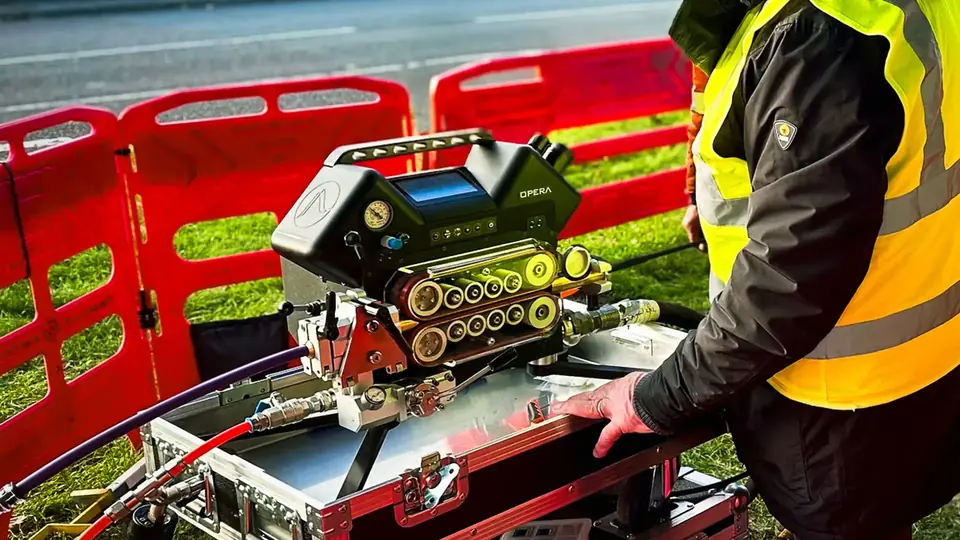
Opera, image 1 of 3
Expert advice direct from the manufacturer / Free demonstration on request
Some of our customers.



Keep your installation moving with Fibernet cable blowing machines.
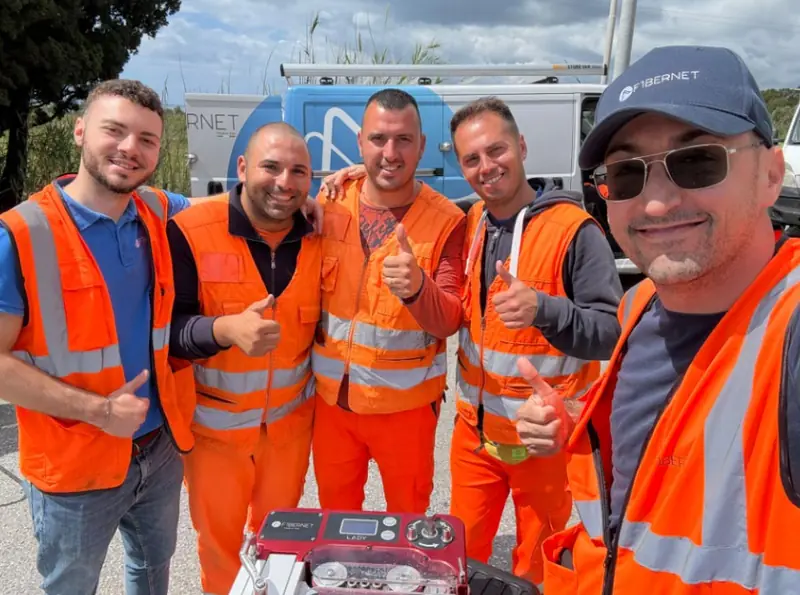
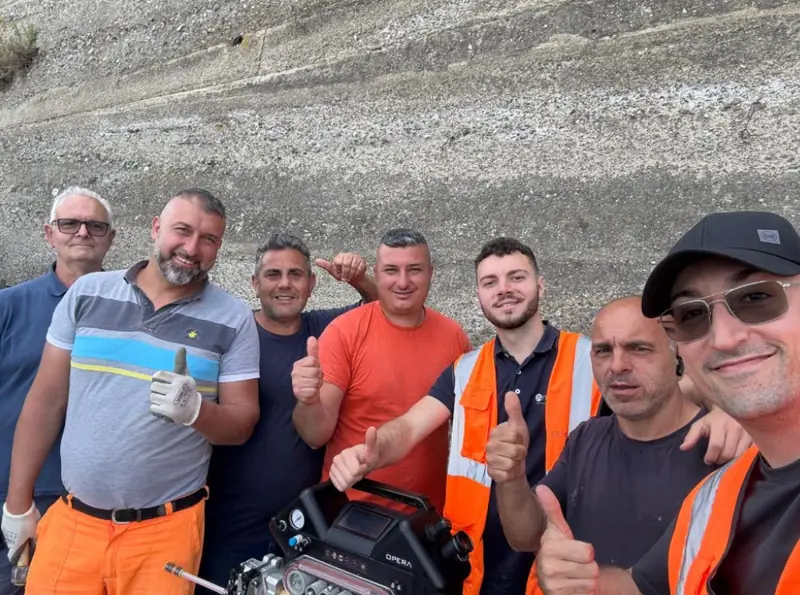
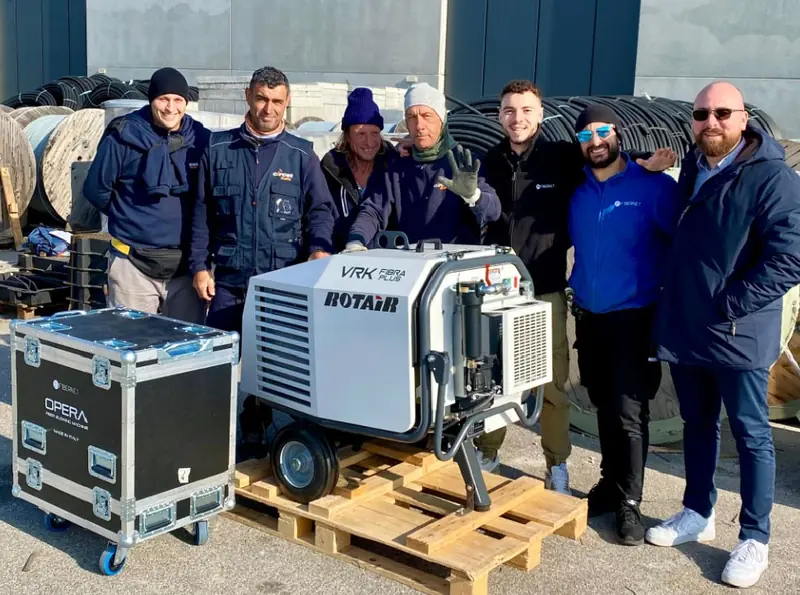
Photos and stories from installers, published by Fibernet.

 GoogleExcellentBased on 176 reviewsRead the reviews
Read on Google“An excellent experience on the installer training course. The whole team was professional and knowledgeable.”
Read on Google“I had the chance to try the Opera cable blowing machine on site…”
Read on Google“I really enjoyed this course. It took place in a pleasant setting with friendly, helpful people.”
Stories from installers
Hear the results from the installers themselves. Watch their testimonials right here.
Product videos
Three machines. Find your fit.
Start with the job at hand. Our technician can answer your questions about the right setup.
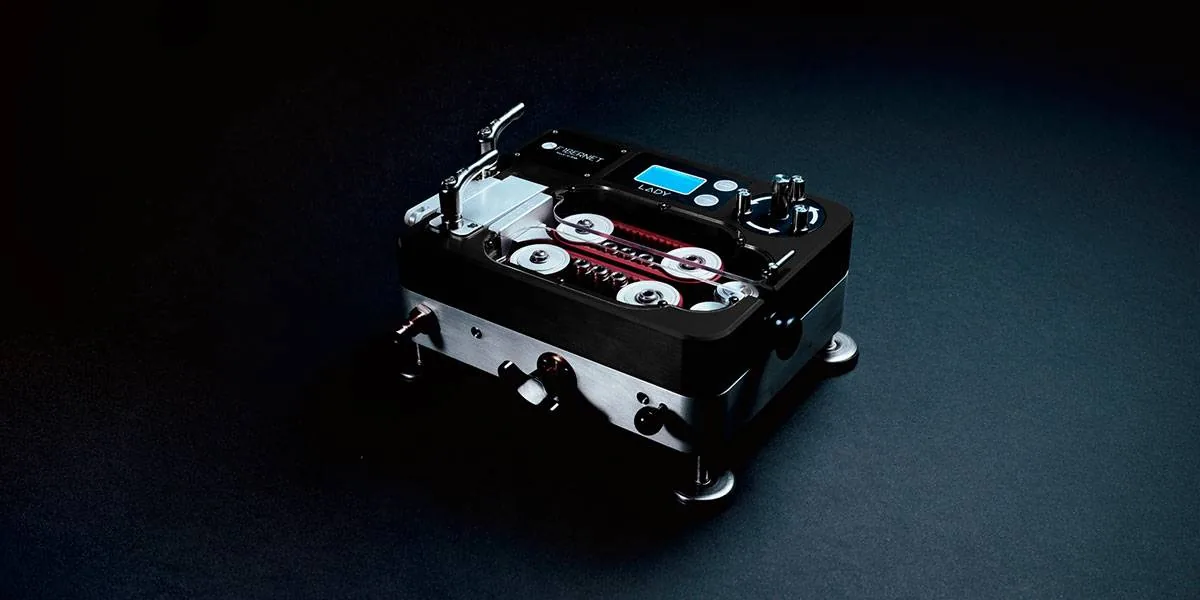
Compact and lightweight
A compact, lightweight machine for short runs.
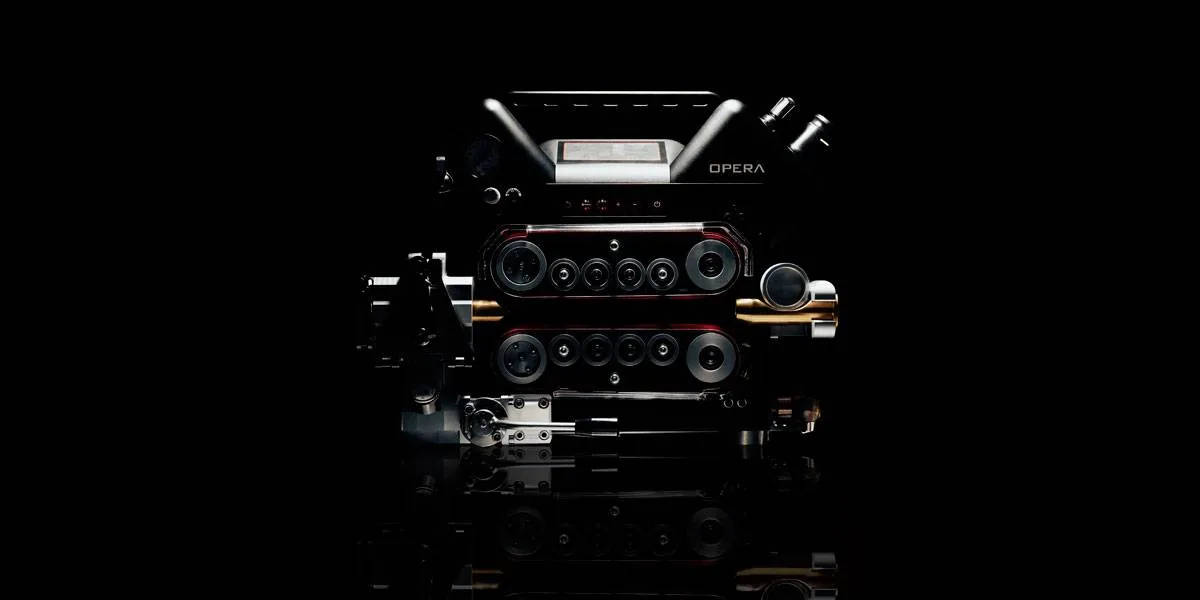
Pneumatic power
A pneumatic machine for long cable runs.
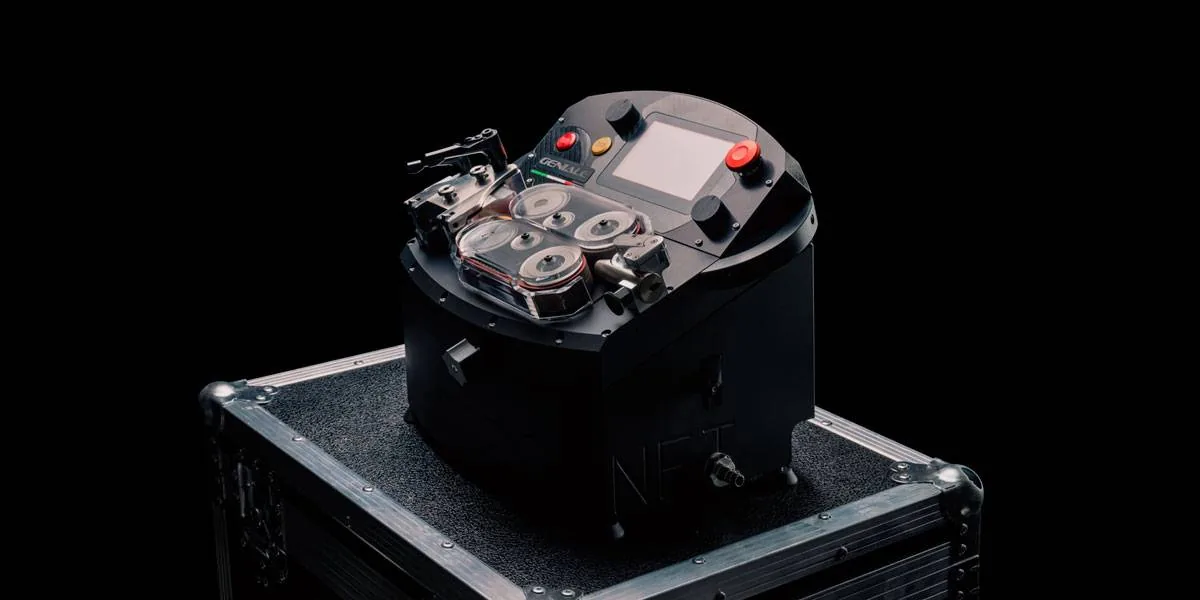
Electric, with two gears
For short and long runs. Two gears let you match force and speed to the job.
Specifications for the Fibernet range. The speeds shown are maximum values. Actual results depend on installation conditions and machine setup.
Direct from the manufacturer
When you’re working on site, you need practical answers. With Fibernet, you speak directly to the people who design and build your cable blowing machine.
Speak to a technicianA specialist technician can help when you need it.
Spare parts ready to ship, direct from the manufacturer.
If your machine breaks down, a replacement may be available within 48 hours.
Check availability and terms with your technician.Get help making the most of your machine, from your very first job.
See it in action before you choose
Request a free hands-on demonstration on your site or at Fibernet’s test facility. Discuss a real job with the technician.
Request a free demonstration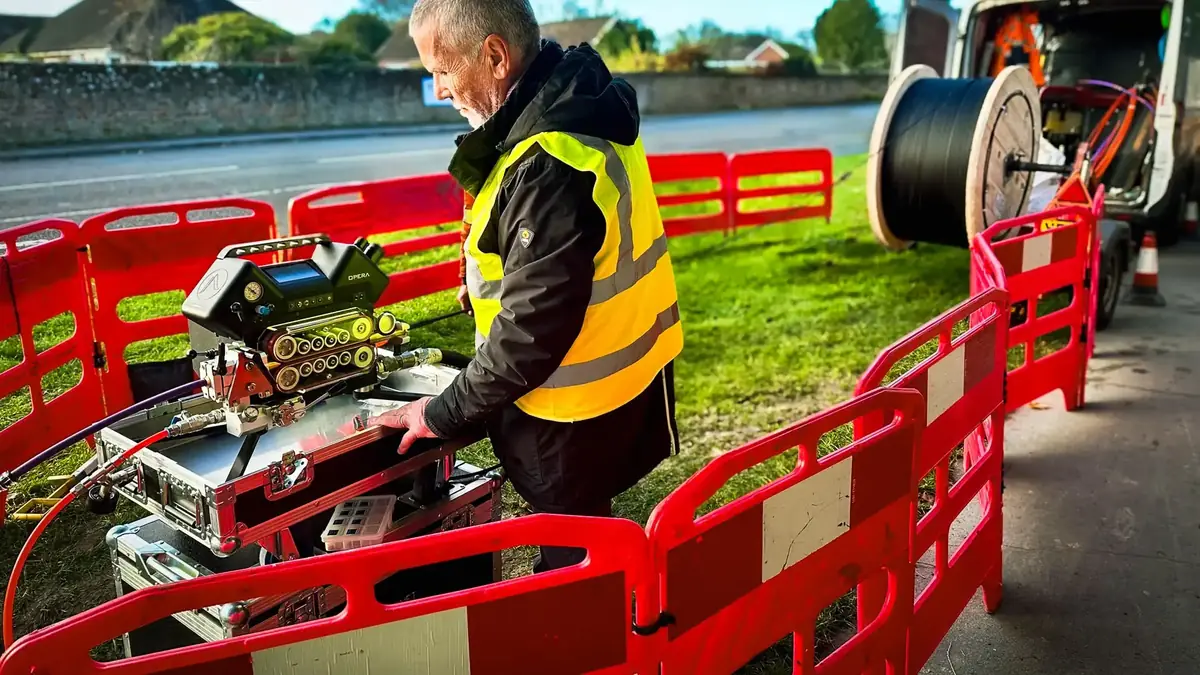
Choosing a battery powered fibre cable blower starts with understanding the cable, the duct and the conditions in which your crew will operate. For telecommunications contractors working on Italian streets, access to mains electricity can be inconvenient, particularly when installation points change throughout the day. A battery-driven feed mechanism may help address that constraint, but equipment selection must still account for the complete blowing arrangement. Battery power should not be confused with an integrated source of compressed air: confirm whether the proposed configuration requires an external compressor, and establish its pressure and airflow requirements before planning the work. Fibernet provides a point of contact for discussing these requirements against its cable blowing equipment range, helping buyers move beyond a product label towards a configuration that suits their actual installation task. Begin with the cable outside diameter, its construction and the limits specified by its manufacturer. Then identify the duct outside and inside diameters, the route length, changes in direction and any known variations in the installed pathway. These details influence the suitability of guides, seals and drive components, as well as the preparation needed before blowing begins. A compact machine cannot compensate for an obstructed duct or incompatible cable and duct dimensions. Where contractors are comparing a battery powered fibre optic cable blower with other drive arrangements, the useful question is how each option fits the working method: carrying equipment between access points, securing the machine, arranging the air supply and managing battery changes without interrupting a critical stage. Ask which operating adjustments are available and how the operator can monitor cable movement. Feed control matters because excessive pushing force can damage a cable, while insufficient traction can prevent a stable installation. Appropriate settings must follow the equipment documentation and the cable manufacturer's limits rather than a universal rule. It is also worth discussing the working area around the duct entrance. The operator needs a stable mounting position, suitable cable guidance and clear access to controls, with the cable drum positioned to avoid unnecessary resistance. For a buyer assessing a cable blower for fibre optic cable, these practical details can be more informative than an isolated headline speed. Share a representative installation example with Fibernet, including photographs or dimensional information where available, and ask which configurations should be evaluated. This gives the conversation a technical foundation without assuming that every machine accommodates every cable. The result is a clearer purchasing brief: compatible dimensions, a defined air supply, an appropriate power arrangement and an operating process that the crew can reproduce across comparable jobs.
A successful blowing operation depends on the sequence of checks surrounding the machine, not simply on switching it on. Before placing a battery powered fibre cable blower at an access point, the crew should establish that the intended duct route has been identified correctly and that its condition has been assessed using appropriate procedures. Continuity, cleanliness and integrity are important because debris, moisture or leakage can undermine the installation even when the drive equipment is suitable. Any cleaning, testing or lubrication must follow the relevant duct, cable and equipment guidance. Lubricants are not interchangeable, and compatibility should be established rather than assumed. Once the route is ready, organise the equipment so that the cable enters the machine smoothly without sharp changes in direction. Check that the selected guides and seals match the dimensions in use, and inspect the drive contact surfaces for contamination or wear. Set clamping and feeding adjustments according to the operating instructions, paying particular attention to limits intended to protect the cable sheath. If the selected arrangement uses compressed air, secure the connections, verify component pressure ratings and follow the prescribed pressurisation sequence. Never disconnect a pressurised assembly or treat a temporary connection as an acceptable substitute for the specified fittings. During installation, the operator should observe how the cable responds rather than relying only on a target speed. A sudden change in movement, unexpected resistance or unstable feeding is a reason to stop and investigate under the documented procedure. Increasing force without understanding the cause can turn a manageable obstruction into cable damage. Contractors comparing a drill powered fibre cable blower with a battery-driven configuration should examine how drive input is controlled, how the equipment is supported and what the operator must do when conditions change. The comparison should reflect the actual configuration offered, not assumptions about either category. Battery planning also deserves a defined place in the method statement. Confirm the approved battery and charger combination, charging conditions, storage recommendations and any operating restrictions before deployment. Runtime depends on the equipment and workload, so avoid building a shift plan around an unverified estimate. Where replacement batteries are supported, establish a safe changeover procedure and keep charged units protected in accordance with their instructions. After the run, isolate energy sources and release pressure as directed before opening or servicing the assembly. Record the cable and duct dimensions, route conditions, operating observations and any interruptions. These notes make future troubleshooting more precise and help supervisors distinguish equipment issues from route-related constraints. When discussing a battery powered fibre cable blowing machine with Fibernet, ask for the documentation and configuration details needed to turn these principles into a practical, equipment-specific working procedure.
For a contractor purchasing a battery powered fibre cable blower, a useful quotation should explain what is included, what remains to be supplied and which installation requirements the proposed configuration addresses. Start by providing Fibernet with the dimensions and operating conditions that define your work, then ask for a clearly itemised proposal. Depending on the equipment offered, relevant points may include the machine configuration, compatible guides and seals, power components, air connections, mounting arrangements and the documentation supplied. Do not assume that accessories shown in an illustration form part of the quoted package. Establishing the scope early makes it easier to compare proposals fairly and avoids discovering a missing interface when the crew is ready to begin an installation. Fibernet brings an Italian technical background to these discussions. Founded in 2001, the company grew from the experience of Giancarlo Trinei, whose work with early optical fibre installations in Italy dates back to the 1980s. Its development of cable blowing equipment reached an important milestone in 2021 with the launch of its first machine, Lady. The involvement of the next generation, including Matteo, Marta and Ismael, began in 2010, supporting the company's growth while retaining its family foundations. For buyers, that history provides context for a technical conversation; it should be complemented by current documentation for the specific machine under consideration. When assessing fibre cable blower price, look beyond the initial equipment figure. A meaningful cost comparison also considers required accessories, compatible power supplies, compressor arrangements where applicable, consumable parts and the time needed for routine inspection and cleaning. Ask which maintenance tasks an operator can perform, which require specialist attention and how replacement components are identified. Clear part references and an agreed support contact can reduce uncertainty when equipment needs attention between jobs. For projects in Italy, also establish delivery arrangements, applicable documentation and the language of the supplied operating materials. Where equipment will be used or delivered elsewhere, discuss destination-specific requirements directly rather than assuming that one configuration or shipping arrangement suits every market. A buyer comparing battery powered optical fibre cable blowing machine options should also request written clarification of operating limits and warranty terms. This is particularly important when several teams will share the equipment or when the expected cable sizes vary between contracts. Describe those variations during the enquiry so that suitability can be assessed before purchase. Explore Fibernet's website to introduce your installation requirements and request a proposal based on the equipment currently available. A well-defined enquiry helps both sides concentrate on the essentials: suitable cable handling, workable site logistics, documented operating requirements and a purchase scope that supports the contractor's intended jobs.
Fill in the form and discover what Fibernet Srl can do for you!
Contact us!Before you get started
If you prefer, speak to us directly.
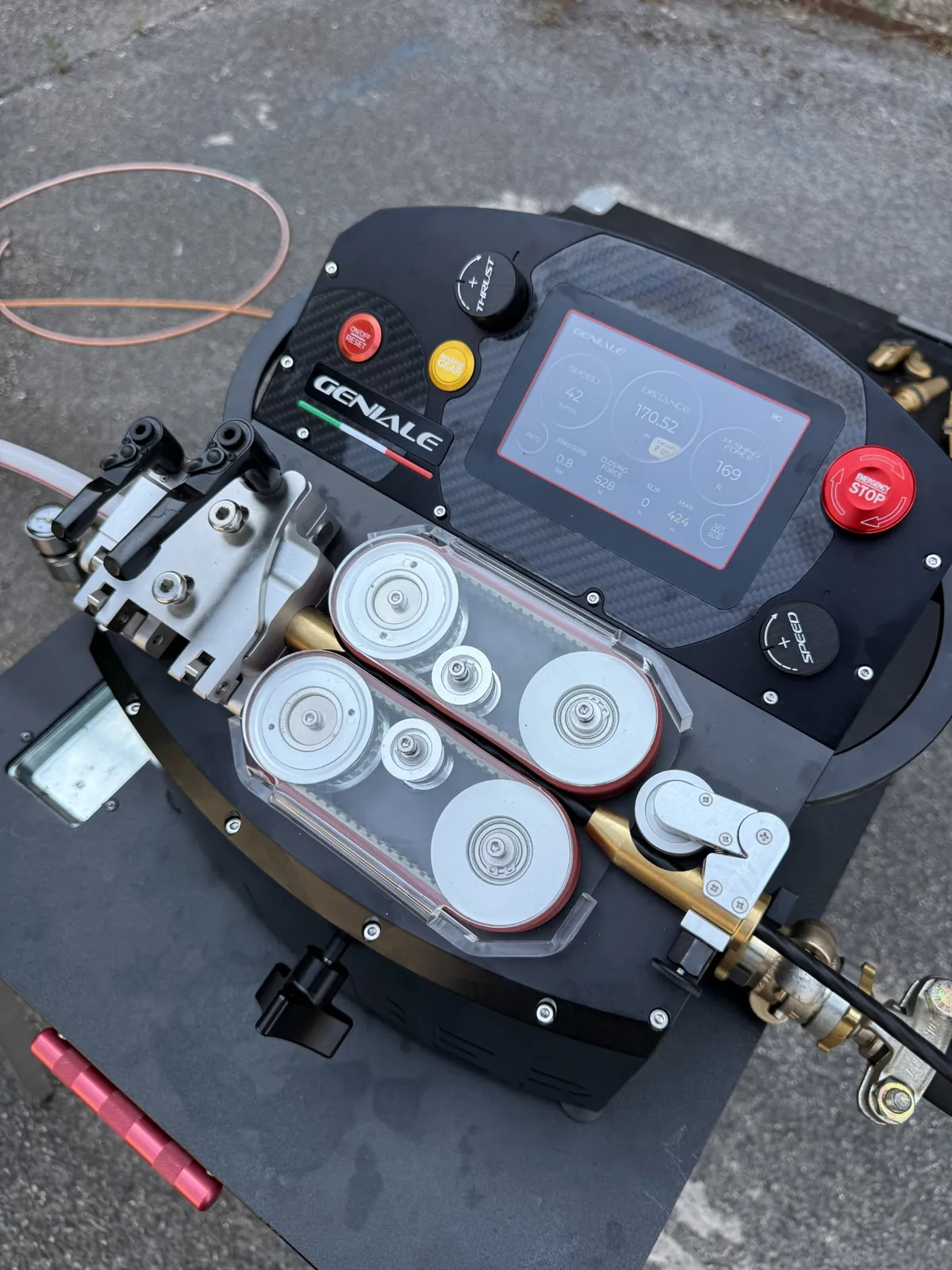
+39 346 652 9915Compare the cable diameter, duct diameter and installation distance. Lady is compact and lightweight for short runs. Opera is pneumatic and designed for long runs. Geniale is electric and handles both. A Fibernet technician can help you choose.
Yes. You can request a free hands-on demonstration on your site or at Fibernet’s test facility. Tell us what you need in the form and a technician will arrange it with you. Request a demonstration.
To get a price, contact a Fibernet adviser using the form or call +39 346 652 9915.
Fibernet offers direct technical support, spare parts ready to ship and dedicated training. If your machine breaks down, a replacement may be available. Ask your technician about availability and terms.
Tell us about your job. We’ll help you find the right cable blowing machine.