Emanuele Zanda
Google review
★★★★★
Read on Google“An excellent experience on the installer training course. The whole team was professional and knowledgeable.”
Cable blowing machines · Made in Italy
From last-mile connections to long-distance runs, a Fibernet technician can help you choose the right machine for your fibre optic cable installation.
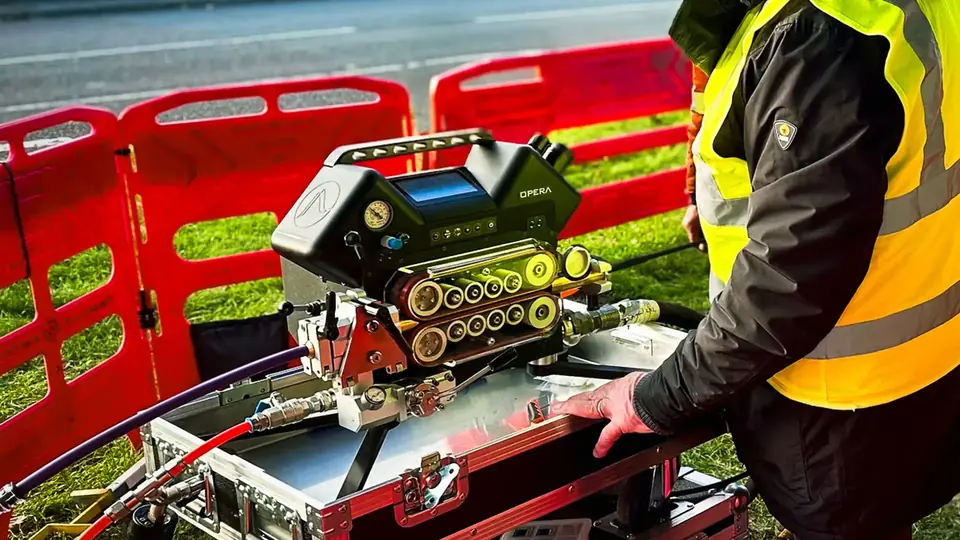
Opera, image 1 of 3
Expert advice direct from the manufacturer / Free demonstration on request
Some of our customers.

Keep your installation moving with Fibernet cable blowing machines.
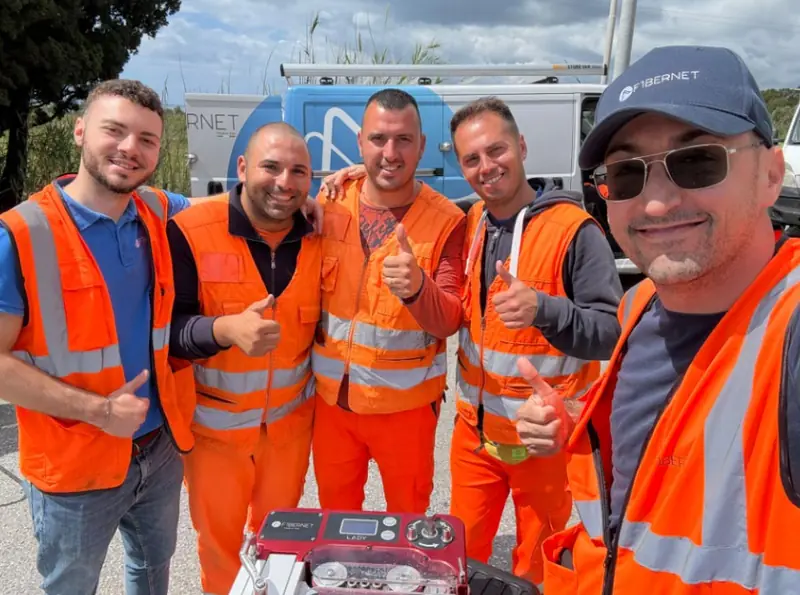
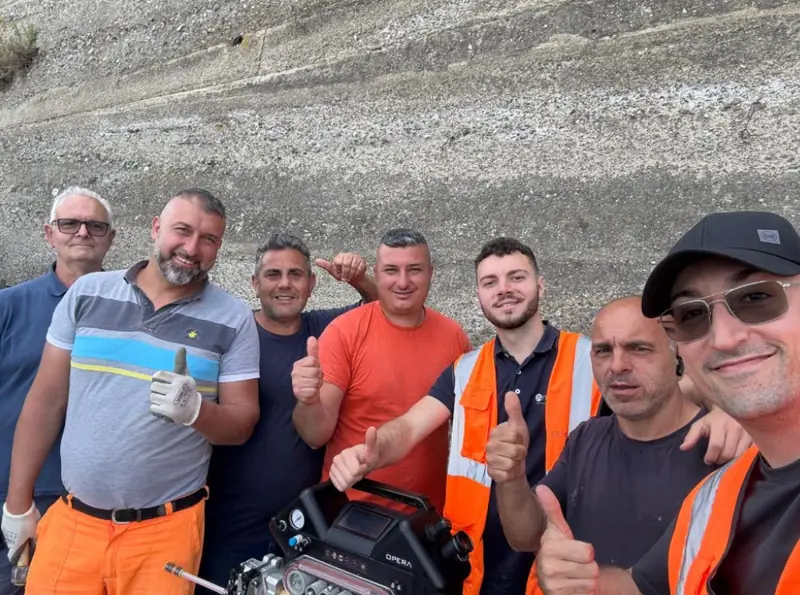
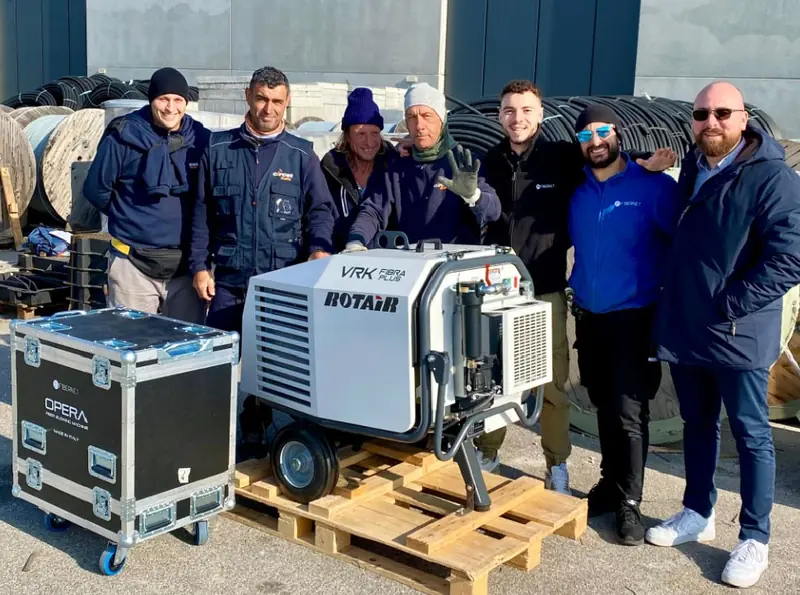
Photos and stories from installers, published by Fibernet.
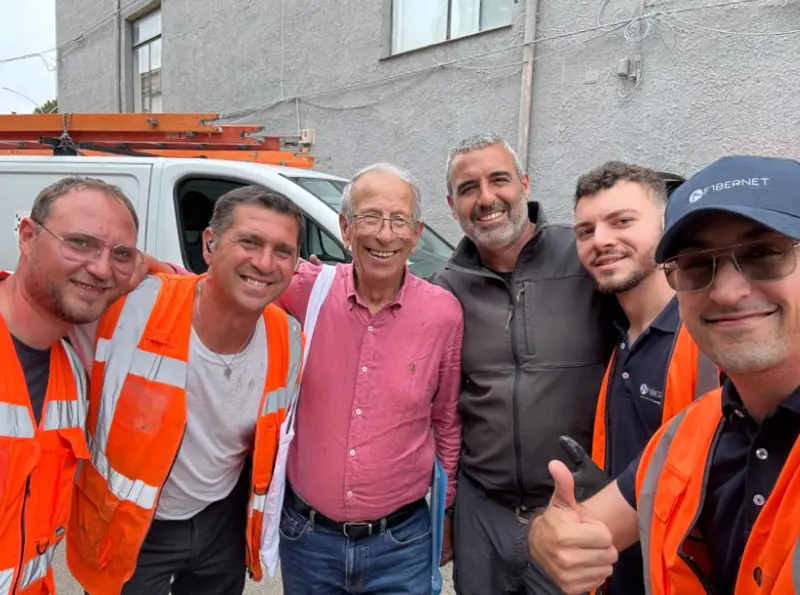
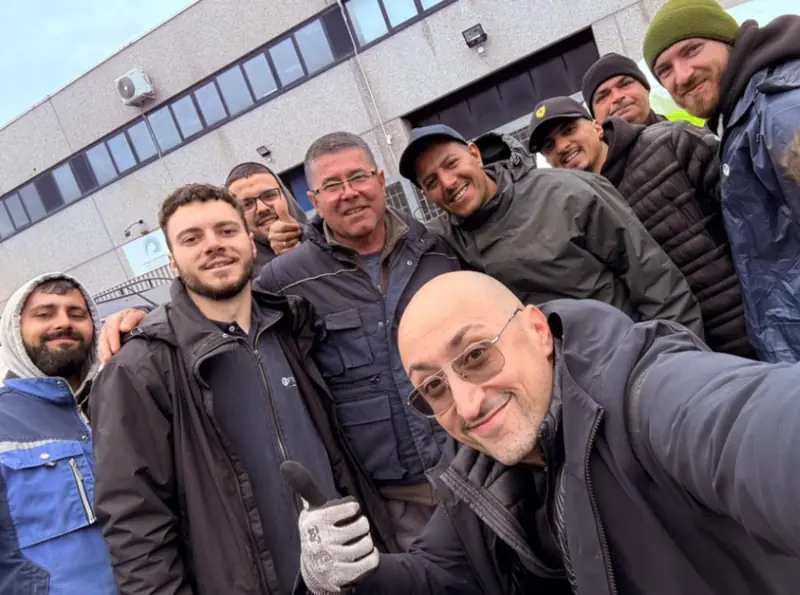
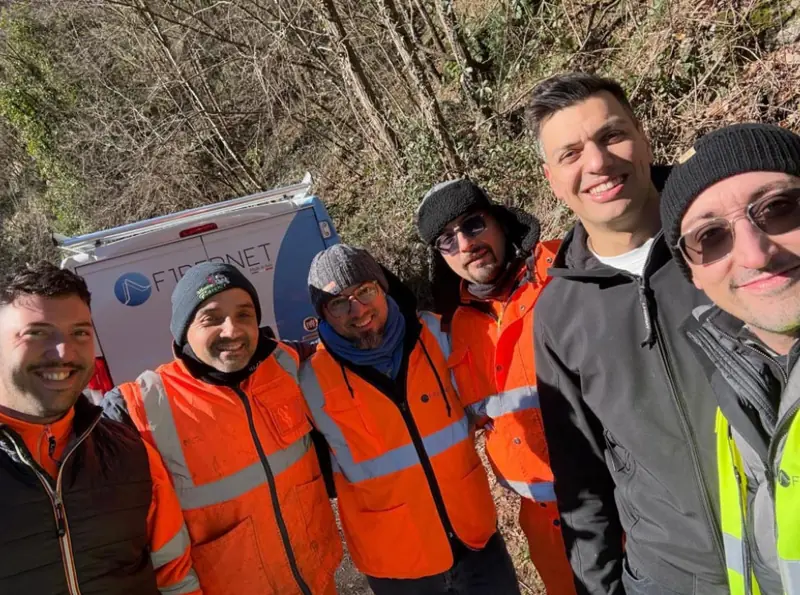 GoogleExcellentBased on 176 reviewsRead the reviews
Read on Google“An excellent experience on the installer training course. The whole team was professional and knowledgeable.”
Read on Google“I had the chance to try the Opera cable blowing machine on site…”
Read on Google“I really enjoyed this course. It took place in a pleasant setting with friendly, helpful people.”
Stories from installers
Hear the results from the installers themselves. Watch their testimonials right here.
Product videos
Three machines. Find your fit.
Start with the job at hand. Our technician can answer your questions about the right setup.
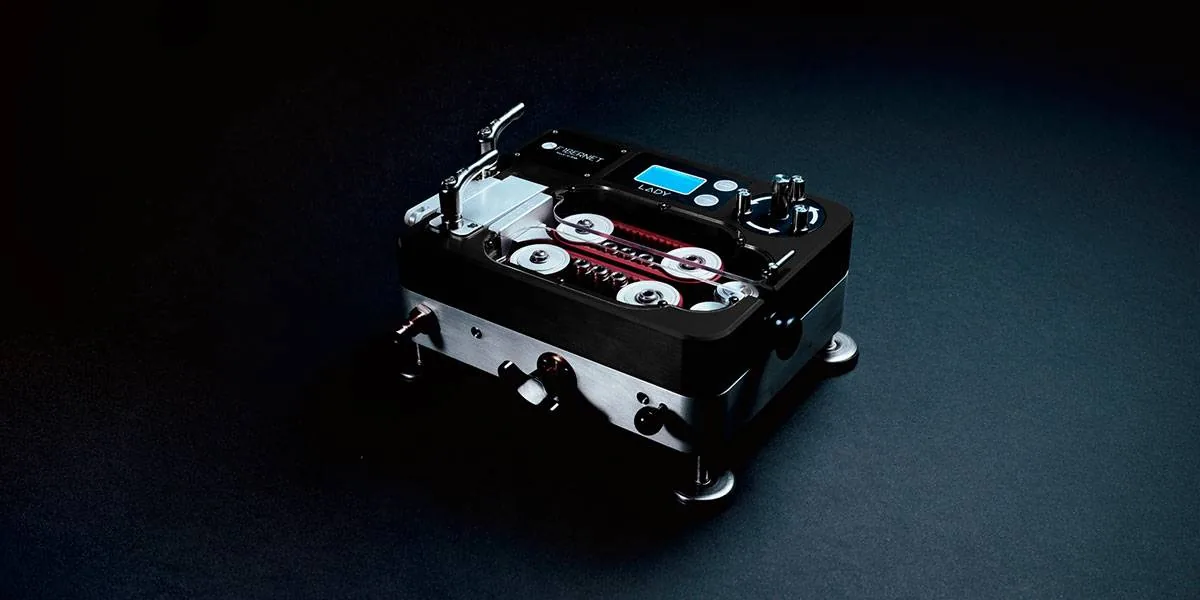
Compact and lightweight
A compact, lightweight machine for short runs.
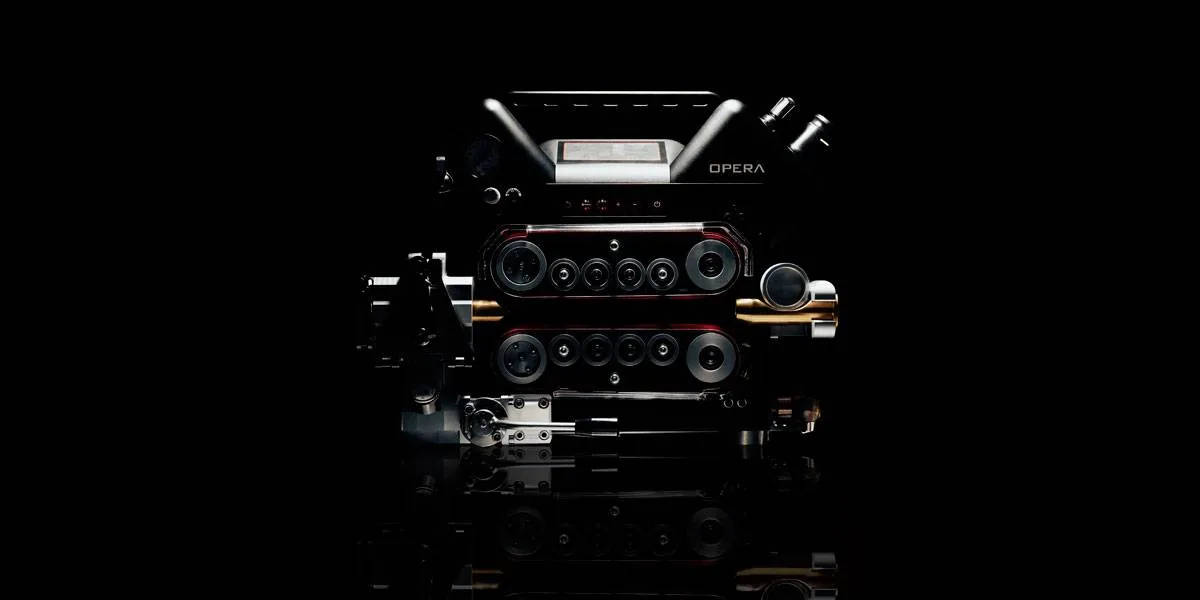
Pneumatic power
A pneumatic machine for long cable runs.
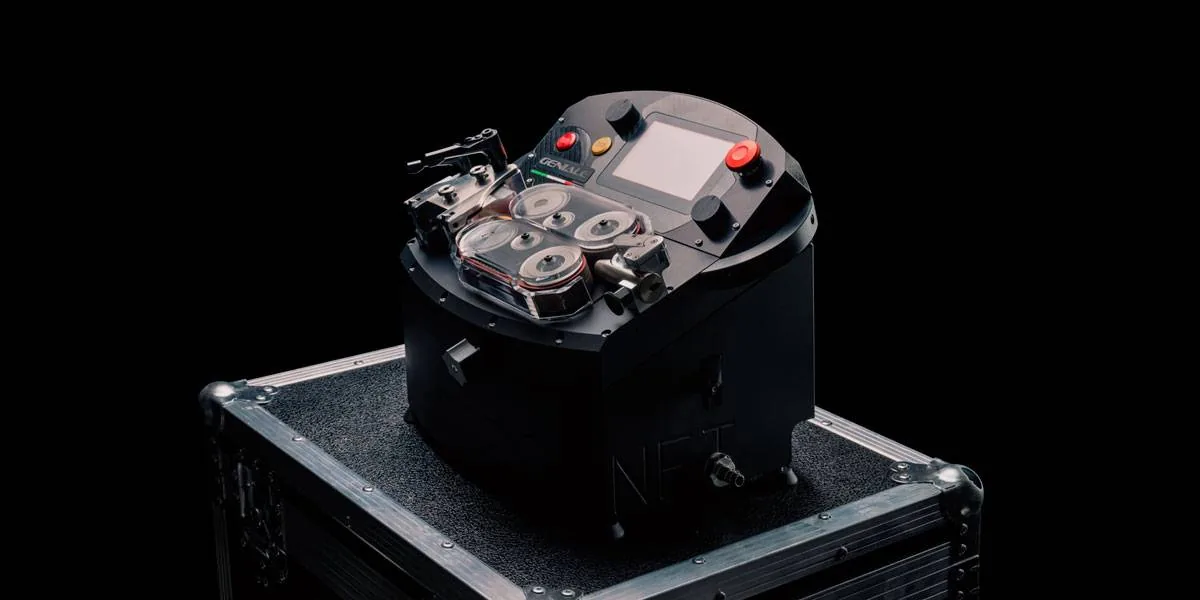
Electric, with two gears
For short and long runs. Two gears let you match force and speed to the job.
Specifications for the Fibernet range. The speeds shown are maximum values. Actual results depend on installation conditions and machine setup.
Direct from the manufacturer
When you’re working on site, you need practical answers. With Fibernet, you speak directly to the people who design and build your cable blowing machine.
Speak to a technicianA specialist technician can help when you need it.
Spare parts ready to ship, direct from the manufacturer.
If your machine breaks down, a replacement may be available within 48 hours.
Check availability and terms with your technician.Get help making the most of your machine, from your very first job.
See it in action before you choose
Request a free hands-on demonstration on your site or at Fibernet’s test facility. Discuss a real job with the technician.
Request a free demonstration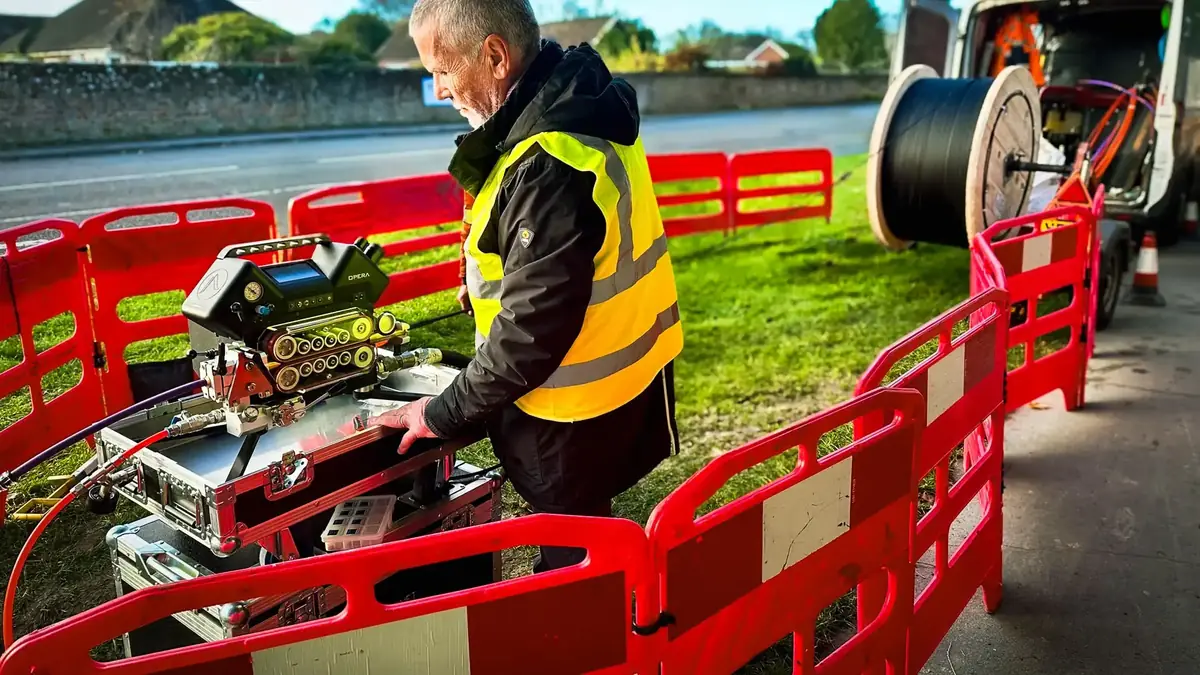
A battery powered fibre blowing machine should be assessed against the cable, duct and working conditions it will encounter, rather than selected solely because it offers a convenient power source. For telecommunications contractors working on Italian roads, confined access points or sites with limited electrical infrastructure, a portable drive arrangement can be attractive. However, the drive system is only one part of the installation process. Cable blowing typically combines controlled mechanical feeding with compressed air, and a battery operating the feeding mechanism does not automatically remove the need for a suitable compressor. Before choosing equipment, establish how the proposed machine generates traction, how its controls regulate feeding and what external air supply the intended application requires. These distinctions help prevent misunderstandings when preparing a purchase enquiry or comparing different equipment descriptions. A useful technical starting point is the cable outside diameter and the duct internal diameter. Their relationship affects the space available for airflow, while the cable construction influences how much pushing force it can safely accept. Route length, bends, changes in elevation, duct condition and ambient temperature also affect installation behaviour. None of these variables should be reduced to a single promised distance without supporting application conditions. When discussing a battery powered fibre cable blowing machine, provide the manufacturer with the actual cable and duct specifications instead of relying on broad product categories. Include any published cable limits for pushing force and bend radius, together with details of the proposed route. The equipment discussion can then focus on compatible guides, sealing arrangements, drive contact and appropriate operating controls. Fibernet brings an Italian engineering background to these conversations. Founded in 2001, the company developed from the technical experience of Giancarlo Trinei, whose work with optical fibre in Italy began in the early 1980s. Its first cable blowing machine, Lady, was launched in 2021. That history provides context for approaching the company about cable installation equipment, but the suitability of a particular configuration should still be confirmed against current technical documentation. Ask which operating values are adjustable, how the cable is protected during feeding and what checks are required before pressurising the system. A contractor preparing several short roadside sections may have different handling priorities from a team working along longer, more continuous duct routes. Explain how often crews relocate, where the compressor will stand and whether equipment must be carried between access points. By describing these practical constraints from the outset, buyers can request a configuration assessment grounded in their real workflow. The aim is not simply to obtain a portable machine, but to establish a controlled cable blowing process with clearly understood requirements, limitations and preparation steps.
Productive cable blowing starts before the machine is switched on. At each work location, the crew needs a stable equipment position, an orderly cable payout arrangement and a verified duct route. Check that the duct has been prepared according to the applicable installation procedure and that its connections are suitable for the intended operating conditions. Air leakage, contamination or a poorly arranged cable reel can undermine performance even when the feeding machine is correctly selected. Set up the reel so that cable enters the machine without unnecessary twisting, dragging or sharp changes of direction. The operator should be able to observe the cable path and reach the controls without stepping over hoses or moving equipment. These apparently small decisions influence both consistency and the ability to respond promptly when feeding conditions change. When considering a battery powered fibre optic cable blowing machine, separate battery endurance from total installation productivity. Runtime depends on the particular drive arrangement, load, operating settings and battery specification; it should not be assumed from the battery label alone. Ask which batteries and chargers are approved, whether they are included in the quotation and what operating restrictions apply at different temperatures. If replaceable batteries are supported, clarify the recommended replacement procedure and arrange charging around the expected sequence of installations. Also confirm whether any additional electrical supply is needed for controls or accessories. A complete site plan must address the compressor separately, including the required airflow, pressure range, hose connections and air preparation specified for the machine and application. During installation, the operator needs a clear procedure for selecting initial settings and responding to resistance. Increasing the feeding force is not a universal solution to slow progress: the cause may be duct geometry, inadequate airflow, cable payout resistance or an obstruction. Follow the equipment instructions and cable manufacturer's limits, and stop to investigate abnormal behaviour rather than forcing the cable forward. Where a machine offers distance, speed or force information, establish what each reading represents and how it should guide operation. Do not assume every model provides the same monitoring functions. Contractors comparing a drill powered fibre blowing machine with another battery-driven configuration should also ask how drive speed is controlled, how torque is transferred and which protective mechanisms are provided. These terms can describe different arrangements and should not be treated as interchangeable without clarification. After each job, follow the prescribed cleaning and inspection procedures, paying attention to cable-contact surfaces, guides and seals. Record recurring difficulties alongside the cable type, duct dimensions and route conditions. This practical record helps distinguish equipment issues from site-specific problems and gives Fibernet more useful information when discussing a future configuration or support enquiry.
A useful request for a battery powered fibre blowing machine begins with a short description of the work your company actually undertakes. State whether you install cables for telecommunications operators, deliver subcontracted roadside projects or manage several installation teams with different route profiles. Identify the country of use, the expected working environment and the cable and duct combinations that occur most frequently. For companies operating in Italy, explain any access constraints that affect equipment handling, such as restricted roadside working areas or frequent movement between chambers. International buyers should provide the same operational detail and identify their delivery destination early. Fibernet's Italian manufacturing focus is relevant to buyers seeking equipment made in Italy, while shipping arrangements, destination requirements and the configuration offered should be confirmed directly for each order. Commercial comparisons become more meaningful when the quotation describes a complete working package. A headline fibre blowing machine price may not reveal whether the offer includes the guides, seals, connections, power components or accessories required for your application. Ask for an itemised scope that distinguishes standard equipment from optional parts and identifies anything the buyer must source separately. Where battery operation is proposed, request confirmation of the battery specification, charger requirements and any transport conditions that affect delivery. Compressor compatibility should also be checked before committing to a purchase. An apparently attractive machine quotation can become less useful if it requires air supply equipment that does not match the contractor's existing resources or site constraints. Ownership costs deserve the same attention as the initial purchase figure. Ask which components are considered wear items, how they are identified and what routine maintenance the manufacturer prescribes. Clarify the process for requesting replacement parts, the documentation supplied with the machine and the support arrangements applicable to your location. Avoid basing a purchasing decision on unverified claims about maintenance intervals, guaranteed installation distances or universal compatibility. Instead, request evidence relevant to your cable and duct combination and ask which conditions governed any demonstration results. If practical evaluation is available, agree beforehand on what it should establish, including setup requirements, cable handling and operator control. Fibernet's development also reflects continuity within the Trinei family. Matteo, Marta and Ismael joined the business during the generational transition that began in 2010, building on its founder's technical background. For a professional buyer, that company history is best considered alongside precise specifications, a clearly defined supply scope and responsive technical discussion. Use your enquiry to connect business priorities with measurable requirements: equipment that suits your usual installations, a manageable preparation process and transparent information about the proposed configuration. A detailed brief gives Fibernet a stronger basis for assessing your needs and preparing a relevant quotation, whether your crews work in Italy or require delivery to another market.
Fill in the form and discover what Fibernet Srl can do for you!
Contact us!Before you get started
If you prefer, speak to us directly.
+39 346 652 9915Compare the cable diameter, duct diameter and installation distance. Lady is compact and lightweight for short runs. Opera is pneumatic and designed for long runs. Geniale is electric and handles both. A Fibernet technician can help you choose.
Yes. You can request a free hands-on demonstration on your site or at Fibernet’s test facility. Tell us what you need in the form and a technician will arrange it with you. Request a demonstration.
To get a price, contact a Fibernet adviser using the form or call +39 346 652 9915.
Fibernet offers direct technical support, spare parts ready to ship and dedicated training. If your machine breaks down, a replacement may be available. Ask your technician about availability and terms.
Tell us about your job. We’ll help you find the right cable blowing machine.