Emanuele Zanda
Google review
★★★★★
Read on Google“An excellent experience on the installer training course. The whole team was professional and knowledgeable.”
Cable blowing machines · Made in Italy
From last-mile connections to long-distance runs, a Fibernet technician can help you choose the right machine for your fibre optic cable installation.
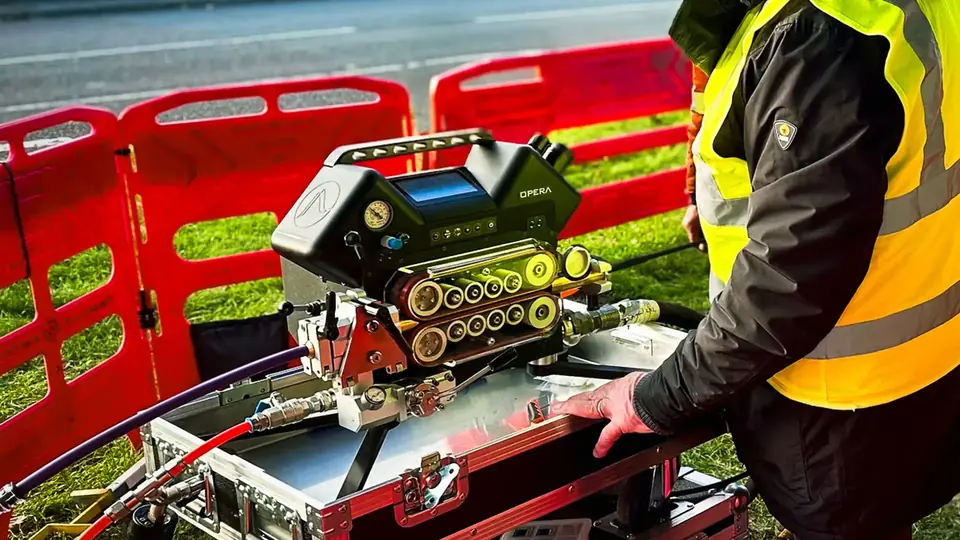
Opera, image 1 of 3
Expert advice direct from the manufacturer / Free demonstration on request
Some of our customers.


Keep your installation moving with Fibernet cable blowing machines.
Photos and stories from installers, published by Fibernet.
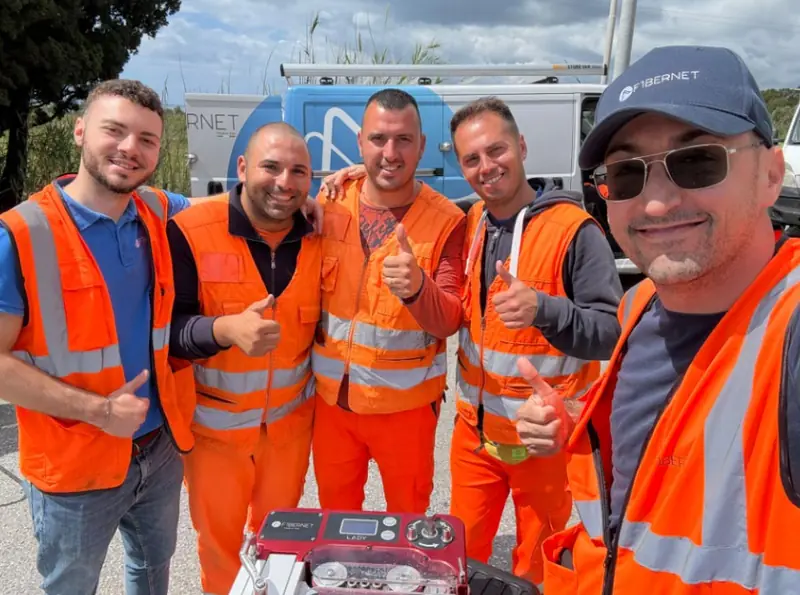
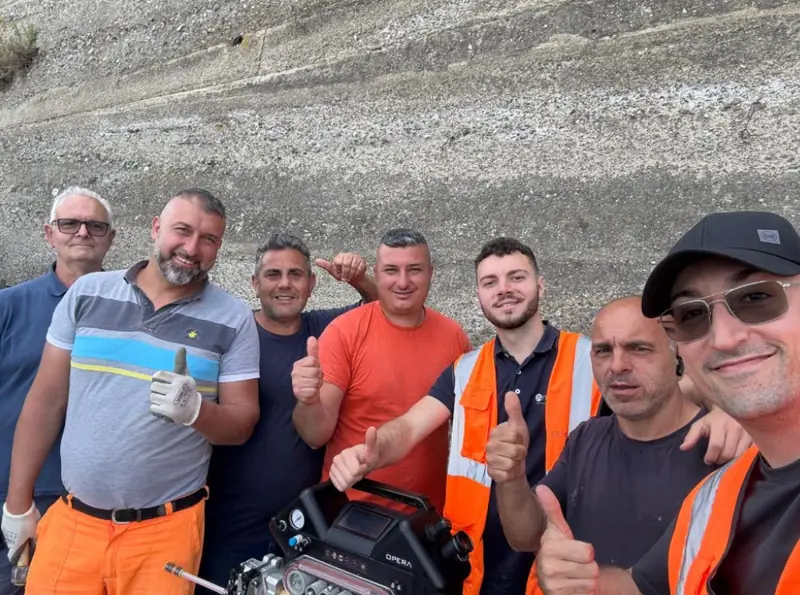
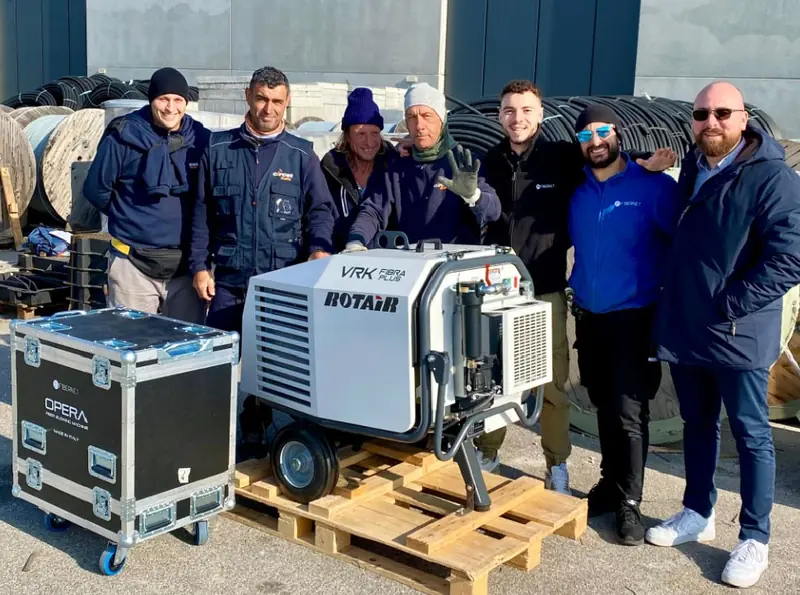

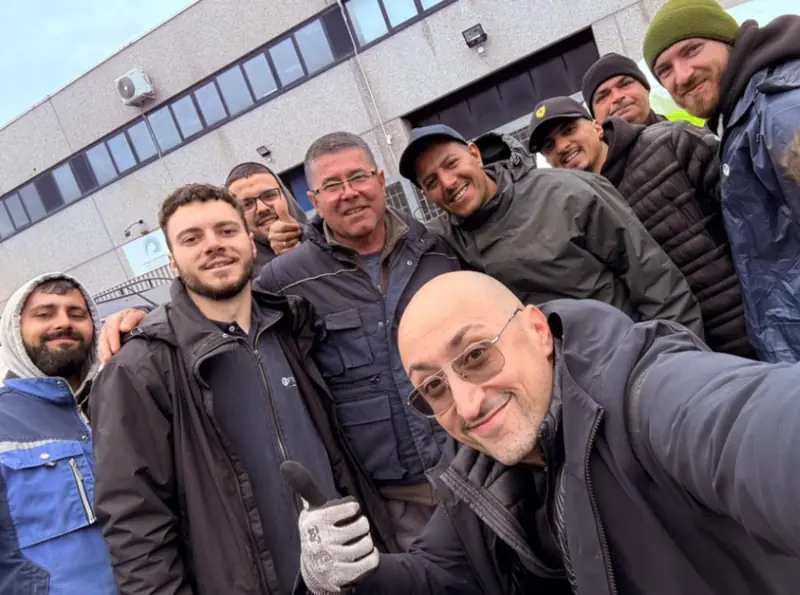
 GoogleExcellentBased on 176 reviewsRead the reviews
Read on Google“An excellent experience on the installer training course. The whole team was professional and knowledgeable.”
Read on Google“I had the chance to try the Opera cable blowing machine on site…”
Read on Google“I really enjoyed this course. It took place in a pleasant setting with friendly, helpful people.”
Stories from installers
Hear the results from the installers themselves. Watch their testimonials right here.
Product videos
Three machines. Find your fit.
Start with the job at hand. Our technician can answer your questions about the right setup.
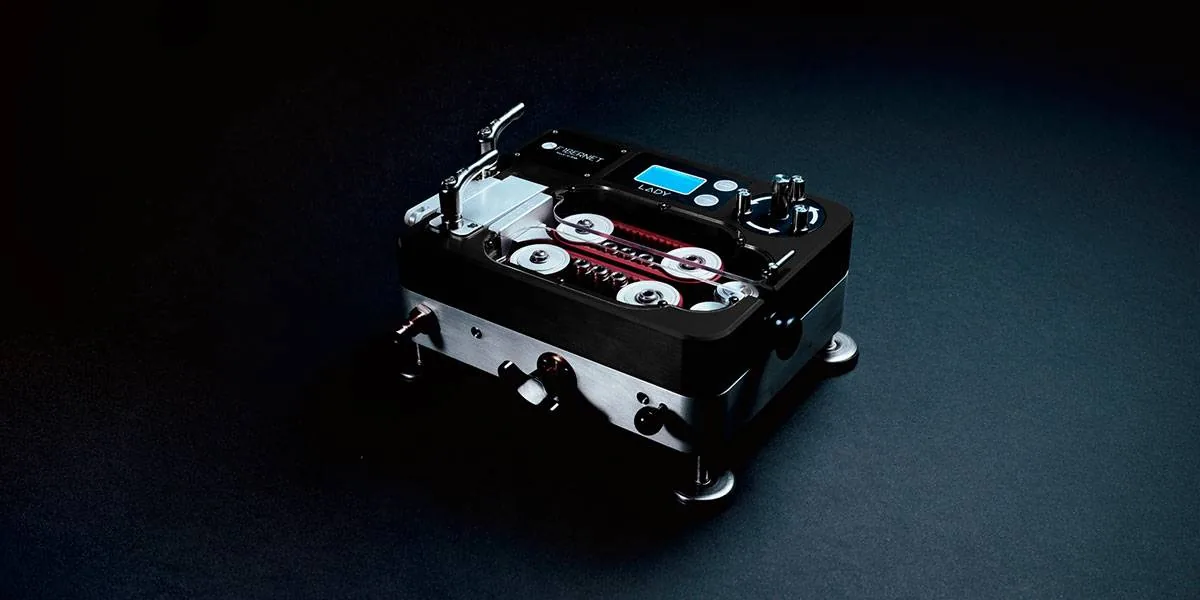
Compact and lightweight
A compact, lightweight machine for short runs.
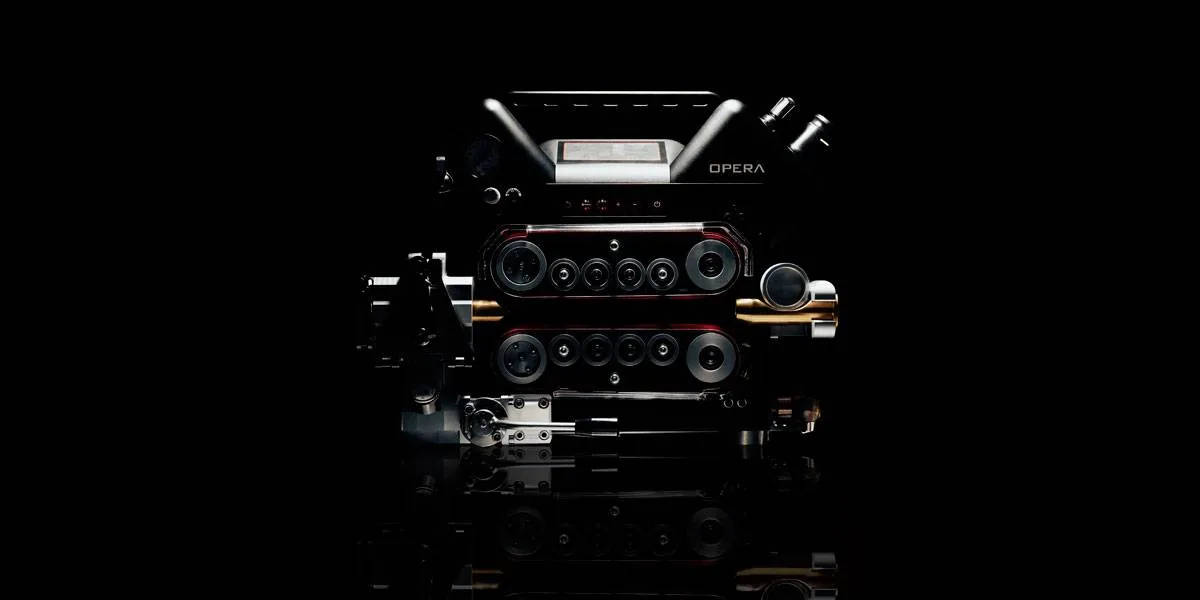
Pneumatic power
A pneumatic machine for long cable runs.
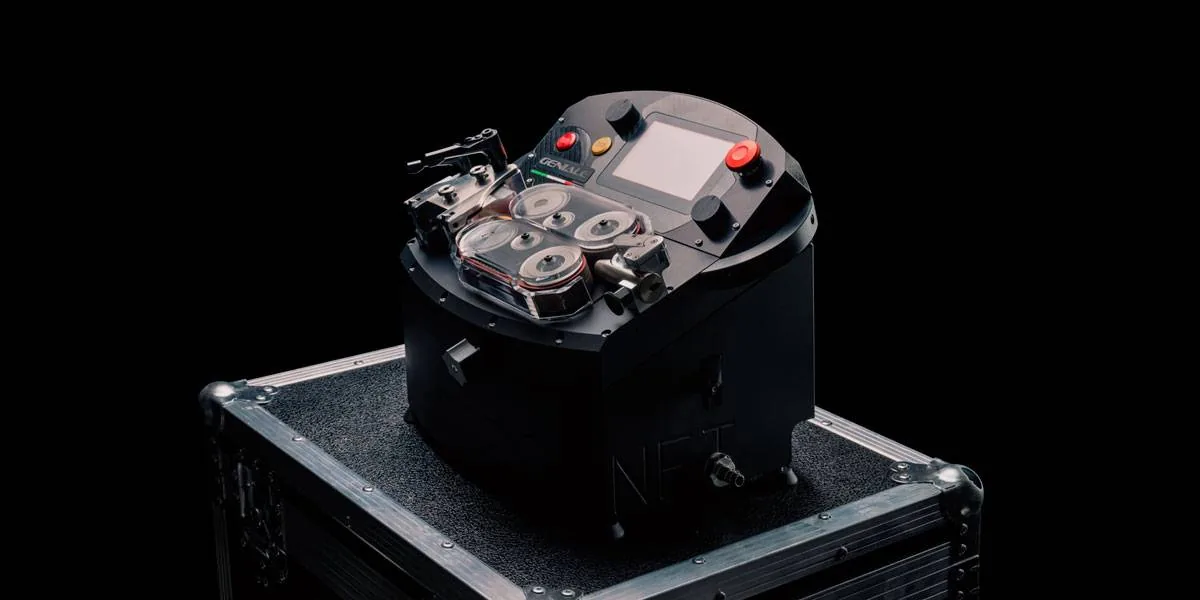
Electric, with two gears
For short and long runs. Two gears let you match force and speed to the job.
Specifications for the Fibernet range. The speeds shown are maximum values. Actual results depend on installation conditions and machine setup.
Direct from the manufacturer
When you’re working on site, you need practical answers. With Fibernet, you speak directly to the people who design and build your cable blowing machine.
Speak to a technicianA specialist technician can help when you need it.
Spare parts ready to ship, direct from the manufacturer.
If your machine breaks down, a replacement may be available within 48 hours.
Check availability and terms with your technician.Get help making the most of your machine, from your very first job.
See it in action before you choose
Request a free hands-on demonstration on your site or at Fibernet’s test facility. Discuss a real job with the technician.
Request a free demonstration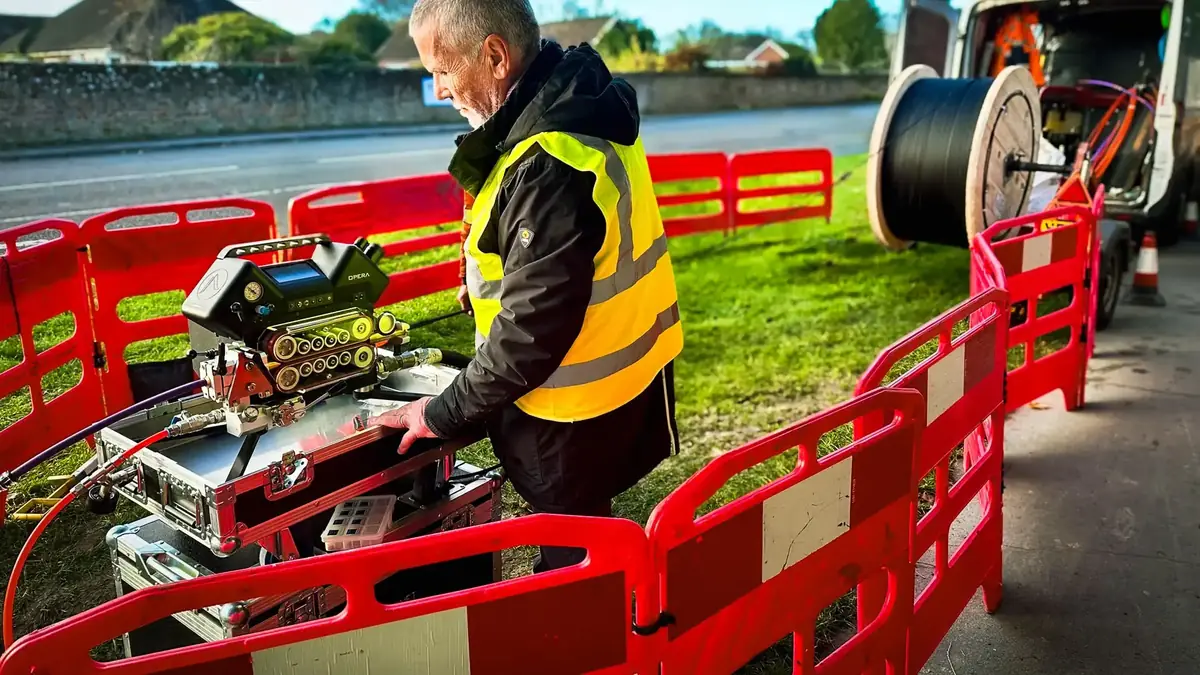
Choosing a battery powered fibre blower starts with the installation conditions, not simply the convenience of cordless operation. Contractors working on Italian street works, building approaches and constrained access points need equipment that suits the cable, the duct and the practical organisation of the site. Before selecting a machine, establish the cable diameter, the duct’s internal and external dimensions, the expected route length and the number of bends. These details help determine whether the proposed configuration is appropriate and which guides, seals or other accessories need to be considered. Fibernet provides a direct point of contact for discussing these requirements, helping prospective customers frame their enquiry around the actual blowing task rather than an isolated product label. An important distinction is the difference between powering the drive mechanism and providing the compressed air used during blowing. Battery operation does not automatically remove the need for an external air supply. Ask how the proposed equipment drives the cable, what air provision it requires and which components are included in the quotation. This is particularly useful when comparing a battery powered cable blower with equipment described using different commercial terminology. Clear specifications make it easier to prepare a workable site arrangement and avoid discovering missing requirements after the machine arrives. Consider how the operator will position the equipment beside the duct entry, manage the cable feed and maintain communication with colleagues along the route. A suitable working arrangement should support controlled feeding without unnecessary cable handling or awkward access to adjustments. The cable manufacturer’s limits remain essential: permissible pushing force, bending radius and other installation restrictions must guide the setup. No machine description can replace checking those limits against the proposed installation method. When evaluating a battery powered fibre cable blower, also ask about the supported battery arrangement, charging requirements and the practical steps involved in changing between cable sizes. Runtime should be assessed against a defined operating pattern, because loading, interruptions and site conditions can alter energy demand. For teams moving between several installation points during a shift, transport and setup procedures deserve as much attention as nominal performance. Provide Fibernet with representative cable and duct specifications, photographs of typical access conditions where helpful, and a description of the work programme. This gives the discussion a concrete basis and allows availability, compatibility and configuration to be checked before purchase. Founded in 2001, Fibernet brings an established technical background to these conversations. Its purpose is to help customers identify equipment suited to their cable blowing requirements, with a clear understanding of what must be confirmed for each job.
Successful cable blowing depends on the relationship between the machine, the cable, the duct and the air supply. A battery powered fibre blower should therefore be evaluated as part of a complete operating procedure rather than as a promise of a fixed installation distance. Route geometry, changes in gradient, duct condition and cable behaviour can all influence the result. A straight demonstration route may tell you relatively little about a street installation containing several bends and intermediate access points. Ask for performance information that explains the test conditions, and compare those conditions with the work your crews expect to undertake. Preparation begins before the cable enters the machine. Confirm duct continuity and condition using methods appropriate to the installation, check that connections are suitable for the intended operating pressure, and ensure that the cable can feed freely from its drum. Where a lubricant is proposed, verify its compatibility with the cable, duct and equipment instructions rather than assuming any product will be suitable. The objective is to reduce avoidable resistance without introducing materials or procedures that could compromise the installation. Operators should then follow the machine instructions for fitting guides and seals, setting the drive and checking the cable path. Excessive drive pressure is not a substitute for investigating resistance. Cable deformation, slipping or an unexpected change in feeding behaviour should prompt a controlled stop and an assessment of the cause. A drill powered fibre blower may have a different drive arrangement from a machine with an integrated motor, so confirm the precise configuration and adjustment procedure instead of treating the terms as interchangeable. Site planning also needs to account for compressed air quality and delivery. Confirm the pressure and flow required by the selected equipment, the suitability of hoses and connections, and any air treatment requirements specified by the manufacturer. Do not infer these figures from the machine’s size or from the fact that its drive uses a battery. Establish a safe working area, follow applicable site procedures and depressurise equipment as instructed before opening pressurised parts or changing components. For a battery powered fibre blowing machine, battery management belongs in the same preparation checklist: inspect the power source, use the specified charging equipment and plan charging around the actual work sequence. Recording cable dimensions, duct details, operating settings and the conditions encountered can make later installations easier to assess. These records help supervisors distinguish equipment setup issues from route restrictions and give suppliers useful information when technical questions arise. Fibernet can be contacted with these practical details when discussing equipment suitability. A disciplined enquiry produces a more meaningful comparison than a distance claim alone and helps buyers establish realistic expectations before scheduling crews or committing to a particular configuration.
A well prepared purchasing enquiry makes it easier to establish whether a battery powered fibre blower fits both the technical work and the commercial requirements of your business. Start by describing the installations your company undertakes most frequently, rather than selecting equipment around an exceptional job. Include the cable and duct sizes used across your contracts, the working environment, the frequency of moves between access points and any constraints affecting transport or power availability. If different crews use different cable formats, explain whether you need one adaptable configuration or separate equipment arrangements. This allows the discussion to address changeover requirements and the accessories that may be needed for each application. Price comparisons become more useful when the scope is explicit. A fibre blower price should be considered alongside the items included, the supported configurations and the additional equipment required to put the machine into service. Request an itemised quotation covering the machine, relevant guides and seals, the power arrangement where applicable, and any other proposed accessories. Clarify whether batteries, chargers, air connections or transport provisions are supplied or must be sourced separately. This prevents apparently similar quotations from concealing different levels of readiness for the intended work. Fibernet was founded in 2001 by Giancarlo Trinei, whose technical experience in Italy dates back to the early development of installed fibre systems in the 1980s. The company’s progression into cable blowing equipment included the launch of its first machine, Lady, in 2021. That background gives buyers a useful introduction to the business, while the suitability of any current model should still be established through its confirmed specifications. Do not assume that a particular power source, cable range or accessory is available solely because it appears in a general search description. When enquiring about a battery powered fibre optic cable blower, ask Fibernet to identify the relevant equipment and confirm its configuration in writing. For customers based in Italy or purchasing from another country, the commercial discussion should also cover delivery availability, destination requirements, lead times and the documentation supplied with the selected machine. Confirm the language of operating instructions, warranty terms, spare parts arrangements and the available channels for technical enquiries. These details matter when planning equipment use across multiple crews or sites. Ask which components require routine inspection and which consumables should be considered when preparing an initial order, without assuming that every installation needs the same spare parts package. A final review should bring the technical specification and quotation together: the equipment offered, the intended cable and duct combinations, the supporting air requirements and the agreed supply scope should all be clear. Contact Fibernet through its website with these details to begin a focused discussion and request a quotation based on your actual cable blowing work.
Fill in the form and discover what Fibernet Srl can do for you!
Contact us!Before you get started
If you prefer, speak to us directly.
+39 346 652 9915Compare the cable diameter, duct diameter and installation distance. Lady is compact and lightweight for short runs. Opera is pneumatic and designed for long runs. Geniale is electric and handles both. A Fibernet technician can help you choose.
Yes. You can request a free hands-on demonstration on your site or at Fibernet’s test facility. Tell us what you need in the form and a technician will arrange it with you. Request a demonstration.
To get a price, contact a Fibernet adviser using the form or call +39 346 652 9915.
Fibernet offers direct technical support, spare parts ready to ship and dedicated training. If your machine breaks down, a replacement may be available. Ask your technician about availability and terms.
Tell us about your job. We’ll help you find the right cable blowing machine.