Emanuele Zanda
Google review
★★★★★
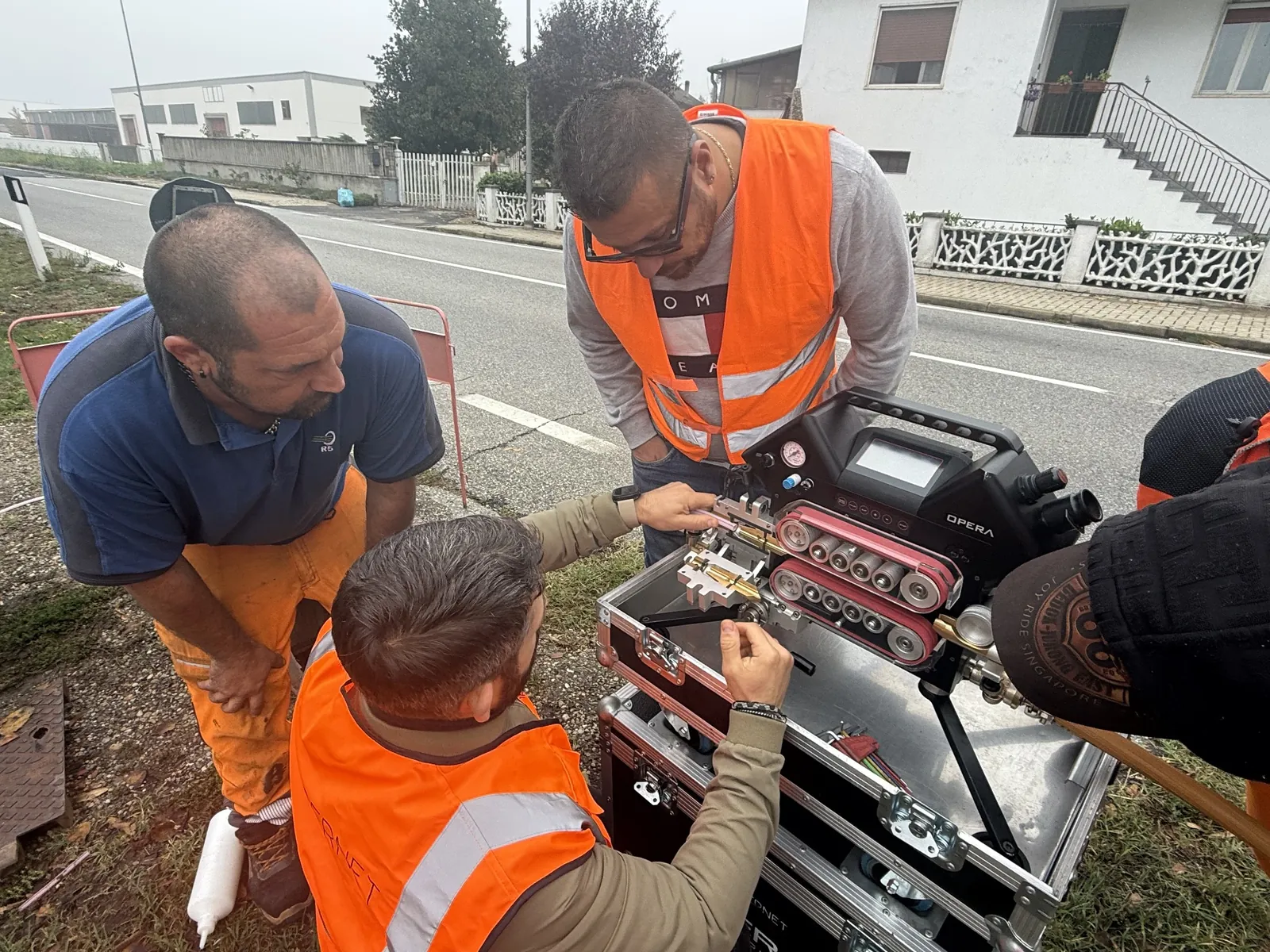
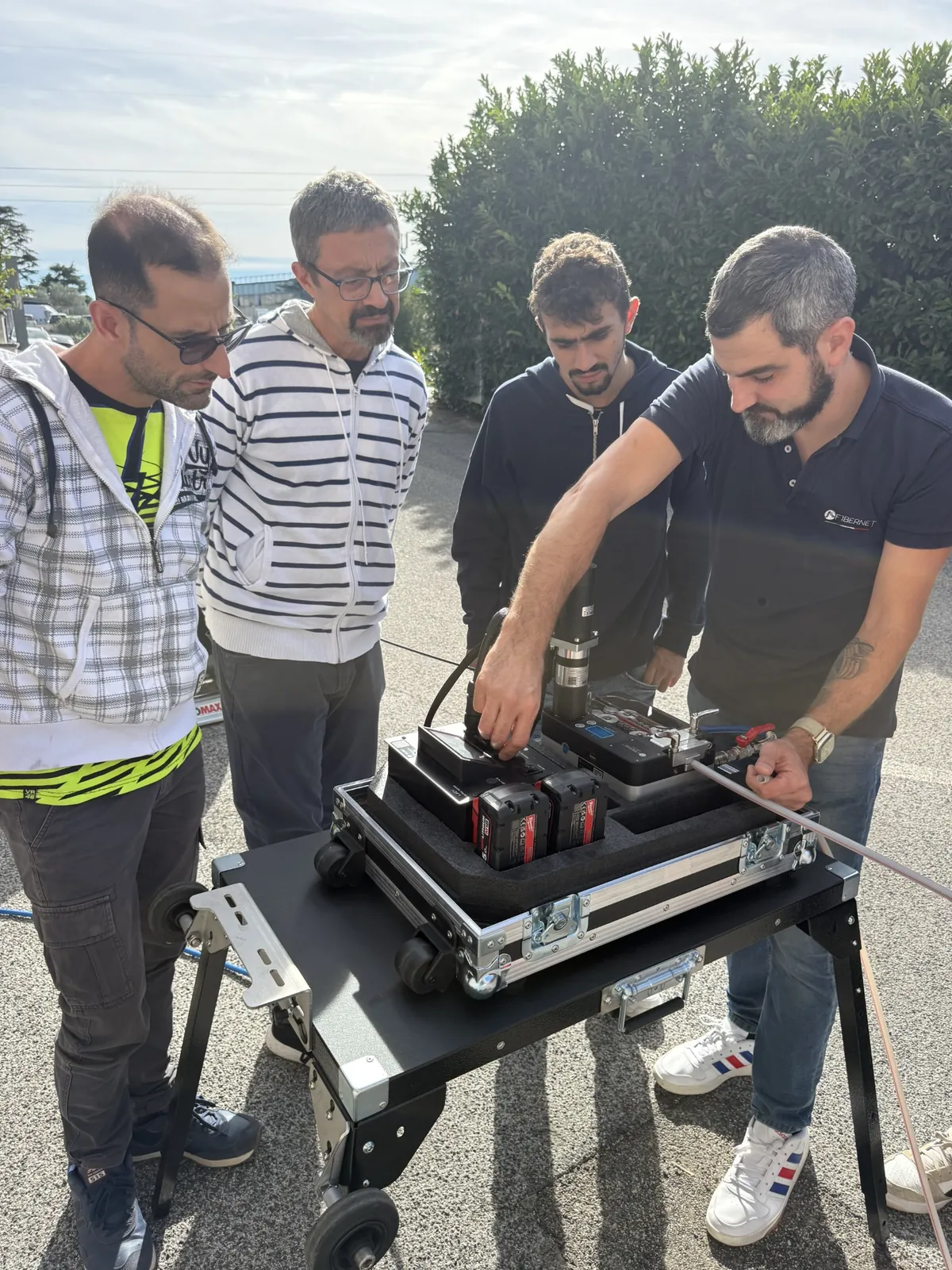
Read on Google“An excellent experience on the installer training course. The whole team was professional and knowledgeable.”
Cable blowing machines · Made in Italy
From last-mile connections to long-distance runs, a Fibernet technician can help you choose the right machine for your fibre optic cable installation.
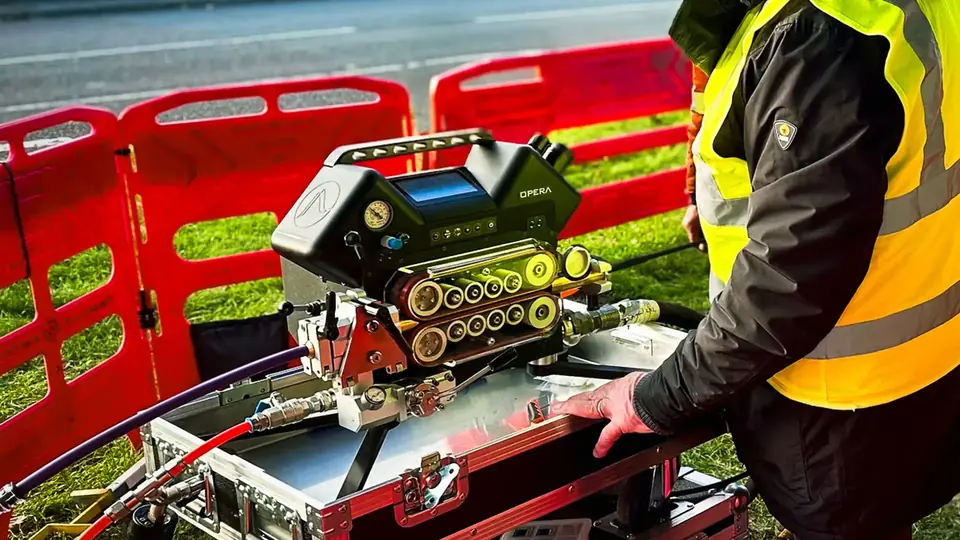
Opera, image 1 of 3
Expert advice direct from the manufacturer / Free demonstration on request
Some of our customers.
Keep your installation moving with Fibernet cable blowing machines.
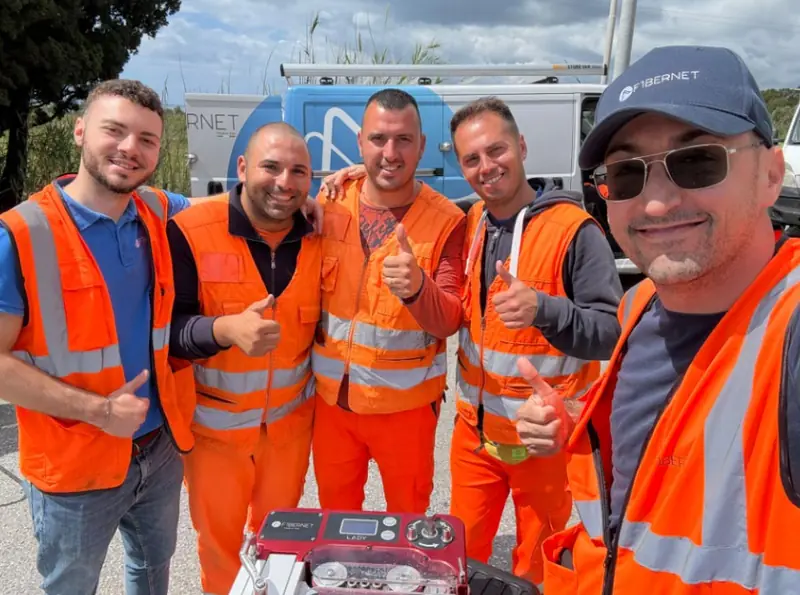
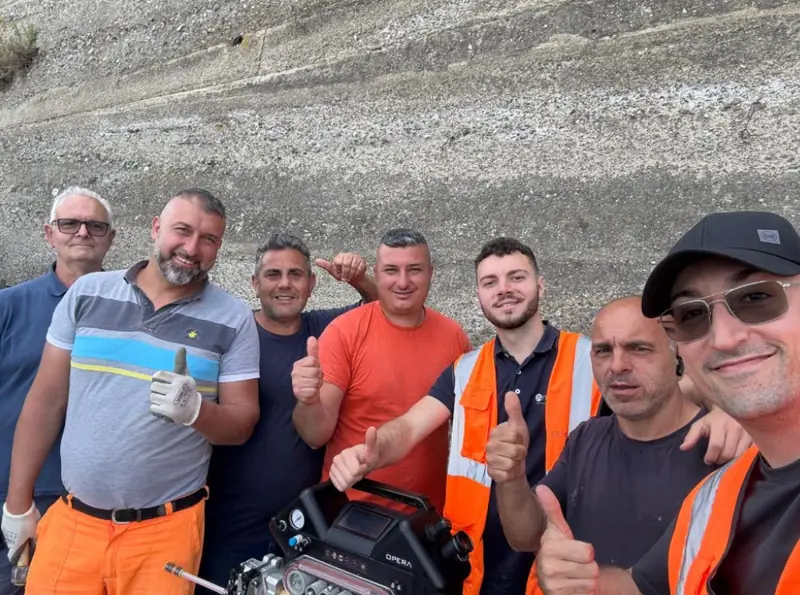
Photos and stories from installers, published by Fibernet.
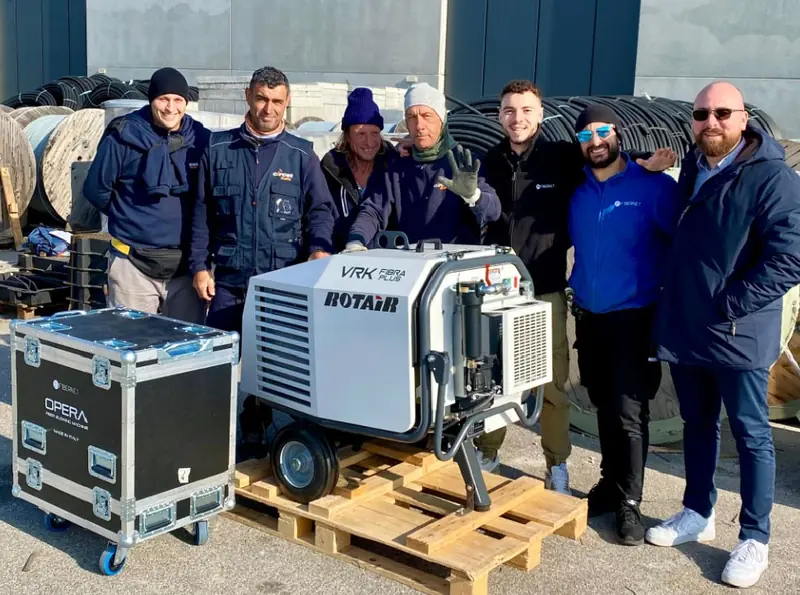
 GoogleExcellentBased on 176 reviewsRead the reviews
Read on Google“An excellent experience on the installer training course. The whole team was professional and knowledgeable.”
Read on Google“I had the chance to try the Opera cable blowing machine on site…”
Read on Google“I really enjoyed this course. It took place in a pleasant setting with friendly, helpful people.”
Stories from installers
Hear the results from the installers themselves. Watch their testimonials right here.
Product videos
Three machines. Find your fit.
Start with the job at hand. Our technician can answer your questions about the right setup.
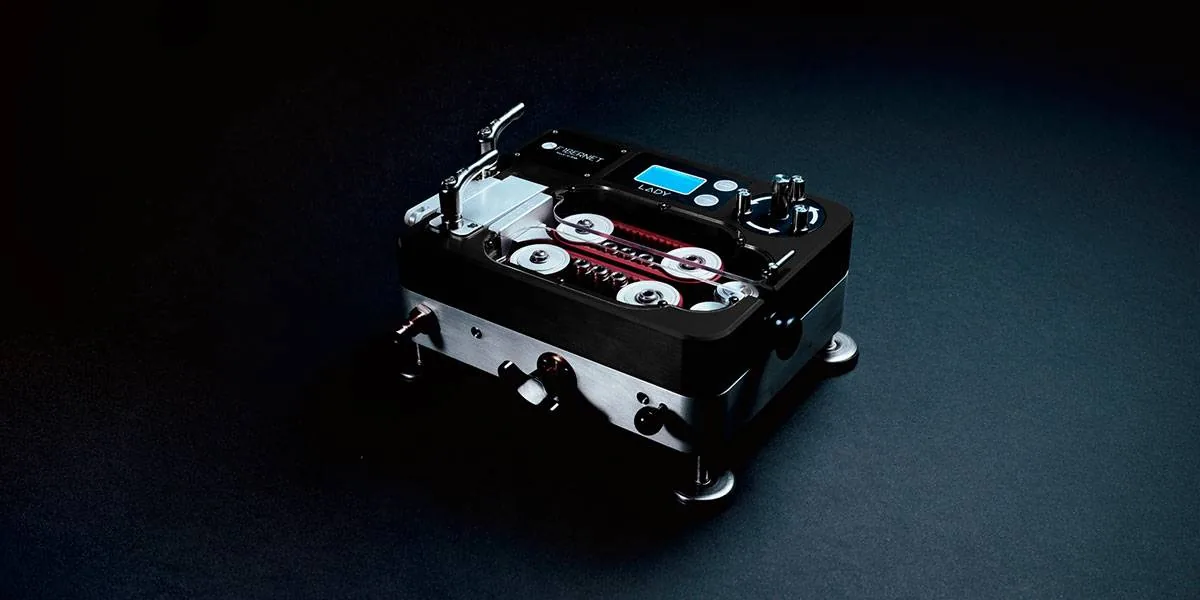
Compact and lightweight
A compact, lightweight machine for short runs.
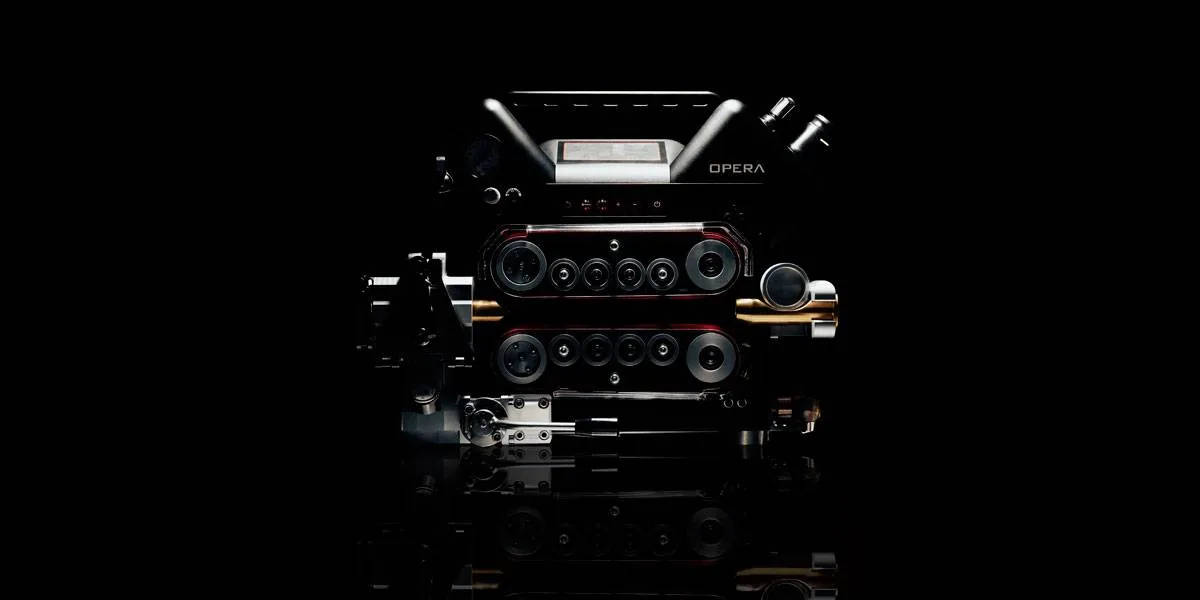
Pneumatic power
A pneumatic machine for long cable runs.
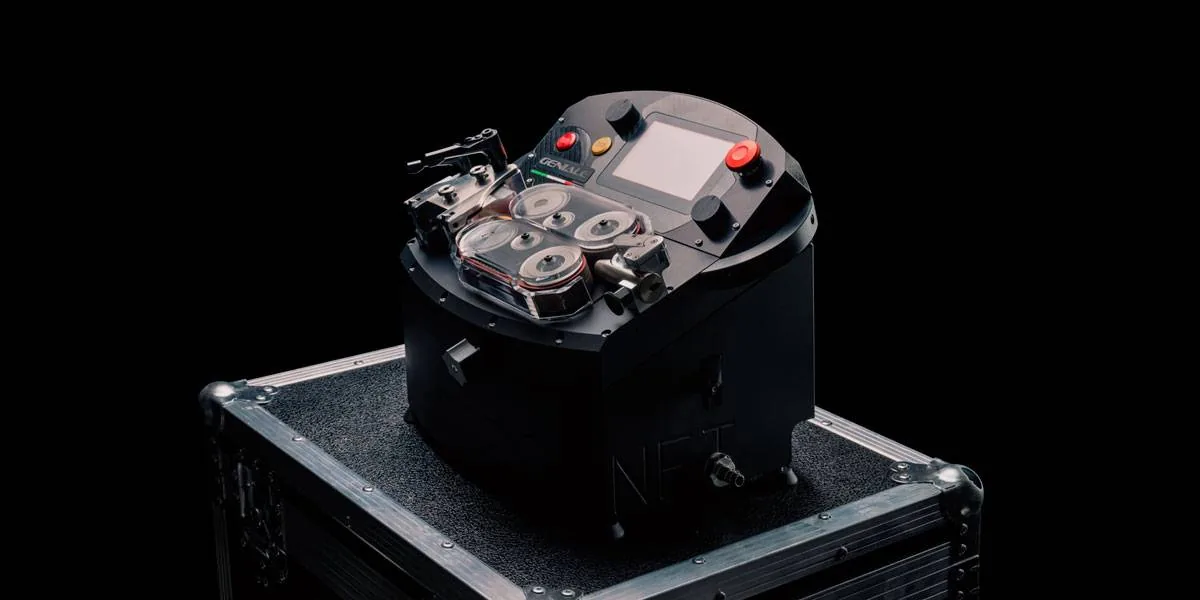
Electric, with two gears
For short and long runs. Two gears let you match force and speed to the job.
Specifications for the Fibernet range. The speeds shown are maximum values. Actual results depend on installation conditions and machine setup.
Direct from the manufacturer
When you’re working on site, you need practical answers. With Fibernet, you speak directly to the people who design and build your cable blowing machine.
Speak to a technicianA specialist technician can help when you need it.
Spare parts ready to ship, direct from the manufacturer.
If your machine breaks down, a replacement may be available within 48 hours.
Check availability and terms with your technician.Get help making the most of your machine, from your very first job.
See it in action before you choose
Request a free hands-on demonstration on your site or at Fibernet’s test facility. Discuss a real job with the technician.
Request a free demonstration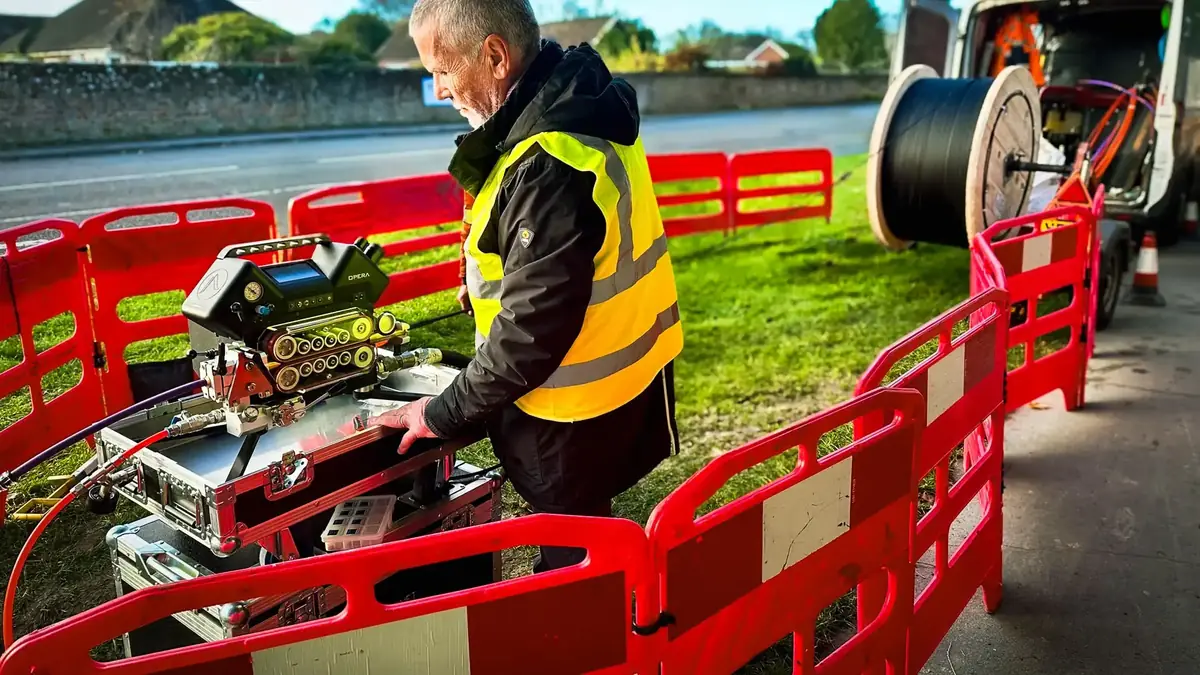
Selecting a battery powered fiber optic cable jetting machine begins with understanding the conditions your installation team encounters, rather than choosing equipment from a headline specification alone. Contractors working on Italian sites may move between roadside access chambers, compact working areas and duct sections with different lengths and bends. Each location presents practical questions about equipment positioning, cable handling, available power and compressed air provision. Fibernet welcomes enquiries from telecommunications companies and installation contractors seeking cable blowing equipment suited to their actual projects. Sharing your cable dimensions, duct specifications and working conditions gives the discussion a useful technical foundation and helps identify which equipment characteristics require closer assessment before a quotation is prepared. A battery driven feed mechanism should not be confused with a completely self contained blowing system. Cable jetting typically combines controlled mechanical feeding with an airflow that helps advance the cable through the duct. Depending on the equipment configuration, an external compressor and suitable air treatment may still be necessary. When assessing a battery powered fiber optic cable blowing machine, ask which components receive battery power, what air supply is required and how the proposed arrangement fits the space available on site. Battery compatibility, charging arrangements and anticipated duty cycles also deserve attention. Operating time depends on the application and equipment, so it should be checked against documented specifications rather than assumed from the power source alone. Cable and duct compatibility are equally important. Provide the cable outside diameter, construction details and manufacturer handling limits, together with the duct internal diameter and information about the route. Bends, couplings, changes in elevation, duct cleanliness and sealing conditions can influence installation behaviour. A cable jetting machine for fiber optic cable installation must be evaluated as part of this complete arrangement. The appropriate guides, seals and feeding components should match the intended application, while operating procedures must respect the limits specified for the cable, duct and machine. No responsible equipment selection can guarantee a particular installation distance without considering these variables. Before contacting Fibernet, prepare a short description of a representative job and any recurring difficulties your crews face. Explain whether access is restricted, how equipment reaches the working position and how frequently the team changes cable sizes. Include your intended country of use so that electrical supply, charging compatibility and delivery requirements can be discussed where relevant. This practical approach keeps the enquiry focused on useful outcomes: a suitable equipment configuration, clear infrastructure requirements and a quotation based on defined needs. It also helps purchasing staff and site supervisors assess the same proposal using consistent information, reducing the risk of ordering an arrangement that leaves essential installation requirements unresolved.
A productive cable blowing operation depends on more than the drive system. Before starting work, the crew needs a prepared duct route, a controlled cable payout and an equipment layout that allows the operator to observe the feeding process safely. When evaluating a battery powered fiber optic cable jetting machine, consider the complete sequence from unloading to completion. Equipment that appears convenient in isolation may still require careful planning for compressor positioning, air hoses, charging equipment and access to the cable drum. Reviewing these details before deployment helps avoid interruptions caused by missing connections, unsuitable consumables or an overlooked power requirement at a remote working position. Battery planning should reflect the working day rather than an assumed continuous runtime. Ask for the supported battery specification, charging requirements and any documented restrictions associated with the proposed configuration. Establish how batteries will be transported, protected and charged in accordance with the relevant instructions. If replacement batteries are part of the intended workflow, confirm compatibility and the correct replacement procedure. A battery powered cable jetting machine can change the way the feeding mechanism receives energy, but it does not remove the need to understand load, environmental conditions or equipment limits. Crews should also know what to do if available battery power becomes insufficient during an operation, following the manufacturer's specified procedure. Air supply deserves a separate technical discussion. Where the installation arrangement requires a compressor, assess the specified pressure and airflow at the machine rather than relying solely on the compressor's headline rating. Hose dimensions, connection quality, leakage and air treatment can affect what reaches the inlet. Comparing a battery driven arrangement with a compressed air fiber optic cable jetting machine therefore requires clarity about which functions each power source performs. Neither description, by itself, establishes achievable distance or suitability for a particular duct. Obtain the relevant operating requirements and check that the proposed supporting equipment can meet them under the expected site conditions. Preparation of the route and cable payout remains essential whichever arrangement is selected. Confirm that the duct is suitable for the intended operation and follow the approved inspection, cleaning and preparation procedures. Position the cable drum so that payout is controlled and the cable is not forced through inappropriate bends before entering the machine. Check that the correct guides and seals are fitted, and use only compatible installation consumables where specified. During operation, personnel should monitor progress and respond to abnormal resistance according to the equipment instructions rather than increasing force indiscriminately. Keeping a record of the cable, duct, route conditions and operating settings can support repeatable planning for comparable jobs. Fibernet can use these application details during an equipment enquiry to clarify requirements and help frame a proposal around the realities of your installation work.
Fibernet's approach to cable blowing equipment is rooted in technical experience and a family business established in 2001. Founder Giancarlo Trinei began working with optical fibre systems in the early 1980s, developing practical knowledge through installation and testing activities in Italy. That background helped shape the company's interest in equipment that addresses real operational challenges. In 2021, Fibernet launched its first cable blowing machine, Lady, marking a significant step in its product development. For buyers researching a battery powered fiber optic cable jetting machine, this history provides context for the conversation, while suitability for a particular project must still be established through current product information and a detailed assessment of requirements. A useful commercial enquiry connects technical compatibility with purchasing priorities. Explain which cable sizes and duct dimensions are involved, where the equipment will be used and whether you already have a compressor or other supporting equipment. State whether the purchase is intended for a single defined contract or repeated use across different projects. This distinction can affect which accessories and configuration options deserve consideration. If your team is comparing a drill powered fiber optic cable jetting machine with another drive arrangement, describe the reasons behind that comparison. Restricted access, equipment transport, available power and existing tools are more useful decision criteria than assuming one drive type will be preferable in every situation. When reviewing the fiber optic cable jetting machine price, examine what the quotation actually includes. Clarify the proposed machine configuration, compatible components, any required accessories and the supporting equipment that must be sourced separately. Ask which documentation accompanies the equipment and which operating and maintenance requirements apply. Consumable availability, replacement component identification and delivery arrangements should also form part of the discussion. A lower initial figure does not necessarily represent a comparable offer if essential items are excluded. Conversely, additional equipment should have a clear purpose linked to your applications rather than being included without a practical justification. A transparent comparison makes purchasing decisions easier to explain internally. Fibernet's Italian base is relevant to customers seeking a manufacturing partner connected to Italy's technical expertise, while enquiries from English speaking businesses can address projects beyond the domestic market. For any proposed international supply, confirm destination availability, delivery terms, documentation and applicable requirements directly before ordering. Battery transport arrangements, where relevant, should be checked rather than assumed. The generational development of the business, which began in 2010 with Matteo, Marta and Ismael joining the company, supports its continuing ambition to serve a wider market without losing its founding values. Contact Fibernet with a concise application brief and request confirmation of the currently available equipment that matches your needs. This creates a sound basis for a technical discussion, a clearly scoped quotation and a purchase decision grounded in verified information.
Fill in the form and discover what Fibernet Srl can do for you!
Contact us!Before you get started
If you prefer, speak to us directly.
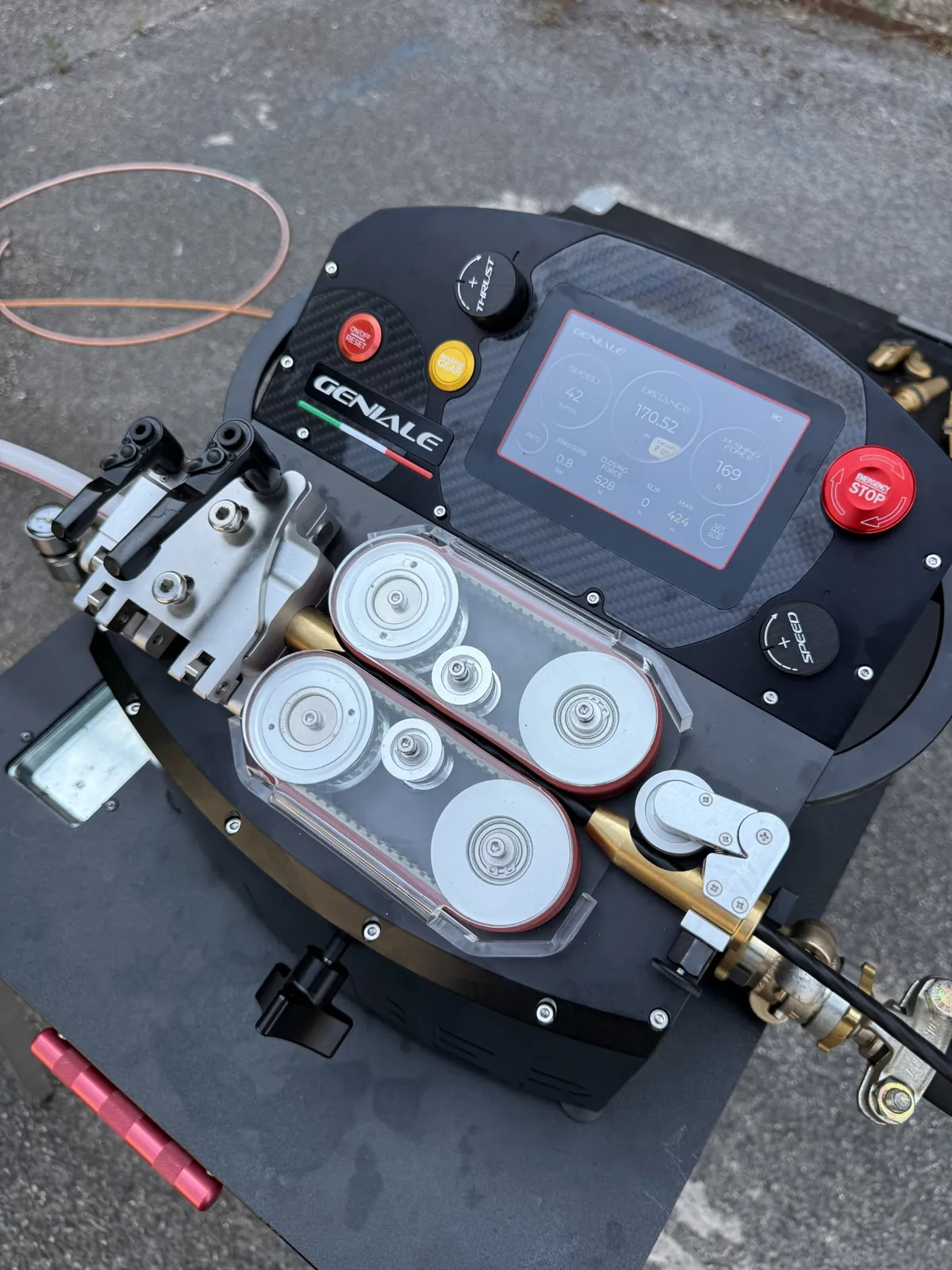
+39 346 652 9915Compare the cable diameter, duct diameter and installation distance. Lady is compact and lightweight for short runs. Opera is pneumatic and designed for long runs. Geniale is electric and handles both. A Fibernet technician can help you choose.
Yes. You can request a free hands-on demonstration on your site or at Fibernet’s test facility. Tell us what you need in the form and a technician will arrange it with you. Request a demonstration.
To get a price, contact a Fibernet adviser using the form or call +39 346 652 9915.
Fibernet offers direct technical support, spare parts ready to ship and dedicated training. If your machine breaks down, a replacement may be available. Ask your technician about availability and terms.
Tell us about your job. We’ll help you find the right cable blowing machine.