Emanuele Zanda
Google review
★★★★★
Read on Google“An excellent experience on the installer training course. The whole team was professional and knowledgeable.”
Cable blowing machines · Made in Italy
From last-mile connections to long-distance runs, a Fibernet technician can help you choose the right machine for your fibre optic cable installation.
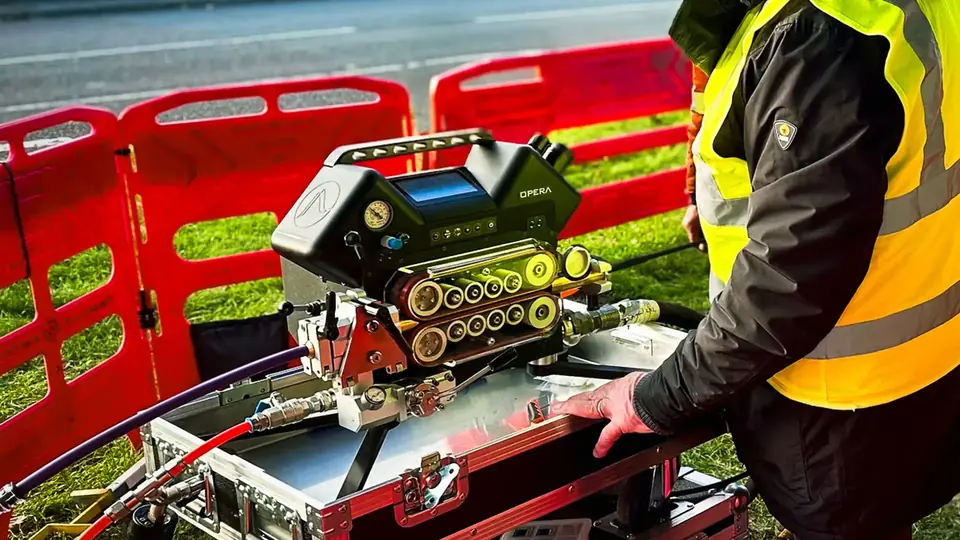
Opera, image 1 of 3
Expert advice direct from the manufacturer / Free demonstration on request
Some of our customers.

Keep your installation moving with Fibernet cable blowing machines.
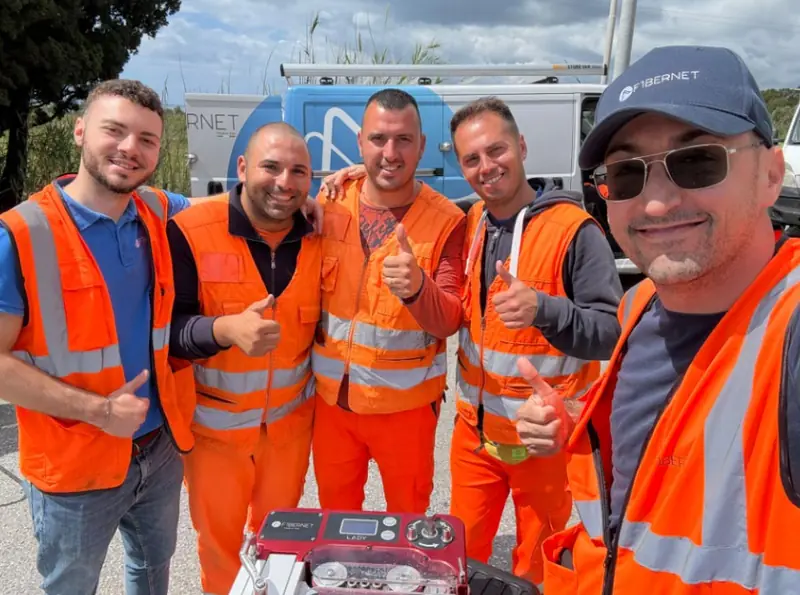
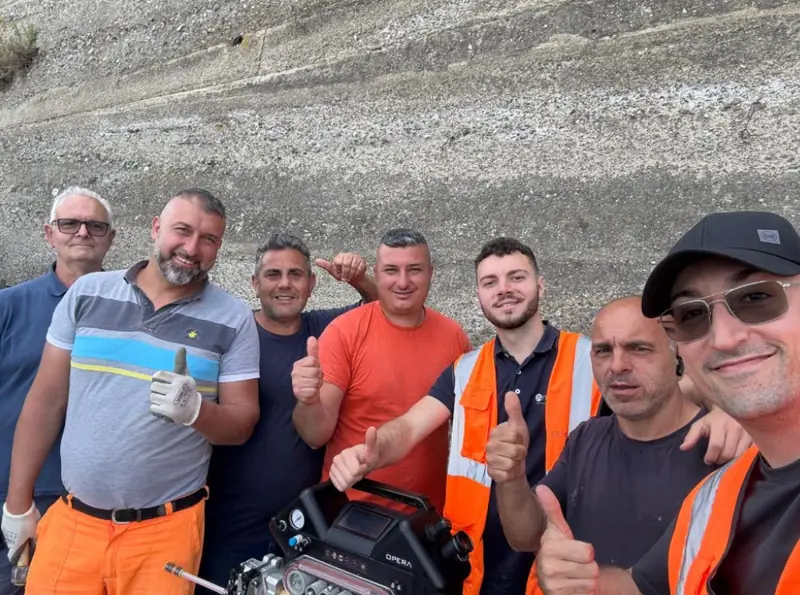
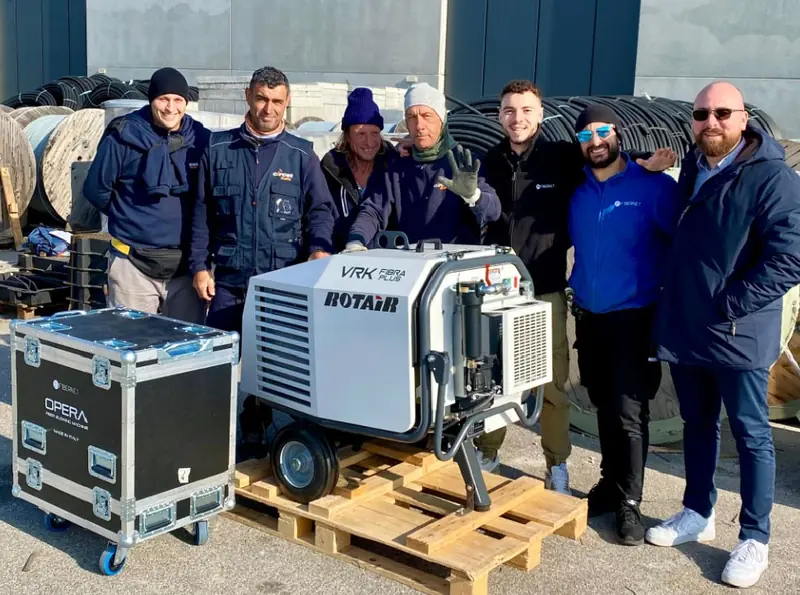
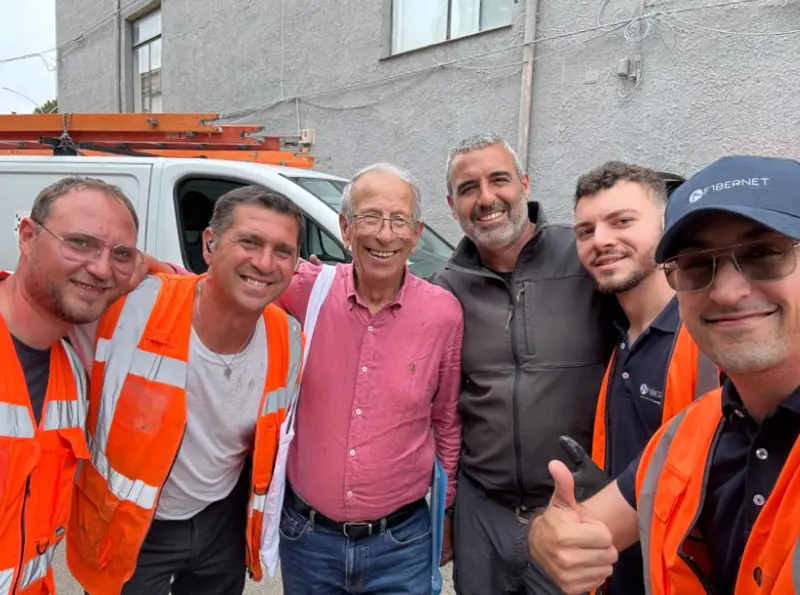
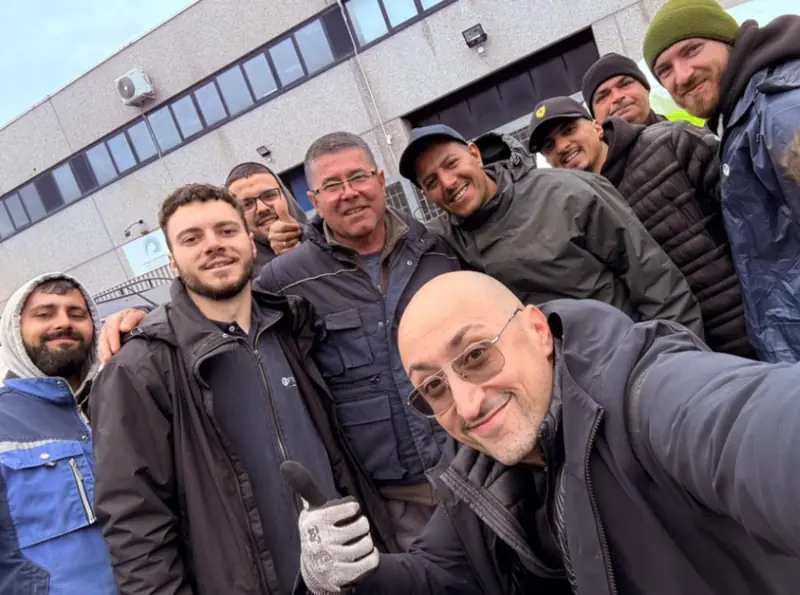
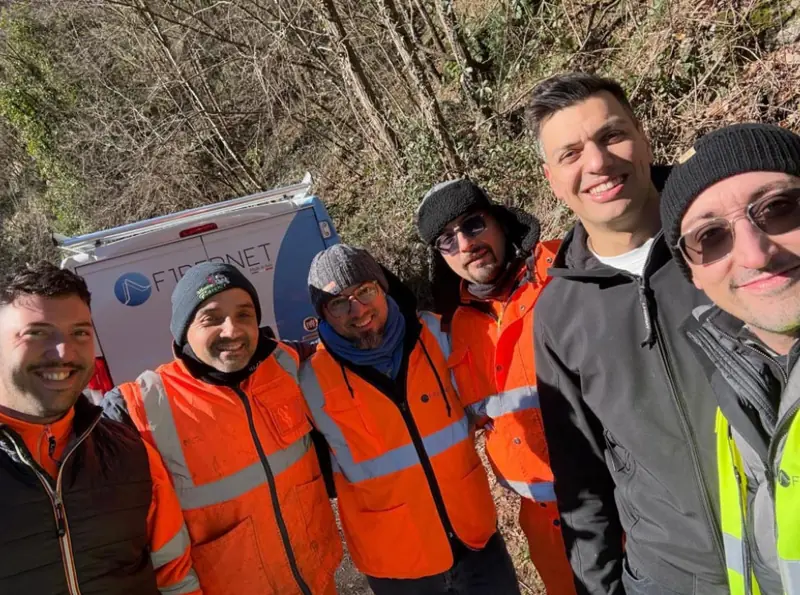
Photos and stories from installers, published by Fibernet.
 GoogleExcellentBased on 176 reviewsRead the reviews
Read on Google“An excellent experience on the installer training course. The whole team was professional and knowledgeable.”
Read on Google“I had the chance to try the Opera cable blowing machine on site…”
Read on Google“I really enjoyed this course. It took place in a pleasant setting with friendly, helpful people.”
Stories from installers
Hear the results from the installers themselves. Watch their testimonials right here.
Product videos
Three machines. Find your fit.
Start with the job at hand. Our technician can answer your questions about the right setup.
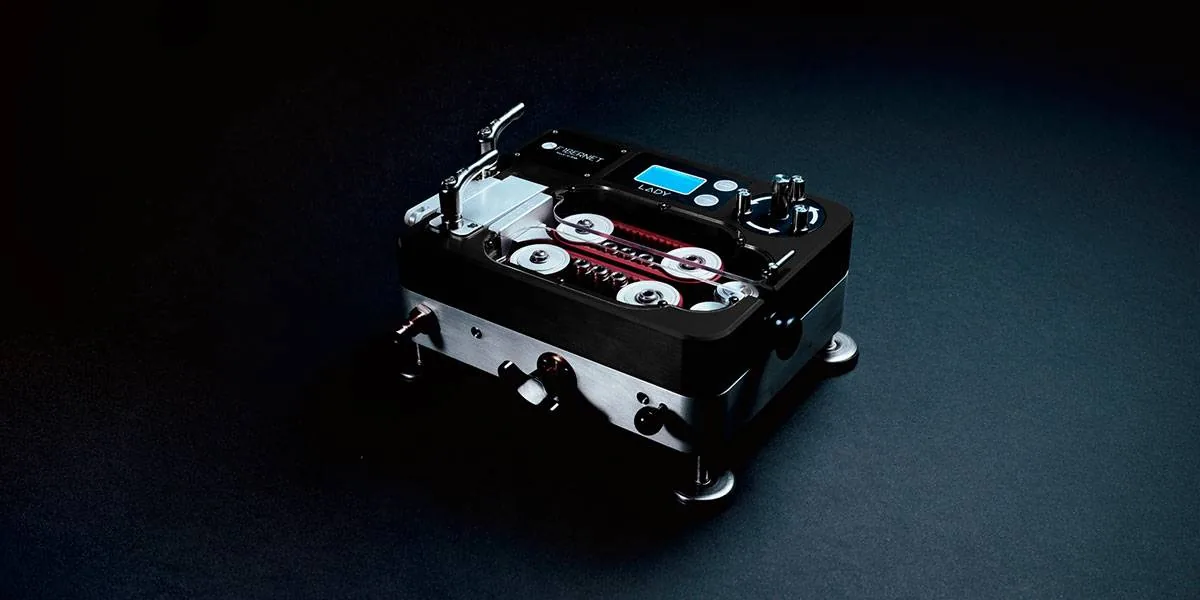
Compact and lightweight
A compact, lightweight machine for short runs.
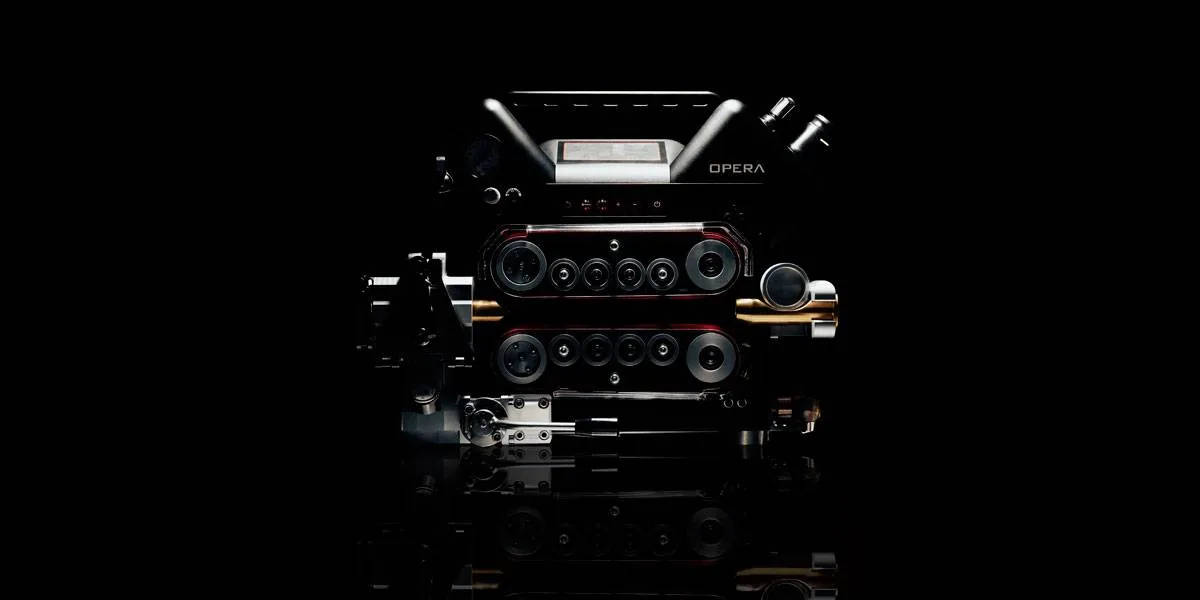
Pneumatic power
A pneumatic machine for long cable runs.
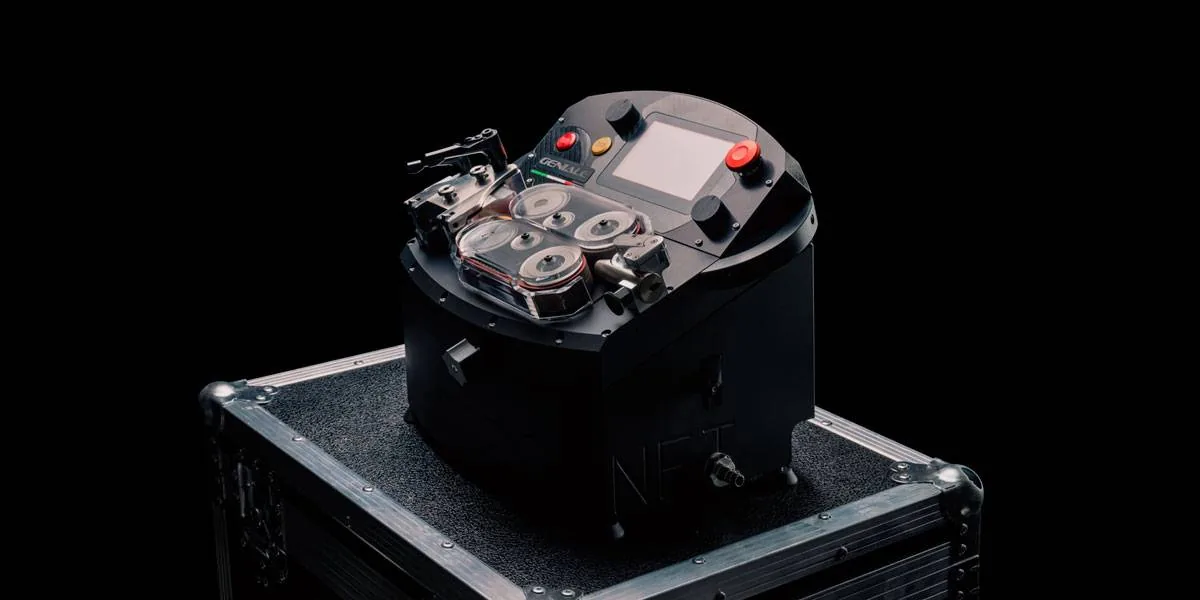
Electric, with two gears
For short and long runs. Two gears let you match force and speed to the job.
Specifications for the Fibernet range. The speeds shown are maximum values. Actual results depend on installation conditions and machine setup.
Direct from the manufacturer
When you’re working on site, you need practical answers. With Fibernet, you speak directly to the people who design and build your cable blowing machine.
Speak to a technicianA specialist technician can help when you need it.
Spare parts ready to ship, direct from the manufacturer.
If your machine breaks down, a replacement may be available within 48 hours.
Check availability and terms with your technician.Get help making the most of your machine, from your very first job.
See it in action before you choose
Request a free hands-on demonstration on your site or at Fibernet’s test facility. Discuss a real job with the technician.
Request a free demonstration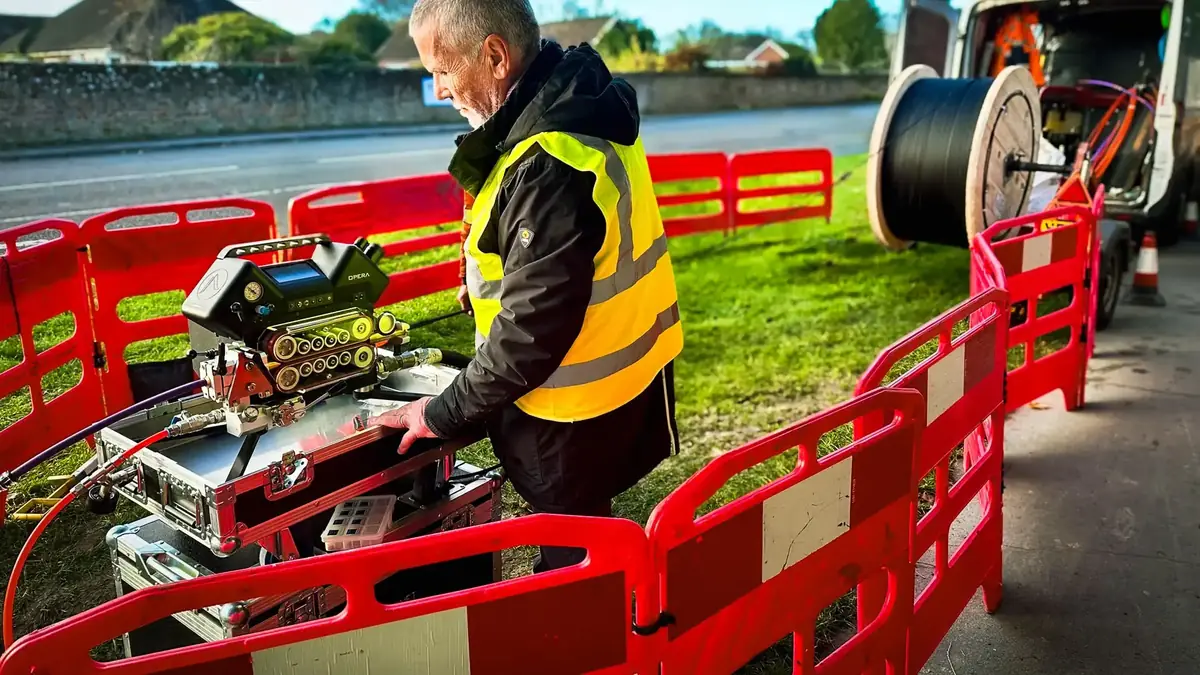
Choosing a battery powered fiber optic cable blowing machine starts with understanding the conditions your installation team encounters every day. Cable diameter, duct dimensions, route geometry and access arrangements all influence whether a particular configuration suits the job. For telecommunications contractors working on Italian streets or managing projects abroad, a compact power source can be attractive where convenient electrical connections are unavailable. However, battery operation should never be confused with a guarantee that every part of the installation process works without additional equipment. Establishing how the cable is driven, whether compressed air is required and which accessories are needed gives procurement teams a reliable basis for comparing solutions. Fibernet provides a direct point of contact for discussing these requirements before selecting equipment. A useful enquiry includes the outside diameter and construction of the cable, the internal and external dimensions of the duct, the expected route length and the number of significant bends. These details help frame a technical discussion about compatibility rather than an assumption based on the machine name alone. A battery powered cable blowing machine should also be assessed in relation to the working pattern of the crew. Ask about the specified battery system, charging arrangements, operating limitations and availability of replacement components for the proposed configuration. Runtime depends on equipment design and operating conditions, so a documented specification is more useful than a general promise of continuous operation. Where pneumatic assistance forms part of the process, compressor suitability must be considered separately from the electrical supply driving the feed mechanism. The required airflow and pressure should always follow the equipment documentation and the limits of the cable and duct. On site, good preparation remains essential regardless of the power source. Crews should check duct continuity, confirm that connections and seals are suitable, position the cable drum to avoid unnecessary resistance and establish clear communication between access points. These practical measures support controlled feeding and make it easier to recognise an obstruction before excessive force is applied. Comparing a battery powered fiber cable blowing machine with another configuration is therefore a task based on the complete installation setup, not simply portability. Fibernet's technical background offers a relevant starting point for this conversation. Founded in Italy in 2001, the company introduced its first cable blowing machine, Lady, in 2021. Businesses can contact Fibernet with their project details to discuss available equipment, request the relevant specifications and clarify what a proposed supply includes. This approach helps turn an initial product search into a considered equipment decision for the actual work ahead.
An equipment quotation becomes useful when it explains exactly what the installation team will receive and what must be provided separately. When evaluating a battery powered fiber optic cable blowing machine, start by defining the intended application in writing. Include the cable and duct combinations your crews use most frequently, the types of access points encountered and the expected frequency of relocation between work areas. These factors can change the value of a particular configuration more than an apparently attractive purchase figure. A clear specification also makes it easier to compare proposals fairly, because equipment supplied with different accessories or operating requirements cannot be assessed on headline cost alone. Ask which cable guides, duct connections, sealing elements and other application dependent components are included. Confirm whether a battery and charger form part of the offer, where relevant, and request information about the specified electrical supply and charging conditions. If compressed air is needed, establish the requirements for the proposed machine rather than relying on the capacity of a compressor already owned by the business. The compressor must suit the application, and all operating limits should be checked against the documentation for the complete setup. A search for fiber optic cable blowing machine price should therefore lead to a discussion about scope, compatibility and running requirements. Maintenance is another important part of the commercial assessment. Feeding surfaces, seals and guides need appropriate inspection, and the maintenance schedule should be understood before the machine enters regular service. Ask how wear components are identified, which checks operators can perform and how technical assistance is requested. Clarify warranty terms, spare parts availability and any shipping arrangements in the written proposal. These questions are particularly useful for contractors purchasing from Italy for deployment in another country, where delivery planning and local import requirements can affect the project timetable. Comparing a battery driven configuration with a compressed air fiber optic cable blowing machine also requires care: these descriptions do not necessarily identify mutually exclusive operating systems. One describes a possible source of drive power, while the other describes pneumatic assistance used during installation. Understanding that distinction prevents misunderstandings about portability, compressor dependence and site preparation. Fibernet can be approached with a structured enquiry covering the intended cable, duct and working environment, allowing the discussion to focus on a suitable proposed configuration. Request current technical documentation and a quotation that identifies the supplied components, commercial conditions and delivery destination. For international enquiries, confirm shipping options and destination specific requirements directly with the company. A well defined purchasing process helps contractors budget for the complete working arrangement, allocate equipment appropriately and avoid discovering essential omissions only after a crew reaches the installation site.
A productive discussion with a cable blowing equipment supplier often begins with a difficult installation rather than a catalogue reference. Perhaps a crew moves repeatedly between small access chambers, works where mains electricity is inconvenient or needs a clearer procedure for matching equipment to different duct sizes. Describing that situation gives the supplier useful context and helps distinguish essential requirements from optional preferences. For a business considering a battery powered fiber optic cable blowing machine, the objective should be a workable combination of handling, compatibility and operating control, supported by documentation that the crew can consult before starting. No single power arrangement removes the need to assess the cable route or observe the limits specified for the equipment. Before a job begins, operators should inspect the machine according to its instructions and check the condition of the components that contact the cable. The drum should be positioned so that cable pays off smoothly without introducing unnecessary bends or drag. Duct preparation, suitable connections and an appropriate sealing arrangement are equally important. Where lubricant is specified, it must be compatible with the application and used according to the relevant instructions. The team should agree how progress will be monitored, who will control the feed and what action to take if movement becomes irregular. These details are practical safeguards against continuing an installation when the cause of resistance has not been understood. A cable blowing machine for fiber optic cable installation should be selected with these working procedures in mind, not judged solely by an advertised maximum distance. Actual results depend on the cable, duct condition, route profile, preparation and operating setup. Ask how the proposed equipment allows operators to manage feeding and which indicators or controls are available on that specific configuration. Avoid assuming that a feature shown on one machine is included on another. Similarly, when reviewing a battery powered fiber optic cable blower, obtain confirmation of its power arrangement and any separate air supply requirements before planning transport to site. Fibernet brings an Italian engineering background to these conversations. Its founder, Giancarlo Trinei, began working with fibre optic systems in the early 1980s, and the company was established in 2001. The introduction of Lady in 2021 marked its first cable blowing machine launch. That history provides context for the company's focus, while current specifications remain the basis for any purchasing decision. English speaking contractors in Italy and international buyers can present their installation requirements directly to Fibernet and request information on suitable equipment. Include the intended destination, required accessories and project timing so that technical and commercial questions can be addressed together. A detailed enquiry supports a more useful response and helps your team prepare for deployment with realistic expectations.
Fill in the form and discover what Fibernet Srl can do for you!
Contact us!Before you get started
If you prefer, speak to us directly.
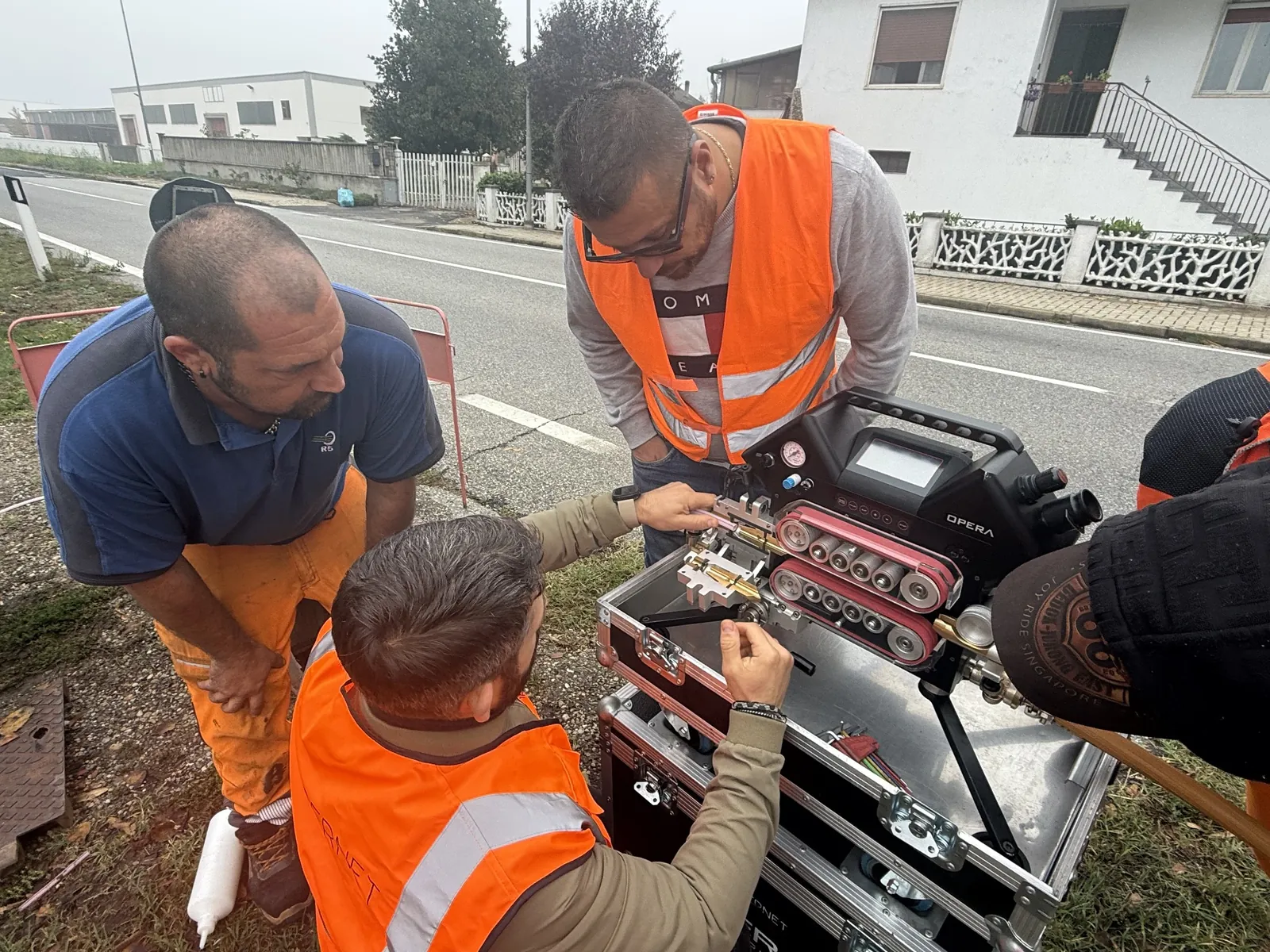
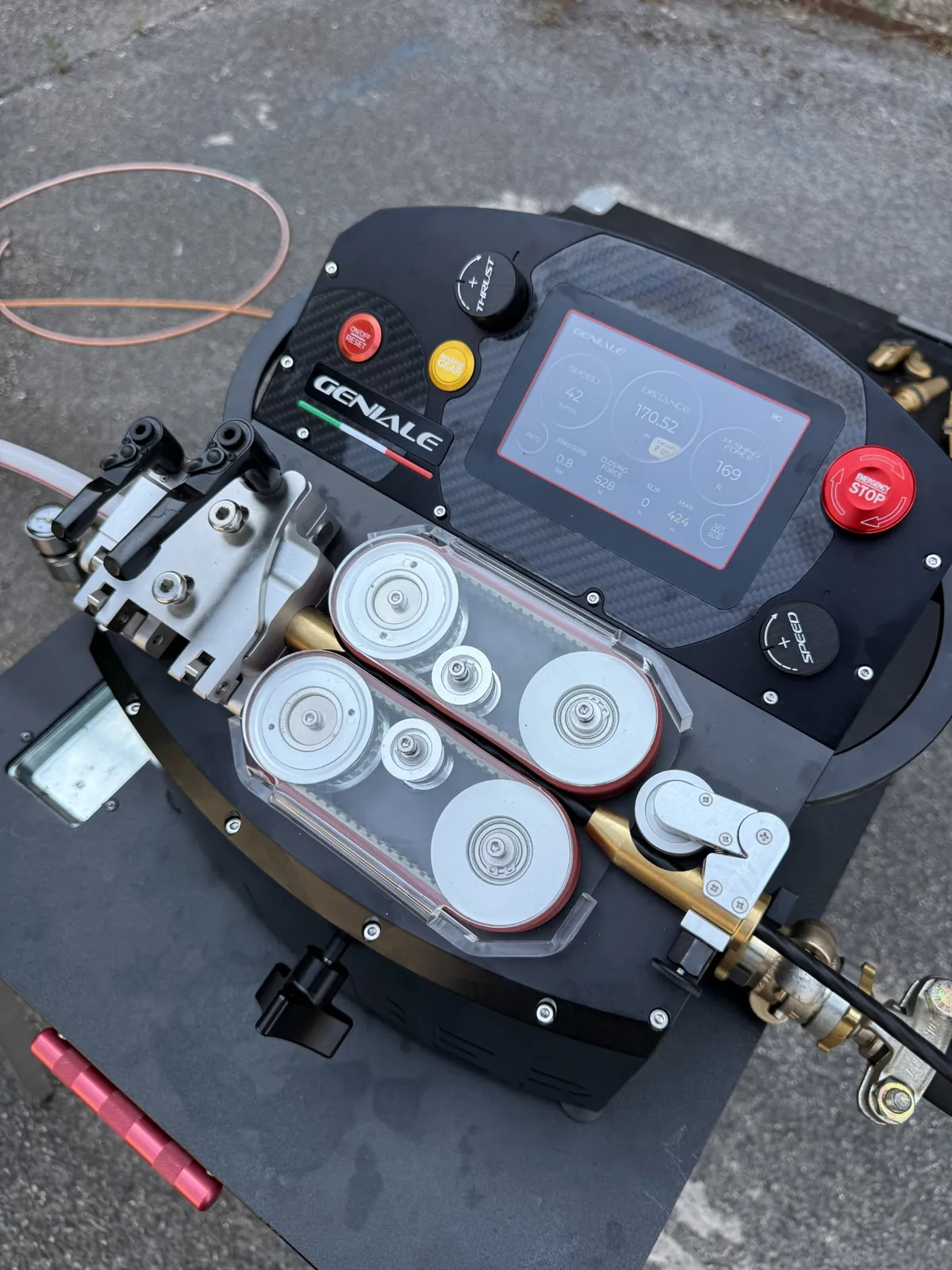
+39 346 652 9915Compare the cable diameter, duct diameter and installation distance. Lady is compact and lightweight for short runs. Opera is pneumatic and designed for long runs. Geniale is electric and handles both. A Fibernet technician can help you choose.
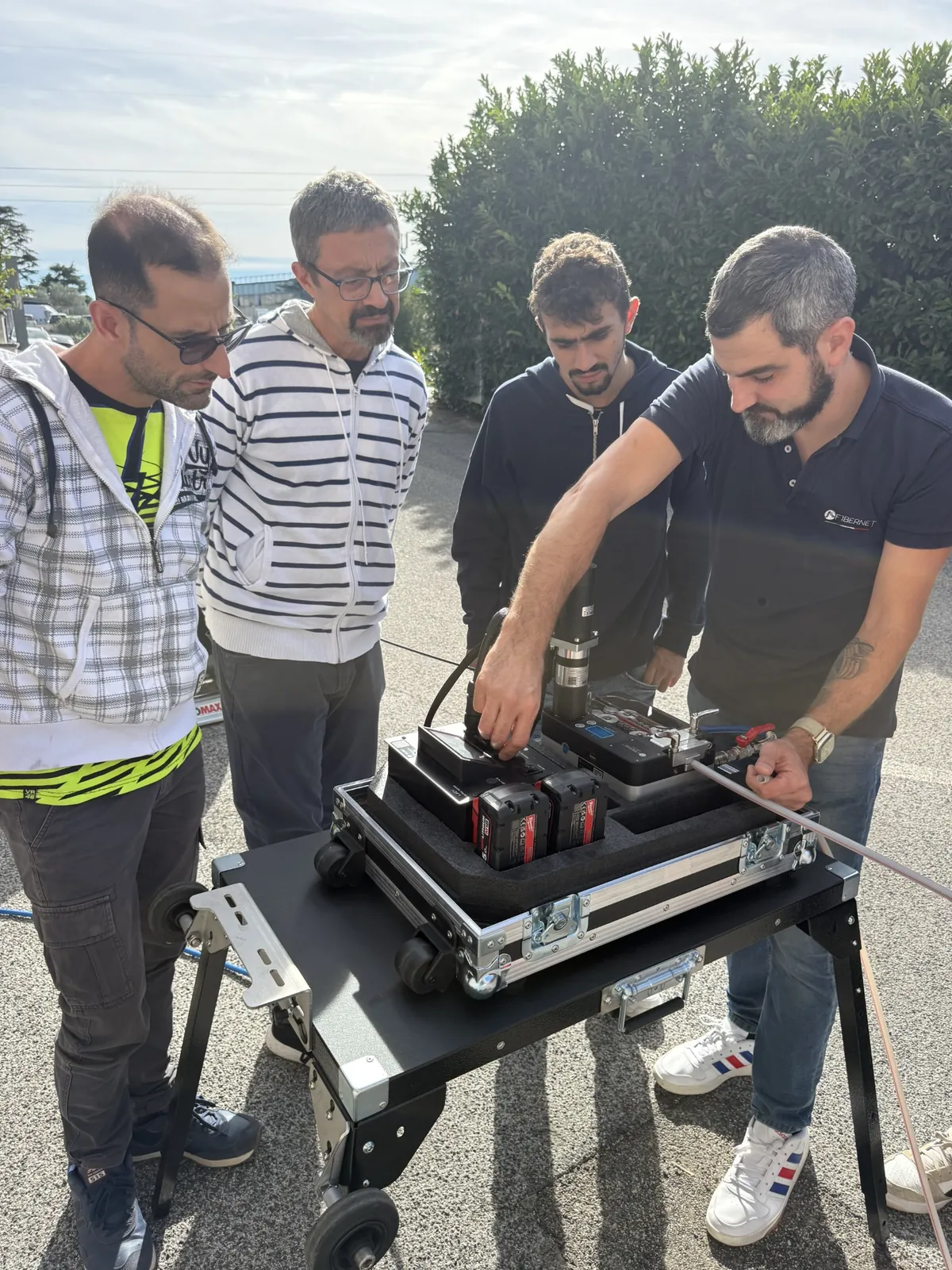
Yes. You can request a free hands-on demonstration on your site or at Fibernet’s test facility. Tell us what you need in the form and a technician will arrange it with you. Request a demonstration.
To get a price, contact a Fibernet adviser using the form or call +39 346 652 9915.
Fibernet offers direct technical support, spare parts ready to ship and dedicated training. If your machine breaks down, a replacement may be available. Ask your technician about availability and terms.
Tell us about your job. We’ll help you find the right cable blowing machine.