Emanuele Zanda
Google review
★★★★★
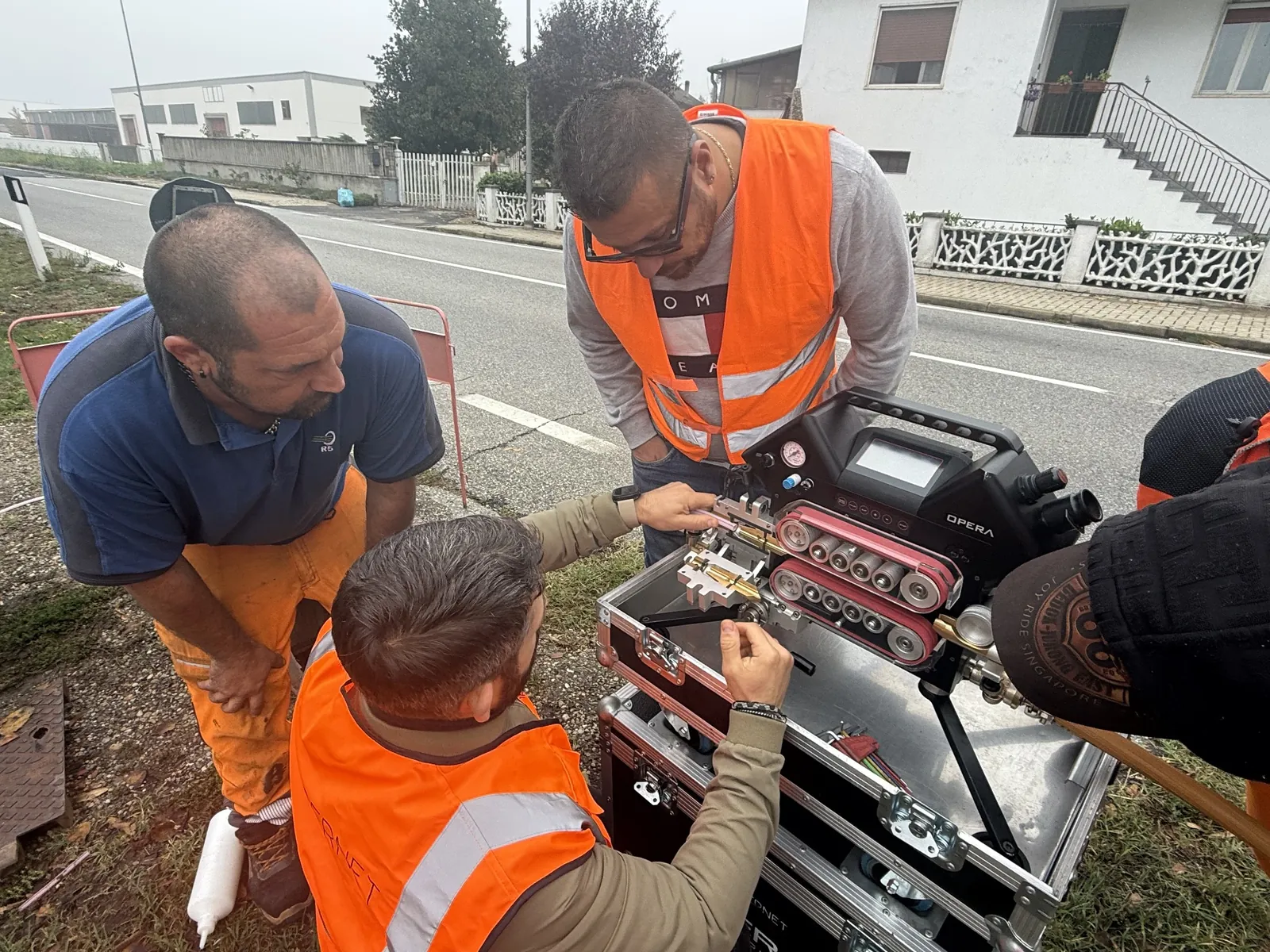
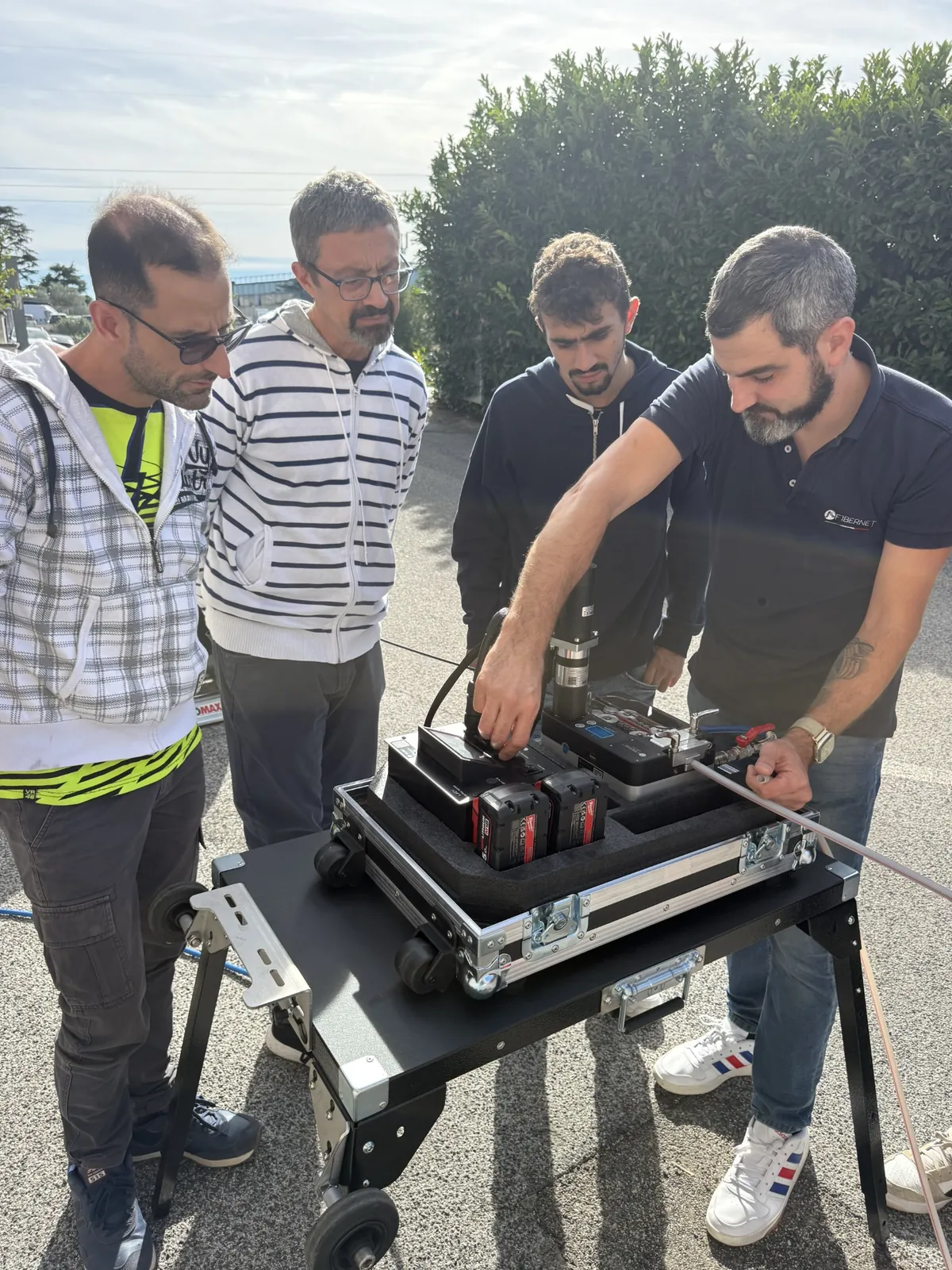
Read on Google“An excellent experience on the installer training course. The whole team was professional and knowledgeable.”
Cable blowing machines · Made in Italy
From last-mile connections to long-distance runs, a Fibernet technician can help you choose the right machine for your fibre optic cable installation.
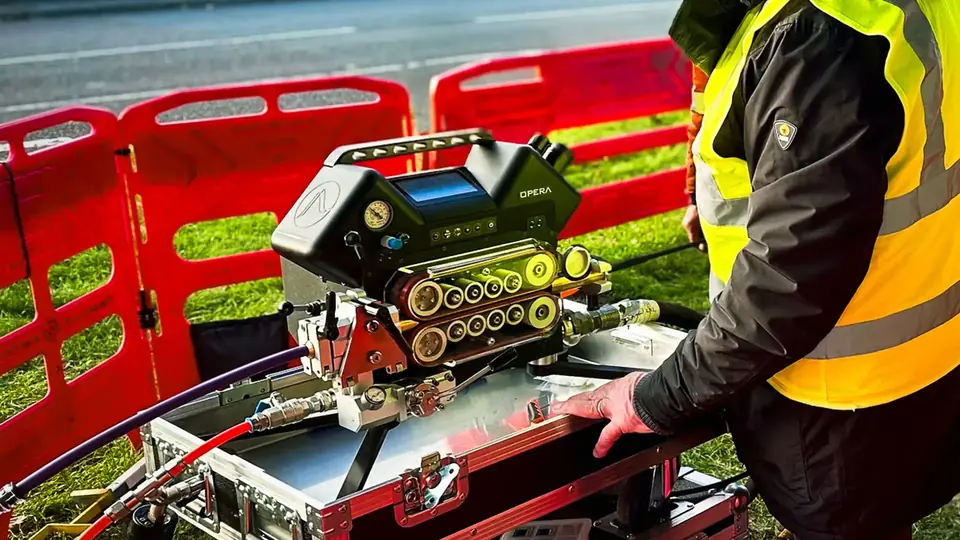
Opera, image 1 of 3
Expert advice direct from the manufacturer / Free demonstration on request
Some of our customers.

Keep your installation moving with Fibernet cable blowing machines.
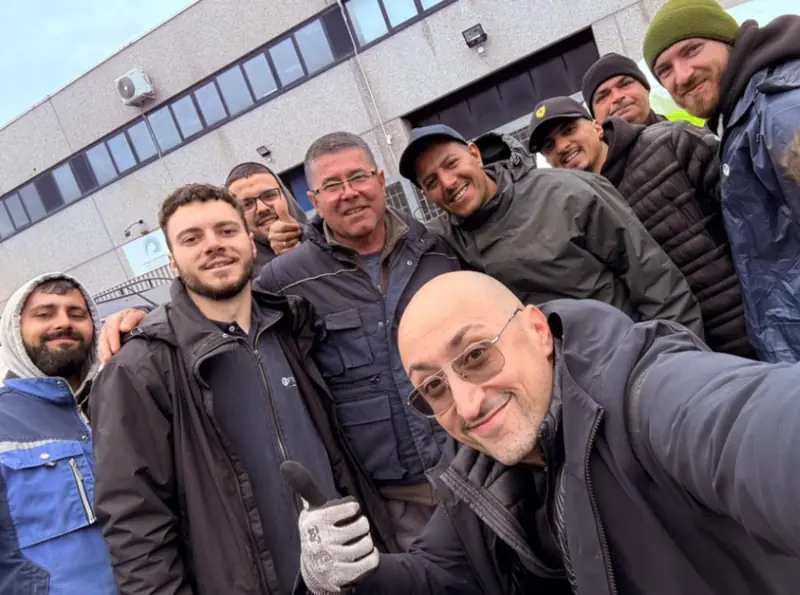
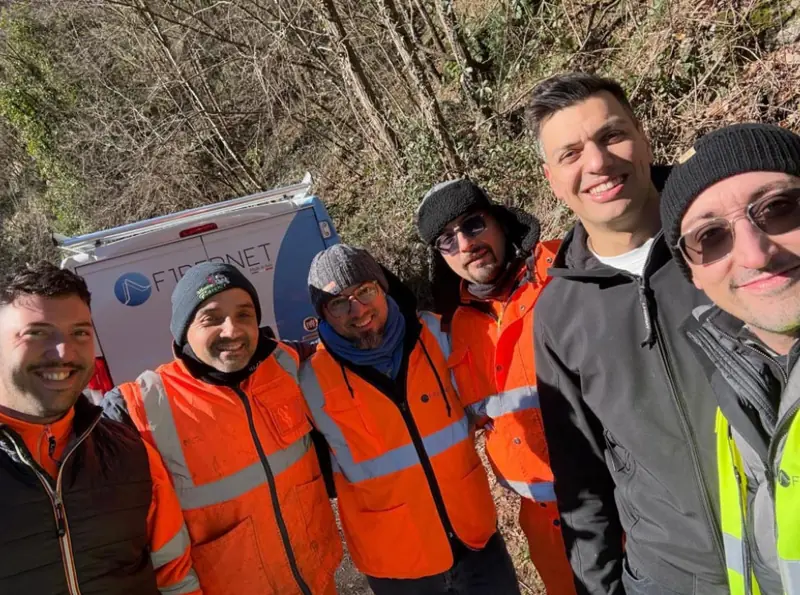
Photos and stories from installers, published by Fibernet.
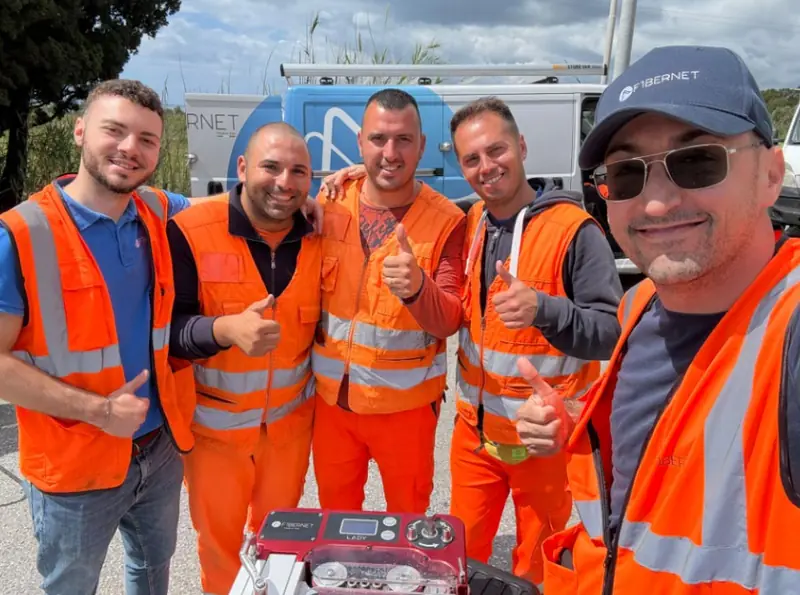
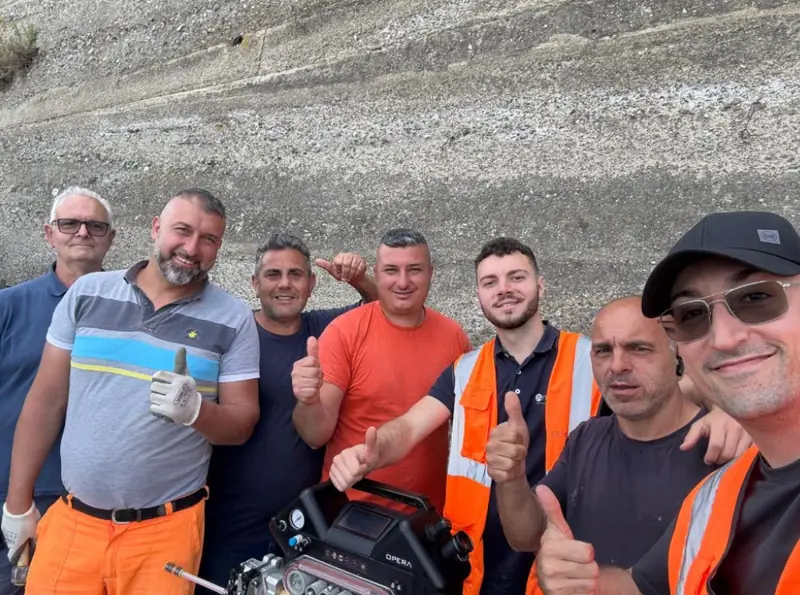
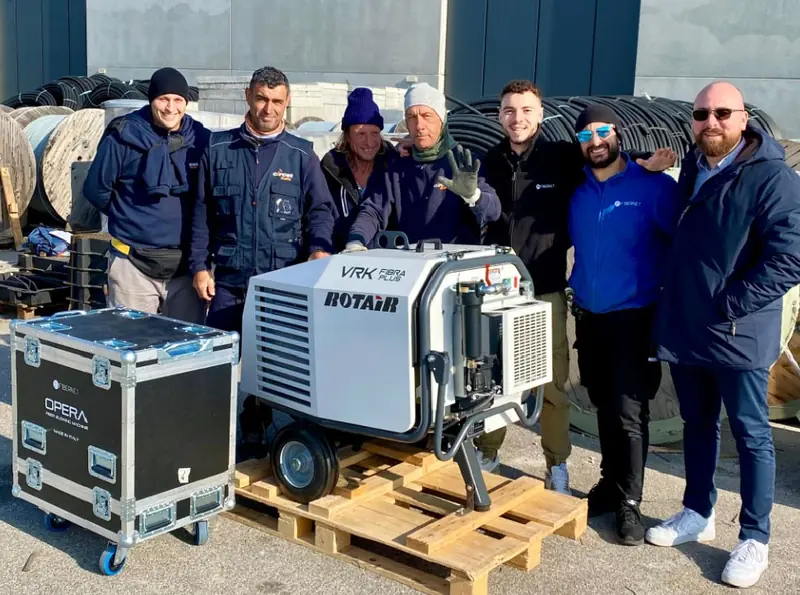

 GoogleExcellentBased on 176 reviewsRead the reviews
Read on Google“An excellent experience on the installer training course. The whole team was professional and knowledgeable.”
Read on Google“I had the chance to try the Opera cable blowing machine on site…”
Read on Google“I really enjoyed this course. It took place in a pleasant setting with friendly, helpful people.”
Stories from installers
Hear the results from the installers themselves. Watch their testimonials right here.
Product videos
Three machines. Find your fit.
Start with the job at hand. Our technician can answer your questions about the right setup.
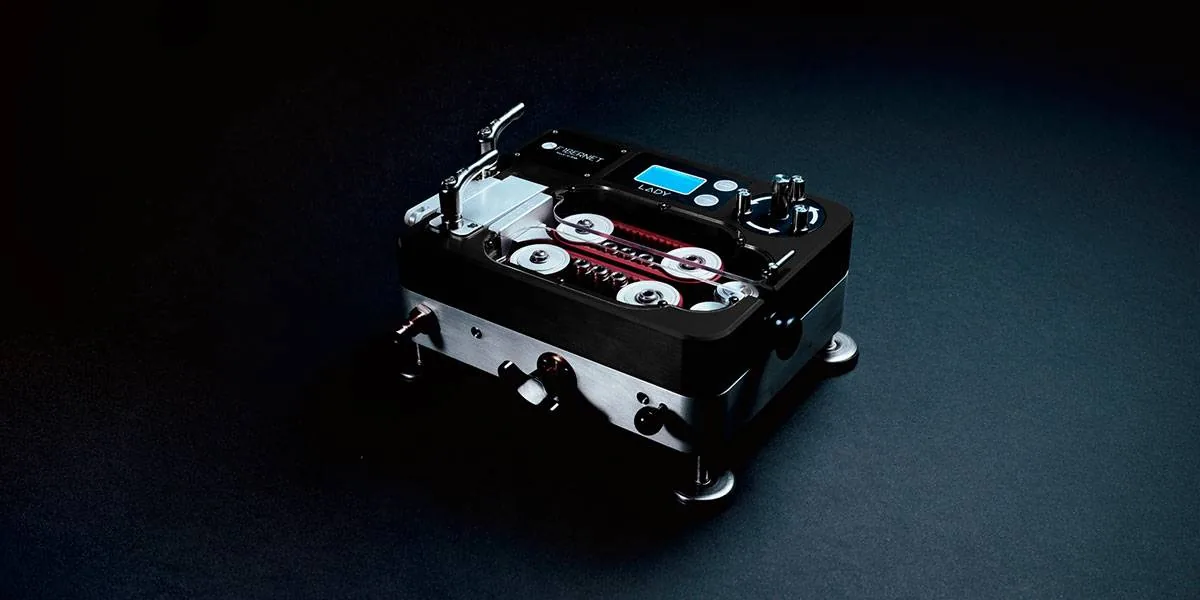
Compact and lightweight
A compact, lightweight machine for short runs.
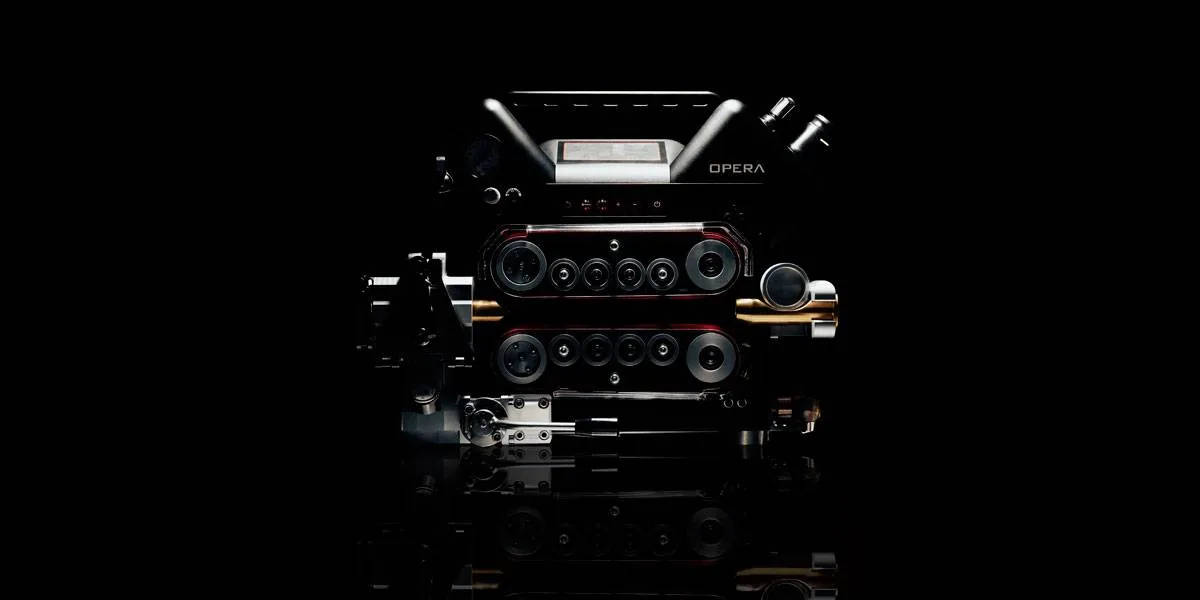
Pneumatic power
A pneumatic machine for long cable runs.
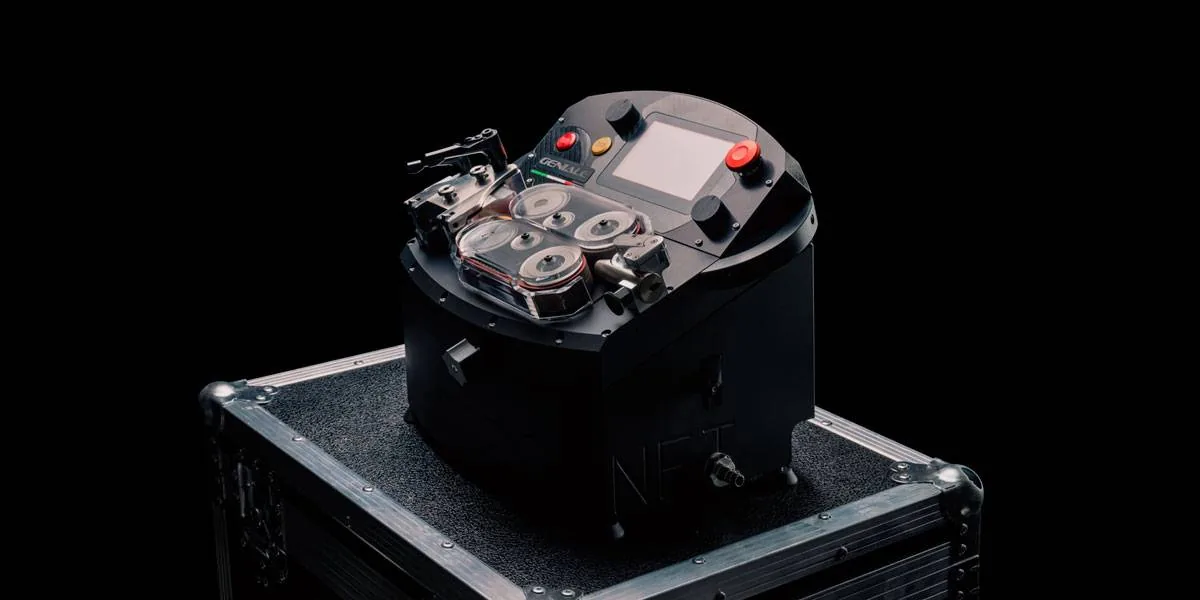
Electric, with two gears
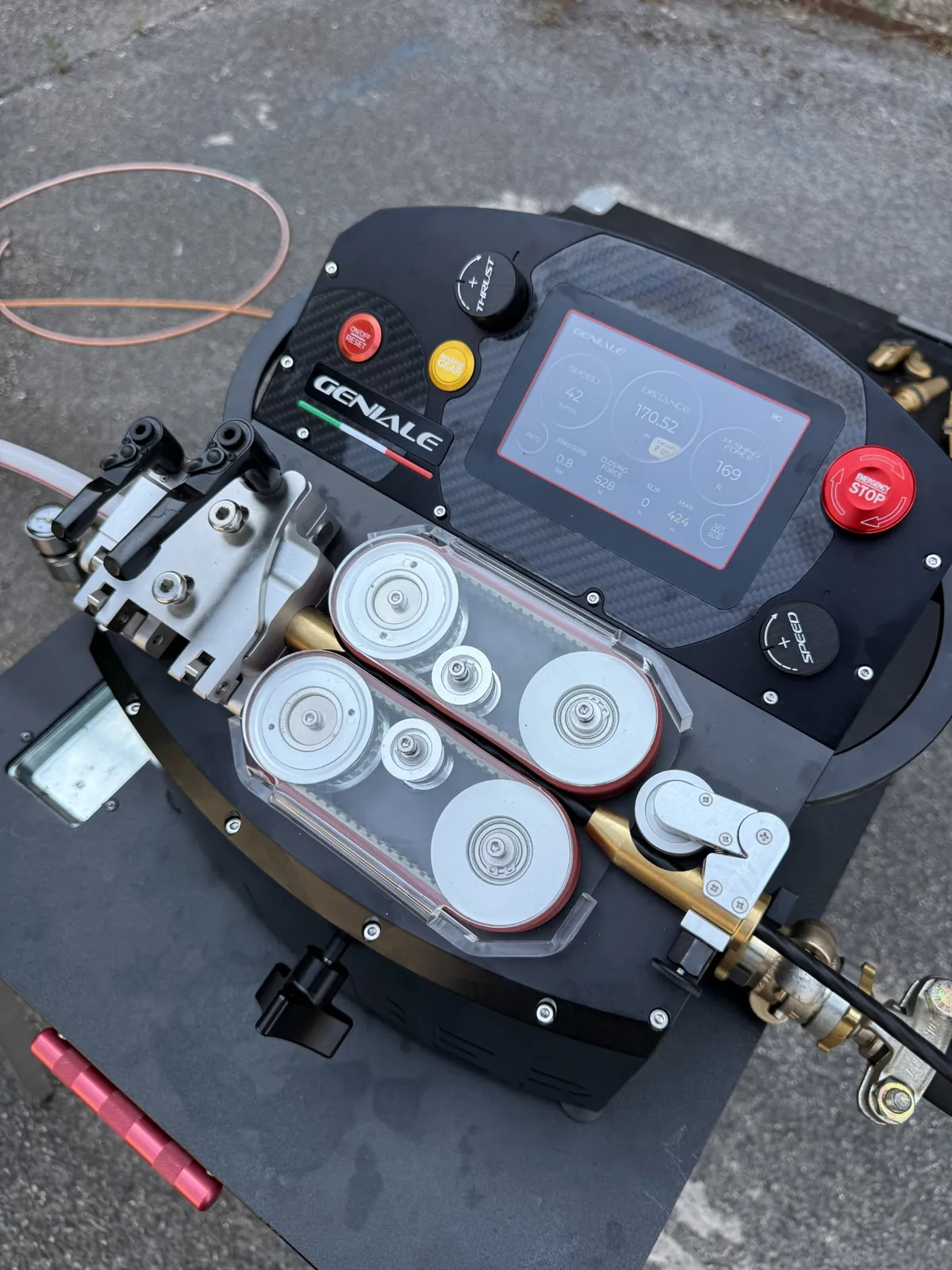
For short and long runs. Two gears let you match force and speed to the job.
Specifications for the Fibernet range. The speeds shown are maximum values. Actual results depend on installation conditions and machine setup.
Direct from the manufacturer
When you’re working on site, you need practical answers. With Fibernet, you speak directly to the people who design and build your cable blowing machine.
Speak to a technicianA specialist technician can help when you need it.
Spare parts ready to ship, direct from the manufacturer.
If your machine breaks down, a replacement may be available within 48 hours.
Check availability and terms with your technician.Get help making the most of your machine, from your very first job.
See it in action before you choose
Request a free hands-on demonstration on your site or at Fibernet’s test facility. Discuss a real job with the technician.
Request a free demonstration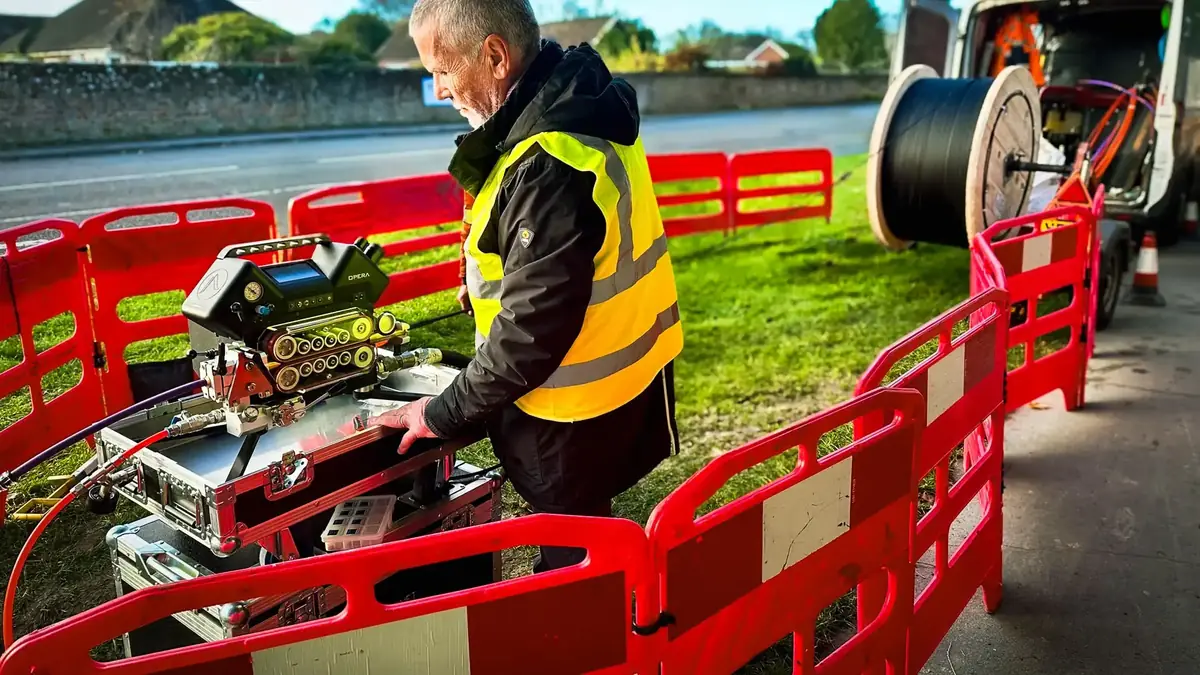
Choosing a used fibre blower starts with understanding the work it must perform, rather than deciding how much you would like to save. A contractor installing small cables into microducts may need a different configuration from a team handling larger cable diameters and longer duct sections. Before comparing machines, record the outside diameter of each cable, the internal and external dimensions of the ducts, the expected route conditions and the compressor available on site. These details provide a practical basis for assessing suitability. They also help identify whether the machine includes the correct guides, seals, inserts and drive components for your applications. An attractive offer can become expensive if essential accessories are missing or the available configuration cannot support your installation programme. When examining a used fibre cable blower, ask for clear photographs of the cable path, drive assembly, air connection, controls and identification plate. Request the operating manual and any available maintenance records, together with an explanation of previous repairs or component replacements. Visible wear deserves attention, but its significance depends on where it occurs. Scratches on a protective cover are not equivalent to damaged cable guides, unreliable controls or worn drive surfaces. Check whether adjustment mechanisms move correctly and whether the machine can hold the cable securely without applying excessive pressure. A demonstration should use a representative cable and duct combination wherever practical, with operating conditions recorded so that the result can be interpreted sensibly. A machine running without a cable does not establish how it will behave during an installation. Likewise, a successful demonstration on a short, straight duct does not guarantee performance on a route with bends, joints or accumulated contamination. For buyers in Italy and English-speaking installation teams elsewhere, communication with the equipment supplier should establish exactly what is included, what has been checked and which matters remain unverified. Ask whether replacement wear parts remain available and whether any warranty or after-sales assistance is included in writing. These points should be confirmed rather than assumed. Founded in 2001, Fibernet brings a technical background rooted in Giancarlo Trinei’s experience and introduced its first cable blowing machine, Lady, in 2021. This background offers a useful starting point for discussing machine selection with the company. Contact Fibernet with your operating requirements to discuss the equipment options it can currently propose; do not assume that a particular pre-owned model is in stock. The objective is a machine whose documented condition and configuration fit your work, with purchasing decisions supported by specific information rather than a low headline figure.
The purchase figure is only one part of the budget for a used fibre blower. For an installation business, the more useful calculation includes the cost of putting the machine into service, keeping it working and adapting it to the cable and duct combinations encountered on contracts. Start by separating the quoted equipment cost from any inspection, replacement parts, accessories, packaging and delivery charges. Establish whether the quotation includes the drive components, cable guides and sealing elements required for your intended sizes. If these items must be purchased separately, obtain their prices before agreeing to the sale. A machine that looks economical can lose that advantage when several essential components need replacing immediately. Compressor compatibility also affects the overall investment. Check the machine manufacturer’s requirements for pressure, airflow and air quality, then compare them with the compressor you actually intend to use. Pressure alone is not a sufficient specification: inadequate airflow, air leaks or unsuitable supply arrangements can undermine an otherwise appropriate installation setup. Confirm the required connections and any specified air preparation equipment instead of improvising on site. When reviewing a fibre blower price, consider expected maintenance alongside the initial outlay. Ask which components are treated as wear items, how they are inspected and whether their replacement requires particular tools or technical assistance. The answers help you plan routine expenditure and reduce uncertainty around future downtime. Keep the comparison tied to equivalent packages. A machine offered without documentation, accessories or clearly defined support should not be treated as directly comparable with a more complete proposal. For contractors scheduling several installation teams, availability can matter as much as acquisition cost. A delayed spare part or an unresolved adjustment problem may disrupt a planned working day, so it is sensible to ask about support arrangements before the purchase rather than after a fault appears. For delivery within Italy or to an overseas destination, clarify the dispatch location, packaging, transport terms and the responsibilities of each party. International buyers should also establish any applicable import charges and documentation requirements with the relevant parties. Fibernet’s Italian manufacturing background can be part of a broader discussion about equipment sourcing, but it does not establish the origin, condition or availability of any particular second-hand unit. Share your budget, expected workload and existing equipment with Fibernet when requesting advice. A useful comparison may include a second hand fibre blower and a new machine, provided that specifications and commercial terms are assessed consistently. The soundest purchasing decision is the one that balances verified suitability, manageable operating costs and the level of support your business requires.
Before deploying a used fibre blower on a customer’s installation, establish an acceptance procedure that reflects how your team will operate it. Begin with the identification details and documentation: record the model, serial number, supplied accessories and any declared limitations. Keep photographs of the machine as received, particularly around the cable drive, air chamber, connections and controls. Compare the delivered items against the agreed quotation and raise discrepancies before putting the equipment into service. This approach creates a clear reference for subsequent maintenance and avoids uncertainty over whether an essential part was supplied. Next, inspect the machine in accordance with its manual, with the air supply isolated and stored pressure safely released before any relevant intervention. Check that guards and accessible controls are present and that adjustment points are in serviceable condition. Inspect sealing elements and cable-contact surfaces for damage or contamination. Any safety concern should be resolved by a competent person before testing begins. The purpose is not to refurbish equipment by trial and error, but to establish whether it can be used as intended. Prepare a controlled trial using a cable and duct configuration representative of the work you expect to undertake. Verify compatibility before loading the cable, and follow the manufacturer’s procedure for positioning guides, setting the drive and introducing air. Keep within the limits specified for the machine, duct and cable; increasing force or pressure is not a substitute for identifying the reason an installation has stopped progressing. Record the setup, relevant readings and observations so that results can be reviewed rather than remembered informally. When assessing a fibre optic cable blower, pay attention to how consistently it feeds the cable, how clearly the controls respond and whether the cable shows signs of damage after the trial. Route characteristics must be considered when interpreting performance: bends, duct condition and joints can influence the outcome independently of the machine. A claimed distance therefore needs context, not acceptance as a universal capability. Once the equipment has been accepted, create a straightforward handover record for the operators. Include the approved configurations, inspection points, cleaning instructions and contact details for technical questions. Follow the manufacturer’s maintenance schedule and retain a record of changes to wear parts or adjustments that affect operation. Fibernet can be contacted with specific questions about its machines and the options currently available for your requirements. Its family-led development and technical heritage provide context for that conversation, while the purchasing decision should remain grounded in documented specifications. A structured acceptance process gives your team a clearer starting point and helps turn an equipment purchase into a practical installation resource.
Fill in the form and discover what Fibernet Srl can do for you!
Contact us!Before you get started
If you prefer, speak to us directly.
+39 346 652 9915Compare the cable diameter, duct diameter and installation distance. Lady is compact and lightweight for short runs. Opera is pneumatic and designed for long runs. Geniale is electric and handles both. A Fibernet technician can help you choose.
Yes. You can request a free hands-on demonstration on your site or at Fibernet’s test facility. Tell us what you need in the form and a technician will arrange it with you. Request a demonstration.
To get a price, contact a Fibernet adviser using the form or call +39 346 652 9915.
Fibernet offers direct technical support, spare parts ready to ship and dedicated training. If your machine breaks down, a replacement may be available. Ask your technician about availability and terms.
Tell us about your job. We’ll help you find the right cable blowing machine.