Emanuele Zanda
Google review
★★★★★
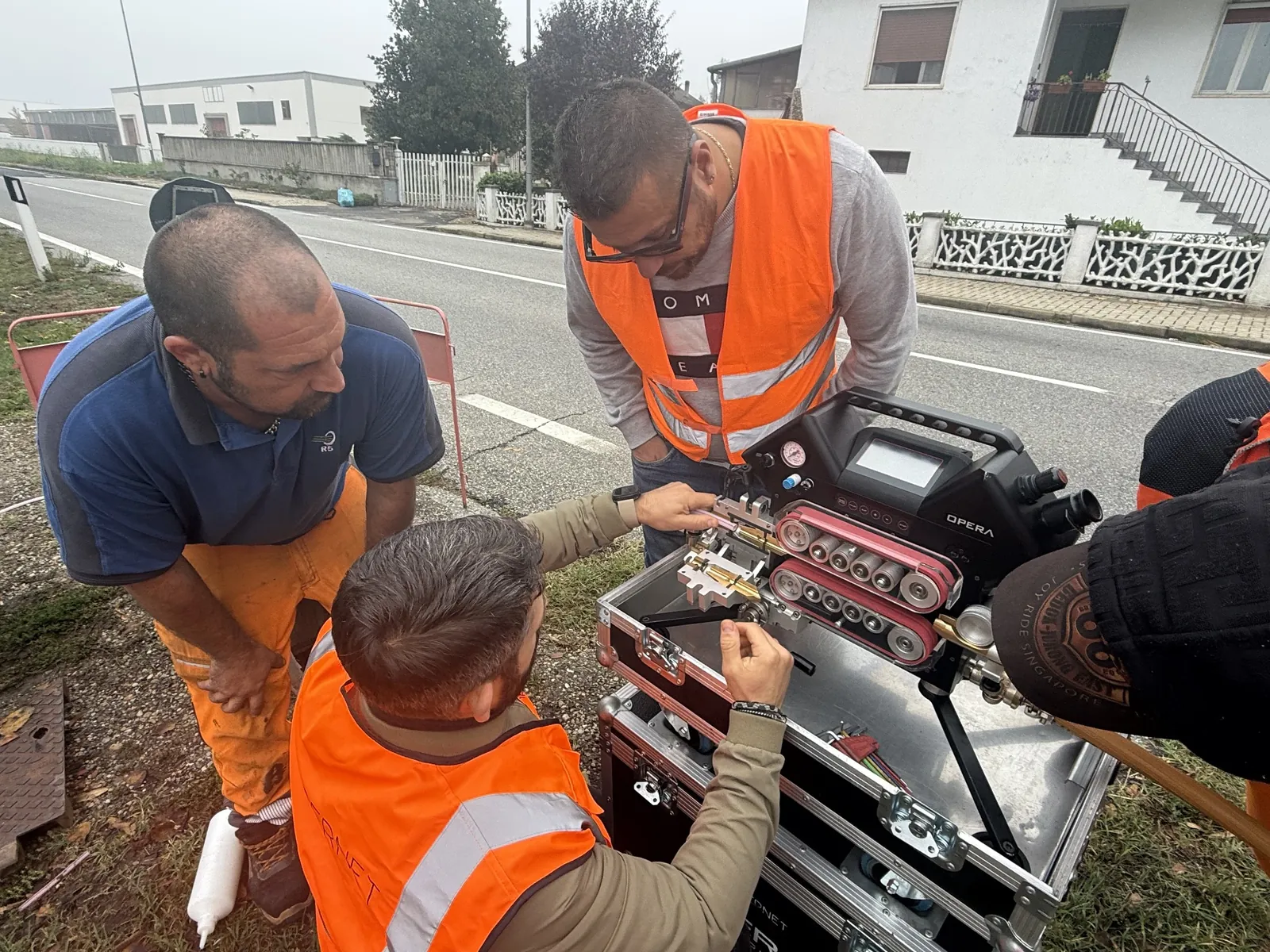
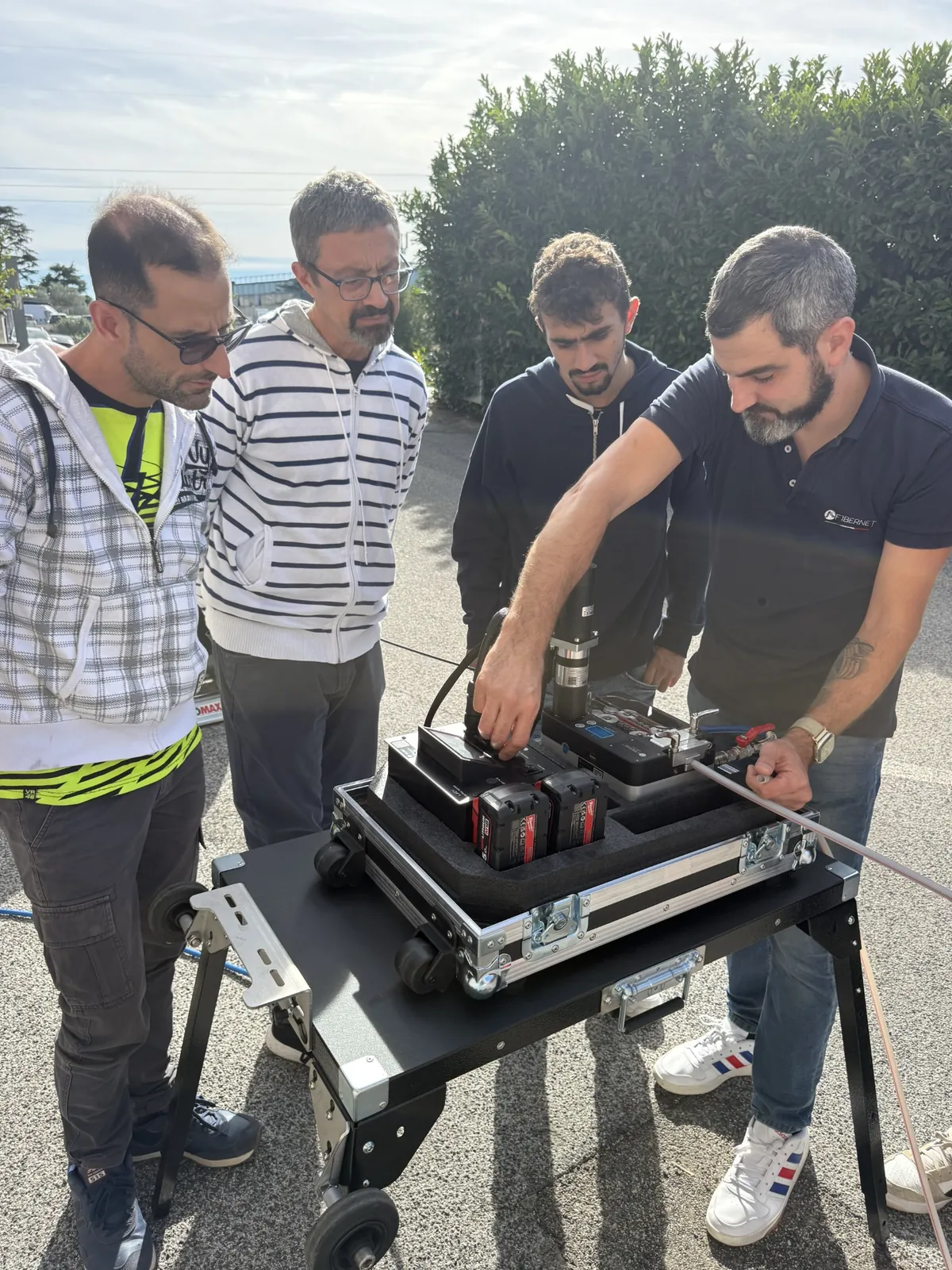
Read on Google“An excellent experience on the installer training course. The whole team was professional and knowledgeable.”
Cable blowing machines · Made in Italy
From last-mile connections to long-distance runs, a Fibernet technician can help you choose the right machine for your fibre optic cable installation.
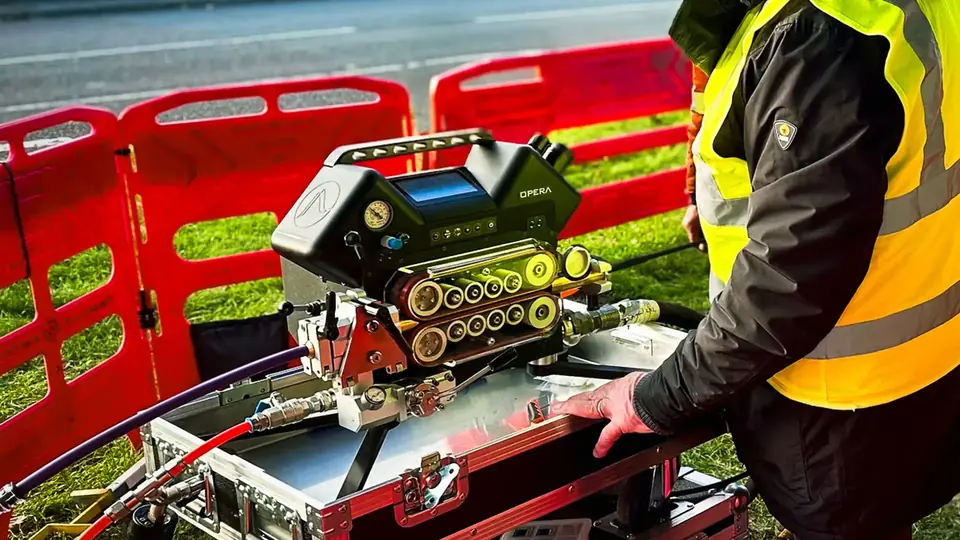
Opera, image 1 of 3
Expert advice direct from the manufacturer / Free demonstration on request
Some of our customers.

Keep your installation moving with Fibernet cable blowing machines.
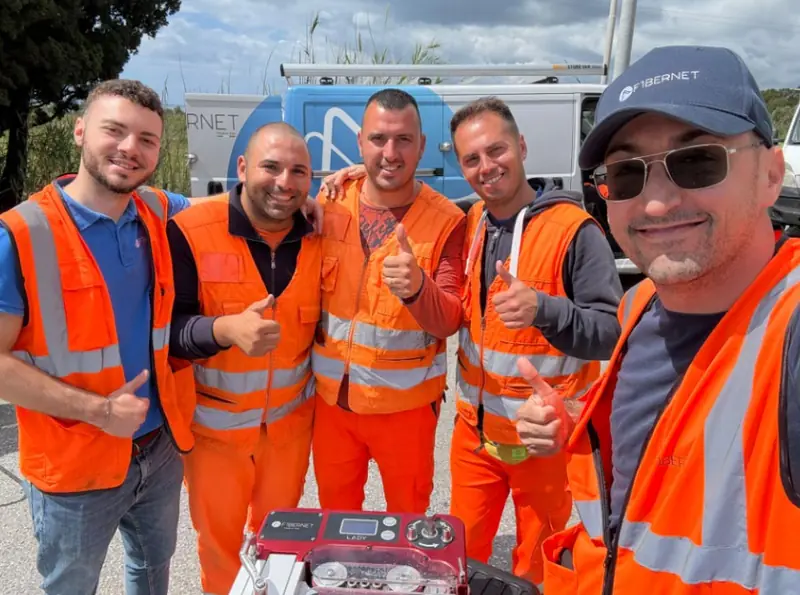
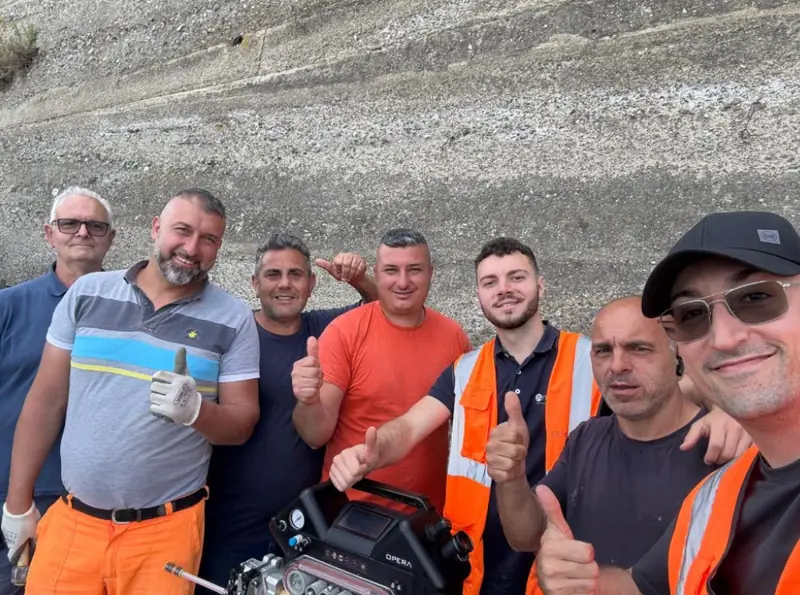
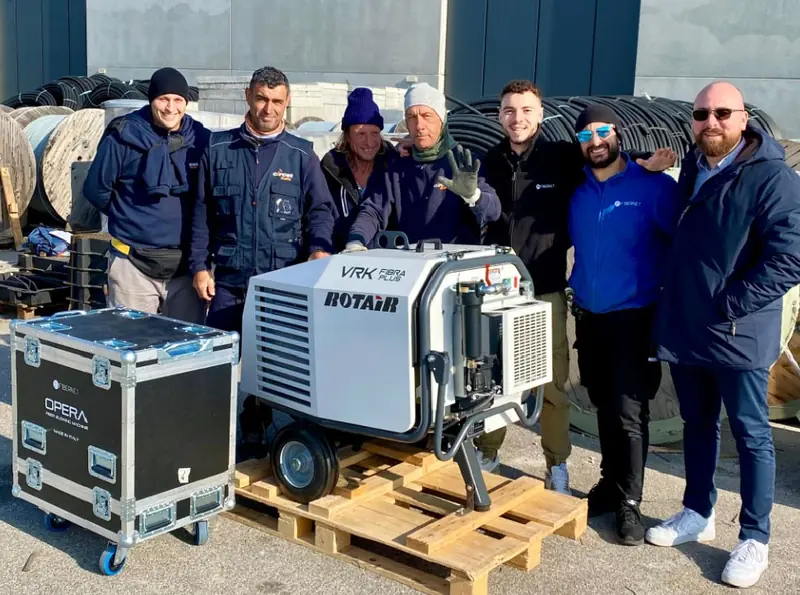
Photos and stories from installers, published by Fibernet.
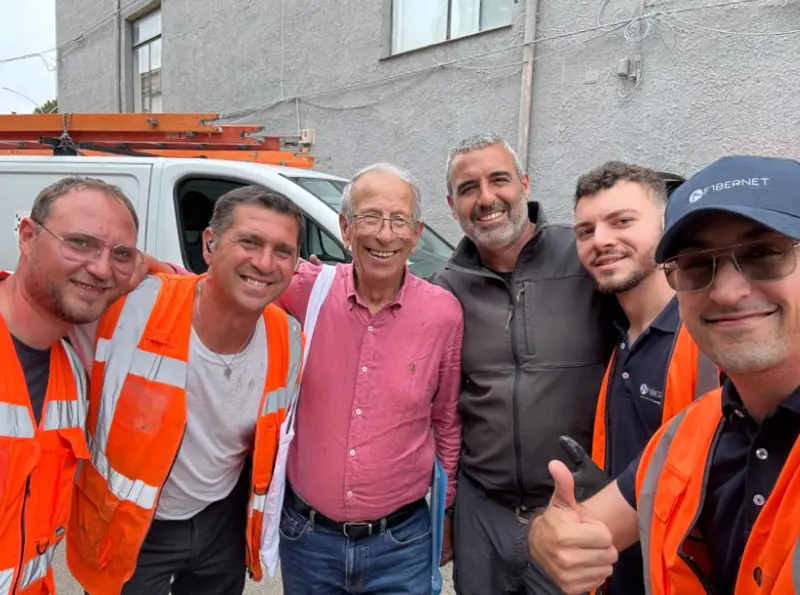
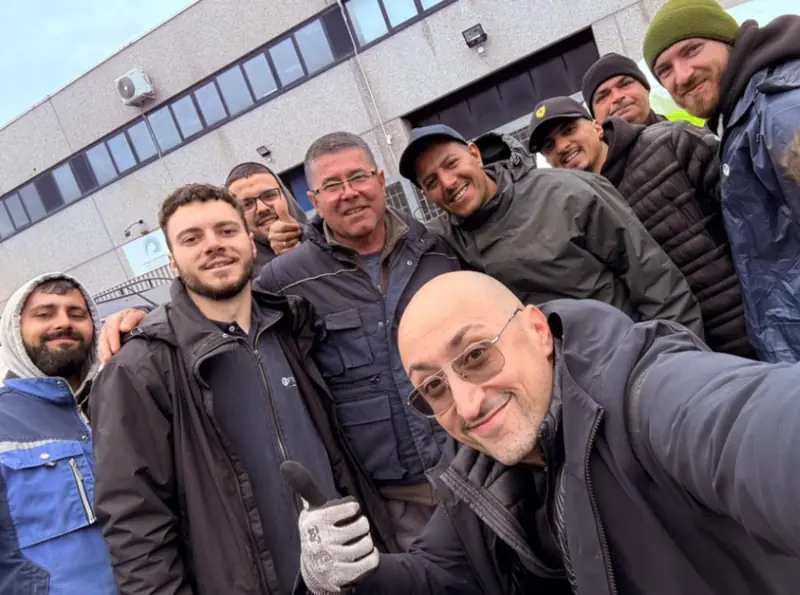
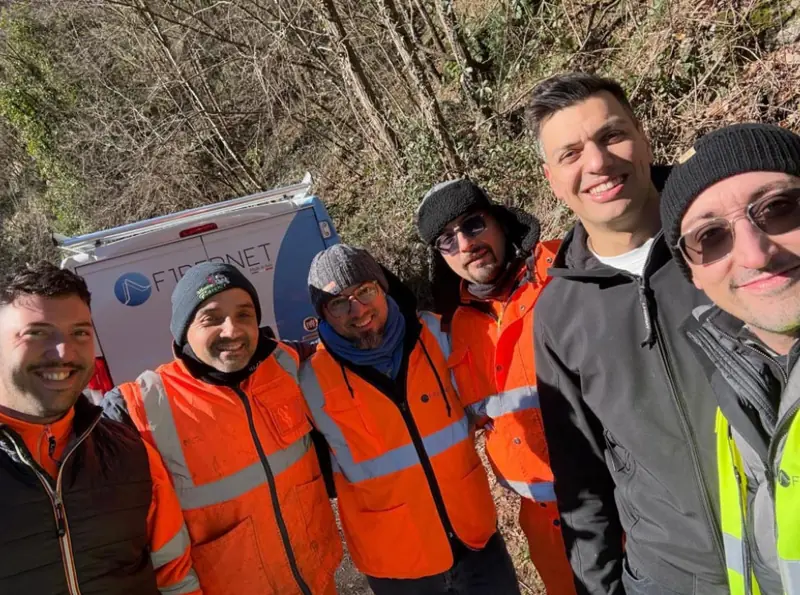 GoogleExcellentBased on 176 reviewsRead the reviews
Read on Google“An excellent experience on the installer training course. The whole team was professional and knowledgeable.”
Read on Google“I had the chance to try the Opera cable blowing machine on site…”
Read on Google“I really enjoyed this course. It took place in a pleasant setting with friendly, helpful people.”
Stories from installers
Hear the results from the installers themselves. Watch their testimonials right here.
Product videos
Three machines. Find your fit.
Start with the job at hand. Our technician can answer your questions about the right setup.
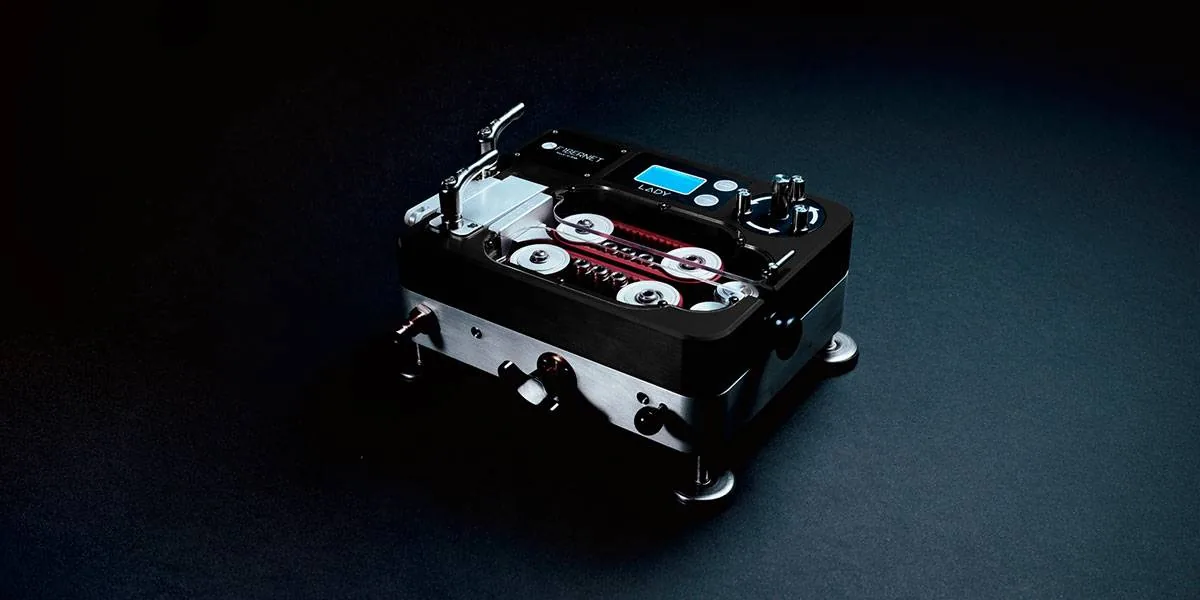
Compact and lightweight
A compact, lightweight machine for short runs.
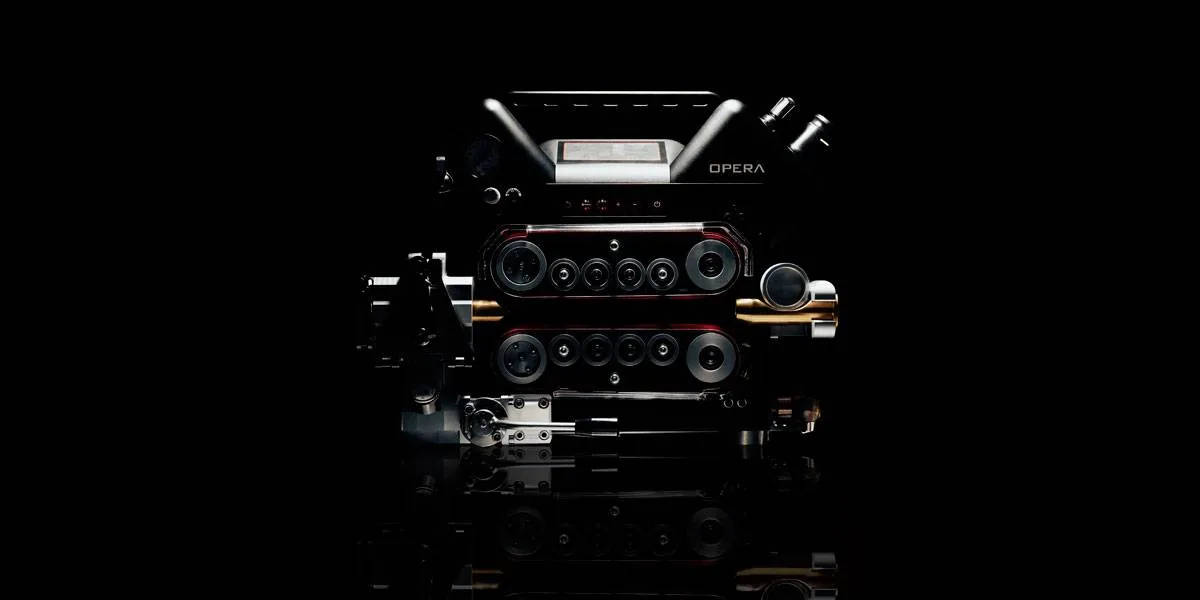
Pneumatic power
A pneumatic machine for long cable runs.
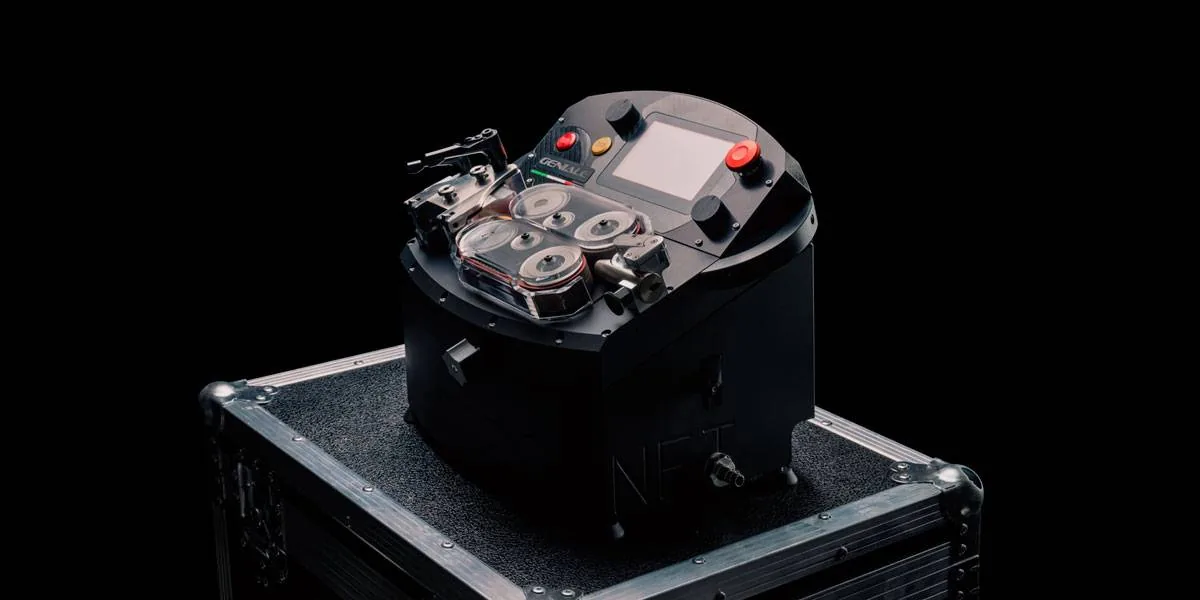
Electric, with two gears
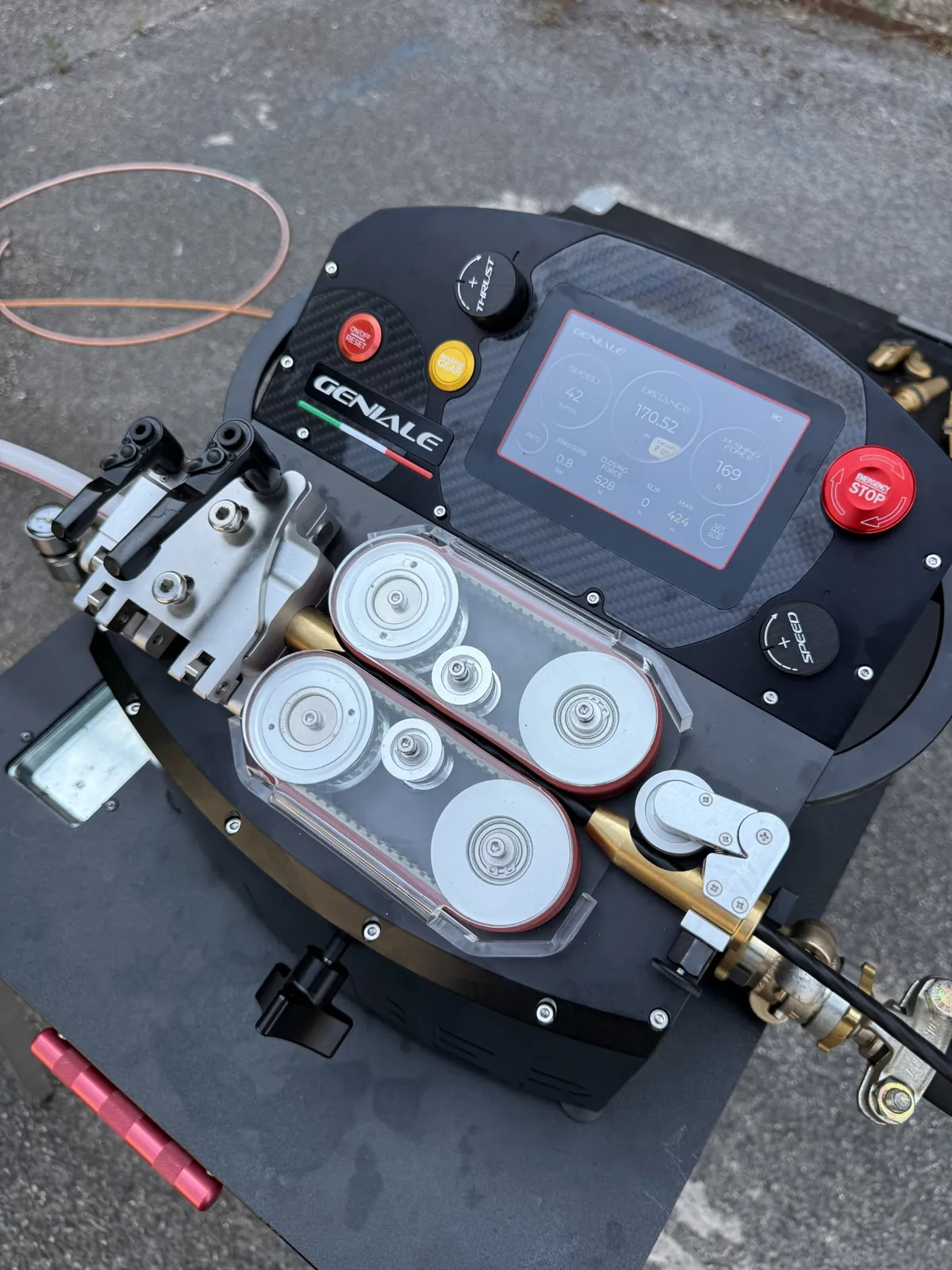
For short and long runs. Two gears let you match force and speed to the job.
Specifications for the Fibernet range. The speeds shown are maximum values. Actual results depend on installation conditions and machine setup.
Direct from the manufacturer
When you’re working on site, you need practical answers. With Fibernet, you speak directly to the people who design and build your cable blowing machine.
Speak to a technicianA specialist technician can help when you need it.
Spare parts ready to ship, direct from the manufacturer.
If your machine breaks down, a replacement may be available within 48 hours.
Check availability and terms with your technician.Get help making the most of your machine, from your very first job.
See it in action before you choose
Request a free hands-on demonstration on your site or at Fibernet’s test facility. Discuss a real job with the technician.
Request a free demonstration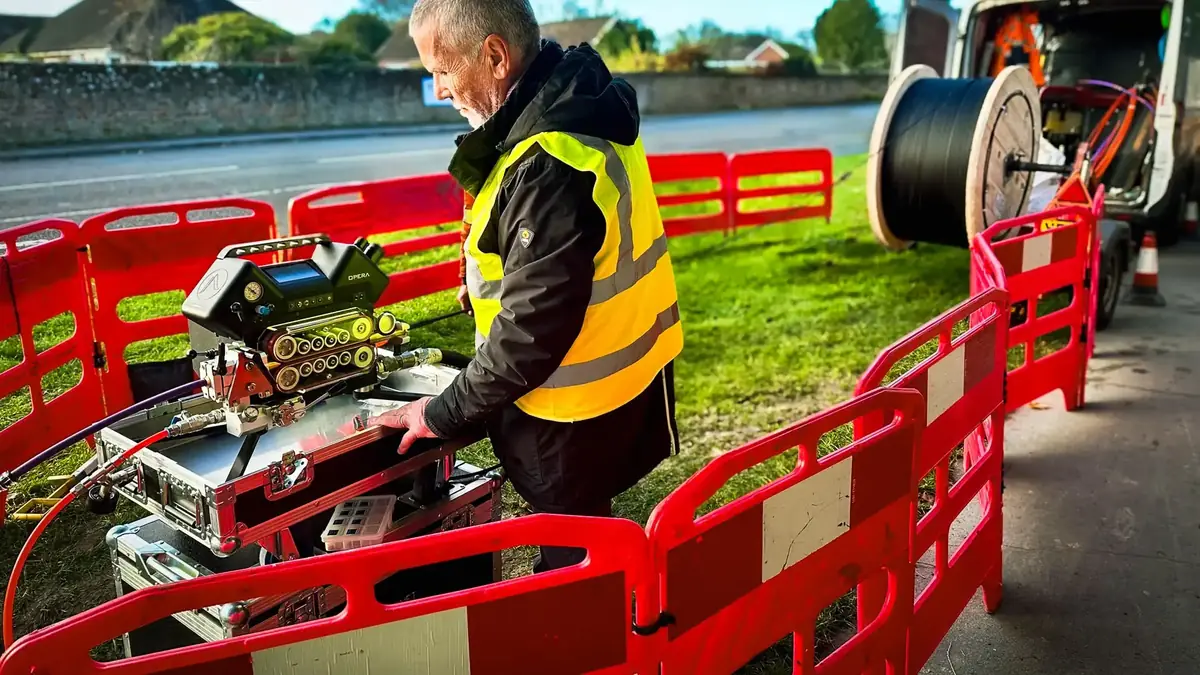
Choosing a used fiber blowing machine starts with the installation task, not the advertised purchase price. Before assessing any equipment, establish the outside diameter of the cable, the internal diameter of the duct, the expected route conditions and the cable manufacturer's handling limits. These details determine whether a proposed machine is suitable for the work your team actually undertakes. A compact unit intended for smaller cables should not be assumed capable of handling a different application simply because its drive mechanism appears powerful. Compatibility involves the complete cable path, the available guides, the sealing arrangement and the way pushing force is applied. For contractors working in Italy, where installation conditions can change between urban streets, industrial sites and rural routes, this application assessment helps prevent a low initial outlay from becoming an operational limitation. When inspecting a used fiber cable blowing machine, ask for clear photographs of the drive components, cable guides, duct connection and controls. Request its identification details, operating documentation and any available maintenance records. Wear on belts, rollers or guides can affect grip and cable handling, while damaged seals may allow compressed air to escape before it contributes effectively to the installation. Confirm which accessories are included and whether they match your cable and duct dimensions. An apparently complete machine may still require additional inserts, adaptors or replacement consumables before it can be put to work. A practical demonstration is more informative than a statement that the machine switches on. Where feasible, arrange a controlled test with a representative cable and duct combination, following the manufacturer's instructions and observing the permitted operating limits. Watch for consistent feeding, controlled adjustment and reliable stopping behaviour. Do not treat a short demonstration as proof of a guaranteed installation distance: bends, duct condition, lubrication, air supply and cable characteristics all influence the result on site. The compressor must also be assessed against the equipment's specified pressure and airflow requirements rather than selected on pressure alone. Fibernet brings a manufacturing perspective to these decisions. Founded in 2001, the company developed its first cable blowing machine, Lady, in 2021, building on the technical experience of founder Giancarlo Trinei. If you are considering previously owned equipment, contact Fibernet with your application details and the model under review to discuss relevant requirements and the company's current offering. This approach does not assume that used stock, refurbishment or inspection services are available. Instead, it gives your purchasing team a sound starting point for asking precise questions, checking compatibility and comparing options before making a commitment.
The financial case for a used fiber blowing machine becomes clearer when you calculate what is needed to make it ready for a specific contract. Start with the acquisition cost, then add transport, any applicable taxes, missing accessories, replacement wear parts and the time required for checks before deployment. A machine offered at an attractive figure can become less competitive if it arrives without the correct duct connection or needs drive components that are difficult to source. Conversely, a documented and properly maintained unit may be worth considering when its operating range matches an established workload. The important distinction is between a low selling price and a realistic cost of ownership. When comparing the fiber blowing machine price across different offers, make sure each quotation covers an equivalent configuration. Record the included cable guides, seals, drive elements, controls, carrying arrangements and documentation. Establish whether any stated warranty applies, who provides it, what it excludes and how a claim would be handled. Do not assume that warranty rights or technical assistance transfer automatically from the original owner to a subsequent purchaser. Ask for written clarification before agreeing to payment. For an installation contractor, the consequences of equipment downtime may extend beyond the machine itself. A crew can lose productive hours while access arrangements, a compressor and other site resources remain committed to the job. This makes parts availability and clear maintenance procedures commercially relevant, even when the initial purchase budget is tight. Examine the likely frequency of consumable replacement against your intended use, and check whether essential maintenance can be carried out by your own authorised personnel in accordance with the manufacturer's guidance. A realistic assessment should also include compressor compatibility and the cost of obtaining an appropriate air supply where your existing equipment does not meet the specified requirements. Fibernet's Italian manufacturing background offers a useful reference point when comparing previously owned equipment with the company's current machines. Rather than assuming that a second hand fiber blowing machine is always the economical choice, compare its documented condition and support arrangements with the specification and commercial terms of a new alternative. Ask Fibernet for information relevant to your cable sizes, typical ducts and anticipated workload, then assess any proposal on that basis. For customers outside Italy, confirm the delivery destination, shipping terms, required documentation and applicable import responsibilities before finalising the comparison. Availability, delivery times and commercial conditions should always be verified directly. A disciplined purchasing decision leaves room for maintenance and suitable accessories, rather than allocating the entire budget to the machine and discovering essential costs only when the first installation is due to start.
A used fiber blowing machine should enter service through a planned acceptance process, not go straight from delivery to a time-sensitive worksite. On arrival, compare the equipment with the agreed inventory and record its condition before assembly. Check that its identification matches the documentation supplied, that transport has not damaged exposed components and that all accessories are present. Review the operating instructions before connecting power or compressed air. If documentation is missing or a safety-related component is uncertain, resolve that issue with the appropriate supplier or manufacturer before use. The objective is to establish a known starting condition so that later changes in performance can be recognised and investigated. Build the initial setup around the actual cable and duct combination. Guides should suit the cable dimensions, the duct connection must be appropriate for the application, and the cable should follow the intended path through the machine without unnecessary misalignment. Feeding force, drive pressure and speed must remain within the equipment and cable manufacturers' limits. More pushing force is not an automatic solution to poor progress; it can increase the risk of cable damage when the underlying problem is an obstruction, excessive friction or an unsuitable route. Similarly, increasing air pressure without checking all system ratings is not an acceptable troubleshooting method. Isolate and depressurise the equipment as instructed before adjusting connections or carrying out maintenance. With a used fiber optic cable jetting machine, the condition of sealing components deserves particular attention because leaks can undermine otherwise correct setup. Check the air supply connections and inspect accessible wear components according to the relevant maintenance procedure. Keep suitable replacement consumables available where the manufacturer recommends them, and protect cleaned components from dirt during transport and storage. Before a demanding installation, a controlled trial can help the crew confirm settings and identify issues without promising the same outcome over a longer or more complex route. Record the cable and duct dimensions, relevant machine settings, air supply conditions and any interruptions. These observations provide a more useful basis for subsequent adjustments than relying on memory alone. When discussing a fiber cable blowing machine with Fibernet, share this practical information alongside your purchasing requirements. Explain whether your priority is a particular cable range, frequent movement between sites, straightforward handling or a configuration for repeated installation tasks. Fibernet's development of Lady reflects the company's move into cable blowing equipment, supported by a technical heritage rooted in Italy. Ask the team to clarify current specifications, compatible accessories and available commercial options rather than relying on assumptions about previously owned stock. Clear requirements and documented checks help your business select equipment for its intended work, establish sensible maintenance routines and prepare operators for consistent, controlled use.
Fill in the form and discover what Fibernet Srl can do for you!
Contact us!Before you get started
If you prefer, speak to us directly.
+39 346 652 9915Compare the cable diameter, duct diameter and installation distance. Lady is compact and lightweight for short runs. Opera is pneumatic and designed for long runs. Geniale is electric and handles both. A Fibernet technician can help you choose.
Yes. You can request a free hands-on demonstration on your site or at Fibernet’s test facility. Tell us what you need in the form and a technician will arrange it with you. Request a demonstration.
To get a price, contact a Fibernet adviser using the form or call +39 346 652 9915.
Fibernet offers direct technical support, spare parts ready to ship and dedicated training. If your machine breaks down, a replacement may be available. Ask your technician about availability and terms.
Tell us about your job. We’ll help you find the right cable blowing machine.