Emanuele Zanda
Google review
★★★★★
Read on Google“An excellent experience on the installer training course. The whole team was professional and knowledgeable.”
Cable blowing machines · Made in Italy
From last-mile connections to long-distance runs, a Fibernet technician can help you choose the right machine for your fibre optic cable installation.
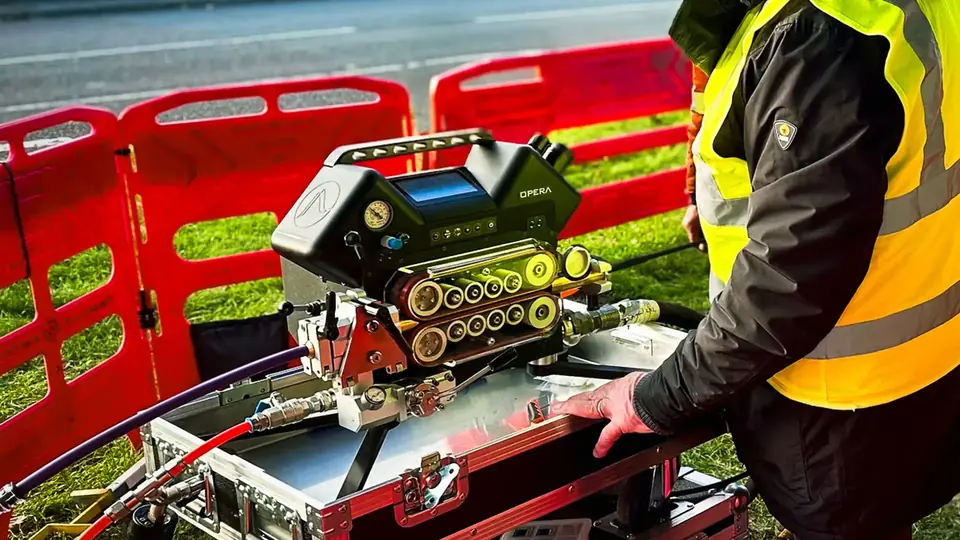
Opera, image 1 of 3
Expert advice direct from the manufacturer / Free demonstration on request
Some of our customers.

Keep your installation moving with Fibernet cable blowing machines.
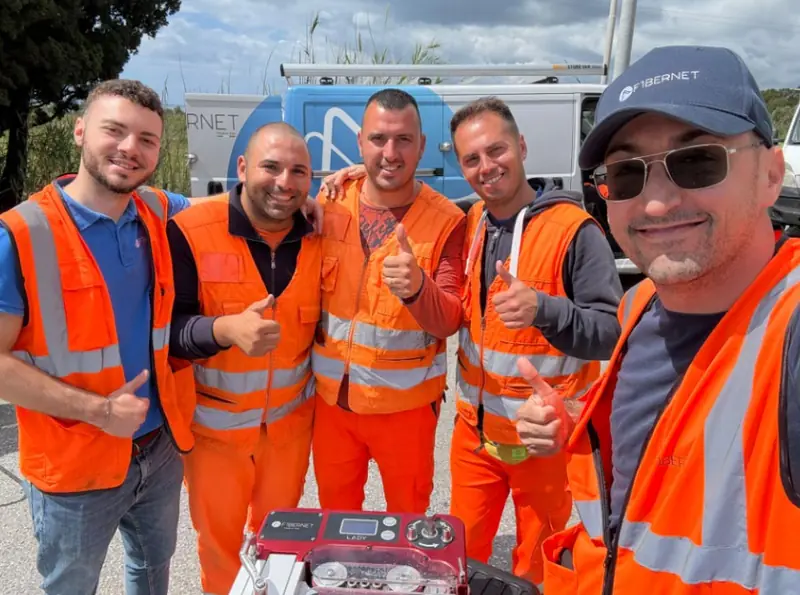
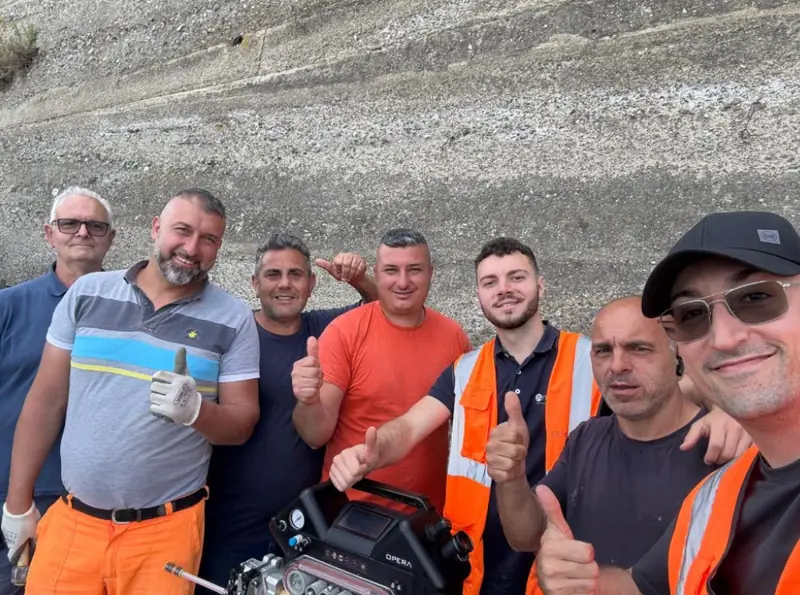
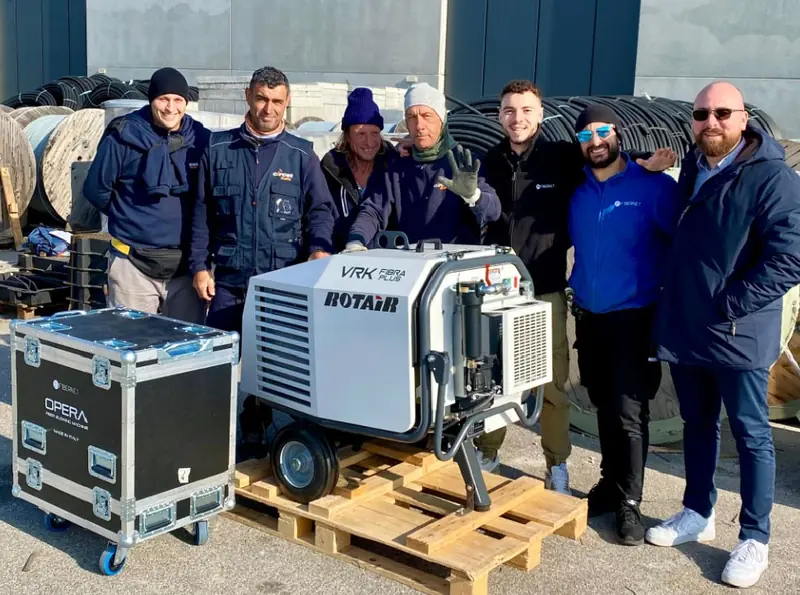
Photos and stories from installers, published by Fibernet.
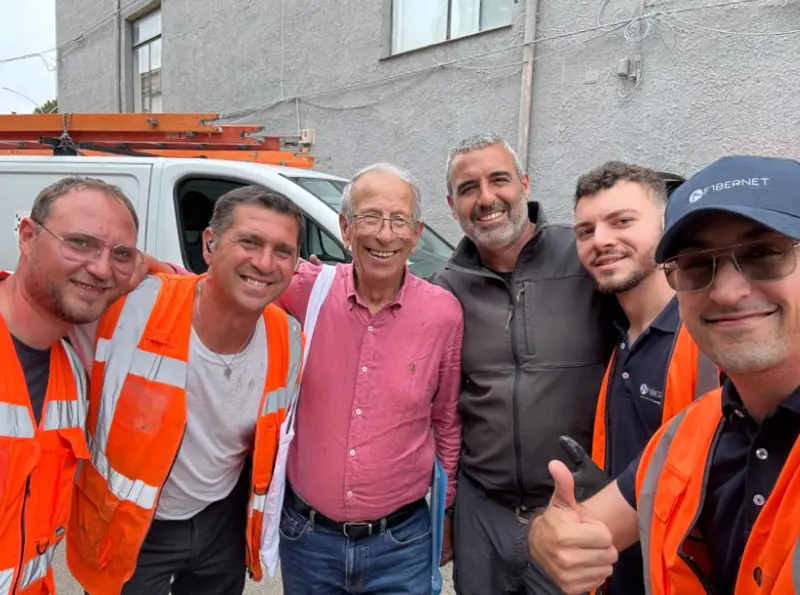
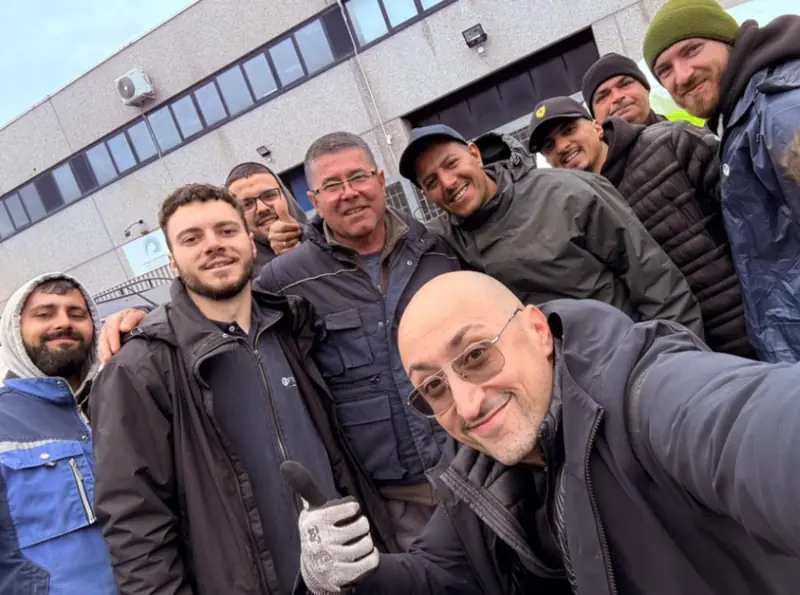
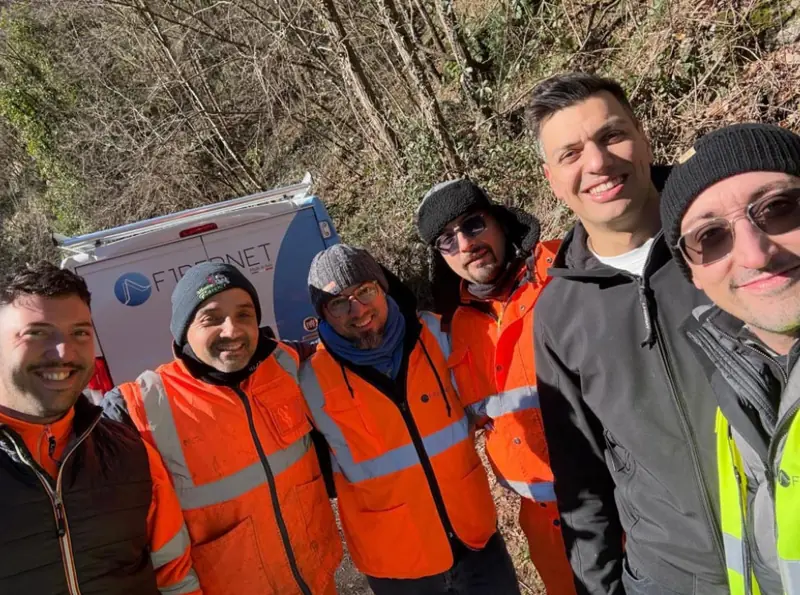 GoogleExcellentBased on 176 reviewsRead the reviews
Read on Google“An excellent experience on the installer training course. The whole team was professional and knowledgeable.”
Read on Google“I had the chance to try the Opera cable blowing machine on site…”
Read on Google“I really enjoyed this course. It took place in a pleasant setting with friendly, helpful people.”
Stories from installers
Hear the results from the installers themselves. Watch their testimonials right here.
Product videos
Three machines. Find your fit.
Start with the job at hand. Our technician can answer your questions about the right setup.
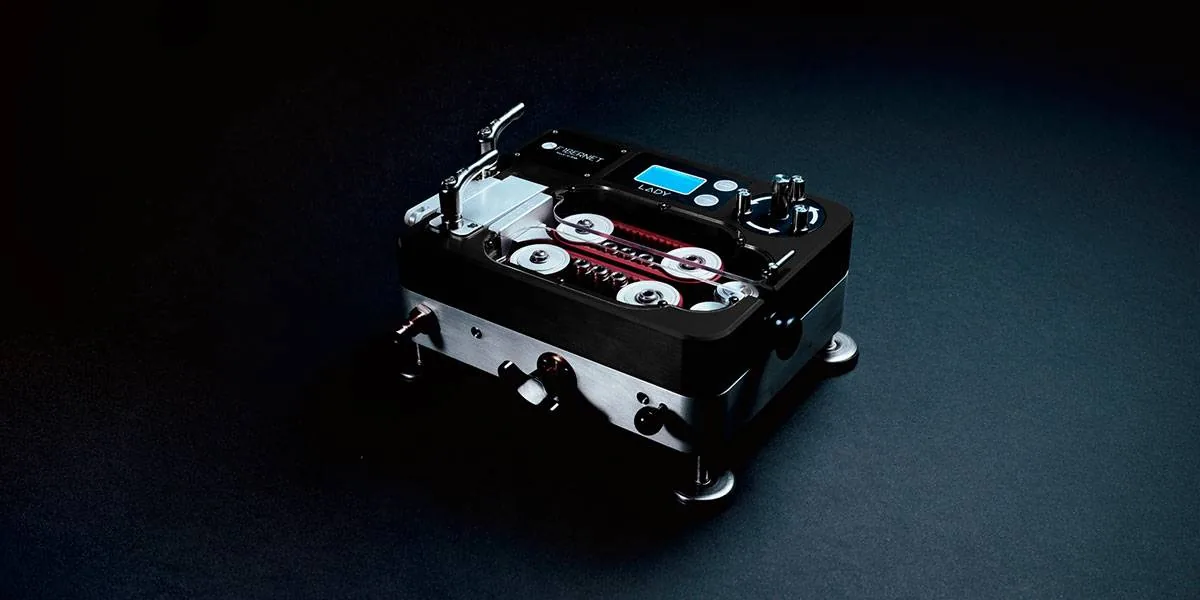
Compact and lightweight
A compact, lightweight machine for short runs.
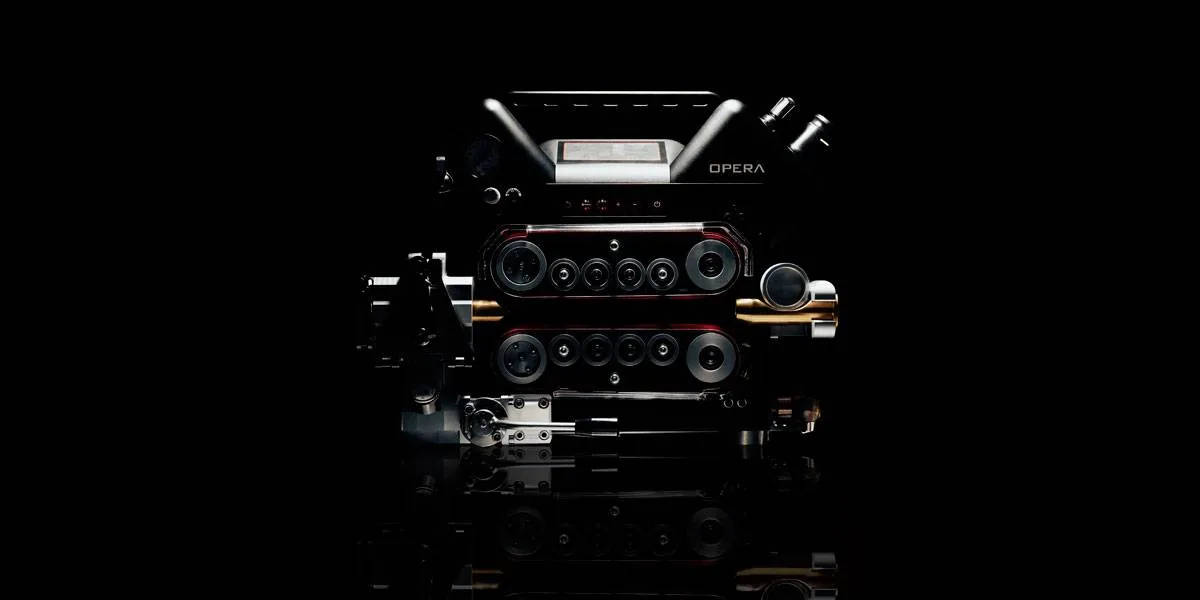
Pneumatic power
A pneumatic machine for long cable runs.
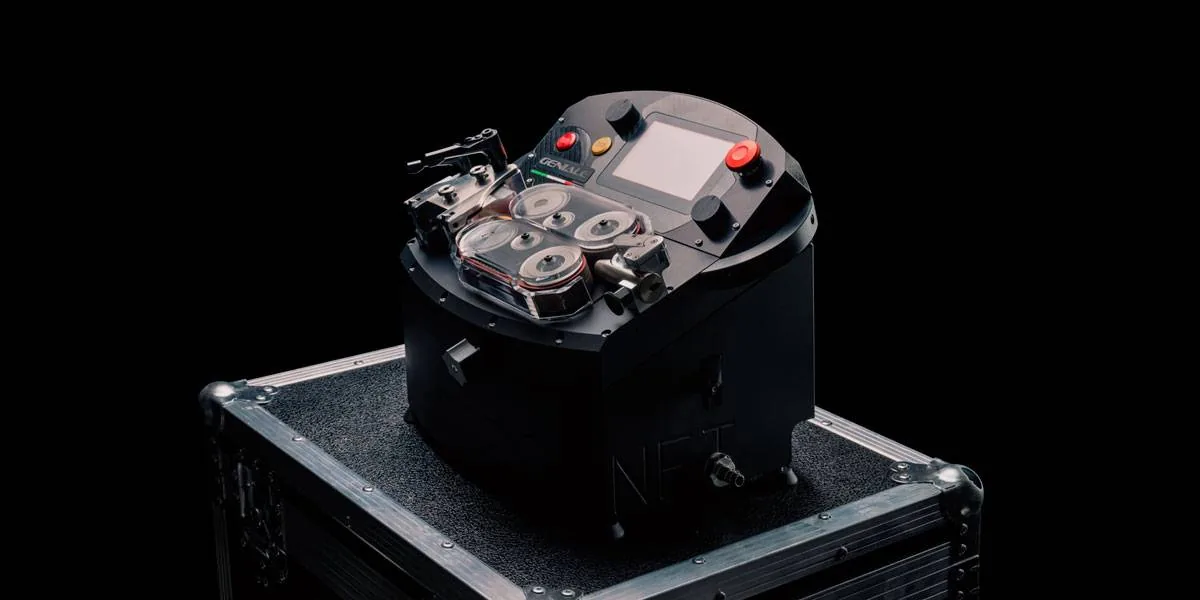
Electric, with two gears
For short and long runs. Two gears let you match force and speed to the job.
Specifications for the Fibernet range. The speeds shown are maximum values. Actual results depend on installation conditions and machine setup.
Direct from the manufacturer
When you’re working on site, you need practical answers. With Fibernet, you speak directly to the people who design and build your cable blowing machine.
Speak to a technicianA specialist technician can help when you need it.
Spare parts ready to ship, direct from the manufacturer.
If your machine breaks down, a replacement may be available within 48 hours.
Check availability and terms with your technician.Get help making the most of your machine, from your very first job.
See it in action before you choose
Request a free hands-on demonstration on your site or at Fibernet’s test facility. Discuss a real job with the technician.
Request a free demonstration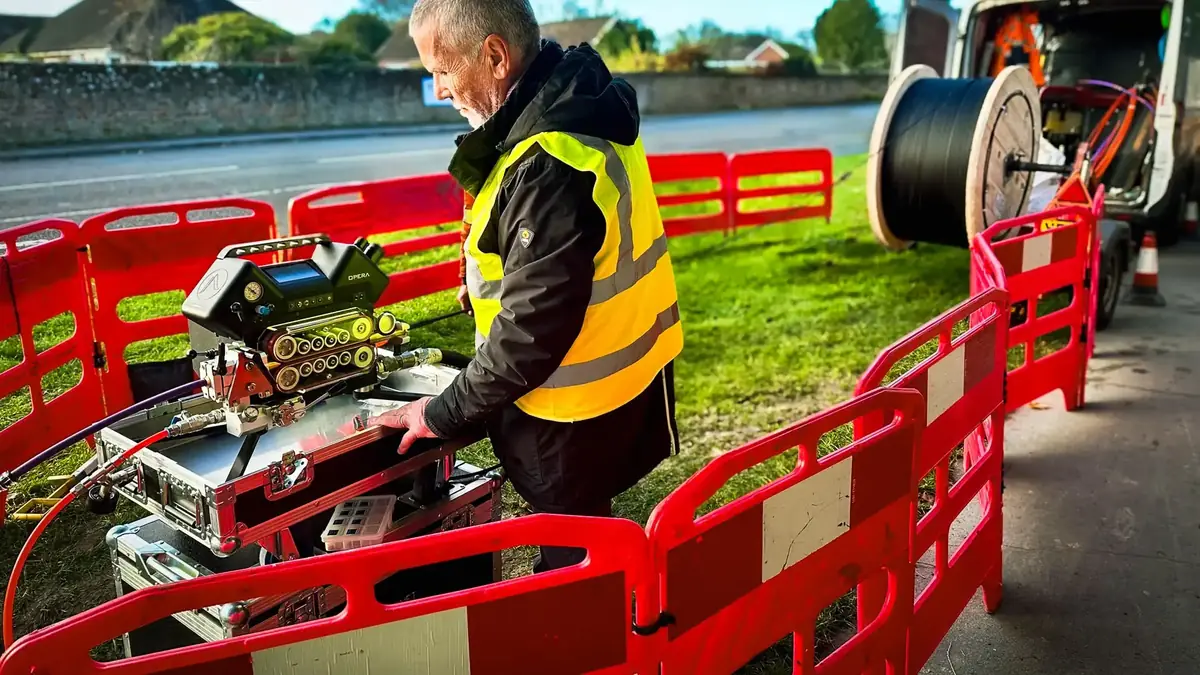
Choosing a used cable jetting machine starts with the cable and duct combinations your teams handle, rather than the purchase price alone. A machine that appears economical can become an expensive choice if its drive system cannot grip your cable correctly, its seals do not match the duct, or replacement components are difficult to obtain. Before comparing equipment, record the outside diameter of each cable, the duct dimensions, the cable manufacturer's permitted pushing force and the expected installation conditions. These details provide a practical basis for deciding whether a particular unit deserves further inspection. They also help distinguish a genuinely suitable machine from one that would require extensive adaptation before reaching the site. For a used fiber optic cable jetting machine, condition should be assessed through evidence rather than appearance. Ask for clear photographs of the drive components, a description of previous applications, available maintenance records and confirmation of the accessories included. Worn belts, contaminated guides, damaged seals or unreliable controls can affect cable feeding and create avoidable interruptions. A demonstration with a representative cable and duct arrangement is more informative than a brief video showing the motor running without a load. Where possible, establish how the machine responds when resistance increases and how its protective functions operate, following the relevant operating instructions. Compressor compatibility deserves equal attention. Pressure and airflow are separate requirements, and the available supply must suit the machine, duct and installation method together. Confirm connection types, air treatment requirements and the condition of hoses before assuming that existing site equipment will be compatible. Poorly prepared compressed air or unsuitable fittings can undermine an otherwise sound purchase. Fibernet offers a relevant technical background for discussing these questions. Founded in Italy in 2001, the business draws on Giancarlo Trinei's experience in fibre optic installation and testing, which began in the early 1980s. Its development as a manufacturer reached an important milestone with the launch of the Lady cable blowing machine in 2021. That background makes a requirements-led conversation more useful than a simple request for the cheapest available unit. When contacting Fibernet about a second hand fibre optic cable jetting machine, explain the work you need to perform and ask which equipment options can be discussed. Do not assume that a particular pre-owned model is in stock, has been refurbished or includes a warranty unless those points are confirmed in writing. A clear enquiry should identify your operating country, cable sizes, duct specifications and anticipated workload. With those details established, you can compare the technical suitability of an available machine with a new alternative and decide which route offers a more dependable starting point for your installation team.
The price of a used cable jetting machine is only one part of the amount required to put it into productive service. A meaningful comparison includes the accessories needed for your cable sizes, any replacement wear parts, inspection costs, transport and the time required to prepare the equipment. If an apparently inexpensive unit arrives without the correct guides, seals or duct connections, the saving may disappear before the first installation begins. Request an itemised description of what is supplied and separate essential components from optional additions. This makes competing proposals easier to compare without relying on broad descriptions such as complete or ready to work. When researching fiber optic cable jetting machine price, use the same operating requirements for every enquiry. Specify the intended cable diameter range, duct dimensions, expected frequency of use and the compressed air supply available to the team. Ask which limitations apply to the proposed configuration and whether changing cable sizes requires additional parts. A quotation becomes more useful when it explains the equipment configuration rather than presenting a single figure with no technical context. Delivery arrangements should also be clear, particularly when the machine must travel from Italy to another country. Establish the collection or delivery terms, packaging arrangements, responsibilities for import procedures and any applicable taxes before committing to a purchase. For international enquiries, ask Fibernet to confirm the arrangements available for the equipment under discussion rather than assuming that every destination follows the same process. Technical documentation should be part of the assessment. Your operators need instructions they can understand, information about safe operating limits and a clear procedure for routine checks. Identify the machine by its model and serial number when requesting documentation or replacement components, because similar-looking units may use different parts. A used fiber cable blowing machine also needs an honest assessment of its likely service requirements. Examine the drive surfaces, cable guides, air connections and accessible control components, and ask which maintenance tasks are due. If there is no reliable service history, allow for an appropriate inspection before site deployment rather than treating unknown condition as evidence of low wear. The commercial decision should reflect your workload. A contractor with occasional installations may assess ownership differently from a team that relies on the machine every working day. Consider how an interruption would affect labour, compressor hire and scheduled work, without assuming that either used or new equipment is automatically the better choice. Ask Fibernet to discuss your application and clarify the specifications of any proposed alternative. Written confirmation of condition, included equipment, payment terms and any warranty coverage gives the purchasing team a firmer basis for approval and helps prevent misunderstandings after delivery.
A successful purchase is followed by a disciplined handover to the people who will operate the equipment. Before a used cable jetting machine reaches its first working site, check that the supplied configuration matches the intended cable and duct. Confirm that operators have the relevant instructions and understand the controls, emergency stopping procedure and permitted operating limits. Any checks or adjustments should follow the manufacturer's documentation, with the equipment isolated where required. Avoid treating familiarity with another machine as a substitute for understanding the unit in front of you. Differences in drive adjustment, air connections and protective functions can change the way an operator should prepare for a run. The cable jetting machine for fiber optic cable installation must work as part of a compatible site arrangement. The compressor, hoses, fittings and duct connections all need to meet the relevant specifications. Verify that the duct has been prepared and checked using an appropriate procedure, and that the cable can feed from its drum without unnecessary resistance. Poor drum positioning, unsuitable entry alignment or an obstructed duct can cause difficulties that should not be attributed automatically to the machine. Record the conditions of an initial controlled trial so that later results can be interpreted sensibly. Useful information includes cable and duct dimensions, the configuration fitted to the machine and the operating settings permitted by its instructions. Do not promise an installation distance based solely on a previous job: route geometry, duct condition, cable properties and air supply can all influence the result. During operation, the team should follow the specified monitoring and stopping procedures rather than trying to overcome unexpected resistance by increasing force indiscriminately. Cable protection depends on respecting the limits of both the equipment and the cable. After the work, cleaning and inspection help reveal wear before the next deployment. Keep a record of replaced components, observed faults and maintenance actions, and store accessories so that the correct parts can be identified quickly. This is particularly valuable when several crews share a fibre optic cable jetting machine and responsibility changes between projects. Fibernet's family-led development combines an Italian manufacturing background with an ambition to serve installation businesses internationally. For buyers assessing pre-owned equipment, the practical next step is to present a precise application rather than request an unspecified machine. Send the model details of any unit being considered, photographs where available and a description of the intended work. Ask Fibernet which technical questions it can help address and which current equipment options may suit the application. Confirm any inspection, spare parts, support or delivery arrangements individually; these should never be inferred from a general product enquiry. A documented approach connects the purchase decision with everyday site use, giving your team a clearer understanding of what the equipment can do and what must be checked before work begins.
Fill in the form and discover what Fibernet Srl can do for you!
Contact us!Before you get started
If you prefer, speak to us directly.
+39 346 652 9915Compare the cable diameter, duct diameter and installation distance. Lady is compact and lightweight for short runs. Opera is pneumatic and designed for long runs. Geniale is electric and handles both. A Fibernet technician can help you choose.
Yes. You can request a free hands-on demonstration on your site or at Fibernet’s test facility. Tell us what you need in the form and a technician will arrange it with you. Request a demonstration.
To get a price, contact a Fibernet adviser using the form or call +39 346 652 9915.
Fibernet offers direct technical support, spare parts ready to ship and dedicated training. If your machine breaks down, a replacement may be available. Ask your technician about availability and terms.
Tell us about your job. We’ll help you find the right cable blowing machine.