Emanuele Zanda
Google review
★★★★★
Read on Google“An excellent experience on the installer training course. The whole team was professional and knowledgeable.”
Cable blowing machines · Made in Italy
From last-mile connections to long-distance runs, a Fibernet technician can help you choose the right machine for your fibre optic cable installation.
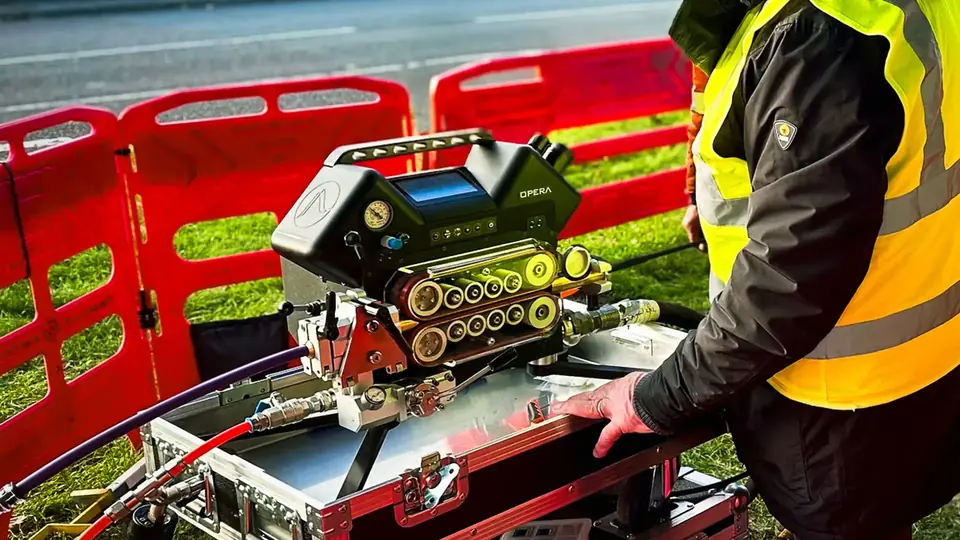
Opera, image 1 of 3
Expert advice direct from the manufacturer / Free demonstration on request
Some of our customers.

Keep your installation moving with Fibernet cable blowing machines.
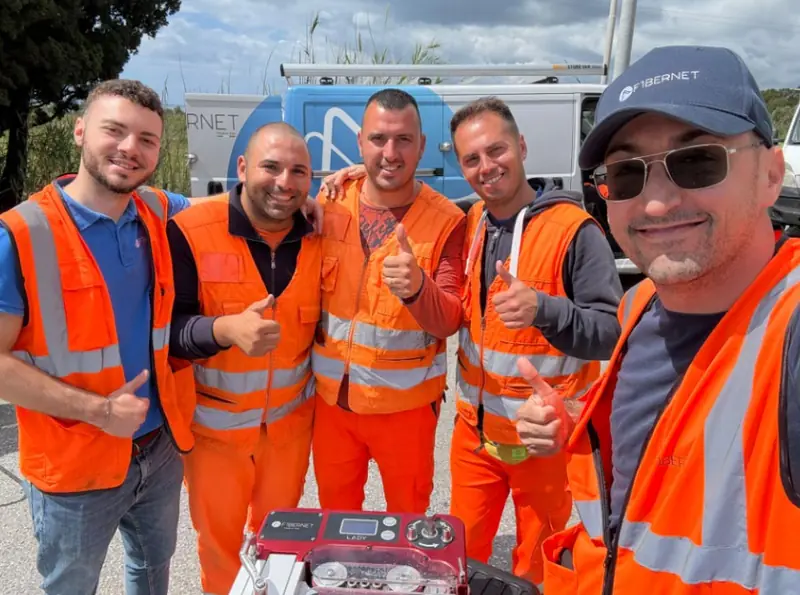
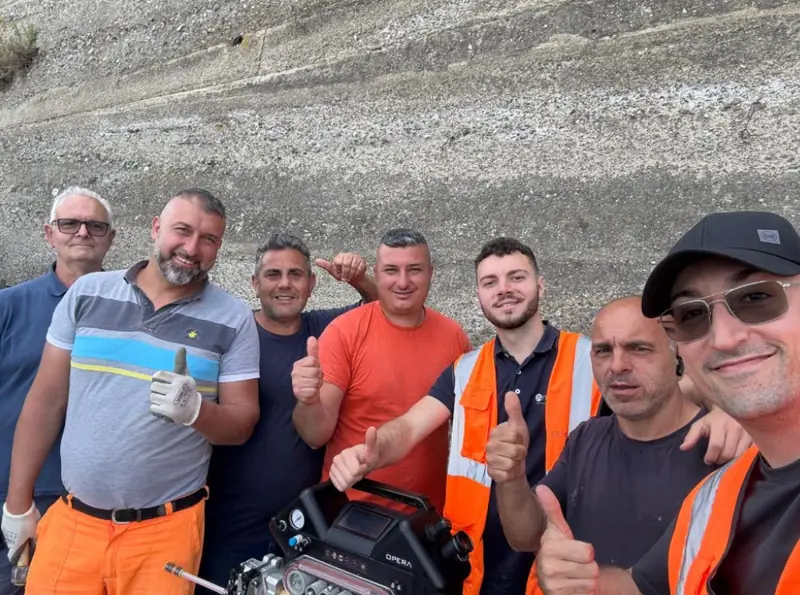
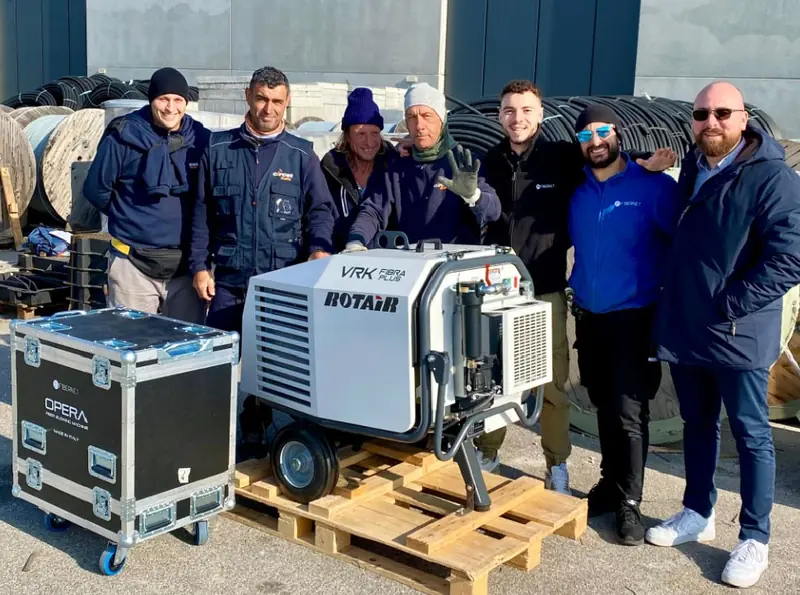
Photos and stories from installers, published by Fibernet.
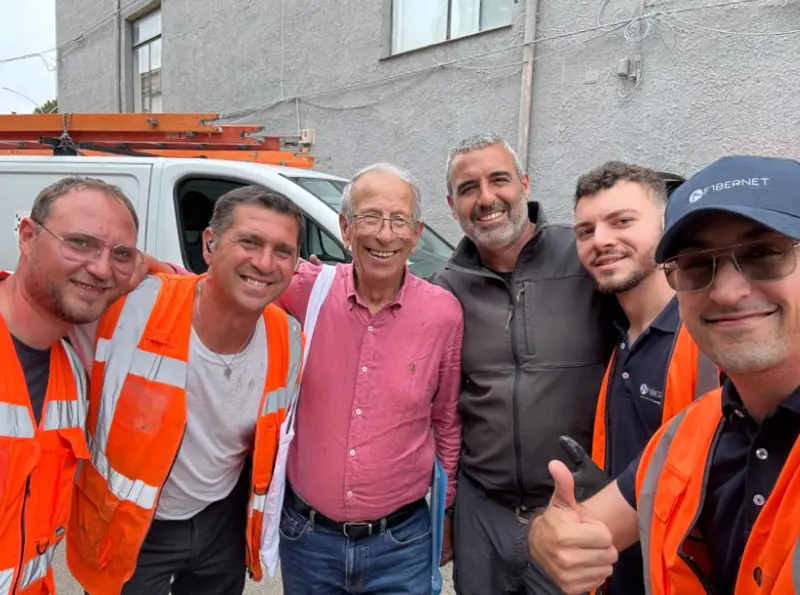
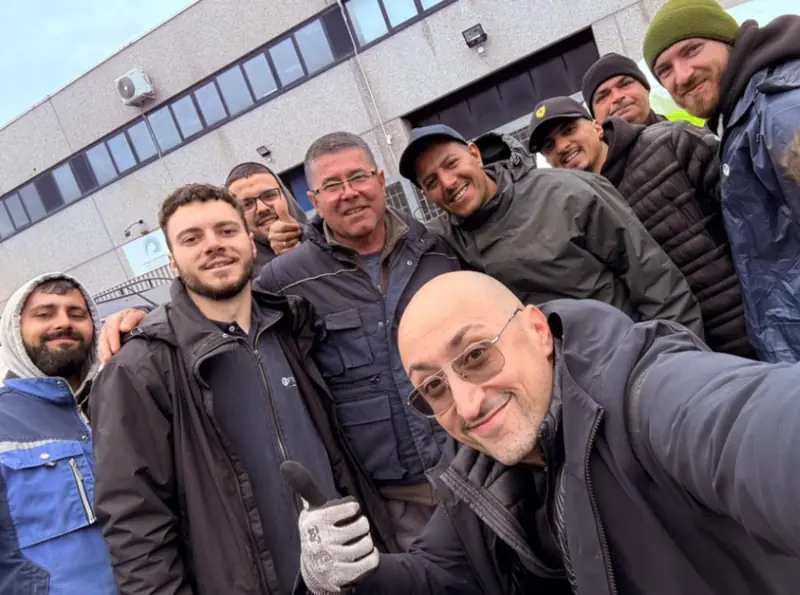
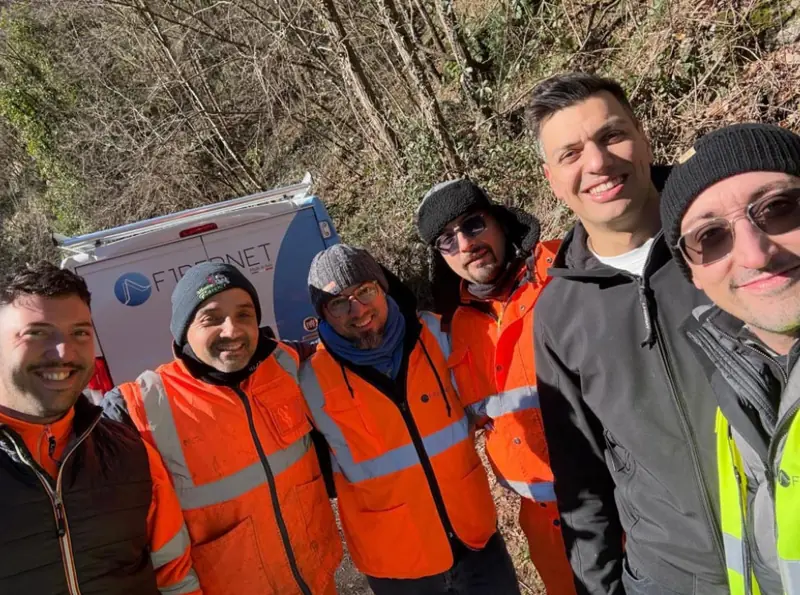 GoogleExcellentBased on 176 reviewsRead the reviews
Read on Google“An excellent experience on the installer training course. The whole team was professional and knowledgeable.”
Read on Google“I had the chance to try the Opera cable blowing machine on site…”
Read on Google“I really enjoyed this course. It took place in a pleasant setting with friendly, helpful people.”
Stories from installers
Hear the results from the installers themselves. Watch their testimonials right here.
Product videos
Three machines. Find your fit.
Start with the job at hand. Our technician can answer your questions about the right setup.
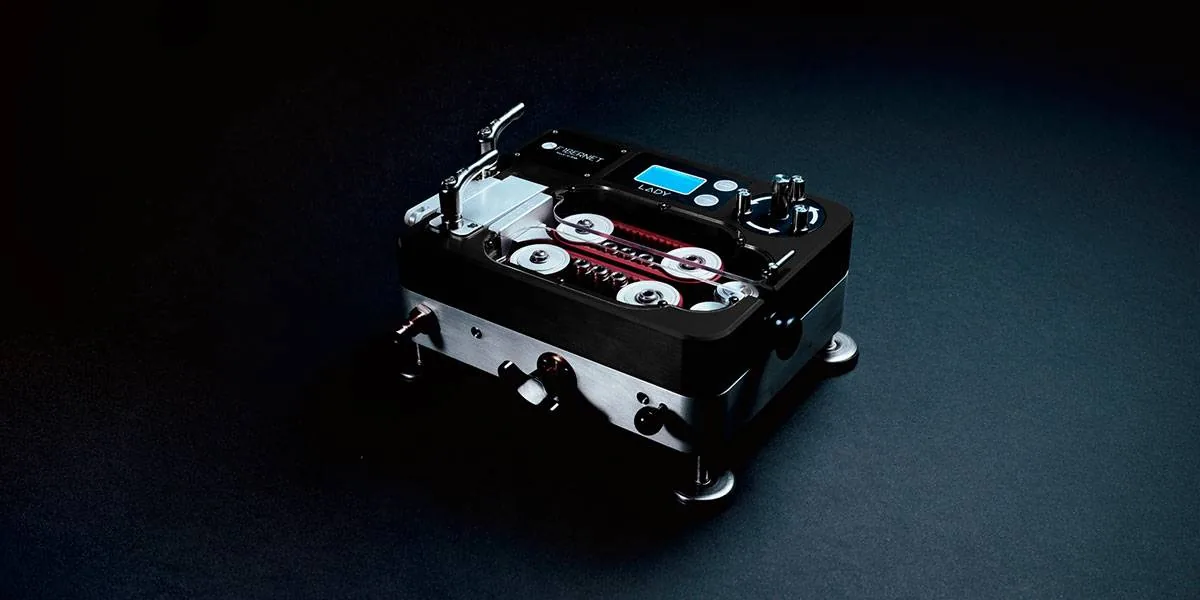
Compact and lightweight
A compact, lightweight machine for short runs.
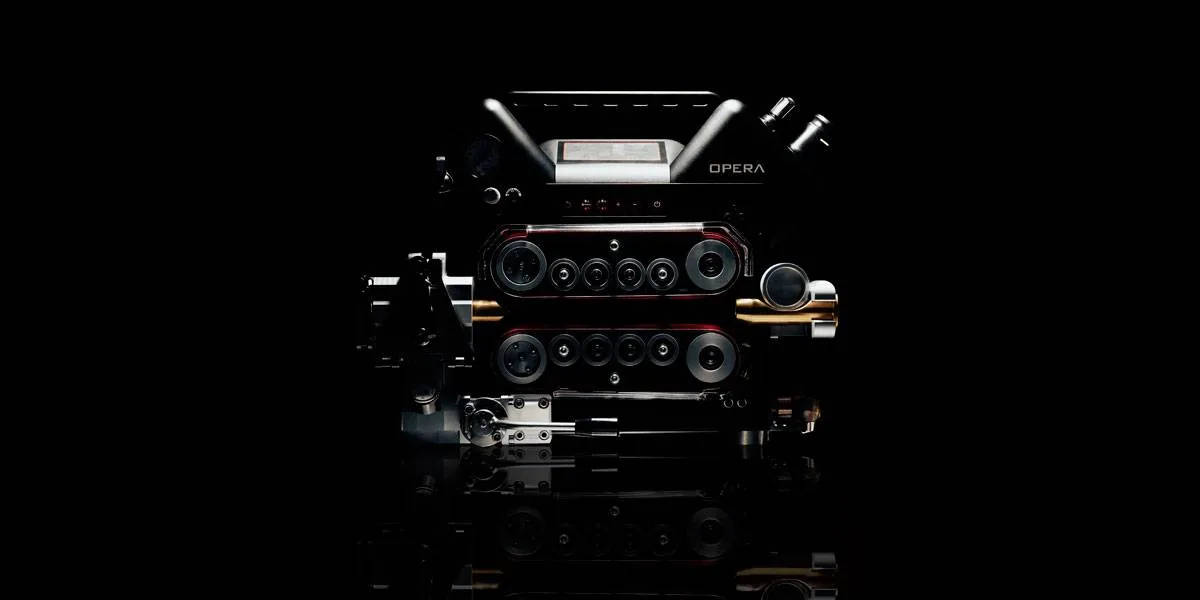
Pneumatic power
A pneumatic machine for long cable runs.
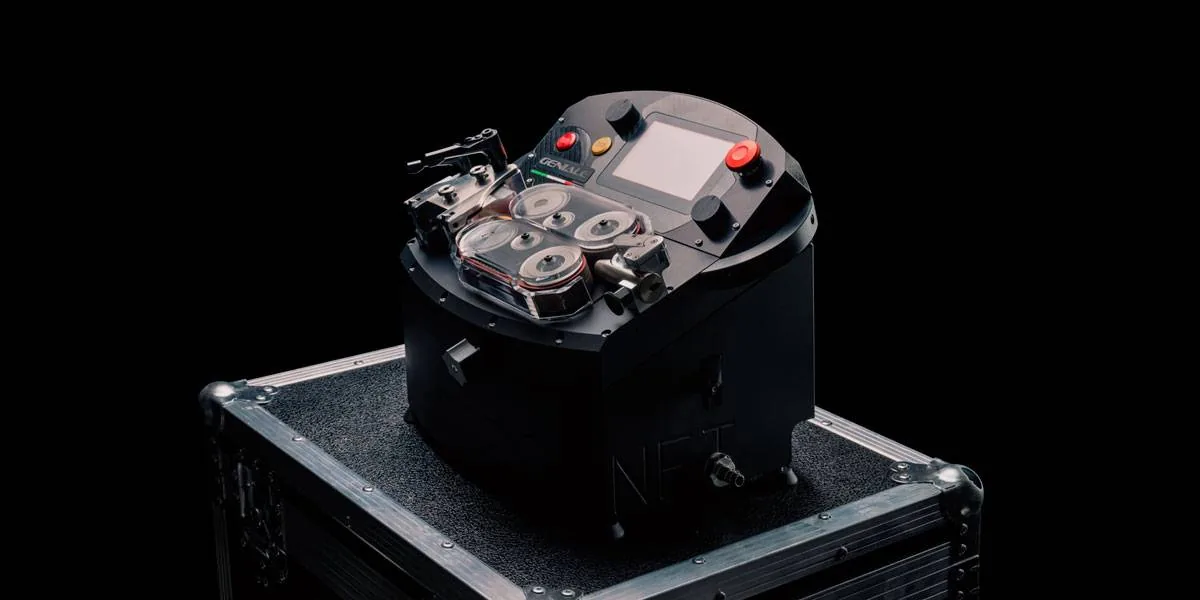
Electric, with two gears
For short and long runs. Two gears let you match force and speed to the job.
Specifications for the Fibernet range. The speeds shown are maximum values. Actual results depend on installation conditions and machine setup.
Direct from the manufacturer
When you’re working on site, you need practical answers. With Fibernet, you speak directly to the people who design and build your cable blowing machine.
Speak to a technicianA specialist technician can help when you need it.
Spare parts ready to ship, direct from the manufacturer.
If your machine breaks down, a replacement may be available within 48 hours.
Check availability and terms with your technician.Get help making the most of your machine, from your very first job.
See it in action before you choose
Request a free hands-on demonstration on your site or at Fibernet’s test facility. Discuss a real job with the technician.
Request a free demonstration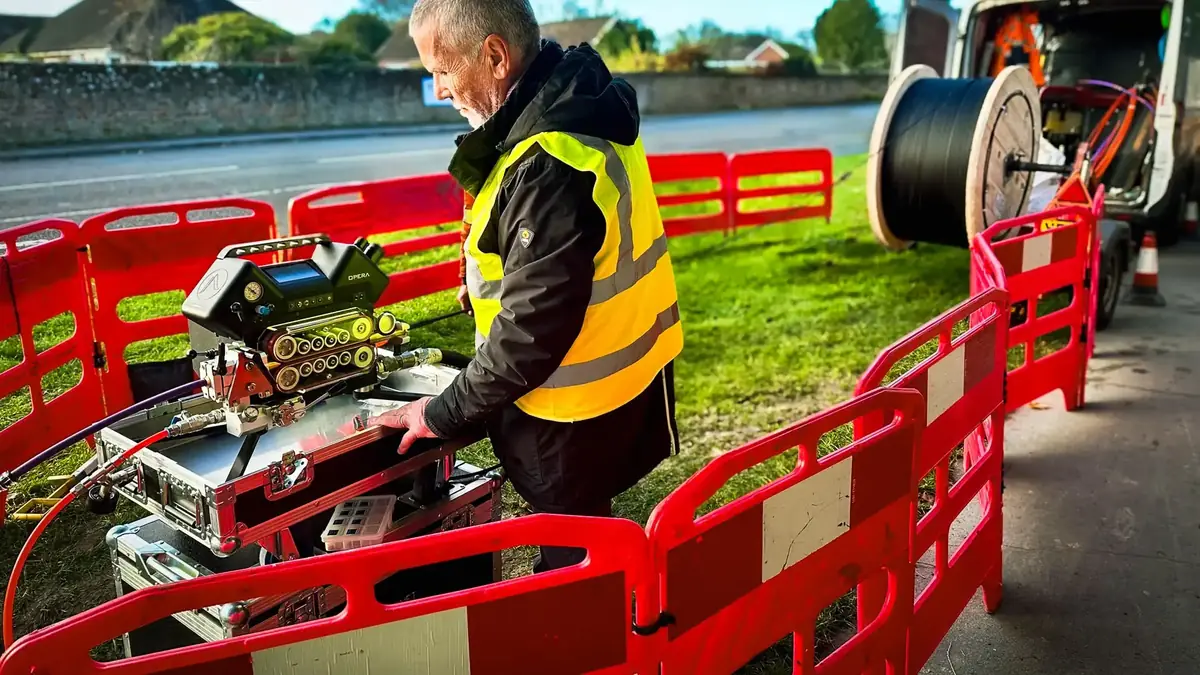
Choosing a second hand fibre optic cable jetting machine starts with the installation, not the advertised saving. A contractor working on Italian street works needs equipment that suits the cable, duct and site conditions, while an international installation team must also consider local power supplies, compressor availability and access to replacement components. Before assessing an individual machine, record the cable outside diameter, duct internal diameter, intended installation distance and the number of bends along the route. These details help establish whether the equipment is a realistic match for the work. A machine that accepts the cable physically is not necessarily suitable for advancing it under controlled conditions throughout the intended duct route. When examining a used fibre optic cable jetting machine, ask for its identification details, operating instructions, maintenance history and a clear description of the components included. Photographs should show more than the outer casing: cable drive surfaces, guides, duct connections, sealing components and controls all deserve attention. Worn drive elements may reduce traction, while unsuitable or damaged seals can cause air leakage. Equally important is the condition of the mechanisms used to adjust cable grip. Excessive pressure can damage a cable, whereas insufficient grip can lead to slipping and inconsistent feeding. Request a demonstration using compatible cable and duct wherever practical, with operating conditions recorded clearly enough to make the results meaningful. Do not treat an unloaded motor demonstration as proof of installation performance. For a compressed air fibre optic cable jetting machine, confirm the required airflow as well as the operating pressure. A compressor pressure figure alone does not show whether the available air supply can sustain the intended application. Check the condition and suitability of hoses, connectors and air preparation equipment, following the machine manufacturer's instructions. Ask how emergency stopping, speed adjustment and any available force control operate, rather than assuming that every model provides the same safeguards. Fibernet offers a relevant manufacturer perspective for buyers considering their options. Founded in 2001 and built on Giancarlo Trinei's technical experience, the company introduced its first cable blowing machine, Lady, in 2021. That background provides a starting point for a discussion about machine selection, but it should not be interpreted as confirmation that a particular used unit is available, approved or covered by Fibernet. Contact the company with your application details and ask which equipment options it can currently discuss. A decision based on documented compatibility and condition is more useful than a low purchase figure unsupported by evidence.
An attractive asking price can conceal costs that only become apparent when a machine reaches the worksite. When evaluating a second hand fibre optic cable jetting machine, build a comparison around operational readiness: what must be checked, replaced, supplied or adjusted before the equipment can perform the intended task? Start with the proposed purchase package. Establish whether it includes the correct duct clamps, cable guides, sealing inserts, power accessories and operating documentation for your application. Missing items can turn an apparently economical purchase into a delayed installation, especially if the required parts are no longer readily available. Confirm the exact model and configuration before requesting quotations for replacement components. A broad search for fibre optic cable jetting machine price should therefore lead to more than a comparison of headline figures. Include transport, inspection, any necessary servicing and the accessories needed for your cable and duct combinations. For work in Italy, clarify applicable tax treatment and delivery arrangements with the supplier. For equipment moving internationally, establish responsibility for customs documentation, import requirements and transport protection before agreeing to the transaction. These costs vary, so they should be verified for the actual order rather than estimated from an unrelated machine listing. Consider working time as carefully as purchase expenditure. Repeated adjustment, unreliable cable feeding or air leakage can interrupt an installation even when the equipment remains technically operational. Ask how readily operators can access routine maintenance points and change the components required for different cable diameters. A useful assessment also considers the practical handling of the machine: its weight, transport arrangement, stability in use and suitability for the available working space. These details matter to teams moving between roadside work locations during a busy installation schedule. If your comparison includes an electric fibre optic cable jetting machine, confirm its electrical requirements and how they fit the intended site supply. Do not assume that electrical cable feeding removes the need for compressed air; establish how the specific model operates and what additional equipment it requires. Check the controls, connections and protective arrangements against the manufacturer's documentation, and have competent personnel assess any uncertain electrical condition. Fibernet can be approached with a concise brief covering your existing equipment, typical cable sizes and planned applications. Ask for information about current machines, suitable configurations and the commercial terms actually available. Treat used availability, refurbishment, warranty and servicing as separate questions requiring explicit confirmation. Comparing a documented second hand offer with a clearly specified manufacturer proposal helps reveal whether the initial saving remains worthwhile once installation readiness, support and ownership costs are considered together.
Before committing to a second hand fibre optic cable jetting machine, agree how its suitability will be assessed and who will carry out the checks. A practical acceptance plan connects the proposed purchase with the work your operators actually perform. Identify a representative cable and duct combination, document the accessories fitted to the machine and establish the operating limits stated by its manufacturer. If a demonstration is arranged, record the air supply conditions, route characteristics and settings used. This prevents a short trial on an easy duct section from being mistaken for evidence of performance on a longer, more demanding installation. No responsible assessment should promise a fixed installation distance regardless of cable stiffness, duct condition, bends or elevation changes. Inspecting the duct route remains essential even when the machine itself is in good condition. Connections should be suitable for the intended operating conditions, and the route should be checked and prepared using procedures appropriate to the installation. Contamination, water, damaged duct sections or poorly aligned joints can affect cable advancement and may create problems that a more powerful drive cannot solve safely. Follow the relevant equipment instructions for duct preparation and any permitted lubricant. The aim is controlled cable movement, not forcing a cable past an unexplained obstruction. Operators should understand how to recognise abnormal feeding behaviour and stop the process before damage develops. A cable jetting machine for fiber optic cable installation should also be assessed as part of an organised working arrangement. Decide where the cable drum, machine, compressor and hoses will be positioned, keeping access and operator communication in mind. Establish who monitors the cable supply and how the team will coordinate stopping. Check that guards and stopping controls are present and functional according to the model documentation. Where operating instructions are missing or unclear, resolve that gap before use rather than relying on familiarity with a different machine. Superficially similar models can have different adjustment procedures and operating limits. For buyers comparing a second hand cable jetting machine with a new alternative, the acceptance plan provides a common basis for discussion. Ask each supplier to explain the proposed configuration against the same application brief, and distinguish verified capabilities from assumptions. Fibernet's family business background and Italian product development offer context for that conversation: the company combines its founder's technical foundations with the next generation's involvement, which began in 2010. Buyers in Italy and English speaking teams elsewhere can use www.fibernetsrl.com to open a focused enquiry about cable blowing equipment. Include the destination country when asking about supply, documentation and delivery, and request confirmation of the arrangements available for your order. The strongest purchase decision is one supported by clear specifications, a credible condition assessment and an operating plan suited to the intended installations.
Fill in the form and discover what Fibernet Srl can do for you!
Contact us!Before you get started
If you prefer, speak to us directly.
+39 346 652 9915Compare the cable diameter, duct diameter and installation distance. Lady is compact and lightweight for short runs. Opera is pneumatic and designed for long runs. Geniale is electric and handles both. A Fibernet technician can help you choose.
Yes. You can request a free hands-on demonstration on your site or at Fibernet’s test facility. Tell us what you need in the form and a technician will arrange it with you. Request a demonstration.
To get a price, contact a Fibernet adviser using the form or call +39 346 652 9915.
Fibernet offers direct technical support, spare parts ready to ship and dedicated training. If your machine breaks down, a replacement may be available. Ask your technician about availability and terms.
Tell us about your job. We’ll help you find the right cable blowing machine.