Emanuele Zanda
Google review
★★★★★
Read on Google“An excellent experience on the installer training course. The whole team was professional and knowledgeable.”
Cable blowing machines · Made in Italy
From last-mile connections to long-distance runs, a Fibernet technician can help you choose the right machine for your fibre optic cable installation.
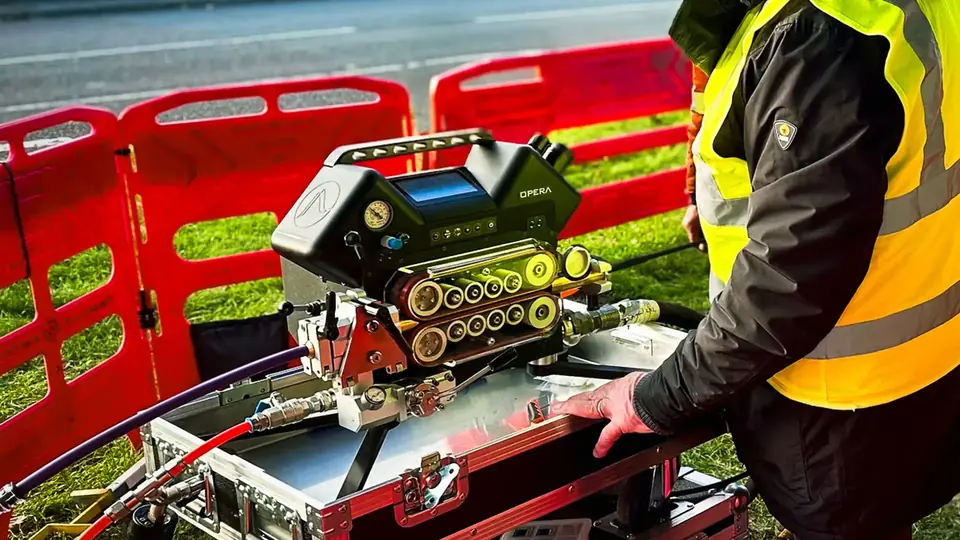
Opera, image 1 of 3
Expert advice direct from the manufacturer / Free demonstration on request
Some of our customers.

Keep your installation moving with Fibernet cable blowing machines.
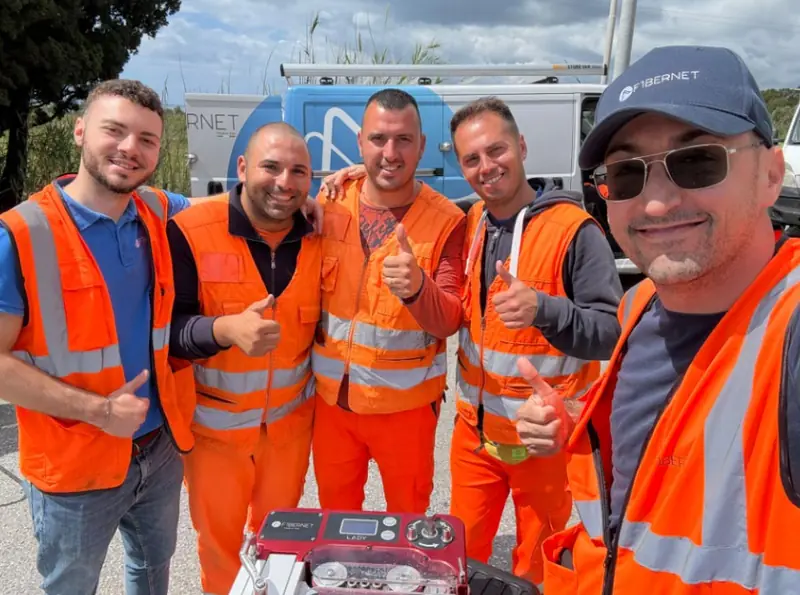
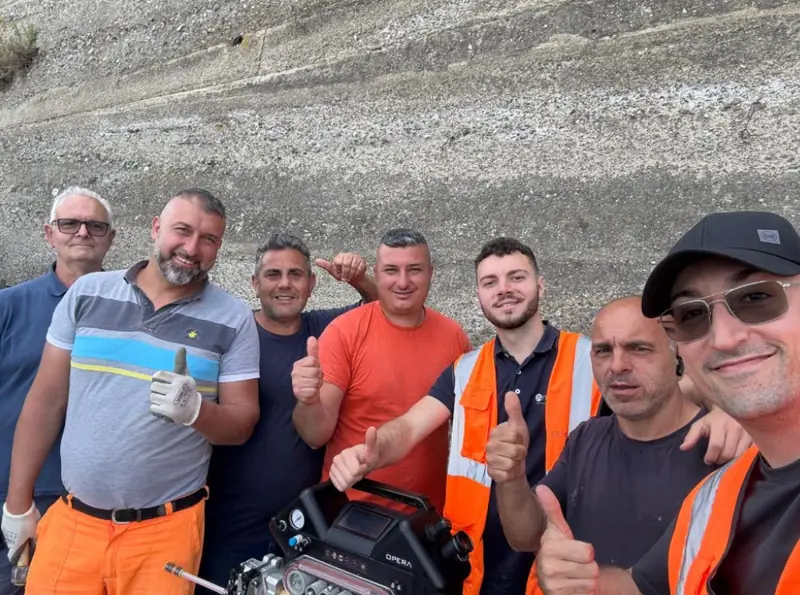
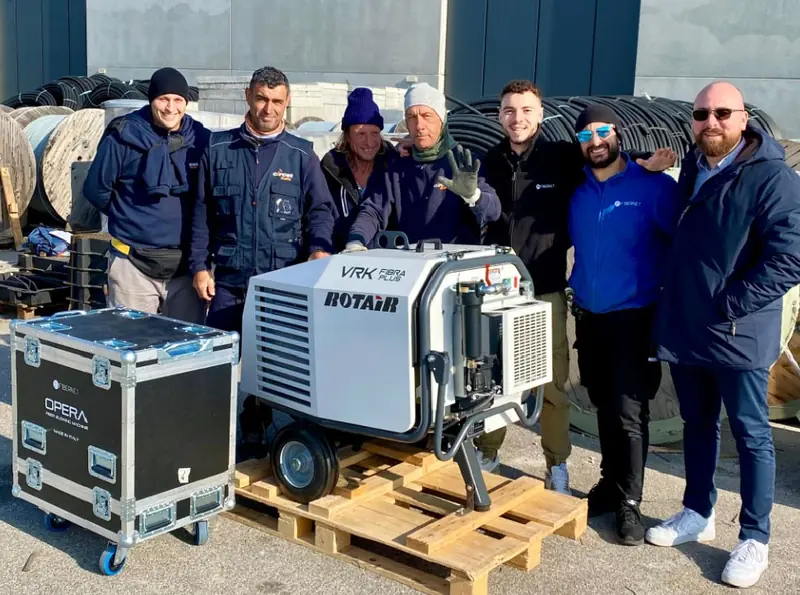
Photos and stories from installers, published by Fibernet.
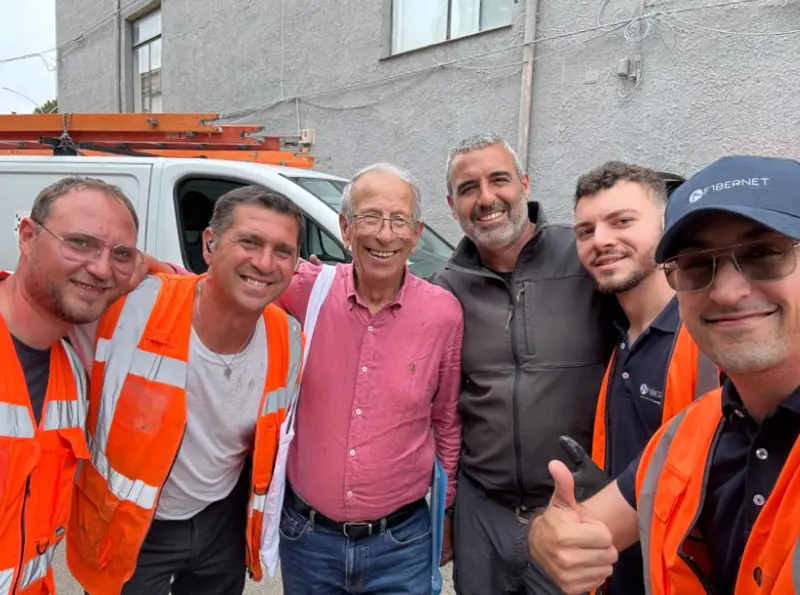
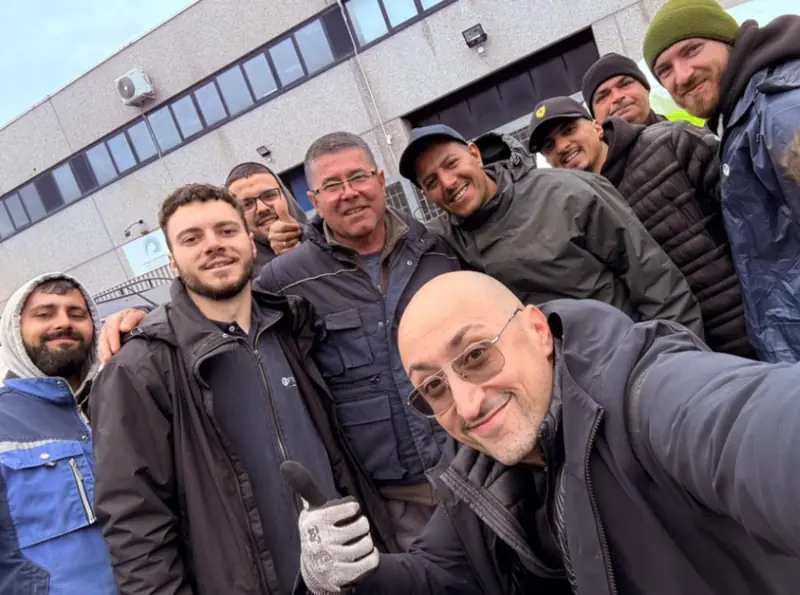
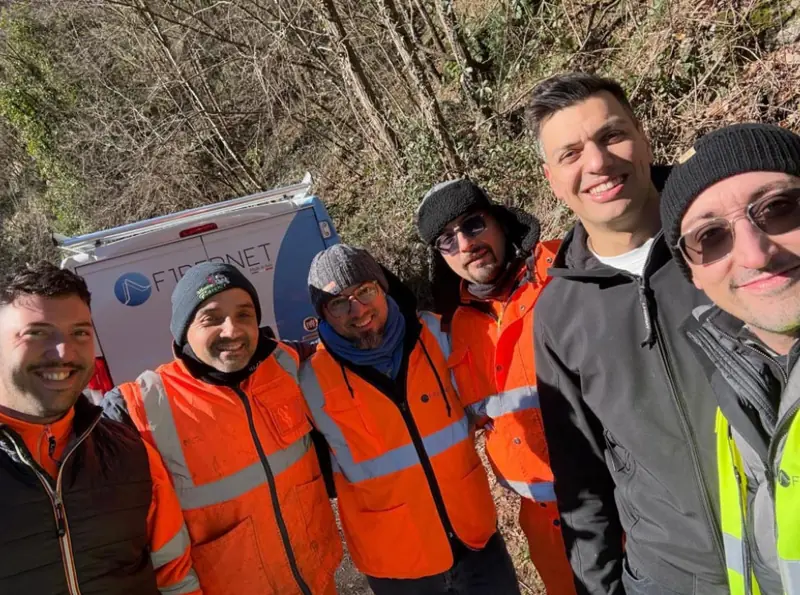 GoogleExcellentBased on 176 reviewsRead the reviews
Read on Google“An excellent experience on the installer training course. The whole team was professional and knowledgeable.”
Read on Google“I had the chance to try the Opera cable blowing machine on site…”
Read on Google“I really enjoyed this course. It took place in a pleasant setting with friendly, helpful people.”
Stories from installers
Hear the results from the installers themselves. Watch their testimonials right here.
Product videos
Three machines. Find your fit.
Start with the job at hand. Our technician can answer your questions about the right setup.
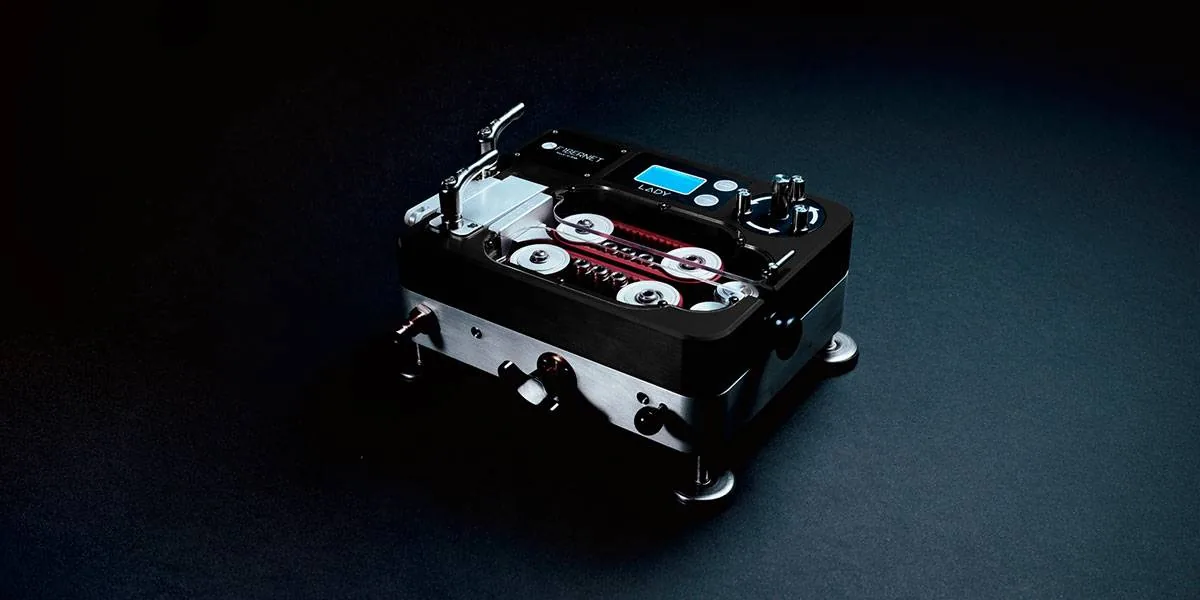
Compact and lightweight
A compact, lightweight machine for short runs.
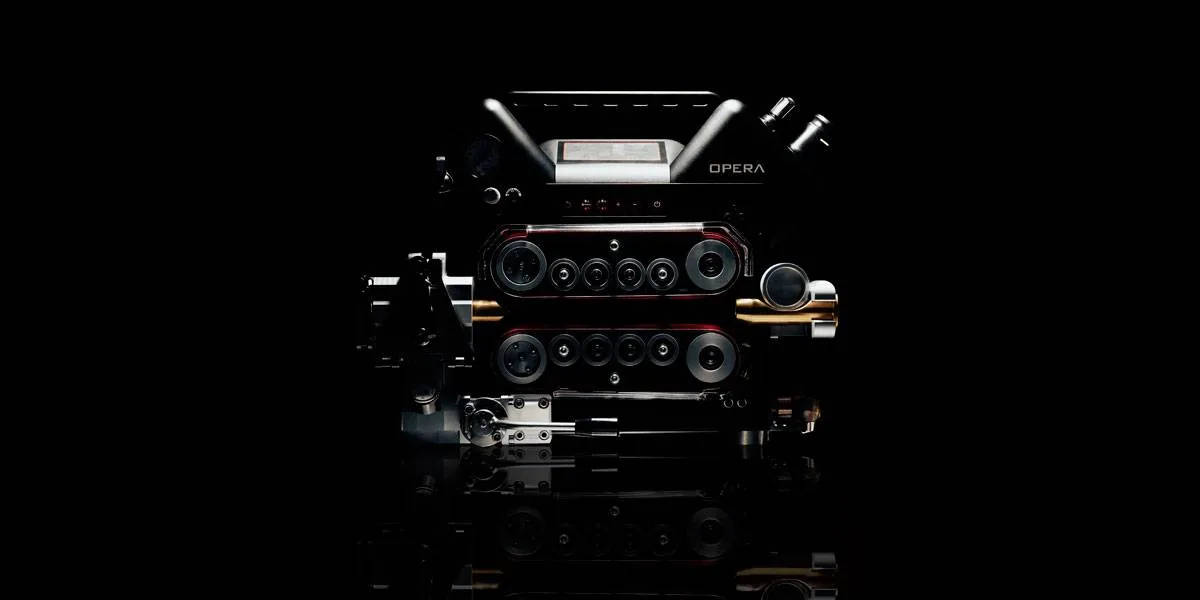
Pneumatic power
A pneumatic machine for long cable runs.
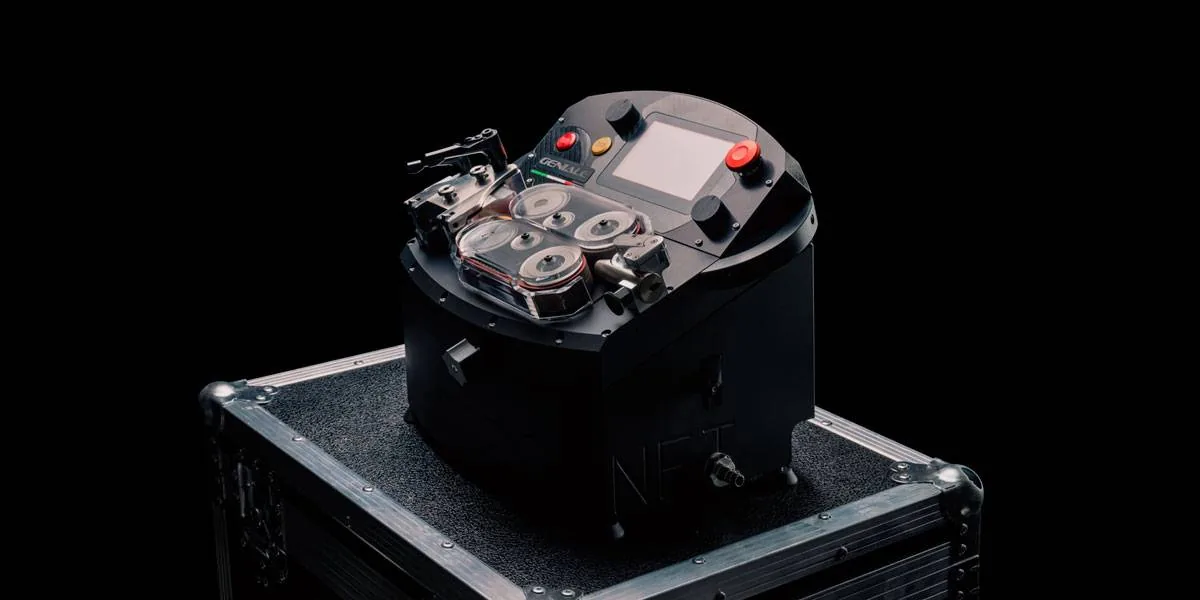
Electric, with two gears
For short and long runs. Two gears let you match force and speed to the job.
Specifications for the Fibernet range. The speeds shown are maximum values. Actual results depend on installation conditions and machine setup.
Direct from the manufacturer
When you’re working on site, you need practical answers. With Fibernet, you speak directly to the people who design and build your cable blowing machine.
Speak to a technicianA specialist technician can help when you need it.
Spare parts ready to ship, direct from the manufacturer.
If your machine breaks down, a replacement may be available within 48 hours.
Check availability and terms with your technician.Get help making the most of your machine, from your very first job.
See it in action before you choose
Request a free hands-on demonstration on your site or at Fibernet’s test facility. Discuss a real job with the technician.
Request a free demonstration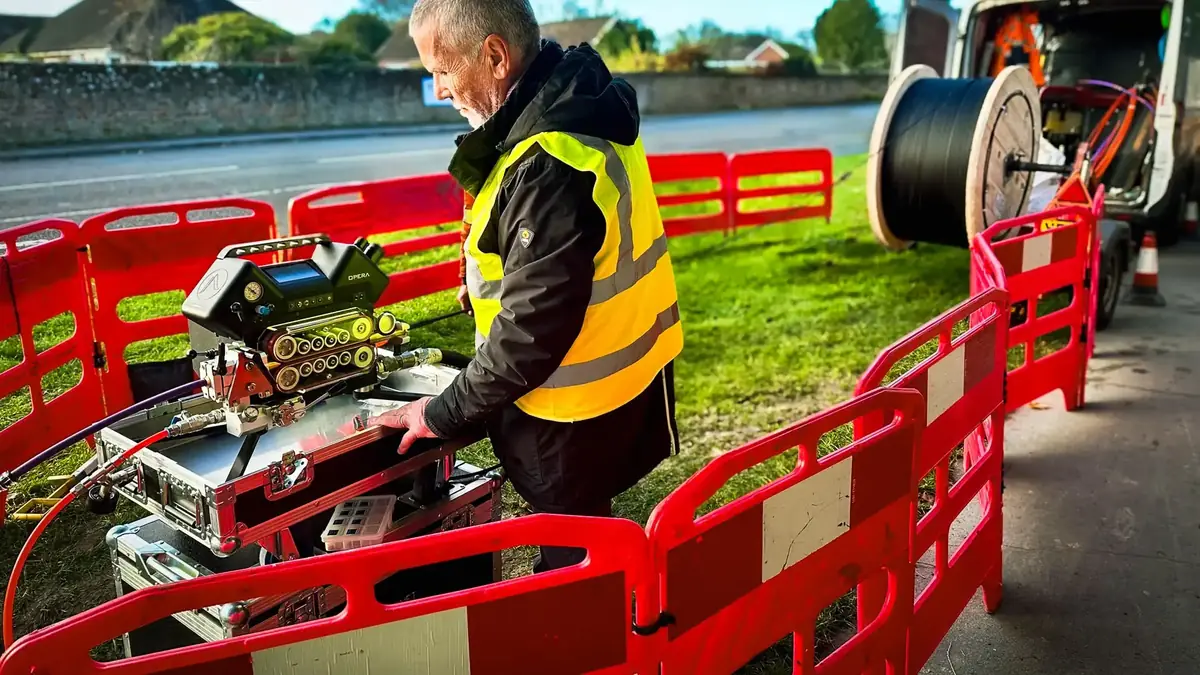
Choosing a second hand fibre blower starts with the cable and duct combination you need to install, rather than the appearance of the machine or its advertised operating hours. Contractors working on Italian projects should establish the cable diameter, duct internal diameter, route characteristics and expected working conditions before comparing equipment. A machine that performed successfully on one installation may require different guides, seals or drive components for another. Ask for the exact model, serial number, available documentation and a clear description of the accessories included. These details help distinguish a genuinely suitable purchase from an apparently economical machine that needs substantial additional expenditure before reaching site. Examine the cable drive arrangement carefully. Contact surfaces should provide controlled traction without visible damage, excessive wear or contamination that could affect grip. Check the condition of the cable guides, duct connection, air chamber and sealing components, and establish whether replacements remain obtainable. Where controls or measuring devices are fitted, their operation should be demonstrated rather than assumed. A practical inspection should also cover emergency stopping arrangements, guards and the integrity of pneumatic connections. Any demonstration must follow the manufacturer's instructions and use a compatible cable and duct arrangement under safe conditions. When assessing a second hand fibre cable blower, request evidence of previous servicing and ask whether the equipment has undergone repairs or modifications. A fresh exterior finish is not a substitute for maintenance records or a meaningful operational test. Compressor compatibility deserves equal attention: the required air pressure and flow must be checked against the machine documentation, duct limits and installation conditions. Higher pressure alone does not guarantee better progress and must never replace a correctly planned blowing procedure. Include air treatment, suitable hoses and connections in your evaluation, rather than treating them as incidental accessories. Fibernet provides an Italian manufacturing perspective shaped by its development of cable blowing equipment, including the Lady machine introduced in 2021. For buyers comparing used machinery with a new solution, the useful starting point is a technical discussion about the intended application. Share your cable specifications, duct dimensions and typical route lengths when contacting the company. Ask explicitly whether any pre-owned equipment is available, because availability, inspection status, included accessories and commercial conditions must be confirmed for the individual enquiry. This approach keeps expectations realistic and gives your purchasing team a sound basis for comparison. The objective is not simply to secure a lower purchase figure, but to obtain equipment that can be configured, operated and maintained appropriately for the work your crews actually undertake. A documented assessment also makes internal purchasing approval easier, because the decision can be explained through compatibility, condition and identifiable costs rather than an attractive photograph or an unsupported performance claim.
An attractive asking price can conceal the real cost of bringing a second hand fibre blower into productive service. Before committing funds, build a comparison around the complete working configuration your team needs. Include the machine, cable guides, sealing parts, duct adapters, compressor connections and any replacement wear components identified during inspection. Add transport, applicable taxes and the cost of an initial service where necessary. If the seller cannot identify what is included, the apparent saving remains uncertain. A useful quotation separates the base equipment from optional accessories and states the condition of each significant component. This allows purchasing staff and site supervisors to assess the same proposal without relying on different assumptions. Consider downtime alongside acquisition expenditure. A worn drive component or unavailable seal can interrupt an installation even when the machine itself appears mechanically sound. Ask how replacement parts are identified, what documentation accompanies the equipment and whether technical assistance is available for that exact model. Never assume that support offered for a current machine automatically extends to every older or modified unit. For a second hand fibre blowing machine, the ability to establish its configuration and maintenance history may be more valuable than a modest discount. Your operational calculation should also reflect how frequently the equipment will work. A contractor with occasional, predictable installations may evaluate ownership differently from a crew moving between sites every week. Neither usage pattern removes the need for compatibility checks, safe operation and an appropriate maintenance routine. When comparing a fibre blower price, use the same cable and duct requirements for every proposal. Otherwise, a lower figure may simply describe a machine supplied with fewer accessories or intended for a different operating range. Request clarification of stated performance conditions, including the cable, duct, route and air supply used to obtain any quoted result. Blowing distance is influenced by installation conditions and should not be treated as a universal guarantee. A transparent comparison also distinguishes any warranty, return terms or inspection arrangements that are expressly included from those that are not. Fibernet, founded in 2001, developed its cable blowing offering from a longstanding technical background and introduced Lady in 2021. Buyers can contact the company to discuss an appropriate equipment configuration and request current commercial information without assuming that used stock is routinely held. Where a new machine is considered alongside a pre-owned option, compare the documented scope, support terms and preparation costs rather than purchase prices alone. For an Italian contractor, that calculation should account for site scheduling and the availability of suitable compressor equipment. For an overseas purchaser, freight arrangements, import requirements and destination documentation also need individual confirmation. A clear written specification turns the purchasing process into a practical assessment of readiness for work, helping prevent avoidable costs after delivery.
A successful installation depends on preparation as much as on the machine selected. Once you have identified a suitable second hand fibre blower, translate the purchasing specification into a site checklist that operators can actually use. Confirm the cable identification, outside diameter, duct dimensions and required machine setup before equipment leaves the depot. Check that the appropriate guides, seals and duct fittings are packed together and that wear parts are identifiable. Keep the relevant operating instructions accessible to the crew. If the equipment has changed ownership, do not rely on an informal explanation from its previous user as the only source of operating information. Establish who will check the machine, who will manage the air supply and how the team will communicate during the operation. Before starting, inspect the machine and its connections in accordance with the manufacturer's instructions. Assess the duct route and condition using procedures appropriate to the installation, and resolve suspected obstructions or connection problems before attempting to blow cable. The cable must feed into the machine without avoidable resistance, twisting or uncontrolled movement. Reel positioning and a clear working area help the crew maintain a consistent supply while observing the drive mechanism from a safe position. Set operating parameters within the limits specified for the equipment, cable and duct, and use only compatible products where lubrication is required. Increasing drive force or air pressure to overcome an unexplained stoppage can introduce damage or create a safety hazard. Stop and investigate abnormal behaviour instead of assuming that additional power will solve the problem. When a second hand cable blower is introduced into an established crew, make the differences from existing equipment explicit. Controls, adjustment methods, cable clamping arrangements and emergency stopping procedures may not be interchangeable between models. Arrange suitable familiarisation based on the actual documentation and seek qualified assistance if essential information is missing. Maintenance after the job matters too: isolate energy sources safely before cleaning or inspection, check wear components and record defects so that the next crew does not inherit an unresolved problem. Fibernet's background includes the technical experience of founder Giancarlo Trinei and the development of its own cable blowing machinery in Italy. That background offers a relevant starting point for discussions about equipment selection, but buyers should still request model-specific specifications and written confirmation of any proposed service. English-speaking contractors working in Italy or planning overseas installations can provide their operating requirements when contacting www.fibernetsrl.com. Ask the team to clarify available equipment, accessory compatibility, documentation and delivery options for your destination. This keeps the conversation focused on the practical demands of blowing cable into ducts rather than on broad promises. Whether the final choice is pre-owned equipment or a newly manufactured machine, disciplined preparation helps protect the cable, supports consistent working methods and makes equipment-related decisions easier to trace throughout the project.
Fill in the form and discover what Fibernet Srl can do for you!
Contact us!Before you get started
If you prefer, speak to us directly.
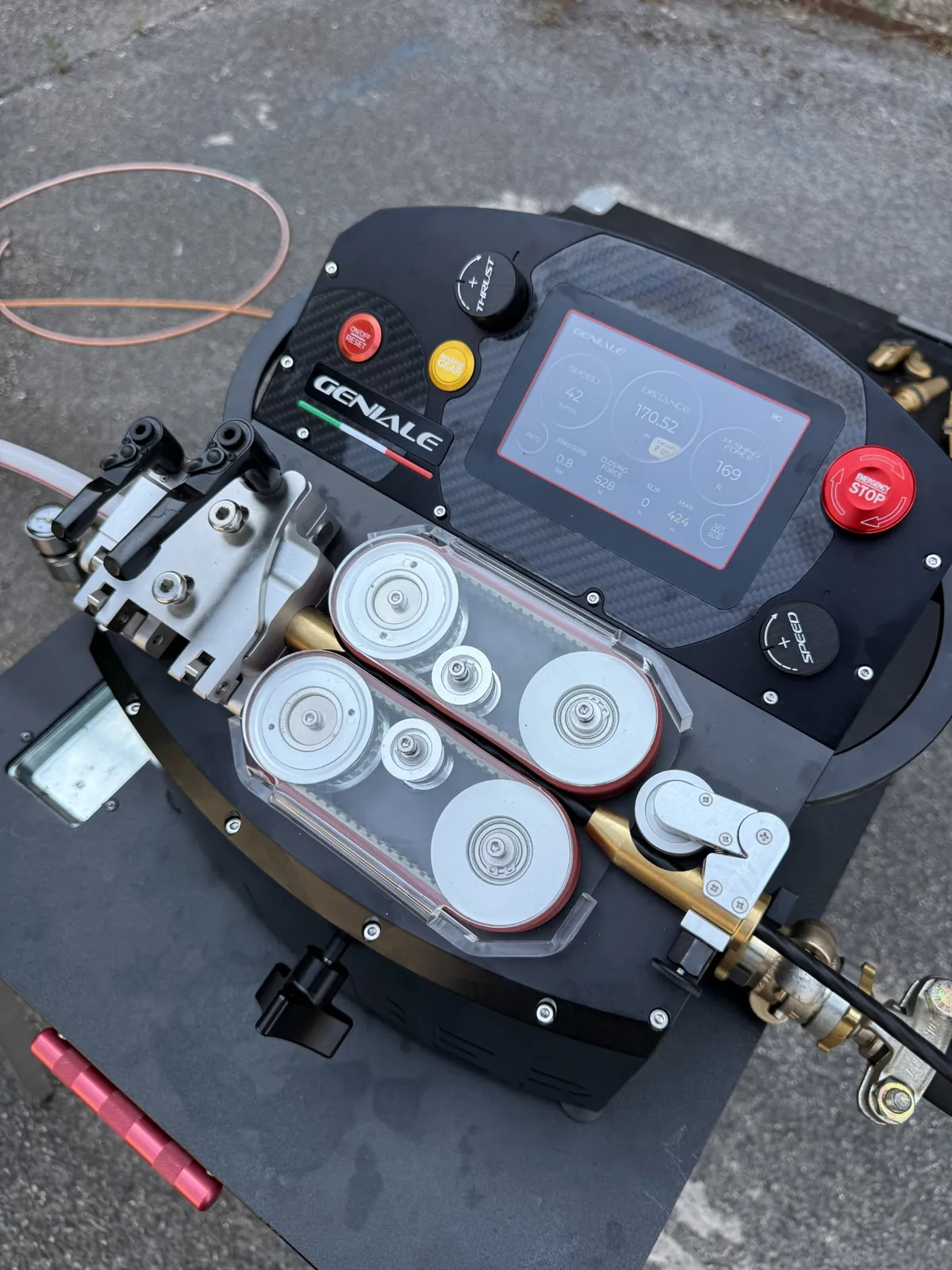
+39 346 652 9915Compare the cable diameter, duct diameter and installation distance. Lady is compact and lightweight for short runs. Opera is pneumatic and designed for long runs. Geniale is electric and handles both. A Fibernet technician can help you choose.
Yes. You can request a free hands-on demonstration on your site or at Fibernet’s test facility. Tell us what you need in the form and a technician will arrange it with you. Request a demonstration.
To get a price, contact a Fibernet adviser using the form or call +39 346 652 9915.
Fibernet offers direct technical support, spare parts ready to ship and dedicated training. If your machine breaks down, a replacement may be available. Ask your technician about availability and terms.
Tell us about your job. We’ll help you find the right cable blowing machine.