Emanuele Zanda
Google review
★★★★★
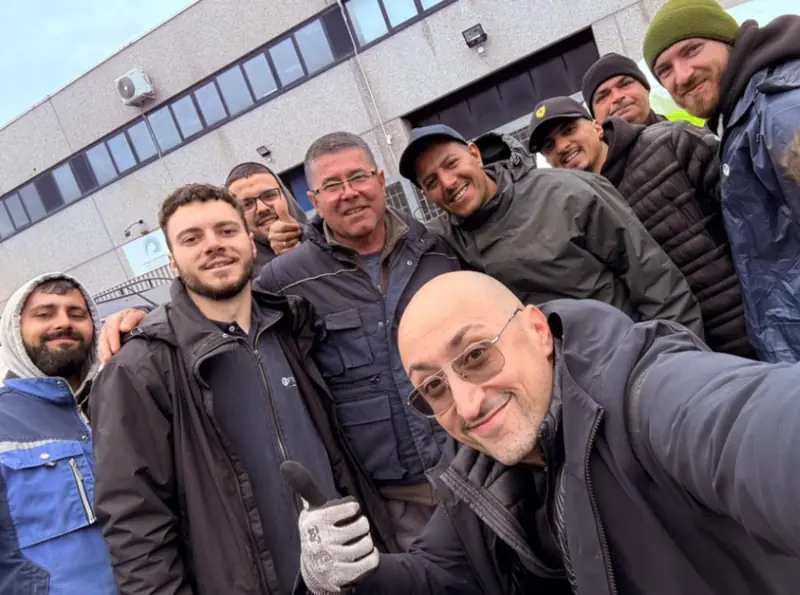
Read on Google“An excellent experience on the installer training course. The whole team was professional and knowledgeable.”
Cable blowing machines · Made in Italy
From last-mile connections to long-distance runs, a Fibernet technician can help you choose the right machine for your fibre optic cable installation.
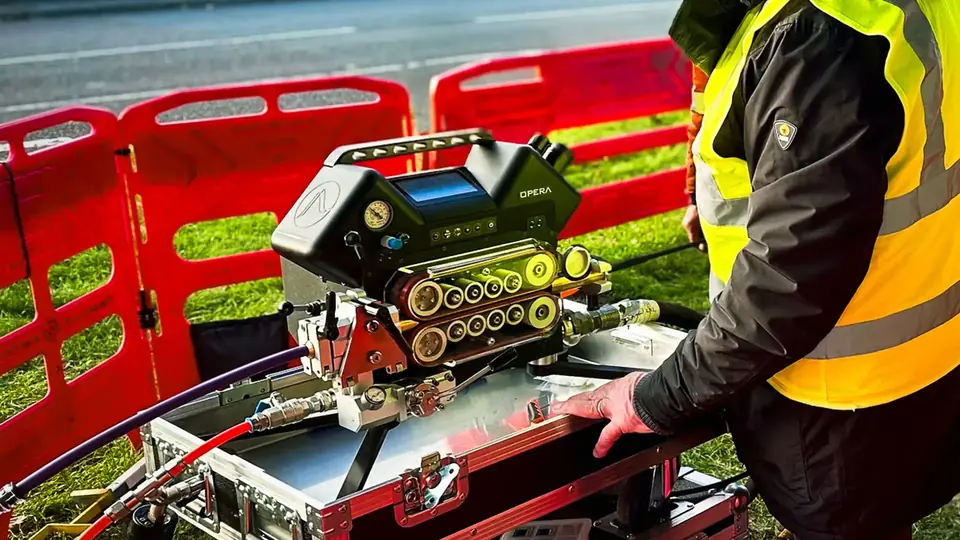
Opera, image 1 of 3
Expert advice direct from the manufacturer / Free demonstration on request
Some of our customers.

Keep your installation moving with Fibernet cable blowing machines.
Photos and stories from installers, published by Fibernet.
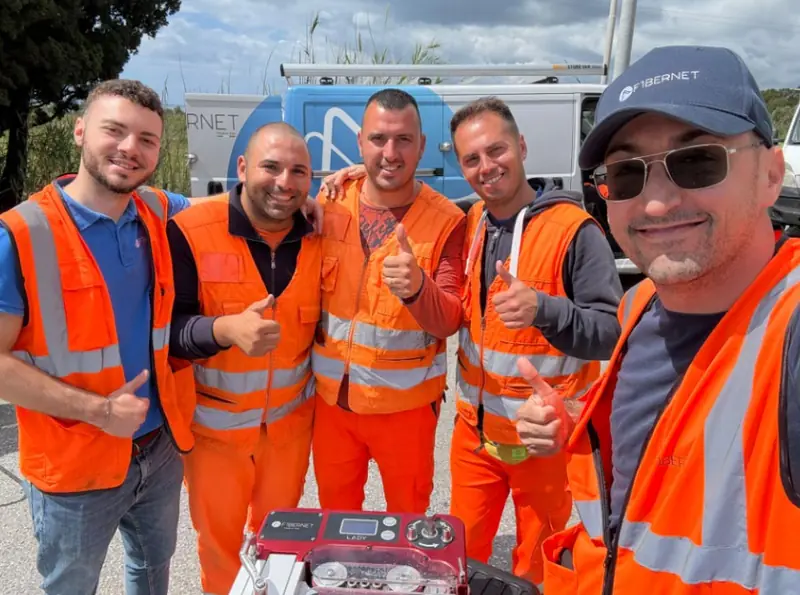
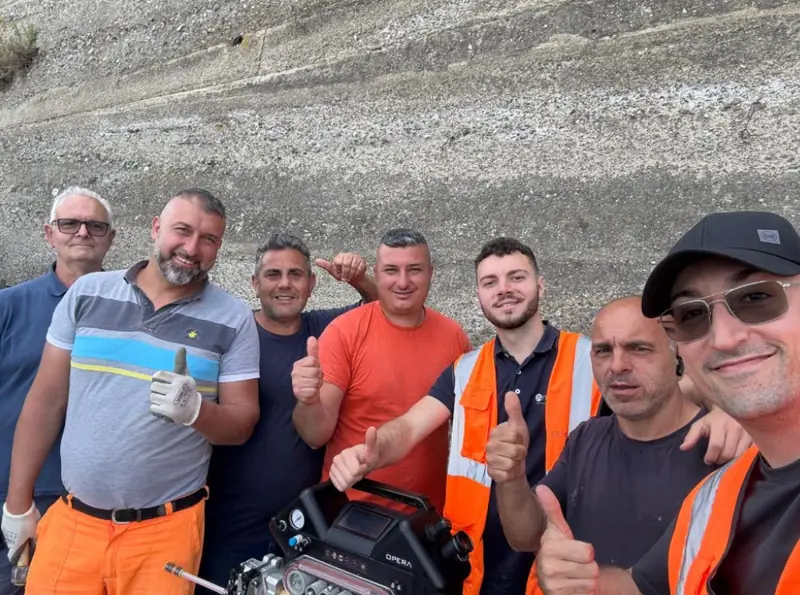
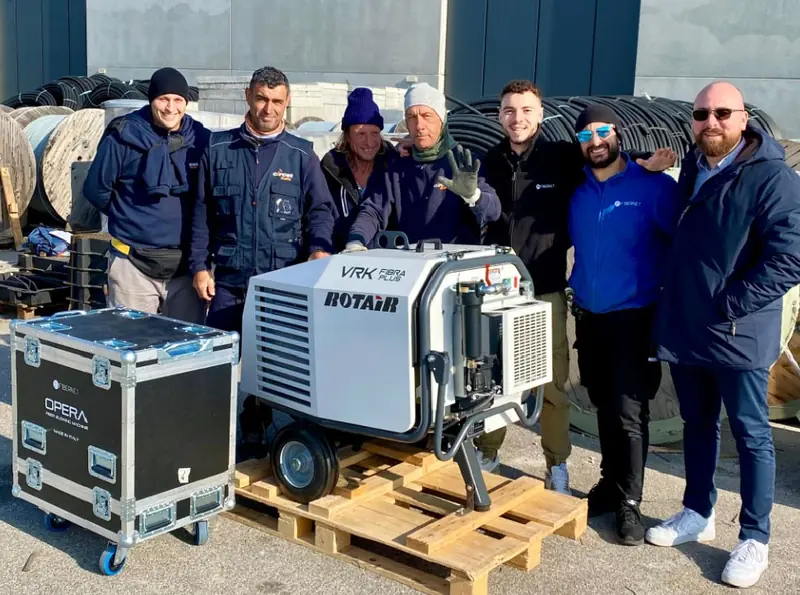

 GoogleExcellentBased on 176 reviewsRead the reviews
Read on Google“An excellent experience on the installer training course. The whole team was professional and knowledgeable.”
Read on Google“I had the chance to try the Opera cable blowing machine on site…”
Read on Google“I really enjoyed this course. It took place in a pleasant setting with friendly, helpful people.”
Stories from installers
Hear the results from the installers themselves. Watch their testimonials right here.
Product videos
Three machines. Find your fit.
Start with the job at hand. Our technician can answer your questions about the right setup.
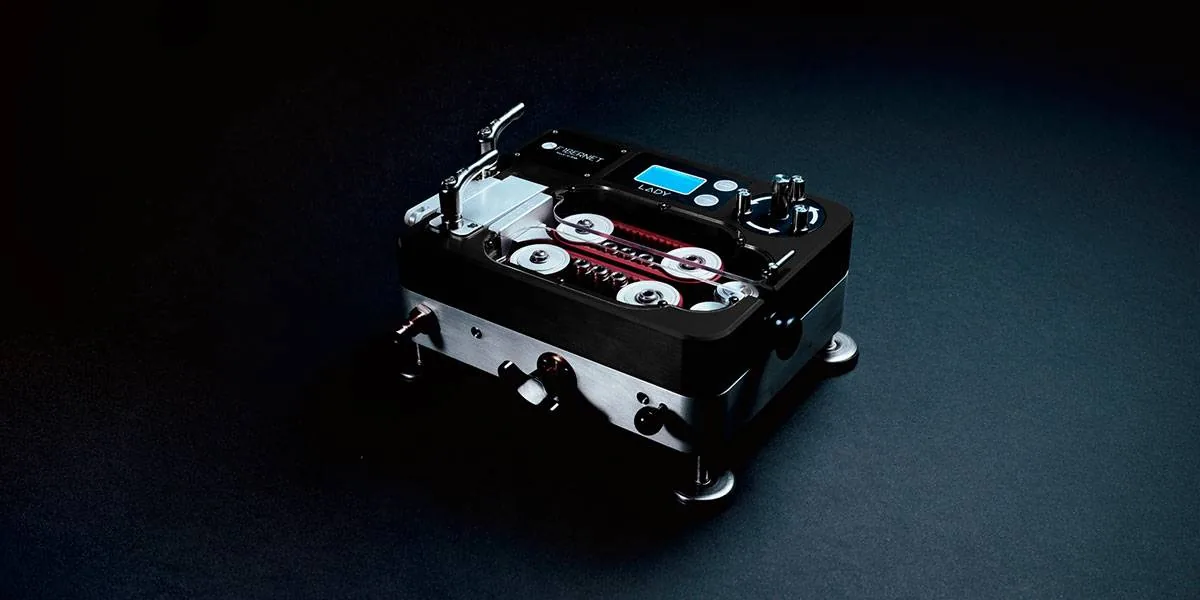
Compact and lightweight
A compact, lightweight machine for short runs.
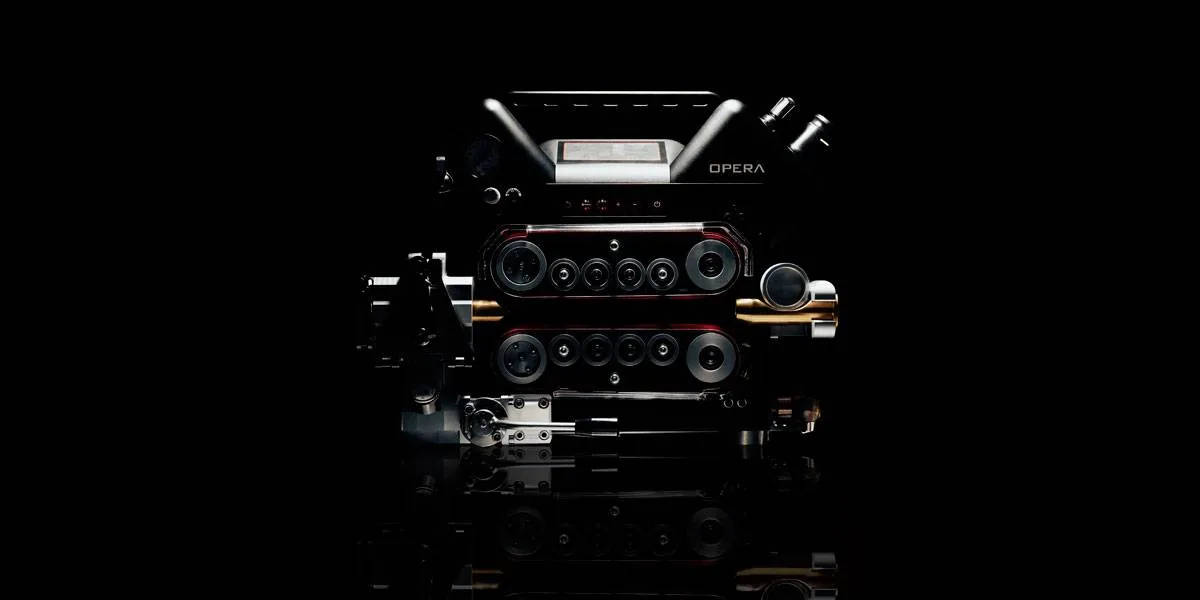
Pneumatic power
A pneumatic machine for long cable runs.
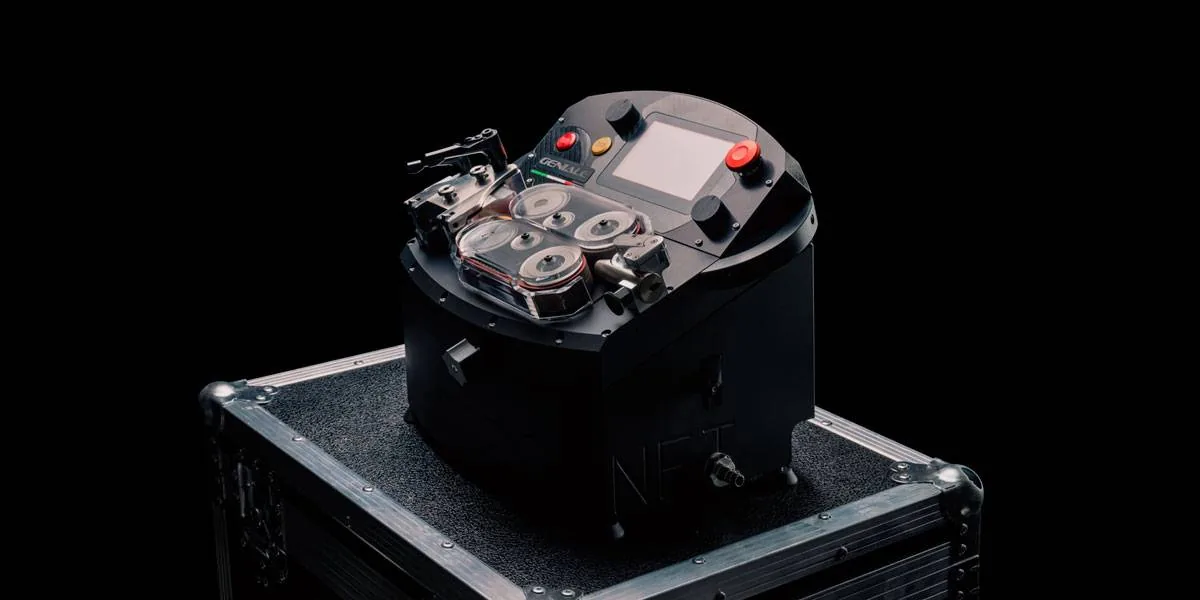
Electric, with two gears
For short and long runs. Two gears let you match force and speed to the job.
Specifications for the Fibernet range. The speeds shown are maximum values. Actual results depend on installation conditions and machine setup.
Direct from the manufacturer
When you’re working on site, you need practical answers. With Fibernet, you speak directly to the people who design and build your cable blowing machine.
Speak to a technicianA specialist technician can help when you need it.
Spare parts ready to ship, direct from the manufacturer.
If your machine breaks down, a replacement may be available within 48 hours.
Check availability and terms with your technician.Get help making the most of your machine, from your very first job.
See it in action before you choose
Request a free hands-on demonstration on your site or at Fibernet’s test facility. Discuss a real job with the technician.
Request a free demonstration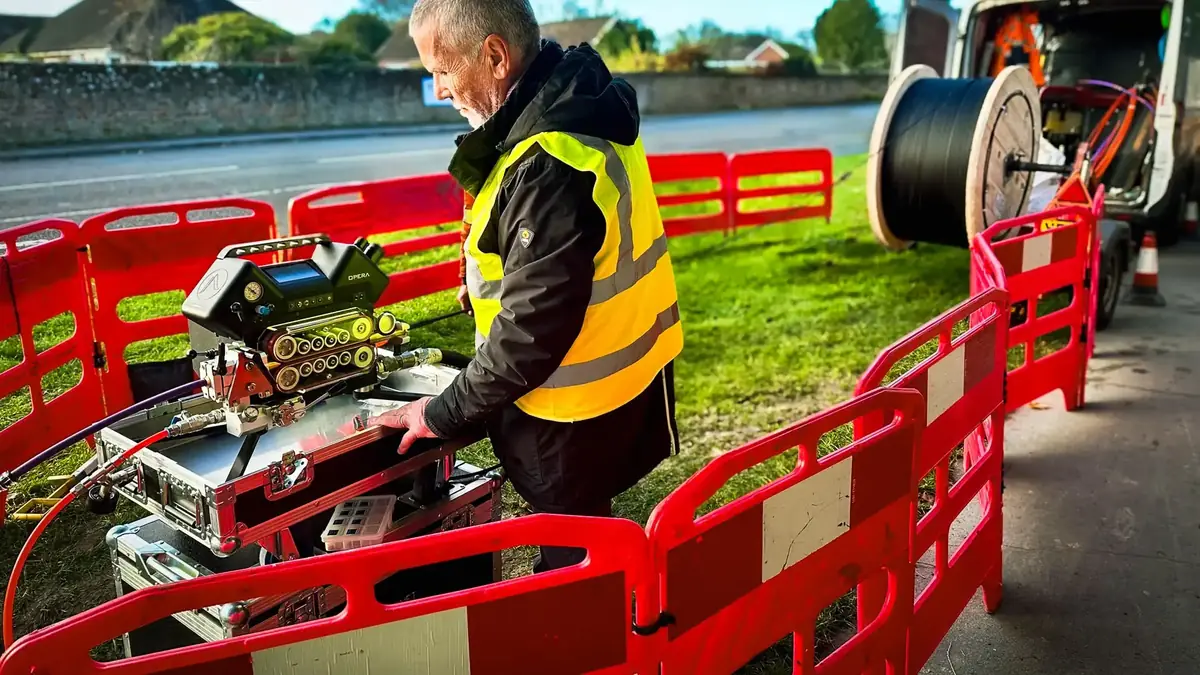
Understanding a fibre cable blower price starts with defining the work the machine will actually perform. A contractor installing small cables into microducts may need a different configuration from a team working with larger cable diameters and longer duct sections. Comparing purchase figures without checking these requirements can therefore produce a misleading result. Before requesting a quotation from Fibernet, prepare the outside diameter of the cables, the internal and external diameters of the ducts, and the typical installation distances. Include information about route bends, changes in elevation and the conditions your crews encounter on site. These details help establish which machine characteristics need to be checked rather than assuming that one arrangement will suit every project. An equally important question is what the quotation includes. Ask whether the proposed configuration includes the cable guides, duct connections, seals and other components needed for your intended combinations. Clarify which items are standard, which are optional and which may be required when moving between different cable sizes. Where compressed air is involved, discuss the required air supply and whether your existing compressor can meet the relevant operating requirements. Pressure alone does not establish suitability: airflow, air quality and the limitations of the complete installation arrangement also matter. A clear quotation should make those boundaries understandable before you commit to equipment. When comparing a fibre optic cable blower price with another proposal, check that both offers address the same application and include comparable items. An apparently lower figure may exclude components that your crews need immediately, while a more comprehensive configuration may cover several planned tasks. Neither is automatically the better purchase; the right choice depends on the work you expect to carry out. Explain whether the machine will support a single contract, move regularly between crews or serve as part of a growing equipment fleet. These differences affect how you assess flexibility, transport and the practical value of additional components. Fibernet is an Italian company founded in 2001, and its first cable blowing machine, Lady, was launched in 2021. That background gives prospective buyers a starting point for a direct technical conversation rather than a decision based solely on an isolated advertised amount. Use your enquiry to request the relevant specifications, clarify the proposed scope of supply and establish the commercial conditions applicable to your destination. Ask separately about availability, delivery arrangements, applicable taxes and any documentation your purchasing team requires. For contractors in Italy and English-speaking buyers overseas, this approach turns an initial price search into a more useful purchasing brief: a defined application, an identified equipment configuration and a written quotation that can be assessed against actual installation needs.
The purchase amount is only one part of the cost of putting a cable blowing machine to work. For an installation contractor, the more useful calculation considers how the proposed equipment fits into an ordinary working day, from unloading and preparation to cleaning and storage. A fibre cable blower price should therefore be evaluated alongside the time and resources required to operate the selected configuration. Start by mapping the activities that happen repeatedly on your sites. Your team may need to move equipment between access points, change a cable guide, connect a different duct or prepare the machine after transport. Ask how those tasks are performed on the model under consideration and which tools or replacement components they require. The objective is not to assume that any machine will deliver a particular productivity gain, but to understand the practical steps before making a financial comparison. Installation conditions also influence results. Duct cleanliness, continuity, sealing and route geometry can affect the progress of a cable, irrespective of the purchase cost of the blower. Suitable preparation and a compatible air supply remain essential. Ask for the operating documentation and review the specified limits for the machine, cable and duct combination. A maximum figure shown in a specification should not be treated as a guaranteed result on every route. If you have a demanding application, describe it clearly and ask what further information is needed to assess suitability. This is particularly valuable when your projects involve frequent changes in cable dimensions or uncertain duct conditions. Maintenance deserves the same attention as initial setup. Establish which inspections, cleaning procedures and consumable replacements are recommended, and ask how relevant replacement parts can be identified and ordered. Your purchasing team can then consider likely ownership requirements without inventing a maintenance budget or assuming that all wear components last equally long. If you are also considering a used fibre cable blower, request evidence of its condition, maintenance history and compatibility with your planned work. Check the completeness of the supplied components and whether documentation is available. A lower acquisition cost does not resolve uncertainty about wear, missing items or the suitability of an older configuration. Conversely, a carefully assessed used machine may merit consideration when its condition and capabilities are established. Build your comparison around evidence rather than labels such as new or used alone. For a new equipment enquiry, give Fibernet a realistic picture of your expected workload, the number of crews involved and the cable sizes used most often. Ask the company to explain the proposed configuration and its operating requirements. This helps you judge the investment against your own working methods, while keeping the discussion focused on cable blowing equipment rather than broad promises about installation speed or financial returns.
A useful purchasing enquiry gives the supplier enough information to answer technical and commercial questions together. If your starting point is a fibre cable blower price, turn that search into a short project brief before contacting Fibernet. State where the equipment will be delivered, whether you are buying for your own installation crews or for a specific contract, and when you expect to need it. Then describe the cable and duct combinations you intend to use. Actual dimensions are more helpful than general descriptions, and a clear distinction between current requirements and possible future applications makes the discussion more precise. If several project teams share responsibility for the decision, agree on those requirements internally so that purchasing staff and site supervisors are assessing the same proposed machine. Fibernet's history provides context for this conversation. Founded in 2001, the company draws on the technical background of Giancarlo Trinei, whose work with optical fibre began during the early development of installations in Italy. Its move into cable blowing machines included the launch of Lady in 2021. These details describe the company's development, but a purchasing decision should still rest on the specifications and commercial terms of the equipment being offered today. Ask which configuration is proposed, which cable and duct dimensions it accommodates, and what information is available to help your team assess operation and maintenance. If you are comparing a cable blower for fibre optic cable across several quotations, record the answers in a common comparison document. Include the scope of supply, required accessories, air supply requirements, documentation, warranty terms and arrangements for obtaining technical assistance. Where any point is unclear, request written clarification rather than assuming that similarly described machines include identical features. International enquiries also require practical delivery questions. Buyers outside Italy should provide the destination country and delivery address, then ask about available shipping arrangements, estimated dispatch timing and the responsibilities included in the quotation. Confirm which transport costs, taxes or import-related charges are included and which must be handled separately. Do not infer these conditions from the machine price alone. English-speaking buyers purchasing for Italian projects can likewise clarify the delivery location, invoicing details and site schedule at the outset. If your company expects to order additional configurations later, explain that possibility without treating future compatibility as guaranteed. Ask what would need to change when moving to another cable or duct size, and request an itemised quotation where appropriate. A focused enquiry through www.fibernetsrl.com gives you a clear route to discussing these points directly with Fibernet. The goal is a documented proposal that your technical and purchasing teams can review together: equipment selected for a defined cable blowing application, with the relevant components and commercial conditions understood before an order is placed.
Fill in the form and discover what Fibernet Srl can do for you!
Contact us!Before you get started
If you prefer, speak to us directly.
+39 346 652 9915Compare the cable diameter, duct diameter and installation distance. Lady is compact and lightweight for short runs. Opera is pneumatic and designed for long runs. Geniale is electric and handles both. A Fibernet technician can help you choose.
Yes. You can request a free hands-on demonstration on your site or at Fibernet’s test facility. Tell us what you need in the form and a technician will arrange it with you. Request a demonstration.
To get a price, contact a Fibernet adviser using the form or call +39 346 652 9915.
Fibernet offers direct technical support, spare parts ready to ship and dedicated training. If your machine breaks down, a replacement may be available. Ask your technician about availability and terms.
Tell us about your job. We’ll help you find the right cable blowing machine.