Emanuele Zanda
Google review
★★★★★
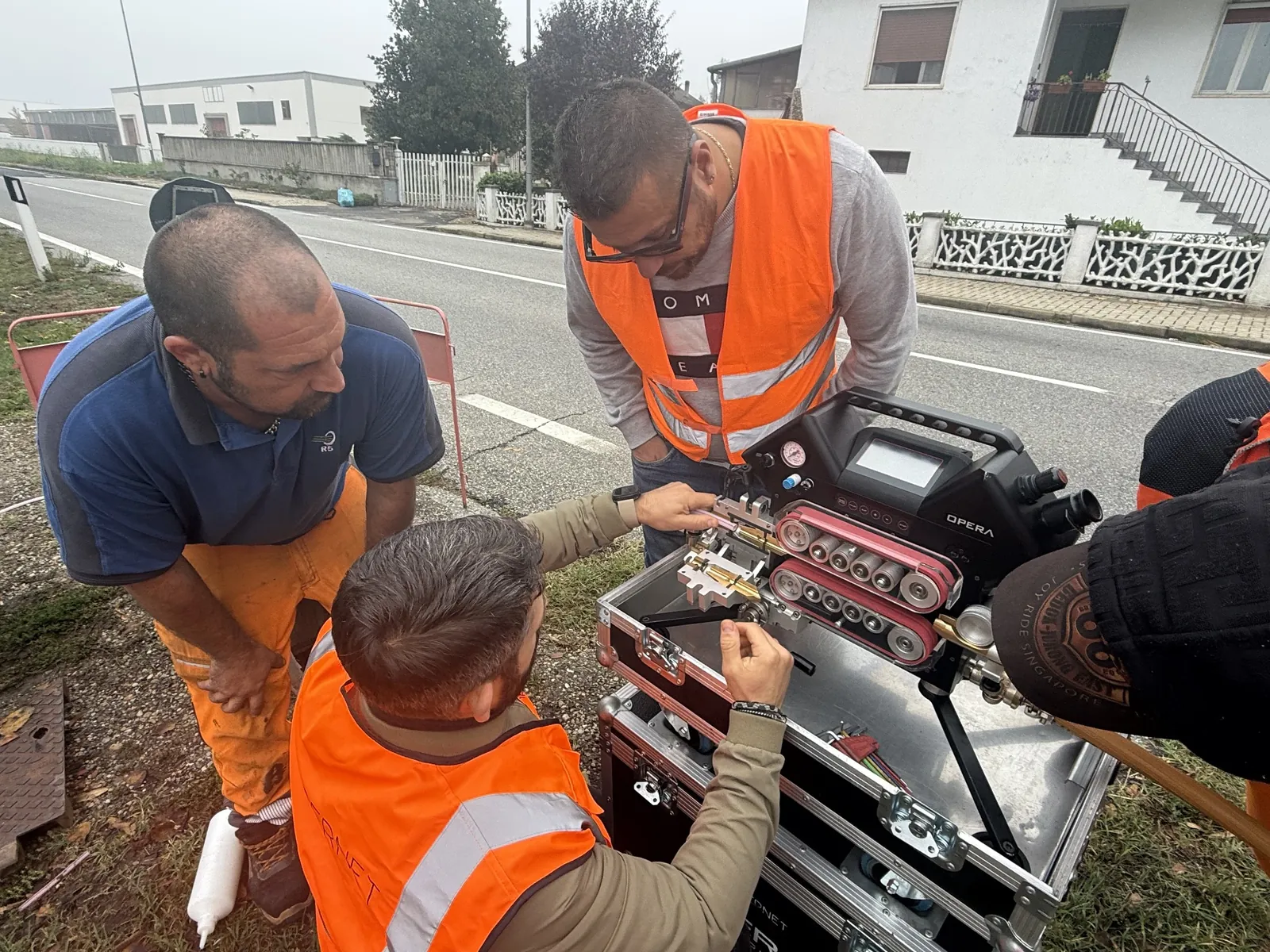
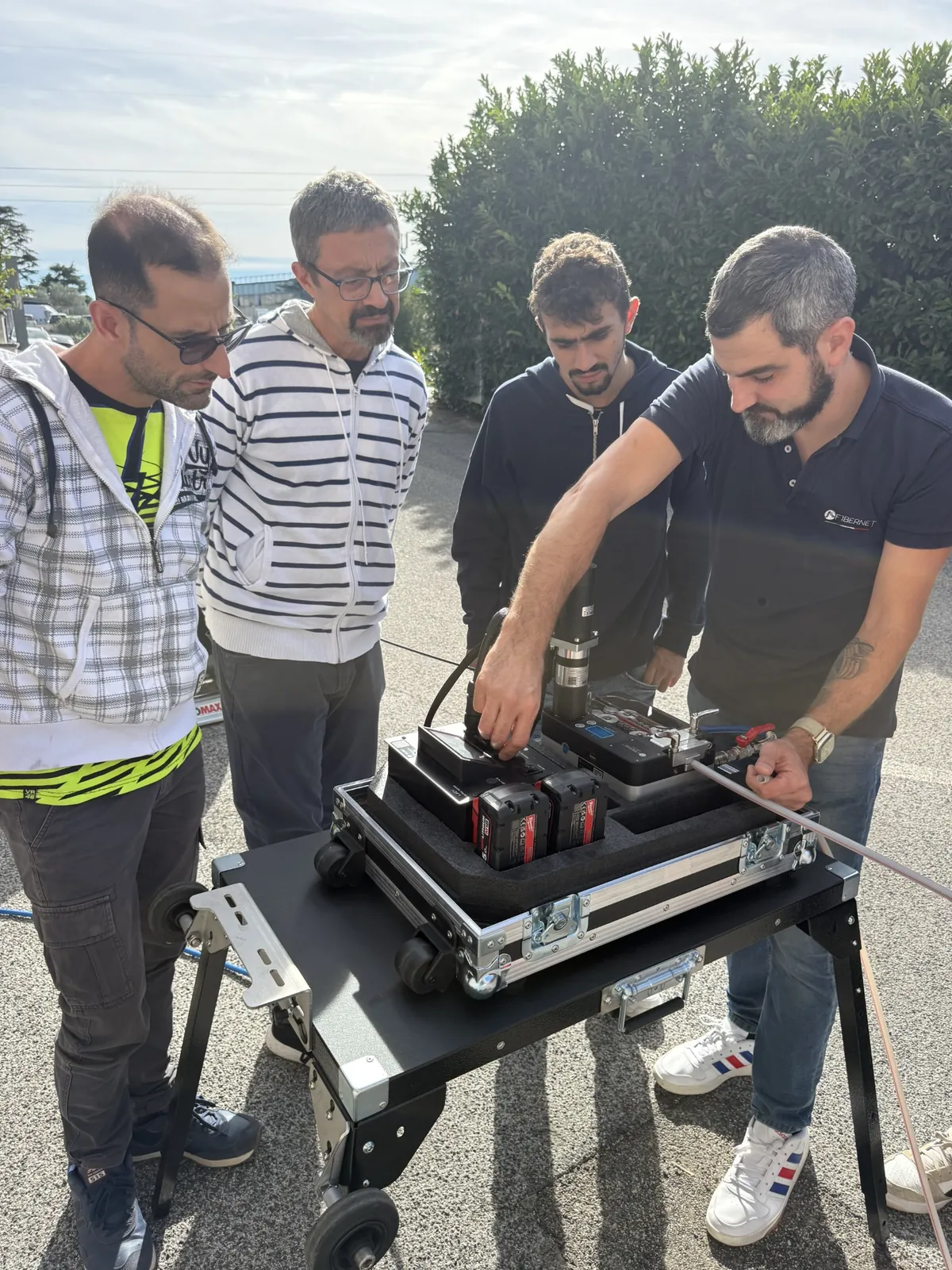
Read on Google“An excellent experience on the installer training course. The whole team was professional and knowledgeable.”
Cable blowing machines · Made in Italy
From last-mile connections to long-distance runs, a Fibernet technician can help you choose the right machine for your fibre optic cable installation.
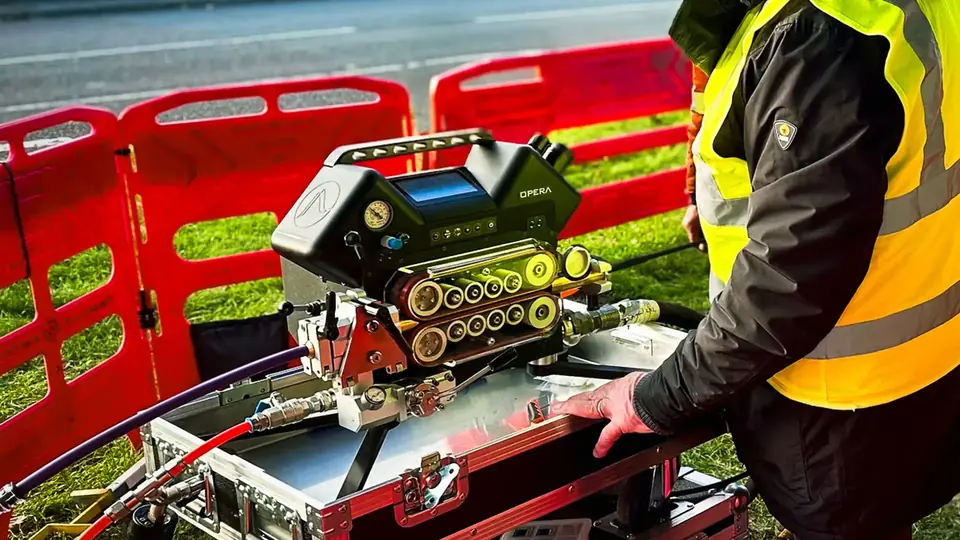
Opera, image 1 of 3
Expert advice direct from the manufacturer / Free demonstration on request
Some of our customers.

Keep your installation moving with Fibernet cable blowing machines.
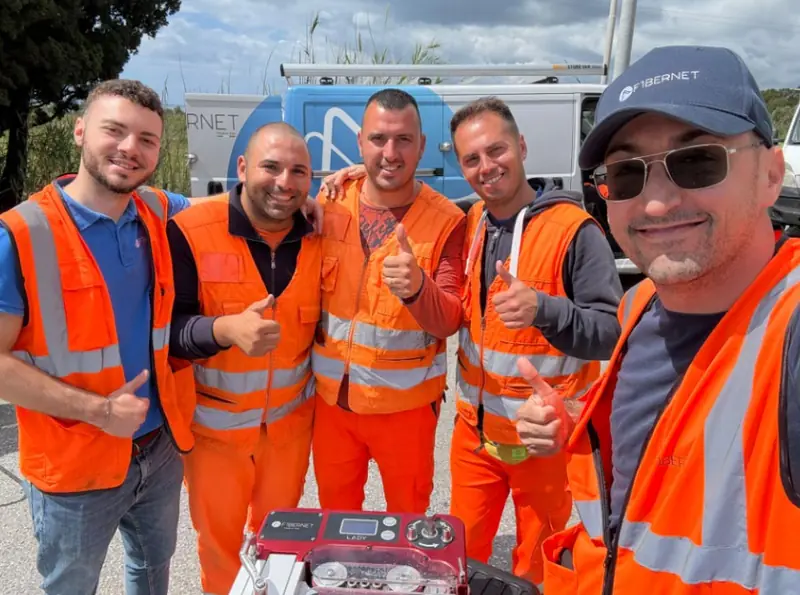
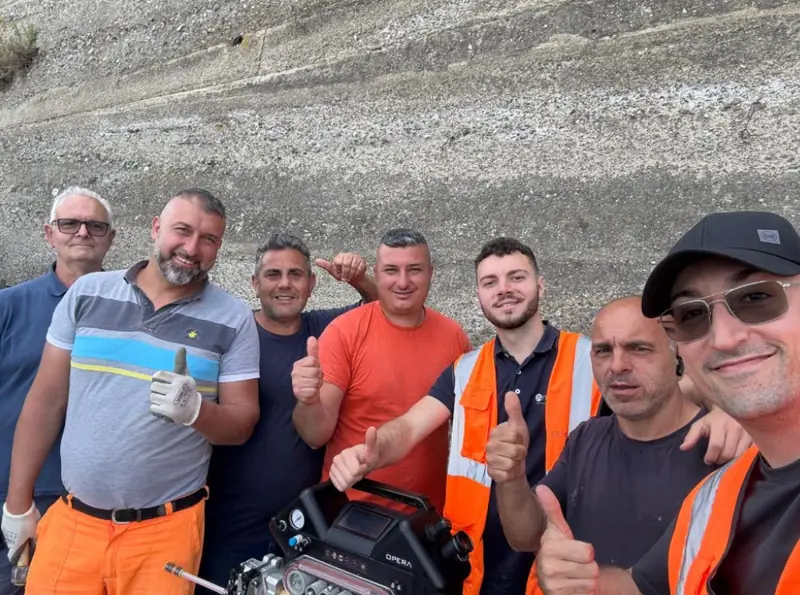
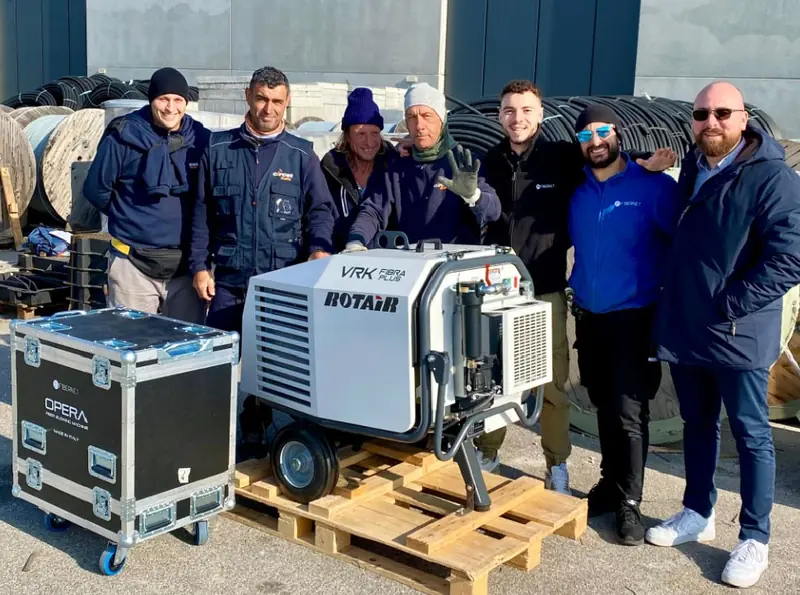
Photos and stories from installers, published by Fibernet.
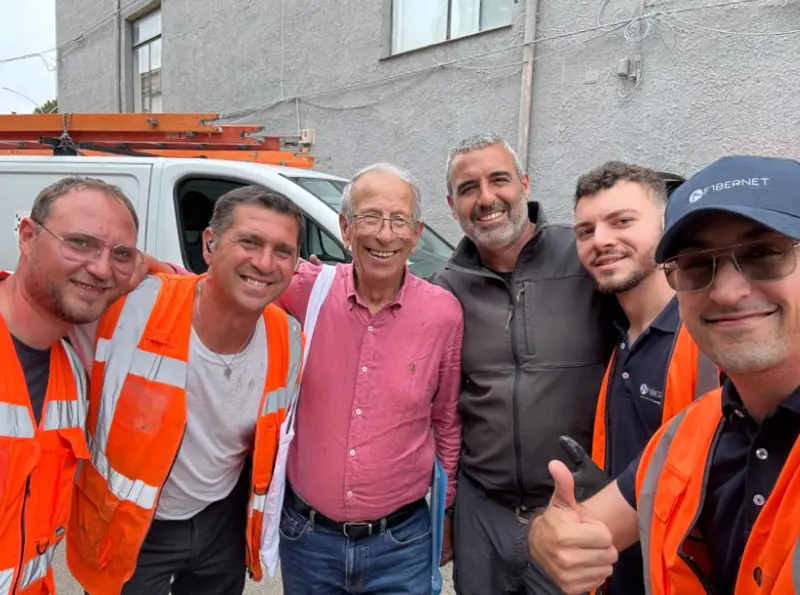
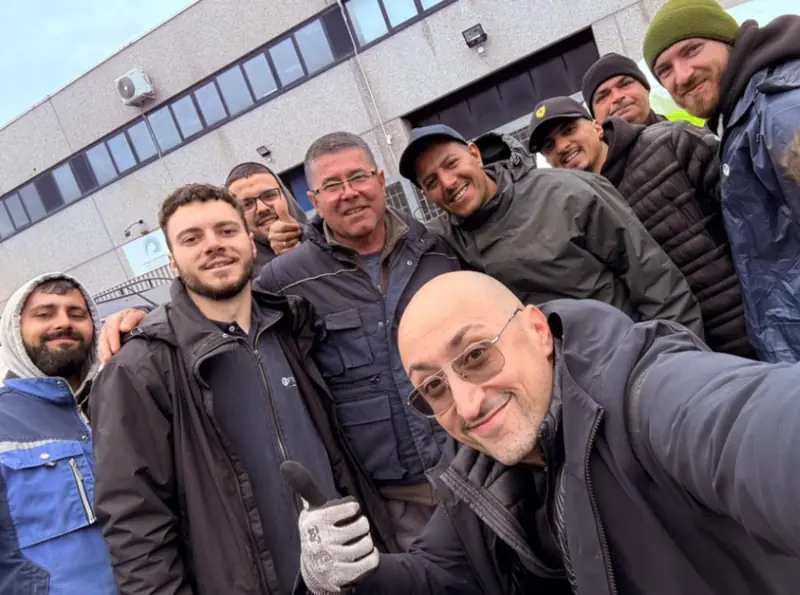
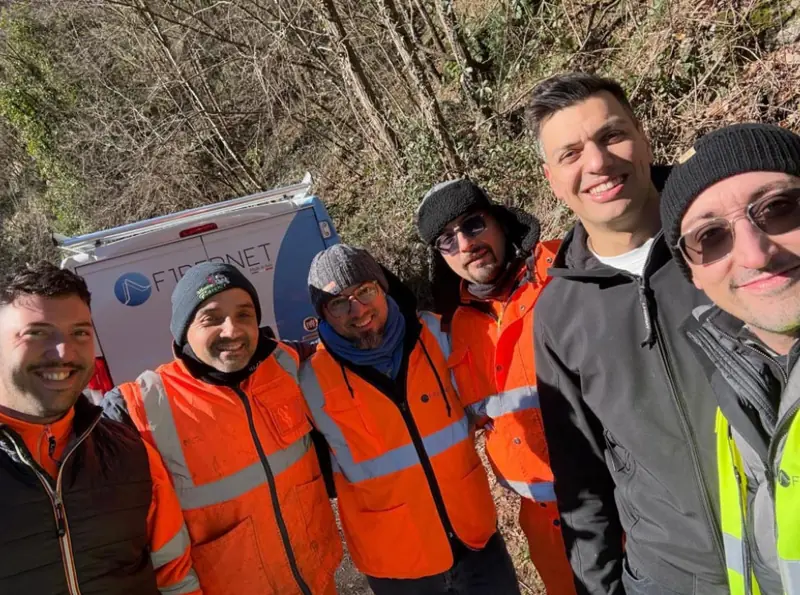 GoogleExcellentBased on 176 reviewsRead the reviews
Read on Google“An excellent experience on the installer training course. The whole team was professional and knowledgeable.”
Read on Google“I had the chance to try the Opera cable blowing machine on site…”
Read on Google“I really enjoyed this course. It took place in a pleasant setting with friendly, helpful people.”
Stories from installers
Hear the results from the installers themselves. Watch their testimonials right here.
Product videos
Three machines. Find your fit.
Start with the job at hand. Our technician can answer your questions about the right setup.
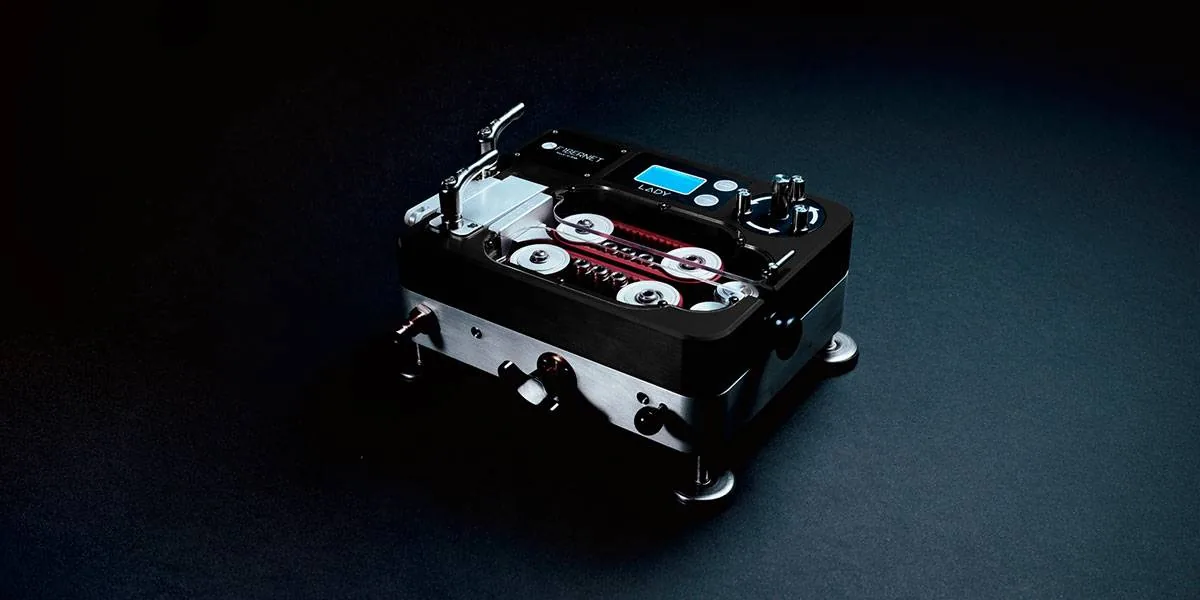
Compact and lightweight
A compact, lightweight machine for short runs.
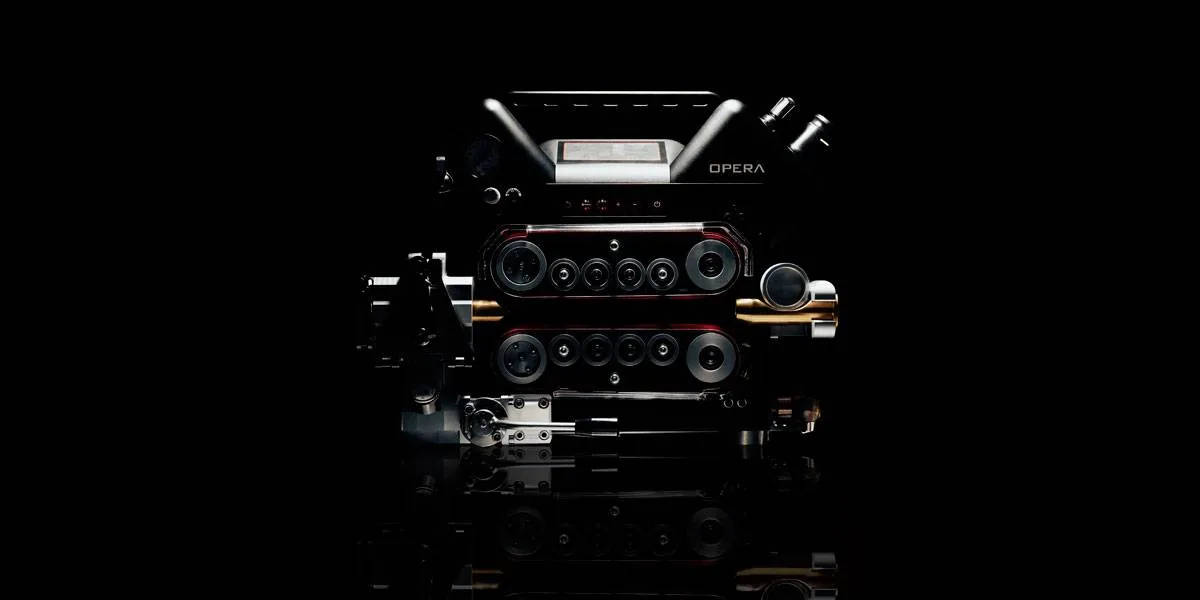
Pneumatic power
A pneumatic machine for long cable runs.
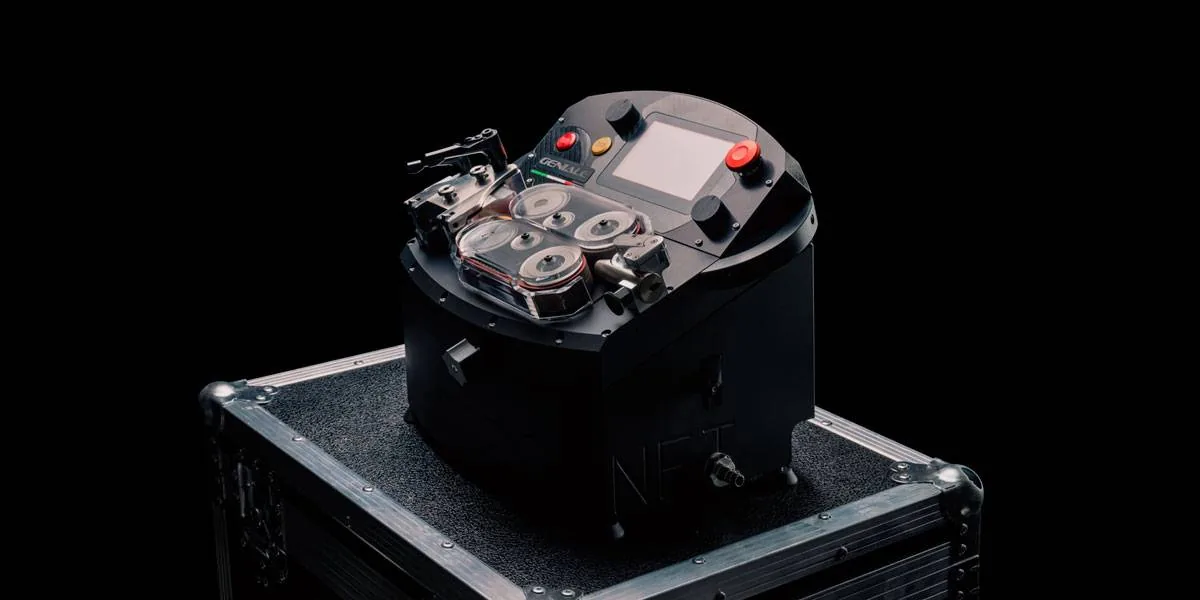
Electric, with two gears
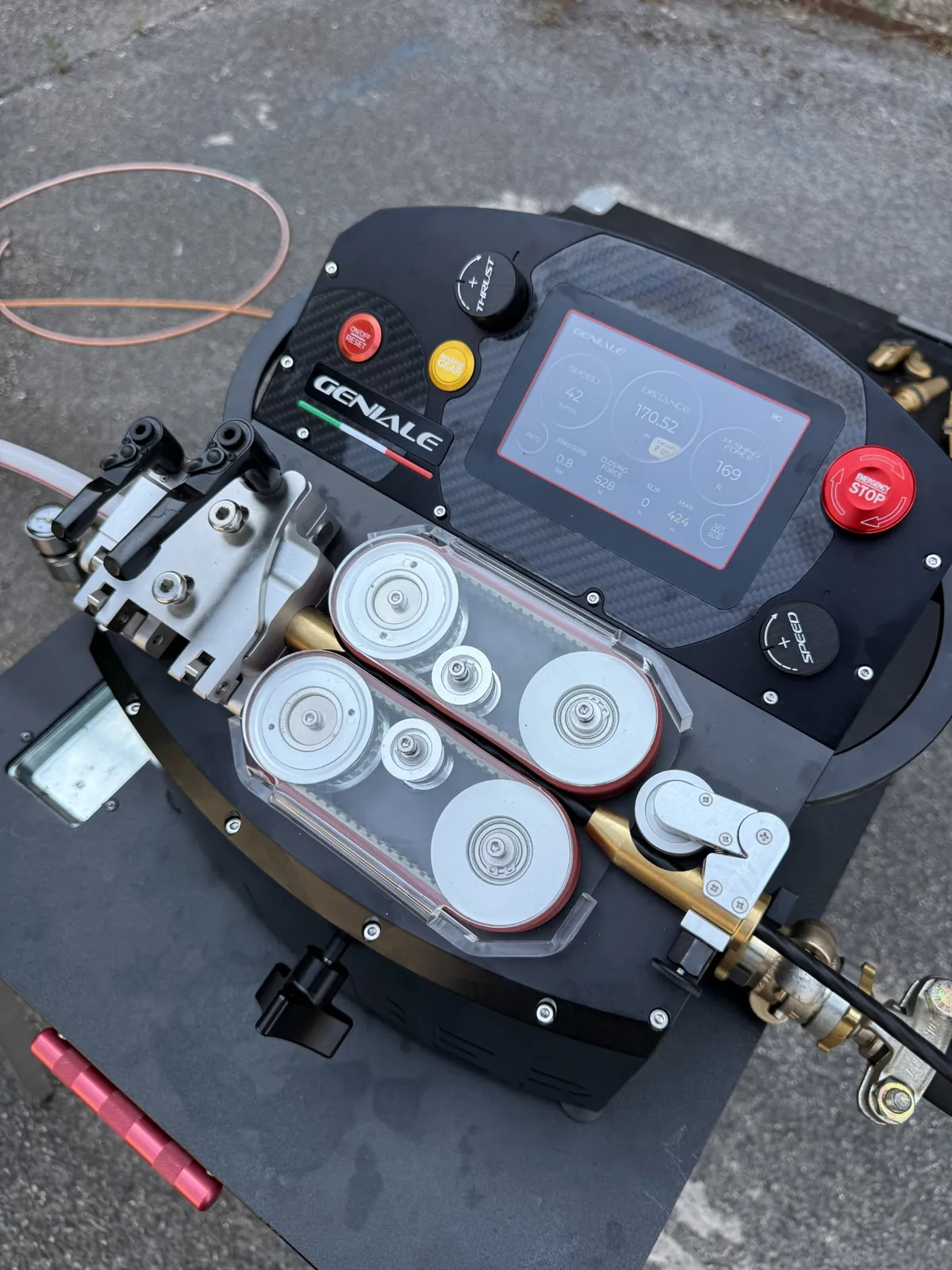
For short and long runs. Two gears let you match force and speed to the job.
Specifications for the Fibernet range. The speeds shown are maximum values. Actual results depend on installation conditions and machine setup.
Direct from the manufacturer
When you’re working on site, you need practical answers. With Fibernet, you speak directly to the people who design and build your cable blowing machine.
Speak to a technicianA specialist technician can help when you need it.
Spare parts ready to ship, direct from the manufacturer.
If your machine breaks down, a replacement may be available within 48 hours.
Check availability and terms with your technician.Get help making the most of your machine, from your very first job.
See it in action before you choose
Request a free hands-on demonstration on your site or at Fibernet’s test facility. Discuss a real job with the technician.
Request a free demonstration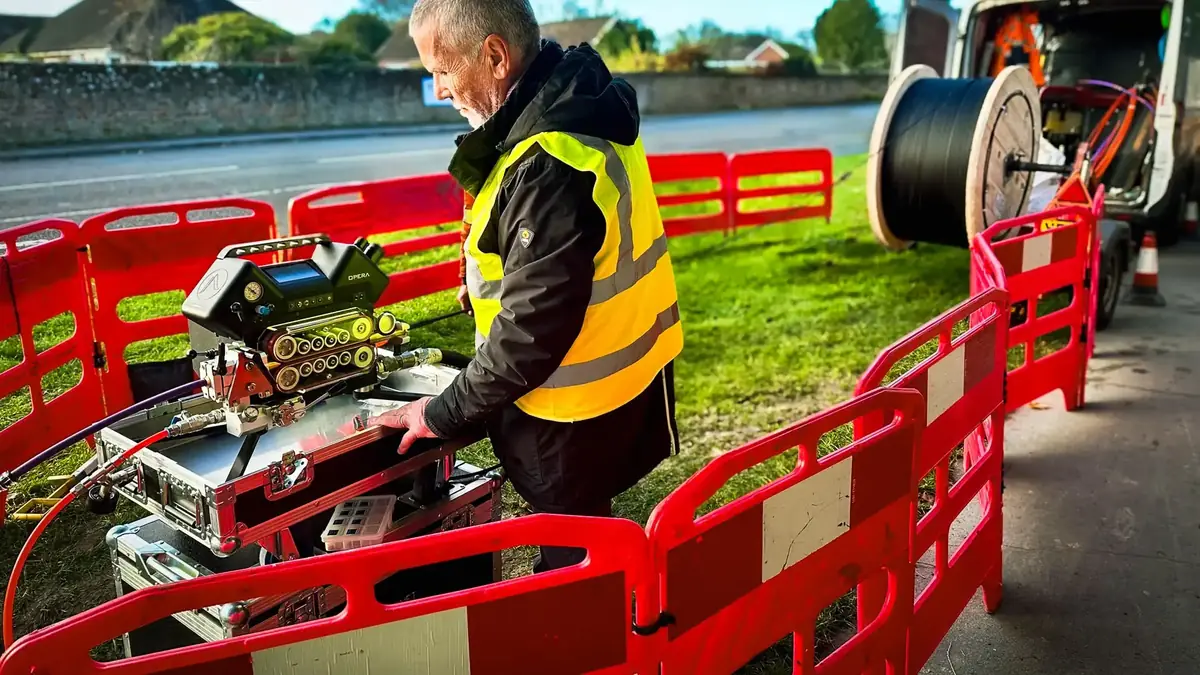
Fibre blower rental starts with a practical question: which machine configuration suits the cable, duct and installation conditions on your next job? For contractors working across Italy or coordinating projects internationally, temporary equipment access can be worth investigating when workloads fluctuate, a specific contract requires additional capacity, or purchasing immediately would be premature. Before making a commitment, establish whether rental is available for your destination and dates, and obtain written confirmation of the proposed equipment and commercial terms. Fibernet provides a direct point of contact for discussing cable blowing machinery requirements, drawing on technical experience that underpins its development of dedicated installation equipment. The most useful initial enquiry includes the cable’s outside diameter, the duct’s internal diameter, the expected section lengths and the number of installations planned during the proposed hire period. These details help frame a meaningful equipment discussion rather than a quotation based only on duration. Cable construction also matters: two cables with similar external dimensions may respond differently to pushing forces, bending and handling. Supply the cable manufacturer’s installation limits wherever possible, including the permitted compressive load and minimum bending radius. Describe the duct route honestly, noting bends, joints, elevation changes and any uncertainty about its condition. A machine cannot compensate for every obstruction or unsuitable duct connection, so preparation remains essential. When assessing fibre cable blower rental, ask which cable guides, seals, duct clamps and drive components are included, and whether their sizes match your materials. A missing adaptor can delay a crew just as effectively as an unavailable machine. The compressed air supply deserves equal attention. Confirm the required working pressure and airflow against the selected machine’s documentation, then check that the compressor, hoses and couplings can meet those requirements under site conditions. Air treatment and moisture control should also follow the equipment manufacturer’s guidance. A compressed air fibre blower relies on an appropriate combination of mechanical cable feeding and airflow; neither should be considered in isolation when planning the installation. Before dispatch, agree who will verify the configuration and what information the receiving team needs. Request the relevant operating documentation and clarify the procedure for reporting a technical issue during the rental period. On arrival, inspect the equipment, identify the supplied accessories and record its condition before work begins. This approach gives the project manager a clearer basis for organising labour, transport and site readiness. It also makes the enquiry to Fibernet more productive: instead of asking only for a daily rate, you can discuss a defined installation task, identify compatibility questions early and establish which equipment arrangements are actually available.
A daily hire figure is only one part of an equipment decision. Fibre blower rental should be assessed against the complete cost of getting a suitable machine to site, keeping it productive and returning it under the agreed conditions. Start with a realistic programme rather than the shortest imaginable installation window. Include time for delivery, incoming checks, duct preparation, compressor coordination, weather disruption and collection. If the machine arrives before the site is ready, the hire clock may run without producing useful work. If it arrives too late, the cost of an idle crew can outweigh an apparently attractive equipment rate. Ask the supplier to define precisely when charging begins and ends, whether weekends count, how extensions are authorised and what happens if collection is delayed. These are contractual questions, not details to leave until the final invoice. Request a breakdown of transport, insurance requirements, deposits, cleaning charges, consumable items and any applicable damage assessment procedure. Establish which accessories must be returned and how their condition will be checked. For international projects, confirm the destination can be served before building the installation schedule around a proposed arrangement. Cross-border transport may introduce customs formalities, temporary import requirements and additional paperwork, depending on the route and jurisdiction. Responsibilities for these matters should be agreed explicitly rather than assumed. When comparing a fibre blower price with the cost of temporary access, use your expected utilisation over a meaningful period. A contractor with occasional assignments faces a different calculation from a team deploying a machine throughout successive contracts. Ownership brings its own responsibilities, including maintenance planning, storage, inspection and the availability of correctly sized accessories. Rental may reduce the need for an initial purchase, but its value still depends on availability, logistics and the number of productive days achieved. Neither option is automatically cheaper in every situation. Build a comparison using your own project figures and avoid relying on a universal break-even estimate. An enquiry about fibre optic cable blower rental should therefore include the anticipated frequency of use as well as the immediate job specification. Fibernet can be contacted to discuss its blowing machinery and clarify which commercial options are available for your circumstances; rental availability, rates and destinations require direct confirmation. Explain whether your priority is covering a short workload peak, evaluating a configuration or equipping a longer programme. Ask for written details that make competing proposals genuinely comparable, particularly where included accessories or support arrangements differ. A transparent evaluation protects the installation budget and gives procurement staff a clear explanation for the chosen approach. More importantly, it links expenditure to a workable site plan, rather than treating the lowest advertised rate as proof of the best overall outcome.
Fibernet’s approach to blowing machinery is rooted in practical technical experience and an ambition to represent Italian engineering internationally. Founded in 2001, the company draws on the background of Giancarlo Trinei, whose work with early installations in Italy dates back to the 1980s. A generational transition began in 2010 with Matteo, Marta and Ismael joining the business, combining continuity with a new phase of development. In 2021, Fibernet launched its first cable blowing machine, Lady. For a contractor evaluating fibre blower rental, this background provides context for a technical conversation, but the final decision should still rest on the documented suitability of the proposed equipment and the terms actually offered. Begin that conversation with the installation challenge, not an assumed machine specification. A short section containing several bends can present different difficulties from a longer, straighter route, while variations in duct condition may change what can reasonably be achieved. Describe available access points and the practical space for positioning the machine, cable drum and compressor. Explain how the drum will be supported and how the cable will enter the feeding mechanism without unnecessary bending or uncontrolled resistance. These arrangements influence handling and should be considered before equipment arrives. A fibre cable blower must be configured and operated in accordance with its own instructions and the cable’s installation limits. Operators should understand the controls, stopping procedure, pressure isolation requirements and precautions associated with moving feed components. Before opening pressurised connections or carrying out adjustments, follow the specified shutdown and depressurisation procedure. Appropriate personal protective equipment and site controls should be determined through the employer’s risk assessment and applicable local requirements. No general description can replace the operating manual or competent supervision. During the job, keep a simple installation record covering the cable and duct dimensions, route section, relevant operating settings and any interruptions. Record unusual resistance or repeated stopping rather than treating it as an instruction to increase force. If progress changes unexpectedly, pause and investigate the possible cause within the limits of the operating procedure. Useful records help the team explain a difficulty accurately when seeking technical guidance. They also support better planning for the next section without promising that identical settings will suit every route. When contacting Fibernet about a fibre optic cable blower, provide these observations alongside photographs of the proposed setup where appropriate. Ask which documentation accompanies the equipment and how technical enquiries are handled for your location. For work outside Italy, clarify language, shipping feasibility and any destination-specific requirements directly with the company. This preparation turns a general enquiry into a practical discussion about compatibility, handling and delivery. It helps contractors make informed decisions while keeping the focus on safe operation, realistic expectations and the specific cable blowing task ahead.
Fill in the form and discover what Fibernet Srl can do for you!
Contact us!Before you get started
If you prefer, speak to us directly.
+39 346 652 9915Compare the cable diameter, duct diameter and installation distance. Lady is compact and lightweight for short runs. Opera is pneumatic and designed for long runs. Geniale is electric and handles both. A Fibernet technician can help you choose.
Yes. You can request a free hands-on demonstration on your site or at Fibernet’s test facility. Tell us what you need in the form and a technician will arrange it with you. Request a demonstration.
To get a price, contact a Fibernet adviser using the form or call +39 346 652 9915.
Fibernet offers direct technical support, spare parts ready to ship and dedicated training. If your machine breaks down, a replacement may be available. Ask your technician about availability and terms.
Tell us about your job. We’ll help you find the right cable blowing machine.