Emanuele Zanda
Google review
★★★★★
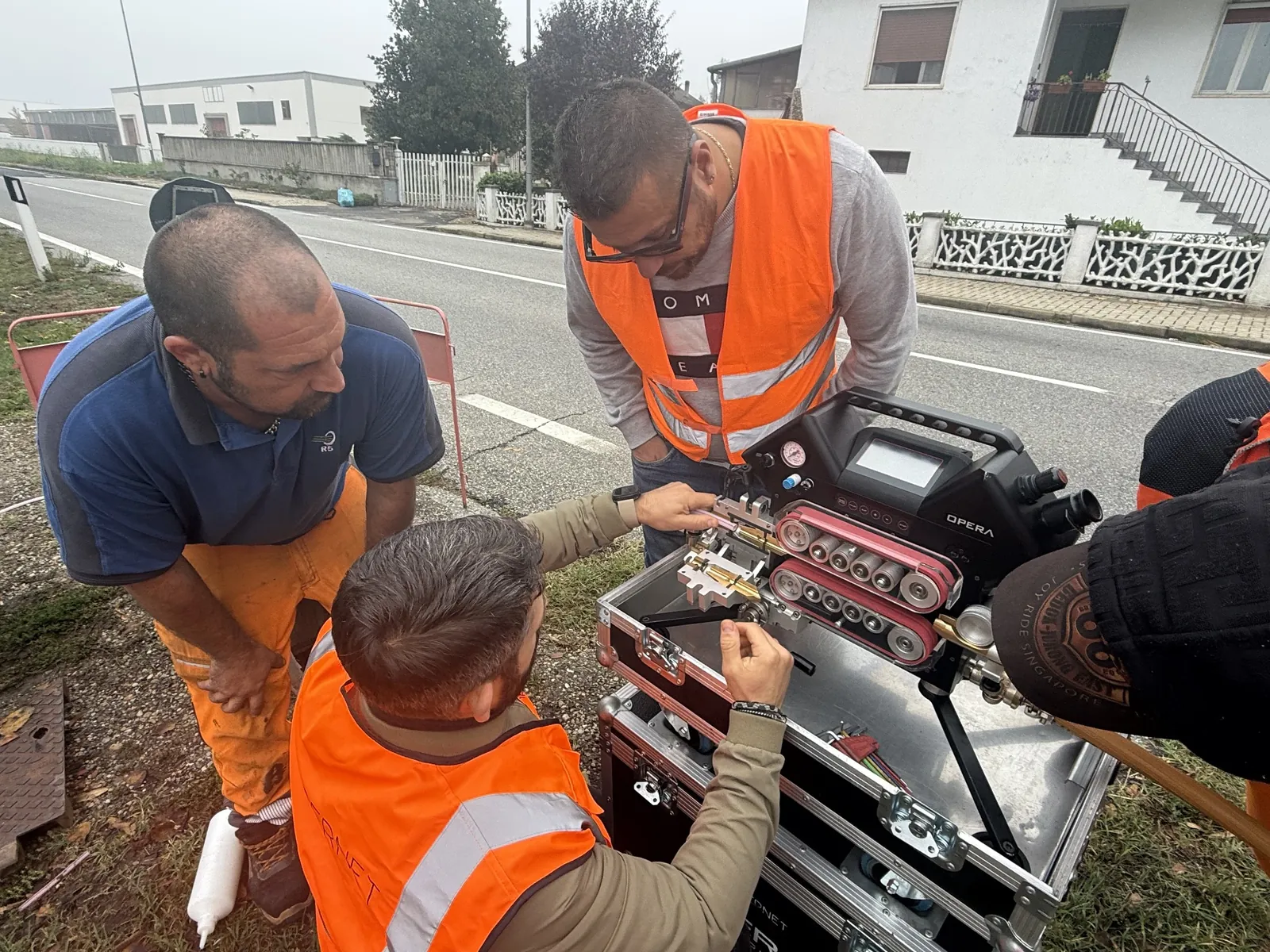
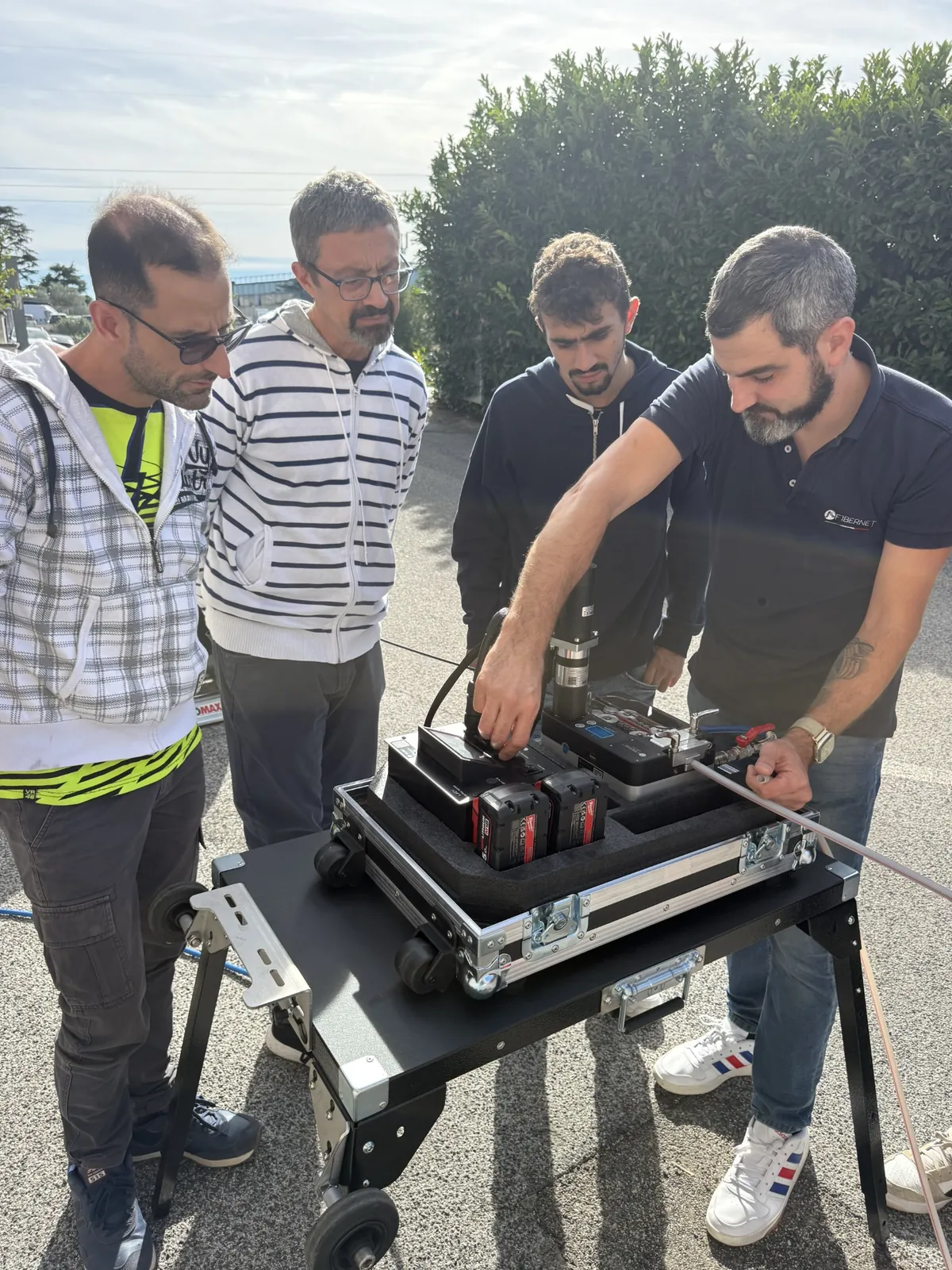
Read on Google“An excellent experience on the installer training course. The whole team was professional and knowledgeable.”
Cable blowing machines · Made in Italy
From last-mile connections to long-distance runs, a Fibernet technician can help you choose the right machine for your fibre optic cable installation.
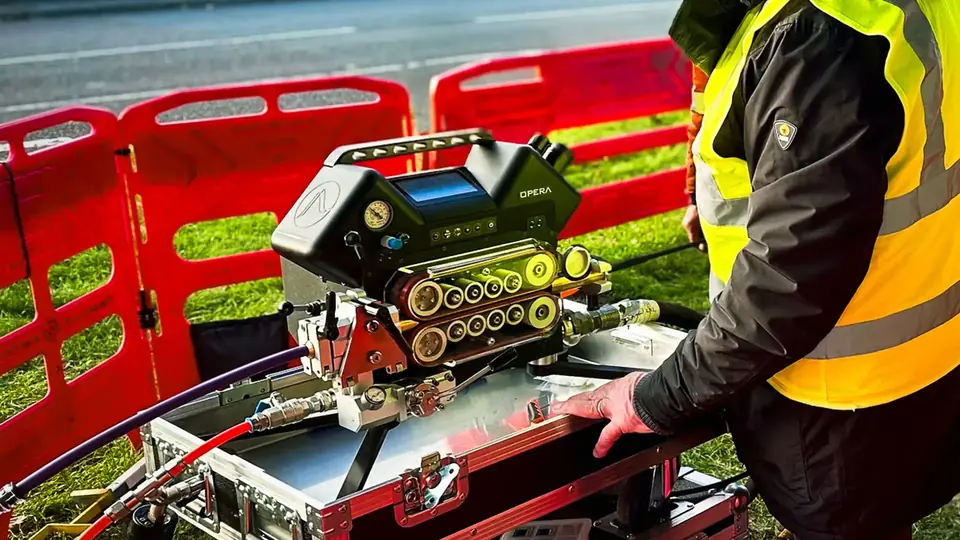
Opera, image 1 of 3
Expert advice direct from the manufacturer / Free demonstration on request
Some of our customers.

Keep your installation moving with Fibernet cable blowing machines.
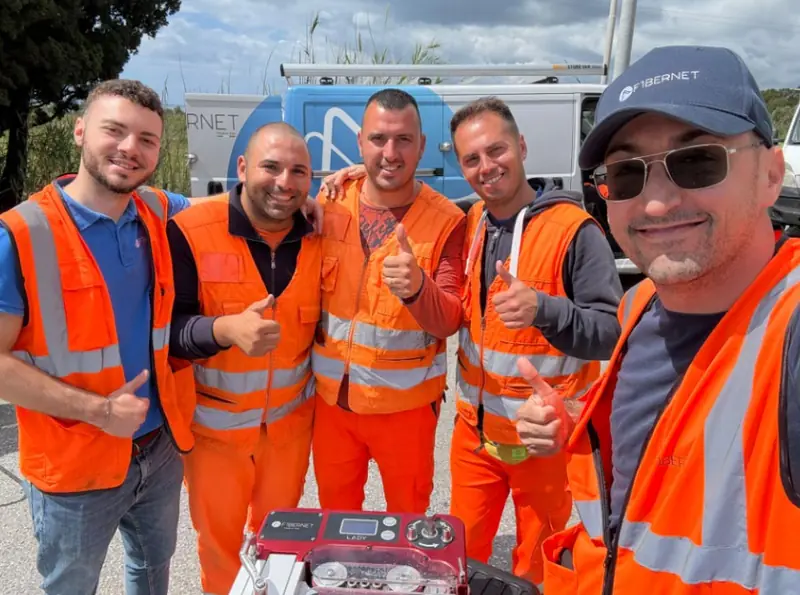
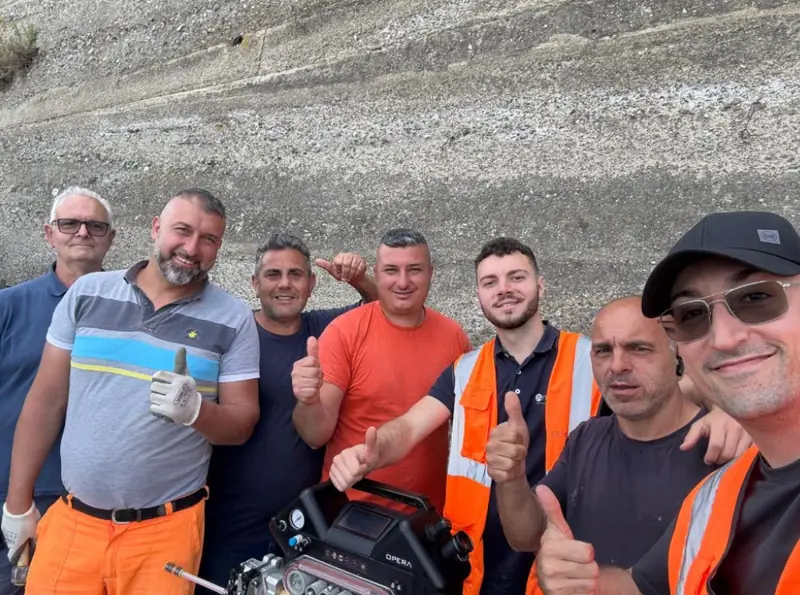
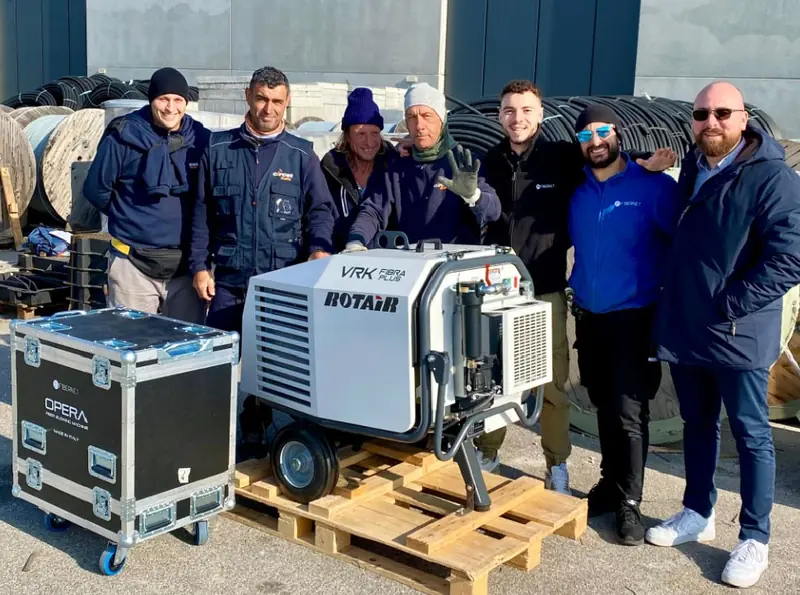
Photos and stories from installers, published by Fibernet.
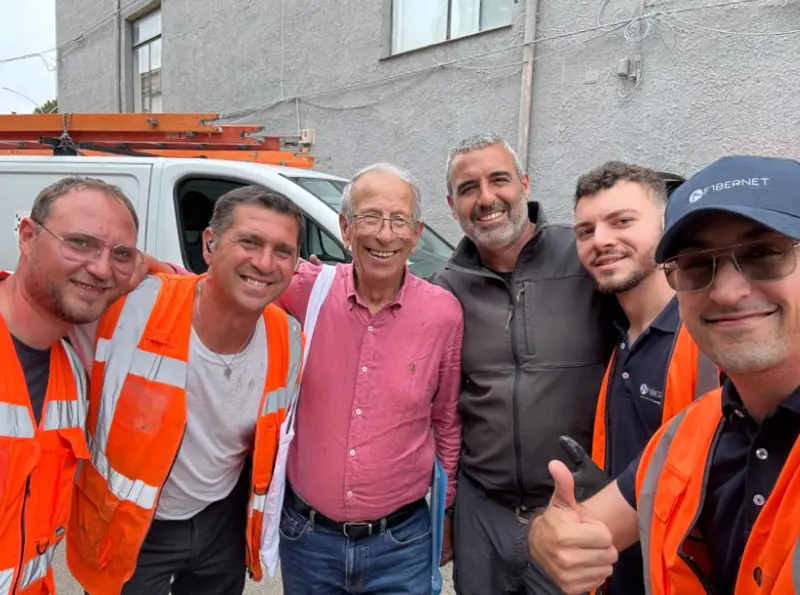
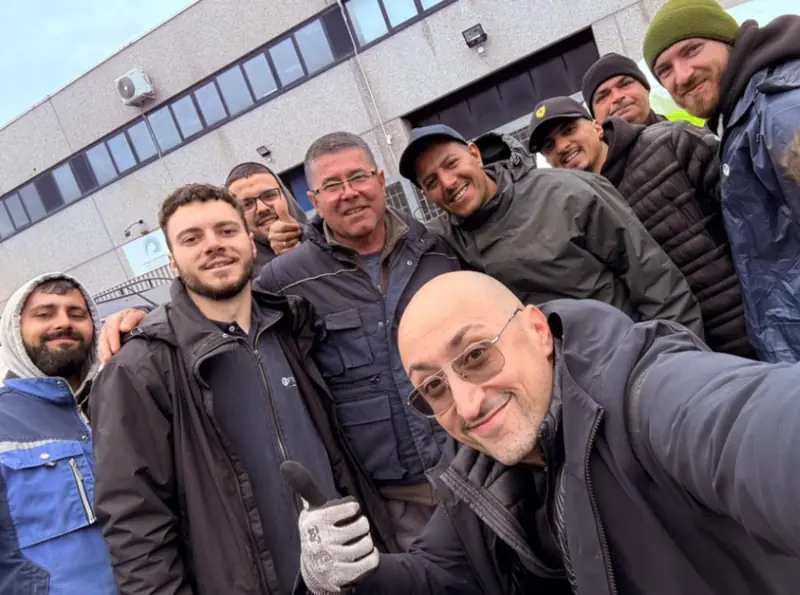
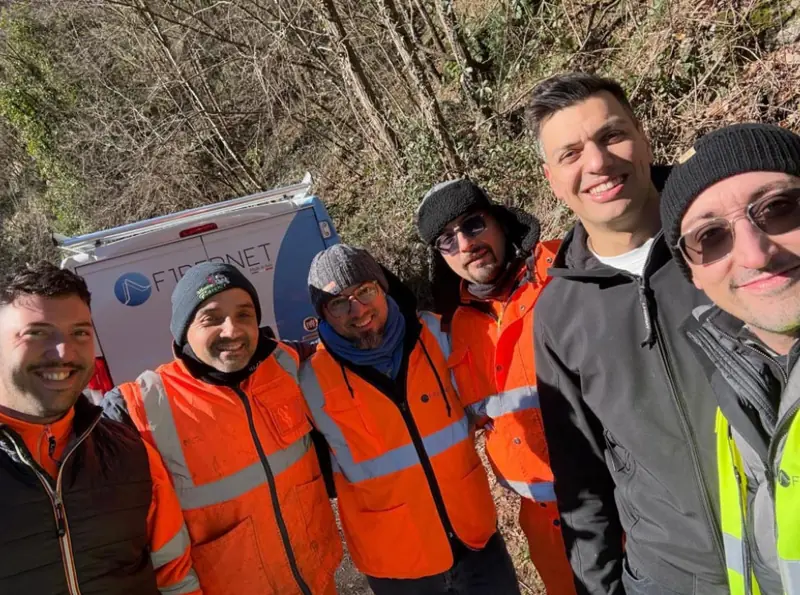 GoogleExcellentBased on 176 reviewsRead the reviews
Read on Google“An excellent experience on the installer training course. The whole team was professional and knowledgeable.”
Read on Google“I had the chance to try the Opera cable blowing machine on site…”
Read on Google“I really enjoyed this course. It took place in a pleasant setting with friendly, helpful people.”
Stories from installers
Hear the results from the installers themselves. Watch their testimonials right here.
Product videos
Three machines. Find your fit.
Start with the job at hand. Our technician can answer your questions about the right setup.
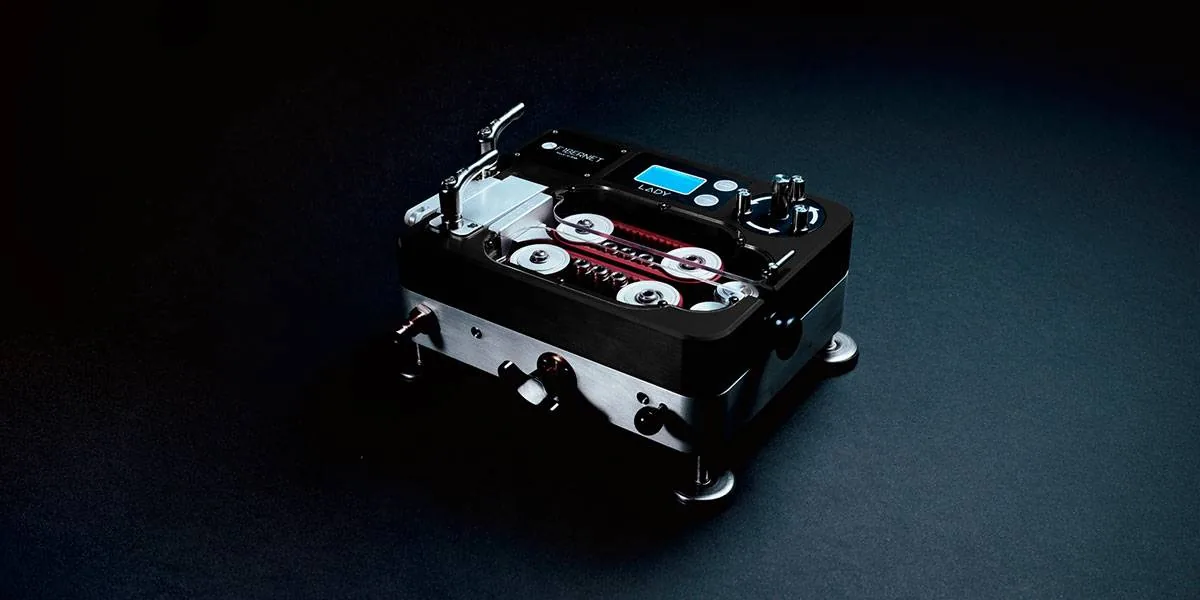
Compact and lightweight
A compact, lightweight machine for short runs.
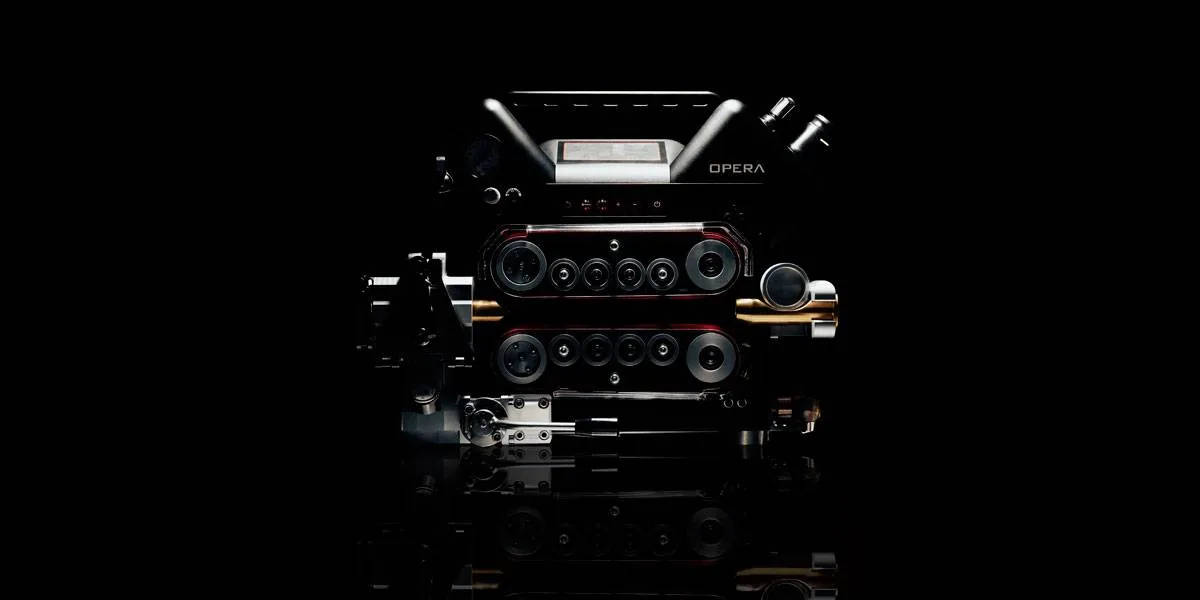
Pneumatic power
A pneumatic machine for long cable runs.
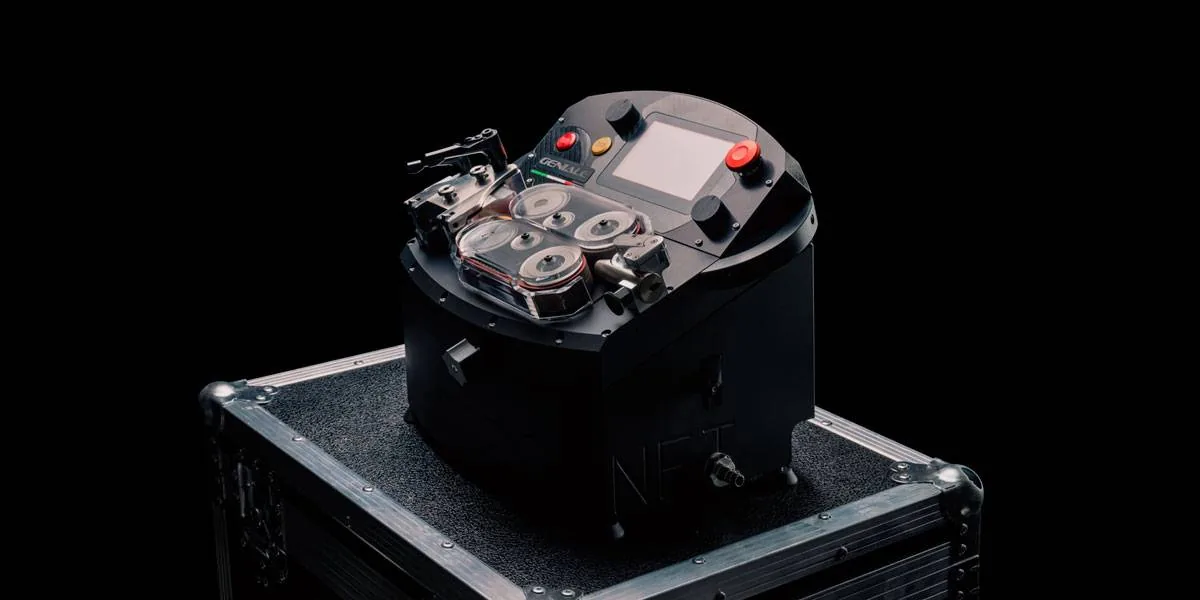
Electric, with two gears
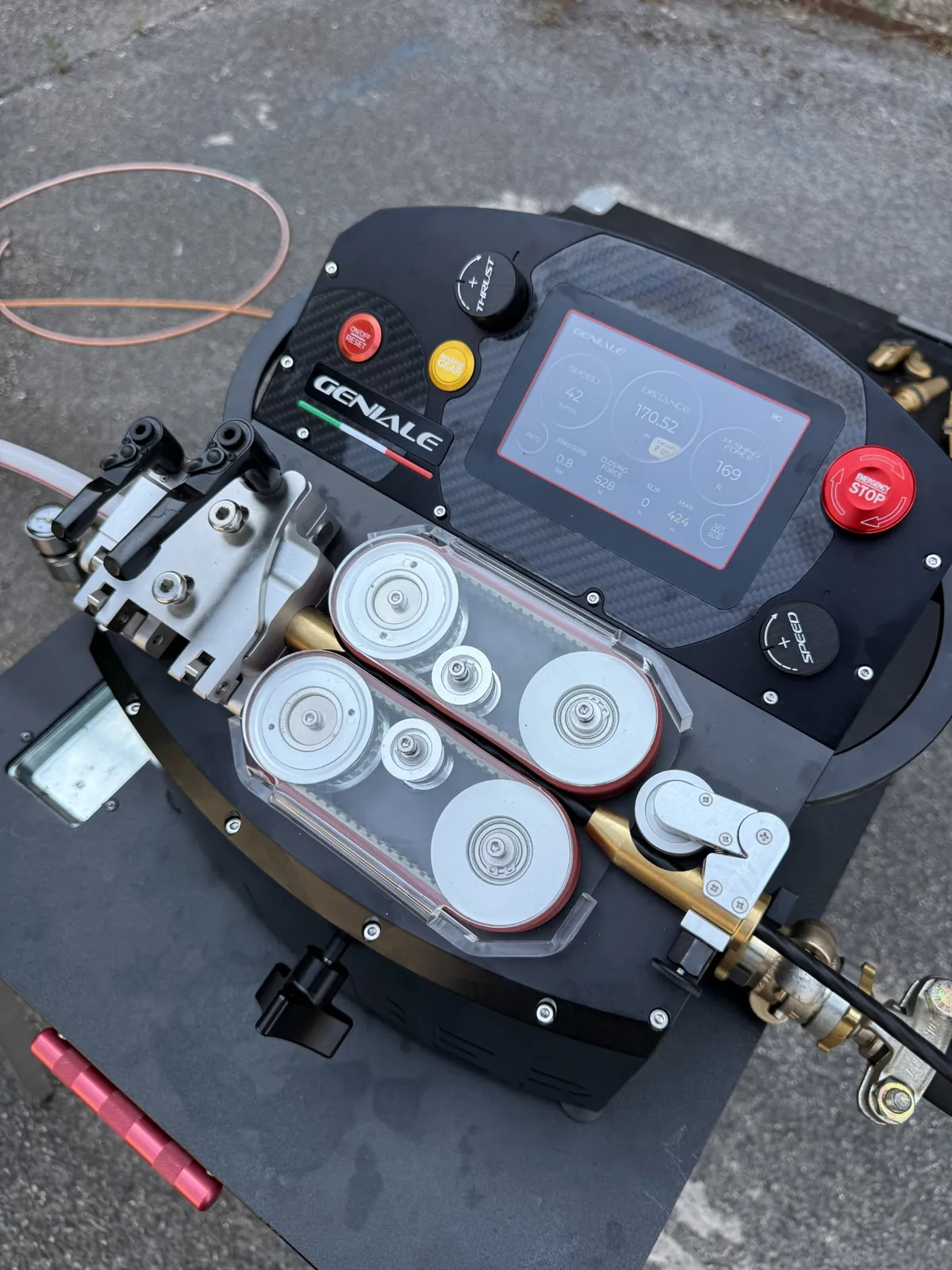
For short and long runs. Two gears let you match force and speed to the job.
Specifications for the Fibernet range. The speeds shown are maximum values. Actual results depend on installation conditions and machine setup.
Direct from the manufacturer
When you’re working on site, you need practical answers. With Fibernet, you speak directly to the people who design and build your cable blowing machine.
Speak to a technicianA specialist technician can help when you need it.
Spare parts ready to ship, direct from the manufacturer.
If your machine breaks down, a replacement may be available within 48 hours.
Check availability and terms with your technician.Get help making the most of your machine, from your very first job.
See it in action before you choose
Request a free hands-on demonstration on your site or at Fibernet’s test facility. Discuss a real job with the technician.
Request a free demonstration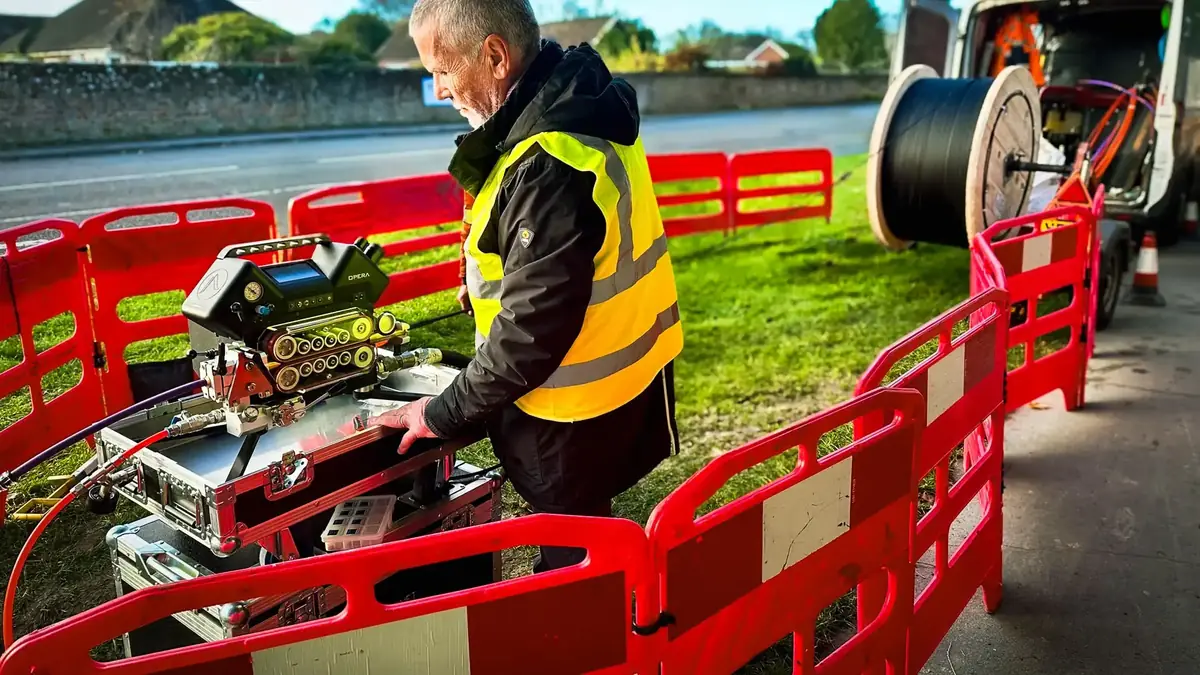
When investigating fibre blower hire, the first question is not simply how long you need a machine, but whether the proposed equipment matches the cable, duct and working conditions on your project. Contractors installing cables on Italian worksites may face restricted access, short working windows, multiple duct sizes and routes with very different levels of resistance. A suitable machine must therefore be considered as part of a complete blowing arrangement rather than an isolated item. Before requesting a proposal, record the cable outside diameter, duct internal diameter, intended installation lengths and any available information about bends, joints and changes in elevation. These details give a supplier a practical starting point for assessing suitability without relying on assumptions about performance. If you are comparing fibre cable blower hire options, also establish which accessories are included and which must be selected separately. Cable guides, sealing components and duct connections need to correspond to the actual materials being installed. A mismatch can cause avoidable delays even when the main machine appears appropriate. Compressor compatibility deserves equal attention: pressure alone does not describe the available air supply, and the required flow, air quality and connection arrangements should be checked against the equipment documentation. Never assume that a compressor already on site is automatically suitable for cable blowing. Fibernet brings a manufacturing perspective to these conversations, supported by a business founded in 2001 and technical experience extending back to the early development of fibre installations in Italy. Its first cable blowing machine, Lady, was launched in 2021. For customers considering a fibre optic cable blower, this background offers a relevant basis for discussing equipment requirements directly with the company. Contact Fibernet to establish which supply arrangements are currently available; rental availability, durations, delivery areas and contractual terms should always be confirmed rather than inferred from a product enquiry. Prepare a brief description of the planned work, the expected start date and the location of the site so that the discussion can address practical constraints from the outset. Include photographs or technical drawings of unusual access points where useful, but avoid substituting images for accurate dimensions. Ask how the equipment should be positioned relative to the cable drum, how the operator accesses the controls and what clearance is needed for safe handling. These apparently small considerations influence whether a proposed arrangement will work comfortably in the space available. A well-prepared enquiry helps your team compare realistic solutions, identify missing components before mobilisation and avoid choosing equipment solely because it appears available on the required date. It also creates a clearer foundation for any subsequent technical or commercial quotation.
A useful comparison of fibre blower hire starts with the complete cost of completing the planned work, not merely a daily or weekly figure. Equipment that looks economical on paper can become less attractive if the proposal excludes essential fittings, requires an unsuitable compressor or leaves transport responsibilities unclear. Ask for a written breakdown that distinguishes the machine, compatible accessories, delivery, collection and any consumable items. Confirm whether the stated period includes transit days, how extensions are handled and what happens if the site is not ready when the equipment arrives. These are questions for the proposed supplier, not terms that should be assumed to apply to Fibernet. An enquiry through the company website can establish the supply options actually available and provide a starting point for a project-specific discussion. When comparing a fibre blower price with a temporary equipment arrangement, consider your expected utilisation across several projects. A contractor with occasional, clearly defined blowing work has different priorities from a team using the same equipment regularly throughout the year. Purchase can provide continuity and familiarity, while temporary access may reduce the period during which equipment sits unused. Neither approach is automatically better: the decision depends on confirmed costs, technical suitability, internal operating capability and the likely workload. Keep the comparison consistent by assessing equivalent configurations rather than comparing a basic machine with a fully equipped package. The same discipline applies when evaluating a used fibre blower. Establish the condition, maintenance history, included components and availability of appropriate documentation before treating a lower initial figure as a saving. Wear affecting the drive mechanism or sealing arrangement may influence suitability, but its significance should be assessed by a competent person rather than guessed from appearance alone. For any equipment source, clarify responsibilities for inspection, cleaning, damage and return condition before work begins. Your budget should also allow for site preparation and the time needed to verify compatibility before the first installation attempt. Record the cable and duct specifications in the quotation request so that commercial discussions remain connected to the actual application. If the route has not yet been assessed, explain what remains unknown instead of presenting provisional assumptions as established facts. Fibernet can be contacted with these details to discuss its cable blowing equipment and the commercial arrangements it can offer. Do not assume published product information constitutes a rental commitment or a fixed quotation. A meaningful proposal should identify its scope clearly enough for your purchasing and site teams to understand what they are evaluating. This approach makes cost comparisons more transparent and helps prevent a seemingly inexpensive choice from introducing avoidable uncertainty into the installation schedule.
The value of fibre blower hire depends heavily on preparation at the worksite. Even a correctly selected machine cannot compensate for an obstructed duct, unsuitable cable handling or an air supply that falls outside the required operating conditions. Start by checking that the planned duct section has been prepared and assessed using appropriate procedures for the installation. Confirm the route information, identify accessible ends and establish how the team will communicate during the operation. Cable drum positioning should permit controlled payout without introducing unnecessary bends or uncontrolled movement. The machine should stand securely, with adequate working space around its controls and connections. Follow the manufacturer's instructions and the site's safety arrangements throughout; equipment settings must remain within the documented limits for the machine, cable, duct and connected accessories. A compressed air fibre blower requires particular attention to the complete air path. Check hoses, couplings and sealing components for suitability and condition, and ensure that pressure is safely released before any connection is opened. Do not attempt to resolve poor progress simply by increasing pressure or drive force. Stop and investigate the cause using the prescribed procedure, especially if cable movement becomes irregular or resistance changes unexpectedly. Agree in advance who controls the machine, who monitors cable payout and how a stop request will be communicated. Where the equipment provides adjustable controls or operating measurements, understand their purpose before starting rather than experimenting during a time-critical installation. Contractors comparing fibre optic cable blower hire should ask what operating documentation accompanies the proposed machine and whether any familiarisation support is available. Such support must be confirmed with the supplier and should never be assumed to replace competent operators or site-specific risk assessment. For work in Italy, consider practical delivery access, unloading arrangements and the availability of the correct electrical or pneumatic connections where applicable to the selected equipment. International customers should additionally clarify destination requirements, transport responsibilities and the documentation needed for the agreed supply arrangement. Fibernet's Italian background and development of the Lady machine provide a clear point of contact for questions about its own equipment, but shipping coverage and delivery dates require direct confirmation. Keep a record of the machine configuration, cable details and relevant operating observations during the job. This information can help your team review results and make better-informed choices for later installations without turning one successful attempt into an unsupported performance promise. After use, follow the specified cleaning, inspection and storage procedures, and document any damage or abnormal behaviour before the equipment is moved again. Careful preparation and an orderly handover protect both the equipment and the continuity of the next working shift.
Fill in the form and discover what Fibernet Srl can do for you!
Contact us!Before you get started
If you prefer, speak to us directly.
+39 346 652 9915Compare the cable diameter, duct diameter and installation distance. Lady is compact and lightweight for short runs. Opera is pneumatic and designed for long runs. Geniale is electric and handles both. A Fibernet technician can help you choose.
Yes. You can request a free hands-on demonstration on your site or at Fibernet’s test facility. Tell us what you need in the form and a technician will arrange it with you. Request a demonstration.
To get a price, contact a Fibernet adviser using the form or call +39 346 652 9915.
Fibernet offers direct technical support, spare parts ready to ship and dedicated training. If your machine breaks down, a replacement may be available. Ask your technician about availability and terms.
Tell us about your job. We’ll help you find the right cable blowing machine.