Emanuele Zanda
Google review
★★★★★
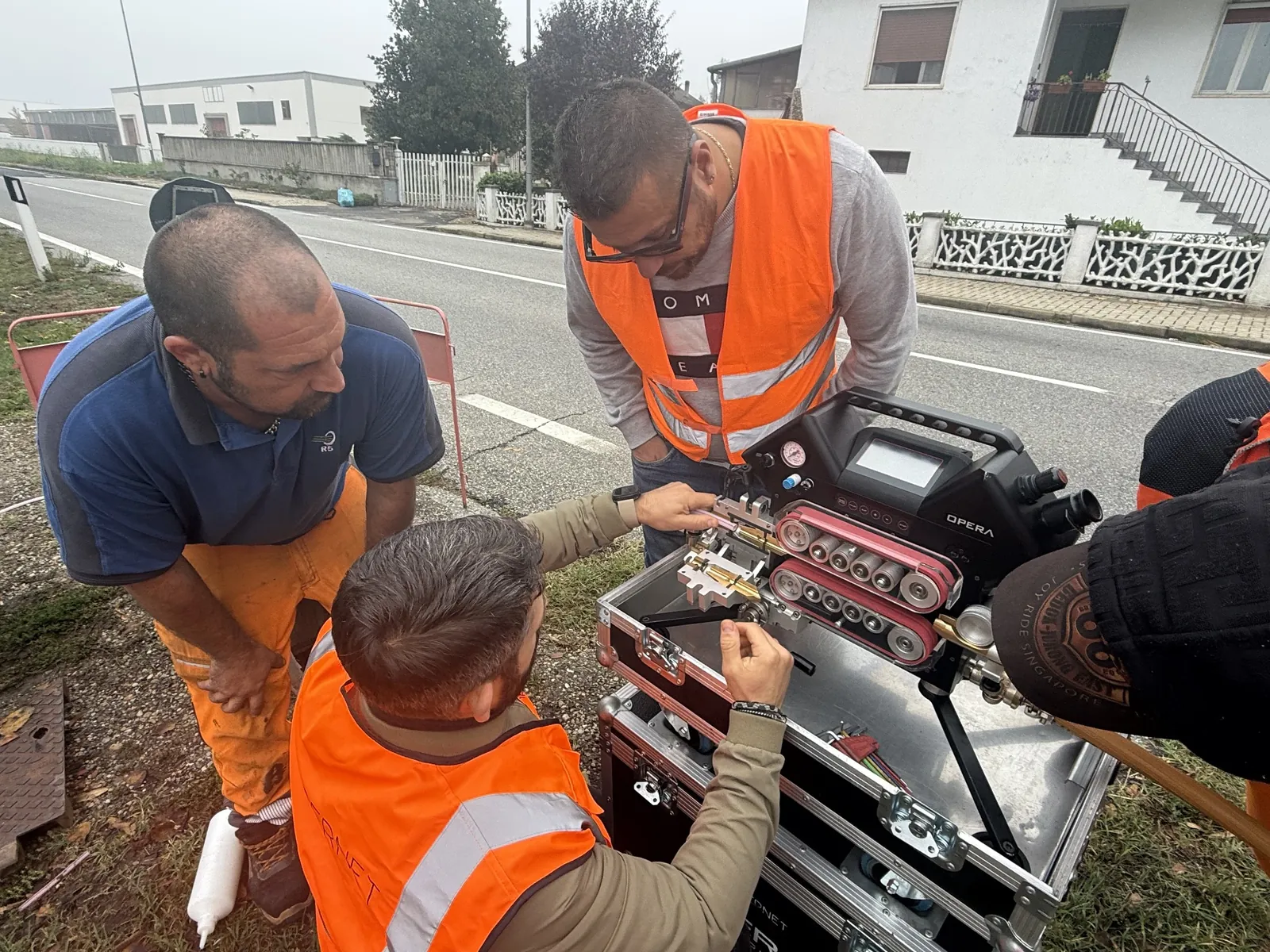
Read on Google“An excellent experience on the installer training course. The whole team was professional and knowledgeable.”
Cable blowing machines · Made in Italy
From last-mile connections to long-distance runs, a Fibernet technician can help you choose the right machine for your fibre optic cable installation.
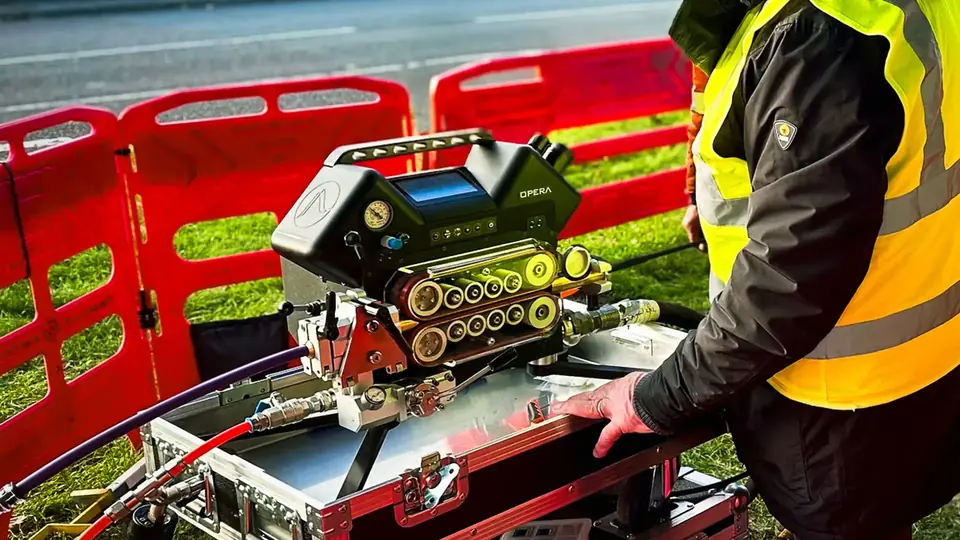
Opera, image 1 of 3
Expert advice direct from the manufacturer / Free demonstration on request
Some of our customers.

Keep your installation moving with Fibernet cable blowing machines.
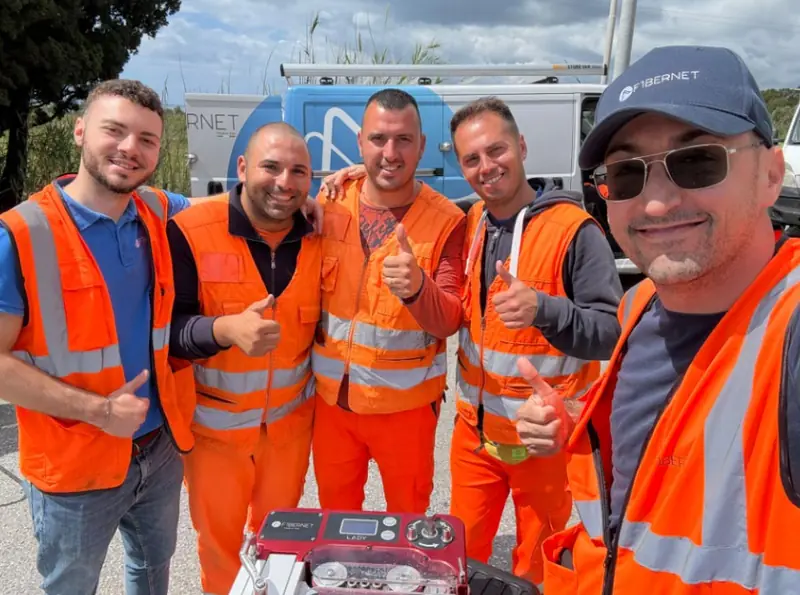
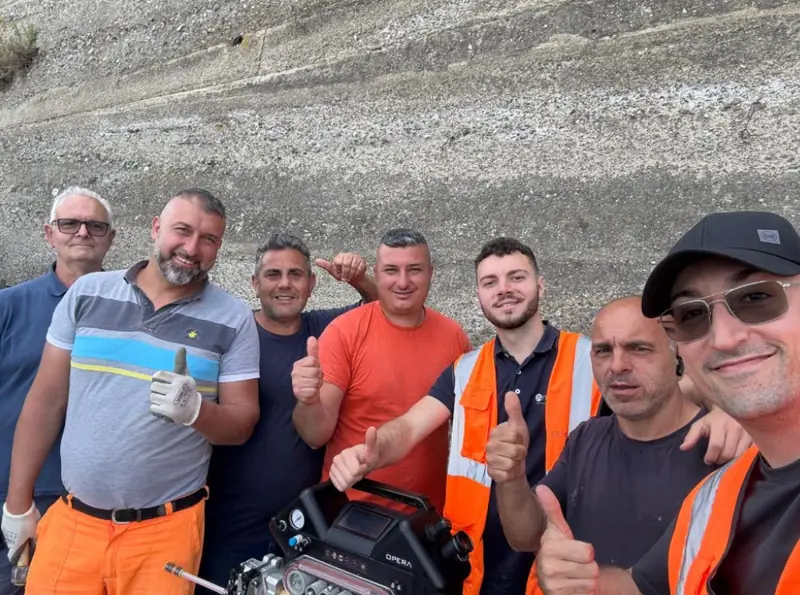
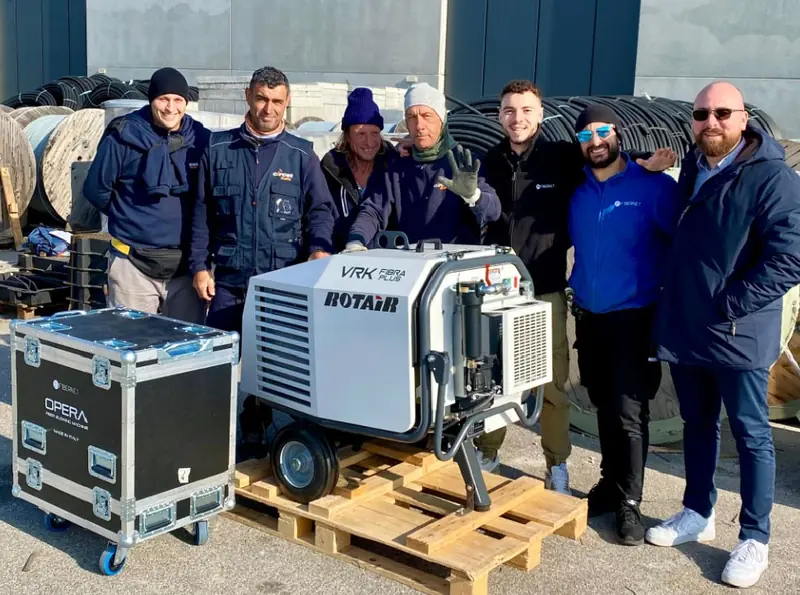
Photos and stories from installers, published by Fibernet.
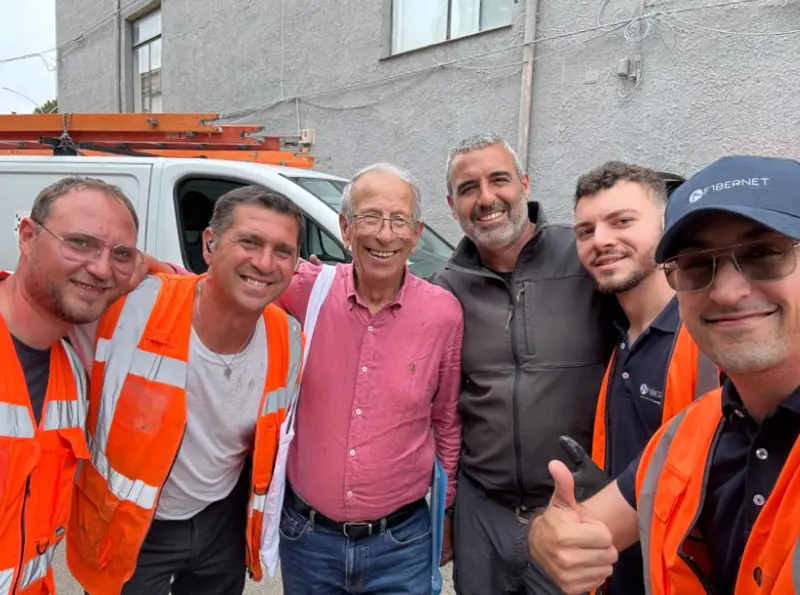
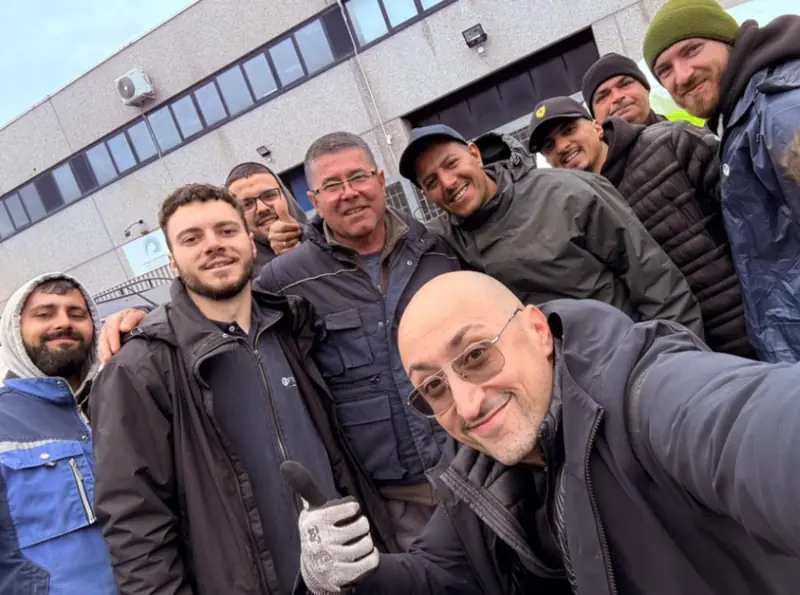
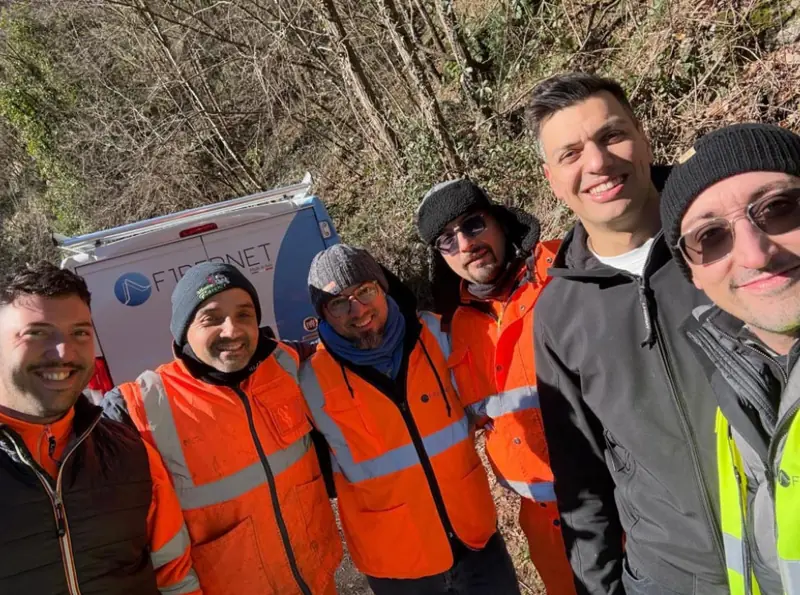 GoogleExcellentBased on 176 reviewsRead the reviews
Read on Google“An excellent experience on the installer training course. The whole team was professional and knowledgeable.”
Read on Google“I had the chance to try the Opera cable blowing machine on site…”
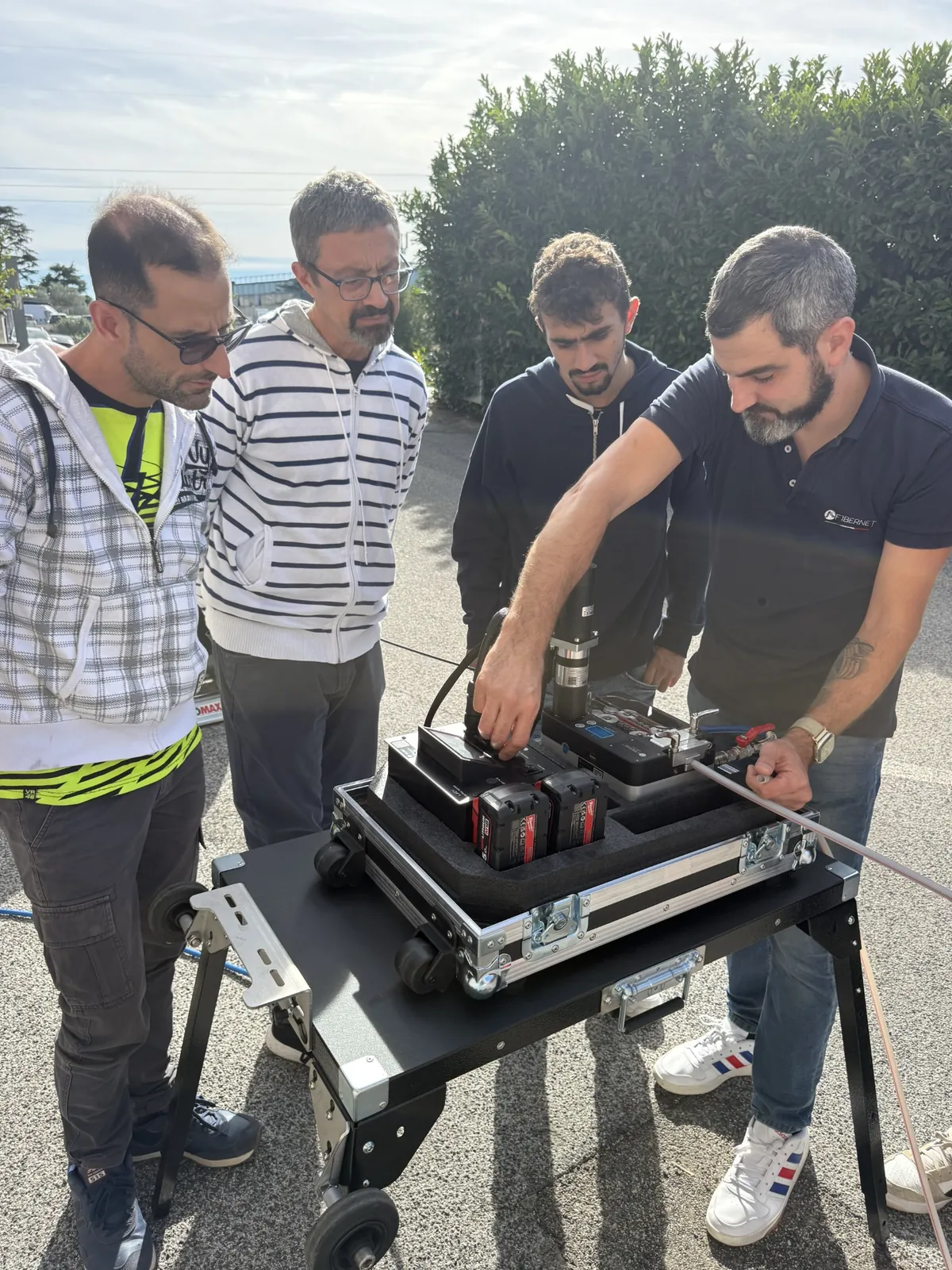
Read on Google“I really enjoyed this course. It took place in a pleasant setting with friendly, helpful people.”
Stories from installers
Hear the results from the installers themselves. Watch their testimonials right here.
Product videos
Three machines. Find your fit.
Start with the job at hand. Our technician can answer your questions about the right setup.
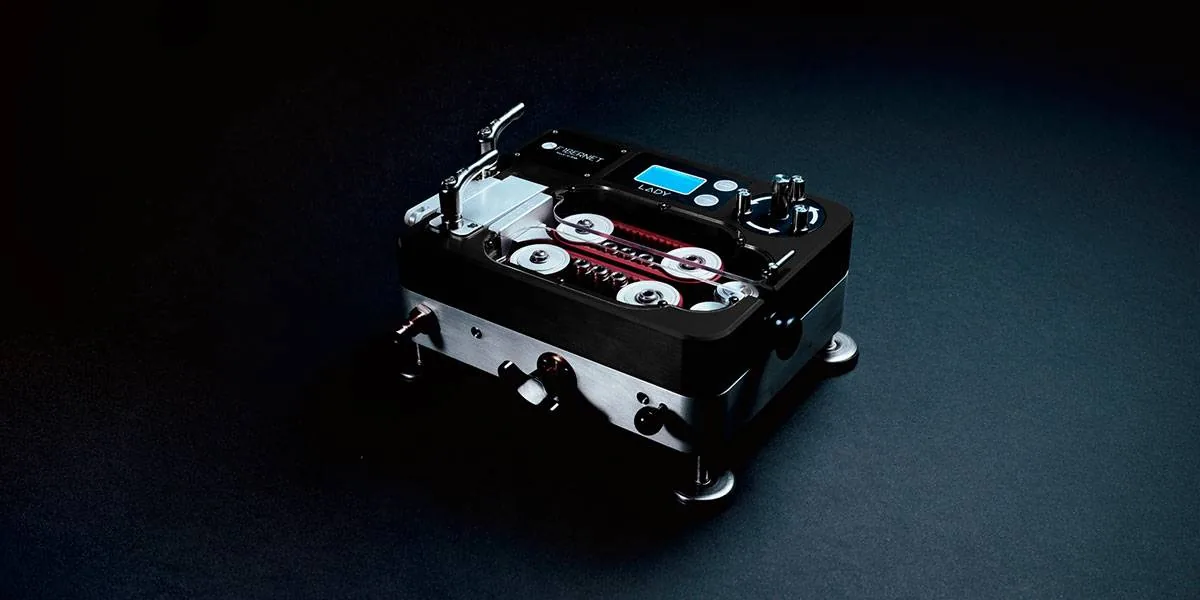
Compact and lightweight
A compact, lightweight machine for short runs.
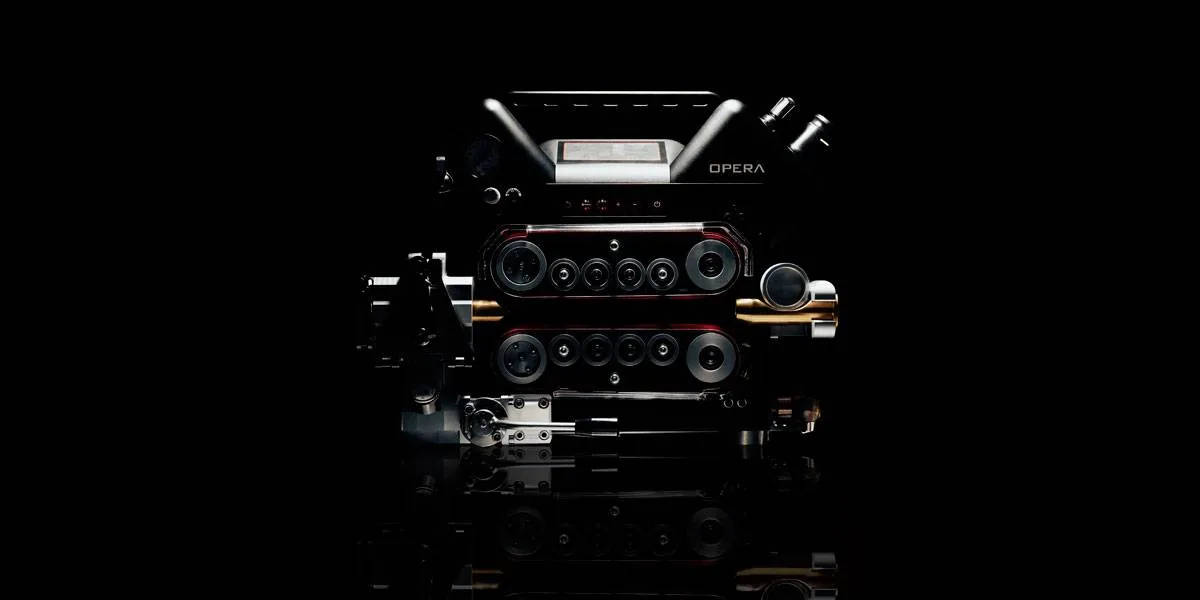
Pneumatic power
A pneumatic machine for long cable runs.
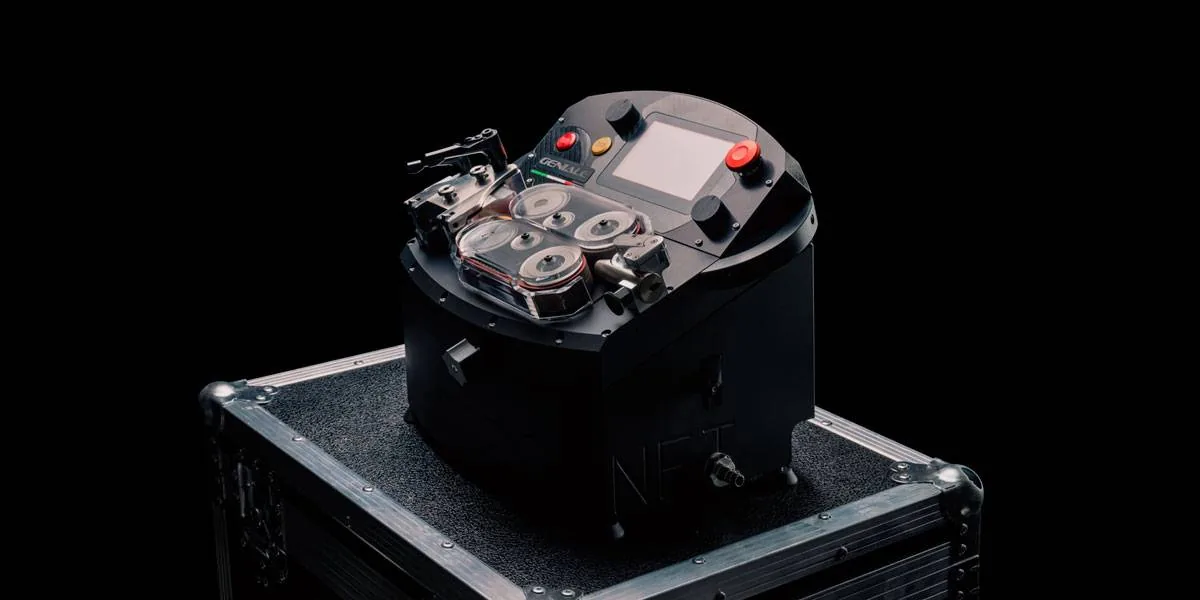
Electric, with two gears
For short and long runs. Two gears let you match force and speed to the job.
Specifications for the Fibernet range. The speeds shown are maximum values. Actual results depend on installation conditions and machine setup.
Direct from the manufacturer
When you’re working on site, you need practical answers. With Fibernet, you speak directly to the people who design and build your cable blowing machine.
Speak to a technicianA specialist technician can help when you need it.
Spare parts ready to ship, direct from the manufacturer.
If your machine breaks down, a replacement may be available within 48 hours.
Check availability and terms with your technician.Get help making the most of your machine, from your very first job.
See it in action before you choose
Request a free hands-on demonstration on your site or at Fibernet’s test facility. Discuss a real job with the technician.
Request a free demonstration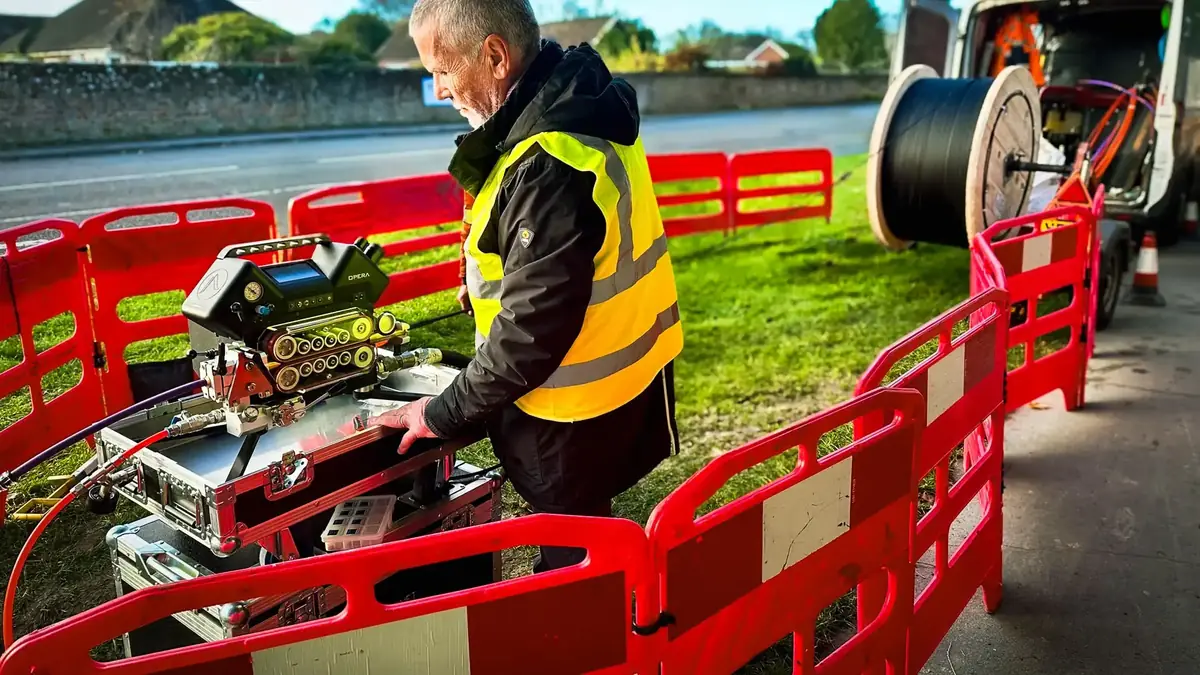
Choosing a fiber blower starts with understanding the work your installation team needs to complete, rather than comparing machines on appearance alone. Cable dimensions, duct internal diameter, route geometry and available compressed air all influence whether a proposed configuration is suitable. For contractors working on Italian sites, these conditions can change between individual sections of the same project. A straight, clean duct presents a different challenge from a route containing several bends, joints or changes in elevation. Before requesting a recommendation from Fibernet, prepare the cable specification, duct dimensions and an outline of the intended installation. These details provide a practical basis for discussing a machine and its required accessories without relying on assumptions about achievable distance or speed. A fiber cable blower uses controlled mechanical feeding together with airflow to advance a compatible cable through a prepared duct. The relationship between those elements matters: additional pushing force is not a substitute for correcting an obstruction, an unsuitable seal or insufficient airflow. Operators should follow the selected machine’s instructions and the limits specified by the cable and duct manufacturers. Checking compatibility before work begins helps avoid preventable interruptions and reduces the temptation to adjust equipment beyond its intended operating conditions. Fibernet brings a technical background to this equipment category. Founded in 2001, the company grew from the experience of Giancarlo Trinei, whose work with early Italian cable installations began in the 1980s. Its development of cable blowing equipment reached an important milestone in 2021 with the introduction of Lady, its first machine in this category. For a prospective buyer, that history offers context for a direct technical conversation, but the purchasing decision should still be based on the requirements of the actual job. Ask which cable and duct combinations a proposed configuration supports, what preparation is necessary and which components are included in the quotation. When assessing a compressed air fiber blower, also discuss the compressor characteristics needed for the intended application. Pressure and delivered airflow are different measurements, and both need to be assessed under operating conditions rather than inferred from a single headline figure. Air treatment, hose suitability and secure connections also deserve attention during planning. A well-prepared enquiry allows Fibernet to clarify the relevant machine configuration and identify information that is still missing. This approach is useful for companies buying their first machine as well as established contractors adding capacity. Instead of choosing equipment around an optimistic performance claim, you can build your decision around compatibility, operating requirements and the practical realities your crew will encounter on site.
Reliable cable blowing depends on a coordinated process before, during and after the machine runs. Begin by confirming that the duct section is ready for installation and that its condition has been checked using procedures appropriate to the project. Contamination, standing water, damaged connections or unexpected restrictions can undermine the operation even when the machine itself is correctly configured. Verify the route information available to the crew, establish communication between the relevant working positions and organise the cable supply so that it can feed smoothly. The cable should not encounter avoidable drag before reaching the machine, and the working area should allow operators to monitor the feed without standing in unsafe positions. A fiber blower should then be set up according to its operating instructions, with the correct components for the selected cable and duct. Seals, guides and feeding elements are functional parts of the installation system, not interchangeable details to be selected by guesswork. An incorrect fit can lead to air leakage, inconsistent feeding or cable damage. Before starting, confirm that guards and connections are secure and that the operator understands the prescribed stopping procedure. Any intervention involving the pressurised section must follow the required isolation and depressurisation process. With a pneumatic fiber blower, the air supply must be considered as part of the working arrangement. A compressor that appears adequate on paper may not deliver the required conditions at the machine once hose length, connection restrictions and other losses are considered. Check the applicable specifications and avoid treating maximum compressor pressure as proof of overall suitability. The condition of the supplied air also matters, so discuss filtration and moisture management where required by the equipment instructions. During installation, observe the relationship between cable movement, feeding behaviour and the available machine readings. If movement becomes irregular or stops, investigate the cause instead of automatically increasing force or pressure. A bend, an obstructed duct, excessive supply resistance or an incorrect adjustment can require different corrective actions. Continuing without identifying the problem can increase the risk of damaging the cable or equipment. A fiber optic cable blower should be assessed through this complete workflow rather than through an isolated demonstration on an ideal route. Ask Fibernet which operating information is available for the configuration under consideration and which checks should be completed before each job. Recording the setup, duct section, cable characteristics and relevant operating observations can help your team compare installations more meaningfully. Those records do not guarantee identical results on another route, but they support better planning and more informed technical discussions. For contractors managing several crews, a consistent preparation checklist can also make equipment handovers clearer and reduce avoidable setup differences between operators.
The useful starting point for a purchasing decision is a quotation that makes the proposed equipment configuration clear. A headline amount cannot tell you whether the machine includes the components needed for your cables, whether your existing compressor is suitable or whether additional accessories will be required before the first installation. When asking Fibernet about fiber blower price, describe the projects you expect to undertake and provide the technical information available. Explain whether you need equipment for a recurring cable and duct combination or for several different applications. This helps keep the discussion focused on a suitable configuration instead of an apparently attractive figure that excludes necessary items. Compare quotations on an equivalent basis wherever possible. Identify the machine supplied, included accessories, applicable documentation and any optional components separately. Clarify delivery arrangements, payment conditions and warranty terms directly with the company rather than assuming that every quotation includes the same provisions. For businesses operating in Italy, procurement planning should also account for the date when equipment must be available on site and the time needed to confirm compatibility. International buyers should establish the applicable shipping arrangements, destination requirements and documentation before placing an order. These details are commercial questions to resolve explicitly, not benefits to assume from a general product description. A fiber blower also needs to be evaluated over its working life. Ask about routine maintenance requirements, replaceable wear components and the information needed when requesting technical assistance. Understanding these points can help you plan inspections and avoid purchasing equipment without a clear route for obtaining the correct replacement parts. Keep the machine identification and configuration details accessible so that future enquiries can be specific. The same discipline is especially important when considering a second hand fiber cable blower. Its initial cost may be lower, but condition, completeness and compatibility need careful verification. Inspect the feeding system, seals, controls and connections, and request whatever maintenance records and operating documentation are available. Confirm whether missing components can be obtained before treating the machine as ready for work. Previous use alone does not establish whether equipment is suitable for your next project, and an unfamiliar machine should never be operated without the relevant instructions. Fibernet’s family business background provides another reason to seek a direct conversation about the equipment. The company began its generational transition in 2010 with Matteo, Marta and Ismael joining the business, while retaining its founder’s practical technical outlook. For buyers, the most useful outcome of that conversation is a clearly defined proposal: equipment matched to the application, transparent purchasing details and a realistic understanding of the operating conditions. Explore the company’s website and submit your requirements to move from a broad product search towards an informed equipment decision.
Fill in the form and discover what Fibernet Srl can do for you!
Contact us!Before you get started
If you prefer, speak to us directly.
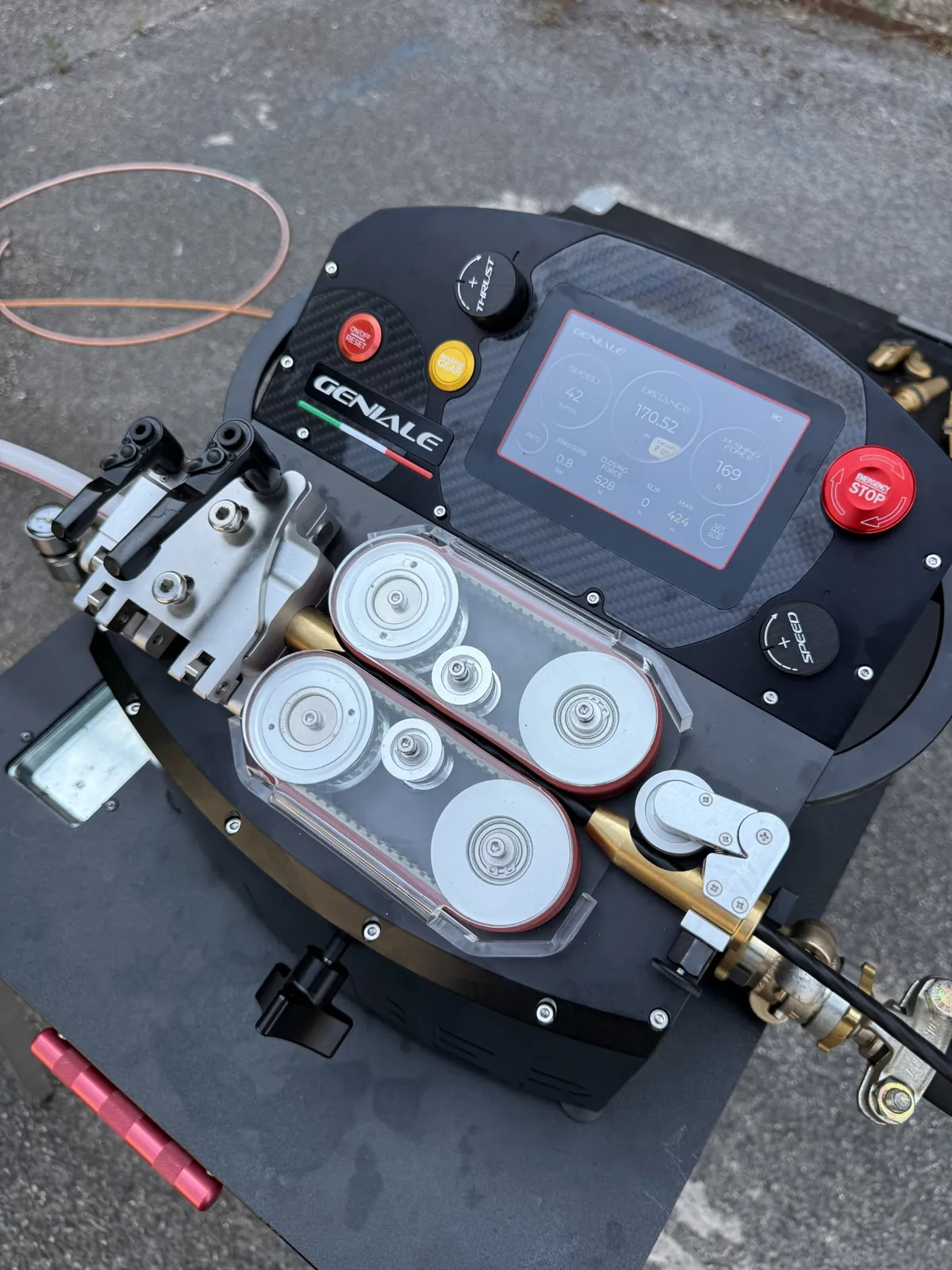
+39 346 652 9915Compare the cable diameter, duct diameter and installation distance. Lady is compact and lightweight for short runs. Opera is pneumatic and designed for long runs. Geniale is electric and handles both. A Fibernet technician can help you choose.
Yes. You can request a free hands-on demonstration on your site or at Fibernet’s test facility. Tell us what you need in the form and a technician will arrange it with you. Request a demonstration.
To get a price, contact a Fibernet adviser using the form or call +39 346 652 9915.
Fibernet offers direct technical support, spare parts ready to ship and dedicated training. If your machine breaks down, a replacement may be available. Ask your technician about availability and terms.
Tell us about your job. We’ll help you find the right cable blowing machine.