Emanuele Zanda
Google review
★★★★★
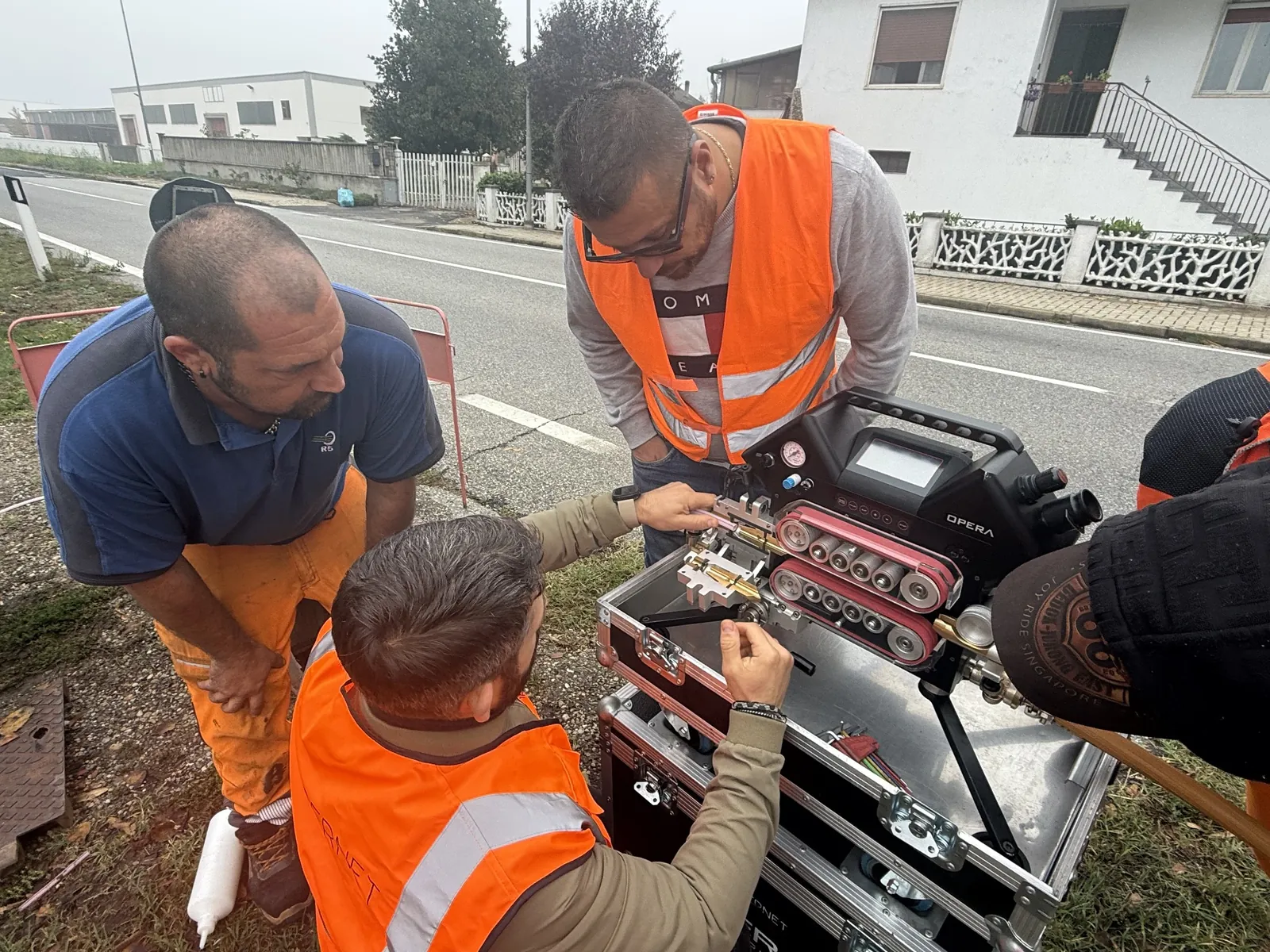
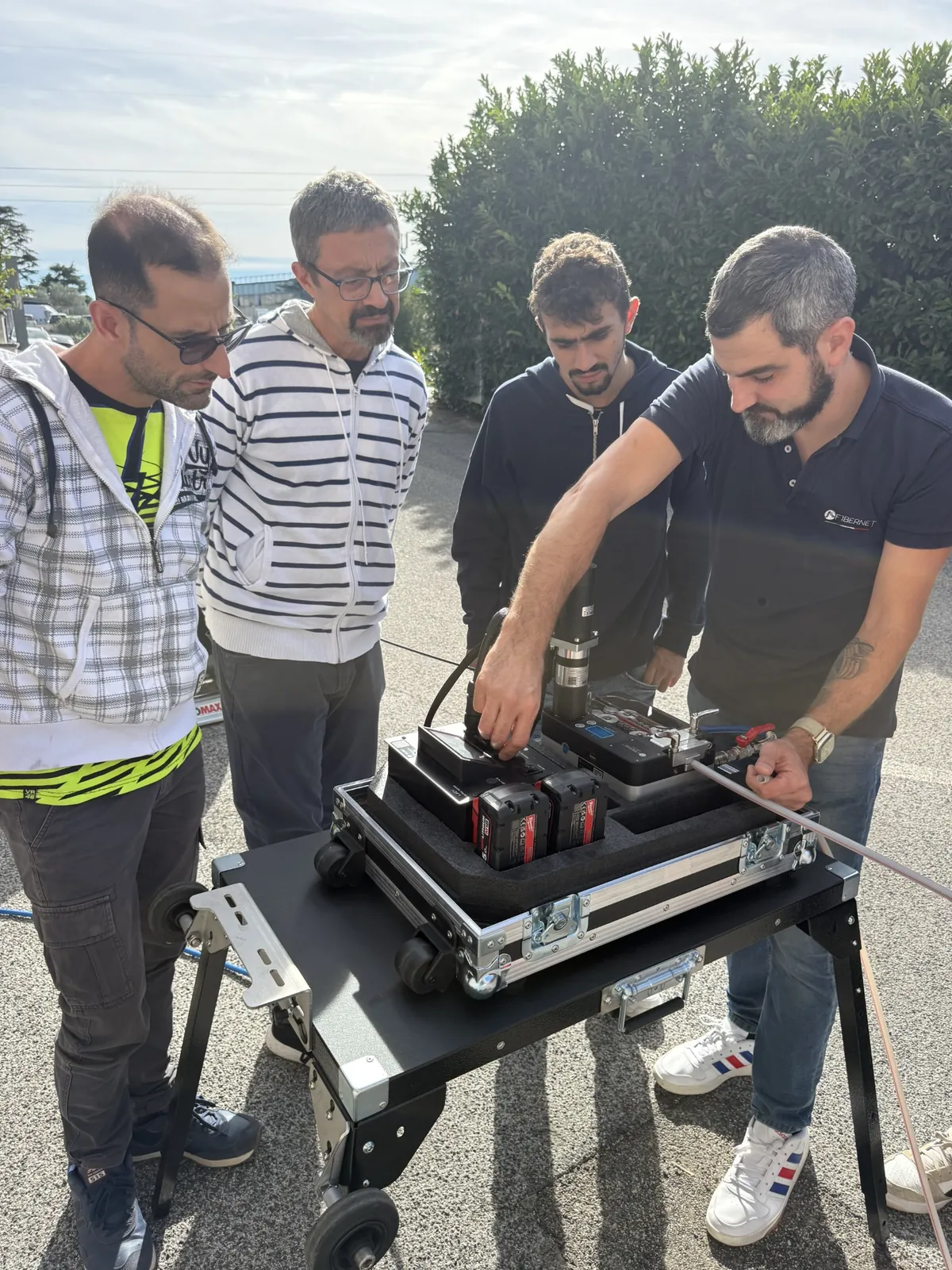
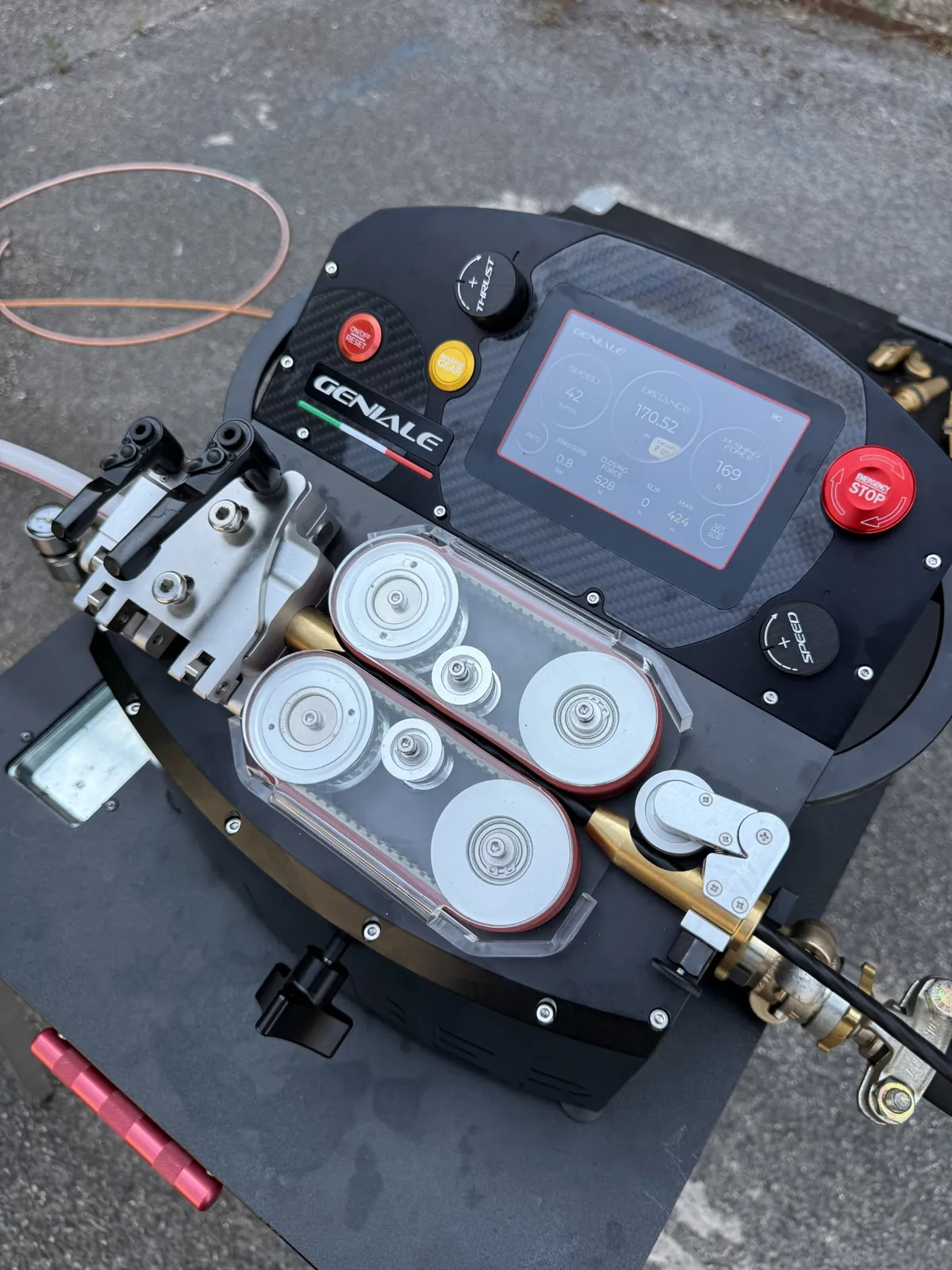
Read on Google“An excellent experience on the installer training course. The whole team was professional and knowledgeable.”
Cable blowing machines · Made in Italy
From last-mile connections to long-distance runs, a Fibernet technician can help you choose the right machine for your fibre optic cable installation.
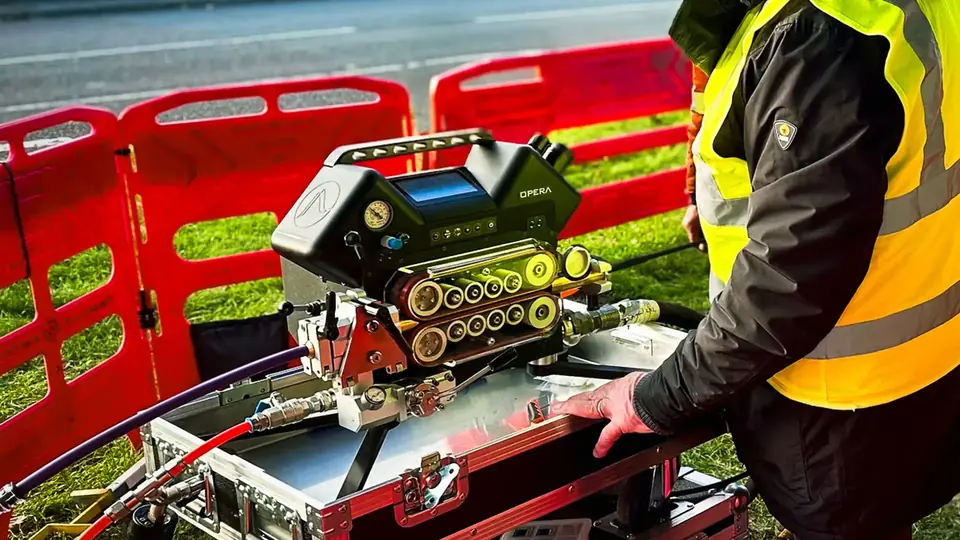
Opera, image 1 of 3
Expert advice direct from the manufacturer / Free demonstration on request
Some of our customers.

Keep your installation moving with Fibernet cable blowing machines.
Photos and stories from installers, published by Fibernet.
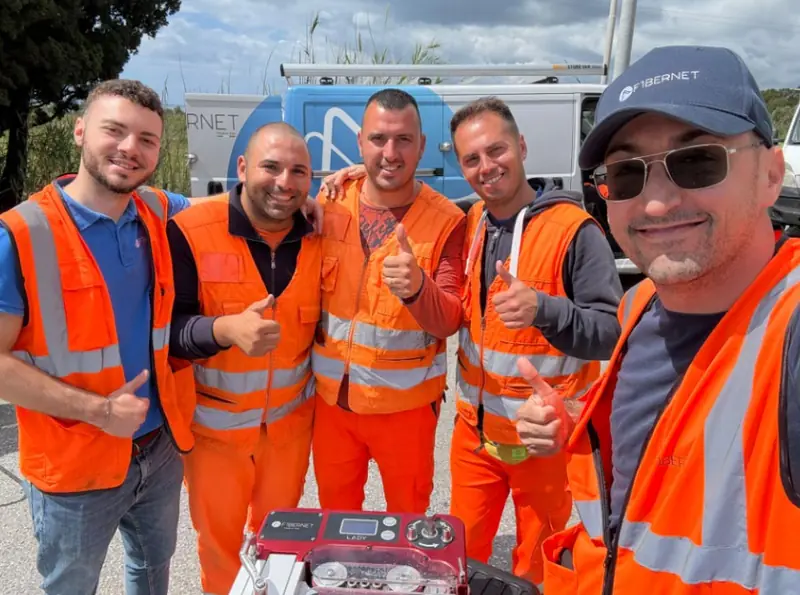
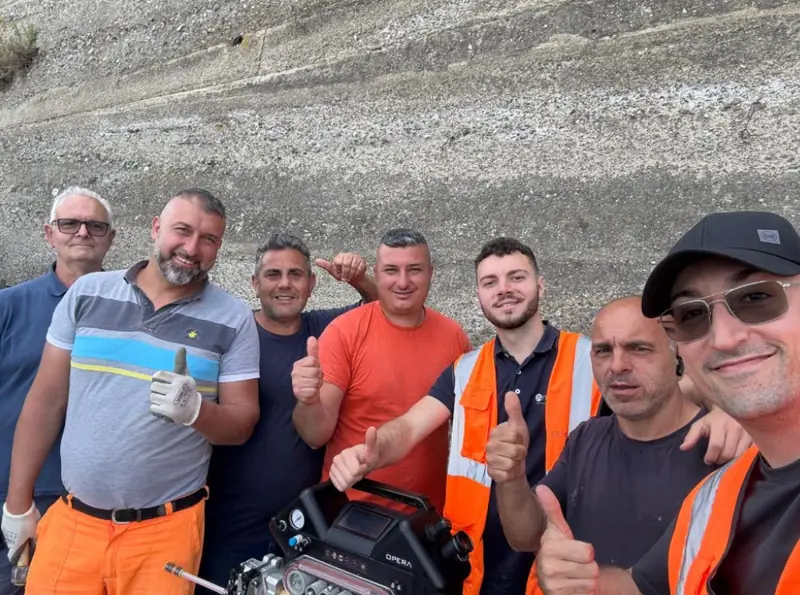
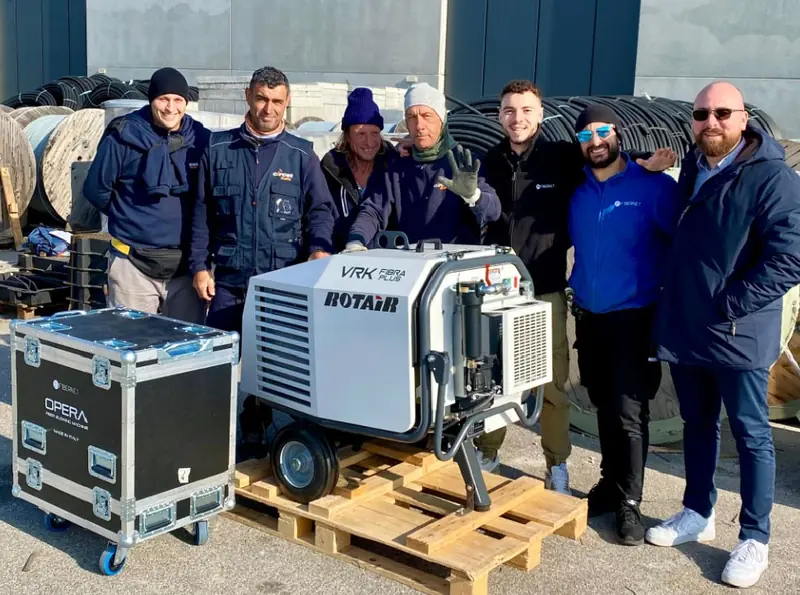
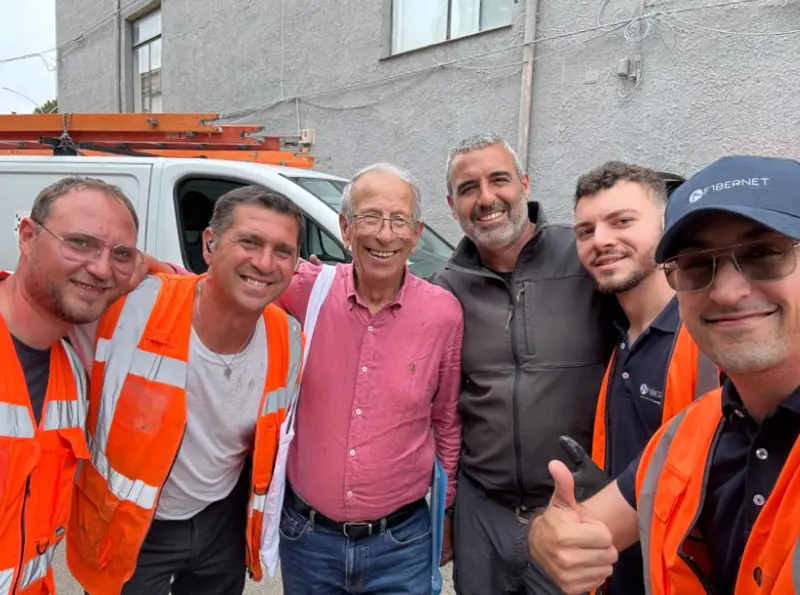
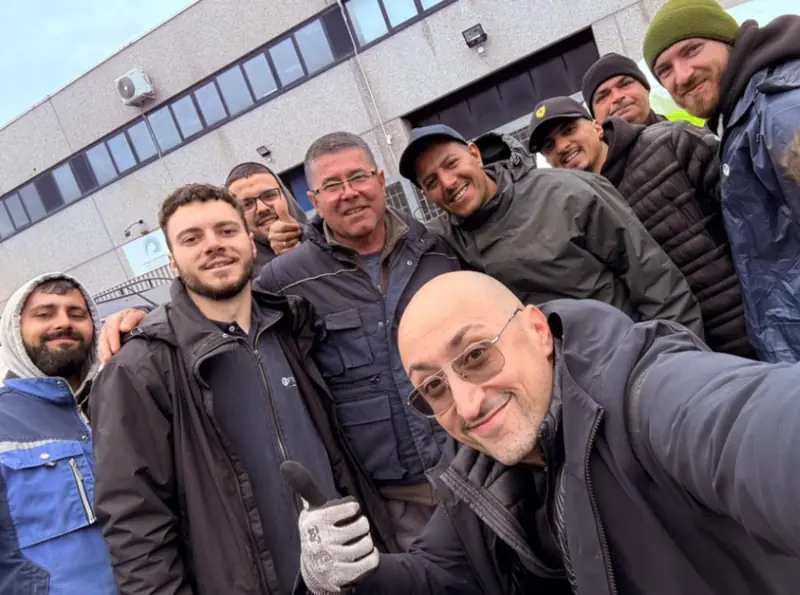
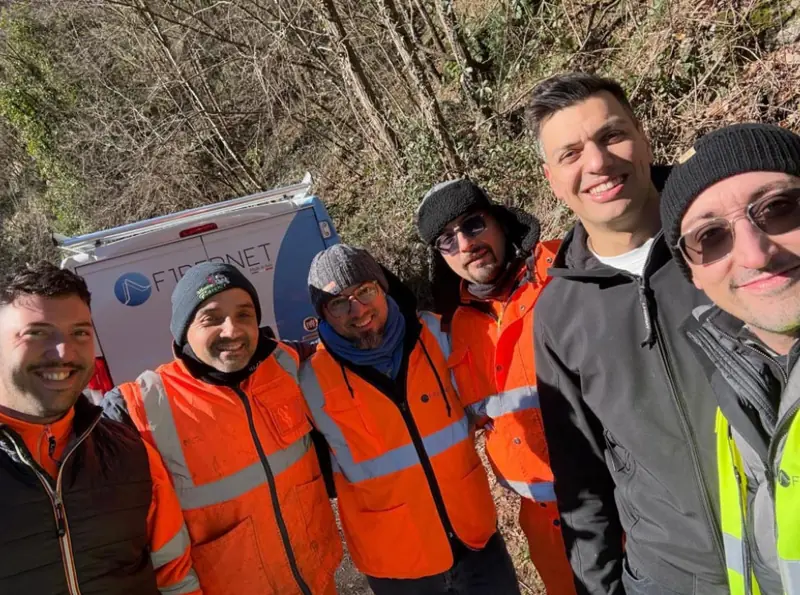 GoogleExcellentBased on 176 reviewsRead the reviews
Read on Google“An excellent experience on the installer training course. The whole team was professional and knowledgeable.”
Read on Google“I had the chance to try the Opera cable blowing machine on site…”
Read on Google“I really enjoyed this course. It took place in a pleasant setting with friendly, helpful people.”
Stories from installers
Hear the results from the installers themselves. Watch their testimonials right here.
Product videos
Three machines. Find your fit.
Start with the job at hand. Our technician can answer your questions about the right setup.
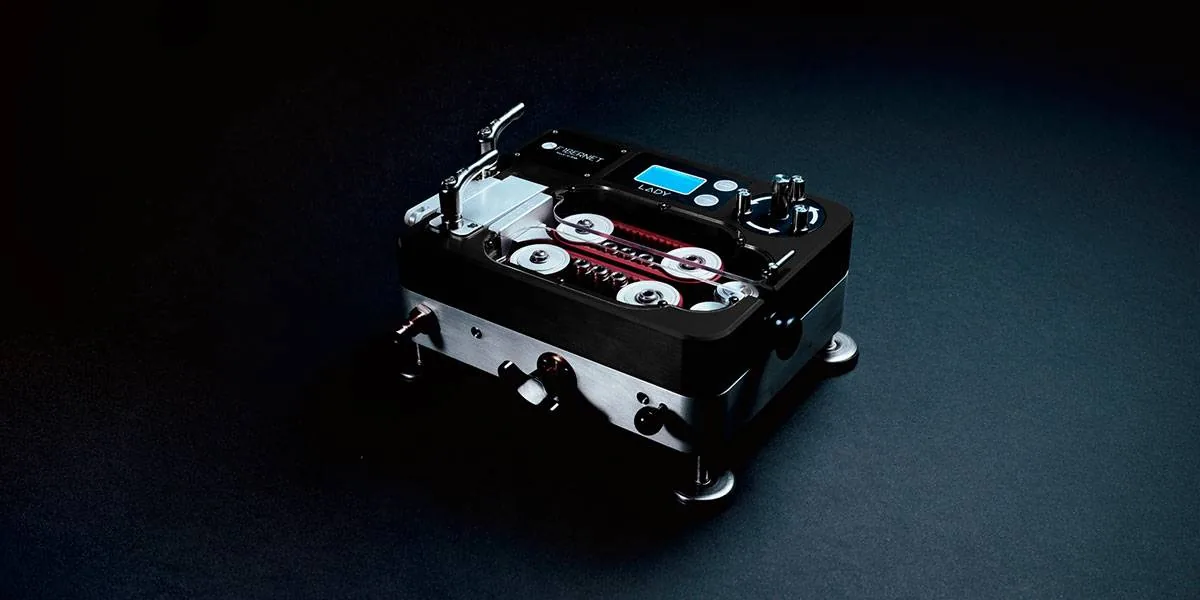
Compact and lightweight
A compact, lightweight machine for short runs.
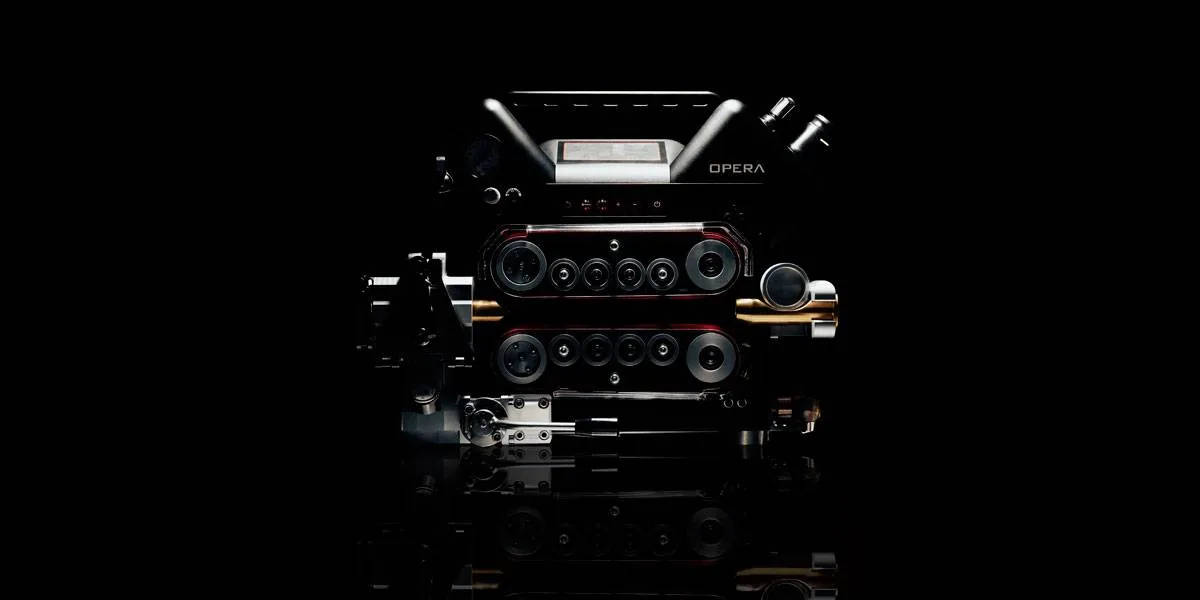
Pneumatic power
A pneumatic machine for long cable runs.
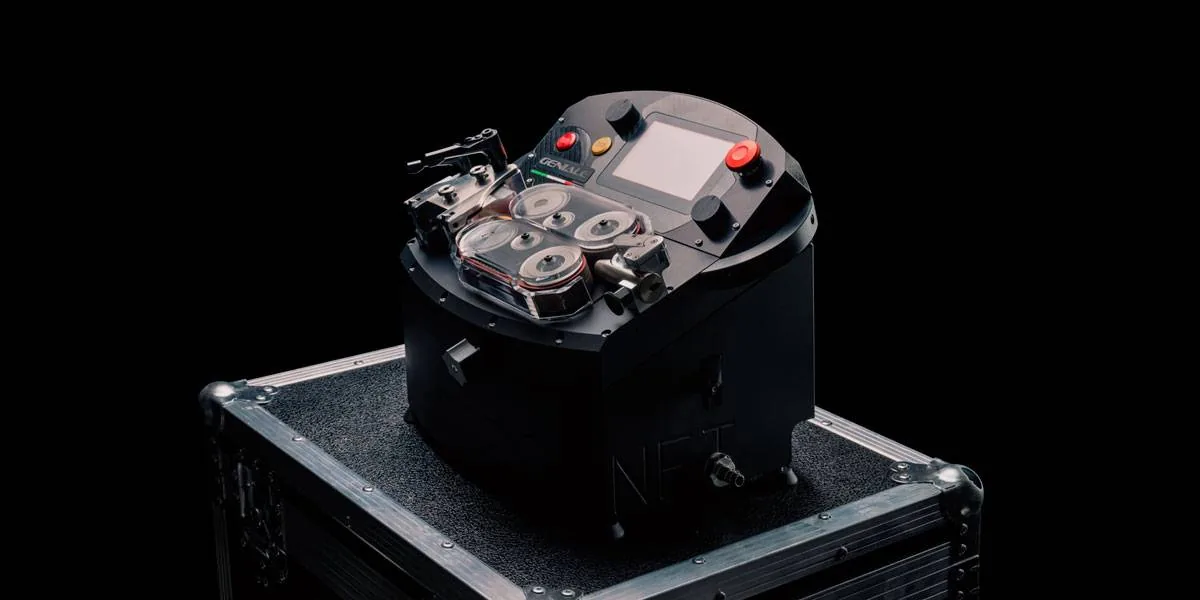
Electric, with two gears
For short and long runs. Two gears let you match force and speed to the job.
Specifications for the Fibernet range. The speeds shown are maximum values. Actual results depend on installation conditions and machine setup.
Direct from the manufacturer
When you’re working on site, you need practical answers. With Fibernet, you speak directly to the people who design and build your cable blowing machine.
Speak to a technicianA specialist technician can help when you need it.
Spare parts ready to ship, direct from the manufacturer.
If your machine breaks down, a replacement may be available within 48 hours.
Check availability and terms with your technician.Get help making the most of your machine, from your very first job.
See it in action before you choose
Request a free hands-on demonstration on your site or at Fibernet’s test facility. Discuss a real job with the technician.
Request a free demonstration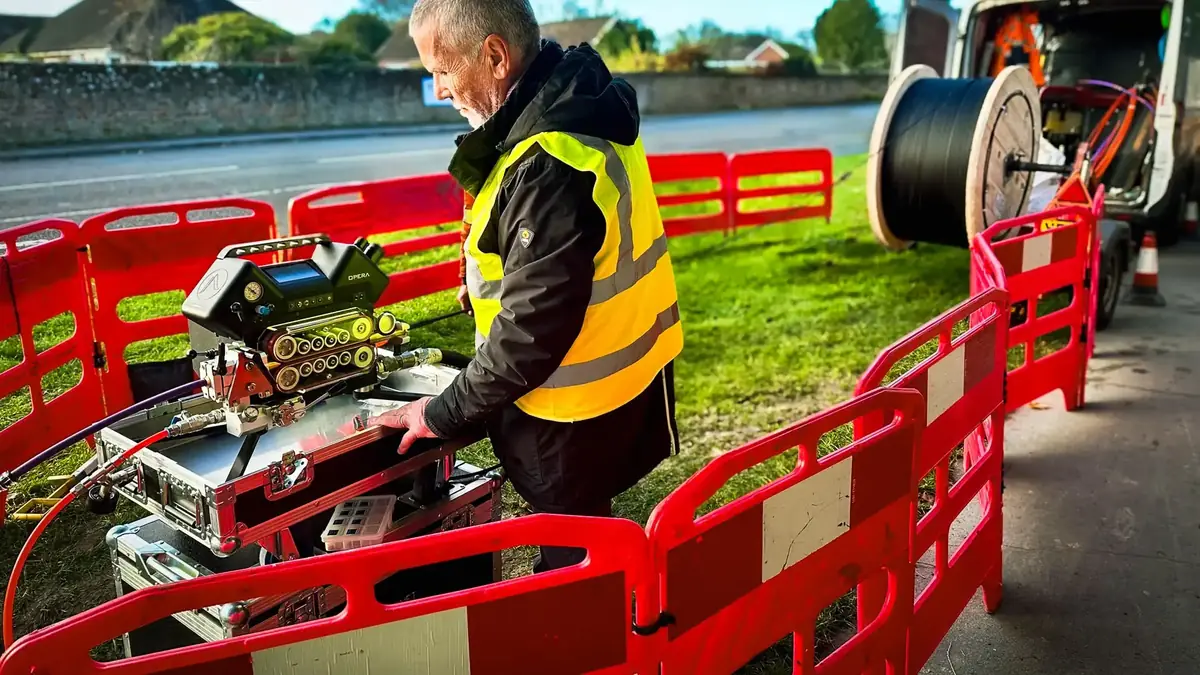
Choosing a drill powered fiber optic cable blower starts with the relationship between the cable, the duct and the conditions along the installation route. For telecommunications contractors working in Italy, a compact drive arrangement can be attractive when equipment must move between roadside access points or fit into a crowded work area. However, portability alone does not establish suitability. Cable diameter, duct internal diameter, cable construction and the route profile all influence the installation method. Fibernet provides a direct point of contact for discussing these requirements before selecting equipment. Founded in 2001, the company introduced its first cable blowing machine, Lady, in 2021, building on the technical background of founder Giancarlo Trinei. That background supports a practical conversation about what installers actually need at the duct entrance, rather than a selection based only on a product name. In a drill driven arrangement, the drill supplies mechanical drive to the feeding mechanism; where the installation also uses compressed air, a separate air supply performs a different role. These functions should not be confused. A cordless drill does not, by itself, make the complete installation independent of a compressor. Anyone comparing a battery powered fiber optic cable blower should therefore ask which components use battery power and which external services remain necessary. The first useful step is to prepare a short installation brief. Include the cable outside diameter, the duct dimensions, the expected section lengths, the number and severity of bends, and any known restrictions at intermediate access points. Add the cable manufacturer's limits for pushing force and bending, together with the duct manufacturer's pressure restrictions. These details help establish whether the proposed equipment and operating method are appropriate without relying on unsupported distance claims. A cable blower for fiber optic cable installation must also be assessed as an interface between several components: the drive, cable guides, sealing arrangement, duct connection and air supply. Compatibility across that complete chain matters more than any single headline specification. Ask Fibernet which configuration is suitable for the intended application, what is included in the proposed supply, and which accessories need to be specified separately. For a contractor preparing several similar sites, collecting these details once can make subsequent enquiries clearer and reduce the risk of ordering unsuitable consumables. For a one-off installation, the same process helps distinguish essential requirements from optional features. The objective is a properly matched equipment choice, supported by a clear understanding of operating limits, rather than an assumption that every drill driven machine will behave identically on every duct route. A well-prepared enquiry gives both purchasing staff and site supervisors a shared technical basis for evaluating the proposal.
Successful operation of a drill powered fiber optic cable blower depends on preparation at the installation point as much as on the machine itself. Before work begins, the crew should review the equipment instructions and confirm that the cable, duct connection, guides and seals correspond to the selected configuration. The drill must meet the requirements stated by the machine manufacturer, including the appropriate drive interface and operating settings. Do not assume that a tool already carried in the service vehicle is automatically suitable. Confirm its compatibility before planning the job around it. The work area should allow the cable to approach the machine smoothly, without sharp changes of direction or uncontrolled contact with surrounding surfaces. Reel positioning and stable equipment placement help prevent avoidable resistance before the cable even enters the duct. Where air assistance is required, compressor selection deserves a separate check. Pressure and airflow are different specifications, and both must be appropriate for the installation arrangement. The capacity available at the machine can also be affected by hoses, connectors and the condition of the air supply system. A compressed air fiber optic cable blower therefore needs to be considered together with its supporting equipment, not as an isolated purchase. Follow the specified requirements for air quality and any necessary treatment, and ensure that hoses and connections are rated for the intended conditions. Before opening the air supply, establish a safe working area at both ends of the duct and agree how the crew will communicate. Only carry out duct preparation and verification using approved methods and the relevant manufacturer's instructions. During feeding, watch for changes in cable movement, unusual resistance and any indication that the drive is slipping or applying excessive force. Increasing the drive effort is not a substitute for investigating an obstruction or an unsuitable route condition. If progress becomes irregular, stop according to the operating procedure and identify the cause before restarting. Cable protection remains the priority, especially when the cable construction places strict limits on mechanical loading. Lubrication, where permitted, should be compatible with the cable and duct materials and used in accordance with the relevant guidance. After the installation, isolate the equipment and release stored pressure safely before disconnecting components. Inspect contact surfaces, guides and seals for wear or contamination, then clean and store the equipment as instructed. Contractors comparing a drill powered fiber cable blower can use this workflow to assess practical suitability: how easily can the crew set up the specified configuration, inspect essential components and repeat the process consistently? Discussing these operational details with Fibernet before purchase helps make the enquiry relevant to real site conditions. It also gives the installation supervisor a clearer basis for preparing tools, consumables and a suitable work method.
A useful equipment quotation should explain what the proposed supply enables your crew to do and what still needs to be provided on site. When requesting information about a drill powered fiber optic cable blower, describe whether the machine will serve a dedicated installation team, rotate between several crews or be purchased for a specific contract. These situations can lead to different priorities. A dedicated team may value a configuration closely matched to recurring cable and duct dimensions, while shared equipment may require a clearly defined approach to configuration changes and accessory storage. Neither situation justifies assuming that every available size range or option is included as standard. Ask for an itemised proposal that identifies the machine configuration, supplied accessories, any required external equipment and the documentation available with the purchase. The fiber optic cable blower price should be evaluated against this defined scope rather than compared as an isolated figure. Two quotations can appear similar while covering different guides, seals, duct adapters or supporting components. Clarifying these differences before ordering makes the comparison more meaningful and reduces unexpected expenditure during mobilisation. Maintenance and replacement parts also deserve attention. Ask which components are considered consumables, how they are identified, and what information is required when requesting replacements. Enquire about current availability and lead times rather than assuming that every part can be dispatched immediately. For purchasers outside Italy, confirm delivery arrangements, documentation requirements and any destination-specific obligations directly with Fibernet. A shipment plan should reflect the actual destination and the agreed supply conditions, not a general promise about international delivery. Buyers considering a used fiber optic cable blower should apply the same discipline, with additional attention to condition, completeness and service history. A lower acquisition cost may be offset by missing accessories, worn contact components or uncertainty about compatibility. Before choosing any previously owned machine, establish whether its identification and documentation allow the required configuration to be verified. Fibernet's company history offers context for a technical purchasing discussion: its founder worked with early fibre installations in Italy during the 1980s, and the business later developed its own cable blowing equipment. The family business welcomed Matteo, Marta and Ismael into its generational transition from 2010, while retaining its focus on practical engineering. For the buyer, the relevant next step is still specific: submit the intended cable and duct dimensions, route conditions, expected workload and proposed supporting equipment through www.fibernetsrl.com. Request confirmation of the suitable configuration and the commercial scope in writing. This gives procurement staff and installation managers a common reference when checking the offer, scheduling deployment and preparing the crew. A technically clear purchase decision is ultimately more valuable than selecting equipment solely because its description includes drill power.
Fill in the form and discover what Fibernet Srl can do for you!
Contact us!Before you get started
If you prefer, speak to us directly.
+39 346 652 9915Compare the cable diameter, duct diameter and installation distance. Lady is compact and lightweight for short runs. Opera is pneumatic and designed for long runs. Geniale is electric and handles both. A Fibernet technician can help you choose.
Yes. You can request a free hands-on demonstration on your site or at Fibernet’s test facility. Tell us what you need in the form and a technician will arrange it with you. Request a demonstration.
To get a price, contact a Fibernet adviser using the form or call +39 346 652 9915.
Fibernet offers direct technical support, spare parts ready to ship and dedicated training. If your machine breaks down, a replacement may be available. Ask your technician about availability and terms.
Tell us about your job. We’ll help you find the right cable blowing machine.